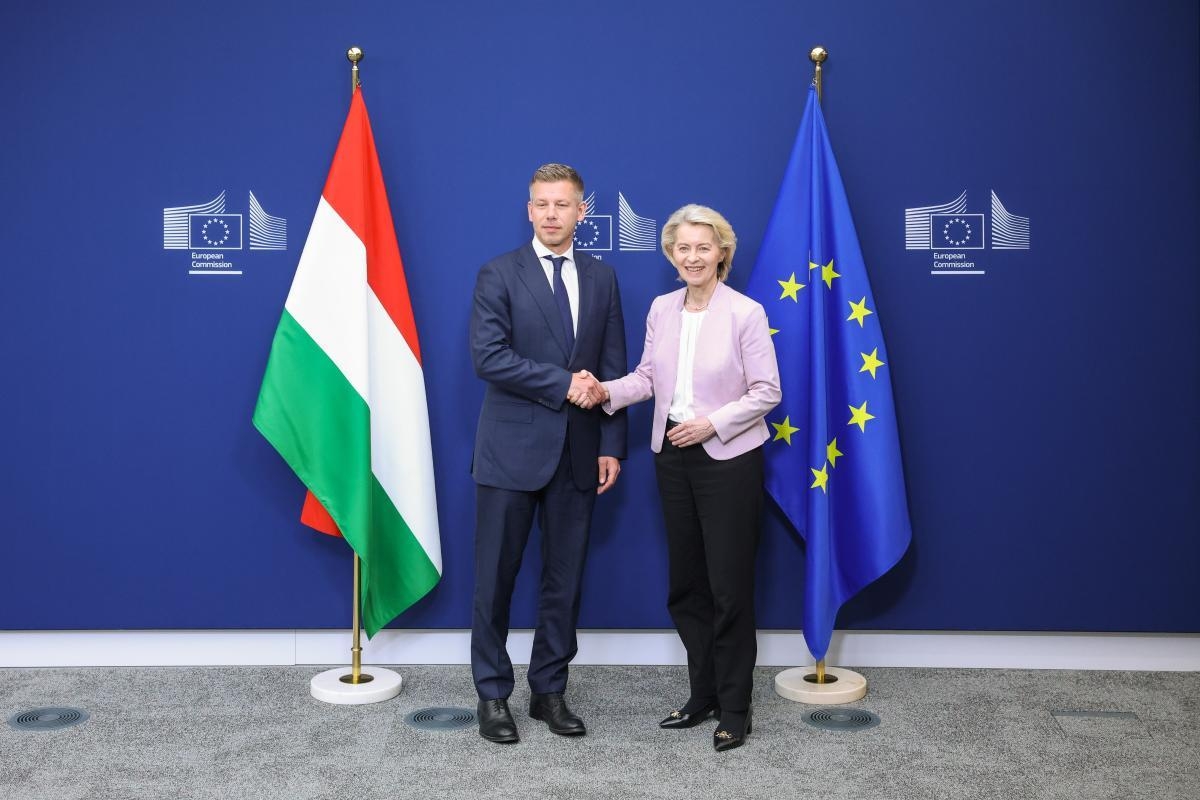
Ecuador's President Daniel Noboa announced Friday that he was committed to jointly fight narcoterrorism and would eliminate a security tax on Colombian goods starting June 1. Colombia's Foreign Ministry responded by characterizing Noboa's remarks as "intrusion by a foreign leader" that constitutes a "flagrant violation of the principle of non-intervention in internal affairs."
The accusation escalates a trade war that began in January when Ecuador imposed escalating tariffs on Colombian imports, starting at 30 percent and eventually reaching 100 percent. Noboa had alleged a lack of border control on Colombia's side and complained of a trade deficit of at least $1 billion. The Petro administration imposed reciprocal tariffs of up to 75 percent on Ecuadorian products and prohibited energy sales to Ecuador.
Colombians are voting Sunday to choose a successor to President Gustavo Petro, who is constitutionally barred from seeking re-election, according to the BBC. De la Espriella, a 47-year-old lawyer and businessman, is among three frontrunners in what surveys predict will be a tight, three-way race. Ivan Cepeda, a 63-year-old left-leaning senator backed by Petro, has been leading opinion polls but appears unlikely to secure the 50-plus percent needed for an outright majority. Paloma Valencia, a 48-year-old right-wing senator who could become Colombia's first female president, rounds out the leading contenders.
De la Espriella has cast himself as a maverick outsider who refuses to govern "with the same old crowd" and has expressed admiration for Trump. He has vowed to combat crime with an "iron fist" and proposed constructing 10 "mega-prisons" to tackle armed drug-running groups. Cepeda, by contrast, has promised to continue Petro's "total peace" policy of pursuing negotiations with illegal armed cartels, while Valencia has pledged a tough military crackdown if elected.
The Andean Community of Nations found earlier this month that the reciprocal tariffs between Ecuador and Colombia must be eliminated because they hinder free trade and gave both countries a deadline to comply. The group is currently reviewing appeals opposing the resolution. Colombia's Foreign Ministry said the repeal of tariffs stems from that resolution, not from Noboa's stated commitment to de la Espriella. Noboa did not clarify whether he would maintain his decision should Cepeda, the ruling party candidate, win Sunday's election.
Tensions between the neighbors have already prompted both countries to summon each other's ambassadors.
Colombia's government on Saturday rejected Ecuador's decision to eliminate tariffs on Colombian imports, calling it "deliberate interference" in the country's presidential election. Ecuador's President Daniel Noboa announced Friday that he would repeal a security tax on Colombian goods starting June 1, a move he framed as part of a joint commitment to fight narcoterrorism made during talks with Colombian presidential candidate Abelardo de la Espriella. Colombia's Foreign Ministry responded by characterizing Noboa's remarks as "intrusion by a foreign leader" that constitutes a "flagrant violation of the principle of non-intervention in internal affairs."
The accusation escalates a trade war that began in January when Ecuador imposed escalating tariffs on Colombian imports, starting at 30 percent and eventually reaching 100 percent. Noboa had alleged a lack of border control on Colombia's side and complained of a trade deficit of at least $1 billion. The Petro administration imposed reciprocal tariffs of up to 75 percent on Ecuadorian products and prohibited energy sales to Ecuador.
Colombians are voting Sunday to choose a successor to President Gustavo Petro, who is constitutionally barred from seeking re-election. De la Espriella, a 47-year-old lawyer and businessman, is among three frontrunners in what surveys predict will be a tight, three-way race likely to require a second-round runoff on June 21. Ivan Cepeda, a 63-year-old left-leaning senator backed by Petro, has been leading opinion polls but appears unlikely to secure the 50-plus percent needed for an outright majority. Paloma Valencia, a 48-year-old right-wing senator who could become Colombia's first female president, rounds out the leading contenders.
De la Espriella has cast himself as a maverick outsider who refuses to govern "with the same old crowd" and has expressed admiration for Trump. He has vowed to combat crime with an "iron fist" and proposed constructing 10 "mega-prisons" to tackle armed drug-running groups. Cepeda, by contrast, has promised to continue Petro's "total peace" policy of pursuing negotiations with illegal armed cartels, while Valencia has pledged a tough military crackdown if elected.
The Andean Community of Nations found earlier this month that the reciprocal tariffs between Ecuador and Colombia must be eliminated because they hinder free trade and gave both countries a deadline to comply. The group is currently reviewing appeals opposing the resolution. Colombia's Foreign Ministry said the repeal of tariffs stems from that resolution, not from Noboa's stated commitment to de la Espriella. Noboa did not clarify whether he would maintain his decision should Cepeda, the ruling party candidate, win Sunday's election.
The timing of Noboa's announcement, made just days before Colombians vote, has transformed a bilateral trade dispute into an accusation of electoral meddling. Tensions between the neighbors have already prompted both countries to summon each other's ambassadors.
Highlighted text was flagged by the council. Tap to see feedback.