
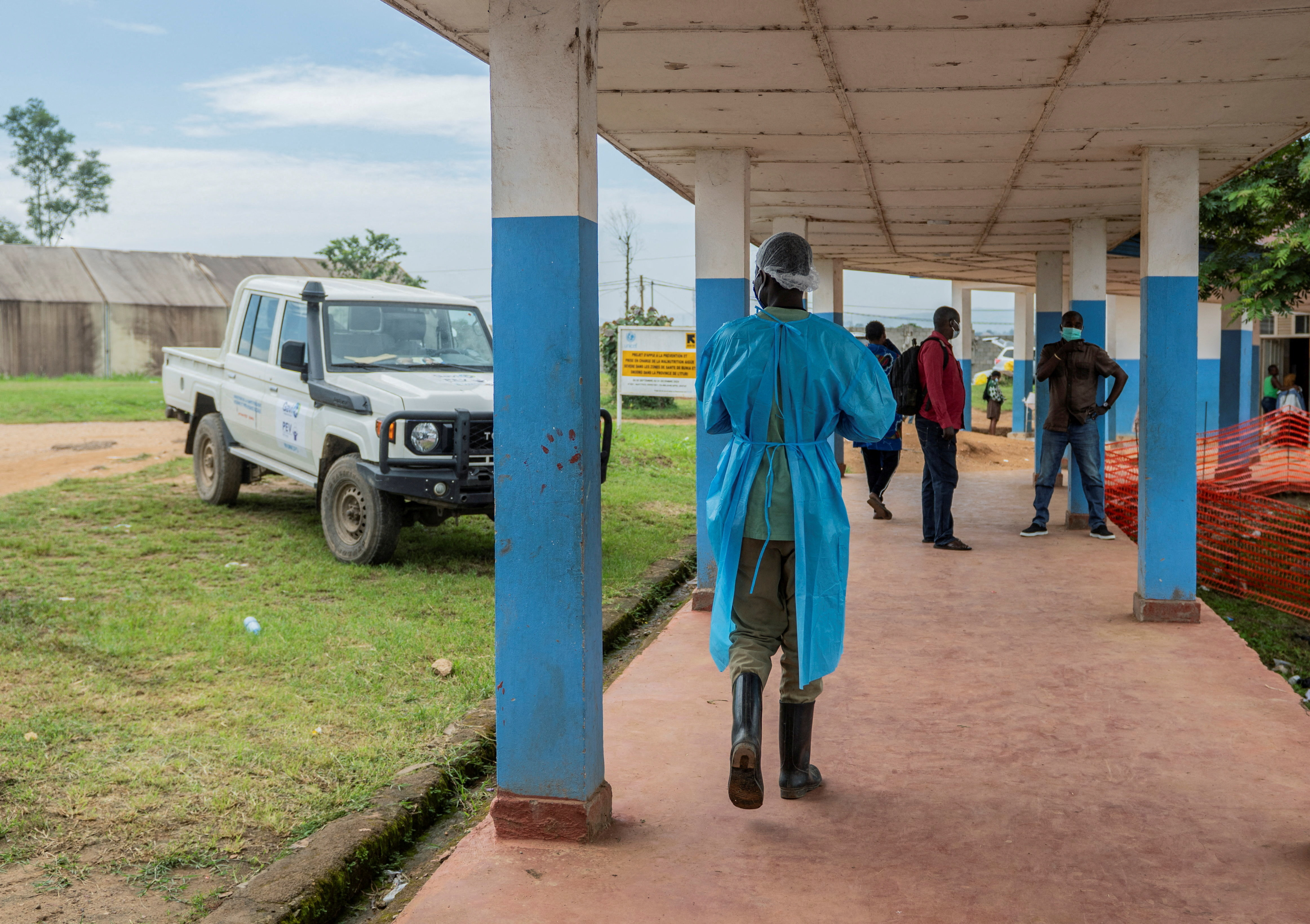




Suspected cases emerge in South America
Brazilian health authorities are isolating two patients for possible Ebola infection, marking the first suspected cases outside central Africa as the outbreak accelerates. A 37-year-old man from the Democratic Republic of the Congo showed fever and other symptoms consistent with Ebola in São Paulo state, though initial tests came back negative, according to the state government. He remains under observation at a specialized infectious disease facility as a precautionary measure.
A second patient in Rio de Janeiro state, a man from Uganda, tested positive for malaria on Saturday evening after presenting with cough, chills, and diarrhea. Rio's health department activated safety protocols and continues investigating the case. The São Paulo government stated that "the technical assessment indicates that the risk of the disease being introduced into Brazil and South America remains very low."
The outbreak's rapid acceleration
Alan Gonzalez, deputy director of Doctors Without Borders, told NBC News that the virus is spreading faster than response efforts can contain it. The World Health Organization and Africa Centres for Disease Control and Prevention reported 272 confirmed cases total, including 263 in Congo and nine in Uganda, with more than 1,100 suspected cases remaining untested.

Alan Gonzalez, the Deputy Director at Doctors Without Borders, said that "correct testing" is key because "it’s really difficult to know who is positive, who has the virus, who doesn’t."
Recovery offers hope despite no approved treatments
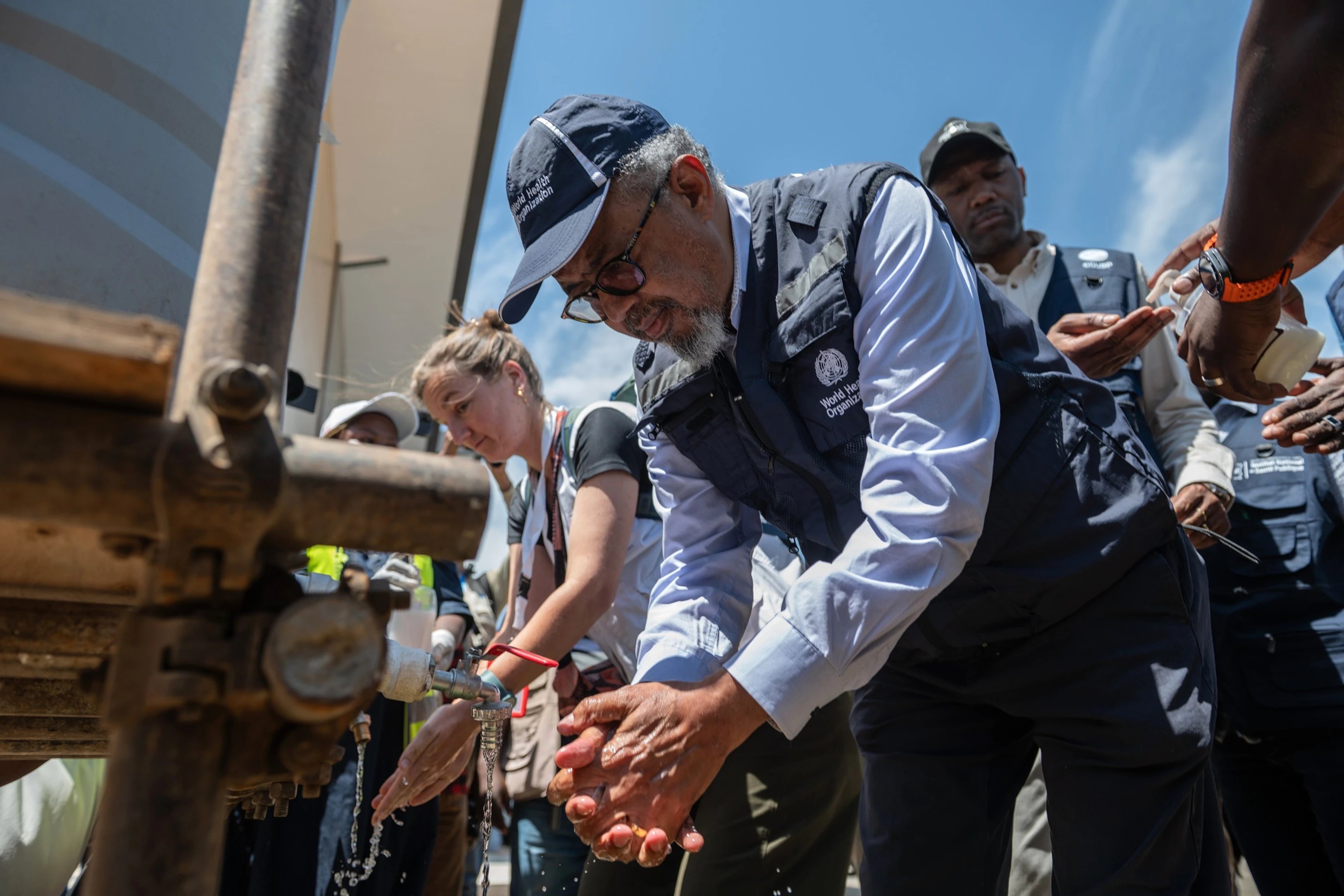
Five patients have recovered from the Bundibugyo virus despite the absence of approved vaccines or treatments, according to WHO Director-General Tedros Adhanom Ghebreyesus during his visit to Bunia in Ituri province on Sunday. Four patients were discharged that day, with one released the day prior, marking the first documented recoveries of confirmed Bundibugyo cases since the outbreak began.
Baraka Bulambulu, one of the recovered patients, told the Associated Press on Sunday that community members feared contracting an unknown illness and kept their distance while delivering food and medicine. "Being able to come out of this alive is an immense source of happiness," Bulambulu said. "Many people who were in the same situation died." Ezo Étienne, a nurse who recovered, required seven tests before Ebola was confirmed and received only symptom management treatment: medications for vomiting, intravenous fluids to prevent dehydration, and pain relievers.
Community resistance and armed conflict complicate response
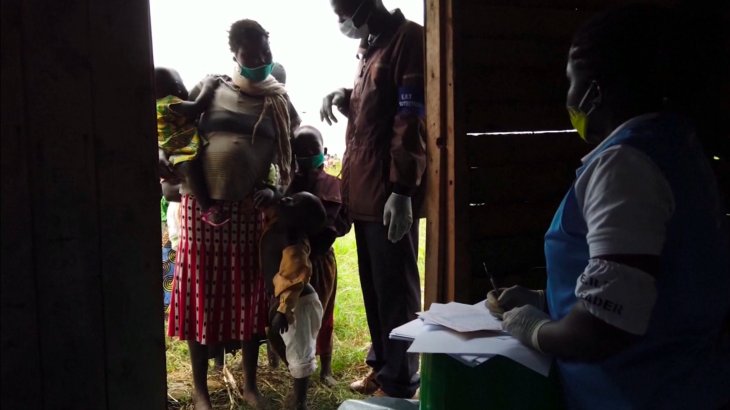
Health workers face escalating dangers from residents angry over stringent protocols for handling victims' bodies, which conflict with local burial practices. Residents have launched at least three attacks against health centers. Tedros acknowledged the cultural importance of funeral rites but warned that touching bodies of those who died from Ebola spreads the virus further.
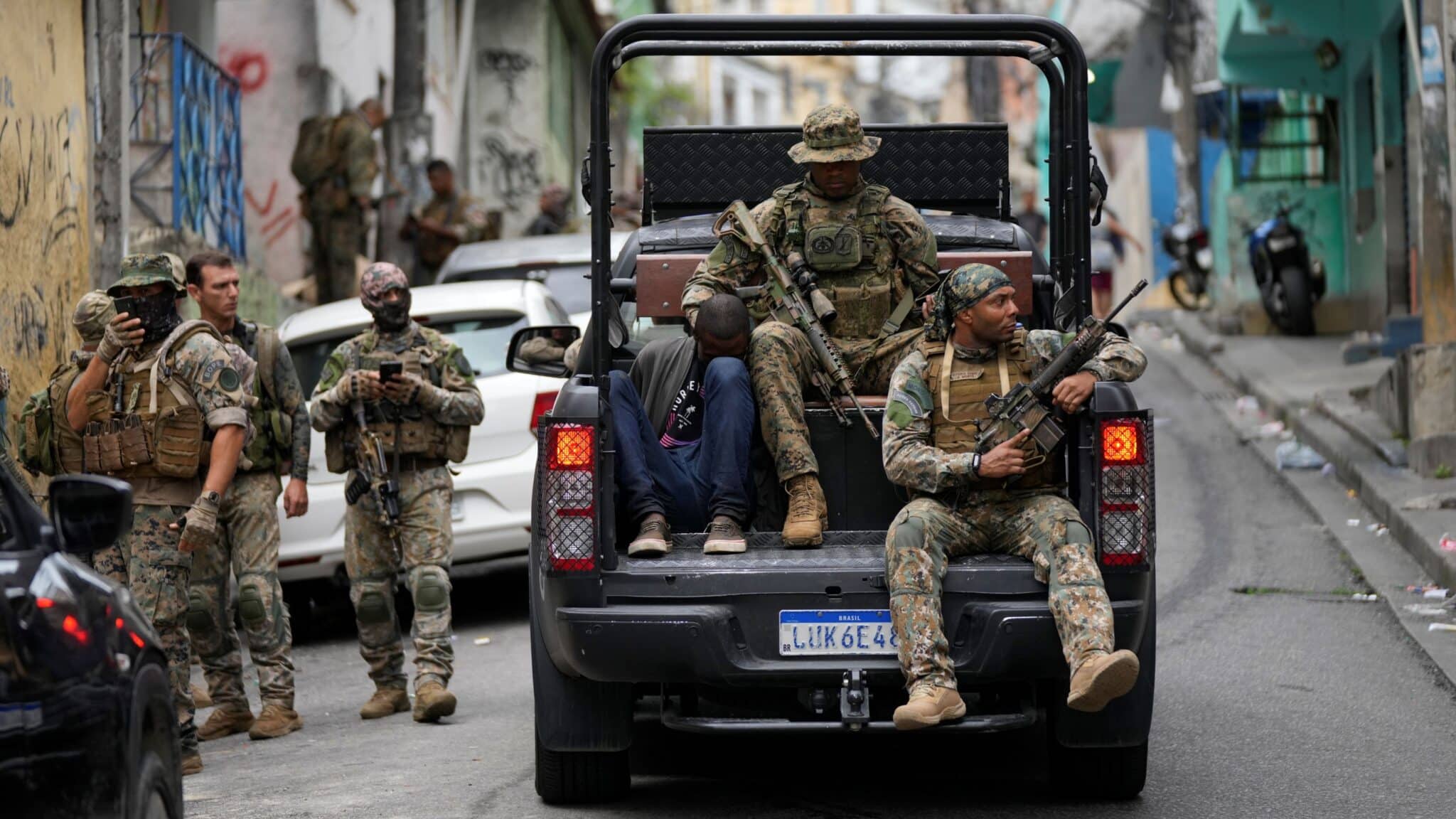
Armed groups have also hindered containment efforts. The Allied Democratic Forces, a rebel group allied with the Islamic State, and a coalition of ethnic militias operate in Ituri province. The Rwanda-backed M23 rebel group controls key cities including Goma and Bukavu in neighboring provinces where the illness has also been reported. On Thursday, Tedros made a direct appeal to competing armed groups to declare a ceasefire during the outbreak.












The sources also report that the World Health Organization confirmed 349 suspected deaths from the virus in Congo and Uganda, which the summary does not mention.