






Emergency Arms Sales
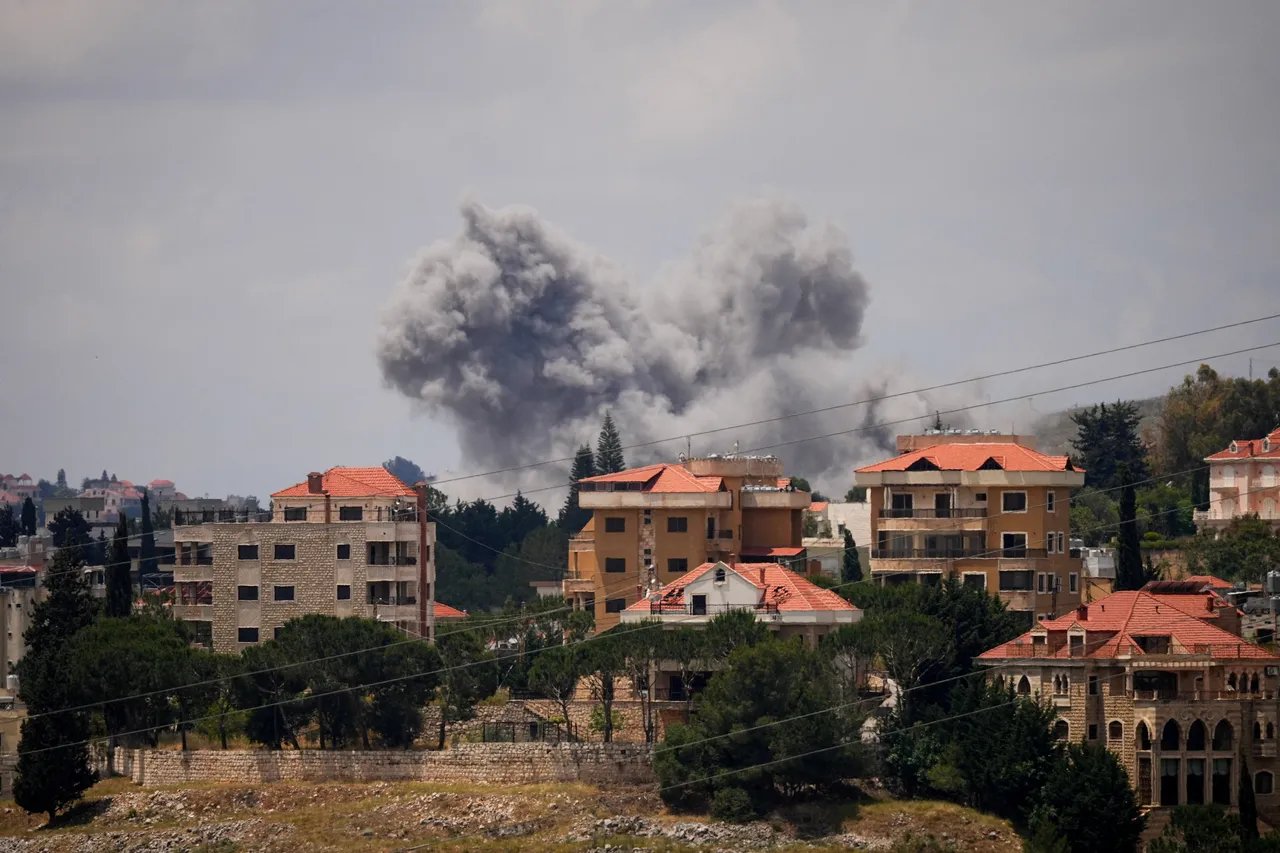
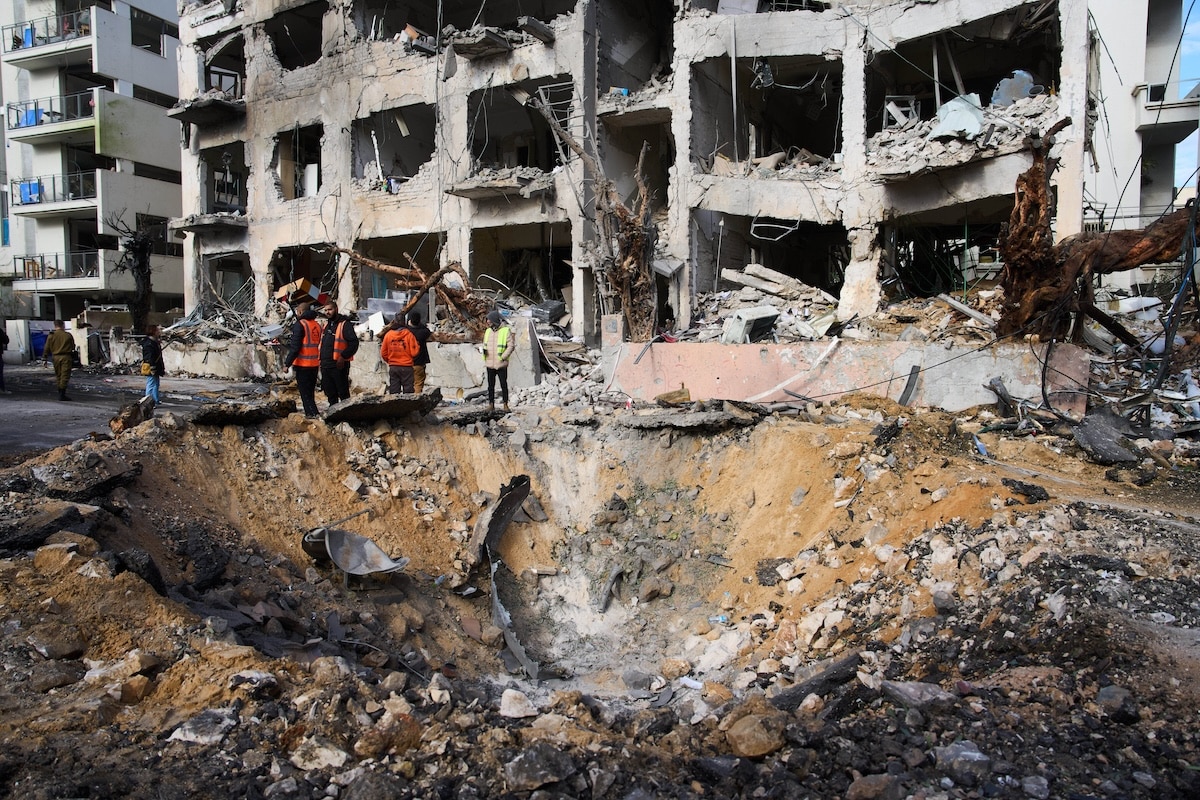
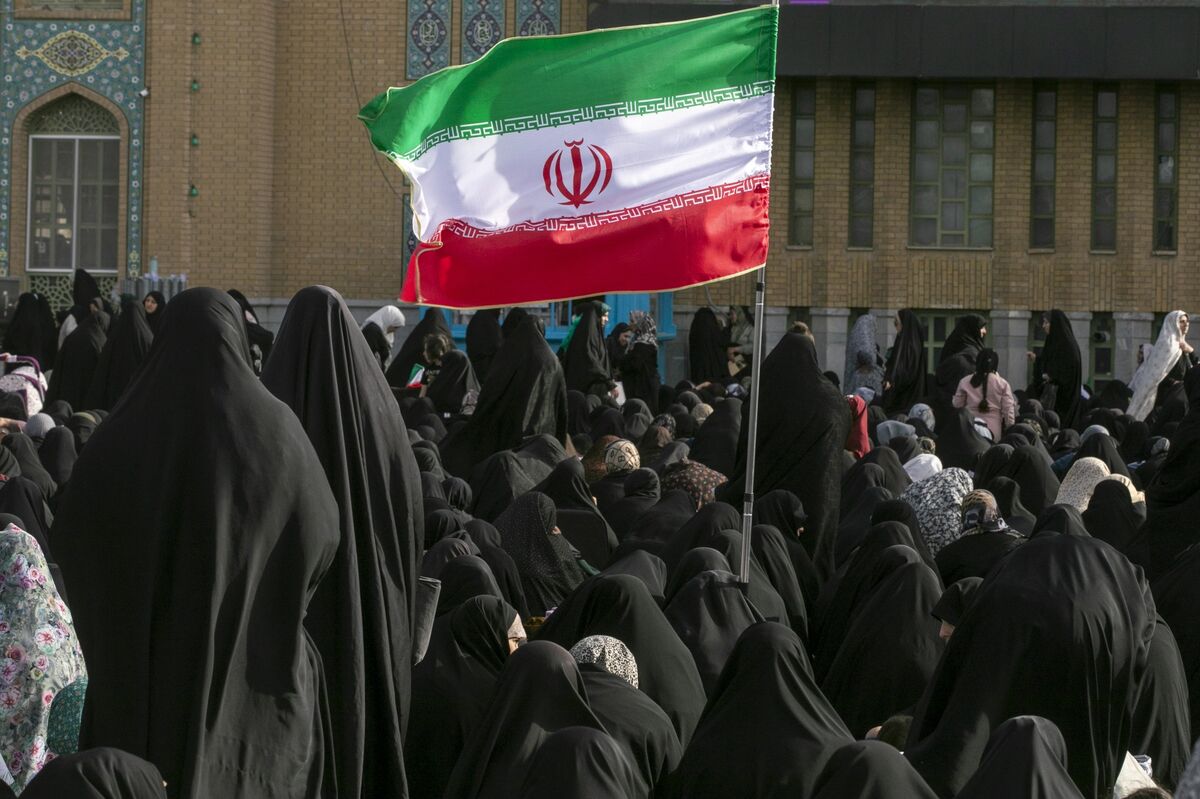
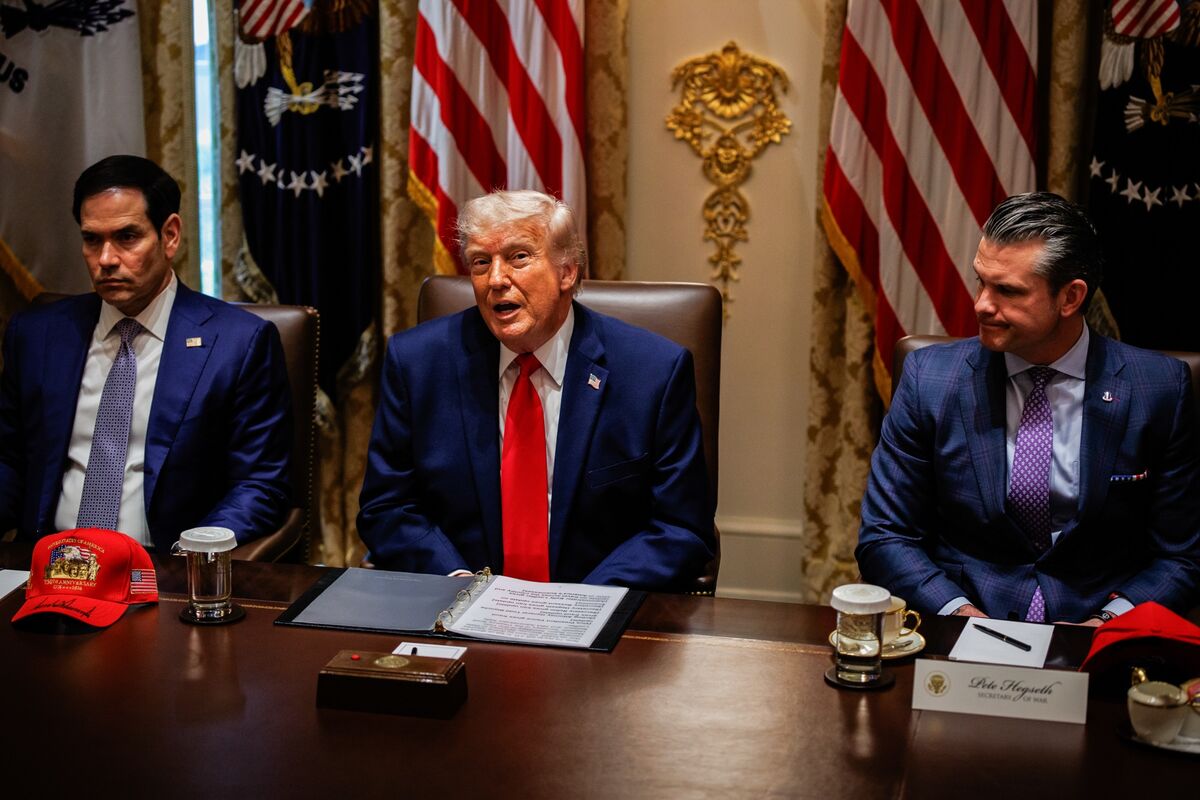
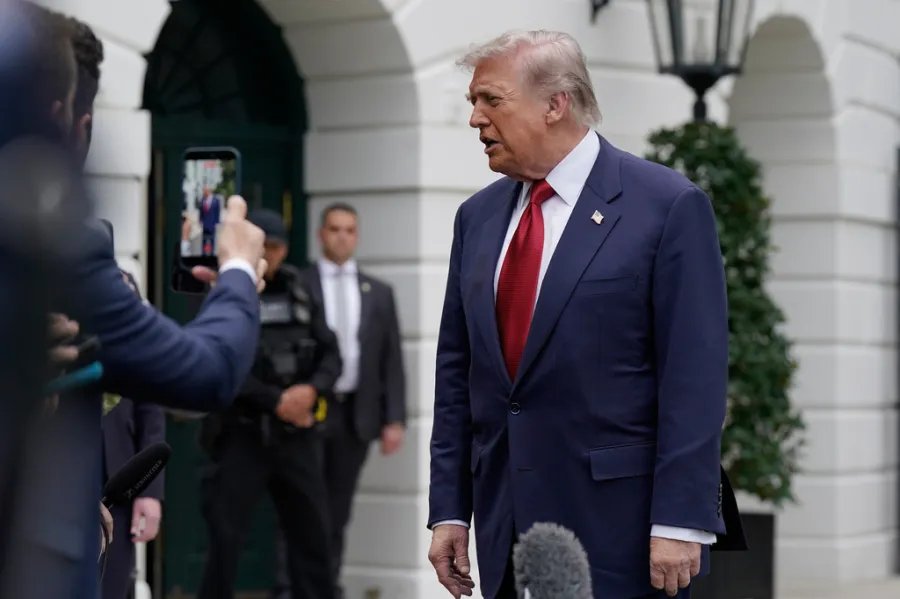
The U.S. State Department approved $8.6 billion in arms sales to Middle East allies, including Israel, on Friday. Secretary of State Marco Rubio cited emergency circumstances to fast-track the transfers without prior review by Congress. The sales are occurring during the U.S.-Israeli conflict in Iran, which began in late February.
Beneficiaries and Purchases
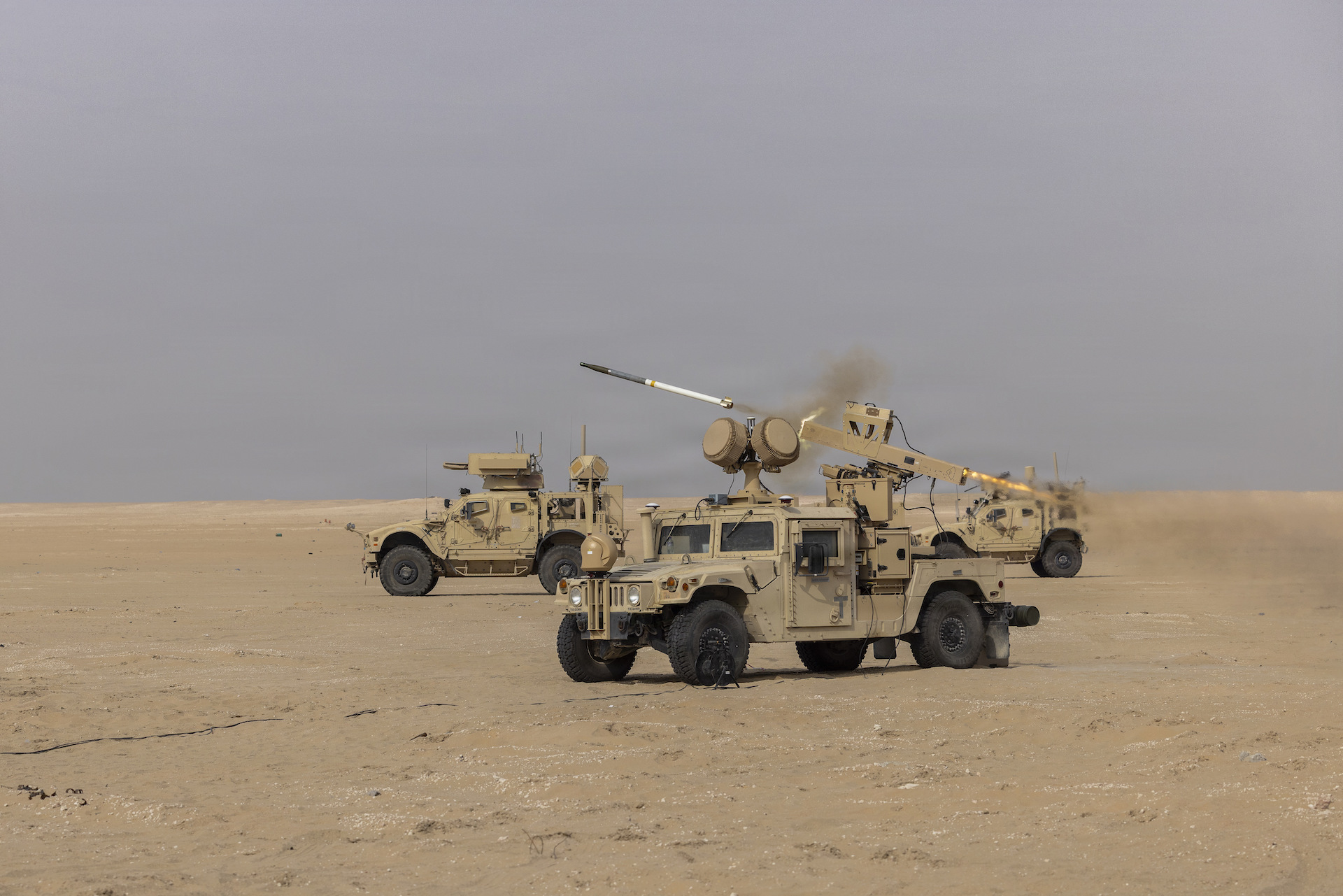
Israel is set to receive an Advanced Precision Kill Weapon System (APKWS) and related equipment for $992 million. Kuwait has been approved to purchase battle command systems for $2.5 billion. The battle command systems will improve the country’s air defense detection with radar.
Gulf State Restocking
Qatar has been approved to buy an APKWS and restock its Patriot air and missile defense systems at a cost of nearly $5 billion. The United Arab Emirates has been cleared to buy an APKWS for $148 million.
Bypassing Congress
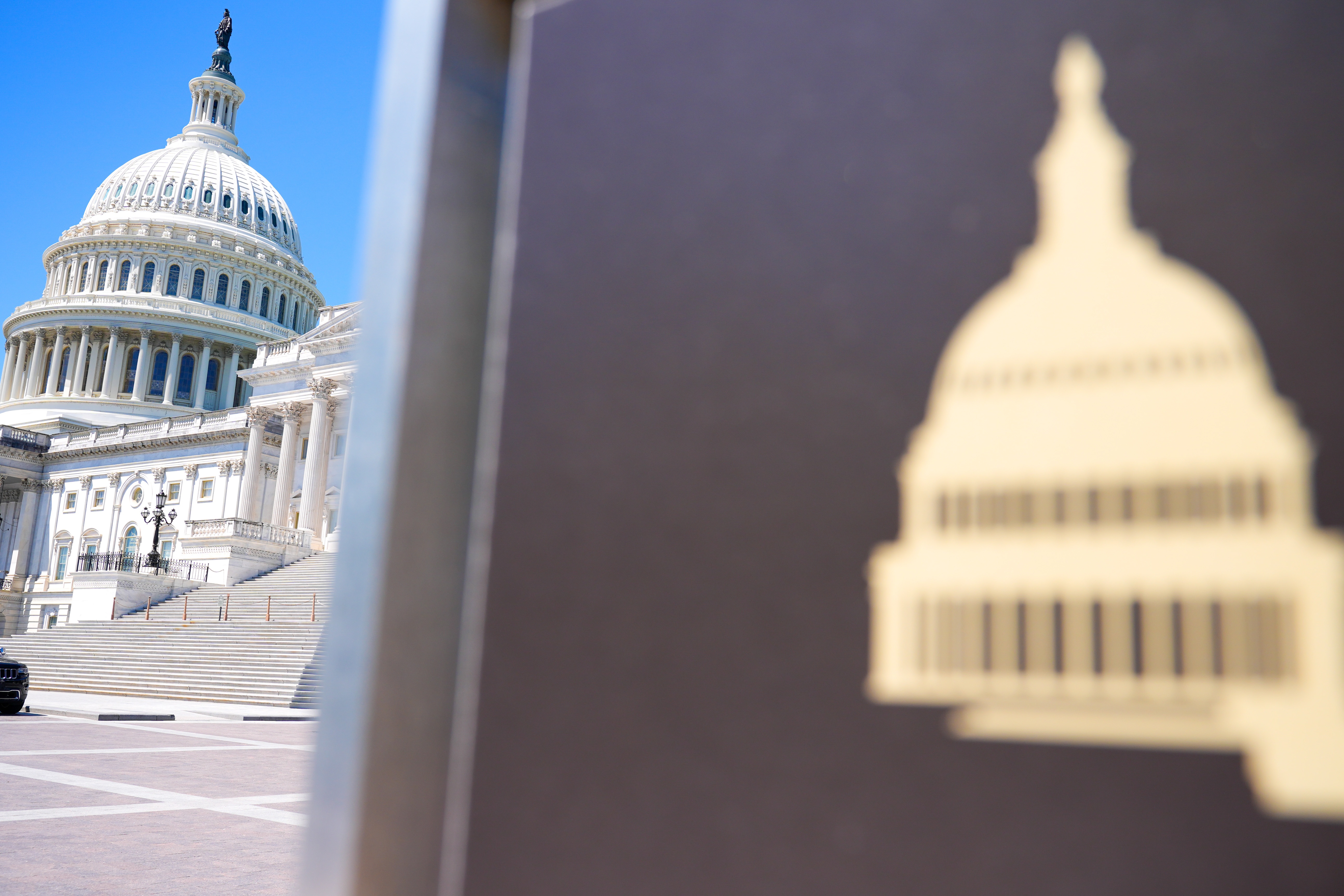
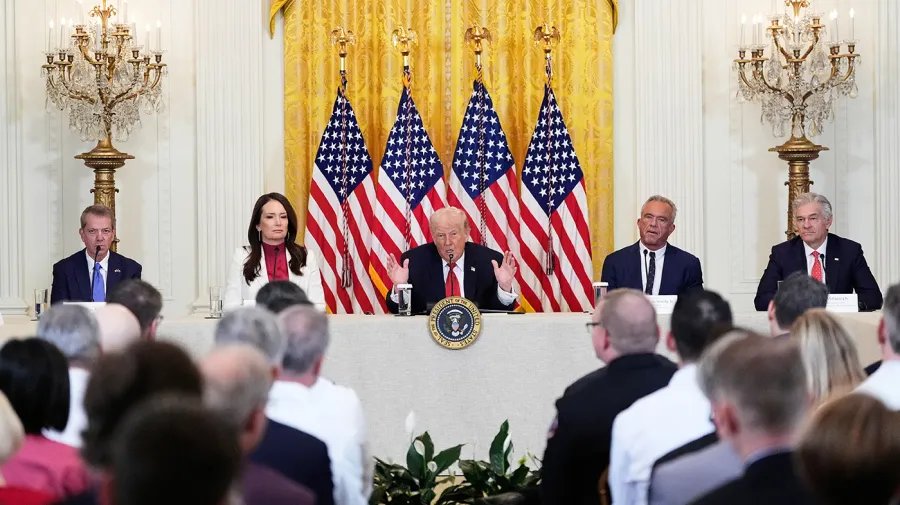
The State Department stated it had provided “detailed justification” of an emergency requiring the sales “in the national security interests of the United States,” bypassing the congressional review process outlined in the Arms Export Control Act. Patriot systems are used to intercept incoming projectiles. APKWS converts unguided rockets into precision-guided munitions.
Prior Arms Deals
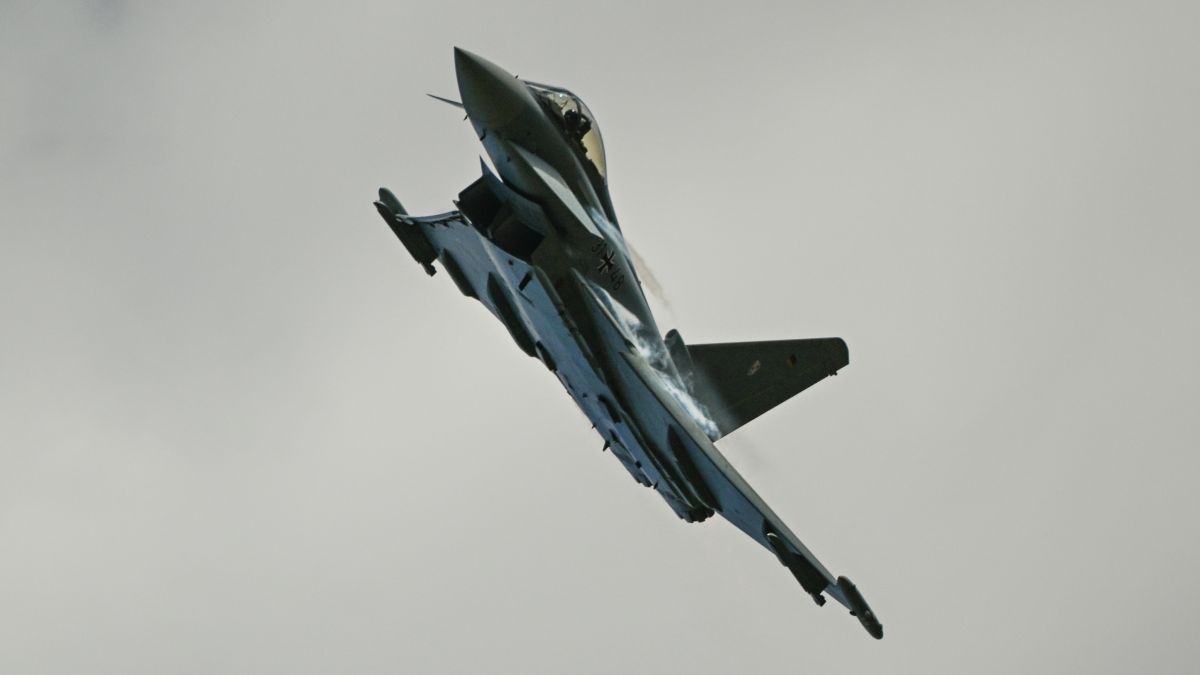
In March, the State Department approved separate arms sales worth $16.5 billion to the UAE, Kuwait, and Jordan. The deals included drones, missiles, radar systems, and F-16 aircraft for the UAE, and air and missile defense radar systems for Kuwait.
Stockpile Concerns
A report published last month by the Center for Strategic and International Studies concluded that the U.S. had enough stockpiles for the war on Iran, but would need more for an adversary such as China. The report stated that “prewar inventories were already insufficient. The levels today will constrain US operations should a future conflict arise.”








































































































































































































































































































































































































The sources also report that the U.S. State Department's justification for the arms sales was based on 'emergency' circumstances related to national security, bypassing the usual congressional review process.