





Drugmaker Requests Emergency Intervention
Danco Laboratories, the manufacturer of mifepristone, filed an emergency appeal to the Supreme Court on Saturday, seeking to block a ruling from the 5th U.S. Circuit Court of Appeals that restricts mail-order access to the abortion pill. This ruling, issued just a day earlier, mandates that mifepristone can only be dispensed in person at clinics, reversing regulations established by the Food and Drug Administration (FDA) that allowed the drug to be prescribed via telehealth. Danco's legal team argues that the appellate court's decision creates “immediate confusion and upheaval” for patients and healthcare providers.
Implications for Abortion Access
The 5th Circuit's unanimous ruling represents a significant setback for abortion rights advocates, particularly in states where access to abortion is already limited. The court's decision stated that the current FDA regulations allow for the distribution of mifepristone in a manner that contradicts state laws, such as Louisiana's ban on medical abortions. Louisiana Attorney General Liz Murrill claimed that the ruling is a vital step in defending the state's position that life begins at conception, stating, "Every abortion facilitated by FDA's action cancels Louisiana's ban on medical abortions."
Legal and Medical Community Responses
The legal battle surrounding mifepristone has drawn sharp criticism from organizations like the American Civil Liberties Union (ACLU). ACLU lawyer Julia Kaye condemned the appellate ruling, characterizing it as a "shamelessly packaged" effort to restrict abortion access. Kaye emphasized that for many individuals—especially those in rural areas or facing intimate partner violence—losing the option for telemedicine will severely limit access to necessary healthcare. Opponents of the ruling argue that it undermines decades of established medical practice and safety data supporting mifepristone's use.
Historical Context of Mifepristone
Mifepristone has been approved for use in the U.S. since 2000 and is part of a two-drug regimen typically used to terminate early pregnancies. The FDA initially imposed strict limitations on its prescription due to safety concerns, but these restrictions were relaxed during the COVID-19 pandemic. In 2023, the FDA permanently lifted the in-person dispensing requirement, allowing greater access to the medication. However, the recent ruling could significantly curtail this access, particularly in states with stringent abortion laws.
Future of Mifepristone Access
As the Supreme Court prepares to review Danco's appeal, the implications for abortion access remain uncertain. The conservative-majority court previously upheld access to mifepristone in a unanimous 2024 decision but left room for further challenges. The legal landscape surrounding abortion rights continues to evolve, with advocates warning that this ruling could be a precursor to more sweeping restrictions on reproductive healthcare across the country.
Next Steps for Patients and Providers
For patients and healthcare providers, the uncertainty surrounding mifepristone access poses immediate challenges. Many women rely on mail-order services for abortion pills, especially in states with restrictive laws. As legal battles unfold, individuals seeking abortion care may need to navigate a complex and rapidly changing regulatory environment. Advocates maintain that the fight for access to reproductive healthcare is far from over, emphasizing the need for continued vigilance and advocacy in the face of potential restrictions.











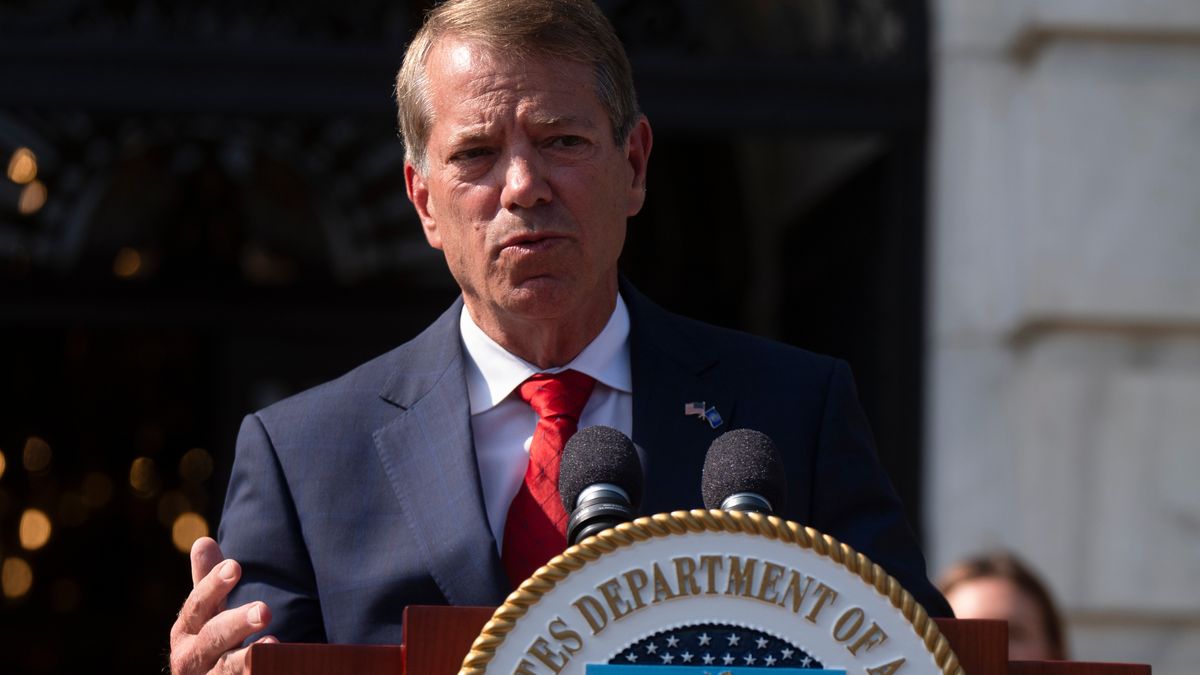













The sources also report that Louisiana Attorney General Liz Murrill stated that the ruling is vital for defending the state's position that 'life begins at conception.'