




Job Cuts Impact Thousands
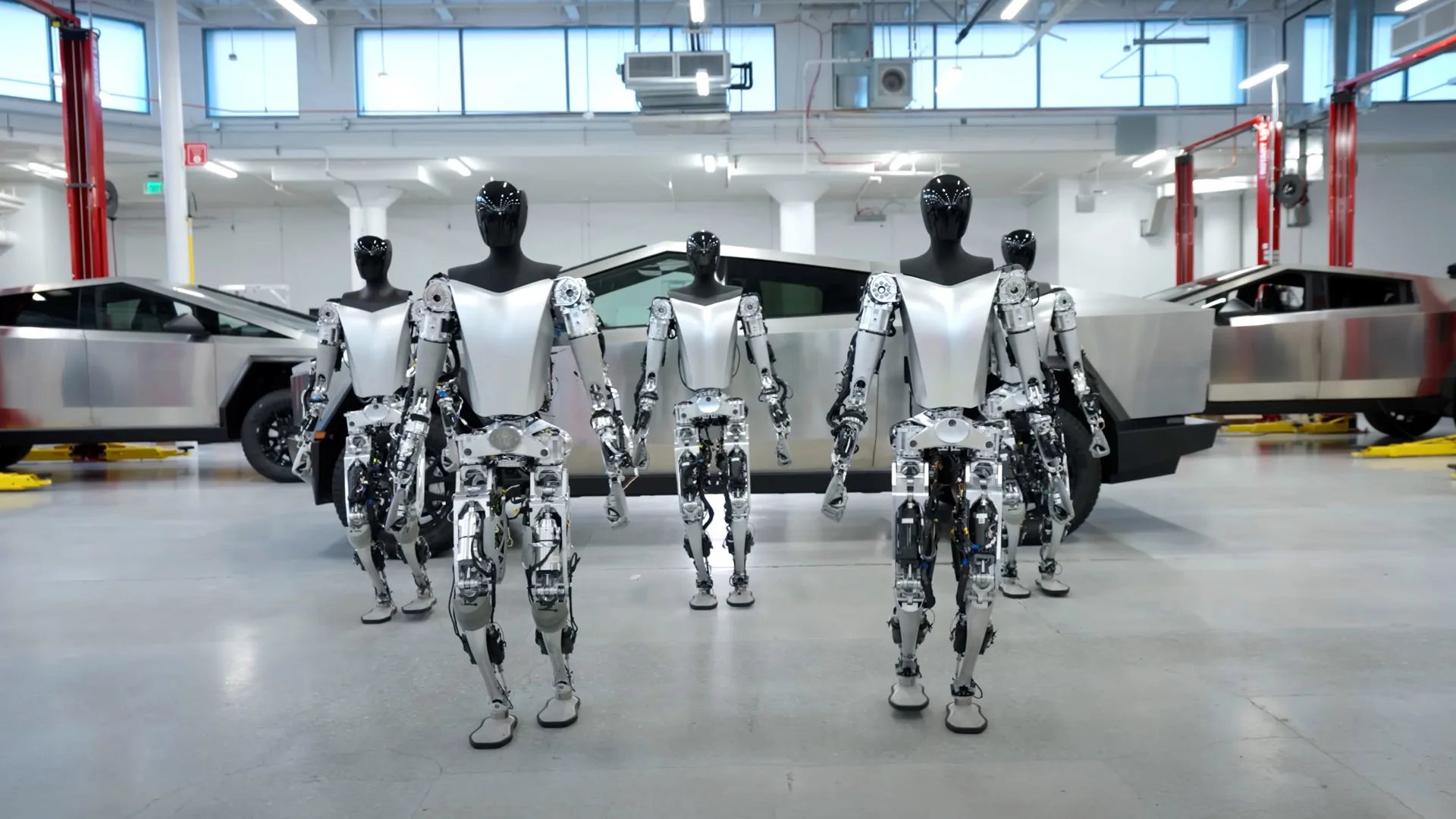
Standard Chartered announced plans to eliminate over 7,000 jobs, affecting workers across multiple divisions. The bank's decision comes as part of a broader strategy to enhance its use of artificial intelligence, which it describes as necessary to replace "lower-value human capital." This shift may lead to significant changes in the roles and responsibilities of existing employees, raising concerns about job security in the banking sector.
Financial Targets and Cost-Cutting Measures
The job cuts align with Standard Chartered's goal to achieve $2.5 billion in cost savings by 2024. The bank aims to streamline operations and improve efficiency, which executives believe will bolster its competitive position in the industry. A spokesperson emphasized that the transition to AI is crucial for the bank's long-term growth, suggesting that automation will play a key role in its future business model.
Employee Reactions and Concerns
Employees have expressed anxiety over the impending layoffs, fearing for their job security as the bank pivots to technology-driven solutions. One employee, who wished to remain anonymous, stated that the news has created a climate of uncertainty, with many questioning their future within the organization. Labor representatives have called for more transparency from management regarding the transition and its implications for the workforce.
Broader Industry Trends
Standard Chartered's move reflects a growing trend in the banking industry, where financial institutions increasingly adopt AI technologies to enhance operational efficiency. Industry analysts point to the need for banks to adapt to changing consumer expectations and competitive pressures. As more firms invest in technology, the potential for job displacement in traditional roles raises significant questions about the future of work in finance.
Strategic Vision for AI Integration
The bank's leadership has outlined a strategic vision that prioritizes innovation and digital transformation. Executives believe that integrating AI will not only improve service delivery but also enable the bank to better meet the evolving needs of clients. However, this shift raises concerns about the implications for employees, particularly those in roles that may be automated or rendered obsolete.
Next Steps for Affected Employees
As the job cuts approach, Standard Chartered has pledged to support affected employees with severance packages and job placement assistance. The bank aims to provide resources to help workers transition into new roles, whether within the company or in other sectors. This commitment reflects an understanding of the challenges posed by the rapid evolution of technology in the workplace.
The decision by Standard Chartered to cut jobs while increasing reliance on AI underscores a pivotal moment in the banking industry. As financial institutions navigate these changes, the effects on workers and the broader economy will become increasingly significant.