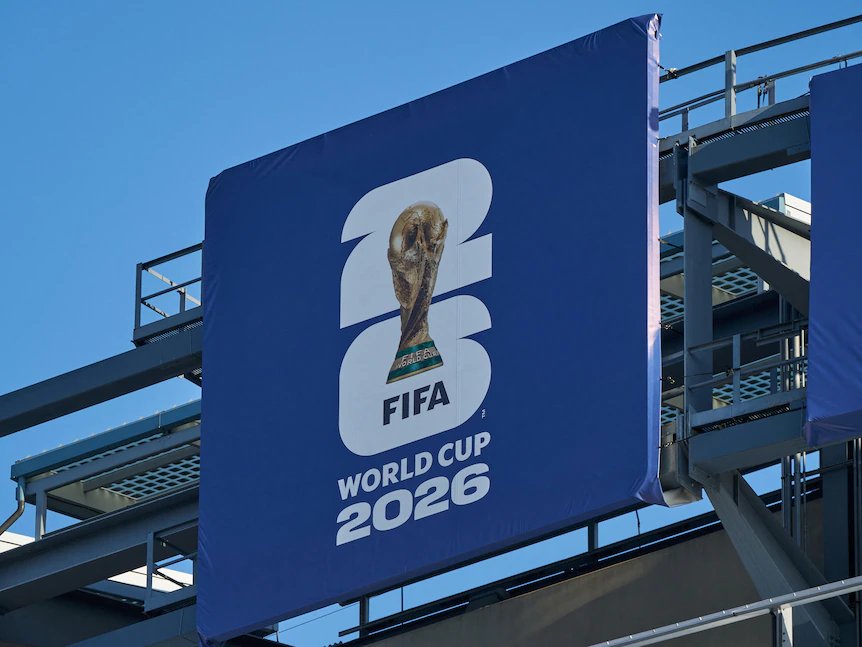
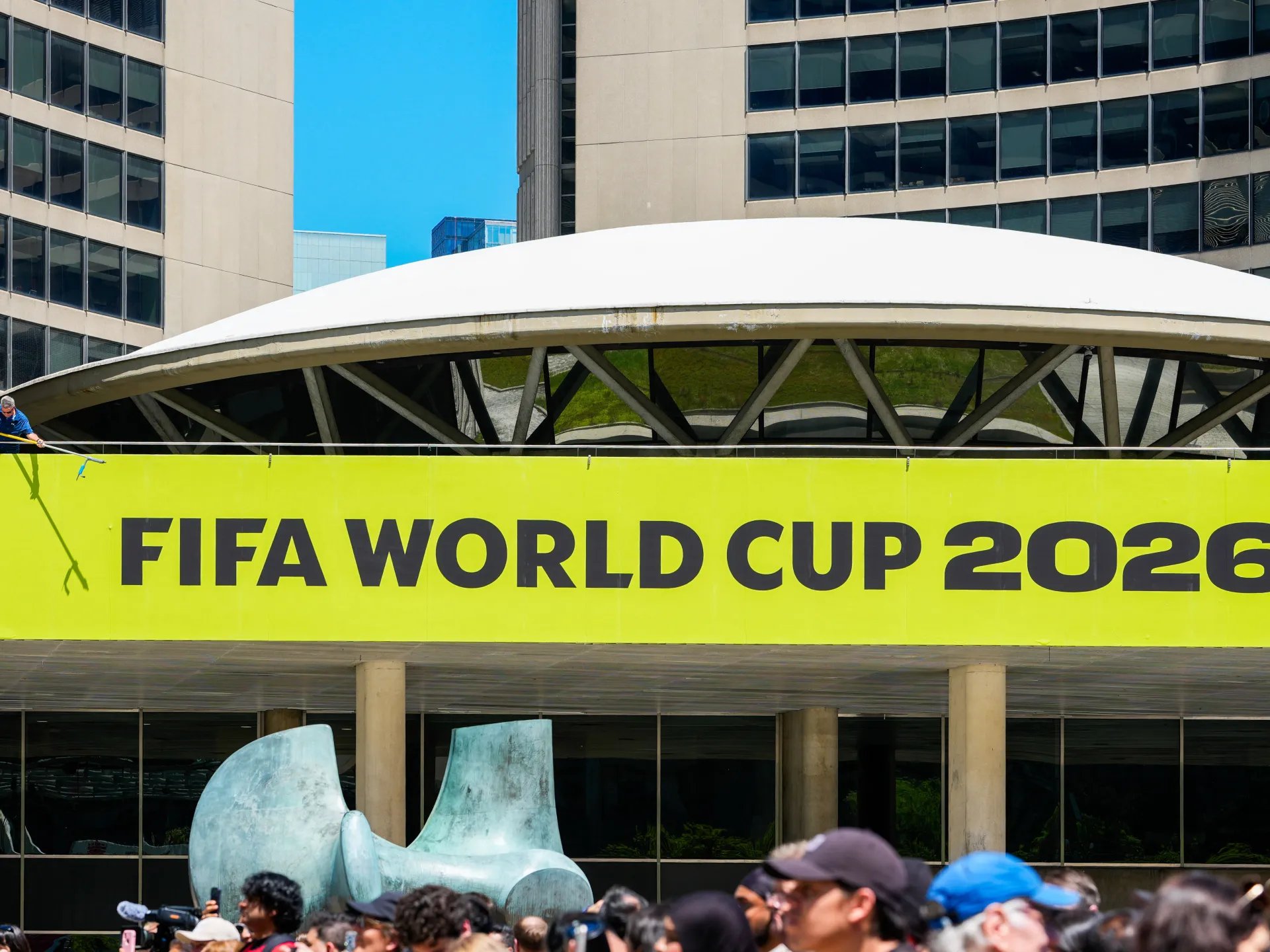
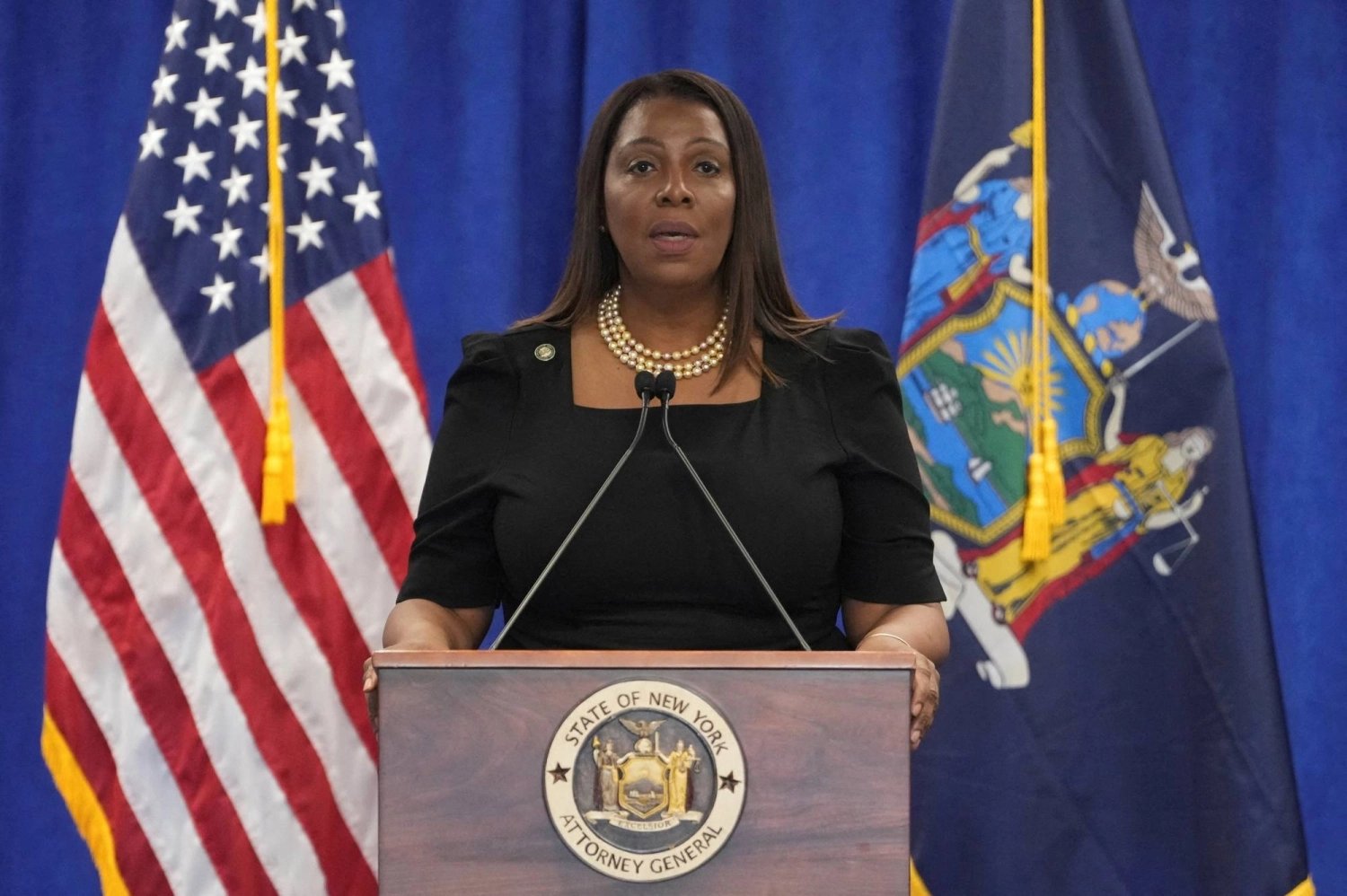
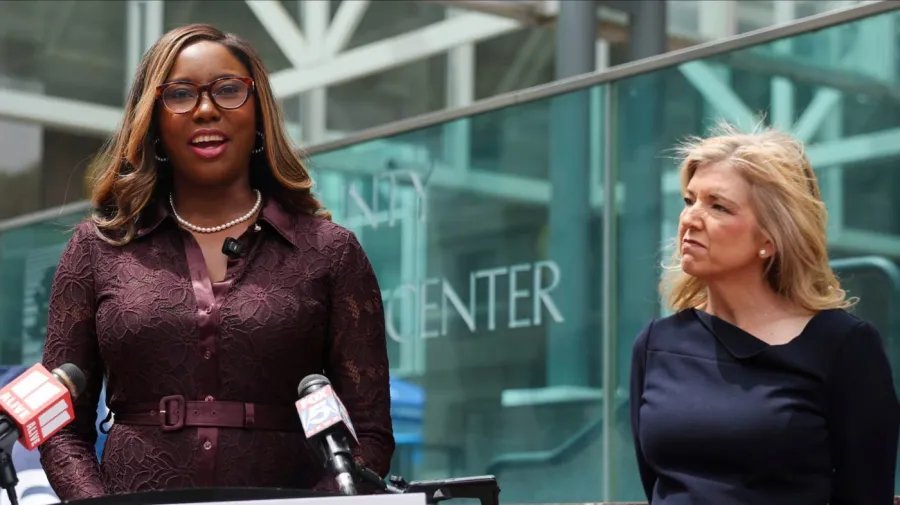
New York and New Jersey have initiated formal investigations into FIFA's ticketing practices for the upcoming World Cup, with a particular focus on soaring prices and allegations of misleading seat assignments. Attorneys General Letitia James of New York and Jennifer Davenport of New Jersey announced the subpoenas issued to FIFA, demanding information on ticket sales tactics, including the controversial use of "variable pricing." Reports indicate that ticket prices for the World Cup have reached unprecedented levels.
The attorneys general voiced strong concerns about consumer protection, emphasizing that fans deserve access to affordable tickets. "No one should be manipulated into paying sky-high prices for seats," stated James. Davenport added that FIFA has transformed the ticket-buying process into "a gauntlet of confusion, fake scarcity, and impossibly high prices." The investigation will scrutinize claims that FIFA altered stadium seat maps after tickets had been sold, pushing fans into less desirable locations.
FIFA's pricing practices have drawn widespread criticism, with tickets for some matches being offered for over $1,000, significantly higher than previous World Cup events. FIFA released tickets for a U.S.-Paraguay match priced at $4,105, according to reports. The attorneys general highlighted that the current pricing far exceeds any previous World Cup, with fans expressing frustration over the lack of transparency and fairness in the ticketing process.
FIFA has defended its pricing strategy, stating that the dynamic pricing model is necessary due to high demand and the elevated costs associated with hosting events in the U.S. The organization has faced backlash over its ticketing methods, which have been described as exploitative by various stakeholders. FIFA did not provide specific comments regarding the investigations but has previously noted that ticket sales are crucial for funding football development worldwide.
The investigations could have significant implications for local fans and communities, especially as New Jersey prepares to host eight World Cup matches, including the final on July 19. New York City Mayor Zohran Mamdani announced a lottery system offering 1,000 tickets at $50 each to city residents, aiming to provide a more affordable option amidst the soaring prices.
This World Cup is already being labeled the most expensive in history, with ticket prices reflecting the economic pressures associated with hosting a major international event.
As the investigations unfold, both states aim to ensure that fans can trust the ticketing process and access affordable options for the World Cup. The outcome of this scrutiny could set important precedents for future sporting events and the relationship between governing bodies and consumers.
New York and New Jersey have initiated formal investigations into FIFA's ticketing practices for the upcoming World Cup, with a particular focus on soaring prices and allegations of misleading seat assignments. Attorneys General Letitia James of New York and Jennifer Davenport of New Jersey announced the subpoenas issued to FIFA, demanding information on ticket sales tactics, including the controversial use of “variable pricing.” Reports indicate that ticket prices for the World Cup have reached unprecedented levels, with some seats priced as high as $33,000 for the final match at MetLife Stadium.
The attorneys general voiced strong concerns about consumer protection, emphasizing that fans deserve access to affordable tickets. “No one should be manipulated into paying sky-high prices for seats,” stated James. Davenport added that FIFA has transformed the ticket-buying process into “a gauntlet of confusion, fake scarcity, and impossibly high prices.” The investigation will scrutinize claims that FIFA altered stadium seat maps after tickets had been sold, pushing fans into less desirable locations.
FIFA's pricing practices have drawn widespread criticism, with tickets for some matches being offered for over $1,000, significantly higher than previous World Cup events. For instance, tickets for a match between the U.S. and Paraguay were priced at $4,105. The attorneys general highlighted that the current pricing far exceeds any previous World Cup, with fans expressing frustration over the lack of transparency and fairness in the ticketing process.
FIFA has defended its pricing strategy, stating that the dynamic pricing model is necessary due to high demand and the elevated costs associated with hosting events in the U.S. The organization has faced backlash over its ticketing methods, which have been described as exploitative by various stakeholders. FIFA did not provide specific comments regarding the investigations but has previously noted that ticket sales are crucial for funding football development worldwide.
The investigations could have significant implications for local fans and communities, especially as New Jersey prepares to host eight World Cup matches, including the final on July 19. New York City Mayor Zohran Mamdani announced a lottery system offering 1,000 tickets at $50 each to city residents, aiming to provide a more affordable option amidst the soaring prices. The World Cup is expected to bring considerable tourism and attention to the region, but the current ticketing issues raise concerns about accessibility for local fans.
This World Cup is already being labeled the most expensive in history, with ticket prices reflecting the economic pressures associated with hosting a major international event. Supporters' groups have also filed complaints regarding pricing with the European Union, reflecting a growing frustration with FIFA’s handling of ticket sales. As the tournament approaches, the focus on ticketing practices underscores a broader conversation about the commercialization of sports and its impact on fans.
As the investigations unfold, both states aim to ensure that fans can trust the ticketing process and access affordable options for the World Cup. The outcome of this scrutiny could set important precedents for future sporting events and the relationship between governing bodies and consumers. With the tournament set to kick off on June 11, the pressure is mounting on FIFA to address these concerns and restore faith among fans eager to participate in this global celebration of soccer.
Highlighted text was flagged by the council. Tap to see feedback.