




Emergency Declaration
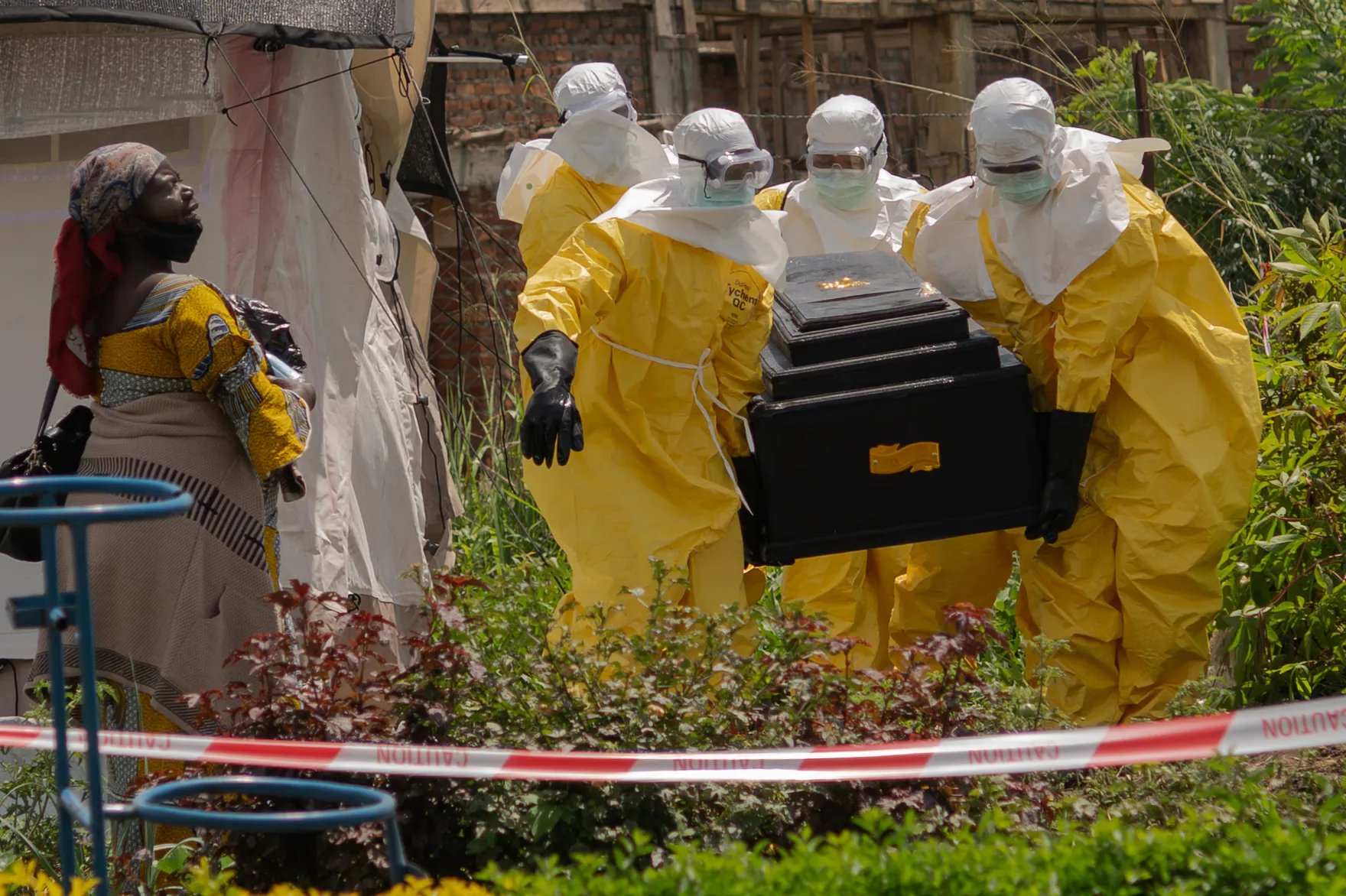
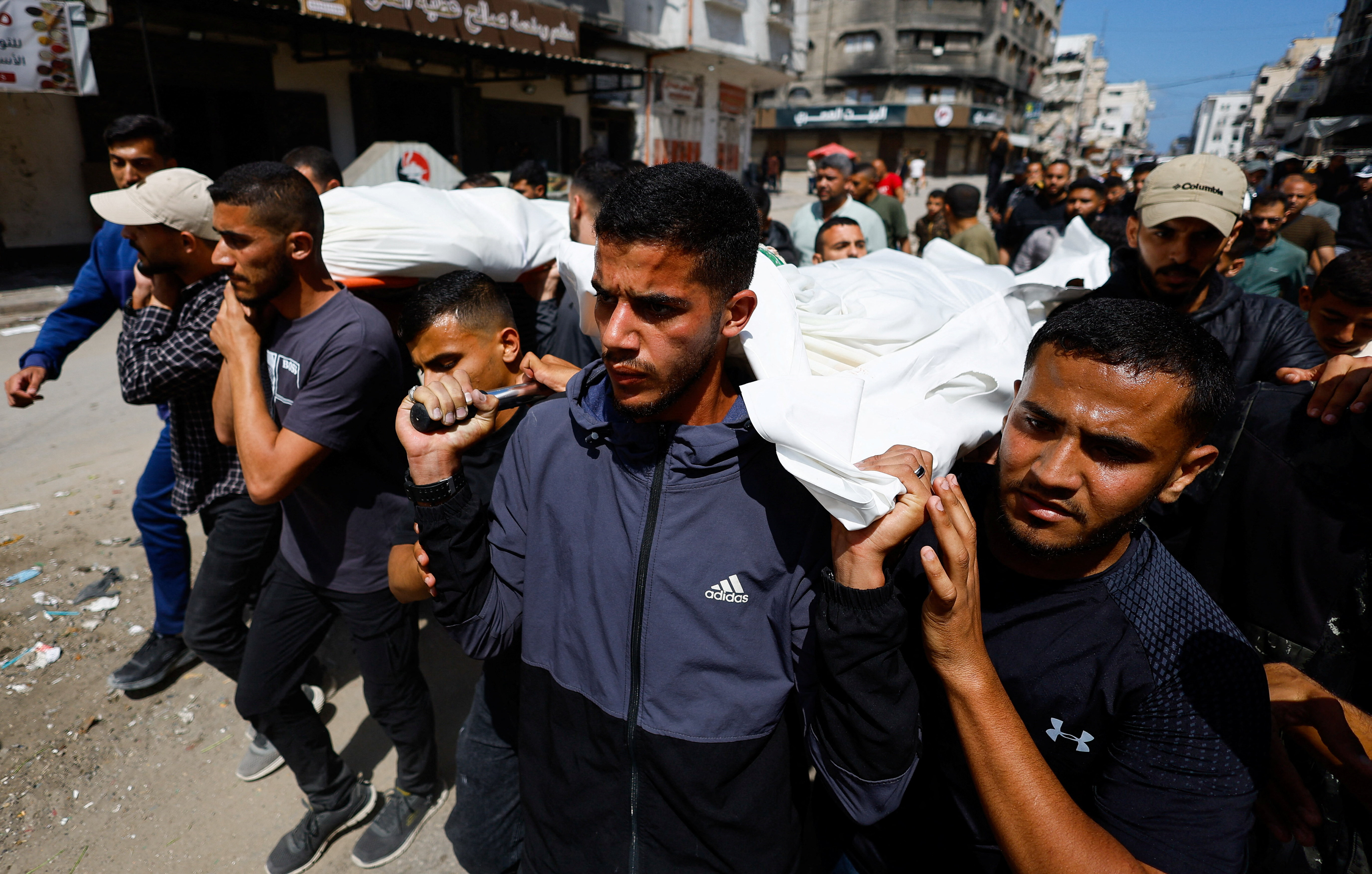
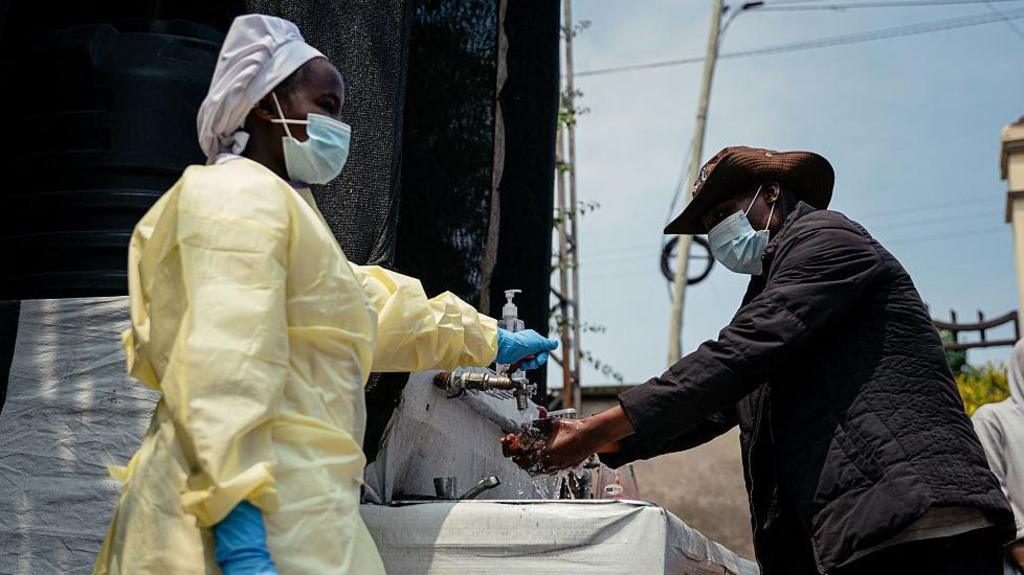
The World Health Organization declared the Ebola outbreak in the Democratic Republic of Congo and Uganda a "public health emergency of international concern" this week. The declaration follows reports of at least 116 deaths in Congo, according to the United Nations. The outbreak is concentrated in the eastern Ituri province of Congo.
Rare Strain
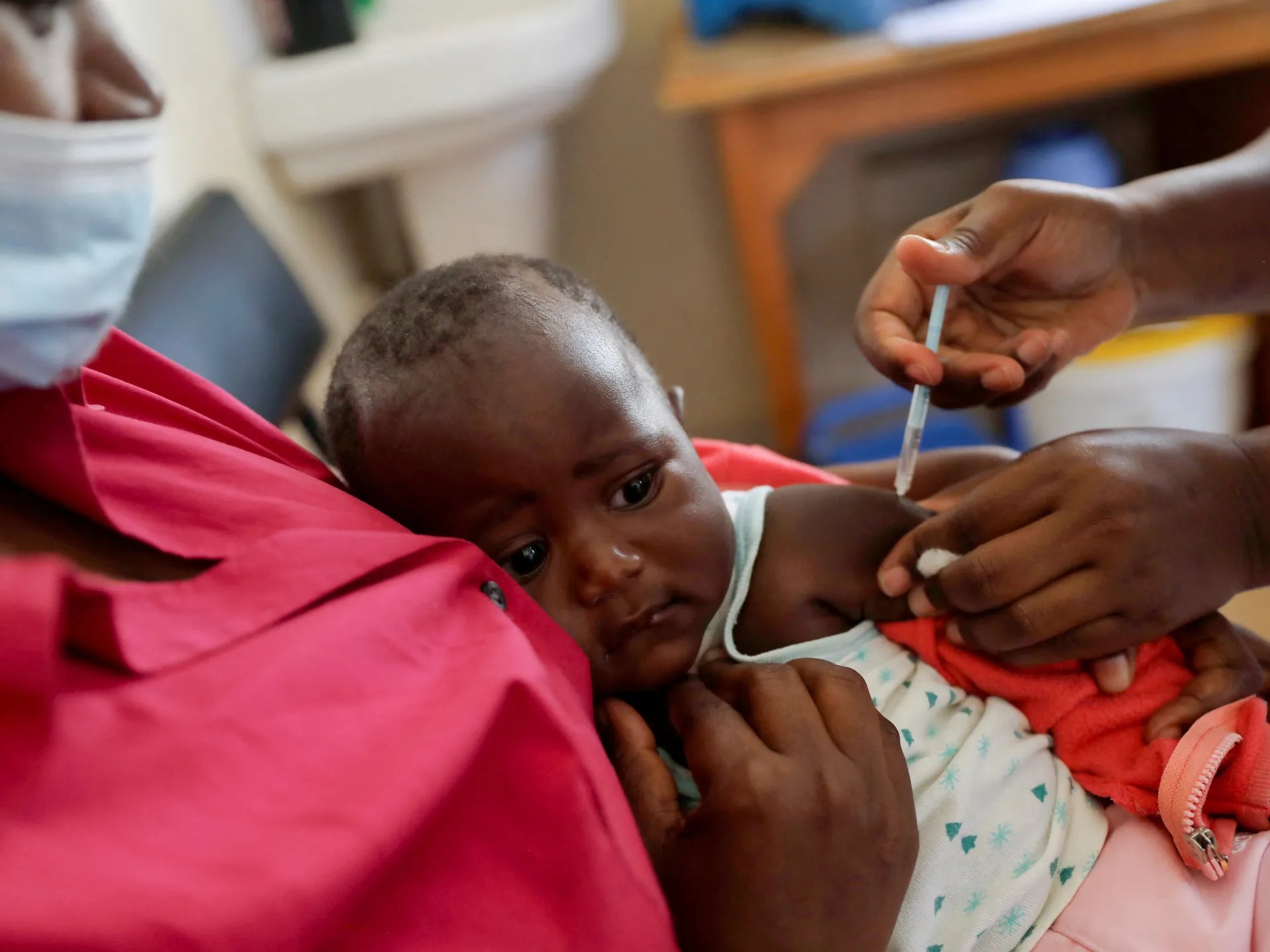
The virus behind the outbreak is the Bundibugyo virus. There is no vaccine or treatment for this strain, which was first discovered in Uganda in 2007. The Bundibugyo strain is one of the viruses that causes Ebola disease. The first known case in the current outbreak was a health worker in Bunia, Congo, who began experiencing symptoms on April 24.
American Cases
The CDC confirmed that an American working in Congo tested positive for Ebola after becoming symptomatic. The individual is being moved to Germany for treatment and monitoring. Six additional Americans are considered high-risk exposures. The CDC is working with the State Department to move these individuals to Germany for monitoring and treatment.
Travel Restrictions
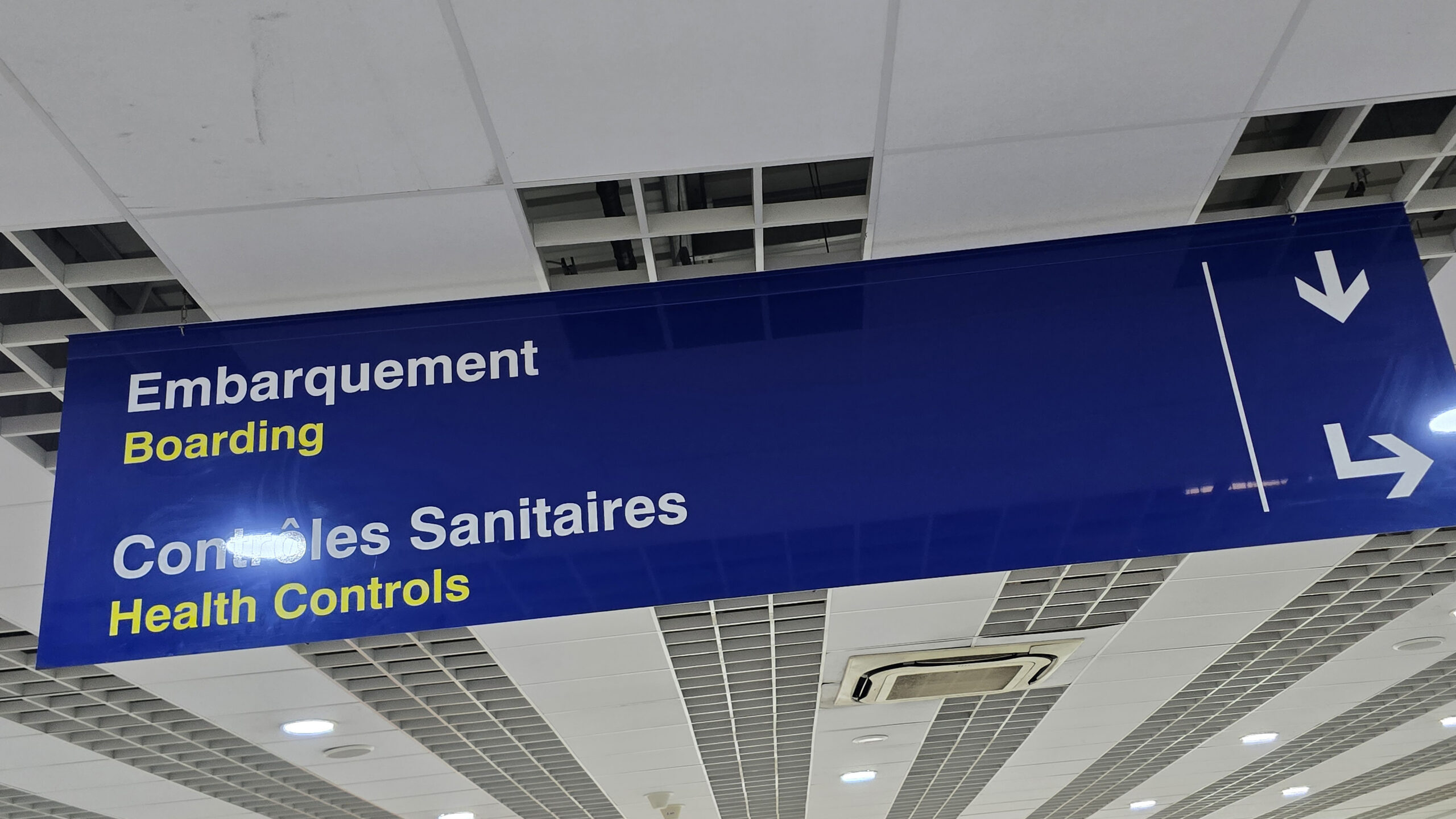
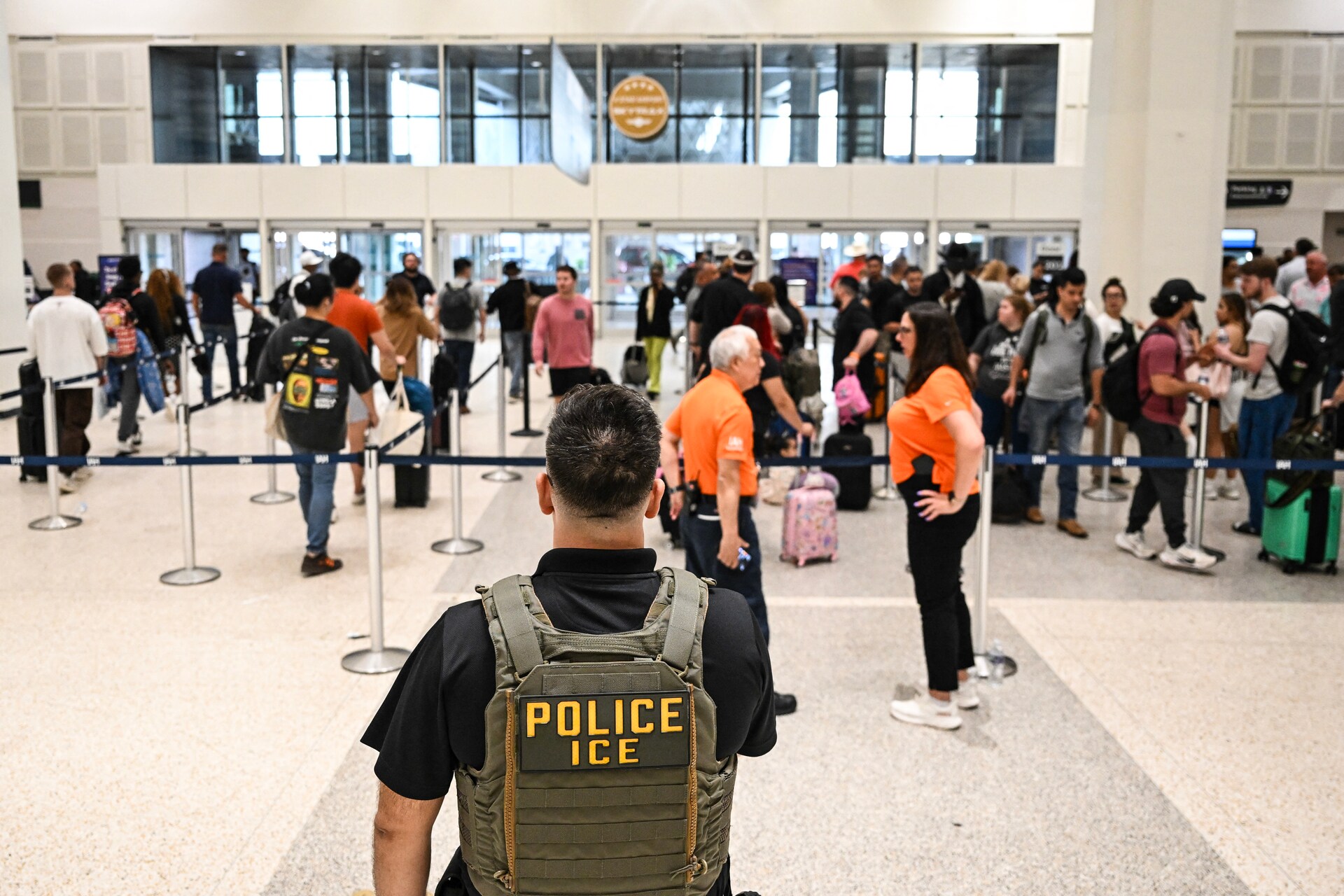
The Trump administration announced it is restricting people who do not have U.S. passports from entering the country if they have been in Congo, South Sudan, or Uganda in the past three weeks. The order, which does not apply to American citizens, green-card holders, or U.S. service members, will be in effect for 30 days. The CDC also said the U.S. would enhance public health screening for people traveling from areas affected by the outbreak.
Delayed Response
Early surveillance and testing failed to identify the rare species of Ebola responsible for the current outbreak. Some initial testing did not pick up the Bundibugyo virus, since those tests were designed for more common versions of Ebola. Samples had to be sent to more specialized testing centers, which can take time, especially in the conflict-affected region of Congo.
International Aid
The WHO said there were more than 250 suspected cases and 80 suspected deaths when it declared a public health emergency. Those numbers are expected to rise. The outbreak is only the third known outbreak of the Bundibugyo strain. The first discovery of the Bundibugyo strain occurred in the Bundibugyo District in Uganda in 2007, with 149 cases and 37 deaths.
Symptoms and Spread
Ebolaviruses are transmitted from person to person through bodily fluids such as vomit, blood, or semen. Initial symptoms of the disease include fever, fatigue, muscle pain, headache, and sore throat. As the disease progresses, symptoms include vomiting, diarrhea, abdominal pain, rash, organ dysfunction, and sometimes internal or external bleeding. The fatality rate of Bundibugyo virus disease is about 30 to 50%.
Containing the Outbreak
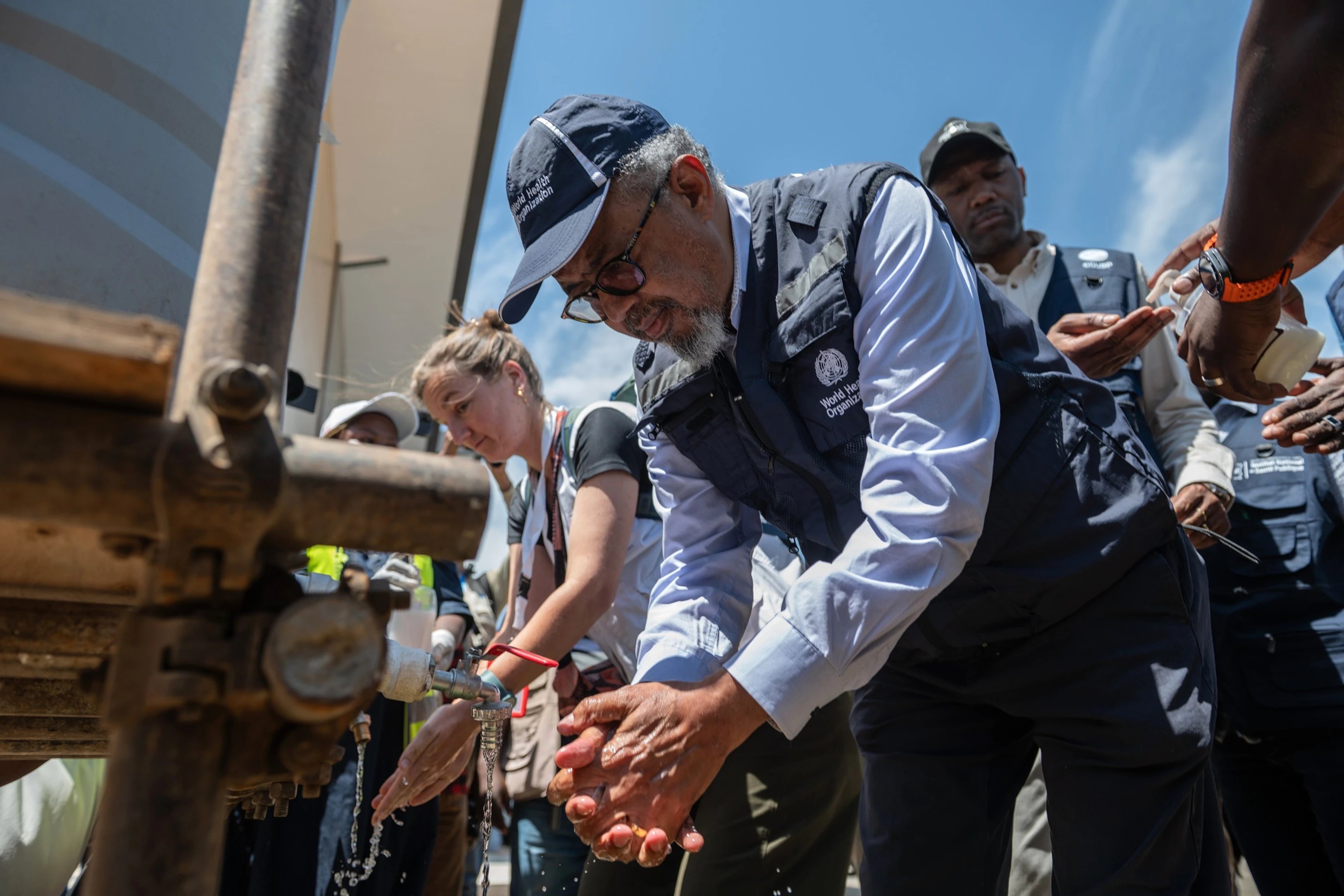
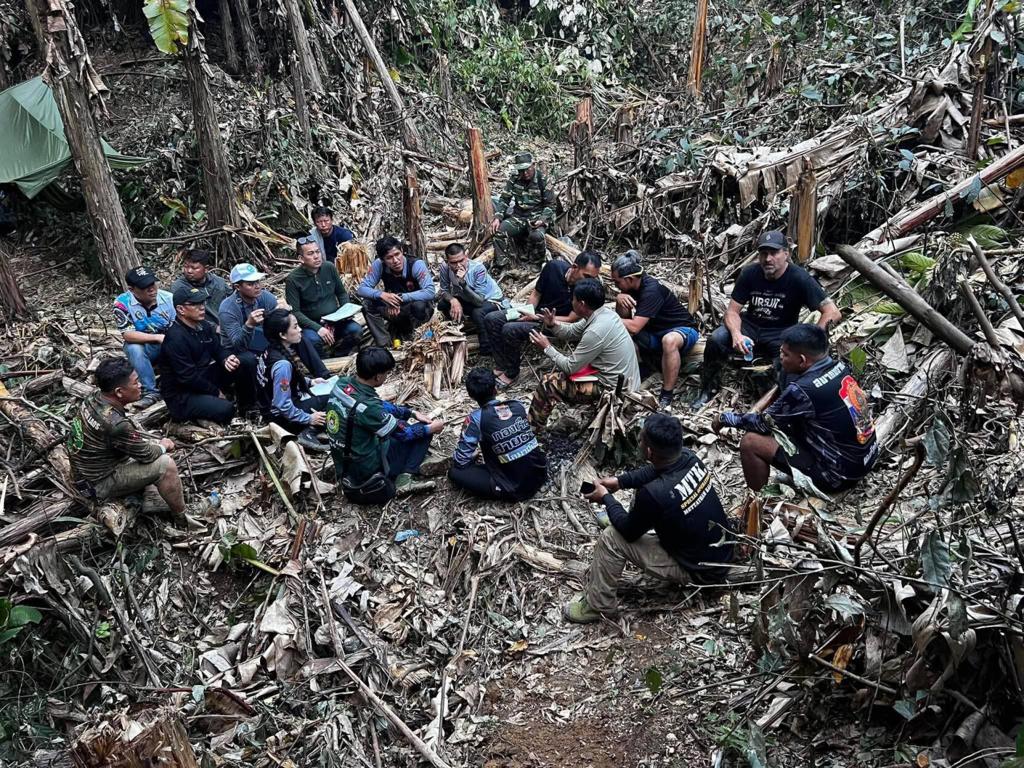
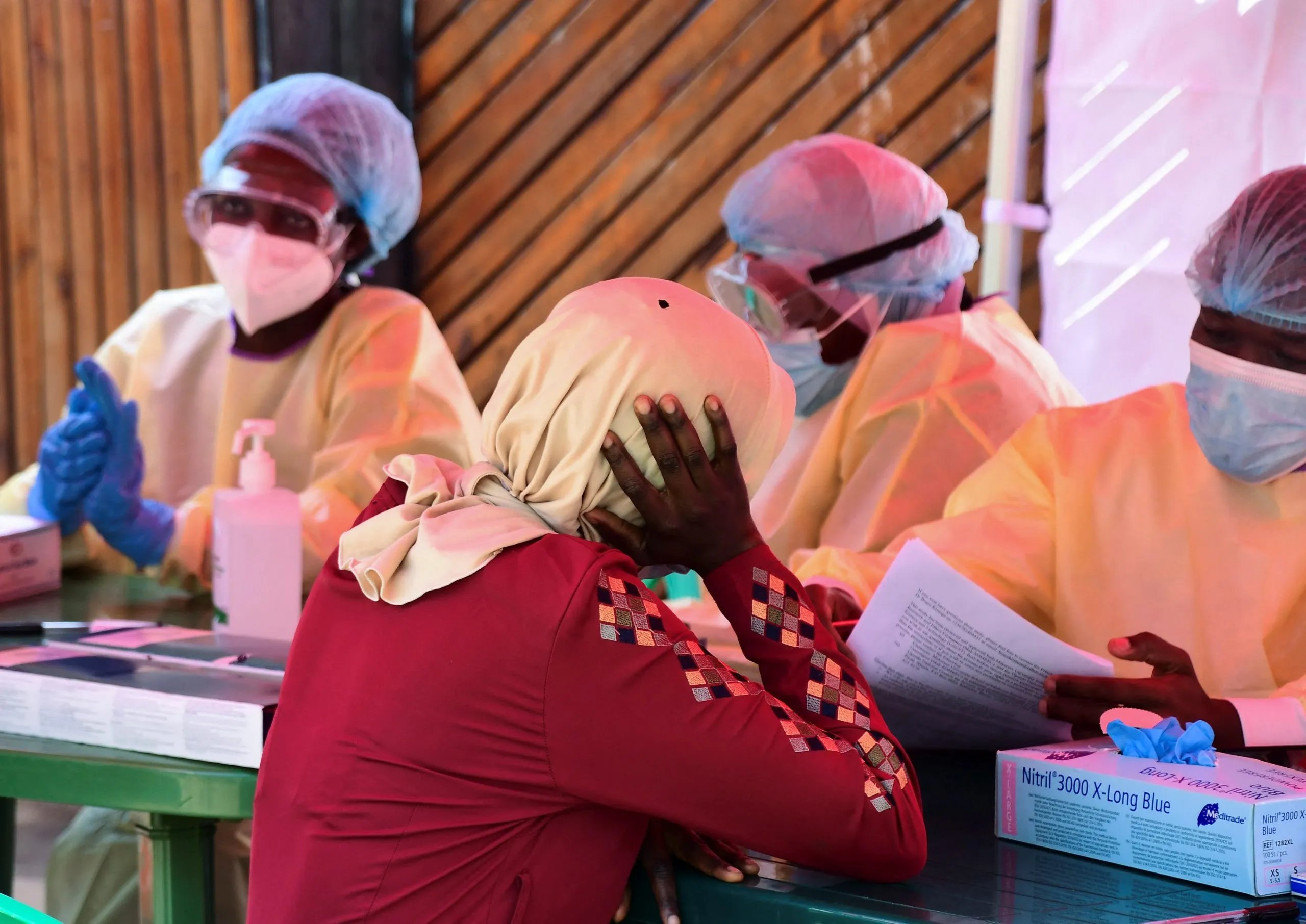
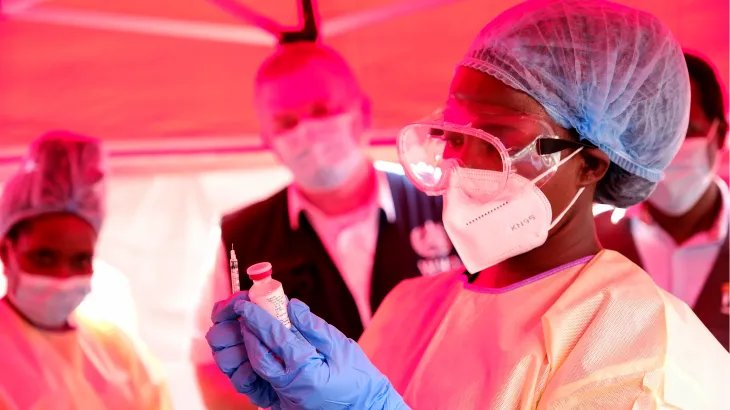
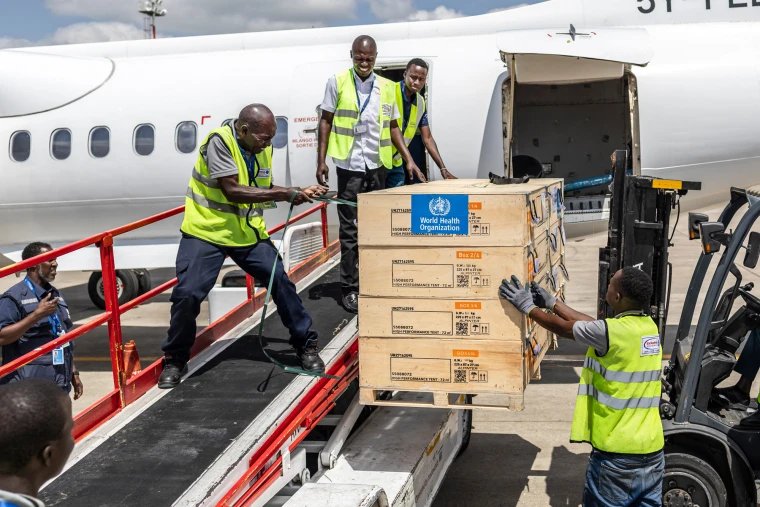
International health agencies, including the U.S. CDC, are working to identify cases, care for patients, and isolate their contacts to limit the spread. The CDC is surging technical and field experts requested by the DRC, beyond the 25 or so staff members in the CDC DRC Country Office. The U.S. government is working with the governments of the Democratic Republic of Congo and Uganda to contain the virus.