




Regulatory Changes Announced by Trump and Zeldin
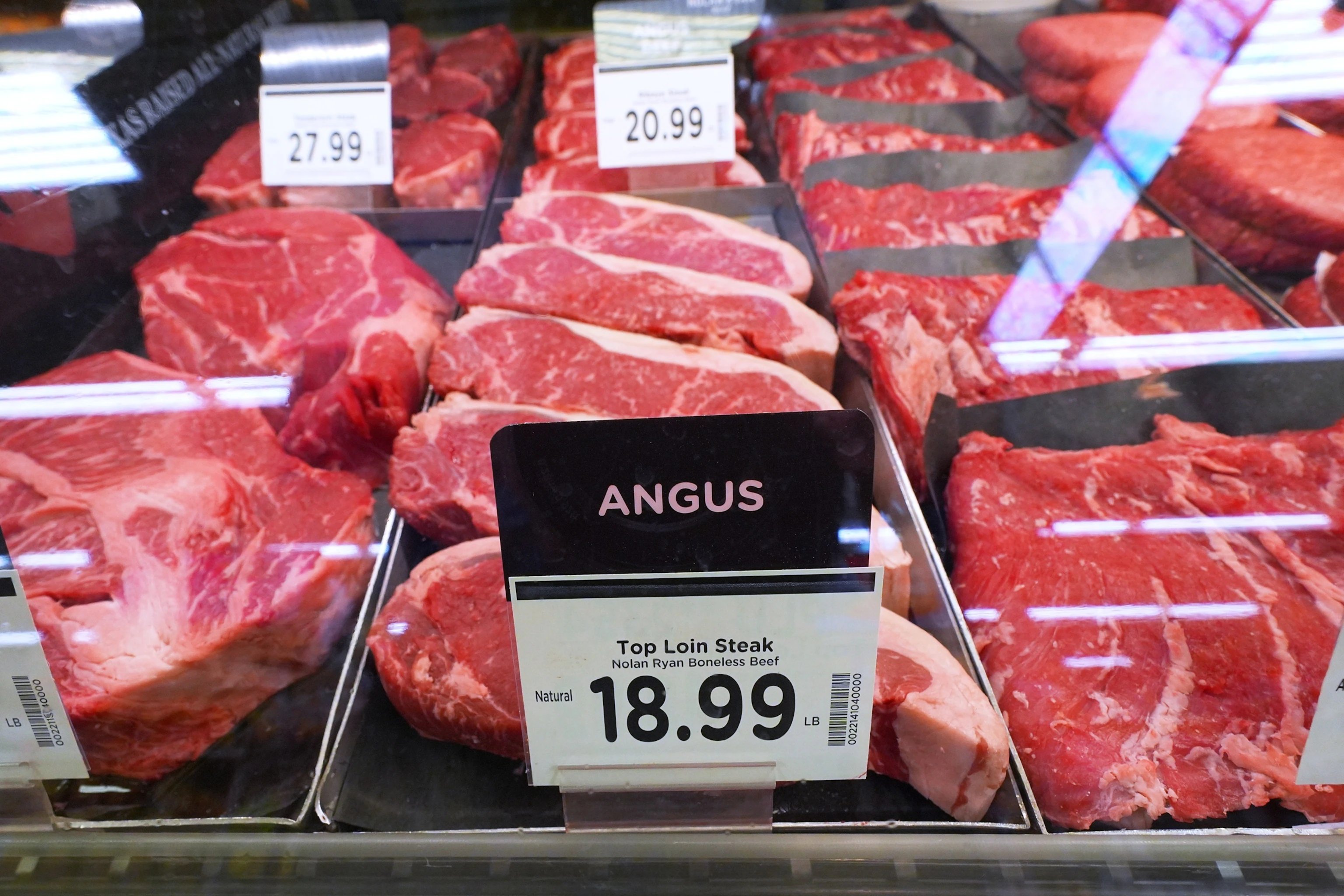
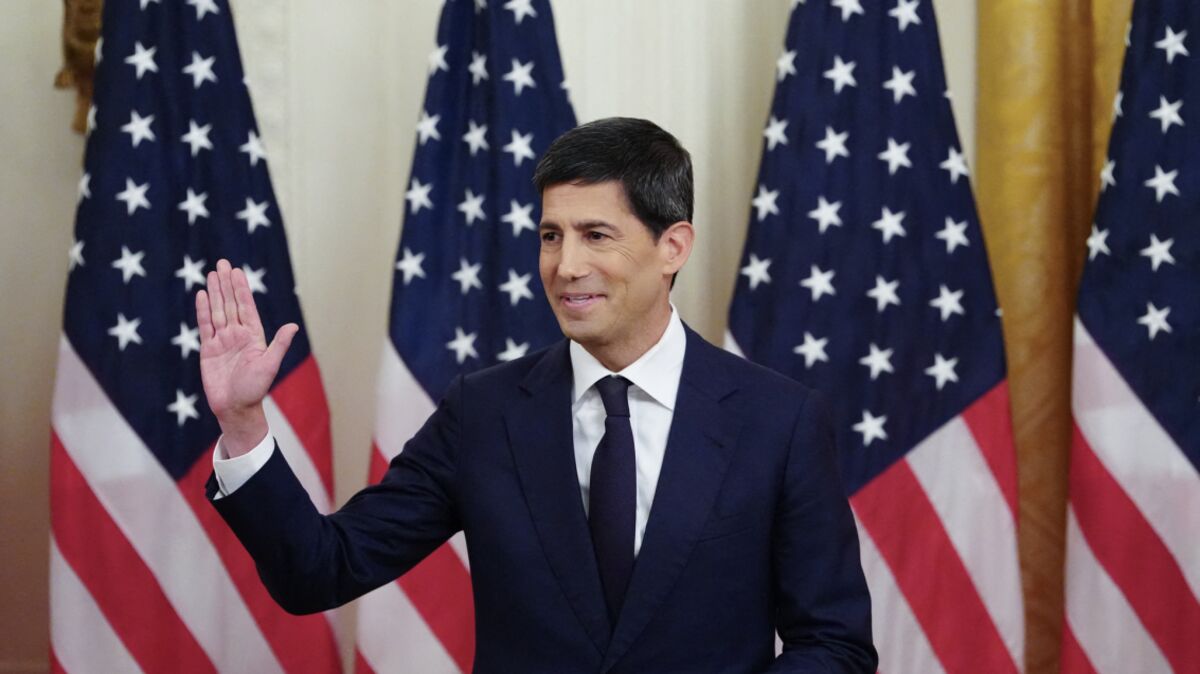
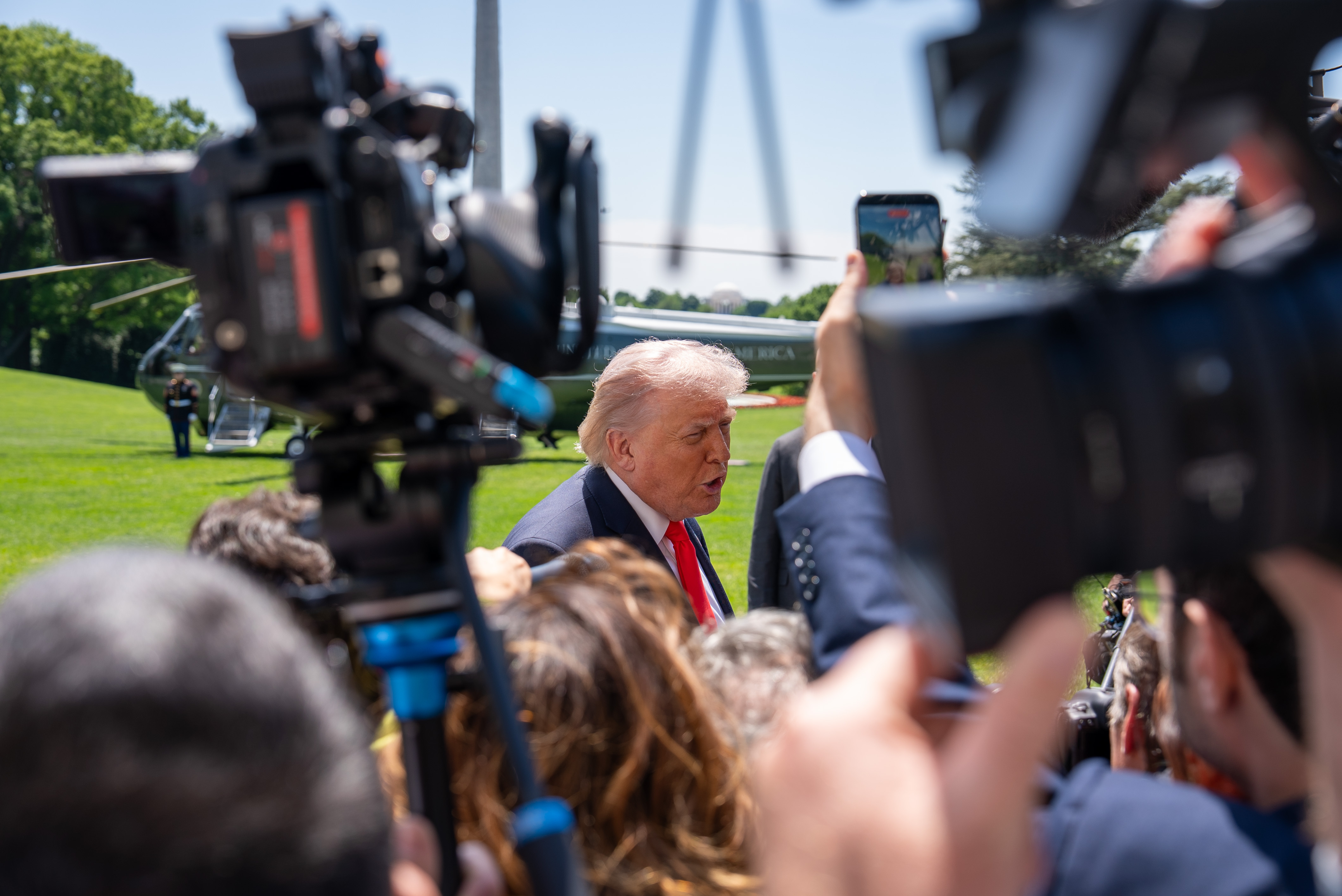
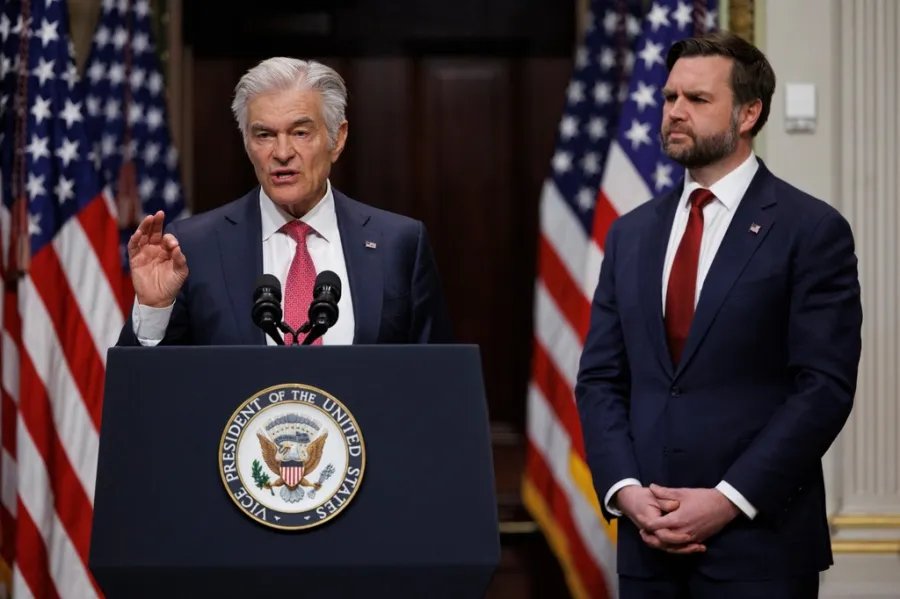
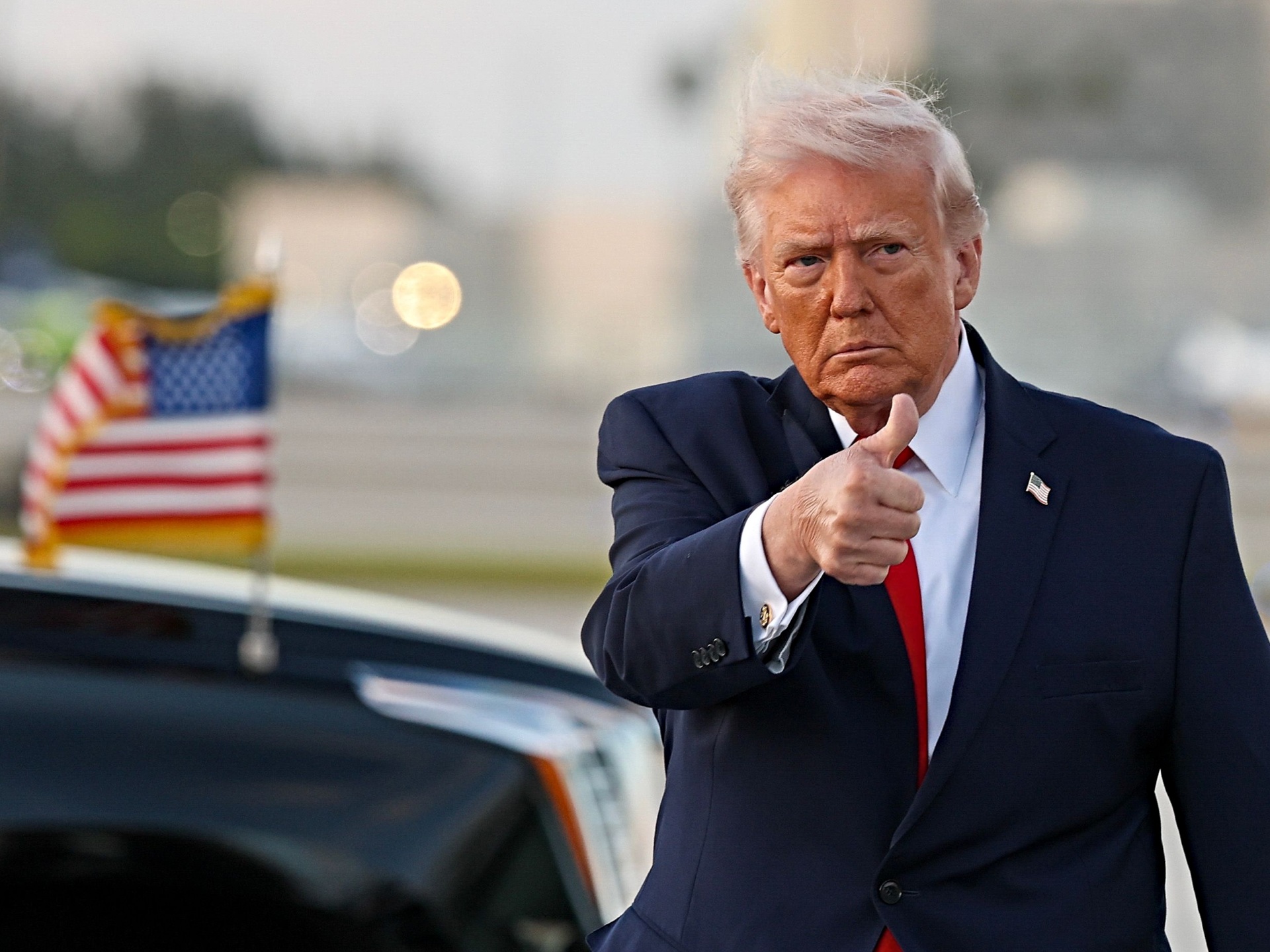
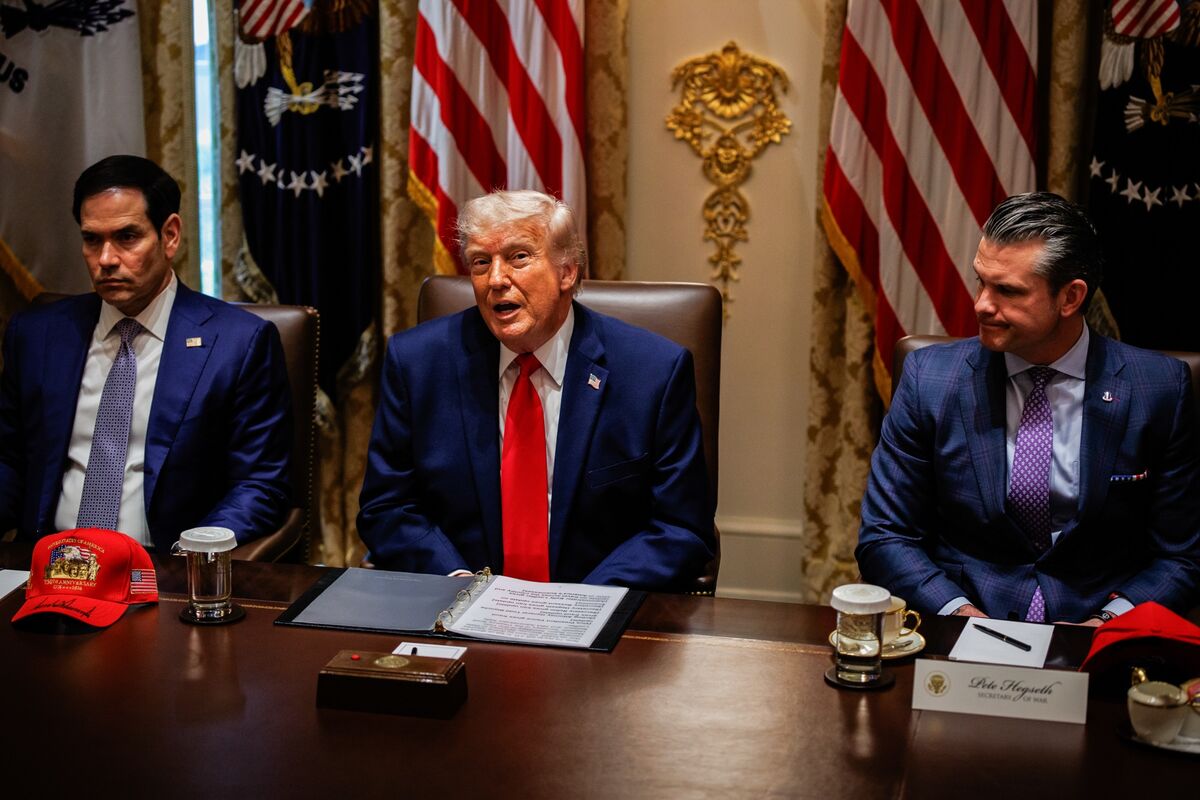
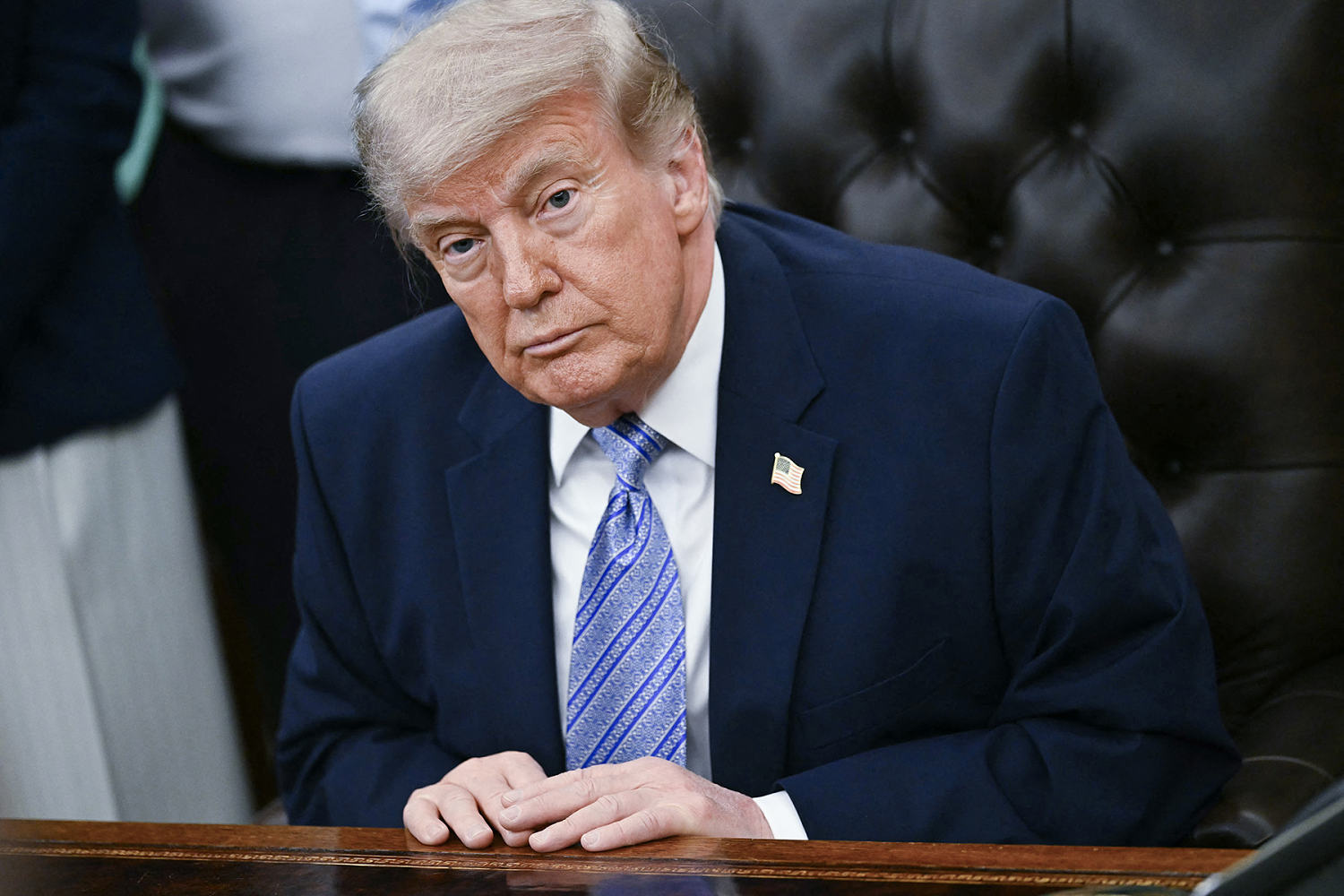
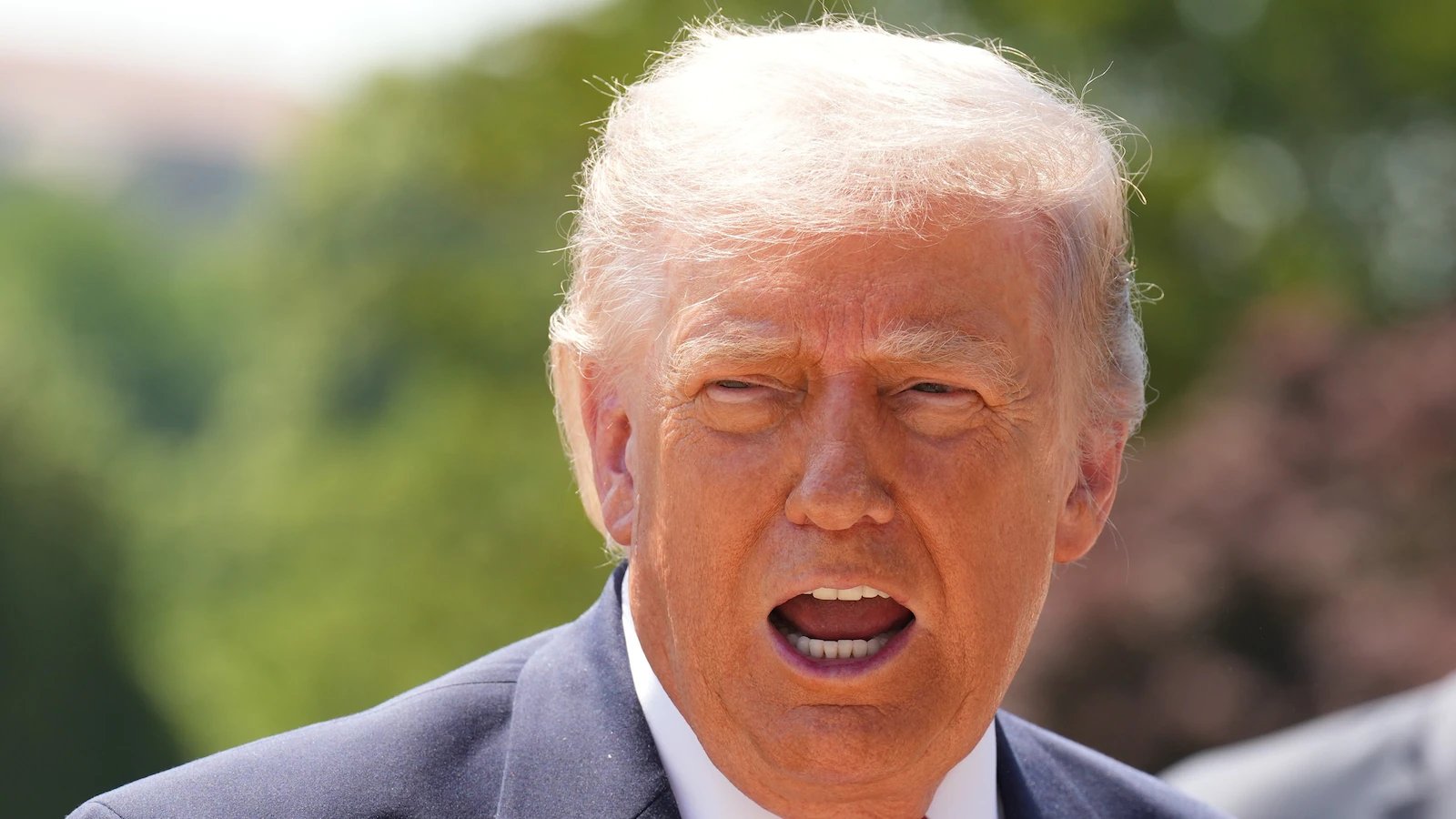
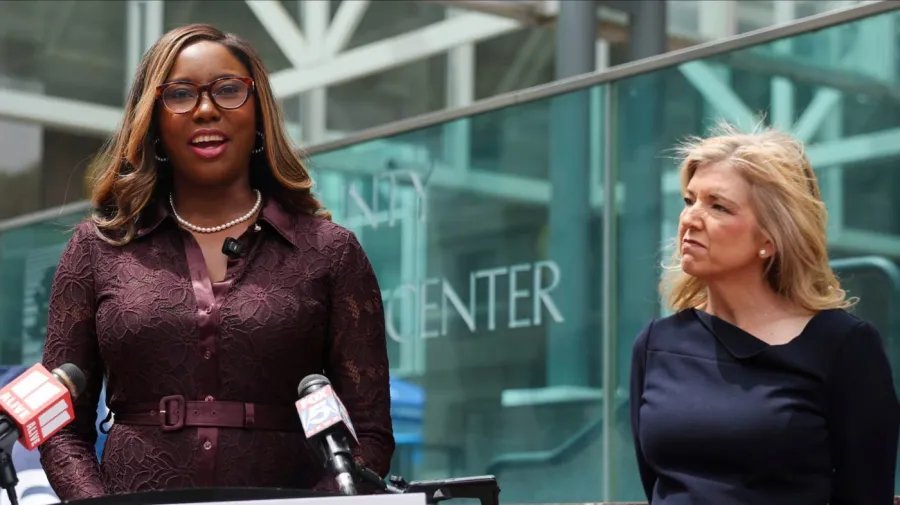
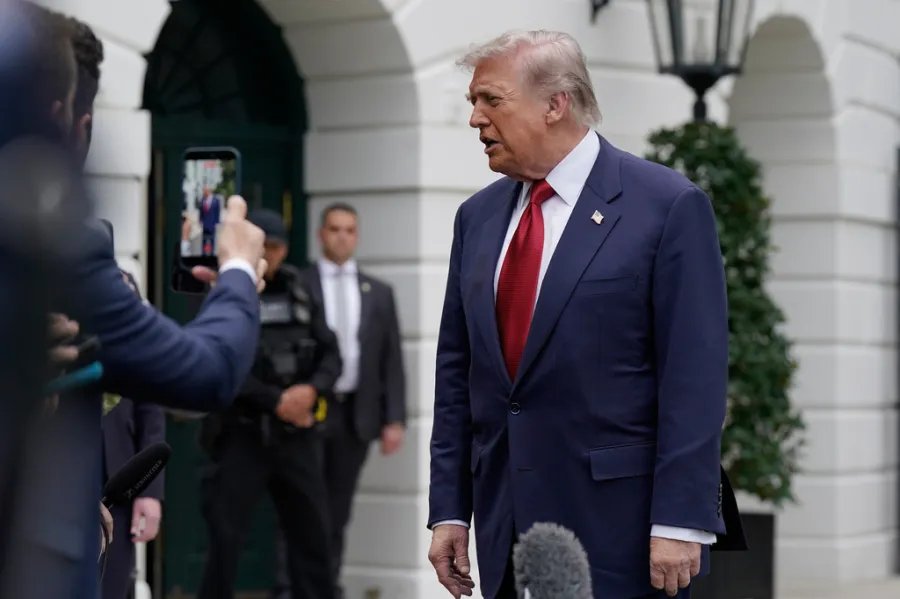
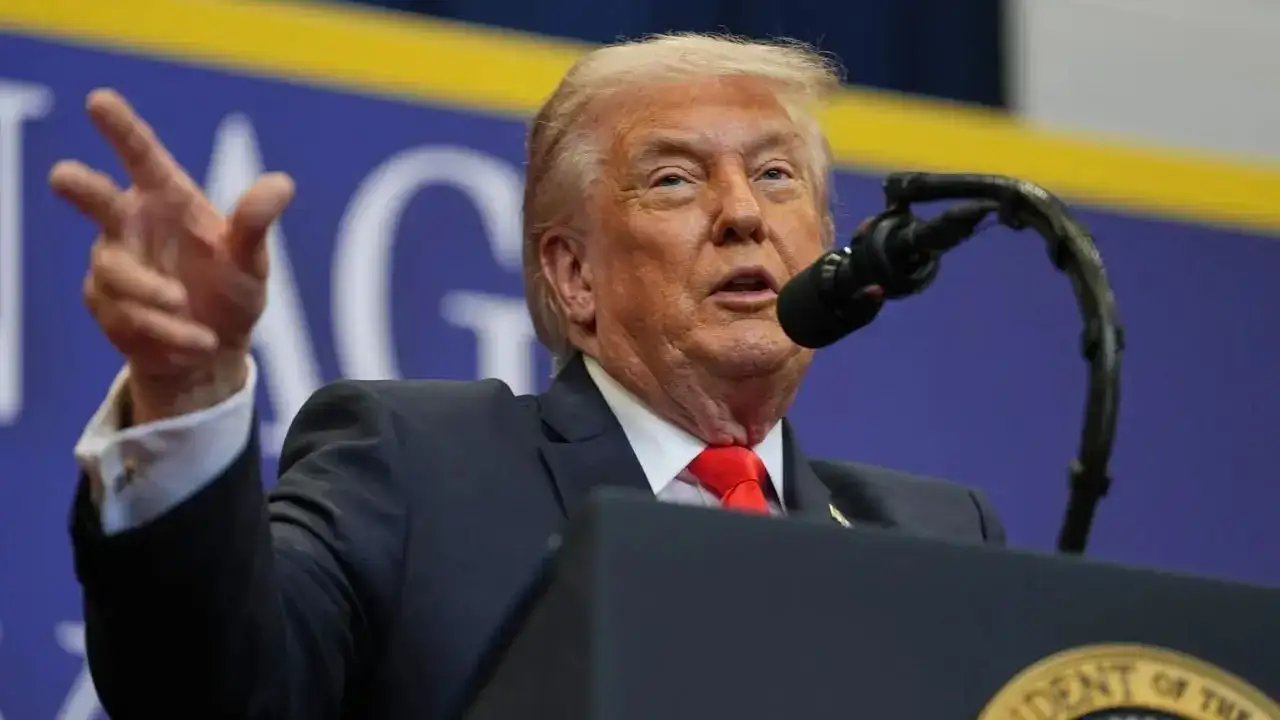
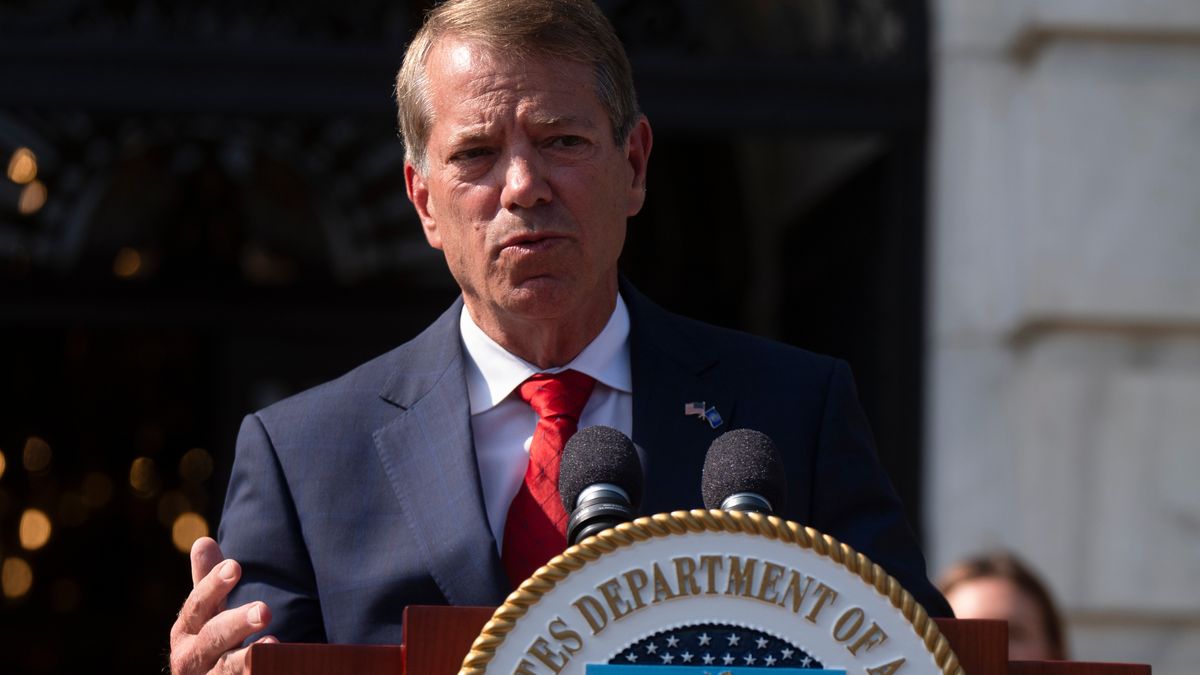
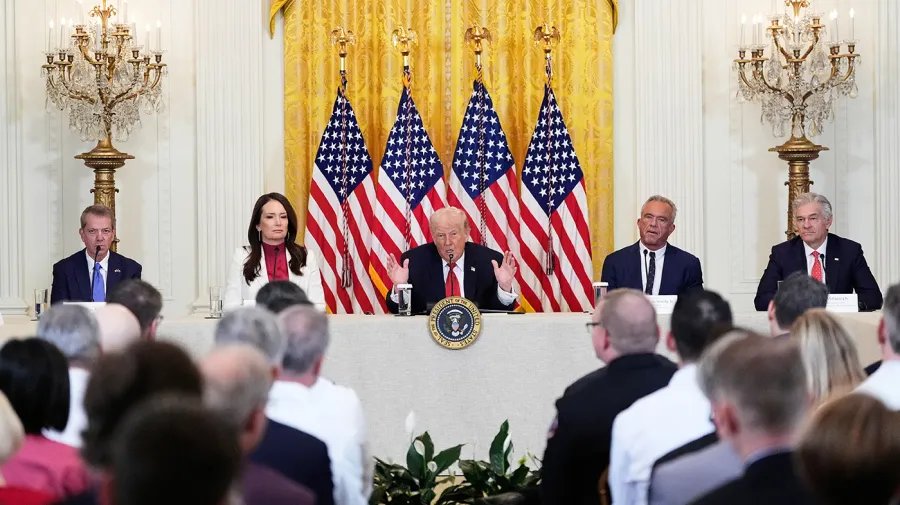
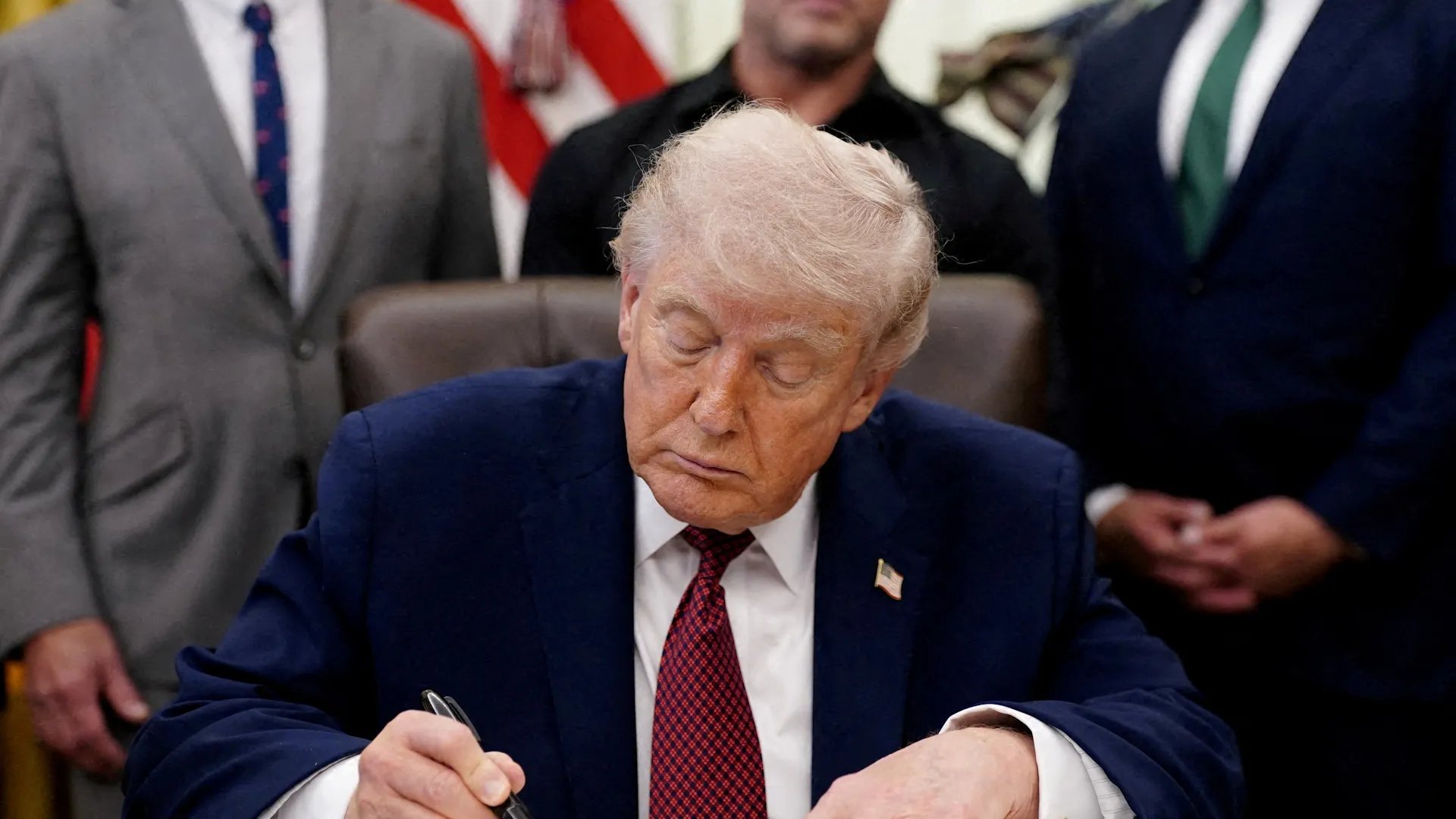
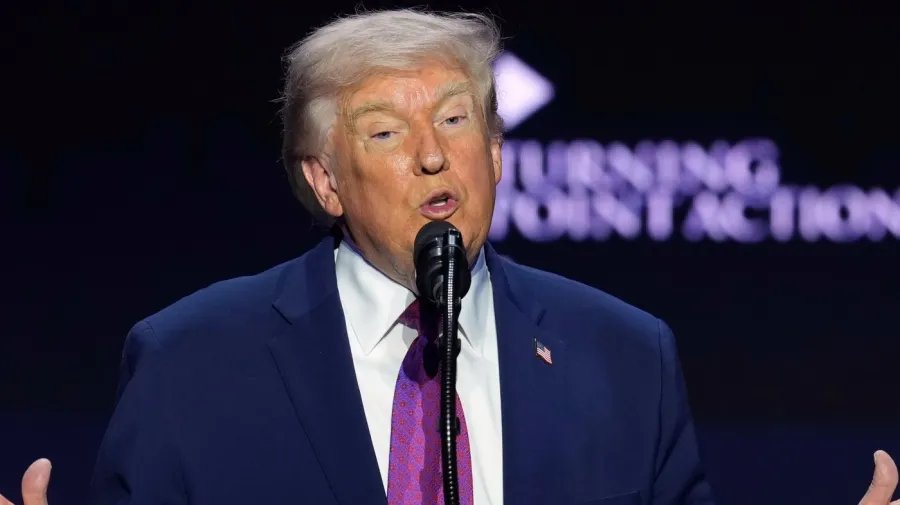
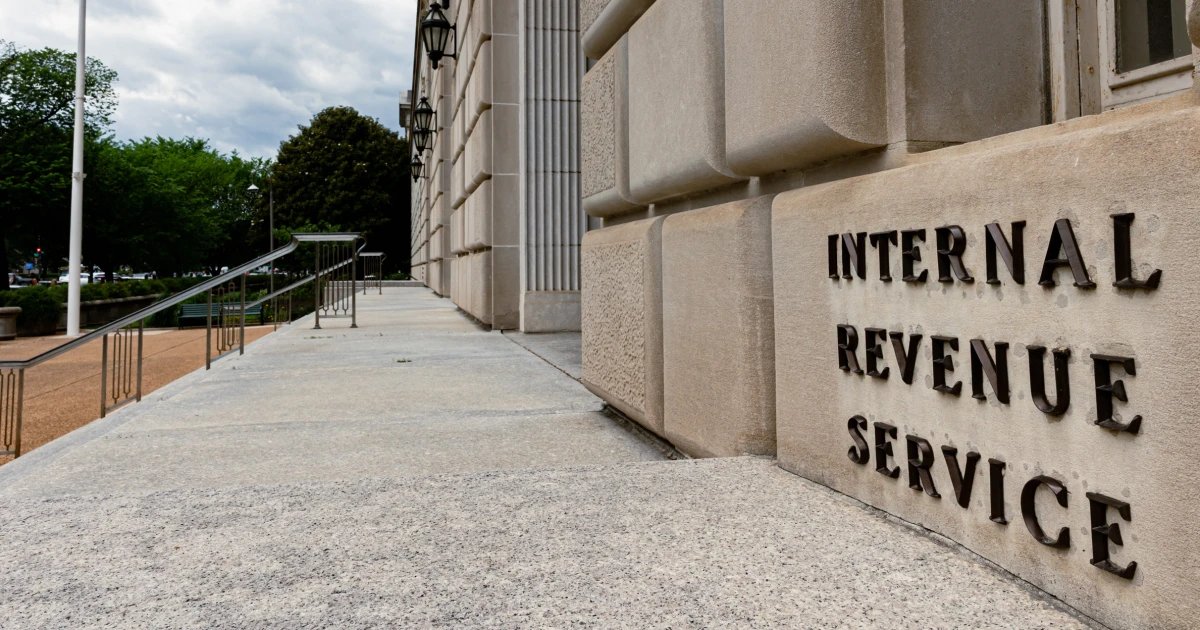
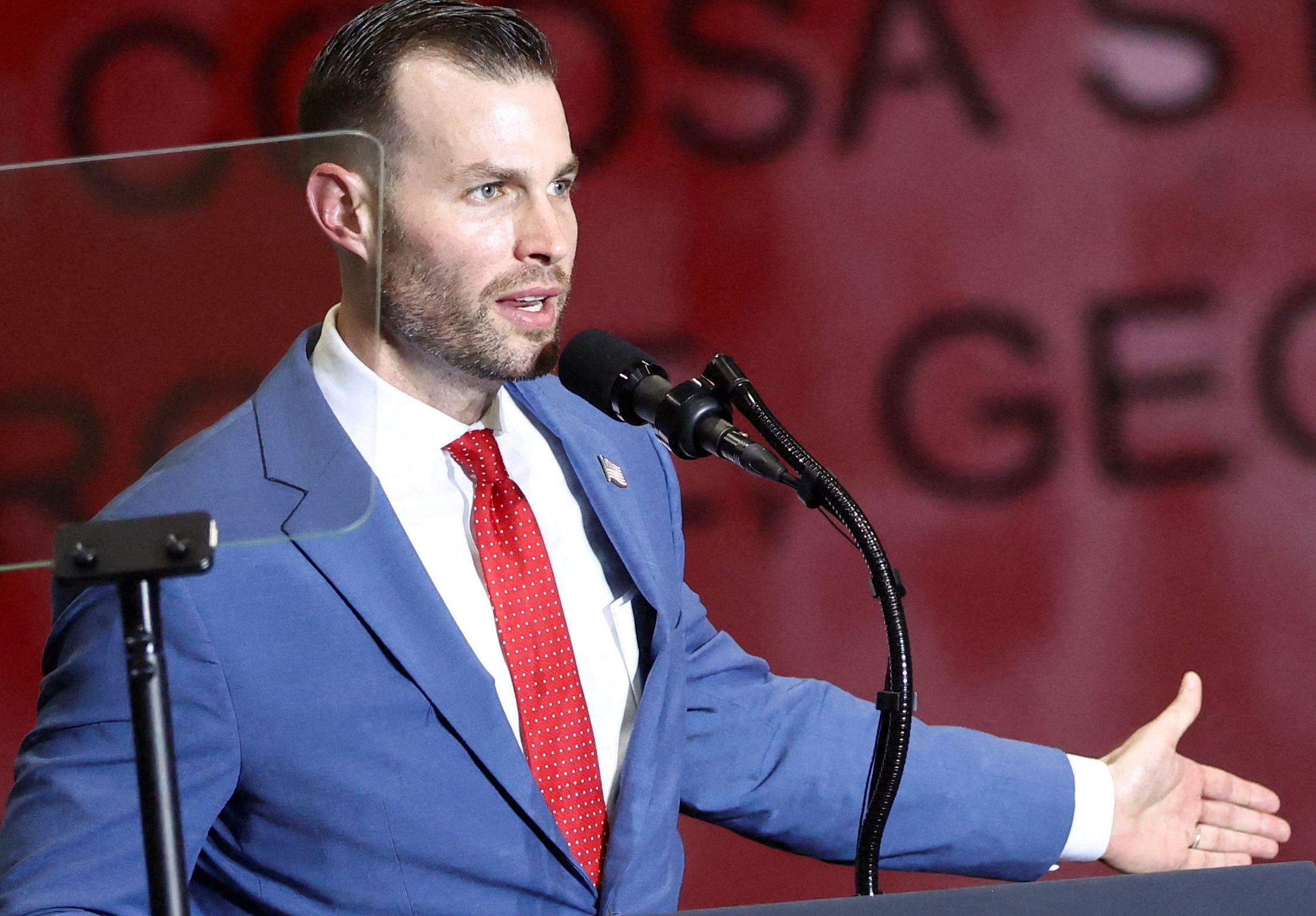
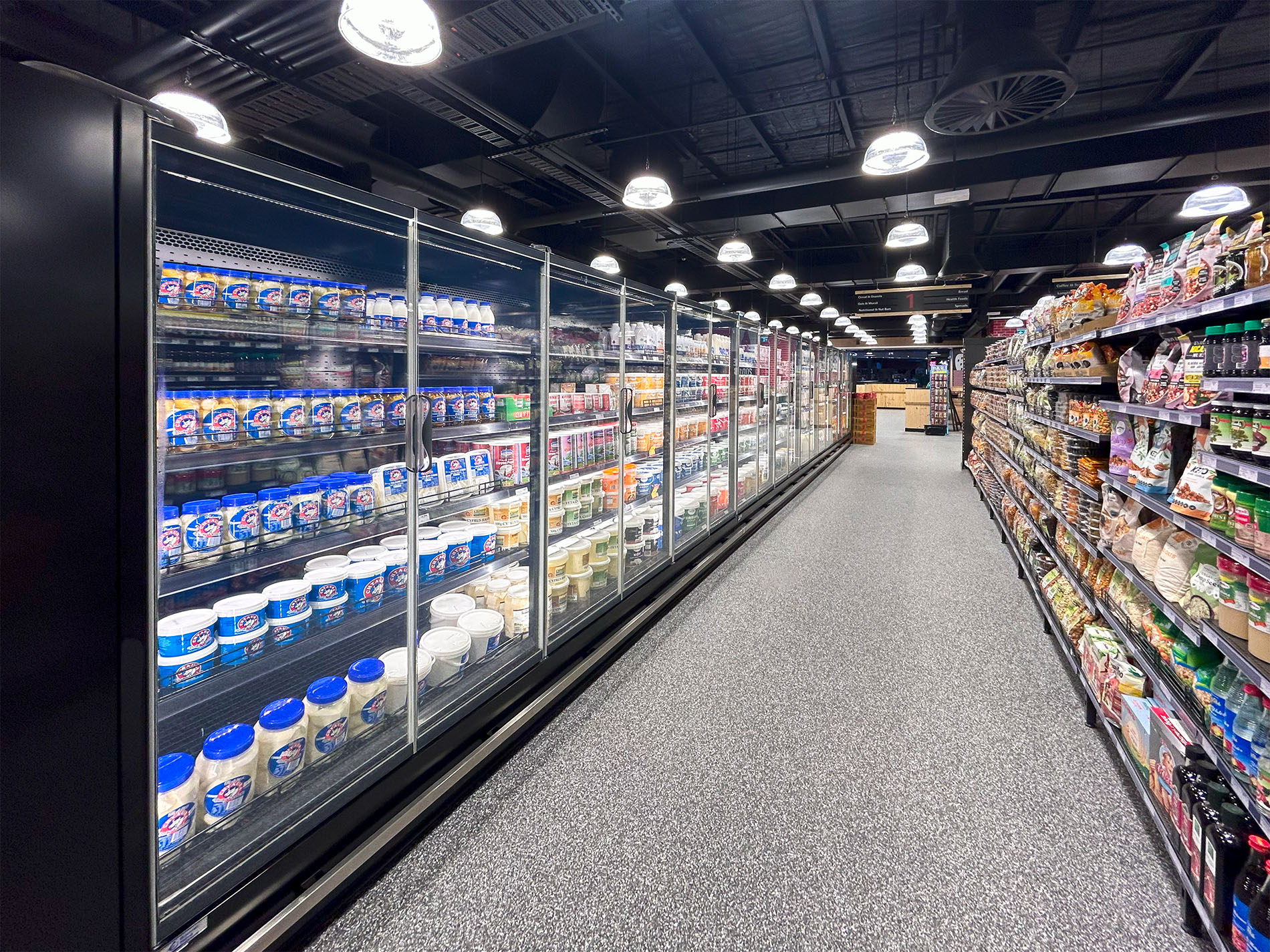
The Trump administration announced significant revisions to federal refrigerant rules aimed at reducing grocery costs. President Trump, alongside Environmental Protection Agency (EPA) Administrator Lee Zeldin, stated the changes would allow grocery stores and air-conditioning companies to use a wider range of refrigerants, which they claim will lower operational costs and, consequently, grocery prices for consumers. Zeldin emphasized that the new rule would save businesses billions of dollars while directly benefiting American families through lower grocery bills.
Impacts on Inflation and Consumer Costs
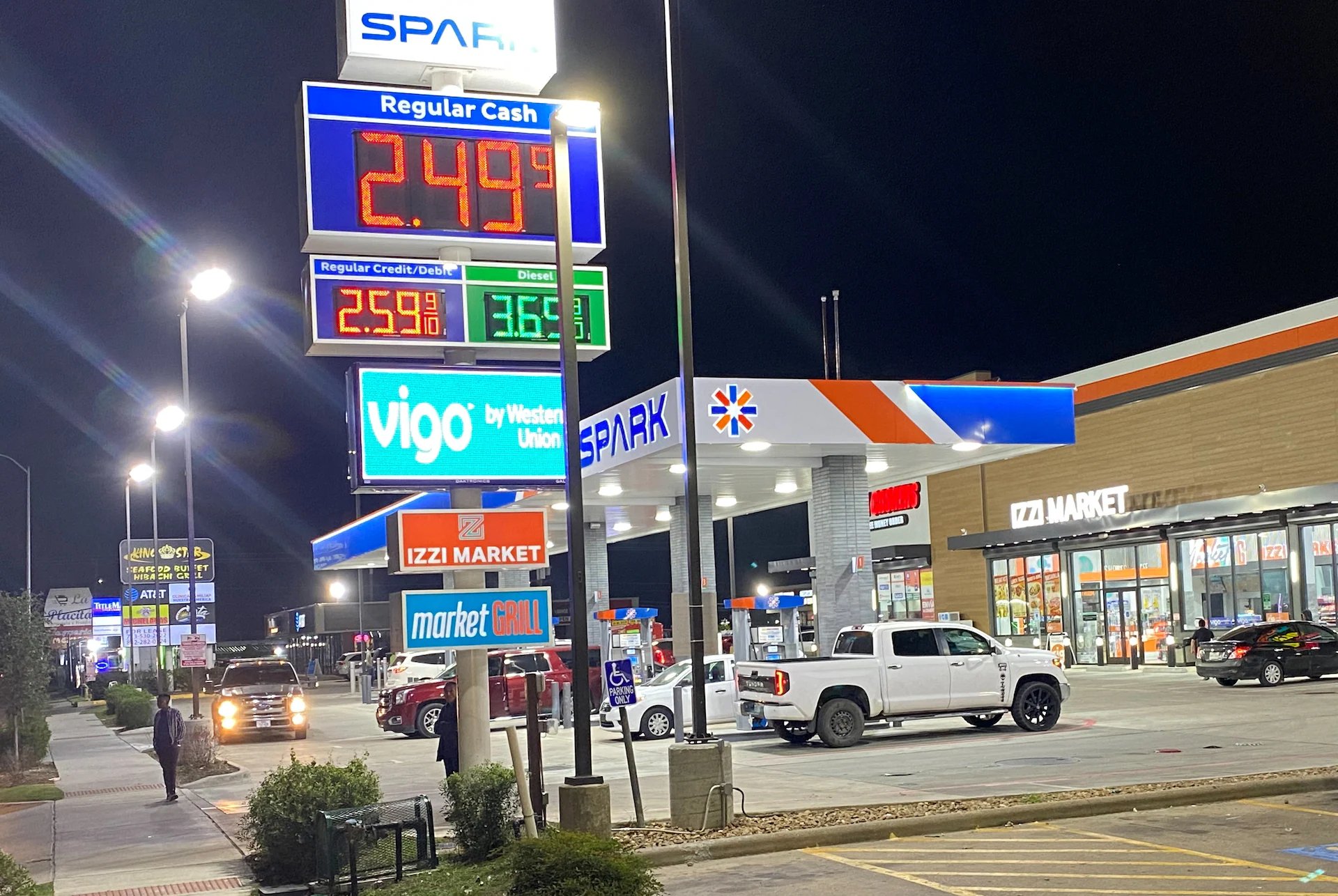
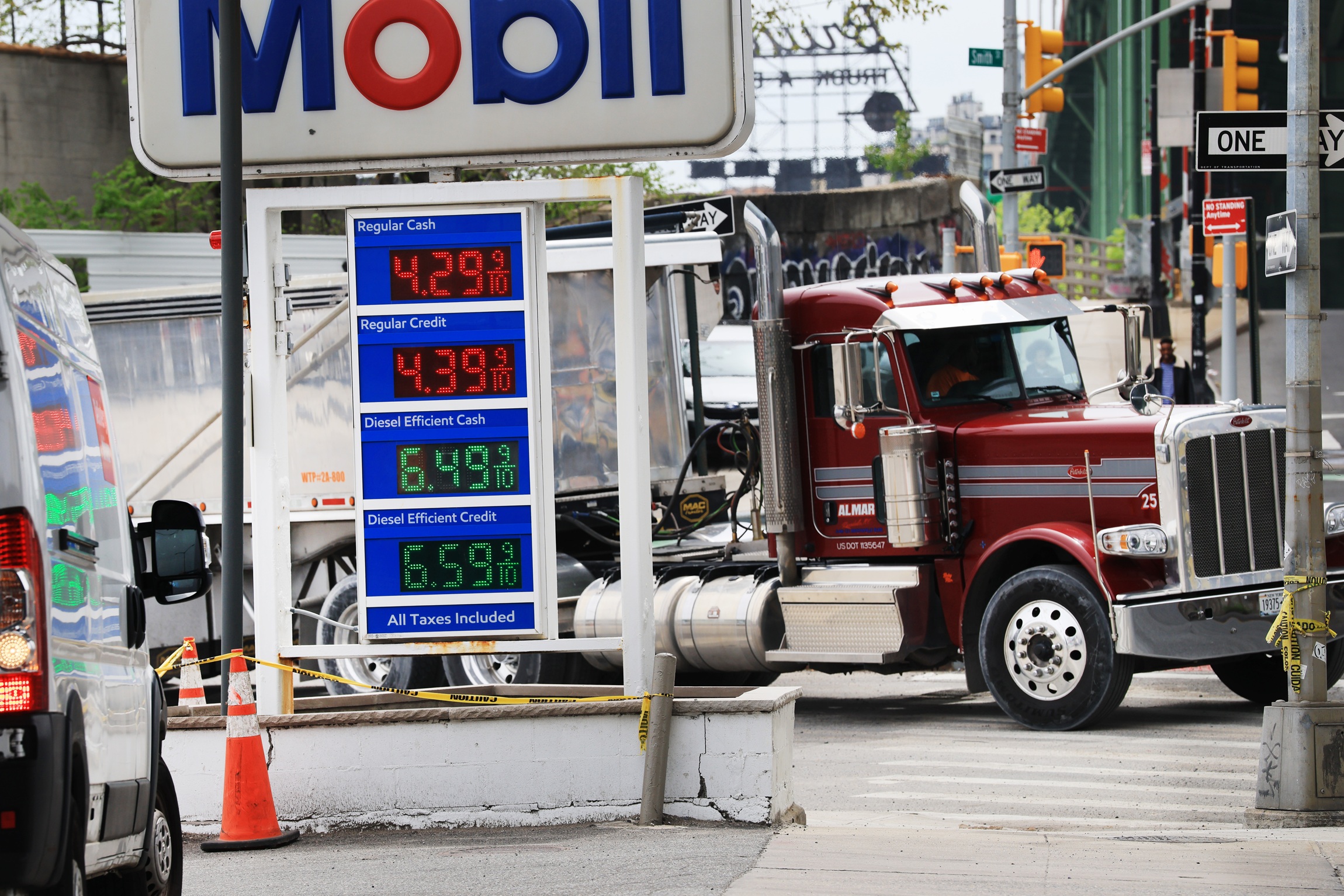
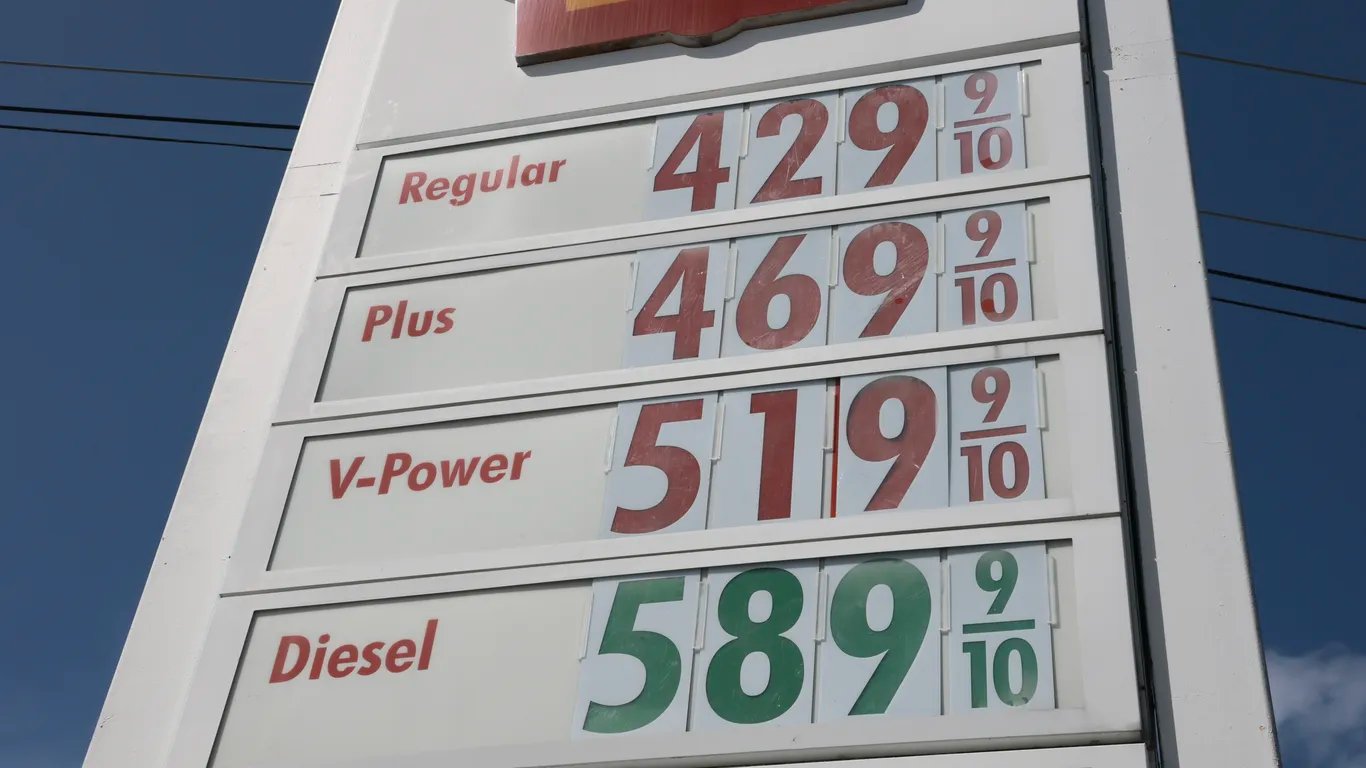
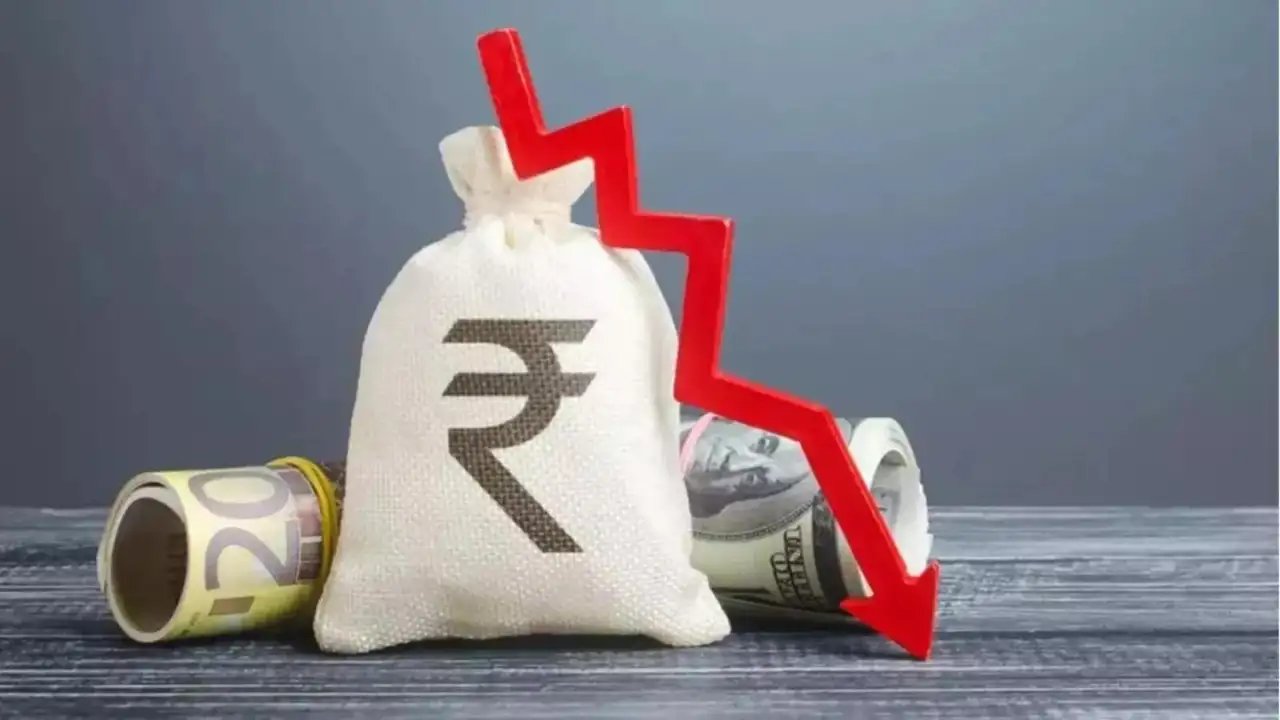
Inflation in the United States reached 3.8% annually in April, driven by various factors including rising oil prices due to the ongoing Iran war and Trump’s tariffs. The administration's move to relax refrigerant regulations comes as a response to growing voter concerns about the cost of living ahead of the November elections. While Trump asserted that the new rule would "substantially lower costs for consumers," it remains unclear how quickly these changes will translate into lower grocery prices.
Industry Reactions and Concerns
The announcement drew mixed reactions from industry stakeholders. Executives from major grocery chains such as Kroger and Piggly Wiggly attended the event, expressing support for the changes. However, representatives from the Air-Conditioning, Heating and Refrigeration Institute warned that the relaxed regulations could inject uncertainty into the market and potentially lead to higher prices. Stephen Yurek, the group’s president, noted that manufacturers had already invested in new technology and trained workers based on existing compliance timelines, and altering these regulations could disrupt their operations.
A Reversal of Previous Environmental Policies
This regulatory change marks a significant departure from the bipartisan efforts made during Trump's first term, when he signed the American Innovation and Manufacturing Act aimed at phasing out hydrofluorocarbons (HFCs), potent greenhouse gases. The 2020 law was widely praised for addressing climate change and was supported by environmentalists and major business groups alike. Critics of the current revision argue that it undermines years of progress toward more environmentally friendly refrigerants, potentially exacerbating climate pollution.
Environmental Backlash
Environmentalists have expressed strong disapproval of the Trump administration's latest actions, claiming they will worsen climate issues by allowing the continued use of HFCs. They argue that the proposed rule disrupts the industry's transition toward cleaner alternatives and risks increasing greenhouse gas emissions. The EPA's current approach has been characterized by Zeldin as a necessary step to protect jobs and reduce consumer costs, but critics maintain that it places short-term savings over long-term environmental health.
Looking Ahead: Consumer Impact and Industry Adaptation
As the new regulations take effect, the impact on grocery prices and consumer behavior will be closely monitored. Industry groups have expressed concerns that the administration's decision could lead to market instability, as the demand for existing refrigerants might rise while their supply diminishes. The future of grocery prices and the food supply chain may hinge on how quickly companies can adapt to these regulatory changes, leaving American families waiting to see if they will feel the promised relief at the checkout line.