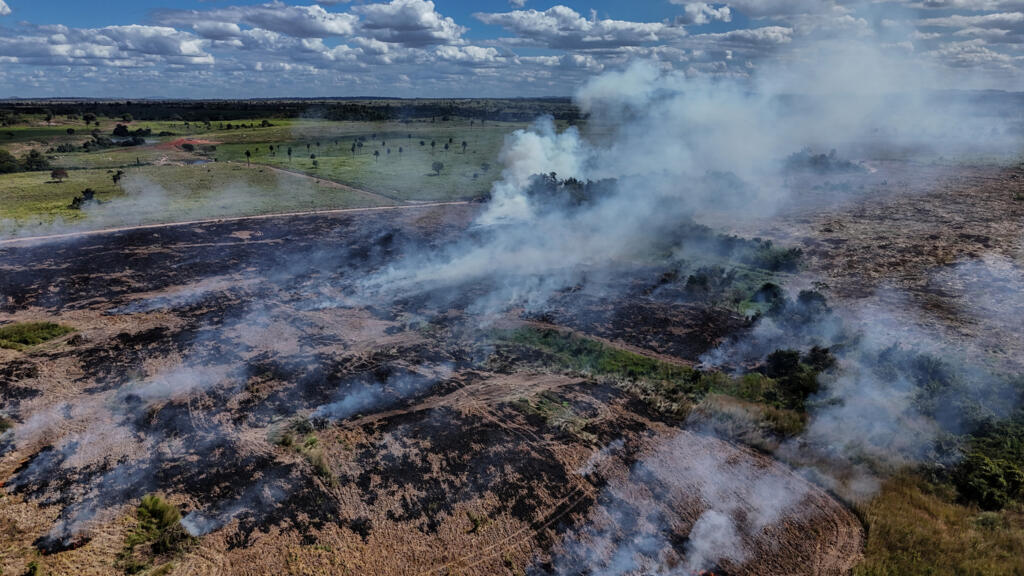
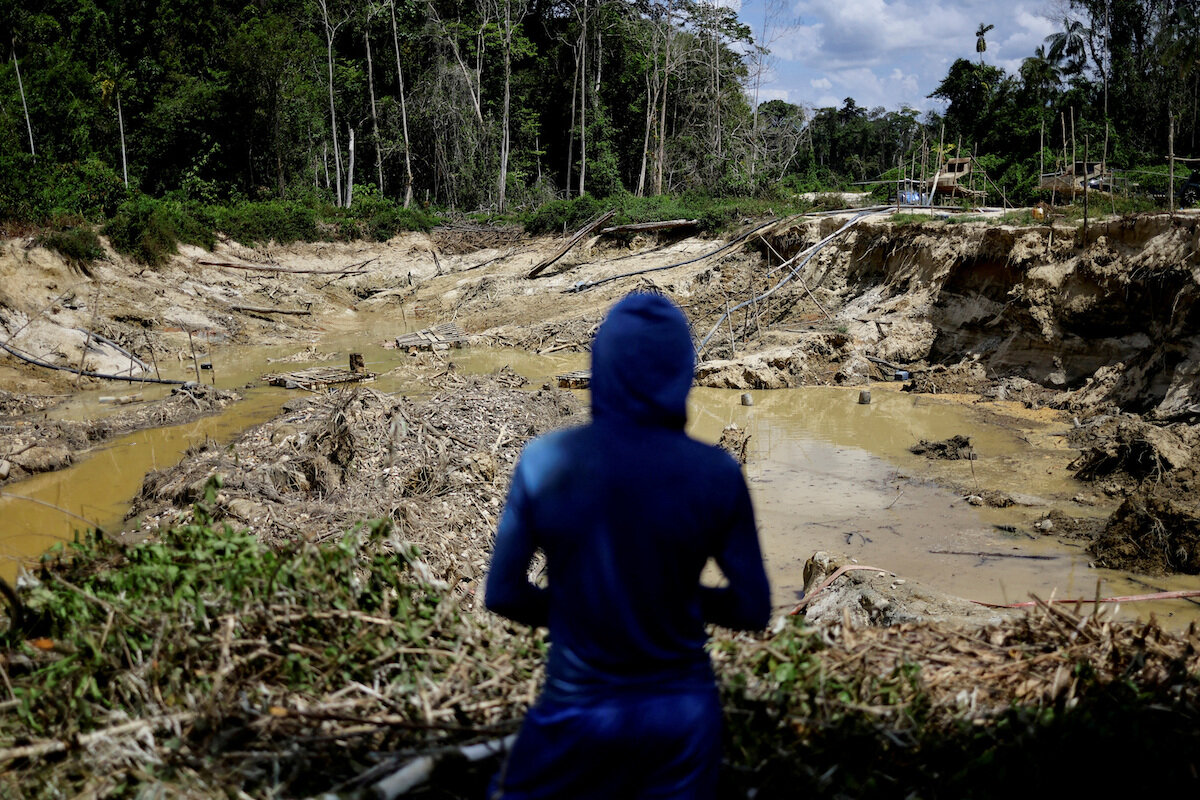
Deforestation in the Brazilian Amazon fell last year to its lowest level since 2019. The drop delivers measurable progress on a core environmental pledge by leftist President Luiz Inacio Lula da Silva. A report published Wednesday documented the reduction that supporters view as validation of stricter enforcement policies.
Lula has made the fight against deforestation a central tenet of his administration. The president is seeking a fourth term in October elections. His government positioned the policy as essential for protecting one of the world's largest carbon sinks.
The report released Wednesday quantified the scale of the turnaround in land clearing. Deforestation rates across the Brazilian Amazon reached the lowest annual figure recorded since 2019. Brazilian authorities track these changes through satellite monitoring that captures monthly increments in cleared forest area.
This outcome marks the first time since 2019 that annual deforestation posted such a substantial retreat. The data arrives as global attention focuses on tropical forest loss and its links to climate patterns. Observers note that sustained reductions could influence international carbon credit discussions and bilateral environmental agreements.
Lula's team frames the deforestation decline as direct evidence that enforcement measures produce results. The president faces voters in October while highlighting this environmental record. His administration contrasts the current trajectory with higher clearing rates recorded during the prior presidential term.
Lula's campaign treats the figures as a central talking point ahead of the October ballot.
Lower deforestation in the Brazilian Amazon affects worldwide efforts to limit greenhouse gas emissions. The region stores vast amounts of carbon that would be released if clearing continued at previous speeds. Scientists track these numbers because Amazon forest cover influences rainfall patterns across South America and beyond.
The Wednesday report provides fresh empirical evidence that policy interventions can alter long-term trends. Environmental groups monitoring the basin see the data as an opportunity to press for continued funding of protection programs. Brazil's results may also shape negotiations at upcoming climate forums where nations set collective targets for forest preservation.
Even with the decline, pressures on Amazon land remain active. Farmers and loggers continue to seek new areas for soy production and cattle ranching.
Brazilian authorities plan to release the first monthly deforestation figures for the current year in coming weeks. Those numbers will indicate whether the annual decline achieved last year carries forward. Lula's government has set internal targets for further cuts through the end of his current mandate.
The Wednesday report establishes a new baseline against which future policy success or failure will be judged. International donors have tied portions of climate finance to demonstrated reductions in forest loss. Brazilian officials must now convert the single-year improvement into a consistent downward curve.
Deforestation in the Brazilian Amazon fell last year to its lowest level since 2019. The drop delivers measurable progress on a core environmental pledge by leftist President Luiz Inacio Lula da Silva. A report published Wednesday documented the reduction that supporters view as validation of stricter enforcement policies.
Lula has made the fight against deforestation a central tenet of his administration. The president is seeking a fourth term in October elections. His government positioned the policy as essential for protecting one of the world's largest carbon sinks.
The report released Wednesday quantified the scale of the turnaround in land clearing. Deforestation rates across the Brazilian Amazon reached the lowest annual figure recorded in six years. Brazilian authorities track these changes through satellite monitoring that captures monthly increments in cleared forest area.
This outcome marks the first time since 2019 that annual deforestation posted such a substantial retreat. The data arrives as global attention focuses on tropical forest loss and its links to climate patterns. Observers note that sustained reductions could influence international carbon credit discussions and bilateral environmental agreements.
Lula's team frames the deforestation decline as direct evidence that enforcement measures produce results. The president faces voters in October while highlighting this environmental record. His administration contrasts the current trajectory with higher clearing rates recorded during the prior presidential term.
Critics inside Brazil have questioned whether the drop stems solely from policy or includes temporary economic factors such as reduced agricultural expansion. The report itself does not attribute specific percentages to individual causes. Lula's campaign nonetheless treats the figures as a central talking point ahead of the October ballot.
Lower deforestation in the Brazilian Amazon affects worldwide efforts to limit greenhouse gas emissions. The region stores vast amounts of carbon that would be released if clearing continued at previous speeds. Scientists track these numbers because Amazon forest cover influences rainfall patterns across South America and beyond.
The Wednesday report provides fresh empirical evidence that policy interventions can alter long-term trends. Environmental groups monitoring the basin see the data as an opportunity to press for continued funding of protection programs. Brazil's results may also shape negotiations at upcoming climate forums where nations set collective targets for forest preservation.
Even with the decline, pressures on Amazon land remain active. Farmers and loggers continue to seek new areas for soy production and cattle ranching. The report does not detail whether enforcement actions such as fines or equipment seizures drove the majority of the reduction.
Local communities living inside the forest boundary report mixed experiences with tighter controls. Some residents say licensing for sustainable projects has become slower. Others note that visible burning activity decreased in states previously identified as deforestation hotspots.
Brazilian authorities plan to release the first monthly deforestation figures for the current year in coming weeks. Those numbers will indicate whether the annual decline achieved last year carries forward. Lula's government has set internal targets for further cuts through the end of his current mandate.
The Wednesday report establishes a new baseline against which future policy success or failure will be judged. International donors have tied portions of climate finance to demonstrated reductions in forest loss. Brazilian officials must now convert the single-year improvement into a consistent downward curve.
Highlighted text was flagged by the council. Tap to see feedback.