




New Policy Targets Supply Chain Diversification
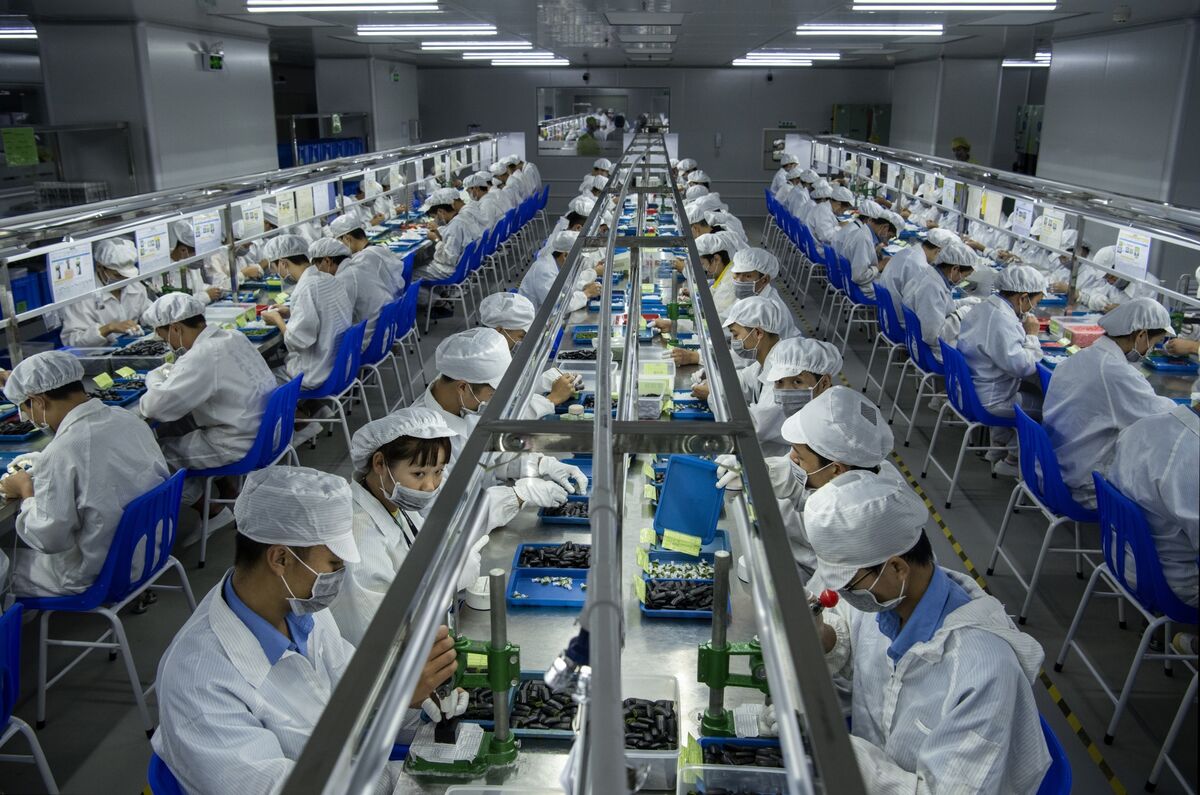
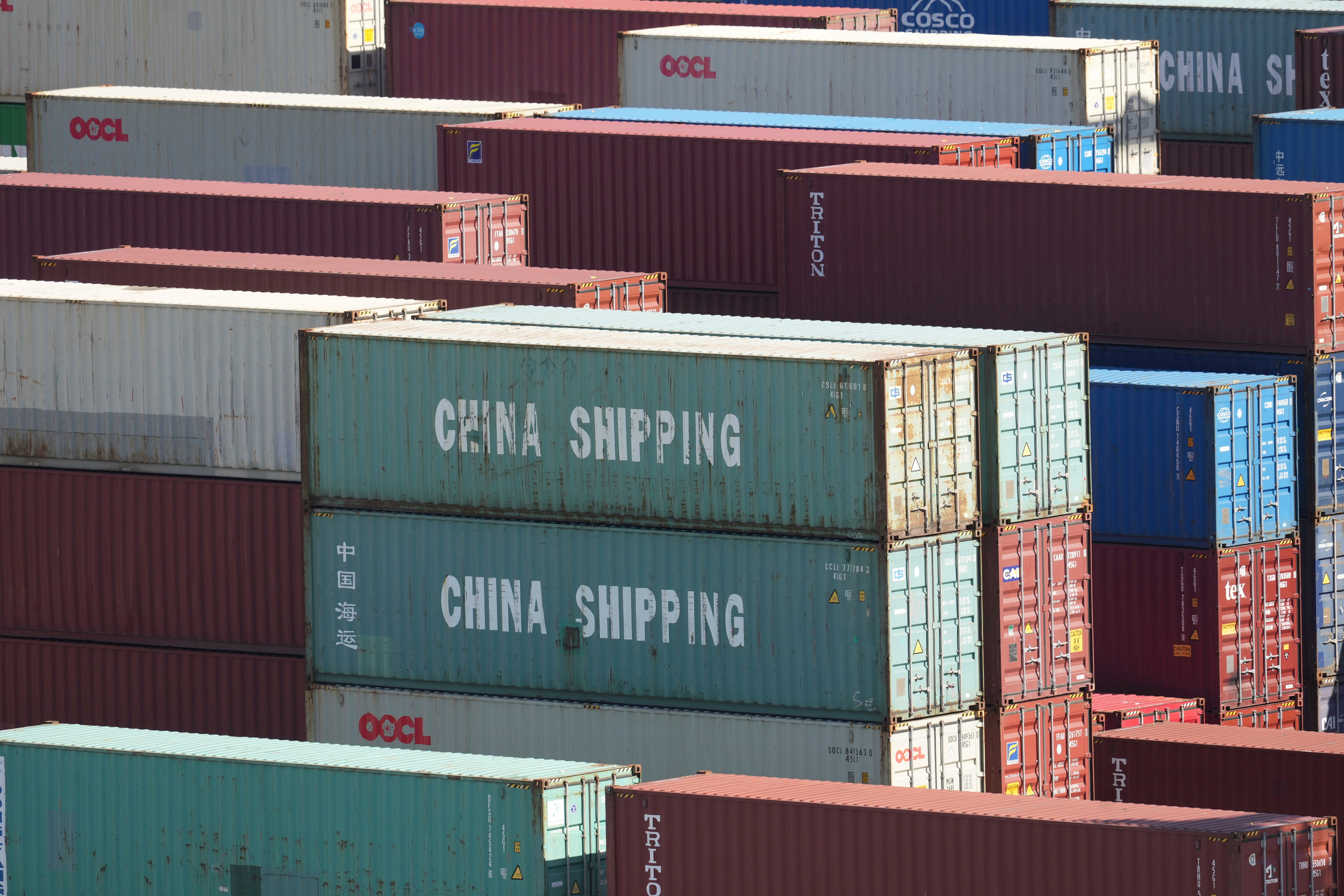
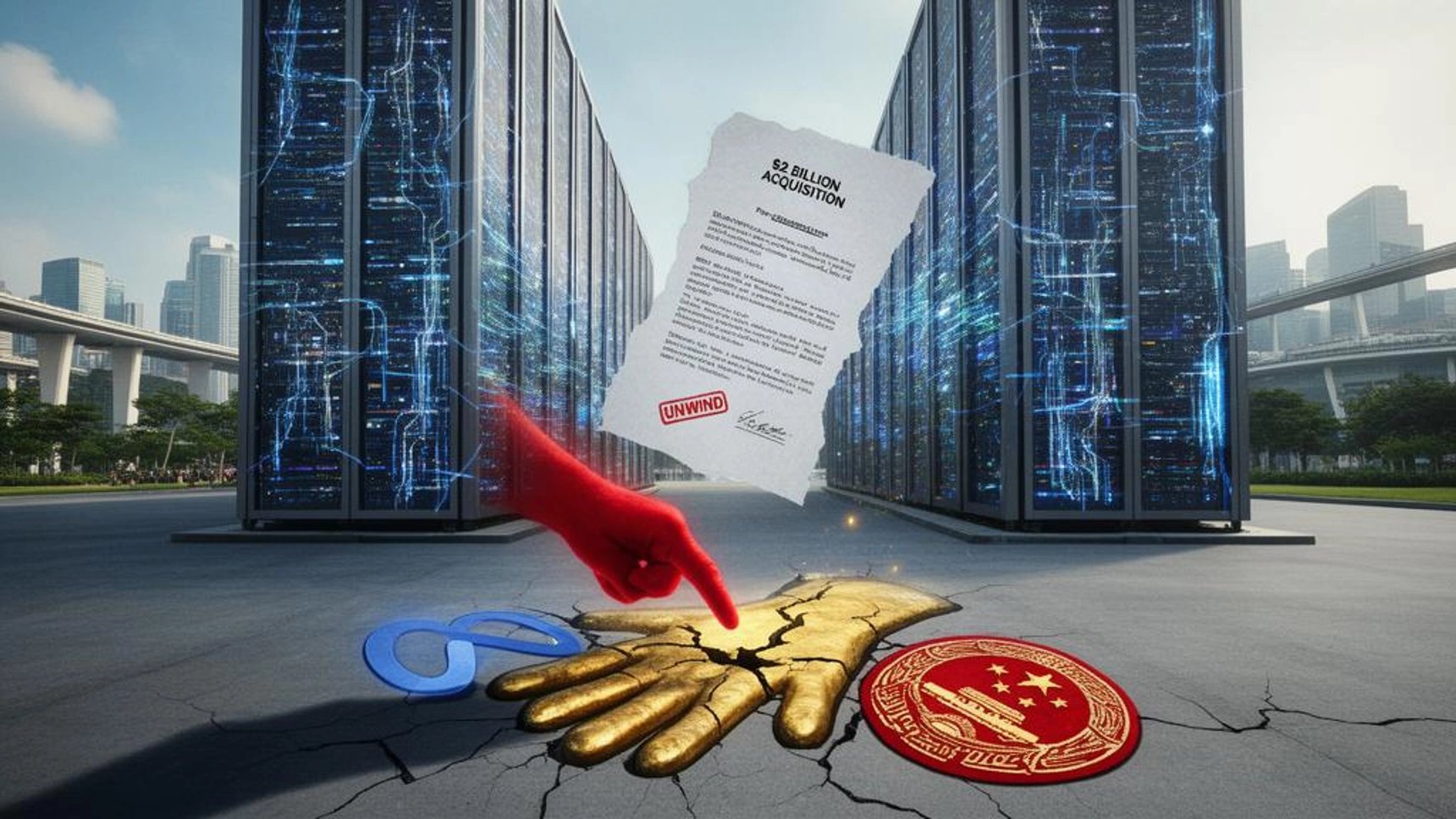
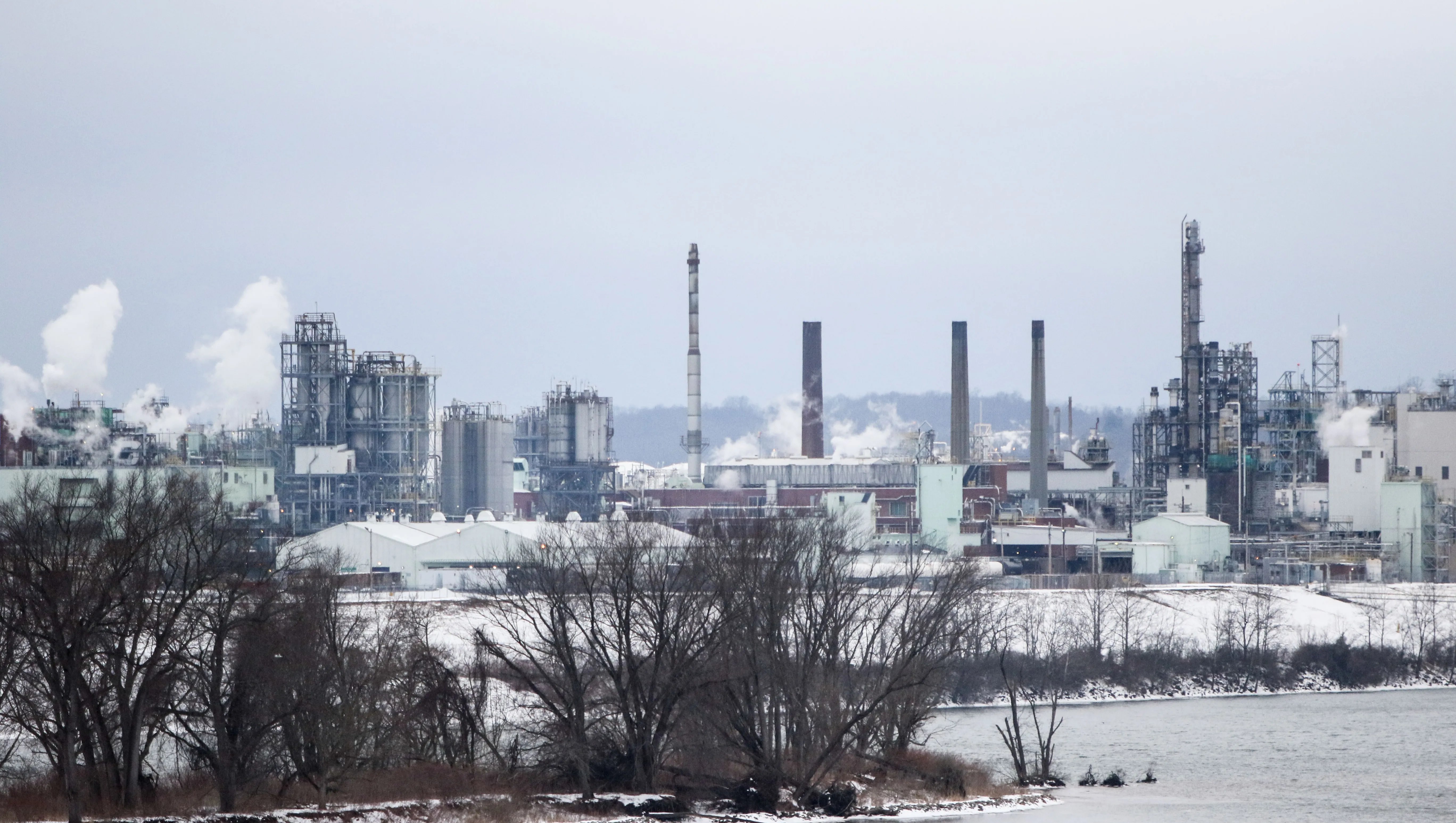
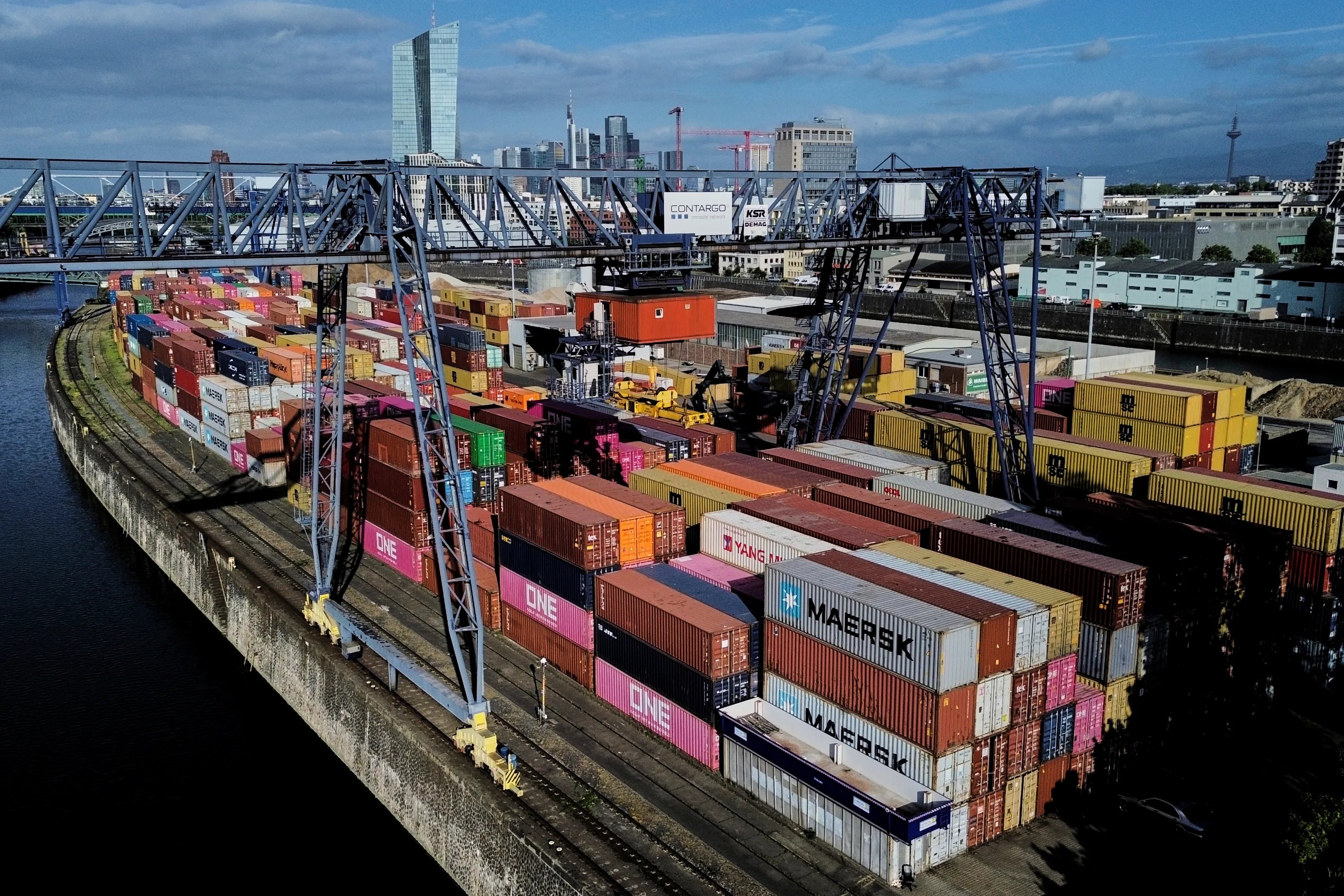
The European Union is set to implement a policy requiring companies to purchase components exclusively from non-Chinese suppliers. This directive aims to diversify supply chains and reduce dependency on China, particularly in critical sectors like technology and manufacturing. The strategy follows growing concerns over supply chain vulnerabilities highlighted during the COVID-19 pandemic and geopolitical tensions.
Impact on European Businesses
European businesses could face significant operational shifts due to the new mandate. Companies will need to identify alternative suppliers and potentially restructure their sourcing strategies. This change comes as the EU seeks to promote local manufacturing and enhance economic resilience. The move may lead to increased costs for businesses that must adapt quickly to comply with the new regulations.
Reactions from Industry Leaders
Industry leaders expressed mixed feelings about the policy. Some welcome the initiative as a necessary step toward greater independence from Chinese manufacturing. Others, however, caution that the abrupt shift could disrupt existing supply chains and increase costs for consumers. "While we understand the need for diversification, the speed at which this is being implemented raises concerns about feasibility," stated a representative from a major European manufacturing firm.
Broader Economic Implications
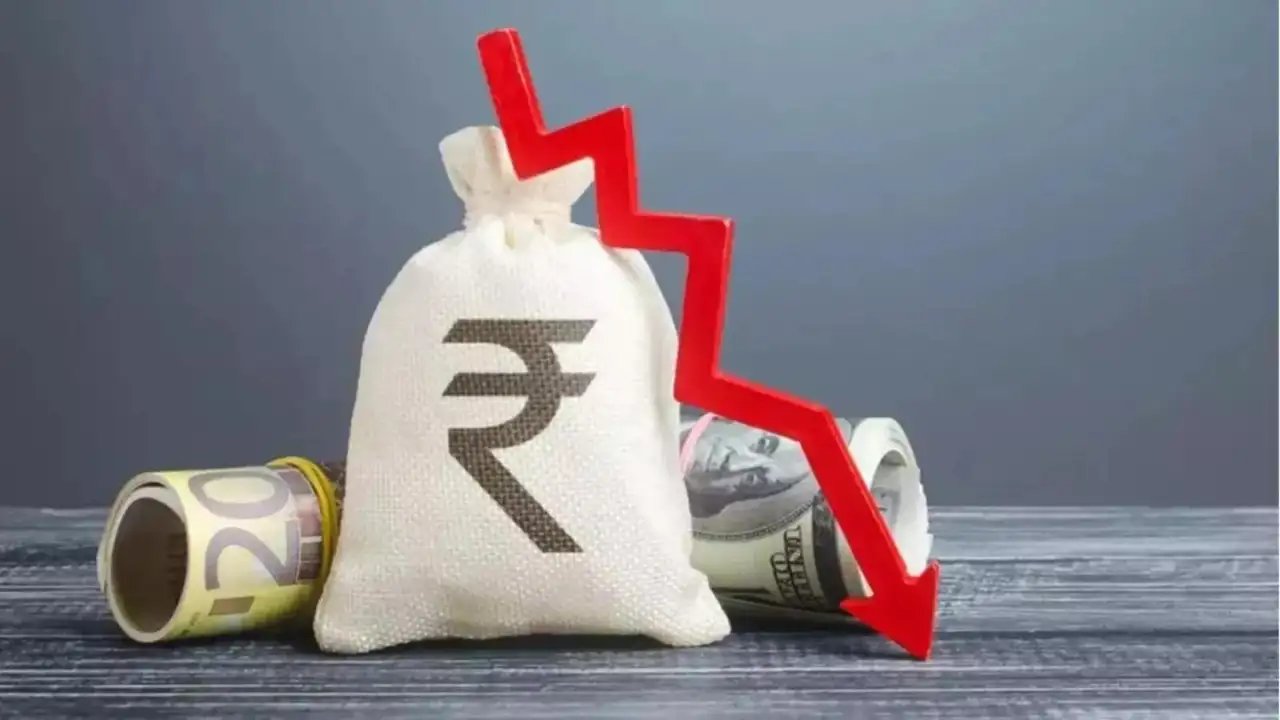
The EU's decision could have broader implications for international trade. By mandating non-Chinese sourcing, the EU may inadvertently escalate trade tensions with China. Analysts predict that this policy could lead to retaliatory measures from Beijing, impacting not only European companies but also global supply chains. Economists warn that this could exacerbate inflationary pressures already felt in various sectors due to rising costs.
Next Steps for Compliance
Companies operating within the EU will need to quickly assess their supply chains and begin sourcing from approved non-Chinese suppliers. The EU plans to provide guidelines and support for businesses to facilitate this transition. Firms that fail to comply with the new requirements may face penalties, further emphasizing the urgency for adaptation.
Conclusion: A Shift in Global Trade Dynamics
As the EU moves forward with this policy, the landscape of global trade may shift significantly. Companies must navigate these changes carefully to maintain competitiveness while aligning with new regulations. The long-term effects on consumer prices and international relations remain to be seen, but the urgency of this mandate signals a pivotal moment in the EU's economic strategy.