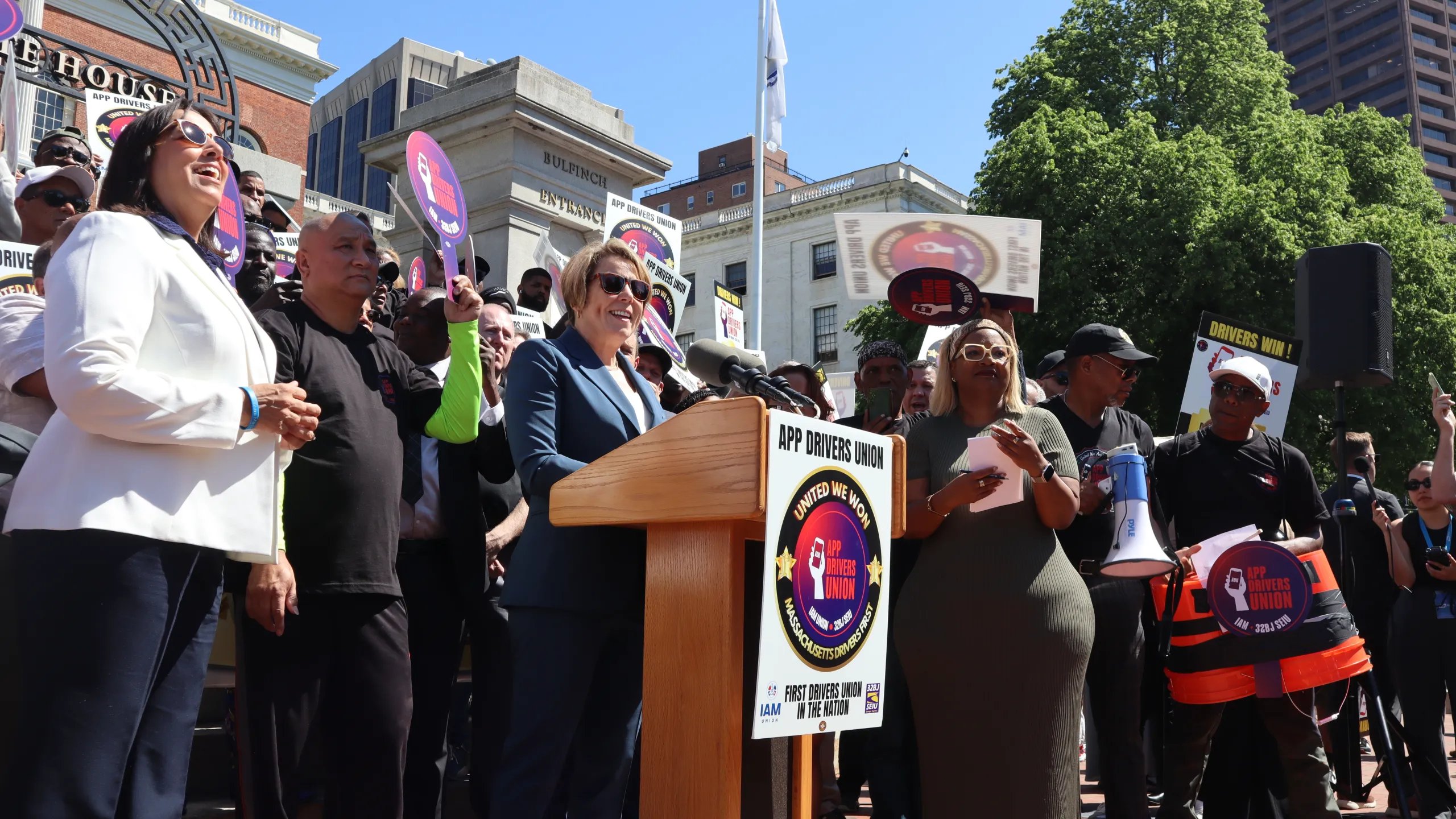
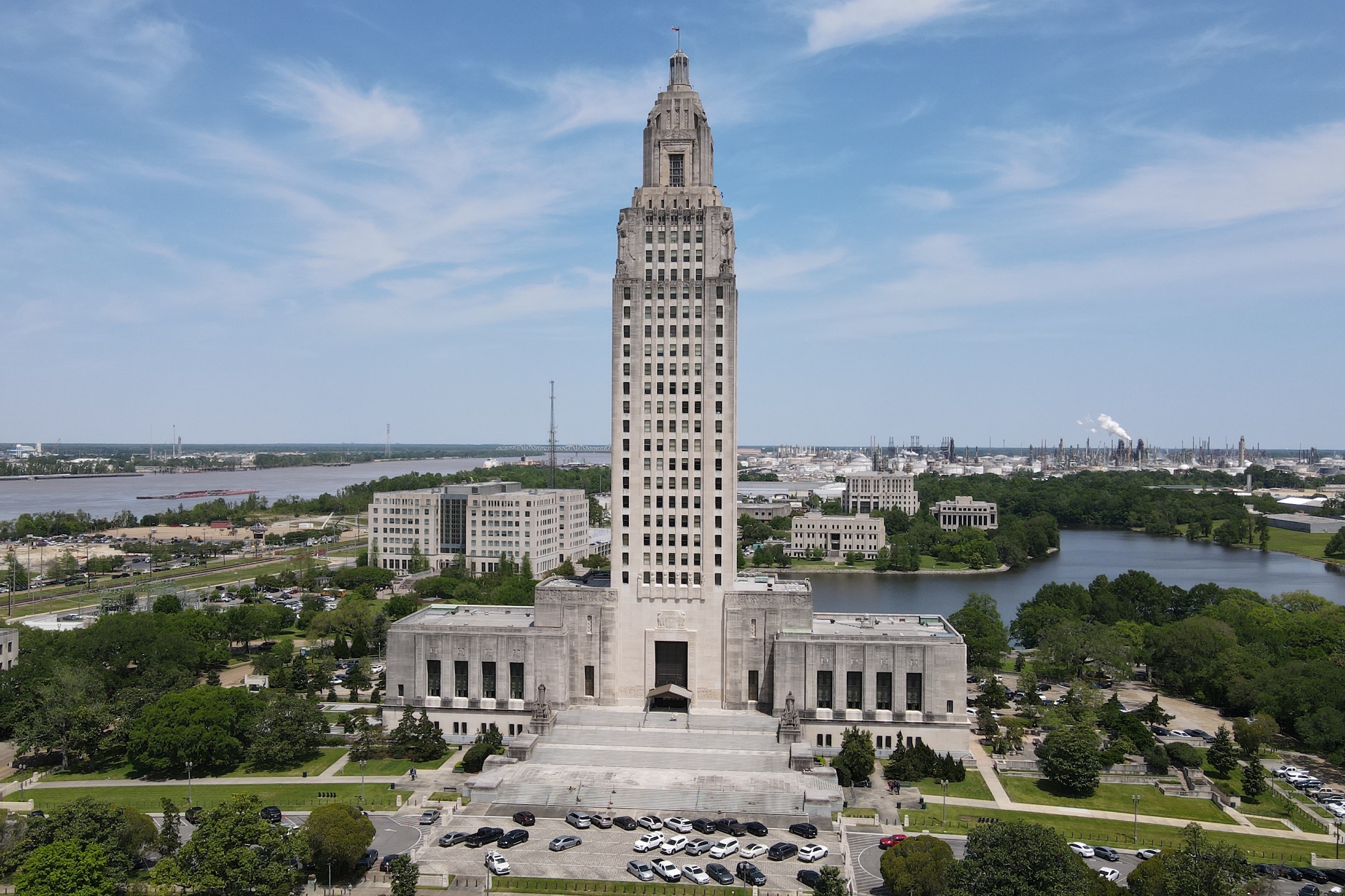
Massachusetts became the first state to certify a union for Uber and Lyft drivers who remain independent contractors under federal law. The Massachusetts Department of Labor Relations issued the certification on Friday. Drivers gathered Tuesday outside the statehouse in Boston's Beacon Hill neighborhood to mark the decision.
Certification allows the drivers to organize and bargain collectively despite their contractor status.
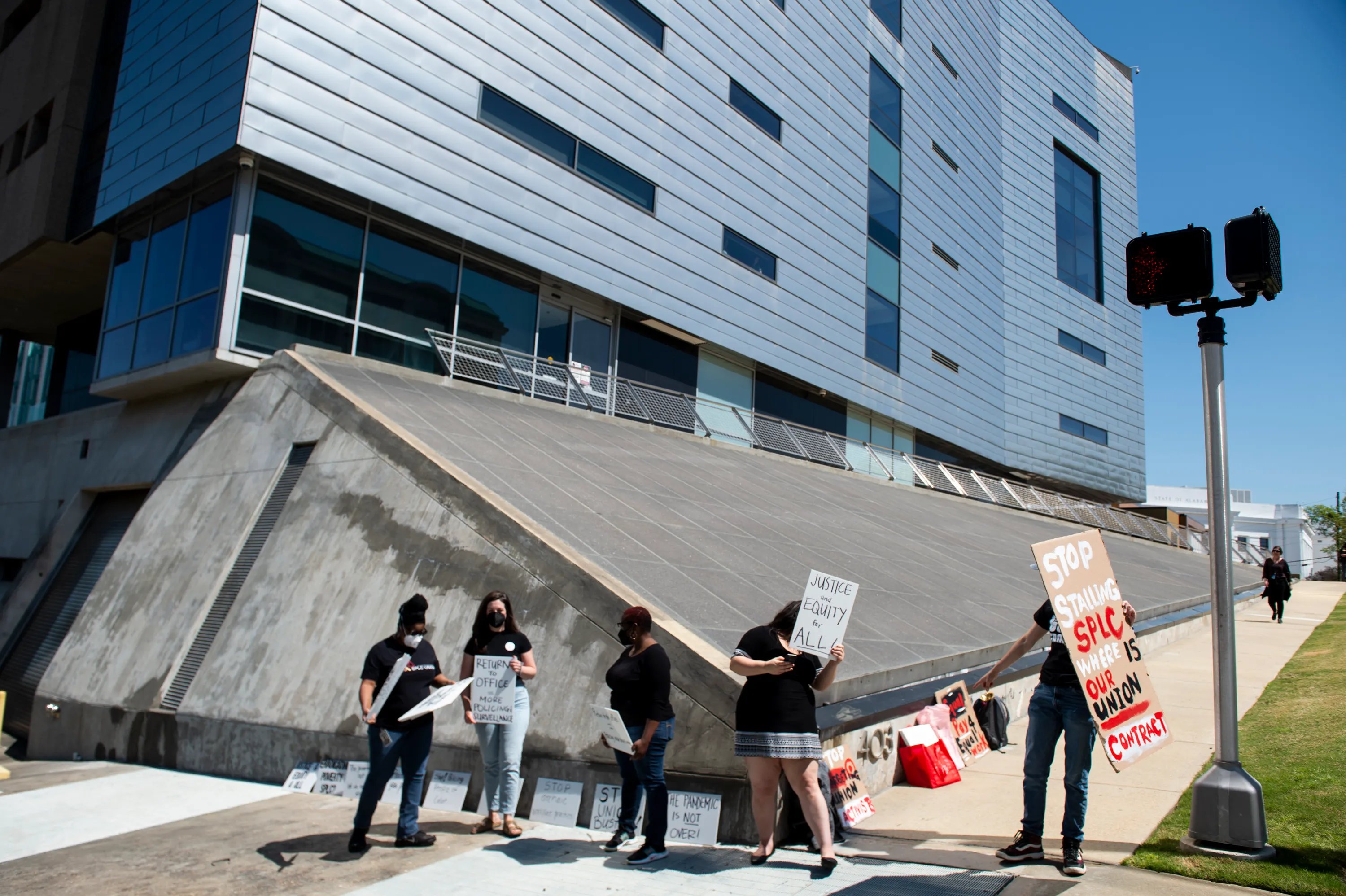
Ride-hailing drivers stood together outside the statehouse waving signs and cheering the news. The gathering reflected years of organizing by workers who say they lack basic protections. Many described the moment as a long-sought victory for gig economy labor rights.
Federal law still classifies Uber and Lyft drivers as independent contractors rather than employees. This status denies them automatic rights to unionize under national labor statutes. Massachusetts officials determined state law permits these workers to form a union anyway.
The Department of Labor Relations reviewed evidence that drivers share common interests and working conditions. It ruled the group meets criteria for union representation at the state level. The decision creates a path for bargaining that bypasses federal contractor restrictions.
Uber stated it respects the right of drivers to choose union representation. The company added that most drivers prefer the flexibility of independent contractor status. Lyft issued a similar statement emphasizing its support for driver independence.
Both companies have historically opposed efforts to reclassify drivers as employees. They argue that unionization could limit the flexible schedules that attract workers to the platforms. Neither company indicated immediate plans to challenge the Massachusetts certification in court.
Union leaders expect the new organization to negotiate higher per-mile rates and guaranteed minimum earnings. Drivers have long complained about fluctuating pay and lack of health care contributions. The union could also push for vehicle maintenance stipends and protection from sudden account deactivations.
Organizers noted that Massachusetts ride-hail drivers complete millions of trips each year. They believe collective bargaining will address safety concerns such as inadequate insurance during rides. The certification opens formal talks between the union and the two companies.
Labor advocates view the Massachusetts decision as a blueprint for other states with large ride-share markets. Several states have considered similar measures to give gig workers bargaining rights without changing federal contractor classification. The precedent could influence pending legislation in California and New York.
Union backers argue the model protects innovation while granting basic labor standards. Company representatives counter that uniform national rules would better serve both drivers and platforms. The Massachusetts outcome is likely to intensify debates in legislatures nationwide.
The union's first bargaining session is scheduled for next month. Drivers plan to present initial proposals on pay transparency and dispute resolution. Success in Massachusetts could determine whether similar unions appear in other major cities by the end of the year.
Massachusetts became the first state to certify a union for Uber and Lyft drivers who remain independent contractors under federal law. The Massachusetts Department of Labor Relations issued the certification on Friday. Drivers gathered Tuesday outside the statehouse in Boston’s Beacon Hill neighborhood to mark the decision.
The union will represent thousands of ride-hailing workers across the state. It marks the first successful ride-share unionization effort in the United States. Certification allows the drivers to organize and bargain collectively despite their contractor status.
Ride-hailing drivers stood together outside the statehouse waving signs and cheering the news. The gathering reflected years of organizing by workers who say they lack basic protections. Many described the moment as a long-sought victory for gig economy labor rights.
One driver told reporters the certification gives them a collective voice for the first time. Others expressed hope it would lead to improved pay and benefits. The celebration followed months of petitions and legal steps before the state labor board.
Federal law still classifies Uber and Lyft drivers as independent contractors rather than employees. This status denies them automatic rights to unionize under national labor statutes. Massachusetts officials determined state law permits these workers to form a union anyway.
The Department of Labor Relations reviewed evidence that drivers share common interests and working conditions. It ruled the group meets criteria for union representation at the state level. The decision creates a path for bargaining that bypasses federal contractor restrictions.
Uber stated it respects the right of drivers to choose union representation. The company added that most drivers prefer the flexibility of independent contractor status. Lyft issued a similar statement emphasizing its support for driver independence.
Both companies have historically opposed efforts to reclassify drivers as employees. They argue that unionization could limit the flexible schedules that attract workers to the platforms. Neither company indicated immediate plans to challenge the Massachusetts certification in court.
Union leaders expect the new organization to negotiate higher per-mile rates and guaranteed minimum earnings. Drivers have long complained about fluctuating pay and lack of health care contributions. The union could also push for vehicle maintenance stipends and protection from sudden account deactivations.
Organizers noted that Massachusetts ride-hail drivers complete millions of trips each year. They believe collective bargaining will address safety concerns such as inadequate insurance during rides. The certification opens formal talks between the union and the two companies.
Labor advocates view the Massachusetts decision as a blueprint for other states with large ride-share markets. Several states have considered similar measures to give gig workers bargaining rights without changing federal contractor classification. The precedent could influence pending legislation in California and New York.
Union backers argue the model protects innovation while granting basic labor standards. Company representatives counter that uniform national rules would better serve both drivers and platforms. The Massachusetts outcome is likely to intensify debates in legislatures nationwide.
The union’s first bargaining session is scheduled for next month. Drivers plan to present initial proposals on pay transparency and dispute resolution. Success in Massachusetts could determine whether similar unions appear in other major cities by the end of the year.
Highlighted text was flagged by the council. Tap to see feedback.