





Legal Maneuvering Behind the Settlement
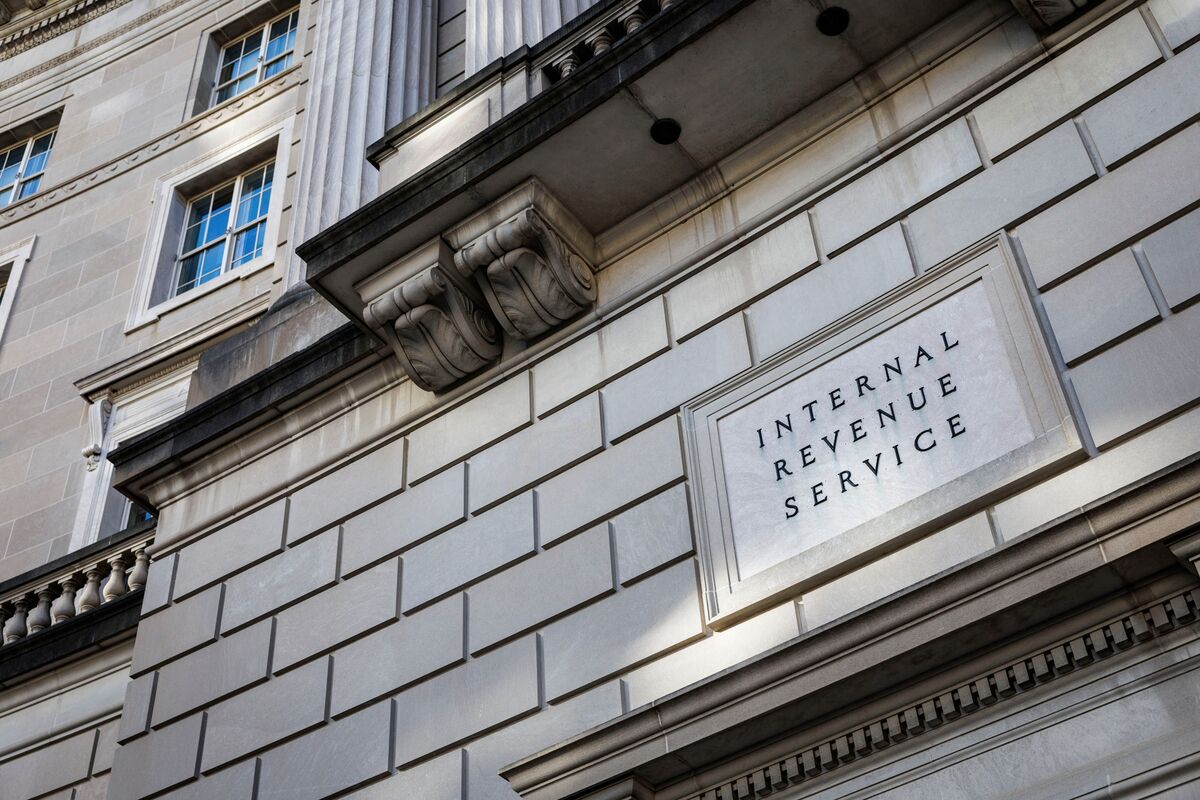
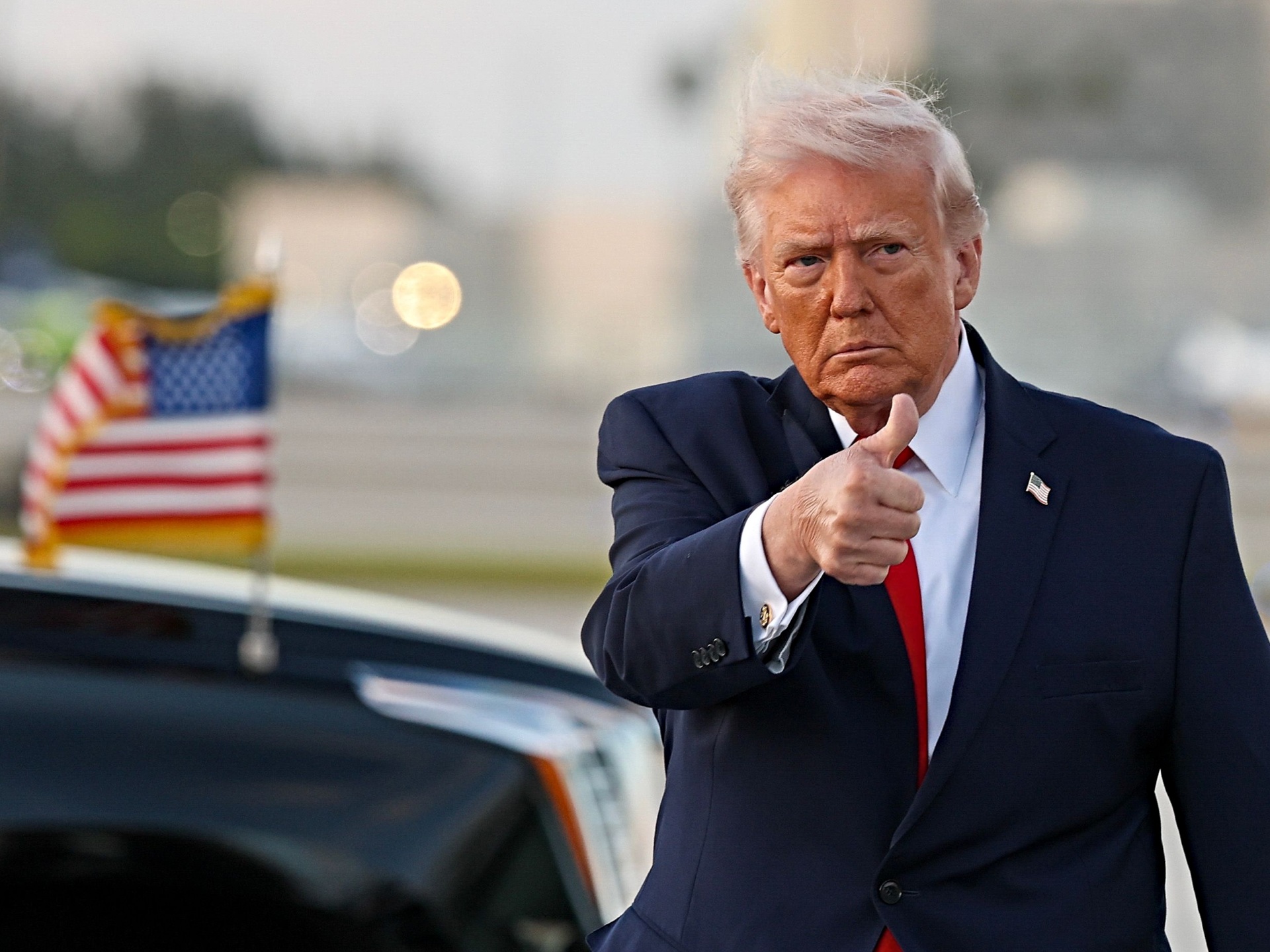
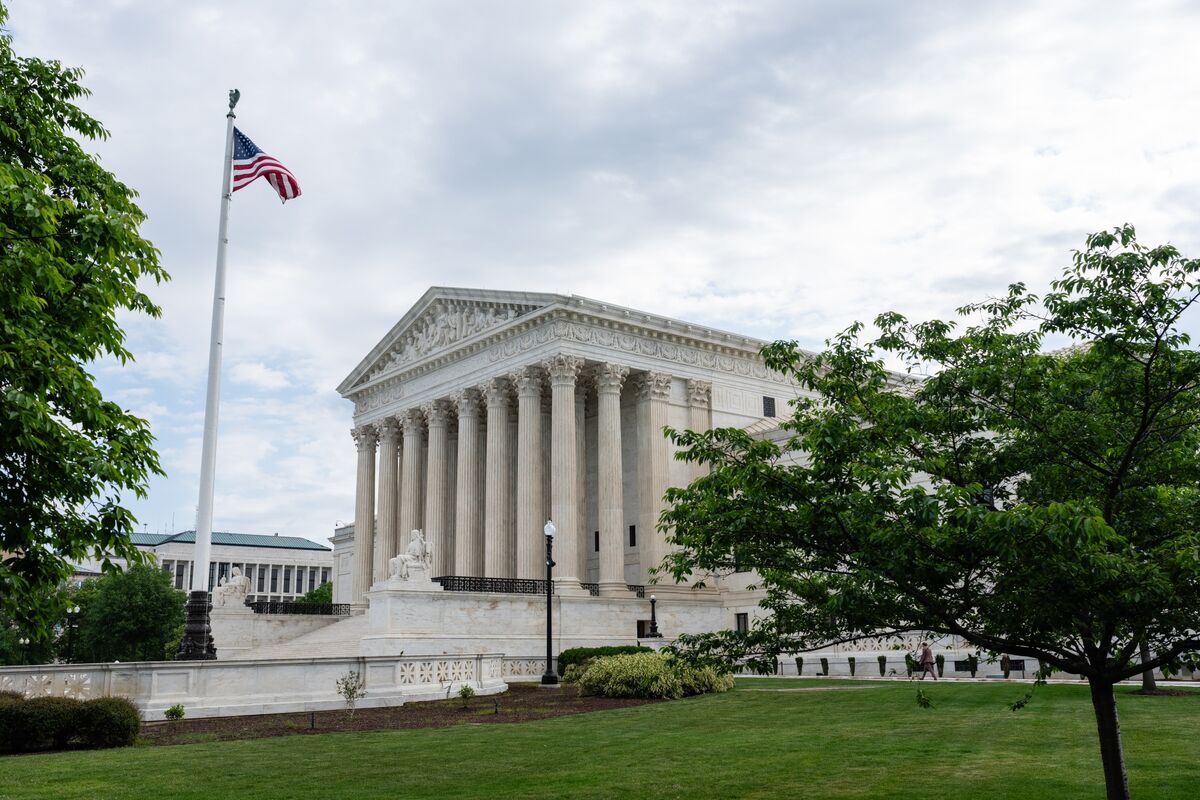
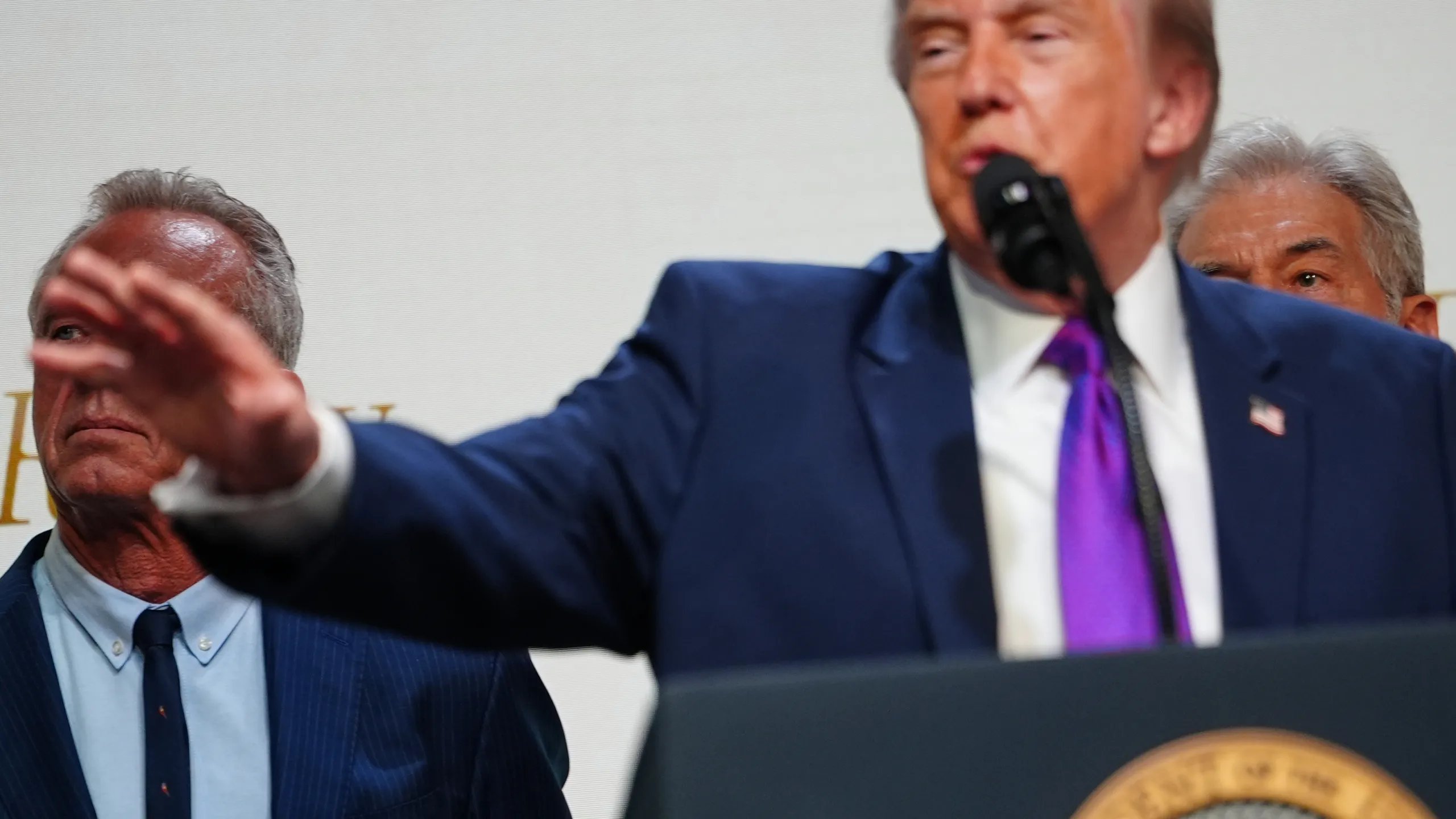
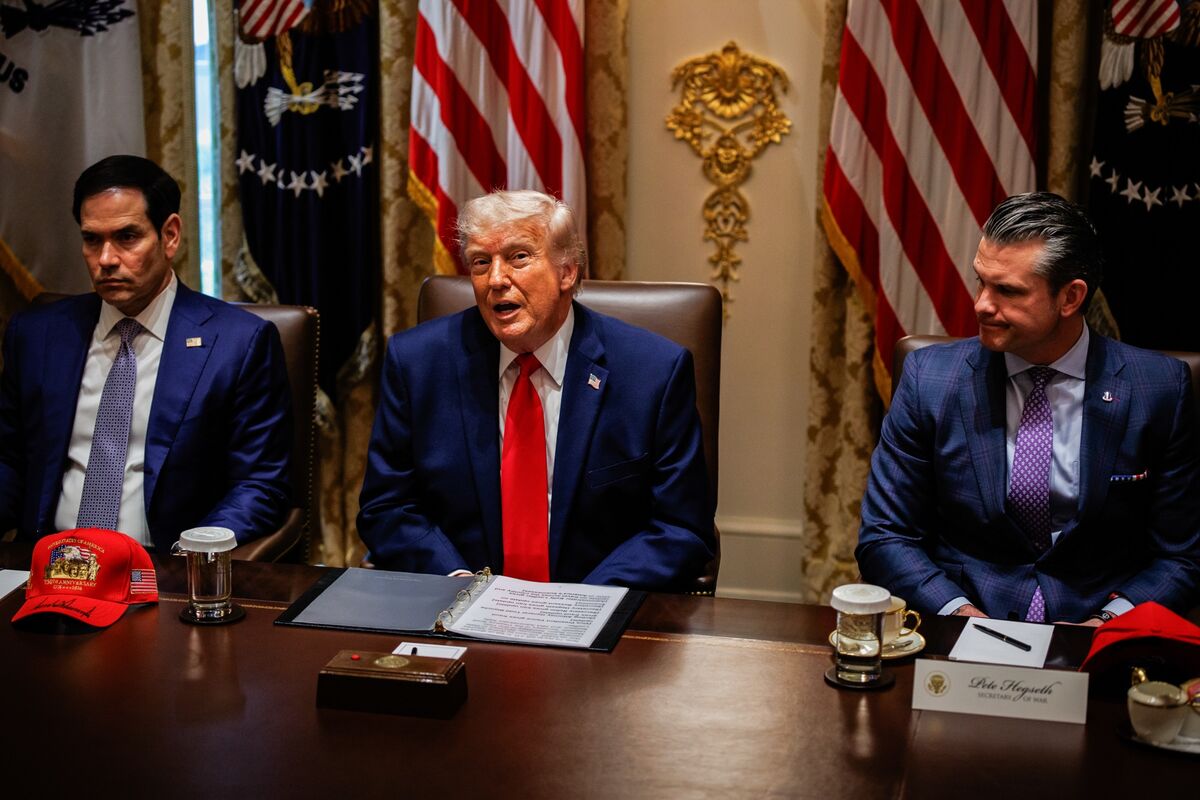
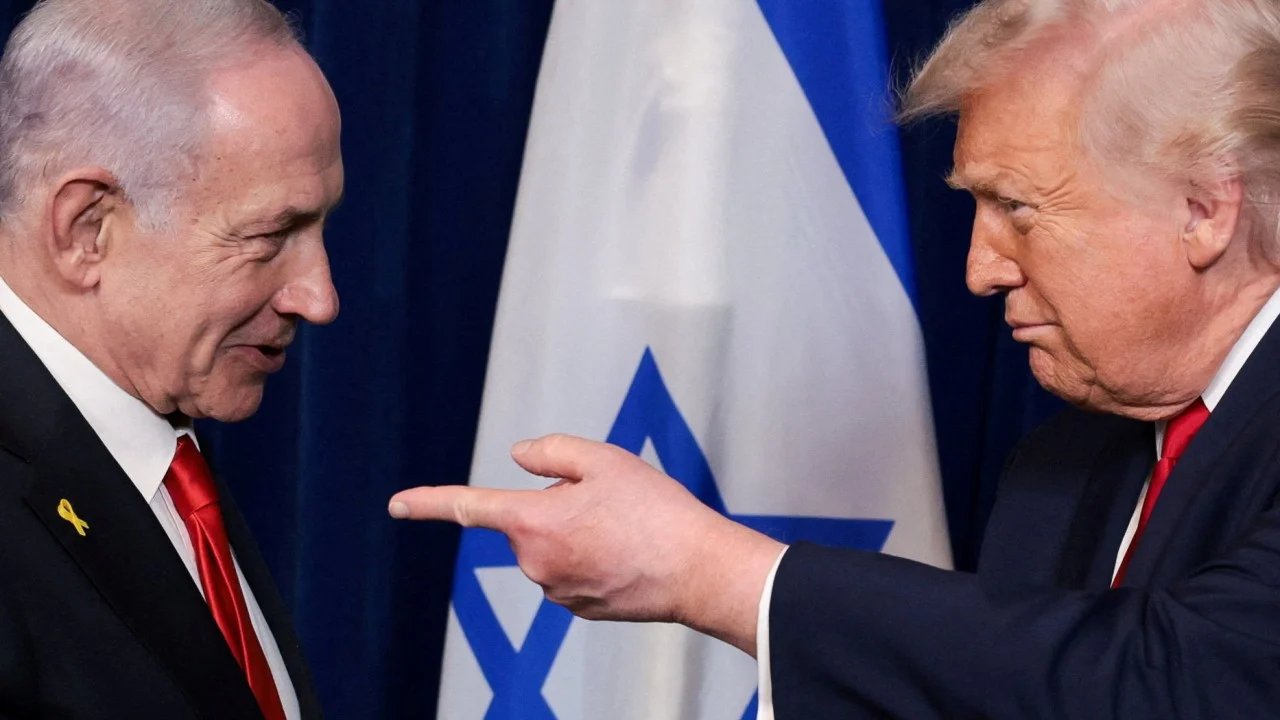
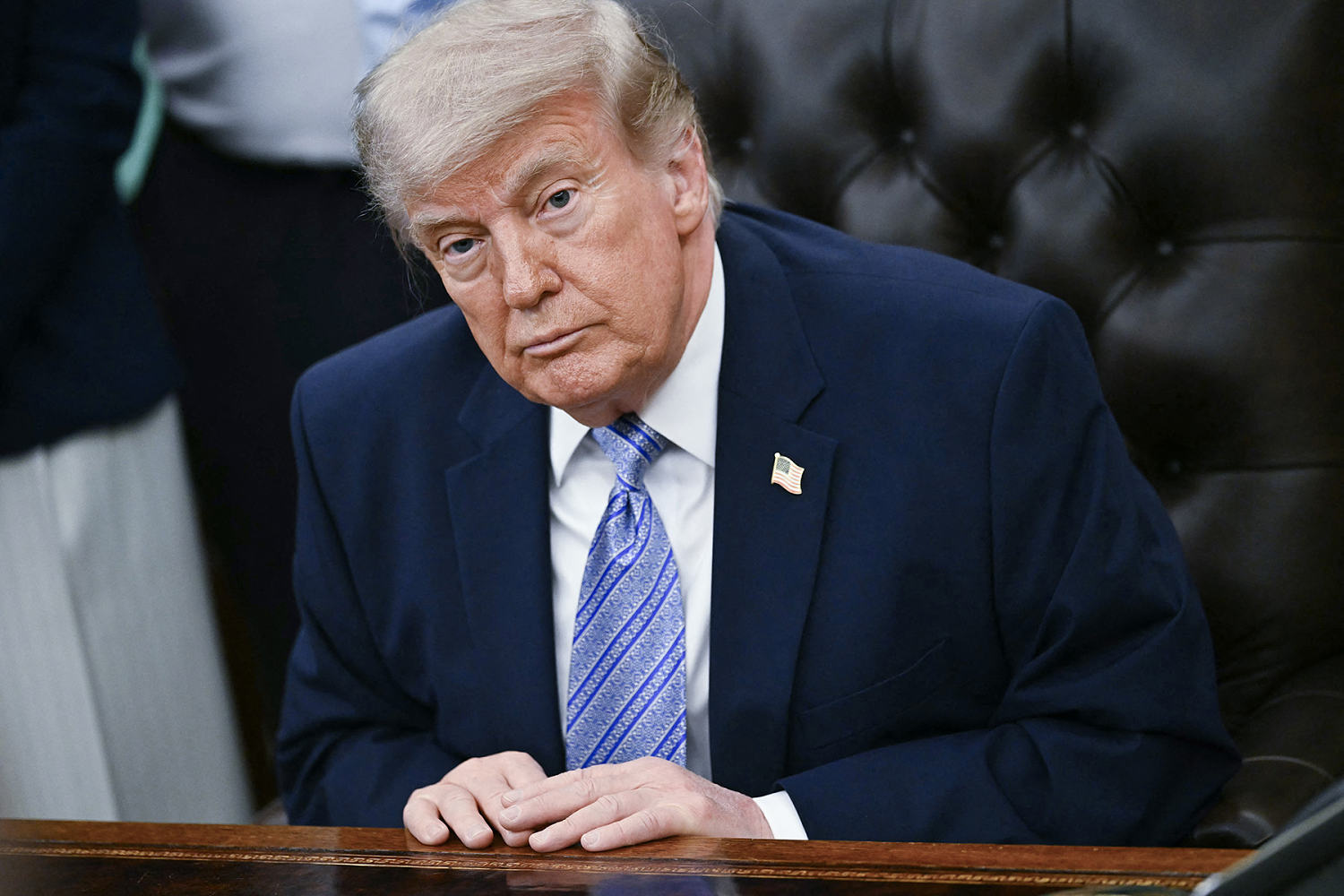
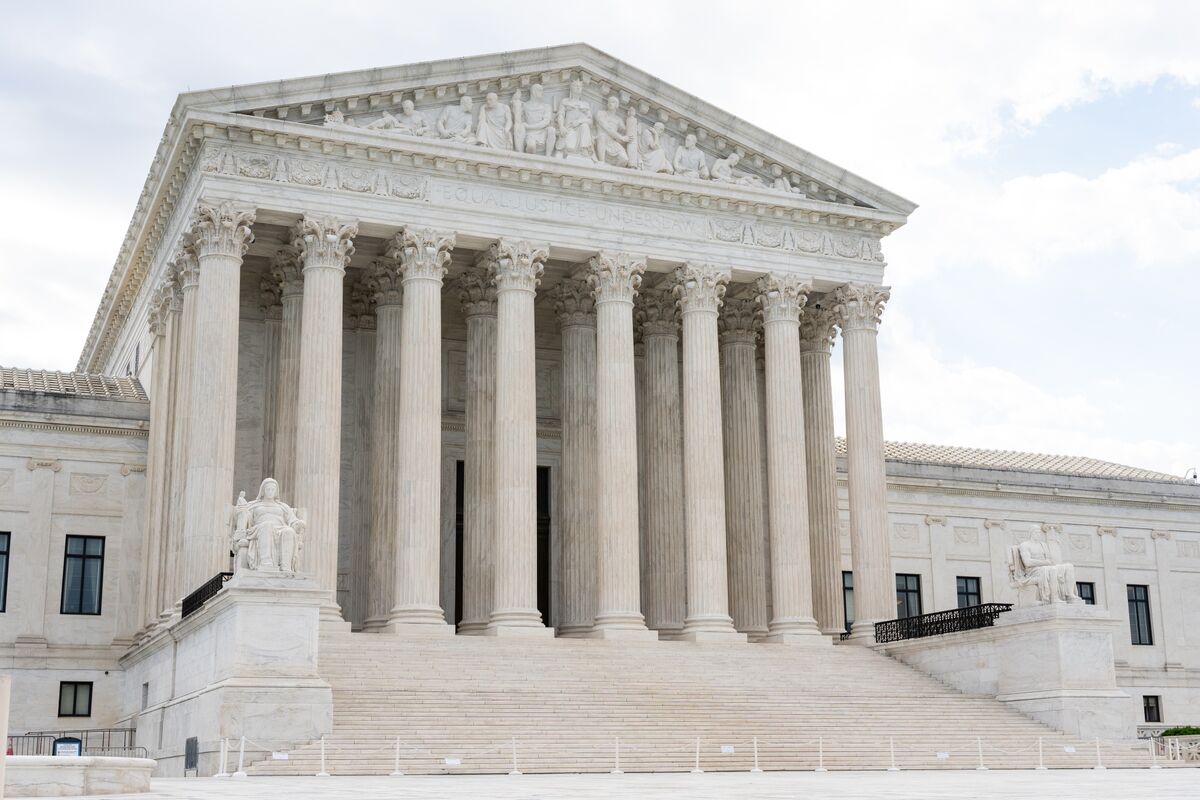
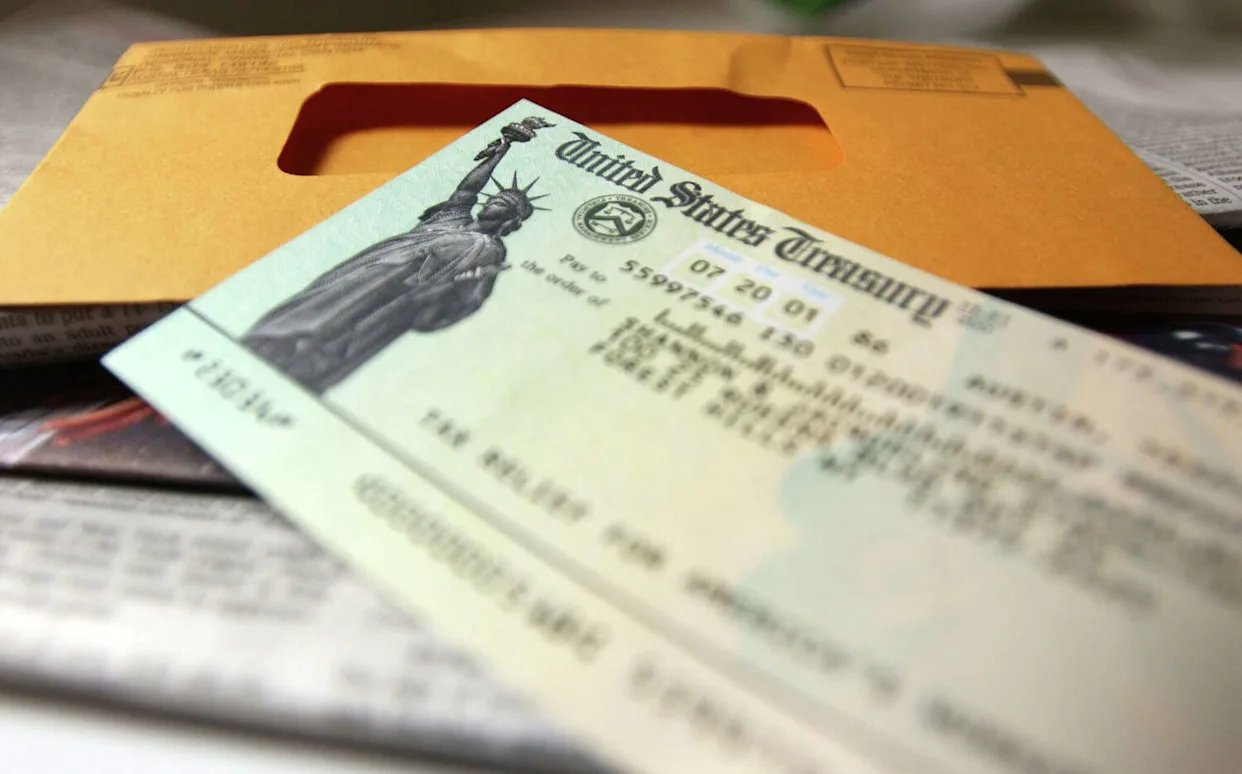
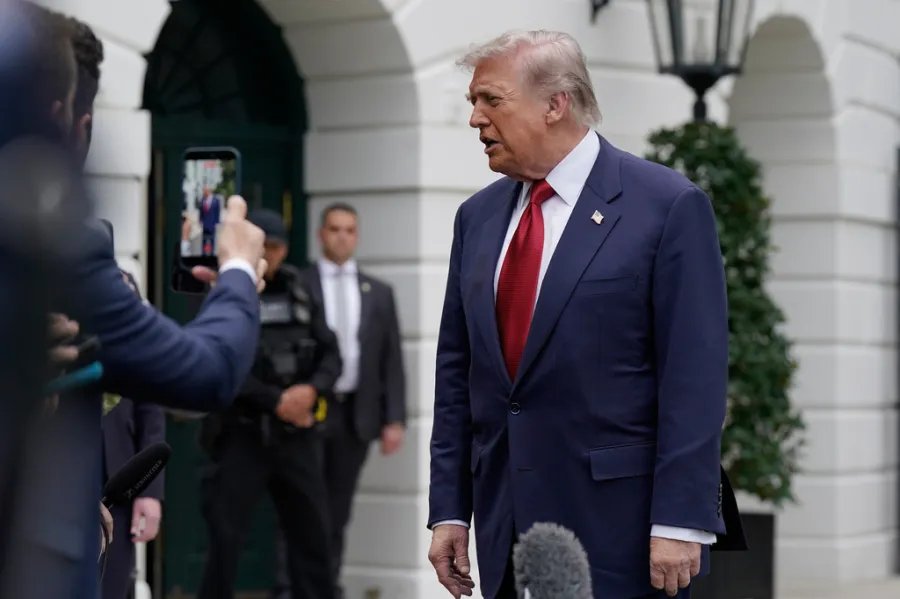
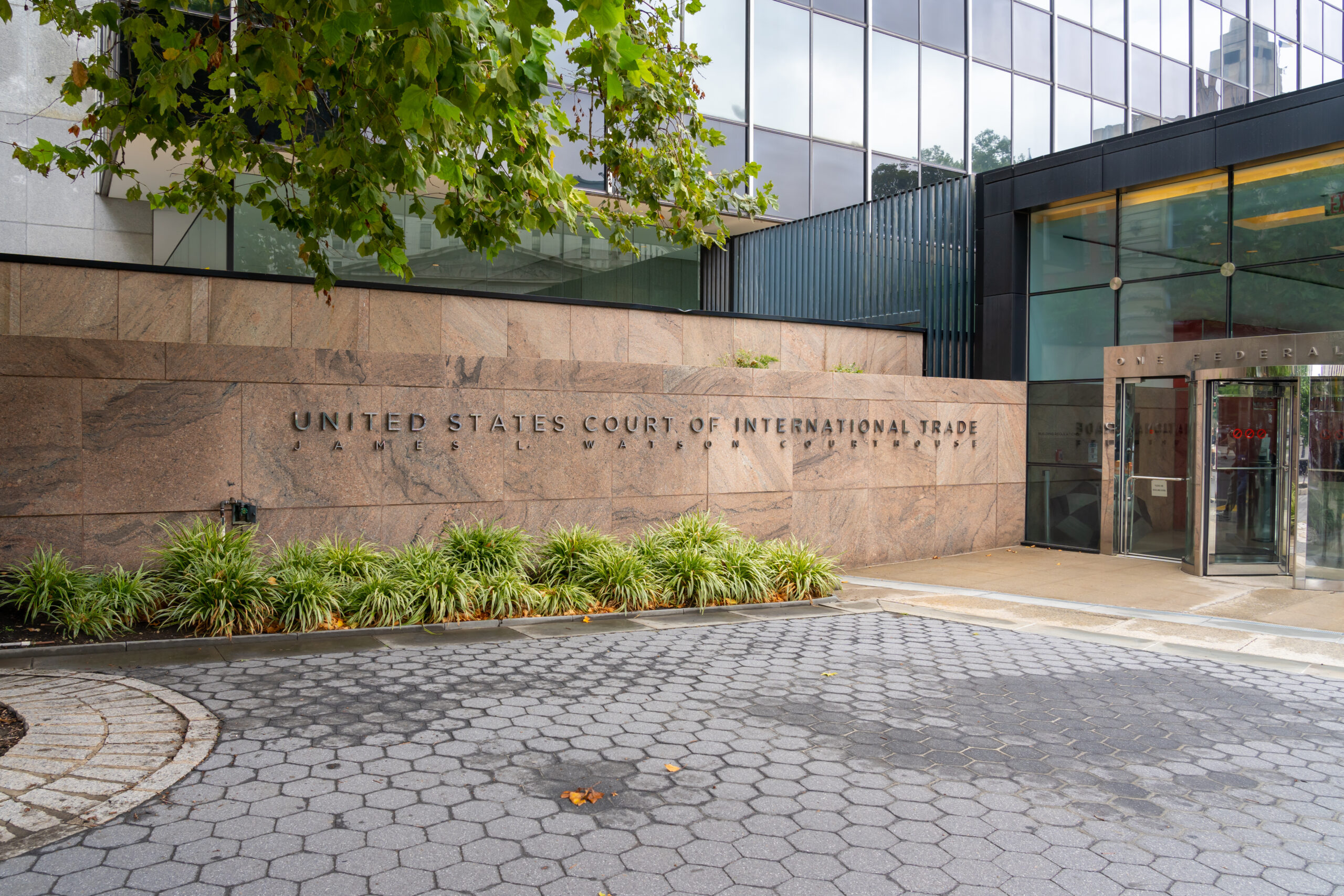
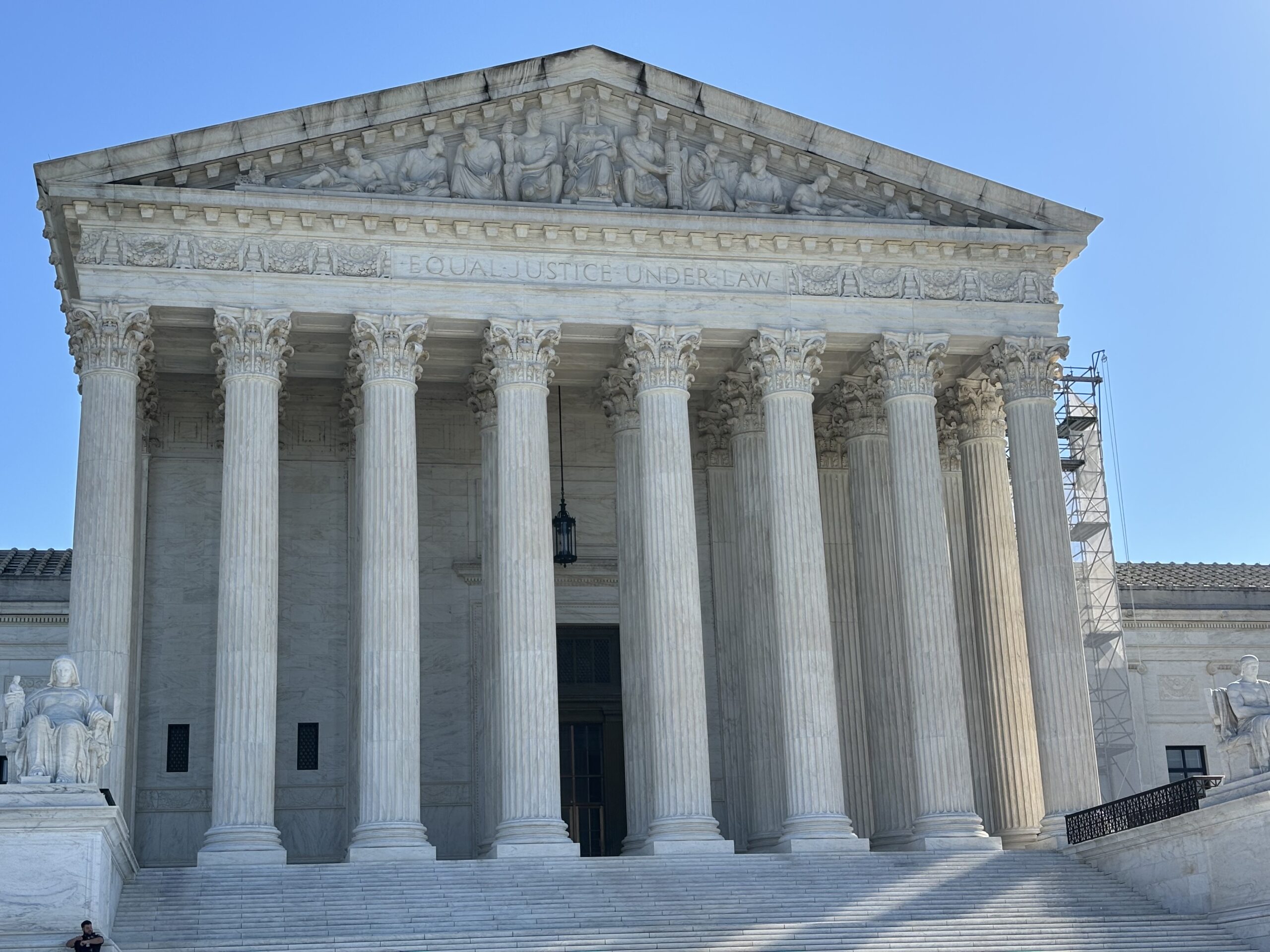
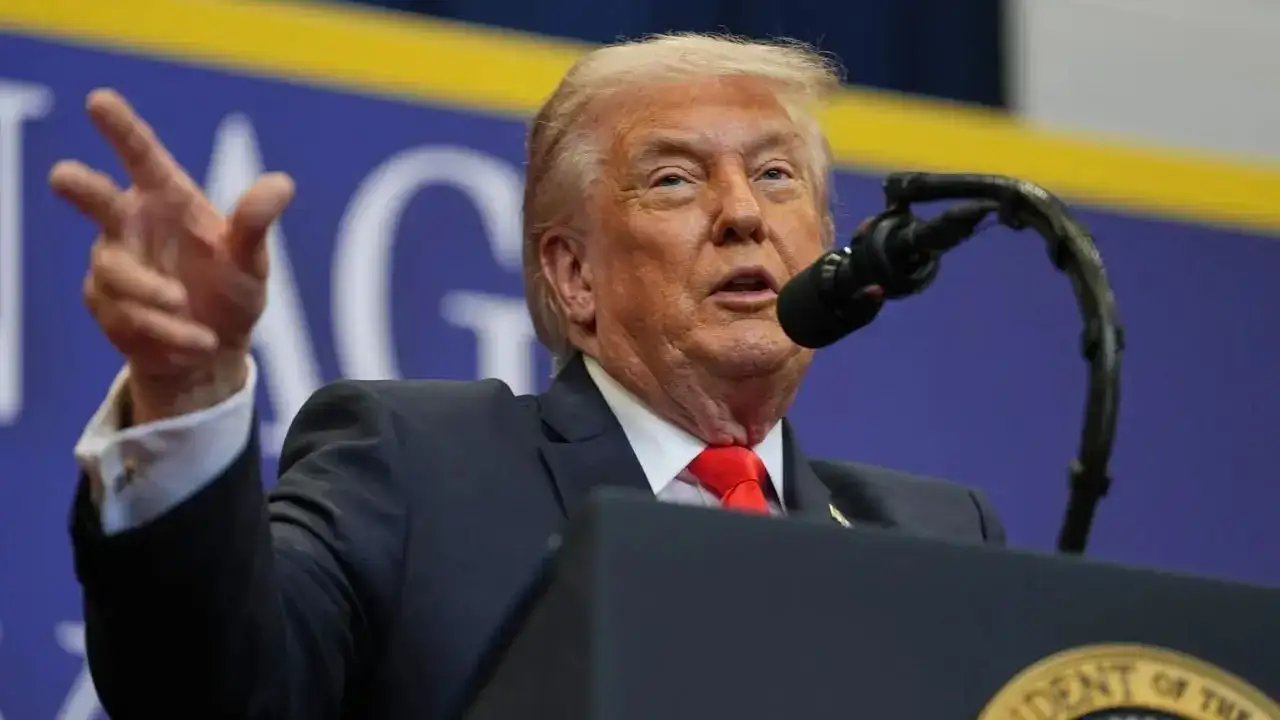
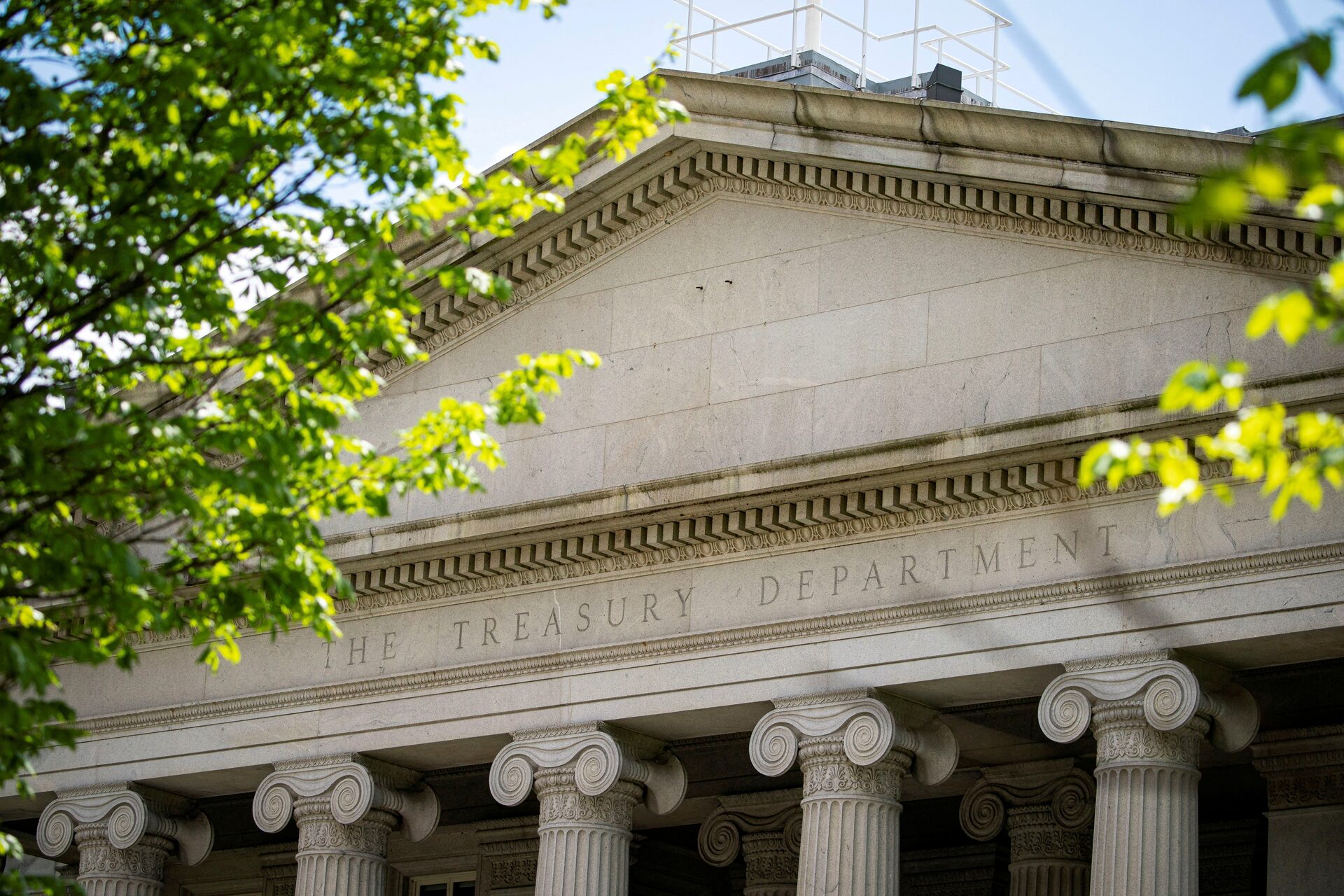
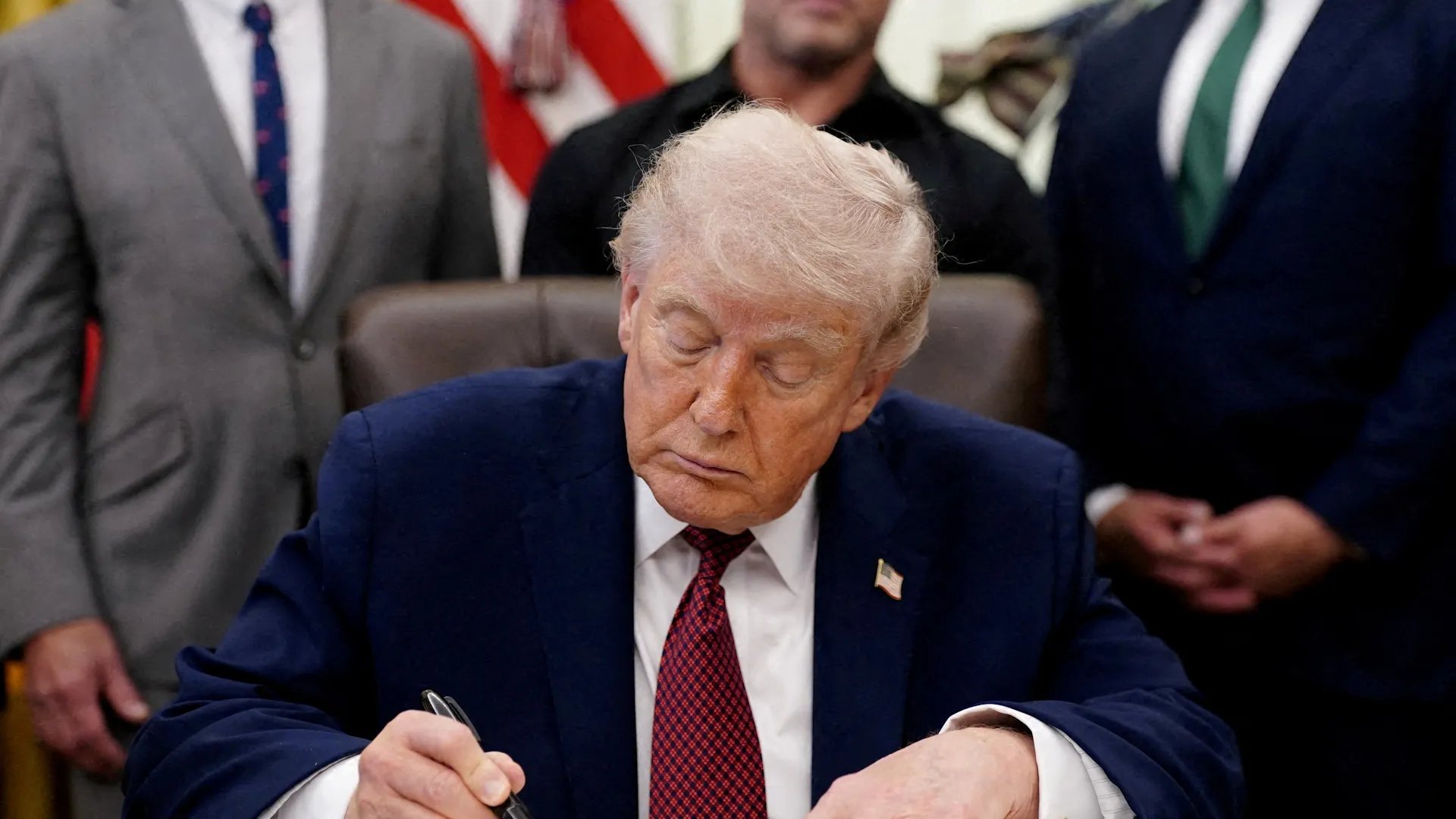
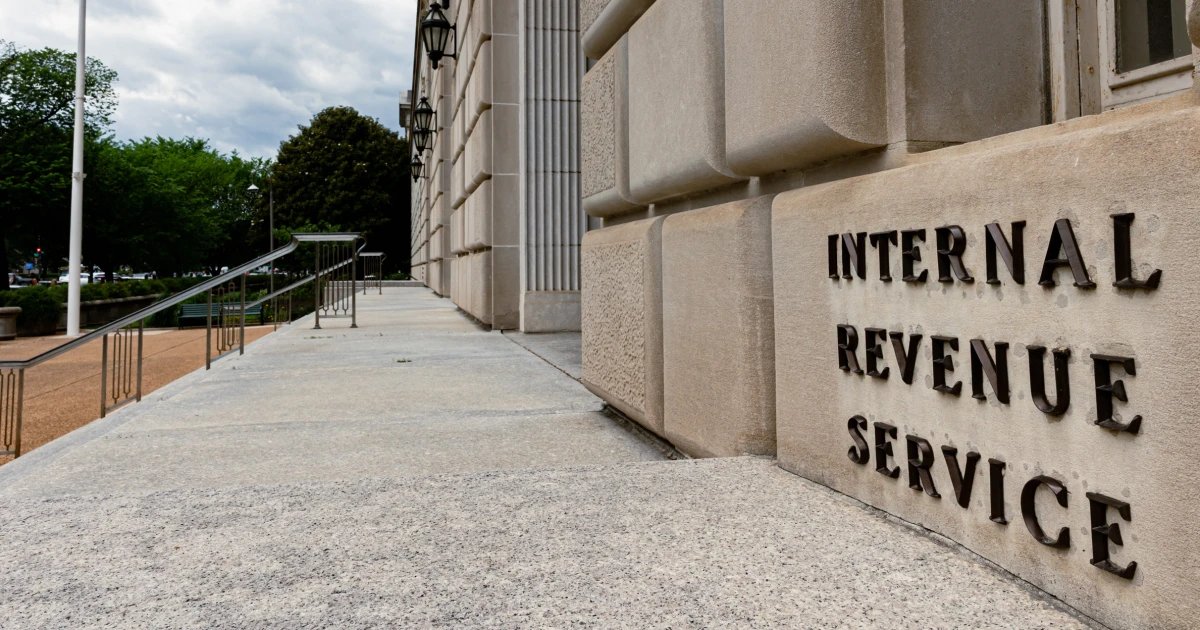
President Donald Trump has dropped his $10 billion lawsuit against the Internal Revenue Service and the Treasury Department, paving the way for a settlement that includes the establishment of a $1.776 billion "Anti-Weaponization Fund." This decision, announced on May 18, 2026, came just ahead of a court-imposed deadline for Trump to justify the legitimacy of the lawsuit, which questioned whether the sitting president could sue his own government. U.S. District Judge Kathleen Williams had raised concerns about the conflict of interest inherent in the case, noting that Trump's role as president complicates the notion of adversarial parties in the lawsuit.
Fund's Purpose and Oversight
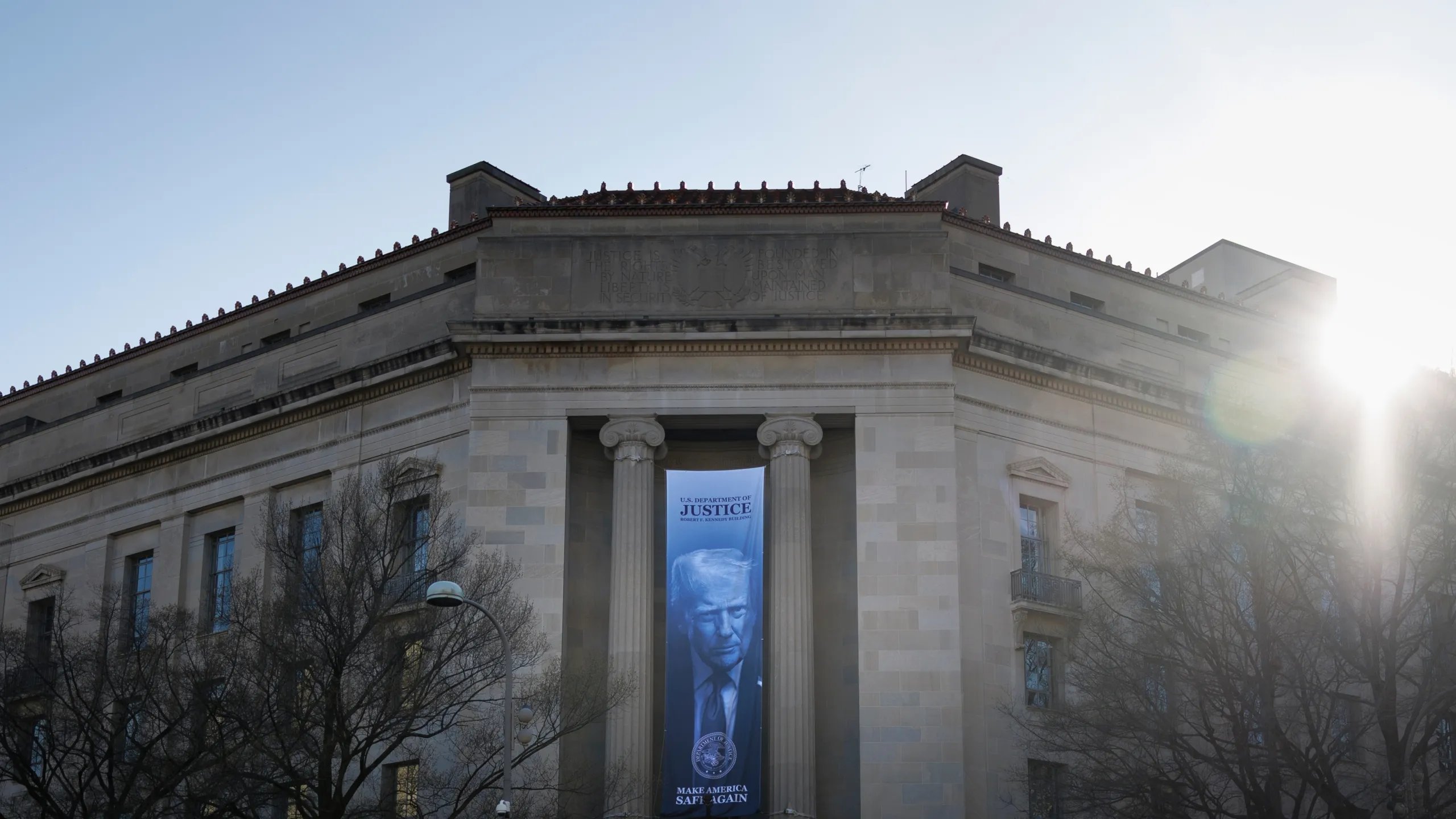
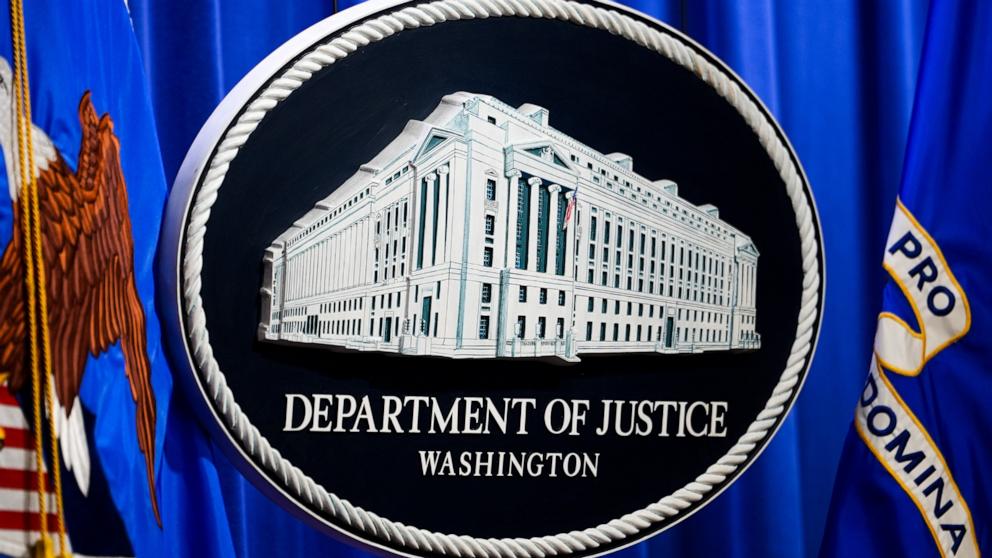
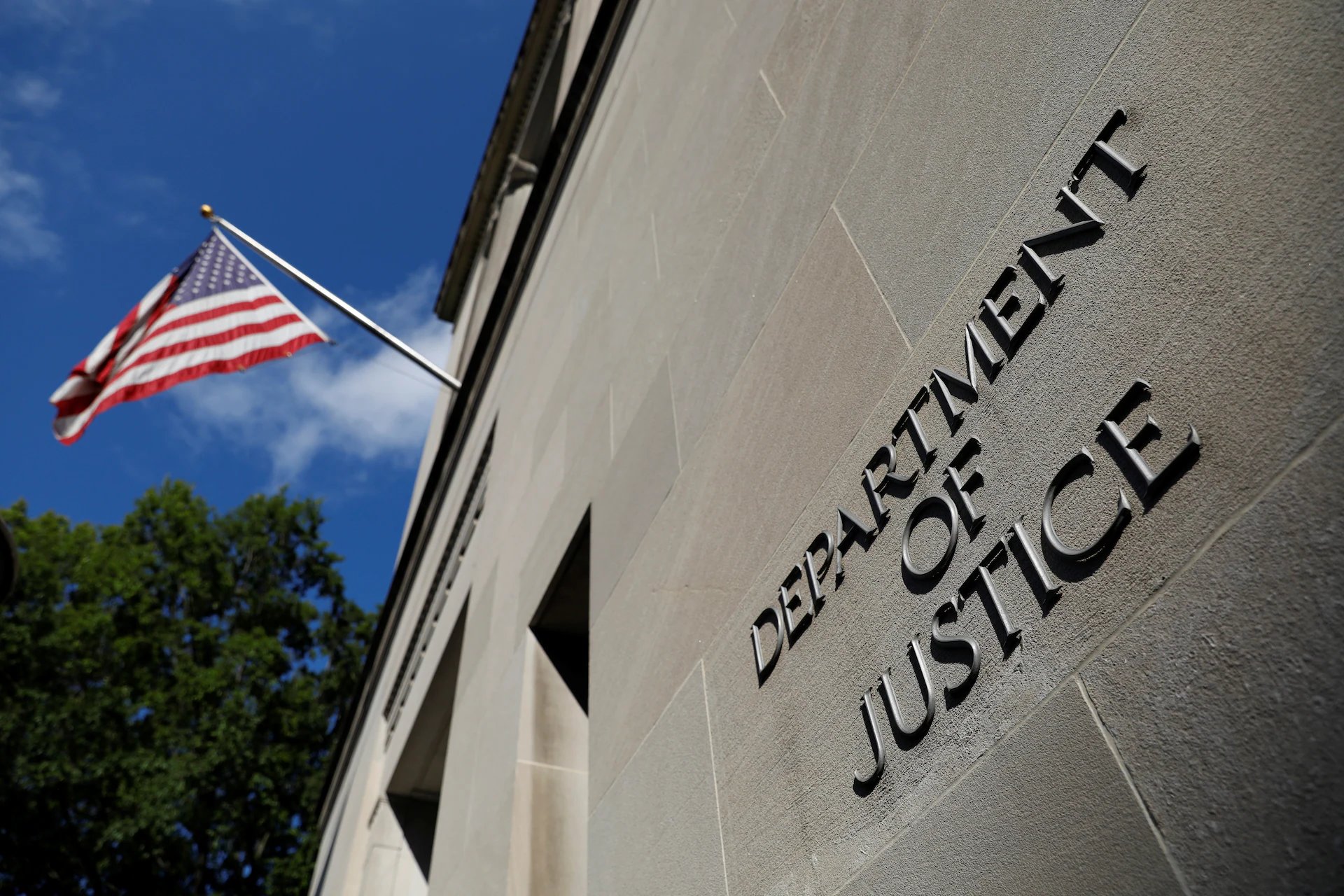
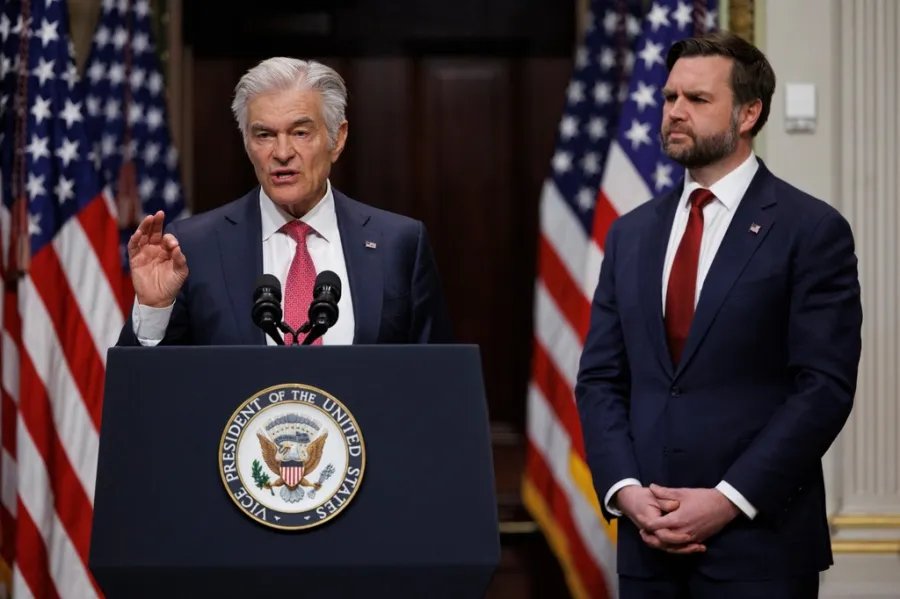
The newly created fund aims to compensate individuals who claim to have been wrongly targeted by government entities, particularly under the Biden administration. The fund will be overseen by a five-member commission appointed by the attorney general, with Trump having the authority to remove any member. Acting Attorney General Todd Blanche stated that the fund is designed to ensure that the "machinery of government should never be weaponized against any American," emphasizing a systematic process for victims of what the DOJ describes as "lawfare."
Settlement Details and Implications
As part of the settlement, Trump and co-plaintiffs—including his sons Eric Trump and Donald Trump Jr.—will not receive any monetary payments. Instead, they will receive a formal apology. The fund is expected to operate until December 15, 2028, and will have the ability to issue formal apologies and monetary relief to claimants. Critics have pointed out that the fund could serve as a mechanism for individuals, including those involved in the January 6 Capitol riots, to seek payouts for alleged government overreach.
Political Backlash and Ethical Concerns
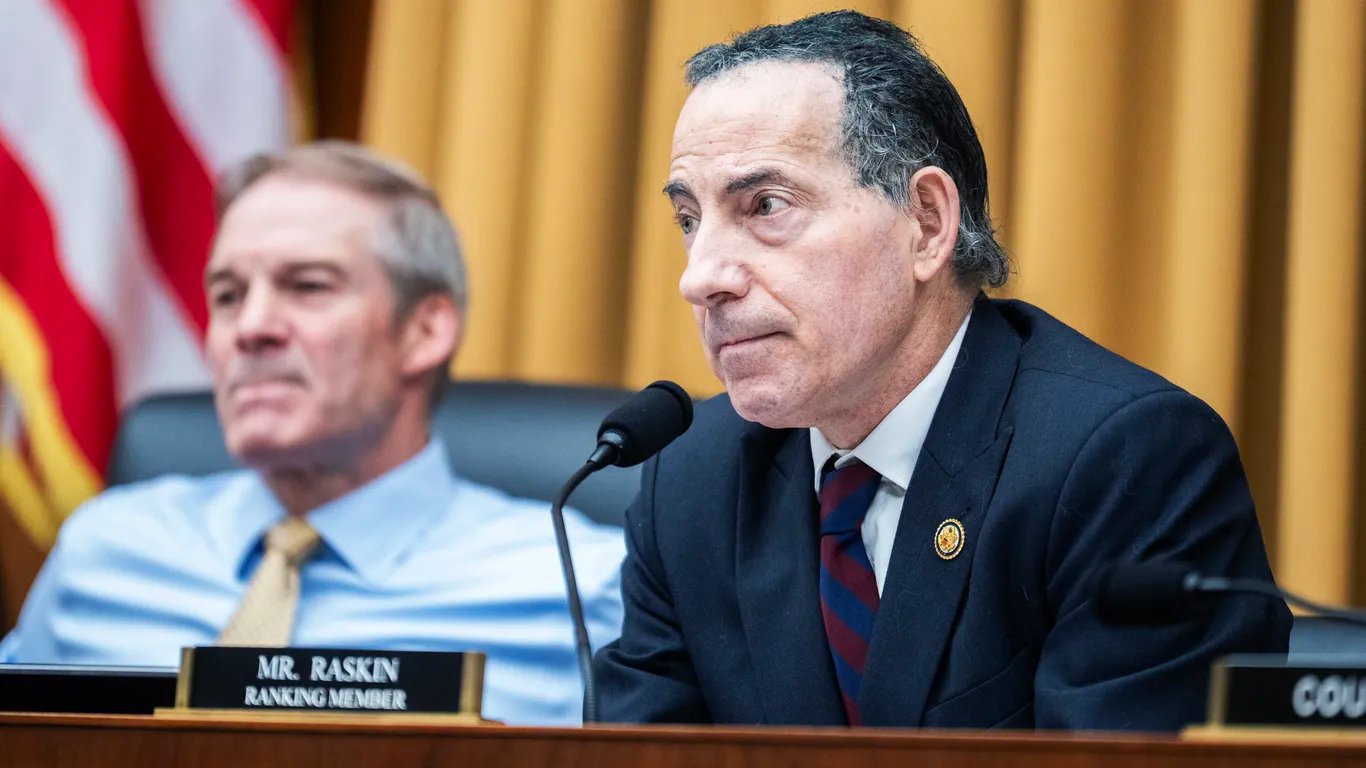
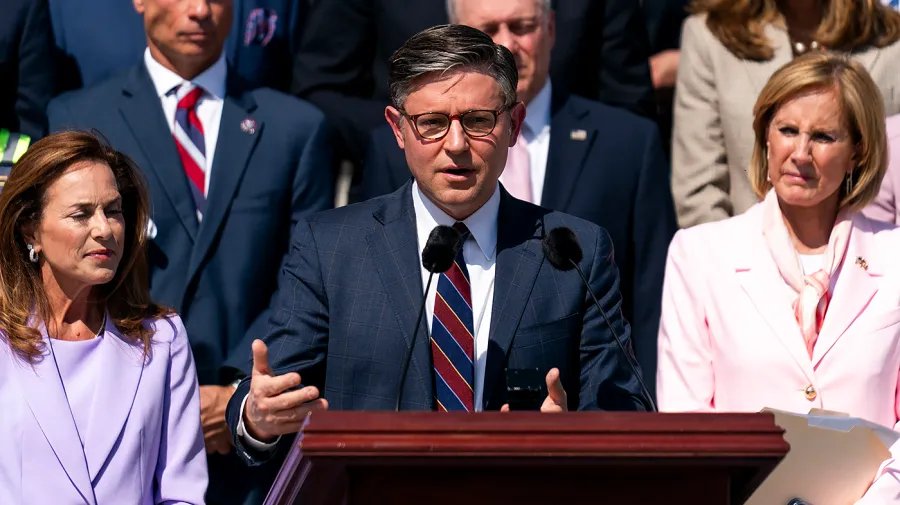
The settlement has drawn sharp criticism from Democrats and government watchdog groups. A group of 93 House Democrats filed a brief arguing that the settlement constitutes collusive litigation, which they contend siphons taxpayer dollars into Trump's pockets and those of his allies. Rep. Jamie Raskin described the fund as a potential "political slush fund," asserting that only Congress has the authority to appropriate government funds. Legal experts have expressed concerns about the legality of the settlement, highlighting the unprecedented nature of a president seeking damages from agencies he controls.
Broader Context of the Lawsuit
Trump's lawsuit originated from a 2019 leak of his tax returns by a former contractor, who later pleaded guilty and was sentenced to prison. The lawsuit alleged that the IRS and Treasury Department failed to protect his tax information, leading to its disclosure to the media. Legal experts had previously questioned the strength of Trump's case, noting potential issues with the statute of limitations and the nature of the claims being against his own administration.
Next Steps for Claimants
The Anti-Weaponization Fund will provide a platform for individuals to file claims, with the commission responsible for evaluating and processing these claims. The fund will be financed through the Treasury Department's Judgment Fund, typically used for federal settlements. As the fund begins its operations, it will be subject to audits and will report quarterly to the attorney general on the disbursements made.
This settlement marks a significant moment in the intersection of politics and law, as it raises fundamental questions about the use of government resources and the accountability of public officials. As the fund prepares to accept claims, the implications of this settlement will likely reverberate through the political landscape, impacting both Trump's supporters and detractors in the years to come.

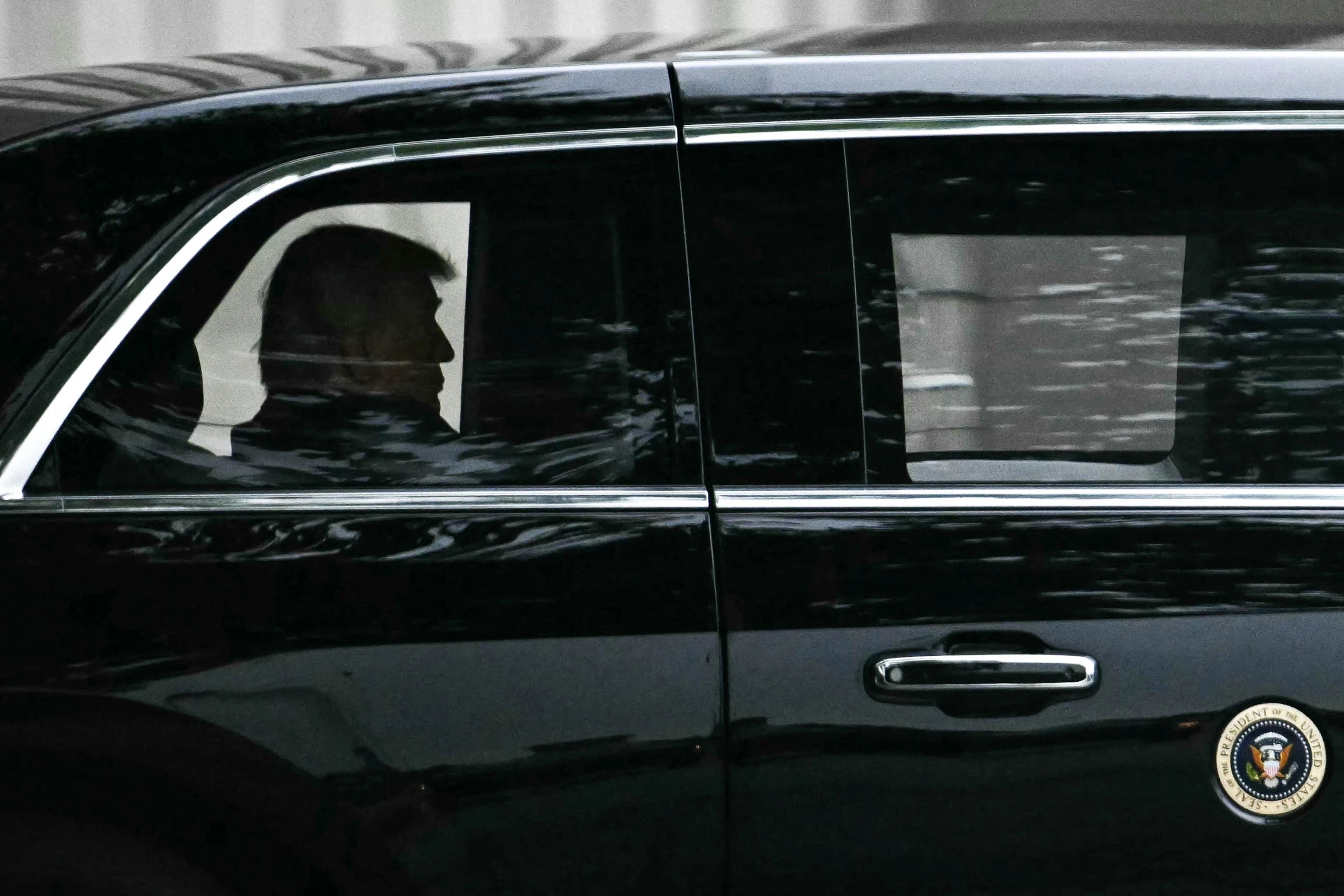















































































































































































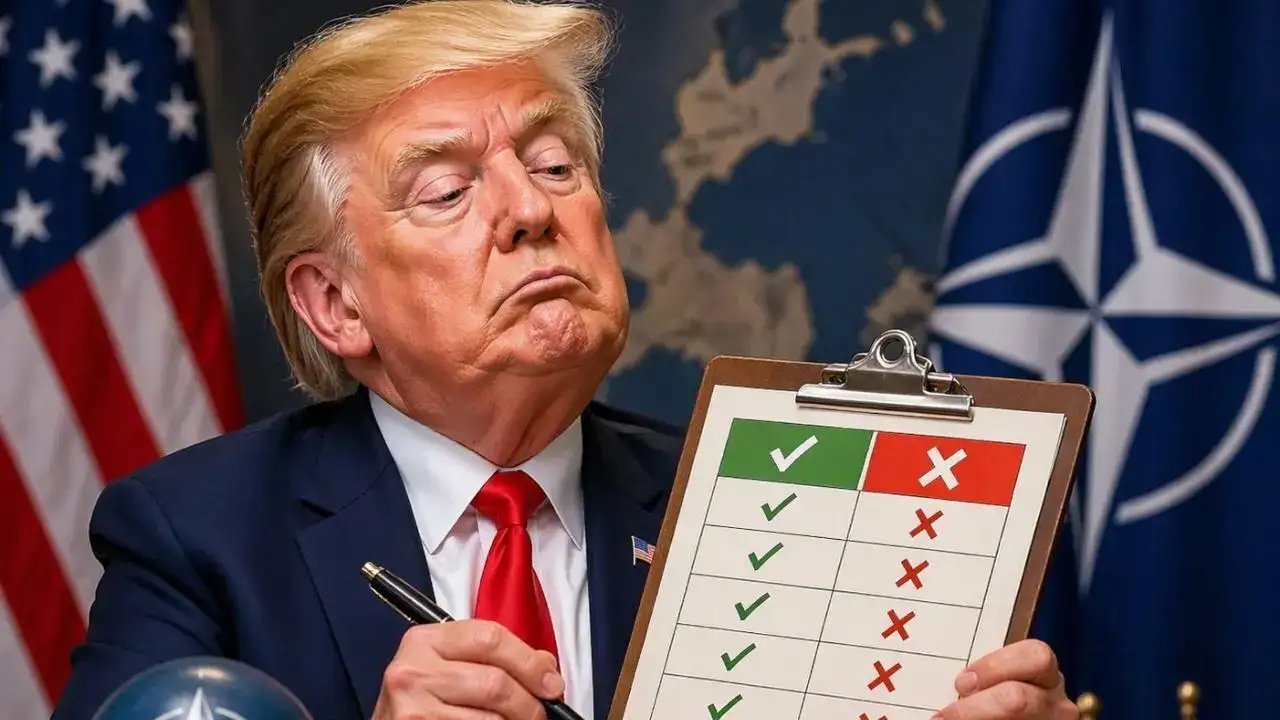




































The sources also report that the fund will be led by a five-person commission appointed by the attorney general, although Trump can remove any member.