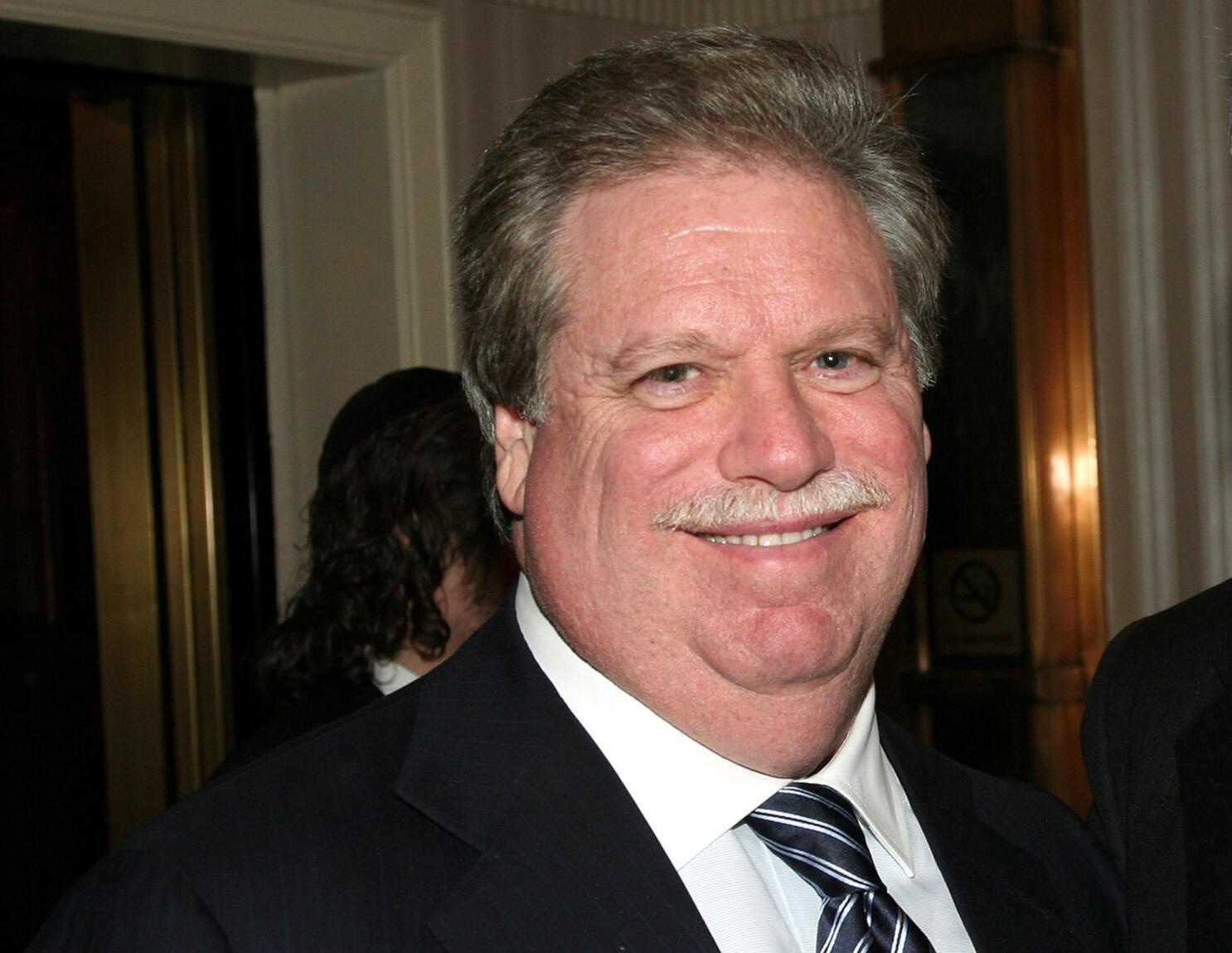
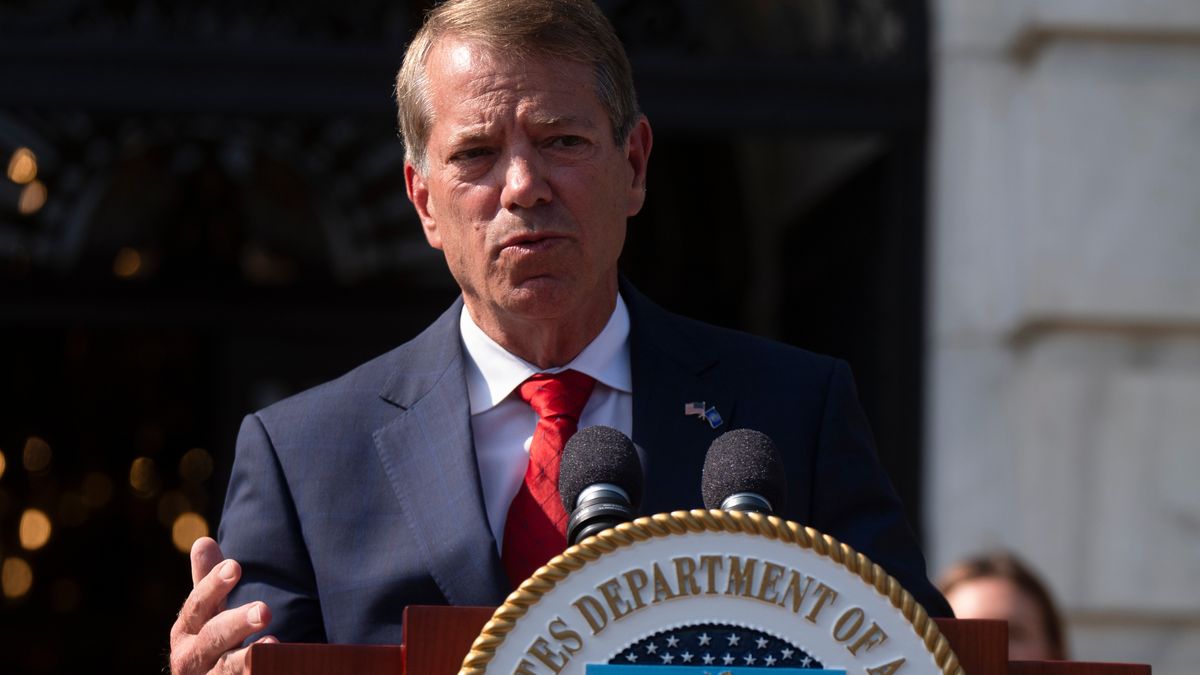
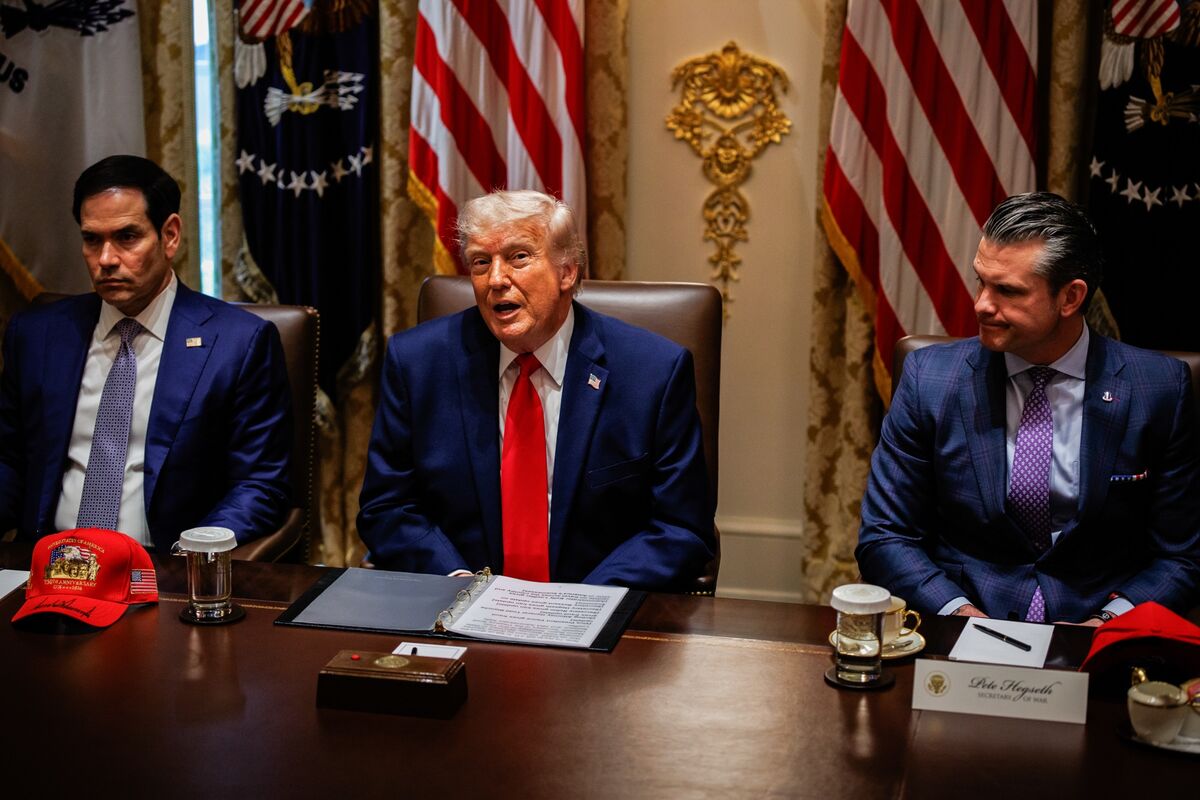
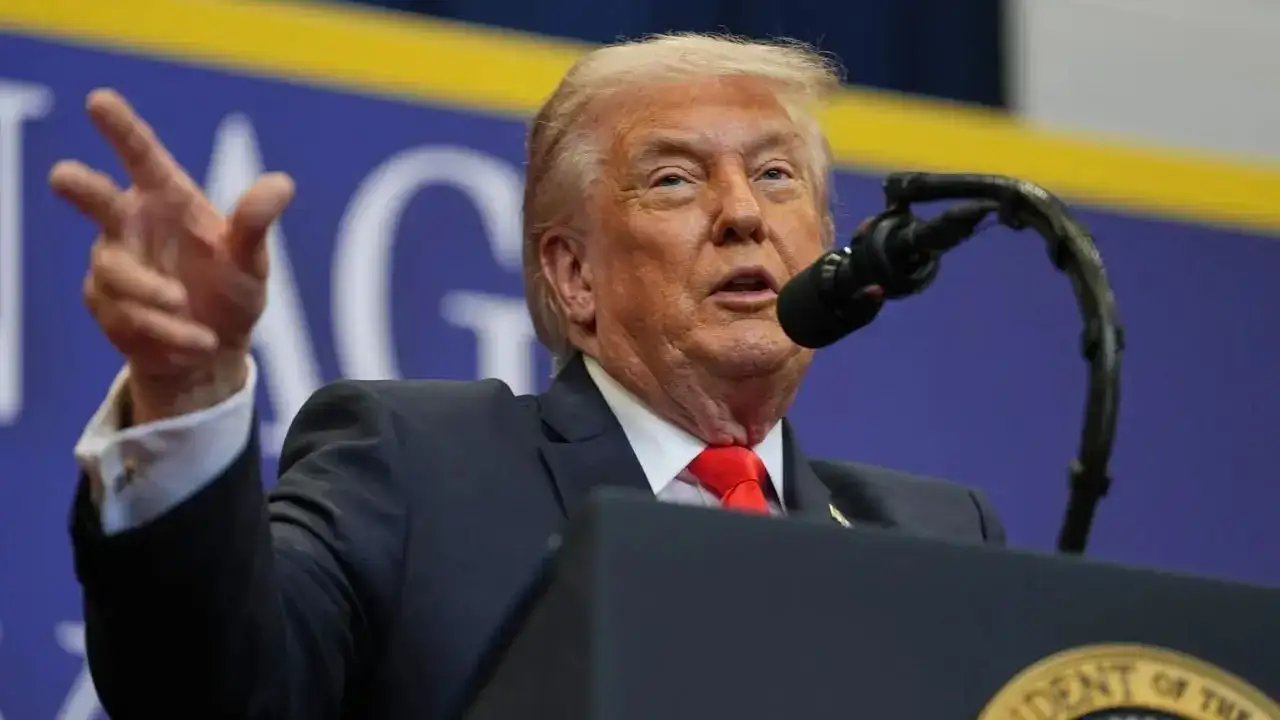
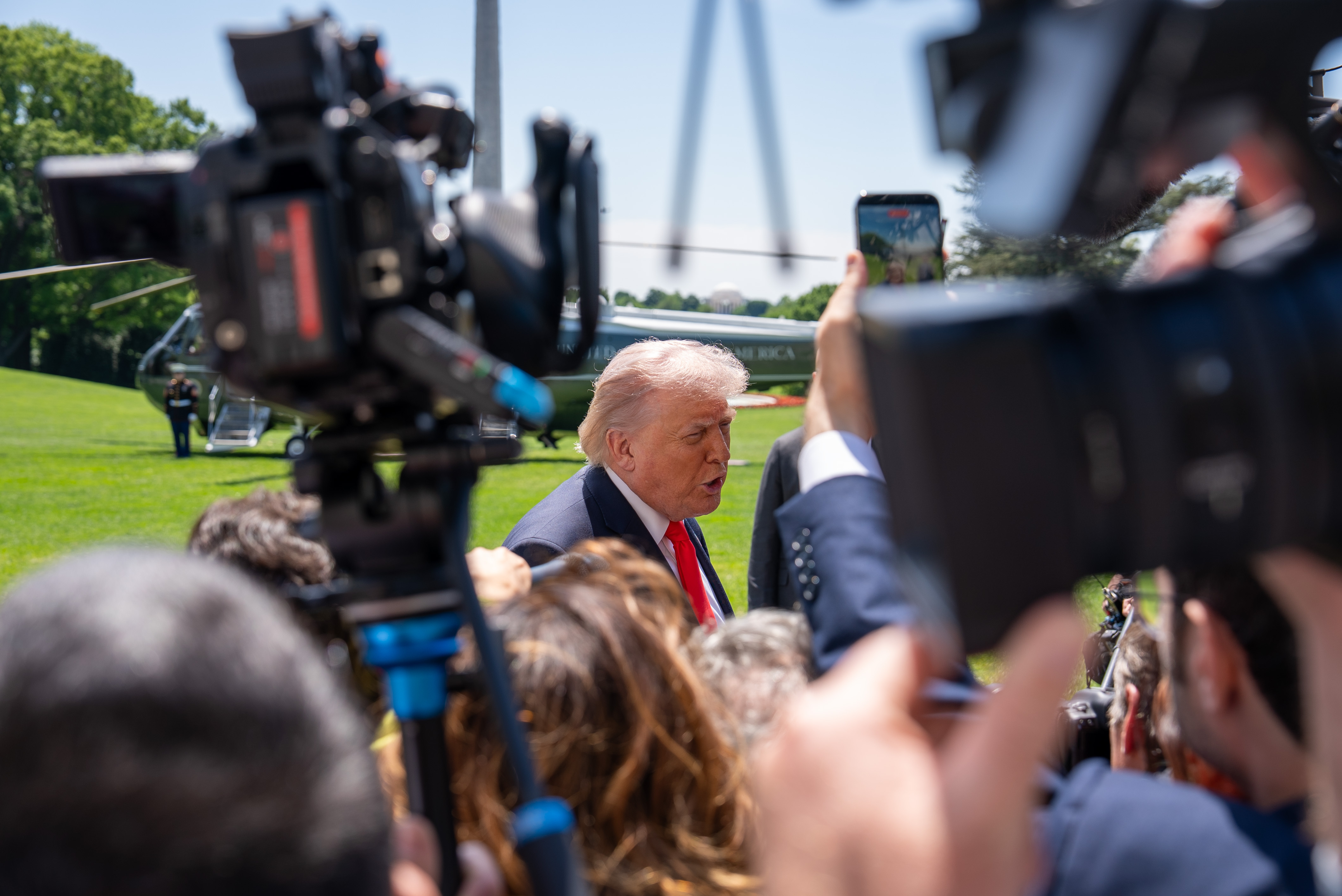
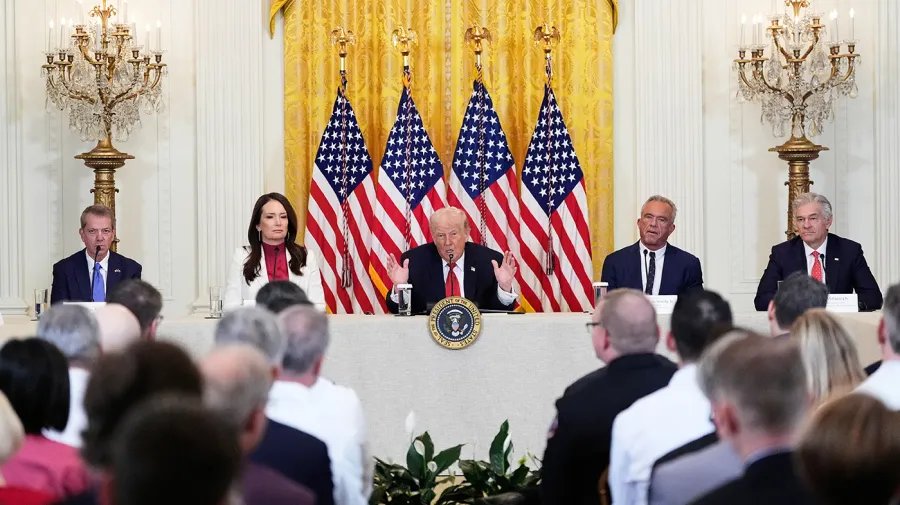
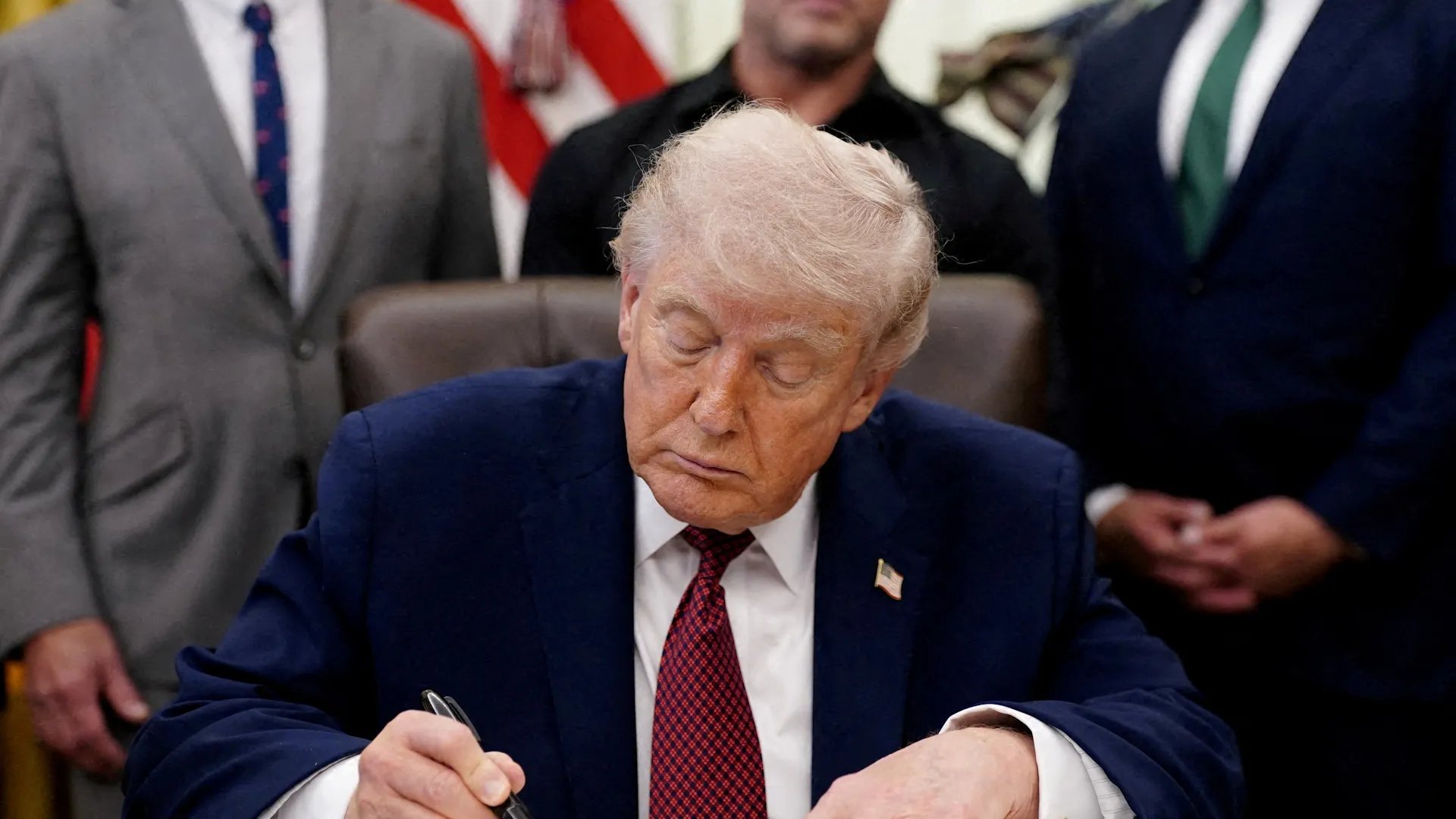
Ken Paxton, the scandal-plagued Texas attorney general, defeated four-term incumbent John Cornyn in the Republican Senate primary runoff on Tuesday, handing President Trump another victory in his campaign to reshape the GOP. Trump's endorsement last week proved decisive. Paxton told supporters in Katy, Texas the day after receiving the endorsement: "Whenever I'm around him, good things happen. Good things happen to me and good things happen for Texas. So I love Donald Trump." At his victory party Tuesday, Paxton declared: "When everyone in Washington told him to abandon me and abandon the people of Texas, he didn't listen. Instead, he gave his complete and total endorsement. President Trump is the leader of our party, and his endorsement is the most powerful force in politics."
Republicans spent more than $165 million in what became the most expensive Senate primary in history, according to AdImpact. The bitter campaign exposed deep fractures within the party's establishment. In the 11 weeks since the March primary, Cornyn's campaign and an allied super PAC spent more than $21 million on ads, while Paxton and his allies spent nearly $7 million—yet Paxton prevailed despite being outspent.
Brandon Rottinghaus, a political science professor at the University of Houston, warned of lasting damage. "The stain of the fight has left a lasting problem for unity among Republicans," he said. "There's a concern among Republicans that the rank and file are either abandoning the party by voting for Democrats or they're simply not participating."
Cornyn, 74, had represented Texas since 2003 and once served as Senate majority whip. He began his political career as a state district judge in the 1980s, later winning election to Texas's Supreme Court before becoming Texas attorney general in the late 1990s. His loss signals the end of an era for the Republican establishment wing.
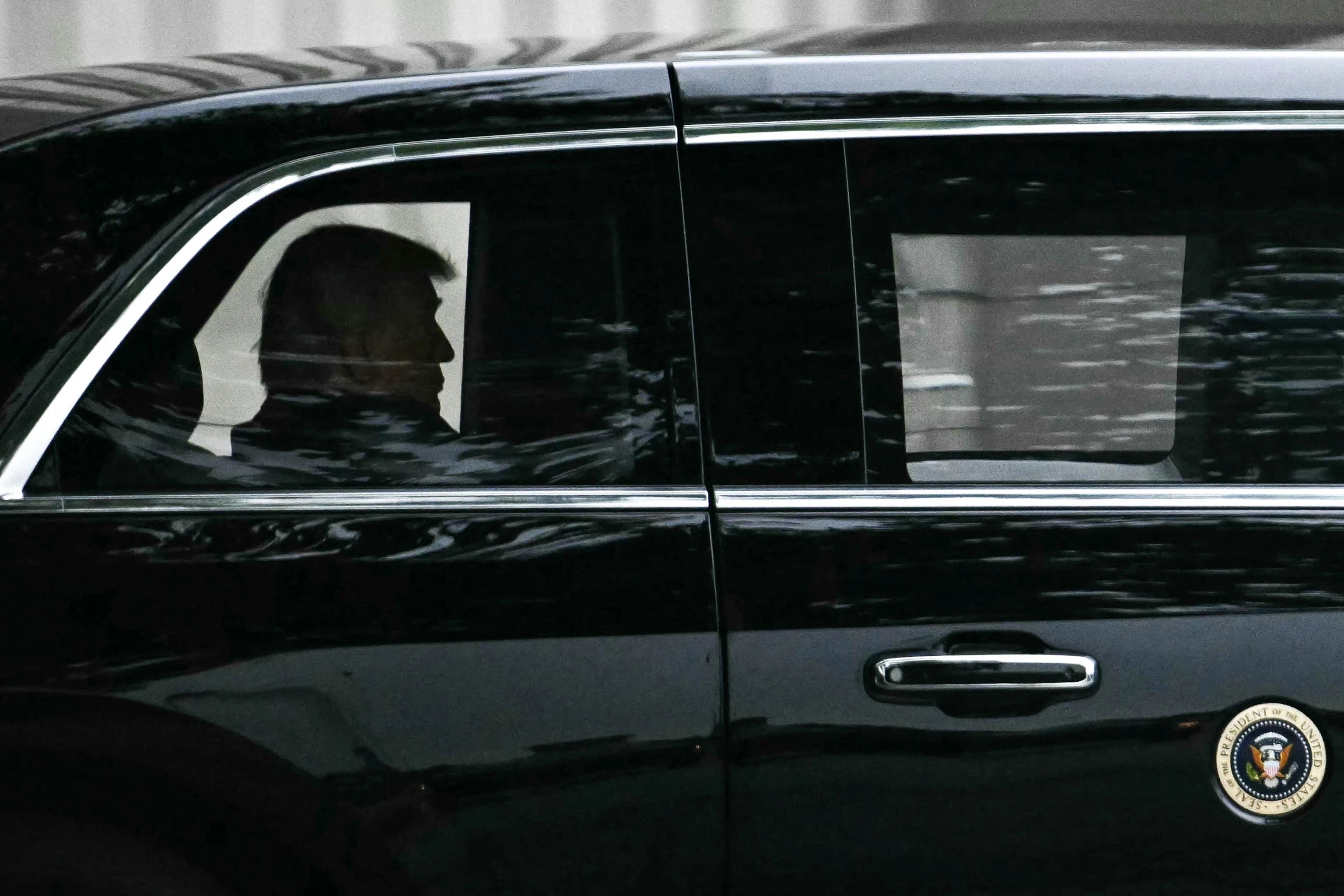
Despite his record, Cornyn's voting alignment with Trump proved insufficient. His voting record was almost perfectly aligned with Trump, yet Trump ultimately sided with Paxton, describing him as "a true MAGA warrior." Trump said Cornyn "was not supportive of me when times were tough," citing Cornyn's reluctance to eliminate the Senate filibuster to pass the Trump-backed SAVE Act for voting restrictions and his earlier skepticism about Trump's viability as a candidate.
Cornyn told NPR last week that he believed in "the politics of addition, not subtraction," and that Paxton was "unrepentant for all the scandals he's been involved in and who doesn't really care about anything else other than himself." At his election night event Tuesday, Cornyn said: "I've spent most of my time in the Senate building the Republican Party in Texas and in the U.S. Senate, and I've always supported the Republican ticket, and I intend to do so again in this general election."
Paxton carries significant legal and personal vulnerabilities into the general election. He was indicted on securities fraud charges in 2015, though they were dropped in 2024 as part of a pre-trial diversion deal. In 2023, he was impeached by the GOP-controlled Texas House on charges including bribery and dereliction of duty in a 121-23 vote, though he was later acquitted by the state Senate. His estranged wife, state Sen. Angela Paxton, filed for divorce last summer on "biblical grounds" and remained neutral in the Senate primary.
Paxton supporters viewed his legal battles as evidence of his willingness to fight, similar to Trump's own controversies. Paxton told supporters that concerns about his background were overblown: "This is the same argument they made against Donald Trump. What people should really care about is: What have you done for the people of Texas when you have served them?"
The Cook Political Report shifted its Texas Senate rating from "likely Republican" to "lean Republican" following Paxton's victory, suggesting the general election could be more competitive than previously expected. Paxton will face Democratic state Rep. James Talarico, who advanced without a runoff after winning the Democratic primary in March. A Democrat has not won a statewide office in Texas since 1994.
Talarico has already raised more than $40 million, though he spent most of it during his primary campaign and reported nearly $10 million remaining as of late March. Paxton has raised $7.6 million with $2.3 million left to spend as of May 6. Senate Minority Leader Chuck Schumer said hours after Trump's endorsement: "Texas is a huge mess for the Republicans. And I believe that we're in much better shape taking back Texas than we were a few days ago."
Ken Paxton, the scandal-plagued Texas attorney general, defeated four-term incumbent John Cornyn in the Republican Senate primary runoff on Tuesday, handing President Trump another victory in his campaign to reshape the GOP. With 76% of votes counted at 10 p.m., Paxton led by 28 percentage points, and the Associated Press called the race an hour after polls closed. Paxton's projected support reached approximately 64%, according to Decision Desk HQ.
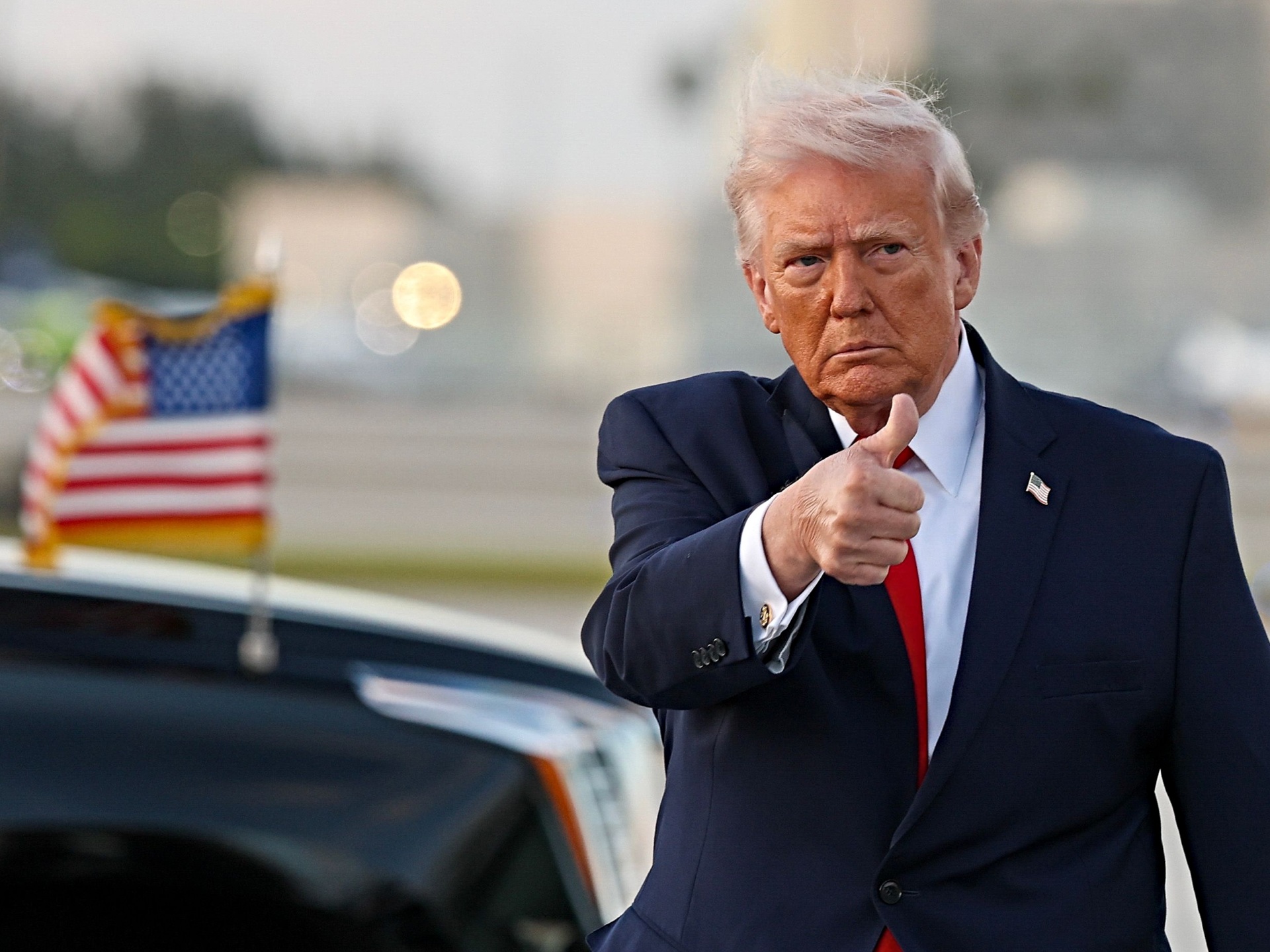
Trump's endorsement last week proved decisive. Paxton told supporters in Katy, Texas the day after receiving the endorsement: "Whenever I'm around him, good things happen. Good things happen to me and good things happen for Texas. So I love Donald Trump." At his victory party Tuesday, Paxton declared: "When everyone in Washington told him to abandon me and abandon the people of Texas, he didn't listen. Instead, he gave his complete and total endorsement. President Trump is the leader of our party, and his endorsement is the most powerful force in politics."
Republicans spent more than $165 million in what became the most expensive Senate primary in history, according to AdImpact. The bitter campaign exposed deep fractures within the party's establishment. Cornyn's campaign and an allied super PAC spent more than $21 million on ads since the March primary, while Paxton and his allies spent nearly $7 million—yet Paxton prevailed despite being outspent.
Brandon Rottinghaus, a political science professor at the University of Houston, warned of lasting damage. "The stain of the fight has left a lasting problem for unity among Republicans," he said. "There's a concern among Republicans that the rank and file are either abandoning the party by voting for Democrats or they're simply not participating."
Cornyn, 74, had represented Texas since 2003 and once served as Senate majority whip. He began his political career as a state district judge in the 1980s, later winning election to Texas's Supreme Court before becoming Texas attorney general in the late 1990s. His loss signals the end of an era for the Republican establishment wing.
Despite his record, Cornyn's voting alignment with Trump proved insufficient. His voting record was almost perfectly aligned with Trump, yet Trump ultimately sided with Paxton, describing him as "a true MAGA warrior." Trump said Cornyn "was not supportive of me when times were tough," citing Cornyn's reluctance to eliminate the Senate filibuster to pass the Trump-backed SAVE Act for voting restrictions and his earlier skepticism about Trump's viability as a candidate.
Cornyn told NPR last week that he believed in "the politics of addition, not subtraction," and that Paxton was "unrepentant for all the scandals he's been involved in and who doesn't really care about anything else other than himself." At his election night event Tuesday, Cornyn said: "I've spent most of my time in the Senate building the Republican Party in Texas and in the U.S. Senate, and I've always supported the Republican ticket, and I intend to do so again in this general election."
Paxton carries significant legal and personal vulnerabilities into the general election. He was indicted on securities fraud charges in 2015, though they were dropped in 2024 as part of a pre-trial diversion deal. In 2023, he was impeached by the GOP-controlled Texas House on bribery, dereliction of duty and disregard of official duties in a 121-23 vote, though he was later acquitted by the state Senate. His estranged wife, state Sen. Angela Paxton, filed for divorce last summer on "biblical grounds" and remained neutral in the Senate primary.
Paxton supporters viewed his legal battles as evidence of his willingness to fight, similar to Trump's own controversies. Paxton told supporters that concerns about his background were overblown: "This is the same argument they made against Donald Trump. What people should really care about is: What have you done for the people of Texas when you have served them?"
The Cook Political Report shifted its Texas Senate rating from "likely Republican" to "lean Republican" following Paxton's victory, suggesting the general election could be more competitive than previously expected. Paxton will face Democratic state Rep. James Talarico, who advanced without a runoff after winning the Democratic primary in March. A Democrat has not won a statewide office in Texas since 1994.
Talarico has already raised more than $40 million, though he spent most of it during his primary campaign and reported nearly $10 million remaining as of late March. Paxton has raised $7.6 million with $2.3 million left to spend as of May 6. Senate Minority Leader Chuck Schumer said hours after Trump's endorsement: "Texas is a huge mess for the Republicans. And I believe that we're in much better shape taking back Texas than we were a few days ago."
Highlighted text was flagged by the council. Tap to see feedback.