





Legal Challenge Over Racial Discrimination
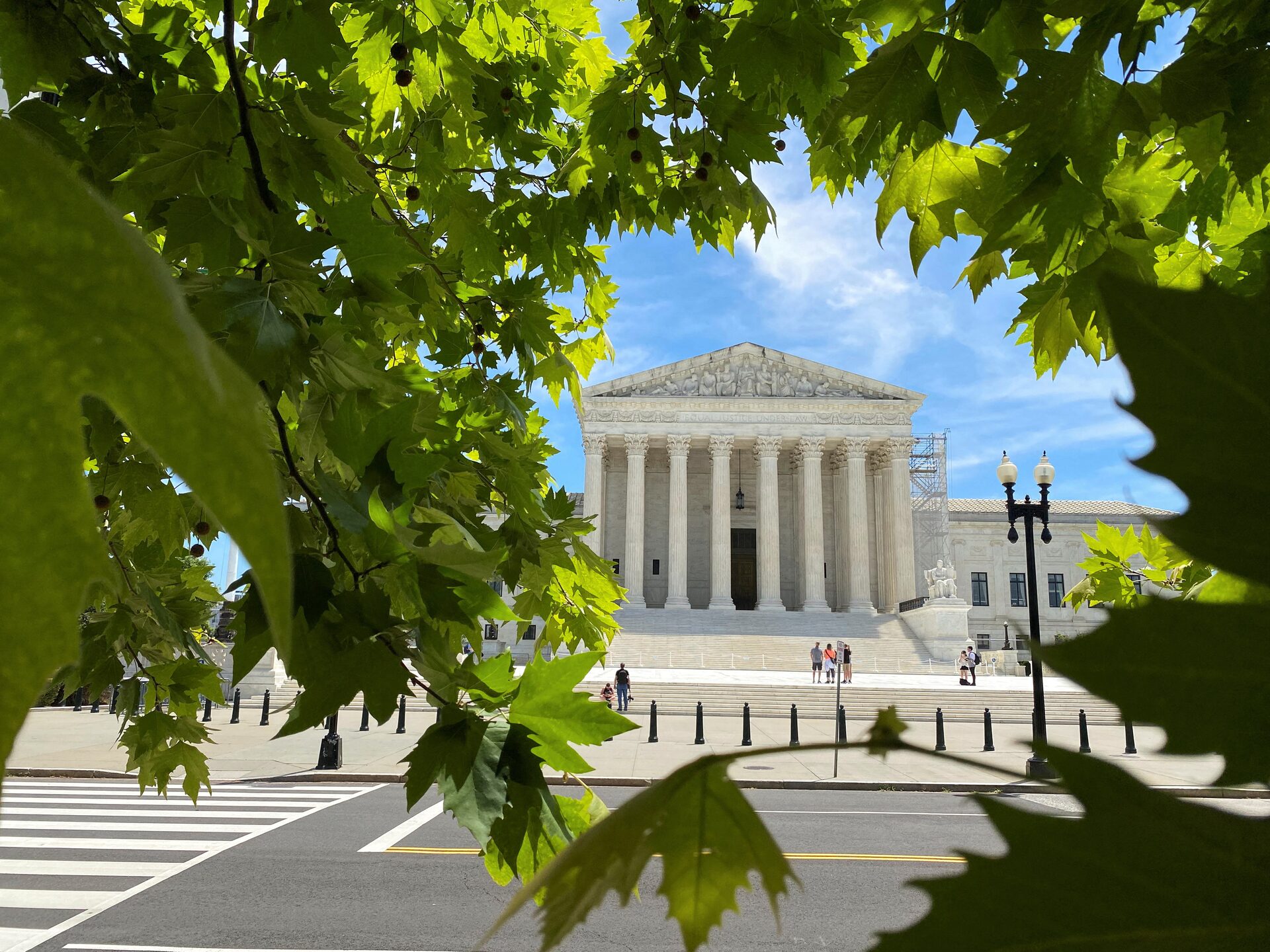
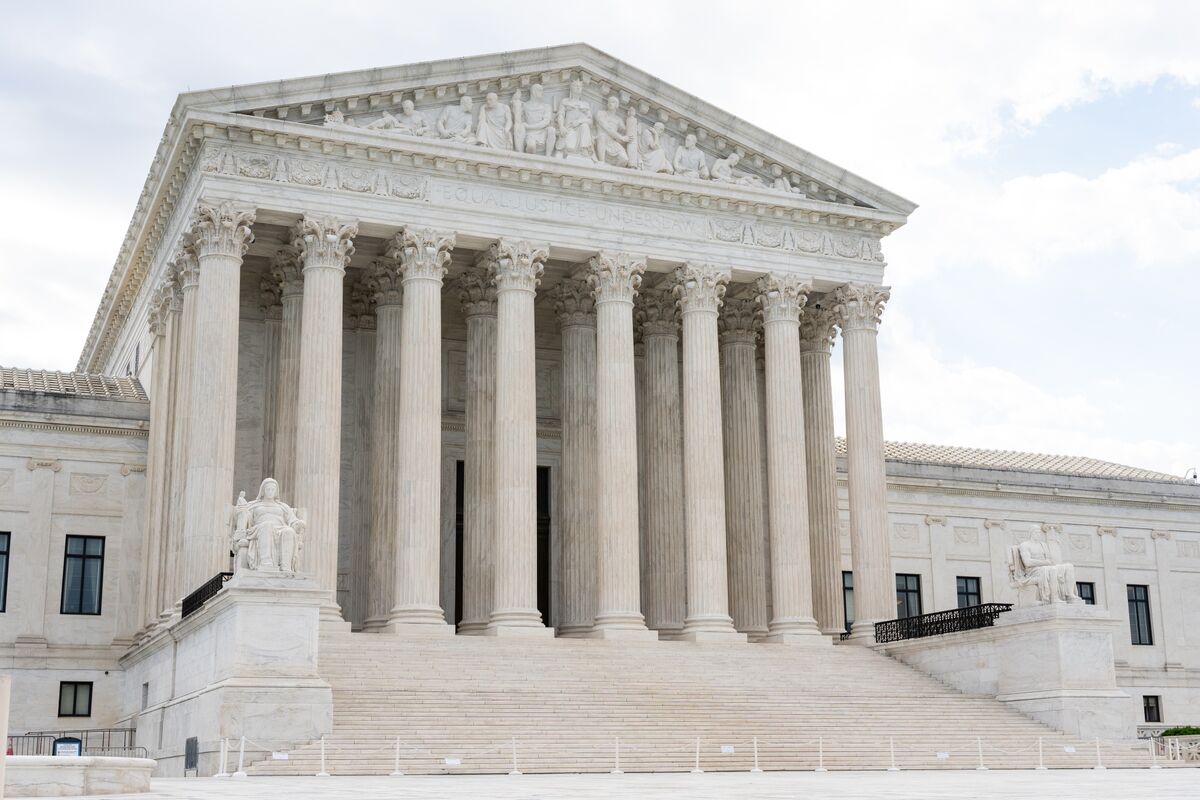
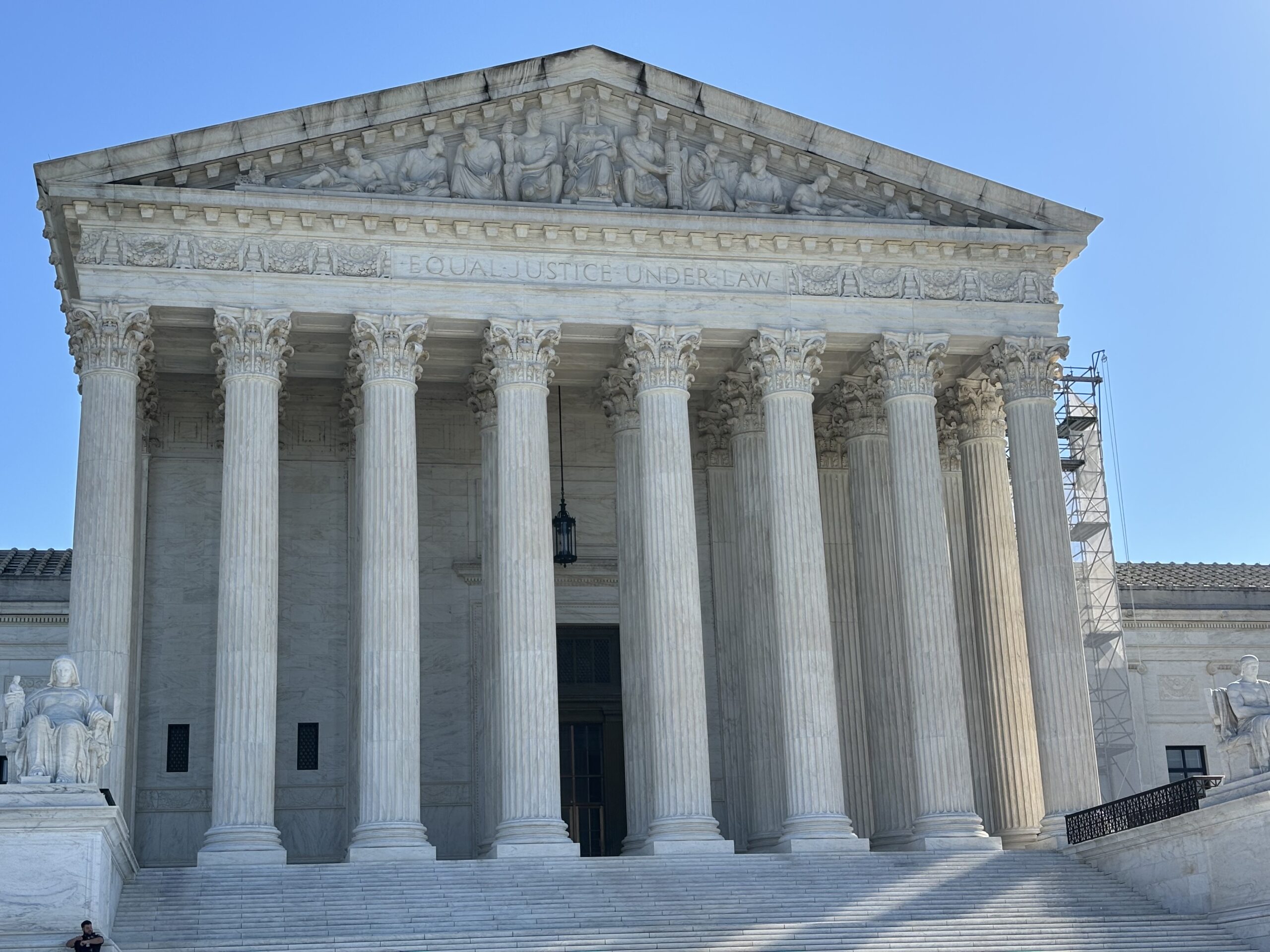
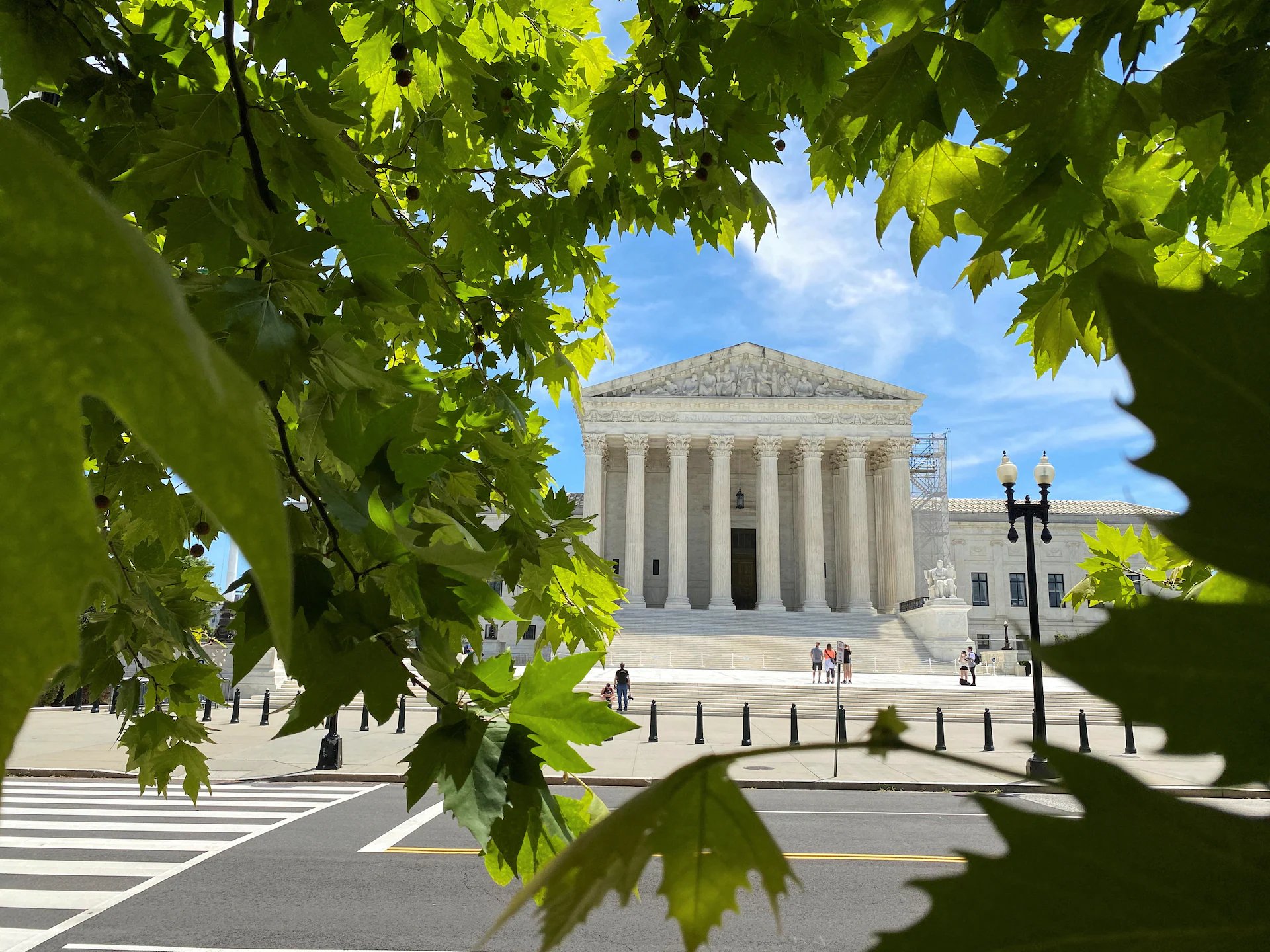
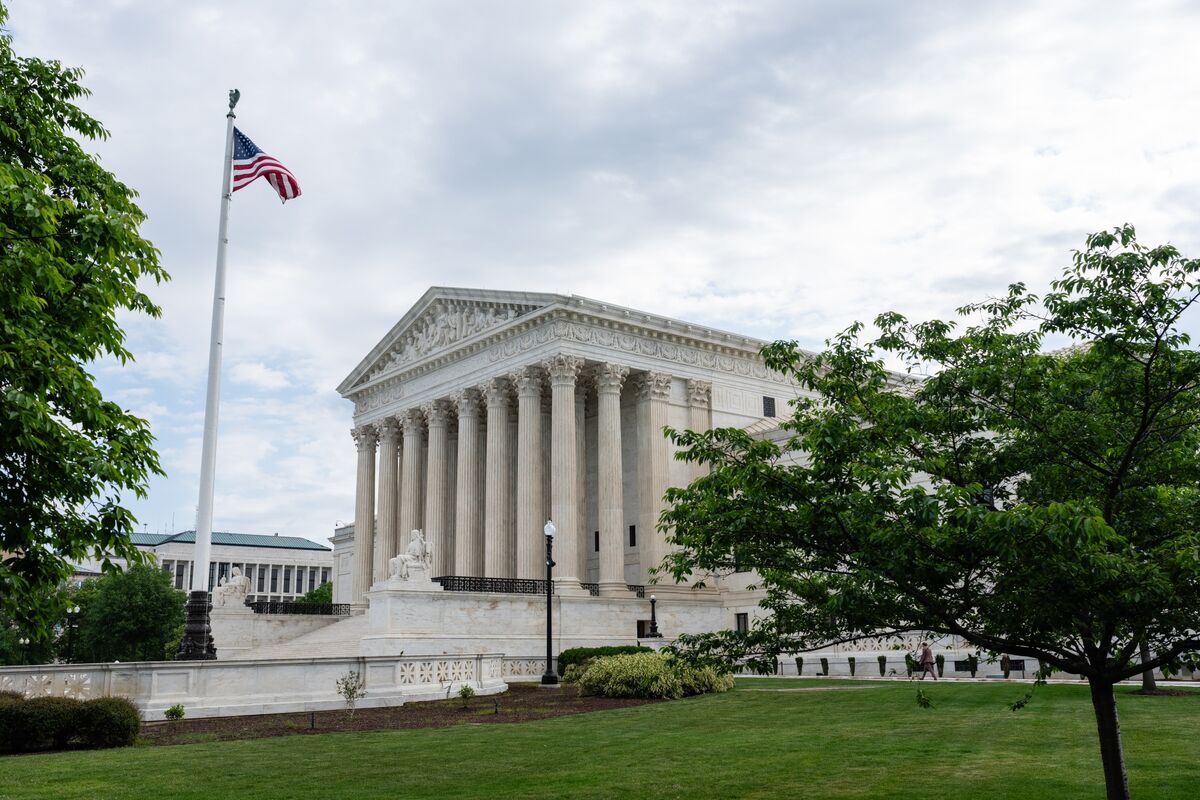
Alabama has requested the Supreme Court to allow the state to revert to a congressional map drawn in 2023, which a district court previously ruled racially discriminatory. The three-judge panel found that the map, which contains only one majority-minority district despite a Black population of 27%, intentionally diluted the voting power of Black citizens. Alabama officials argue that not allowing the use of the 2023 map would cause "irreparable harm" to the state and its voters.
Implications for Upcoming Elections
The potential reinstatement of the 2023 map could significantly impact the upcoming elections, particularly for the House seat currently held by Black Democrat Rep. Shomari Figures. Alabama Republicans are hoping to flip this seat. In anticipation of a favorable ruling, Governor Kay Ivey has scheduled a special primary election for August 11 for four congressional districts that would be affected by the map, despite ongoing legal uncertainties.
Political Context and Recent Developments
The request comes after a Supreme Court decision that weakened a key provision of the Voting Rights Act. Alabama's congressional redistricting is part of a broader trend among Southern states, where legislatures are seeking to reshape electoral boundaries. This legal battle has been ongoing since 2021, following the 2020 Census, and reflects the contentious nature of redistricting in the current political climate.
Statements from State Officials
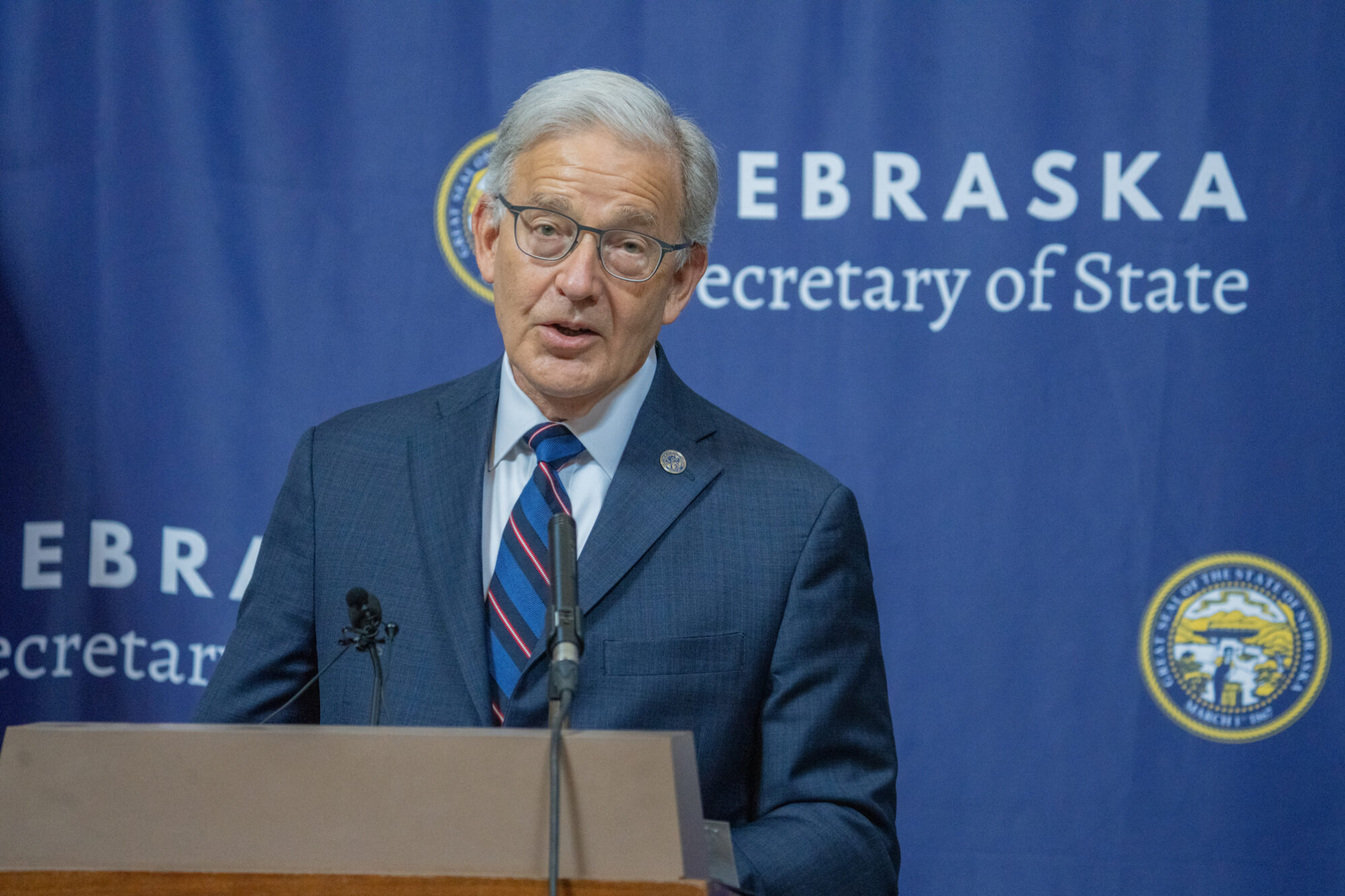
In their legal filings, state officials wrote that Alabama and the public would face irreparable harm if they could not use the state's plans for the 2026 election. They expressed concerns that voters would be forced to use a "court-drawn racially gerrymandered map" that does not align with Alabama's legitimate districting goals. Alabama Secretary of State Wes Allen and Governor Ivey have both voiced their support for the appeal.
The Court's Stance on Racial Discrimination
The district court's decision to block the use of the 2023 map was based on "undisputed evidence" of intentional racial discrimination. The judges stated that they could not justify requiring Alabamians to vote under a plan that had been tainted by such discrimination. This ruling highlights the ongoing conflict between state legislative intentions and federal judicial standards regarding voting rights.
Next Steps in the Legal Battle
The Supreme Court's decision on Alabama's appeal could have far-reaching implications not just for the state, but for similar cases across the country. As the special primary elections approach, the legal framework surrounding Alabama's congressional map remains precarious. If the Supreme Court intervenes, it could either uphold the district court's ruling or allow Alabama to proceed with its original plan, reshaping the political landscape ahead of the 2026 elections.


























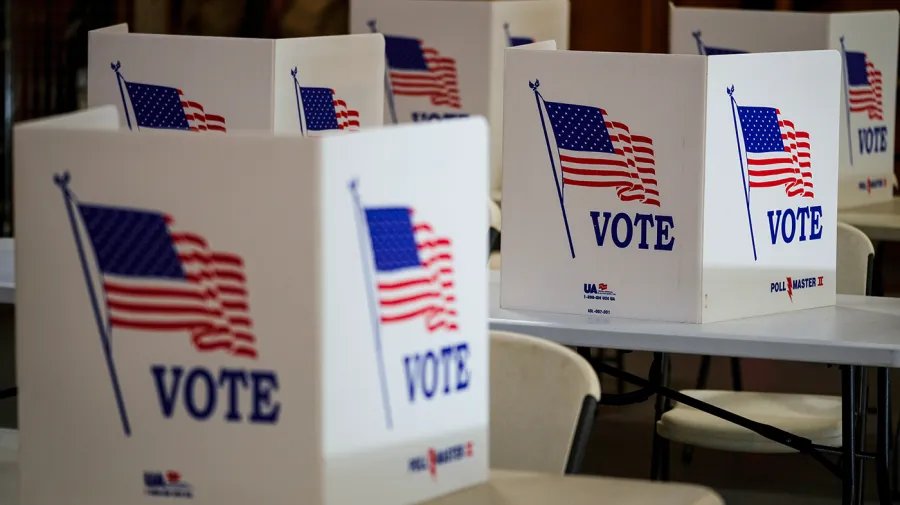

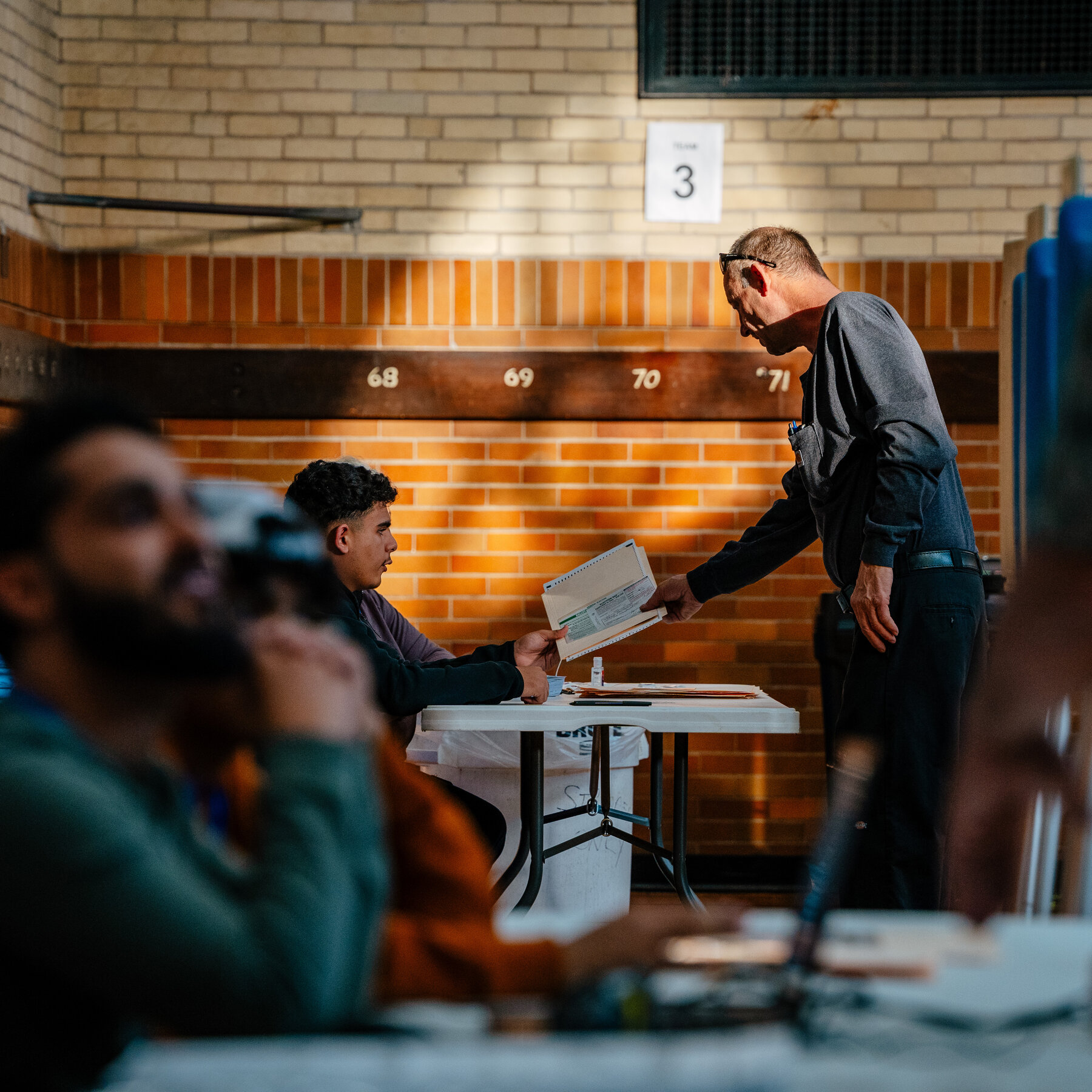

























































































































































































































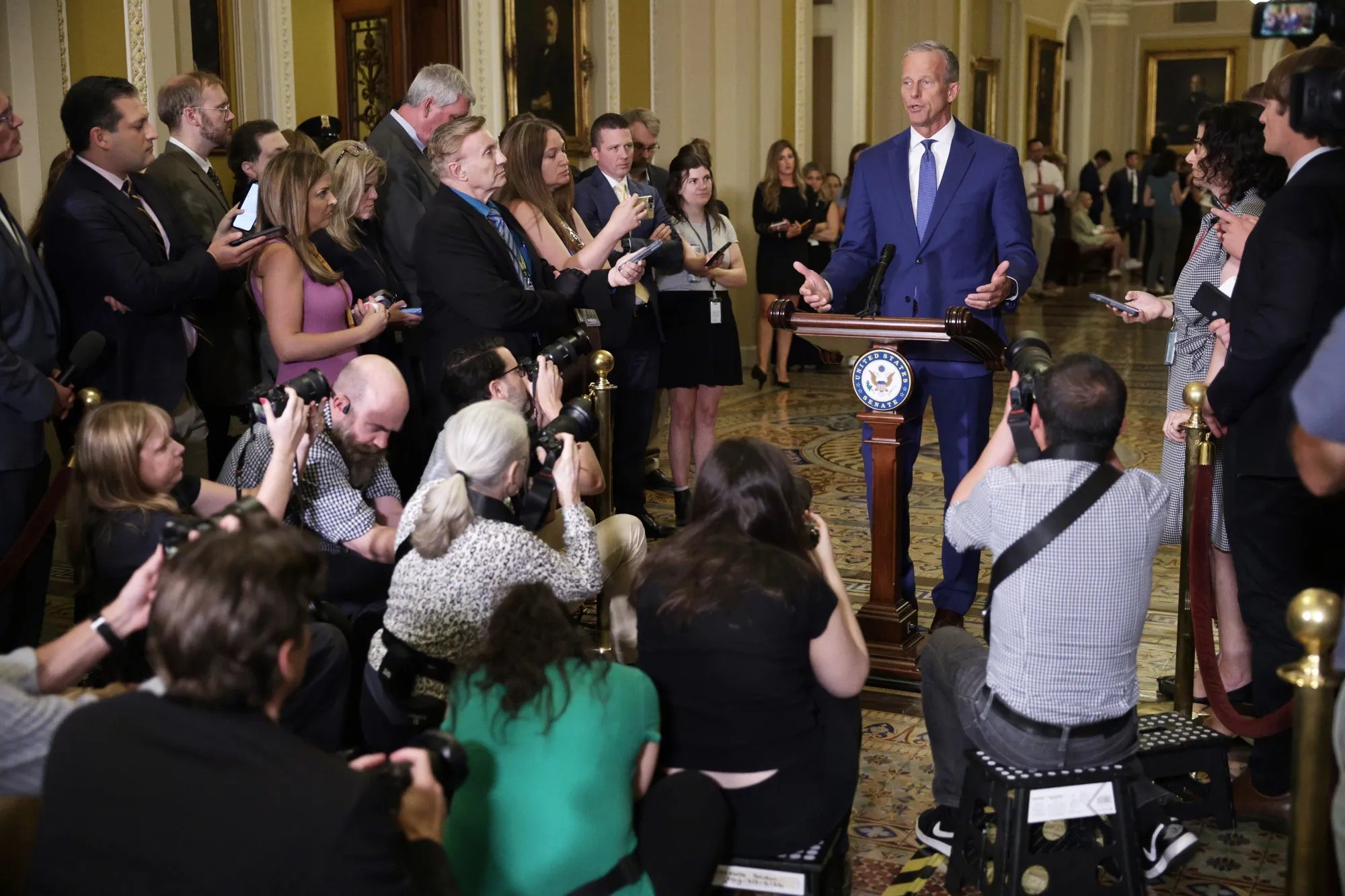


































































For example, Alabama Governor Kay Ivey, a Republican, scheduled a special primary election for August 11 for the four House districts affected by the 2023 map.