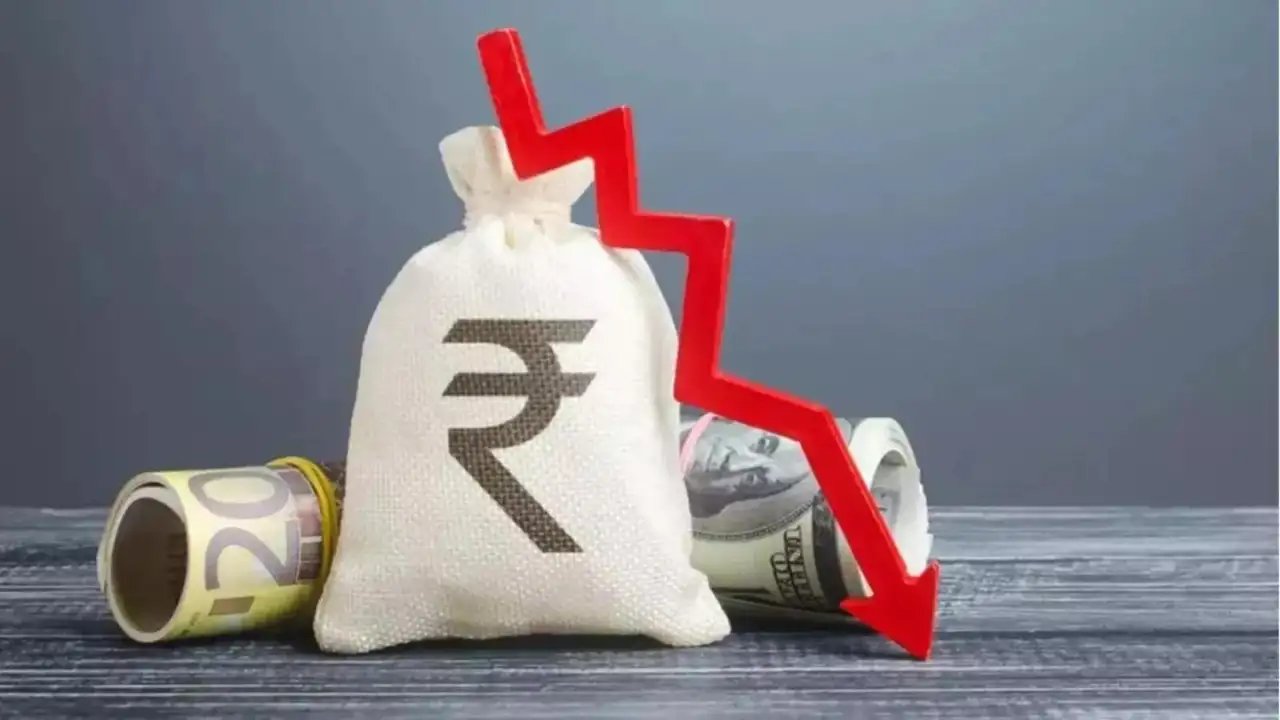
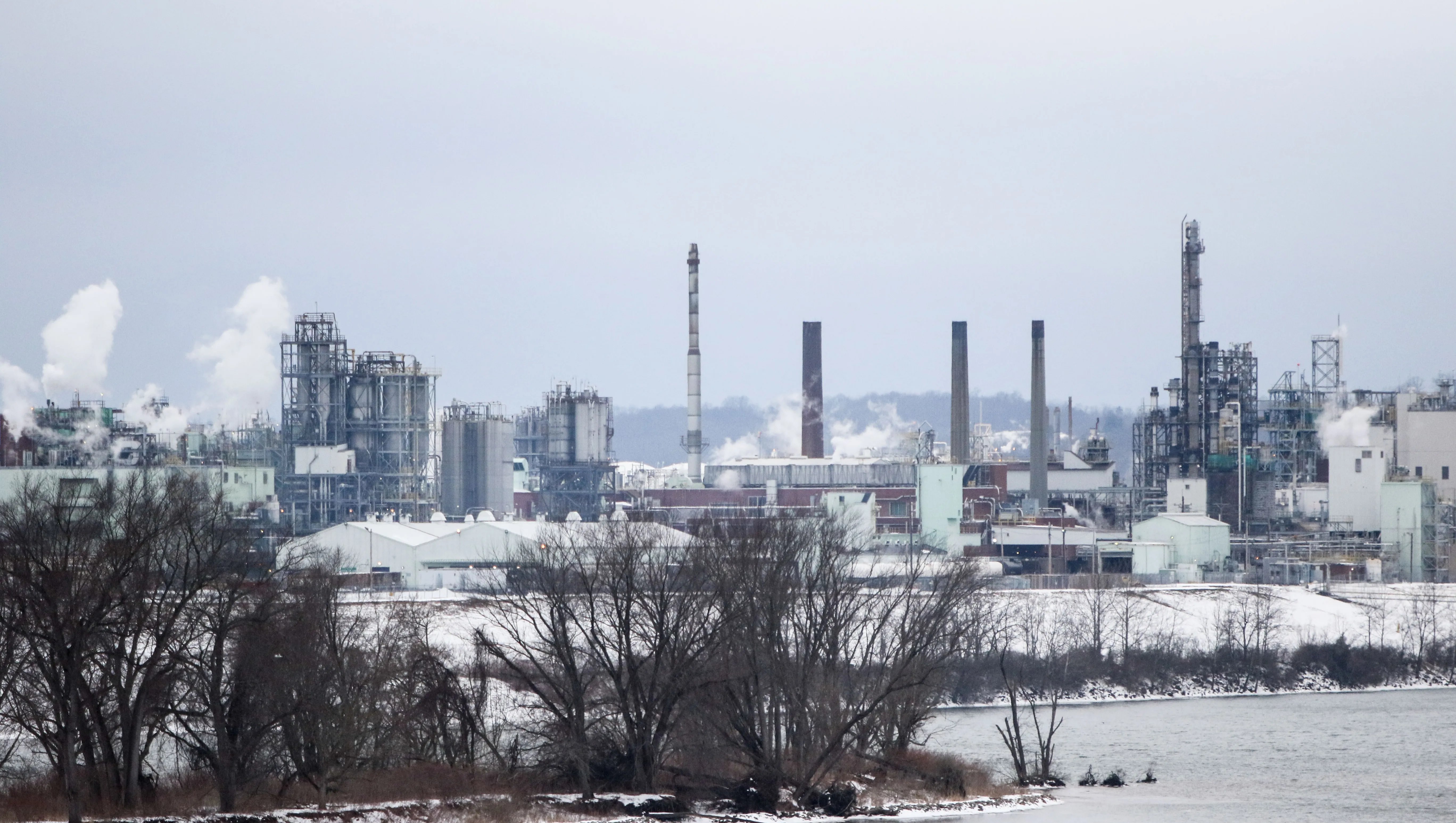
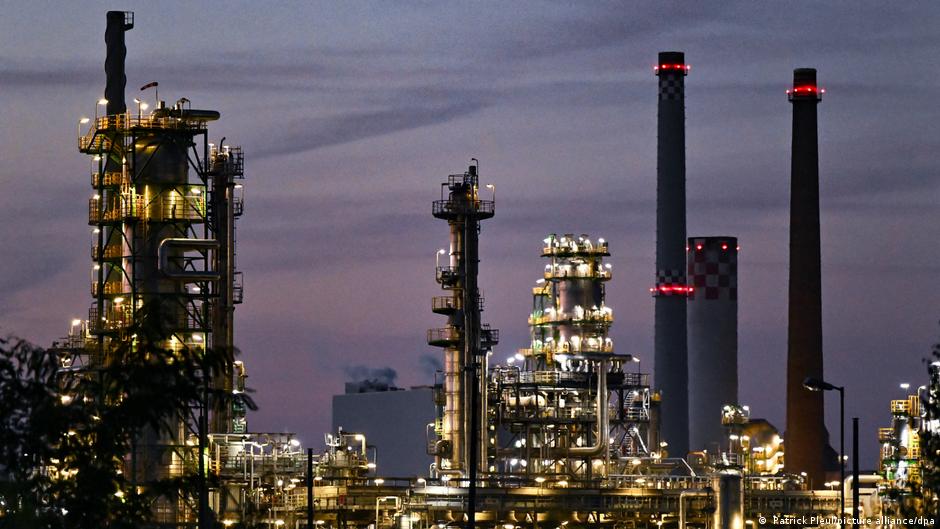
Oil prices decreased Tuesday as investors anticipated progress in US-Iran discussions, potentially increasing global supply. This shift reversed a prior surge, with prices dipping below recent highs due to easing fears of supply disruptions.
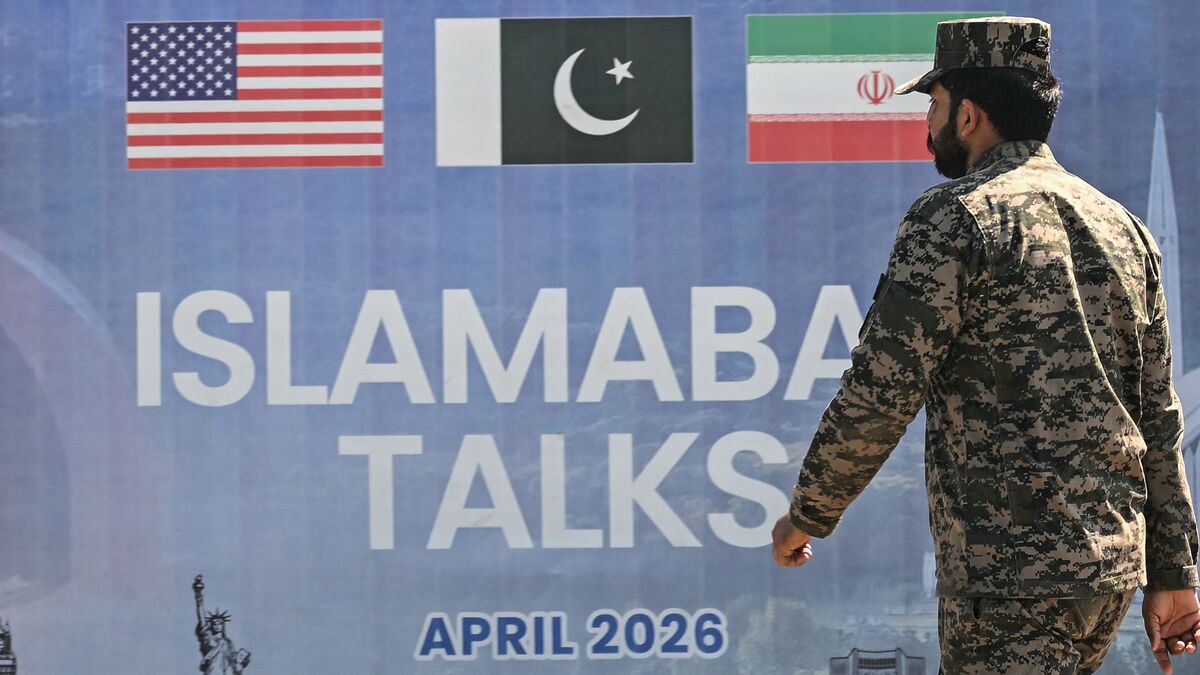
The US delegation, led by Vice President Vance, is preparing for the negotiations. Iranian participation remained uncertain, with sources noting noncommittal responses from Tehran. Lower oil costs could reduce fuel expenses for drivers and businesses worldwide.
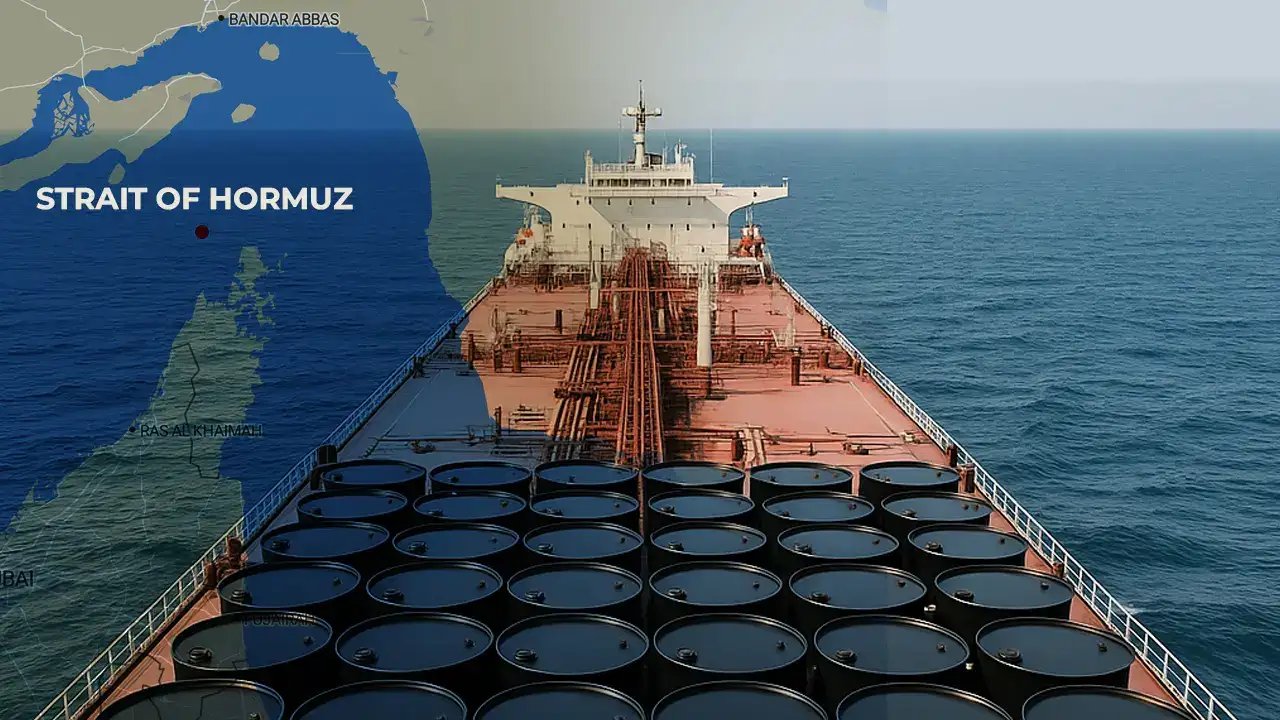
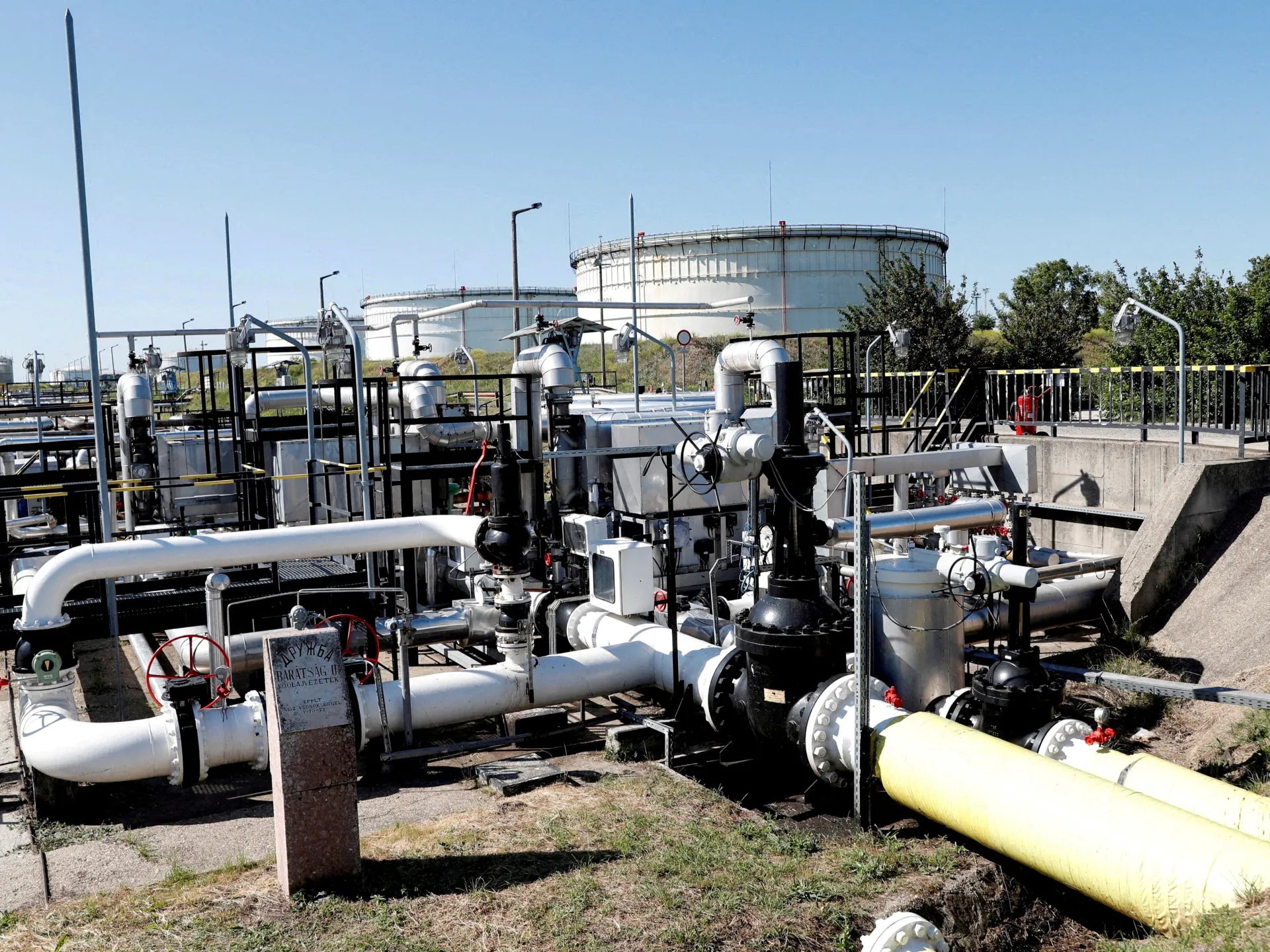
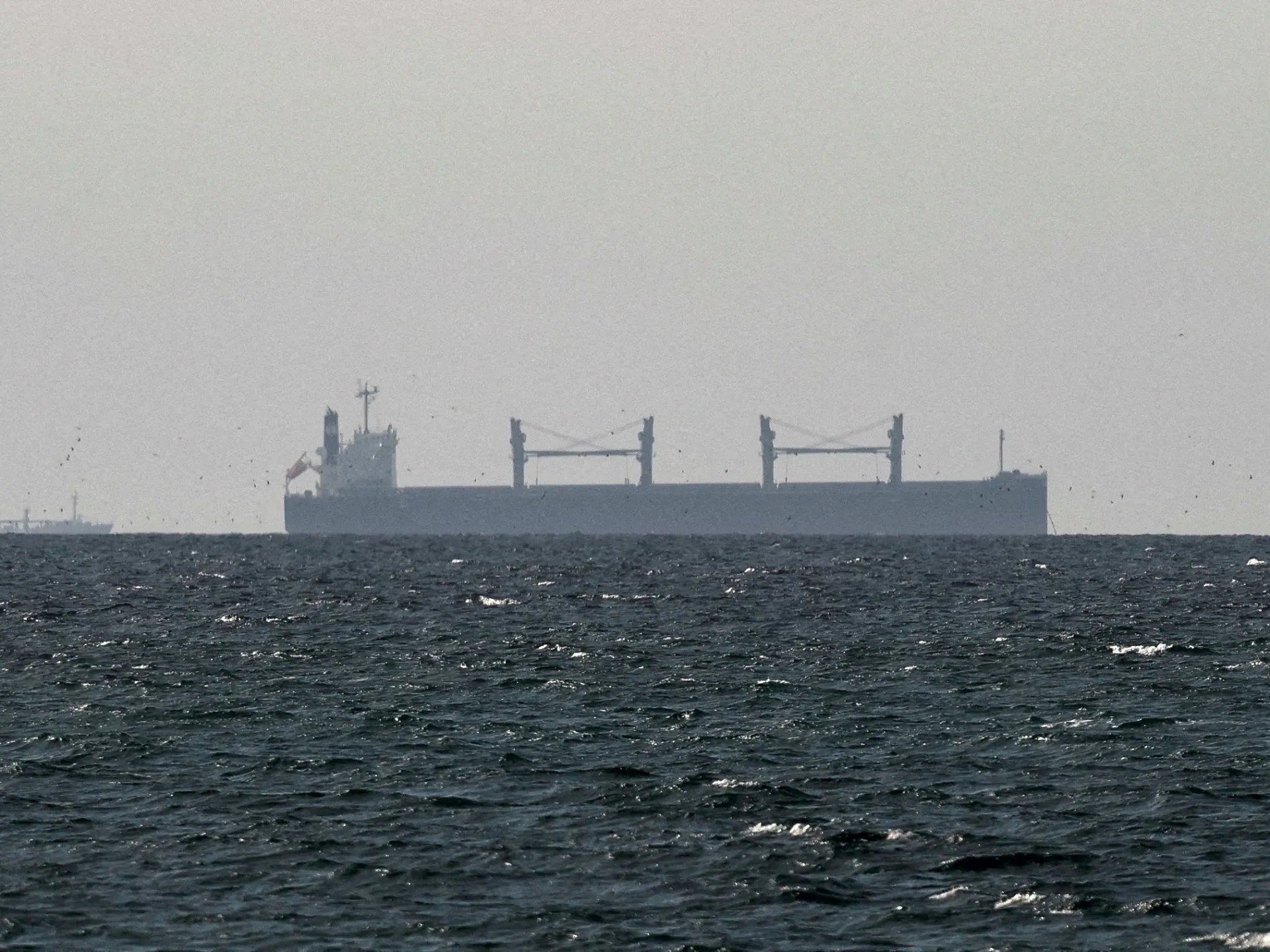
Gulf countries expressed concerns that US-Iran talks might strengthen Tehran's control over the Strait of Hormuz, a key chokepoint for oil shipments. China urged further dialogue in response to recent tensions, calling for de-escalation to avoid broader conflicts.
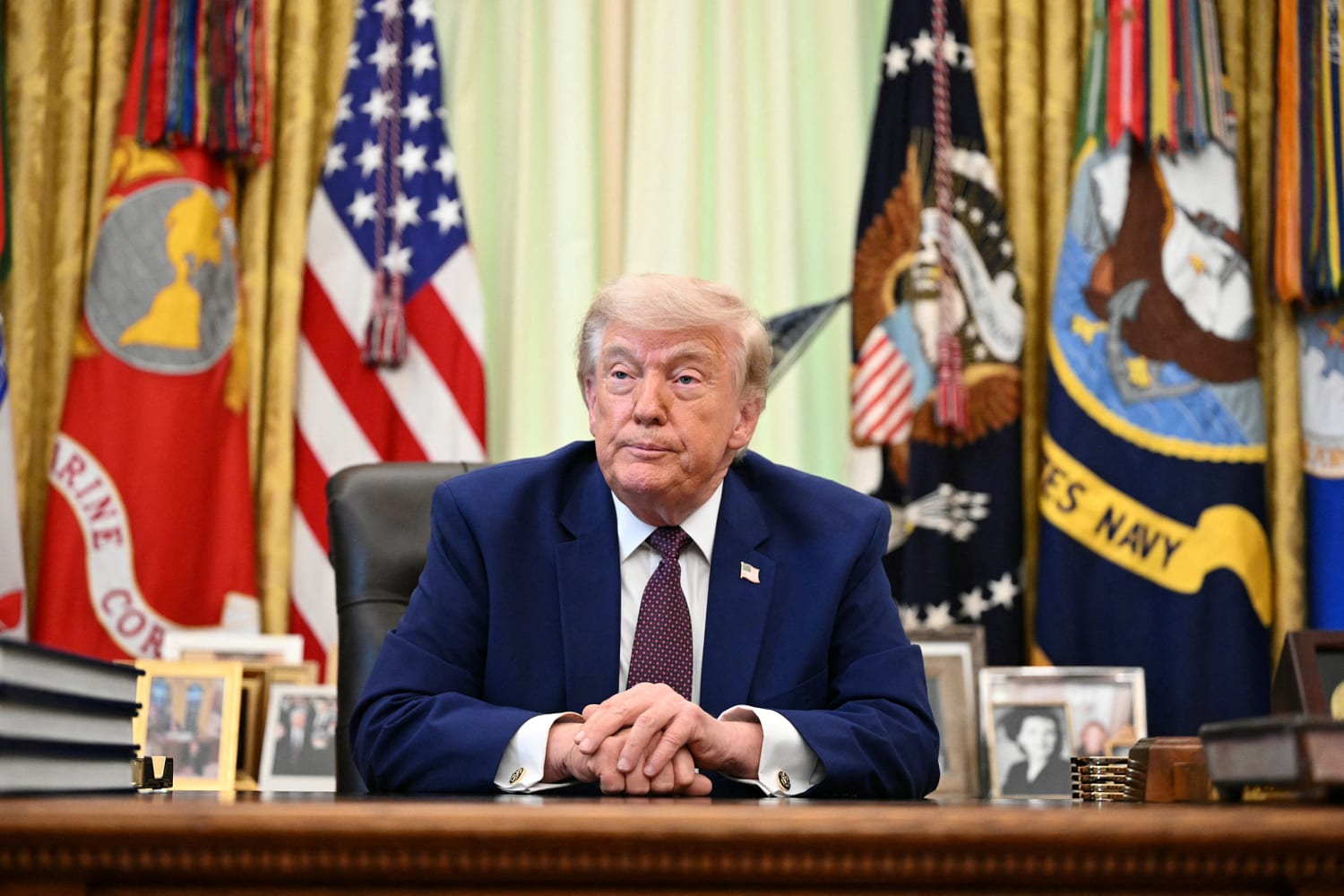
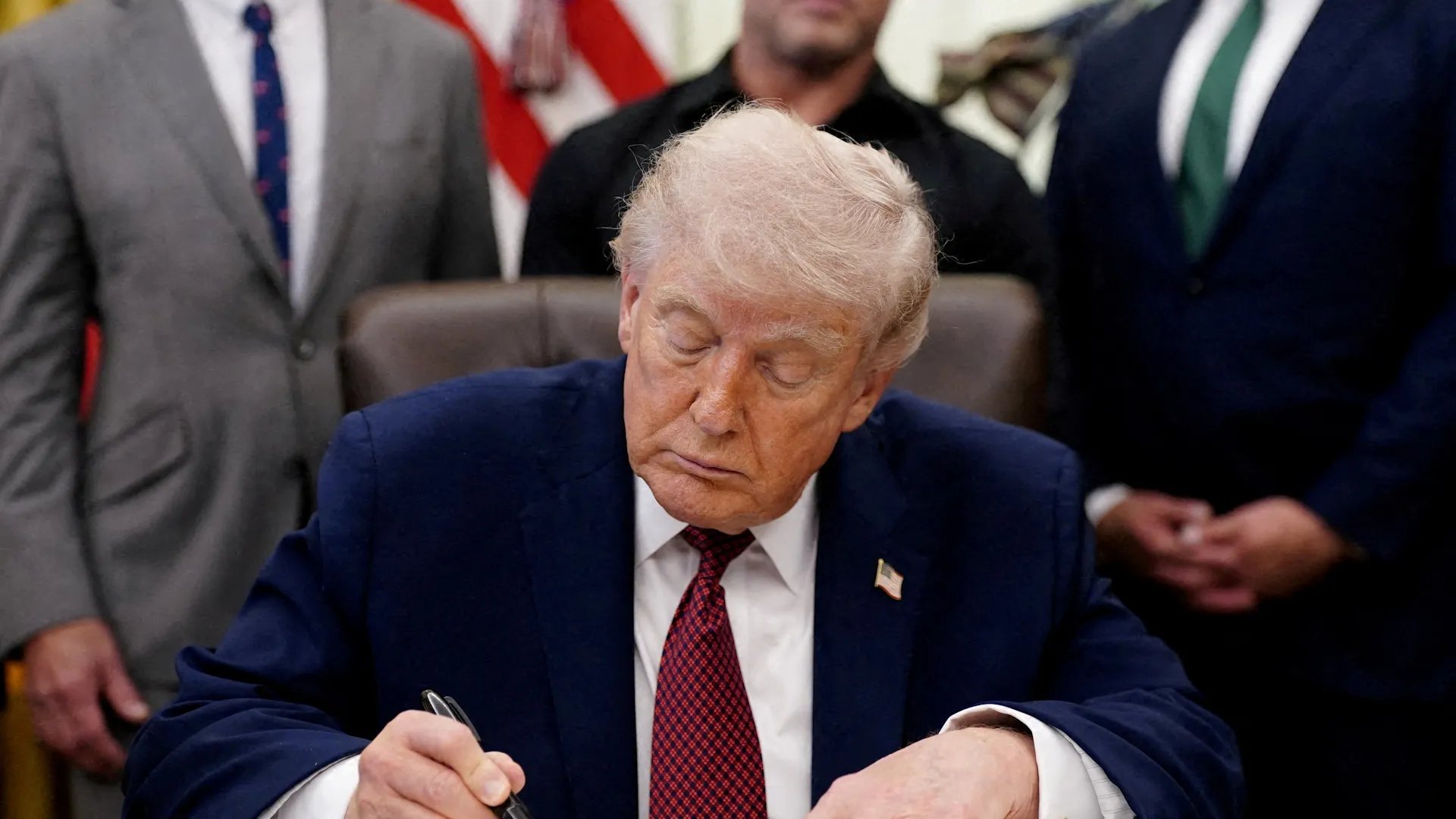
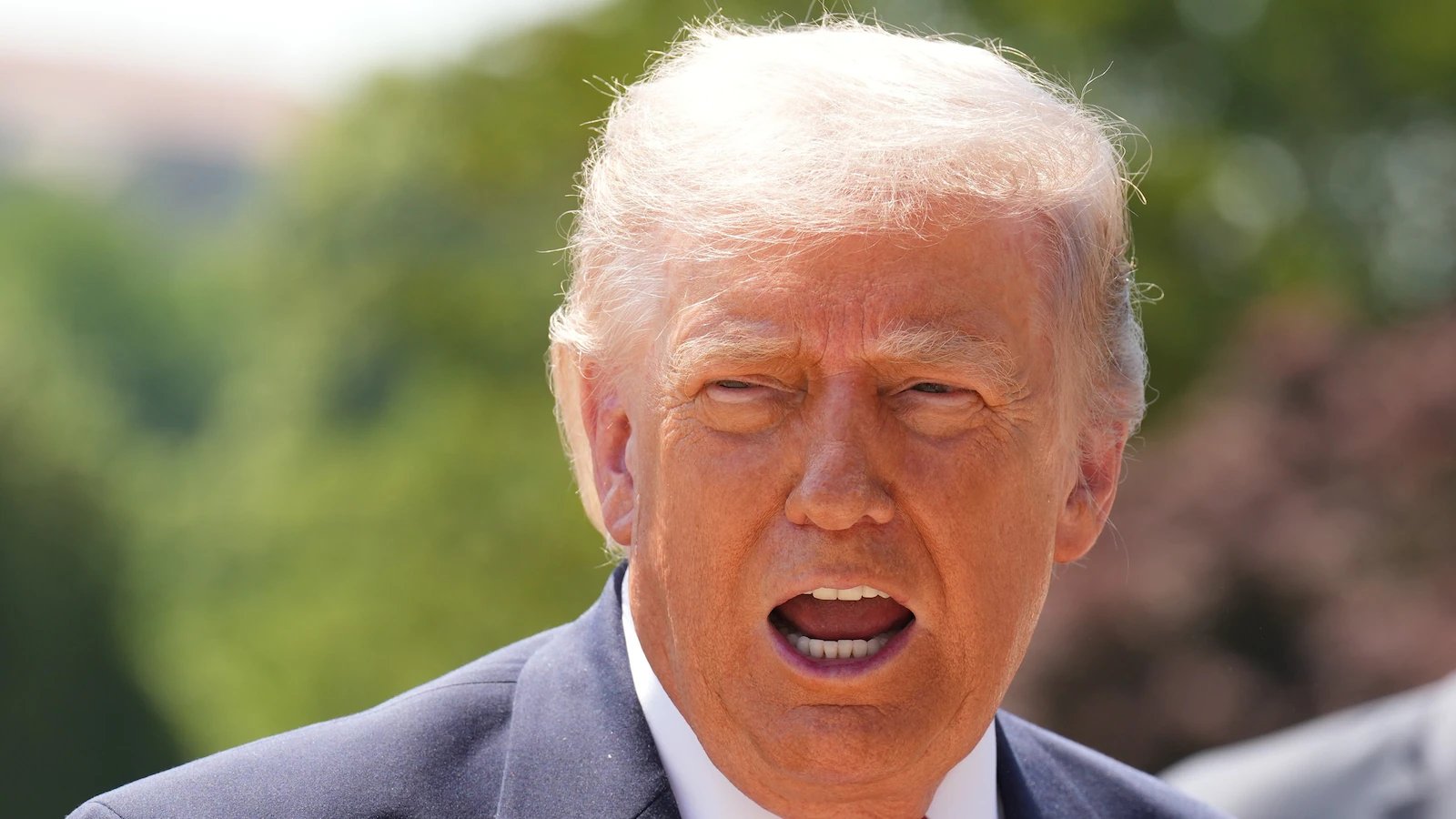
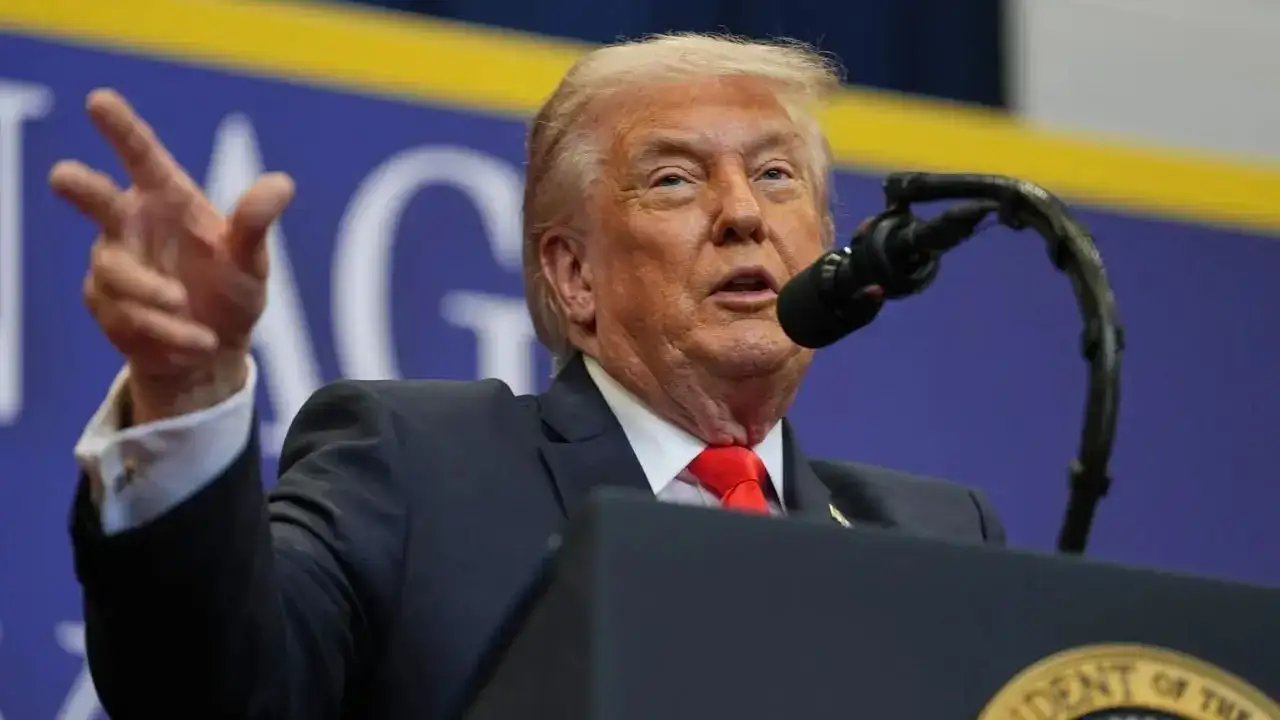
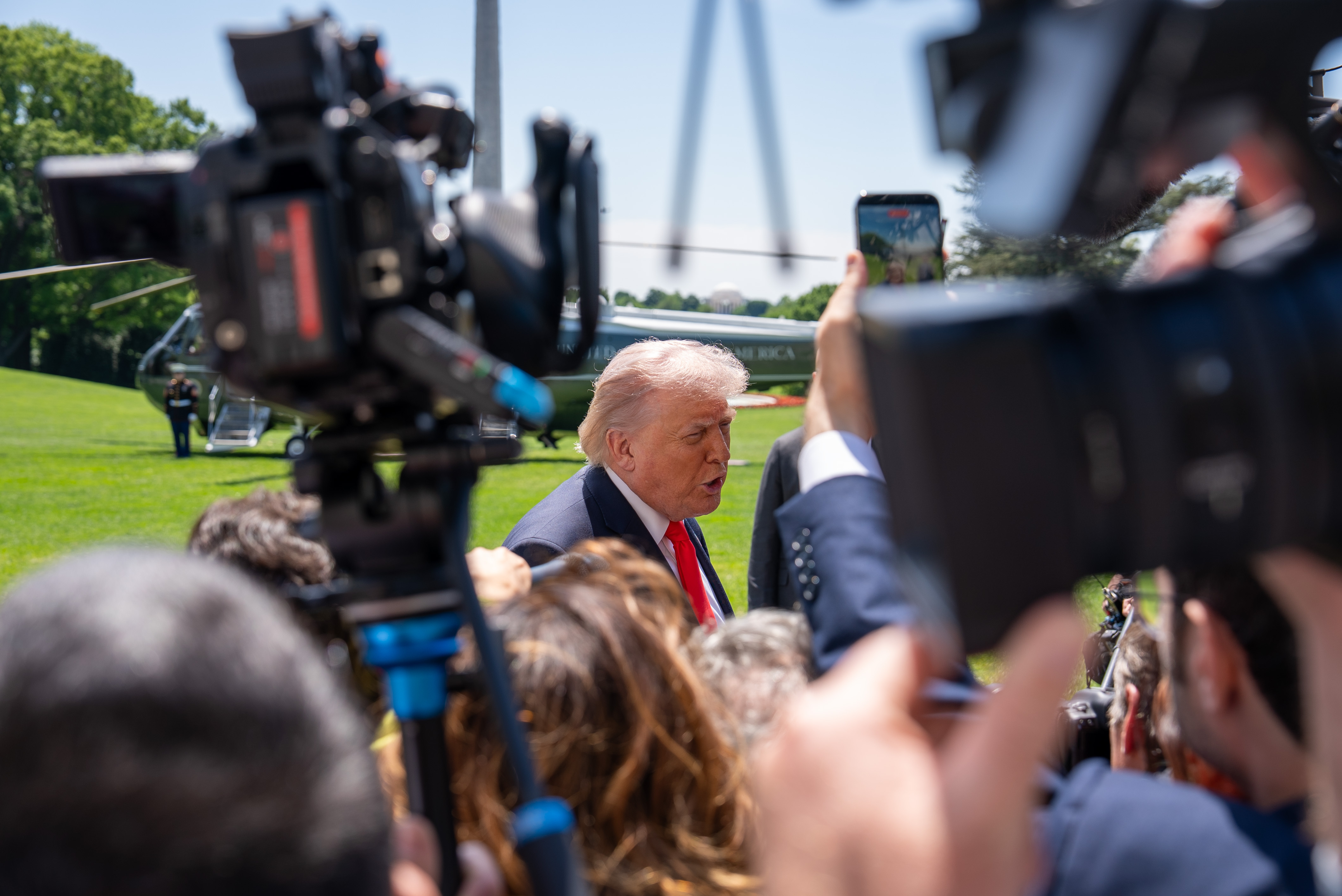
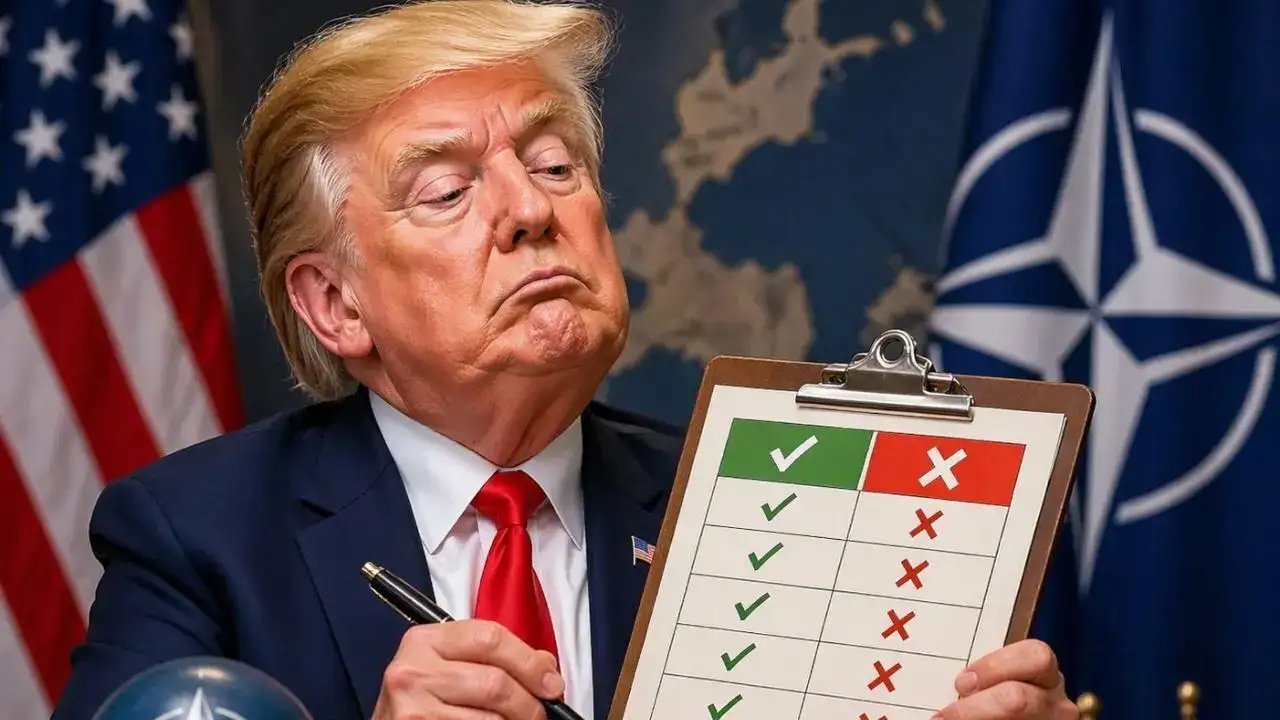
Pakistan positioned itself as a mediator for the talks, with officials making preparations despite uncertainties. President Trump predicted success in the discussions while warning of potential delays. These developments underscore how regional disputes directly affect international trade routes and energy flows.
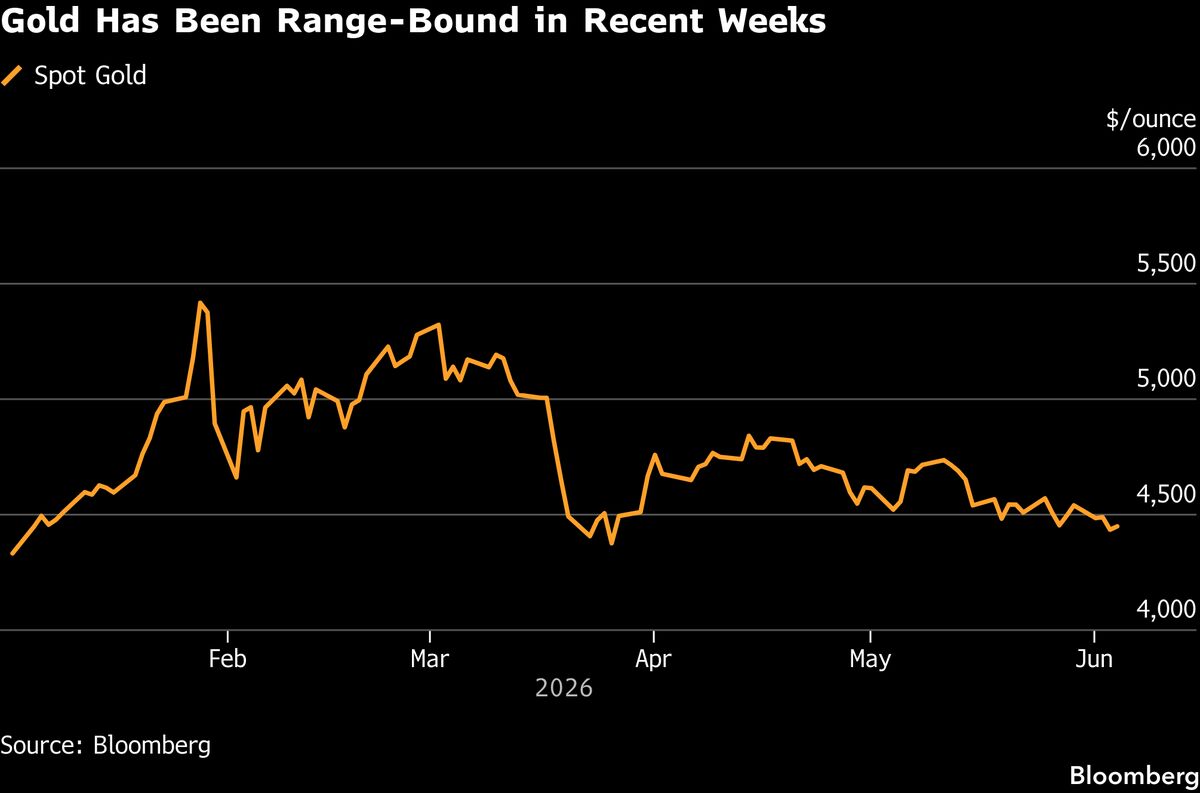
Asian stock markets showed mixed results, with Tokyo and Seoul indices climbing on technology gains while broader caution persisted. Gold prices declined as traders bet on a peaceful resolution reducing safe-haven demand.
Samsung SDI announced a new EV battery supply agreement with Mercedes-Benz, providing a counterbalance to energy sector volatility. These market movements highlight how oil expectations influence investment decisions across sectors.
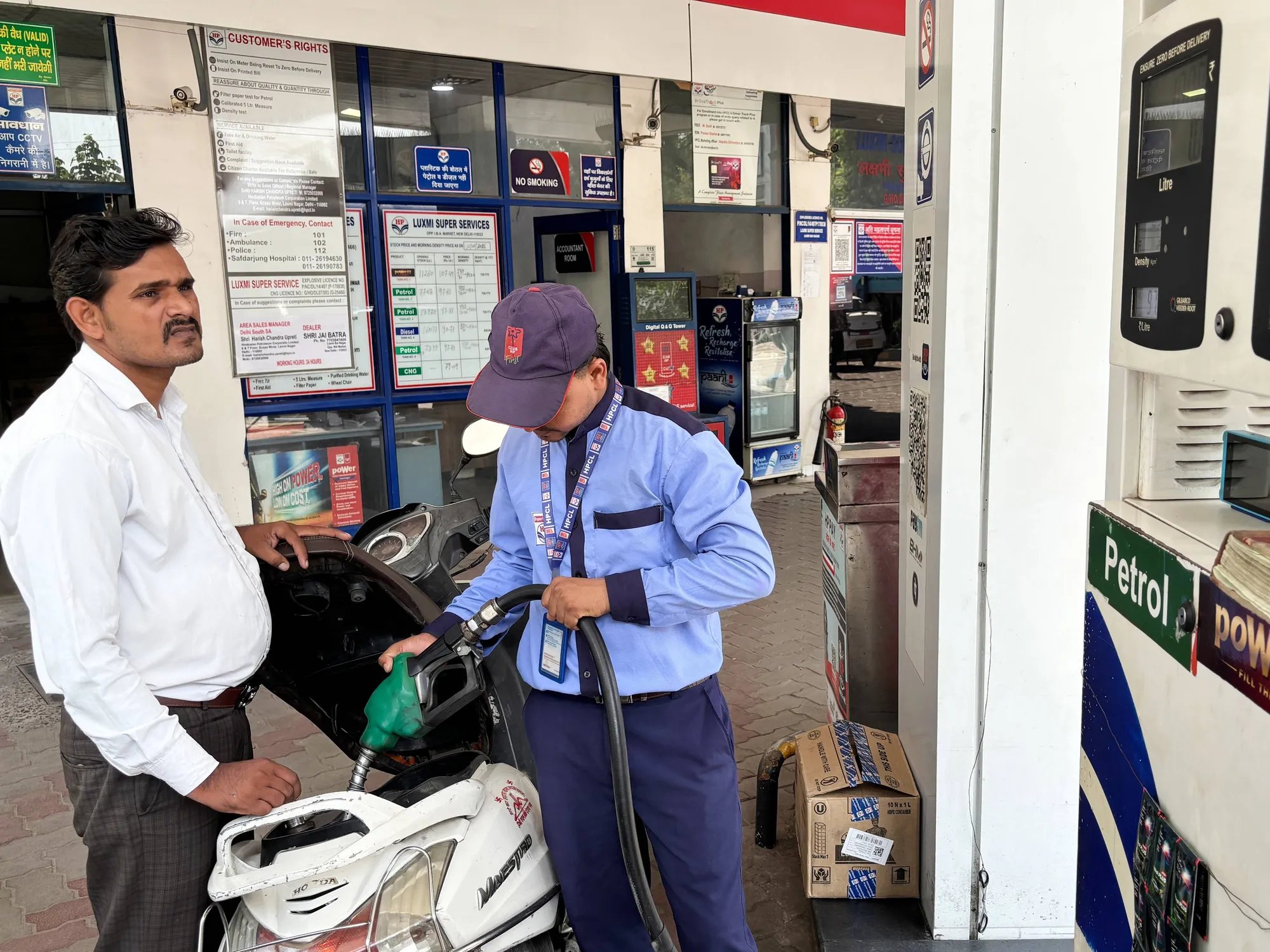
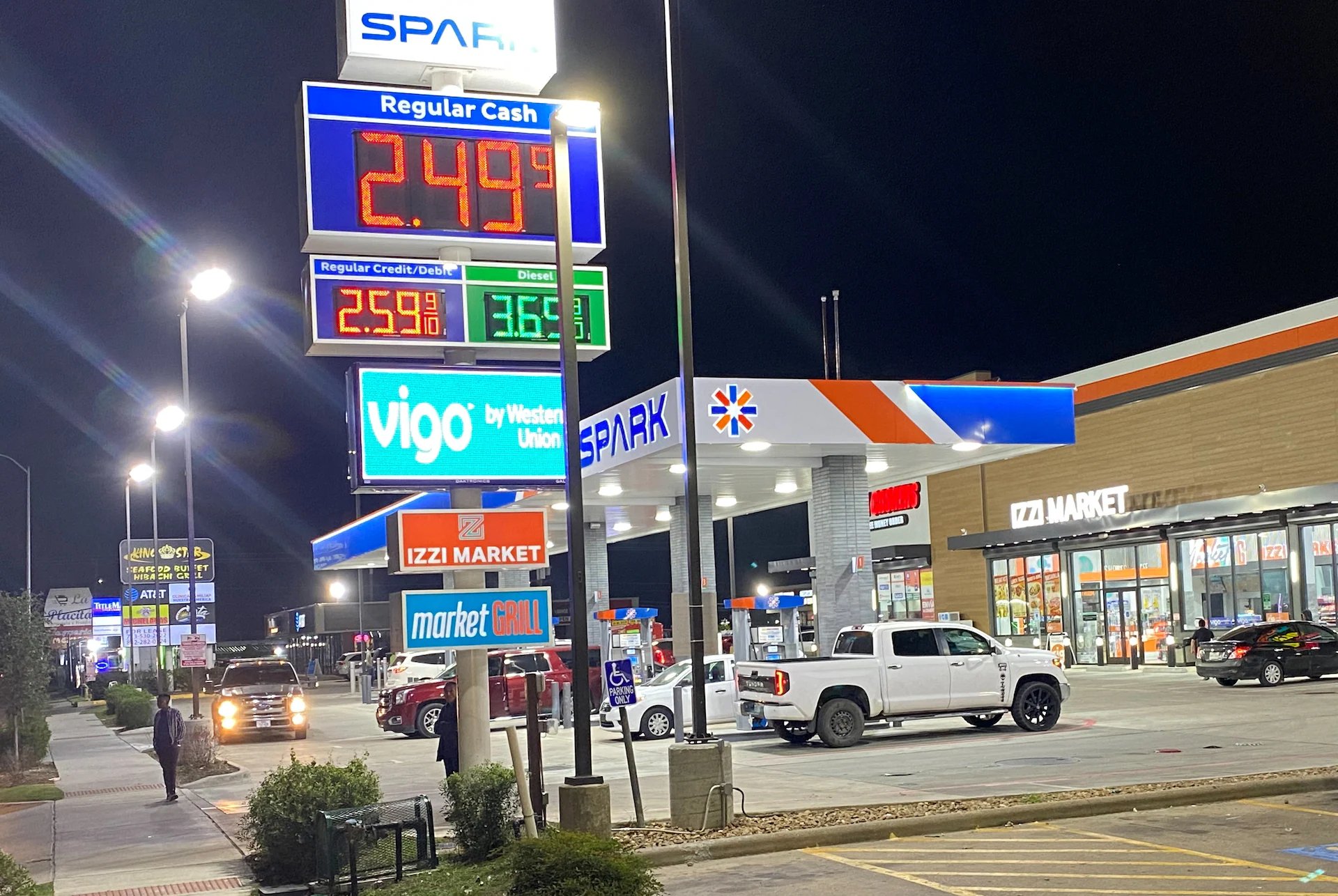
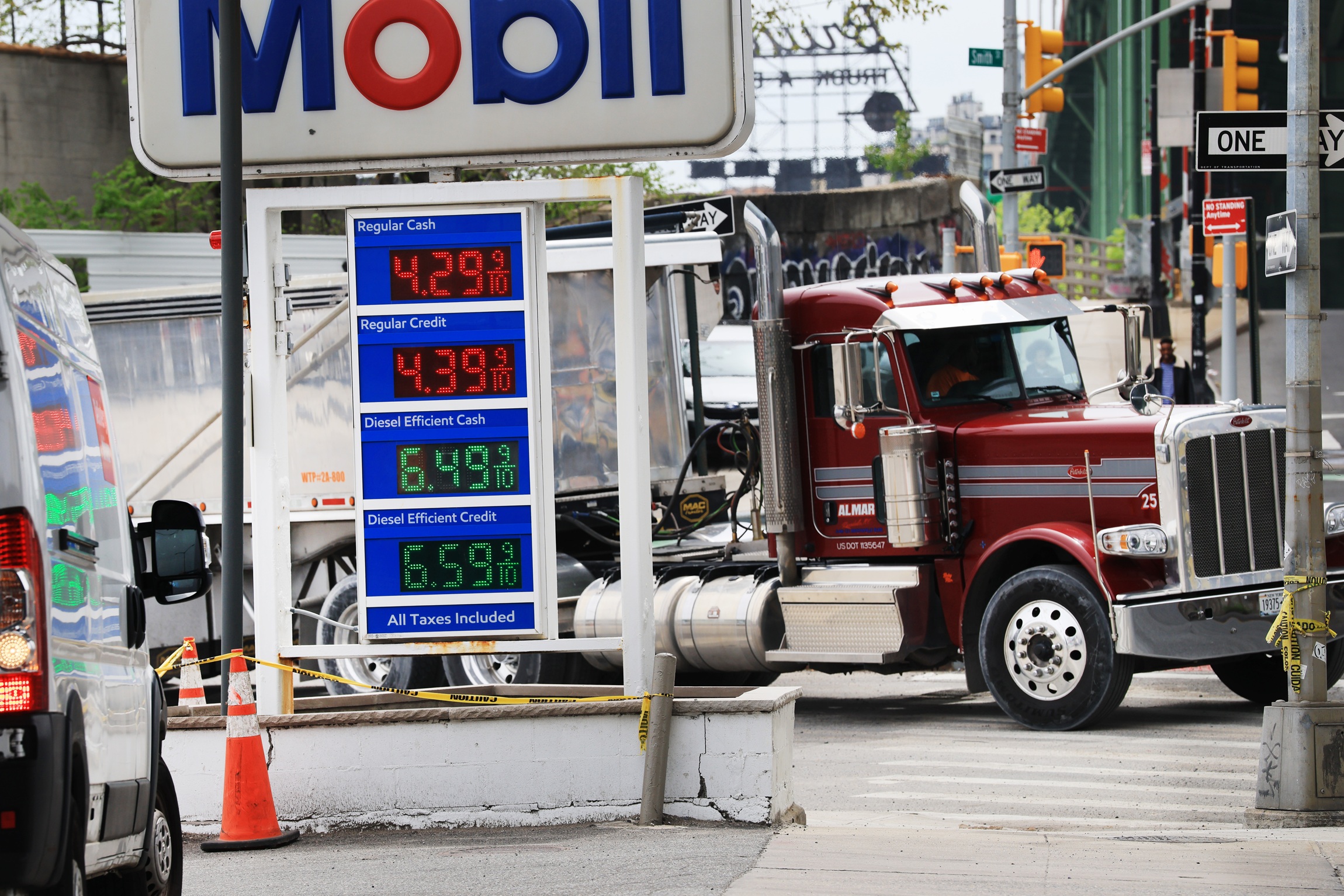
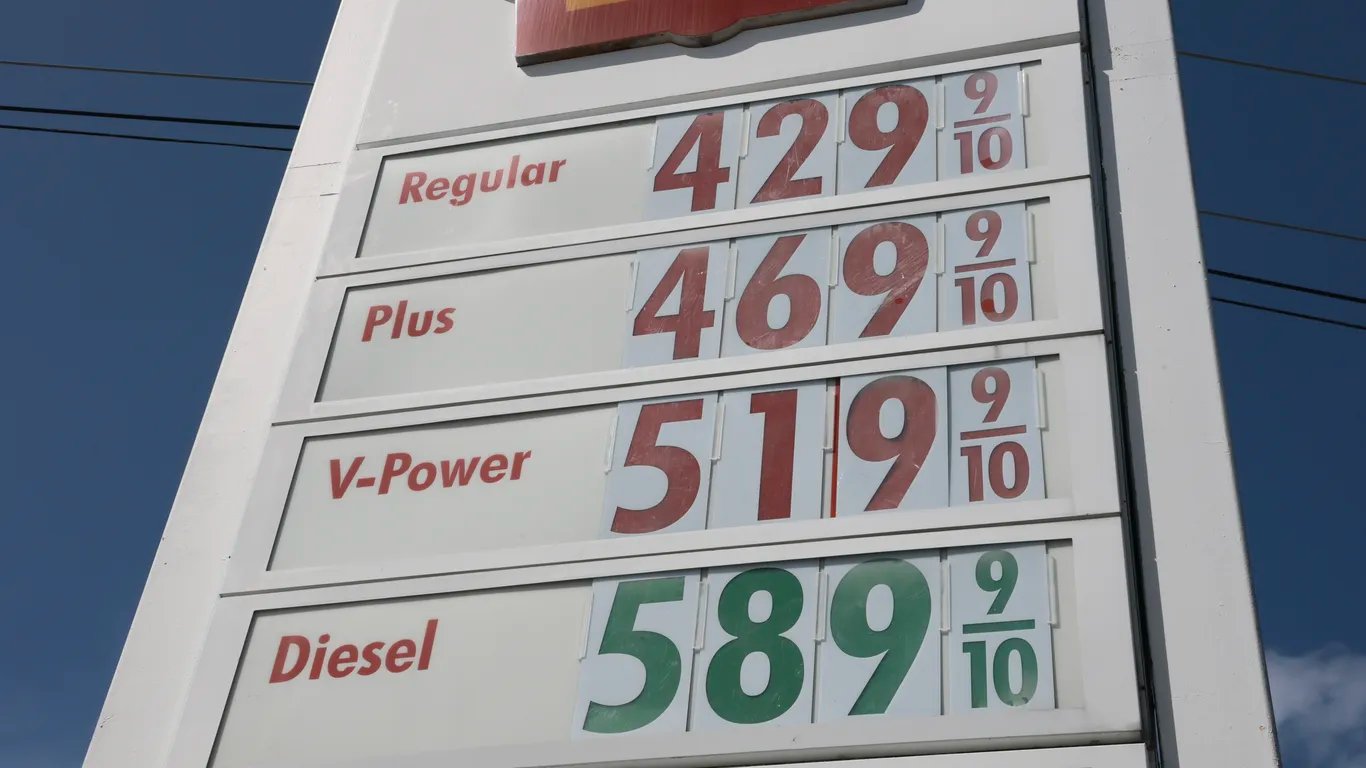
The oil price drop could lower costs for everyday consumers, such as gasoline and heating bills, in the coming weeks. Analysts warned of potential price spikes if talks fail, affecting household budgets and inflation rates. A domestic dispute in Louisiana, linked to broader economic strains, left eight children dead, illustrating how global tensions ripple into local lives.
Merz, a German official, emphasized Brazil's role in critical metals amid these shifts, suggesting technology partnerships could stabilize supply chains. US plans to host G20 discussions on war impacts include food and fertilizer, potentially addressing wider economic effects. This situation shows how international talks might prevent further disruptions to daily necessities.
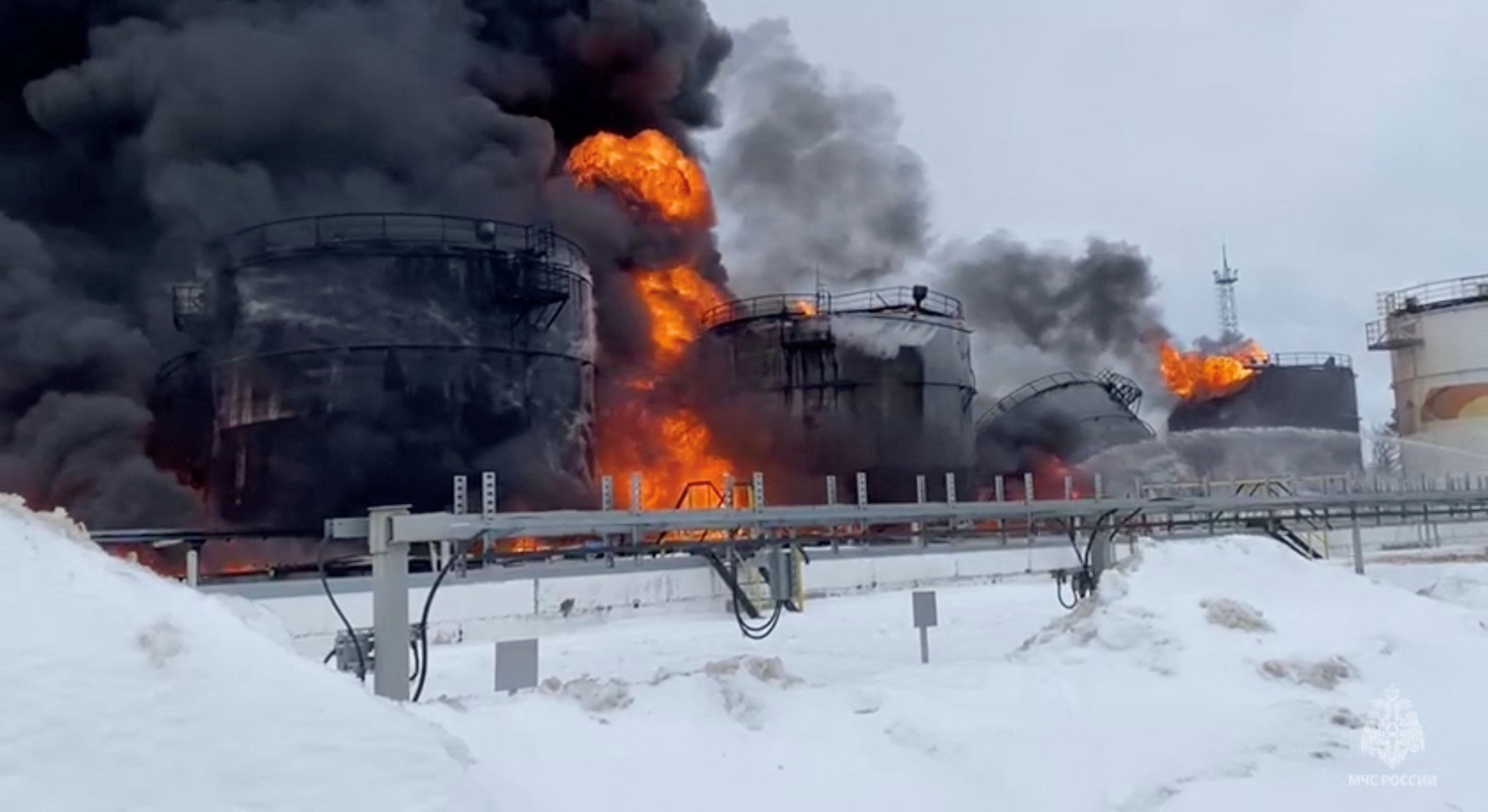
Oil prices decreased Tuesday as investors anticipated progress in US-Iran discussions, potentially increasing global supply. Brent crude fell by about 2% amid reports that Tehran might attend talks in Pakistan. This shift reversed a prior surge, with prices dipping below recent highs due to easing fears of supply disruptions.
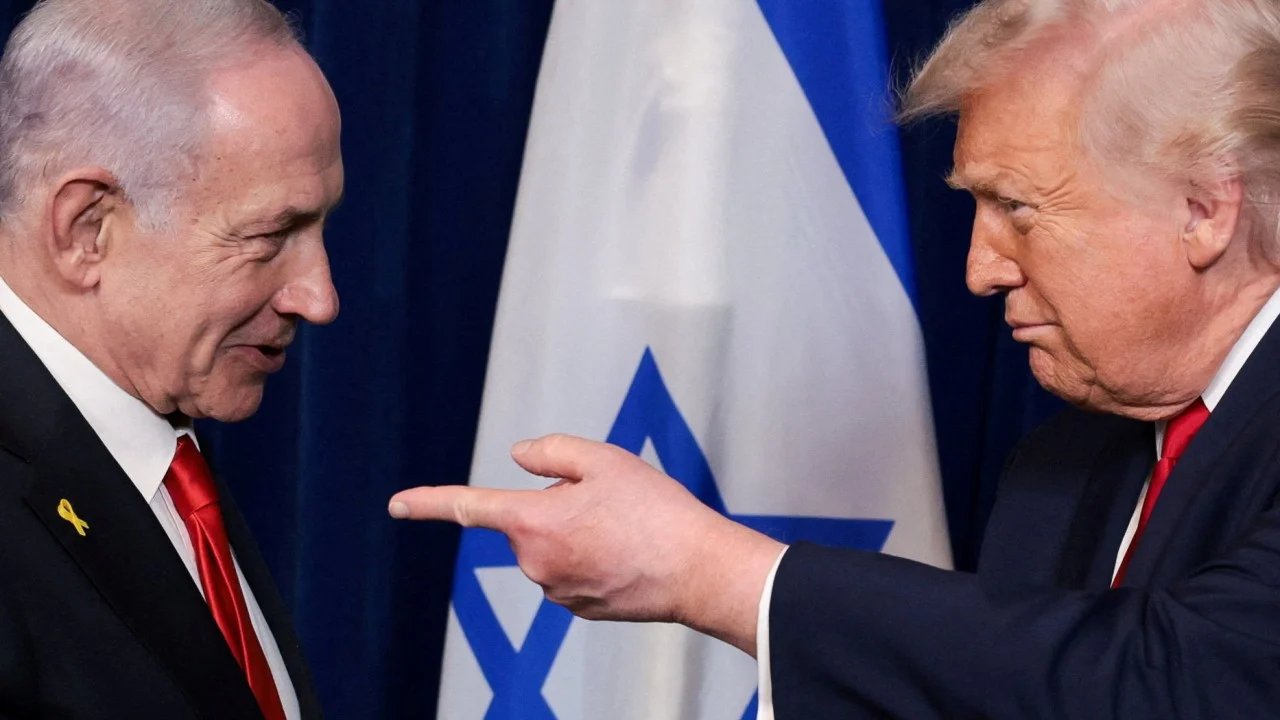
The US delegation, led by Vice President Vance, prepared to travel for the negotiations, according to officials involved. Iranian participation remained uncertain, with sources noting noncommittal responses from Tehran. Lower oil costs could reduce fuel expenses for drivers and businesses worldwide.
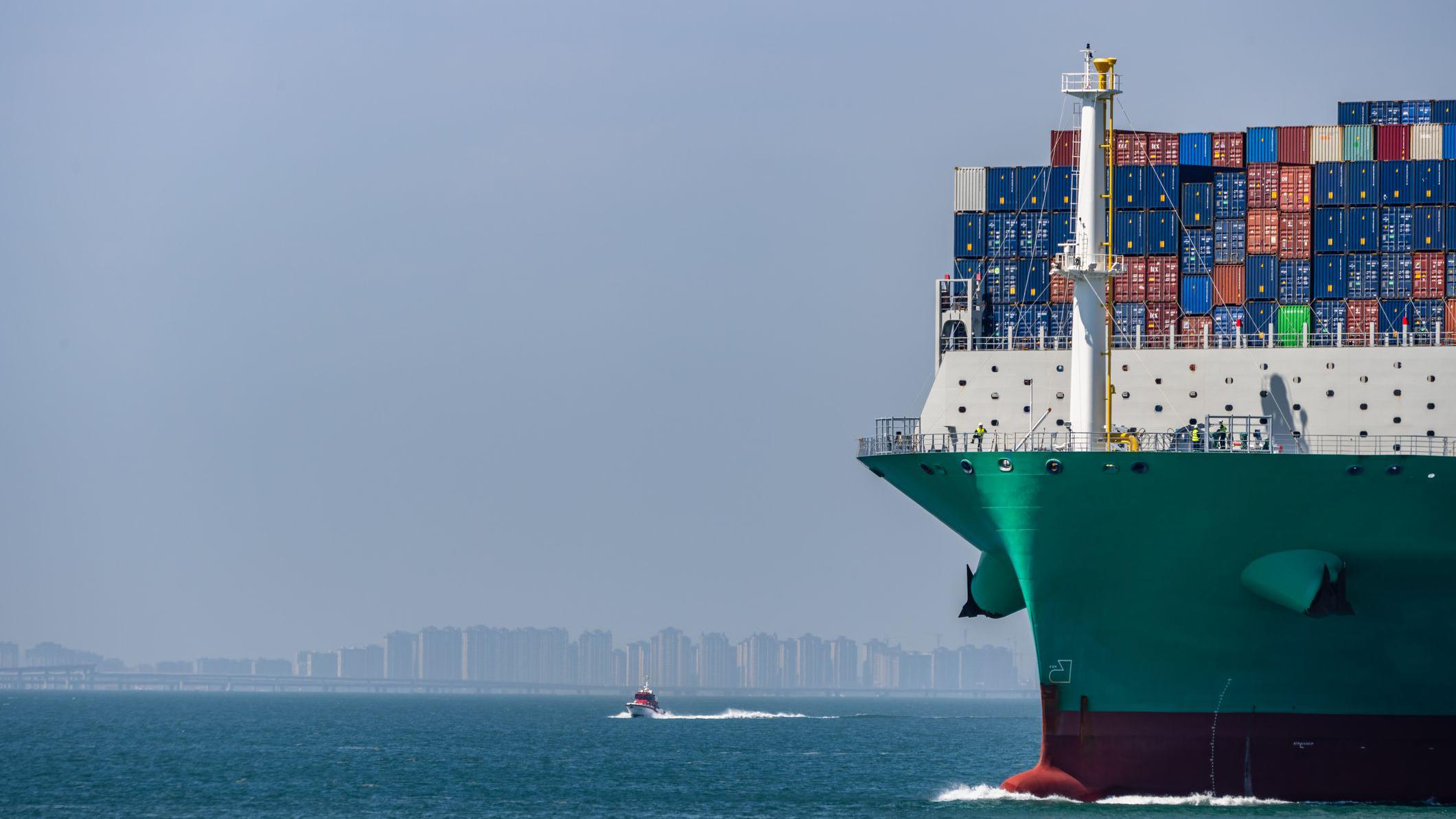
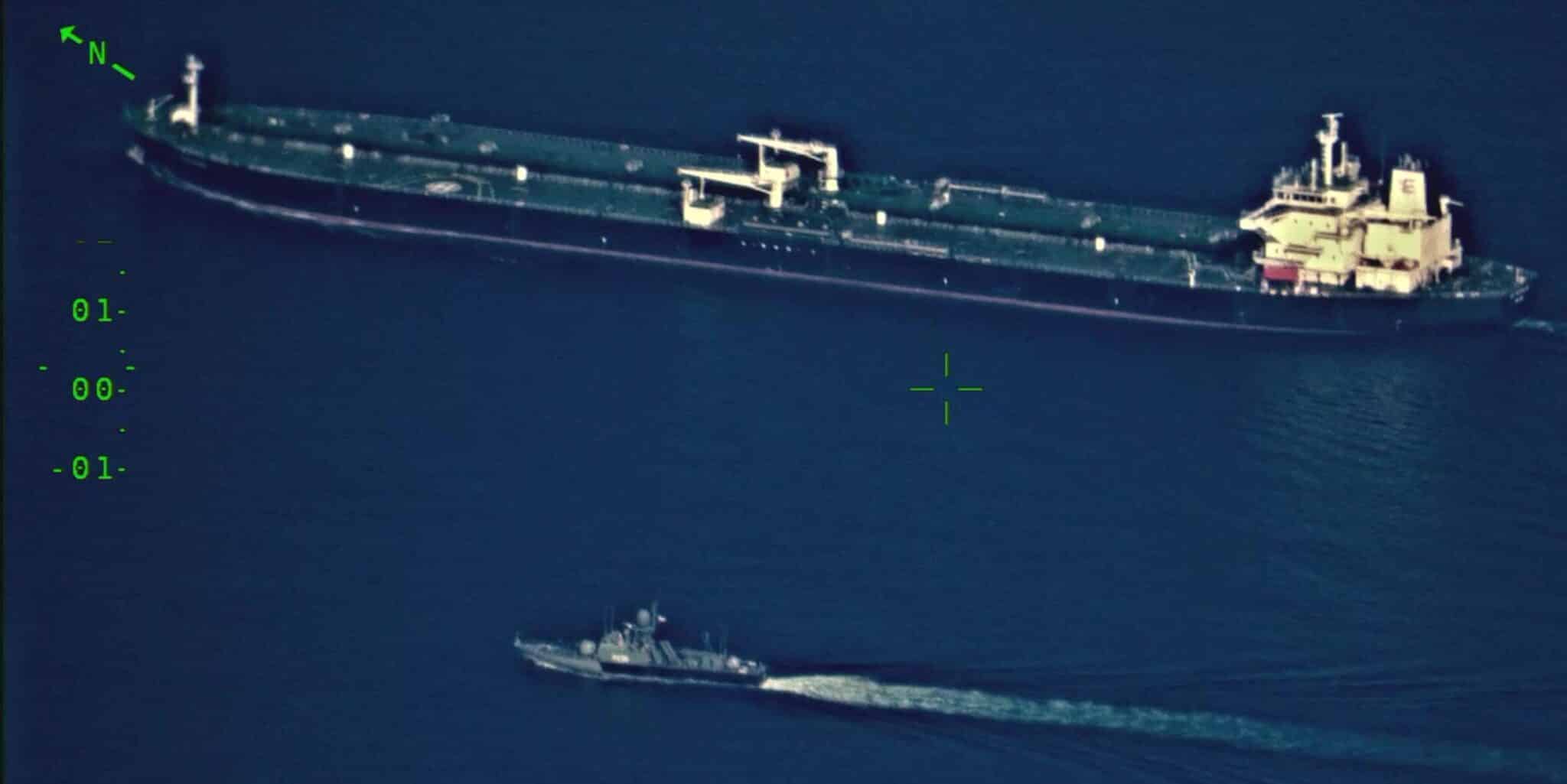
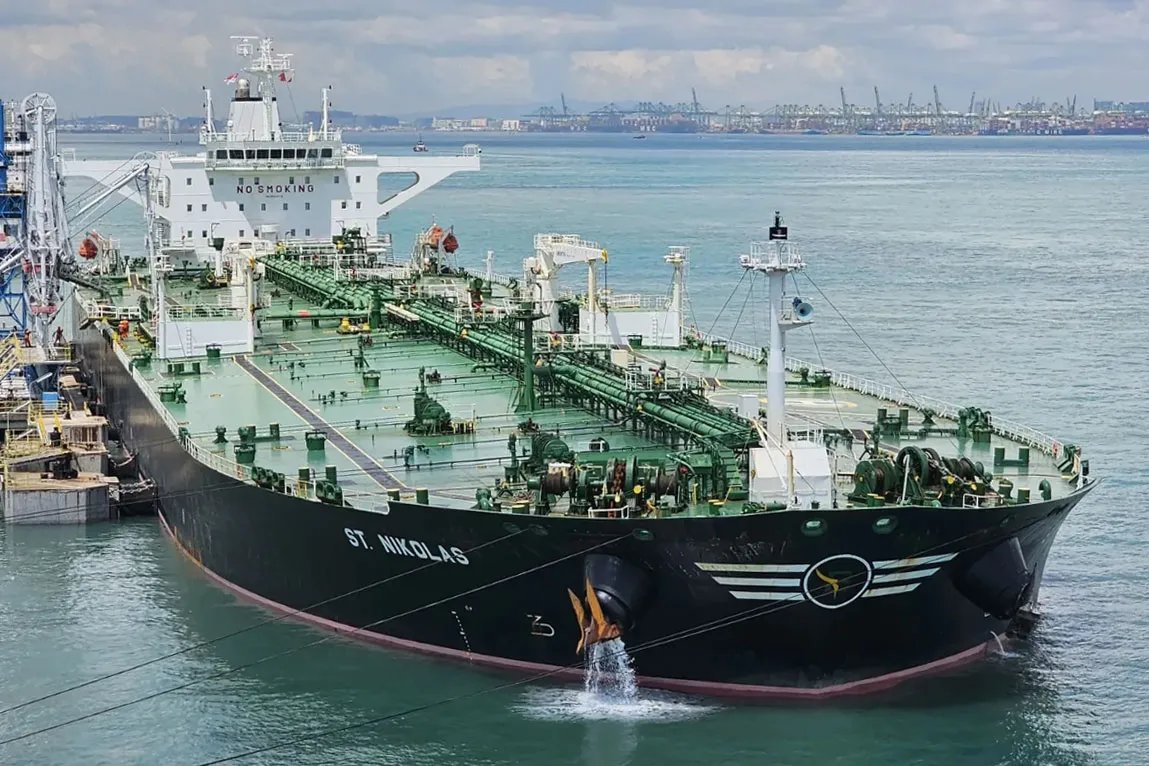
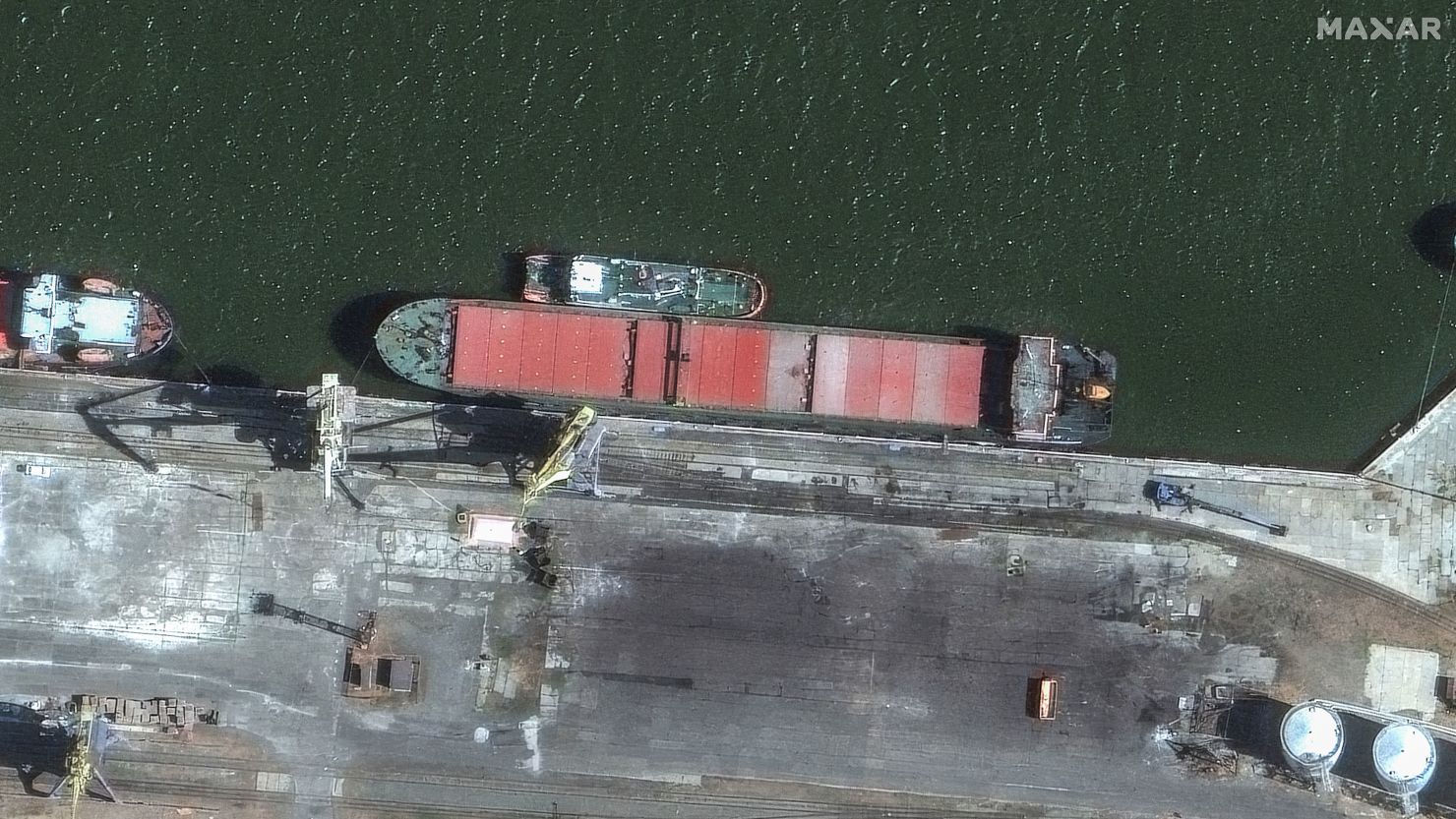
Gulf countries expressed concerns that US-Iran talks might strengthen Tehran's control over the Strait of Hormuz, a key chokepoint for oil shipments. The US seized an Iranian cargo ship over the weekend, carrying equipment deemed dual-use by American authorities, which heightened tensions. China urged further dialogue in response to the seizure, calling for de-escalation to avoid broader conflicts.
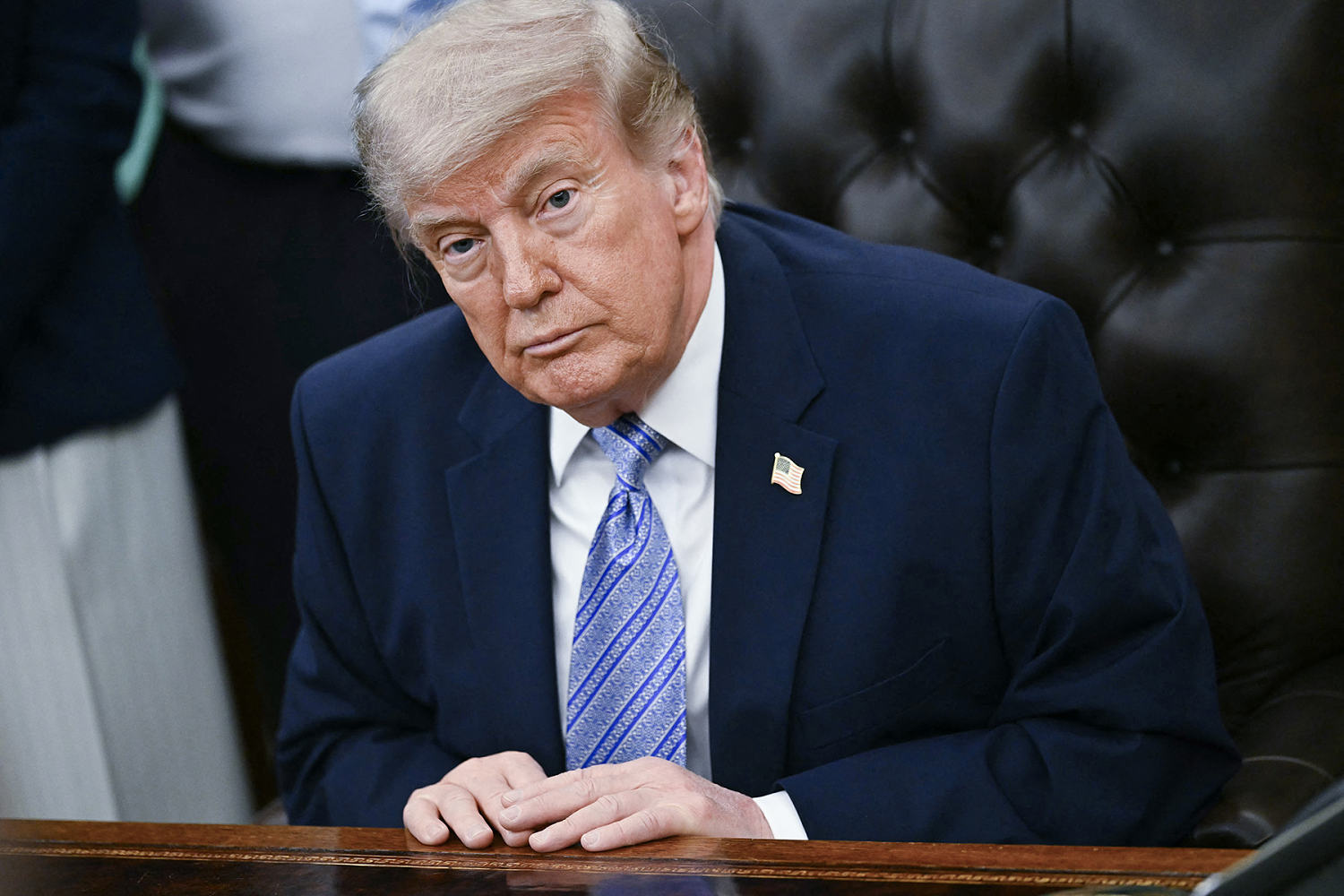
Pakistan positioned itself as a mediator for the talks, with officials making preparations despite uncertainties. President Trump predicted success in the discussions while warning of potential delays. These developments underscore how regional disputes directly affect international trade routes and energy flows.
Asian stock markets showed mixed results, with Tokyo and Seoul indices climbing on technology gains while broader caution persisted. Marvell shares rose 3% on reports of AI chip deals with Google, offsetting some oil-related jitters. Gold prices declined as traders bet on a peaceful resolution reducing safe-haven demand.
In Europe, the FTSE 100 slid amid rising gas prices tied to Hormuz risks, though overall equities rallied globally on talk optimism. Samsung SDI announced a new EV battery supply agreement with Mercedes-Benz, providing a counterbalance to energy sector volatility. These market movements highlight how oil expectations influence investment decisions across sectors.
The oil price drop could lower costs for everyday consumers, such as gasoline and heating bills, in the coming weeks. Analysts warned of potential price spikes if talks fail, affecting household budgets and inflation rates. A domestic dispute in Louisiana, linked to broader economic strains, left eight children dead, illustrating how global tensions ripple into local lives.
Merz, a German official, emphasized Brazil's role in critical metals amid these shifts, suggesting technology partnerships could stabilize supply chains. US plans to host G20 discussions on war impacts include food and fertilizer, potentially addressing wider economic effects. This situation shows how international talks might prevent further disruptions to daily necessities.
Highlighted text was flagged by the council. Tap to see feedback.