The Nikkei 225 in Japan has reached an unprecedented high, breaking the 68,000 barrier for the first time on Wednesday, according to Al Jazeera. Khoon Goh, head of Asia research at ANZ, highlighted the role of AI in this growth, stating, "Investor enthusiasm over the AI boom is helping drive Asian equity markets higher." The surge has been particularly influenced by strong demand for high-end chips, benefiting top semiconductor companies in Taiwan, South Korea, and Japan.
Japanese firms with a stake in the semiconductor industry have been among the major gainers in this AI-driven market rally. Tokyo Electron, the country's largest manufacturer of semiconductor equipment, saw its shares soar by as much as 14 percent in morning trading. Advantest, providing testing equipment to the semiconductor industry, rose over 5.5 percent, while Shin-Etsu Chemical, a supplier of silicon wafers for integrated circuits, gained around 4 percent.
The demand for AI chips is not just a regional phenomenon; it has been driving stock markets to record highs in the US, Japan, South Korea, and Taiwan. In the past month, three memory chip makers—South Korea's SK Hynix and Samsung Electronics, and US-based Micron—have reached a market capitalization of at least $1 trillion, joining an elite group of only 17 companies globally. This trend is expected to continue, with US tech giants projected to invest around $800 billion on AI-related capital expenditure in 2026, as reported by Goldman Sachs.
Softbank, heavily invested in AI models, chips, and data centers, became Japan's largest company by market capitalization on Monday, overtaking auto giant Toyota. Alphabet, Google's parent company, announced plans to sell $80 billion worth of shares to fund expected capital expenditures of $180-190 billion in 2026, further illustrating the commitment of tech companies to AI infrastructure.
While Japan's stock market is flourishing, other regions face different challenges. The Times of India reports a 1% decline in both the Sensex and Nifty due to concerns over the Iran-US conflict and other market pressures. Meanwhile, Bloomberg notes that US stocks are slipping amid rising oil prices and bond yields due to Middle East tensions.
The Nikkei 225's surge reflects strong investor demand for AI-related semiconductor equipment and chips.
The Nikkei 225 in Japan has reached an unprecedented high, breaking the 68,000 barrier for the first time on Wednesday, according to Al Jazeera. This advancement marks a nearly 33 percent climb for the Japanese stock market in 2026 alone. Khoon Goh, head of Asia research at ANZ, highlighted the role of AI in this growth, stating, “Investor enthusiasm over the AI boom is helping drive Asian equity markets higher.” The surge has been particularly influenced by strong demand for high-end chips, benefiting top semiconductor companies in Taiwan, South Korea, and Japan.
Japanese firms with a stake in the semiconductor industry have been among the major gainers in this AI-driven market rally. Tokyo Electron, the country's largest manufacturer of semiconductor equipment, saw its shares soar by as much as 14 percent in morning trading. Advantest, providing testing equipment to the semiconductor industry, rose over 5.5 percent, while Shin-Etsu Chemical, a supplier of silicon wafers for integrated circuits, gained around 4 percent.
The demand for AI chips is not just a regional phenomenon; it has been driving stock markets to record highs in the US, Japan, South Korea, and Taiwan. In the past month, three memory chip makers—South Korea’s SK Hynix and Samsung Electronics, and US-based Micron—have reached a market capitalization of at least $1 trillion, joining an elite group of only 17 companies globally. This trend is expected to continue, with US tech giants projected to invest around $800 billion on AI-related capital expenditure in 2026, as reported by Goldman Sachs.
Softbank, heavily invested in AI models, chips, and data centers, became Japan’s largest company by market capitalization on Monday, overtaking auto giant Toyota. Alphabet, Google's parent company, announced plans to sell $80 billion worth of shares to fund expected capital expenditures of $180-190 billion in 2026, further illustrating the commitment of tech companies to AI infrastructure.
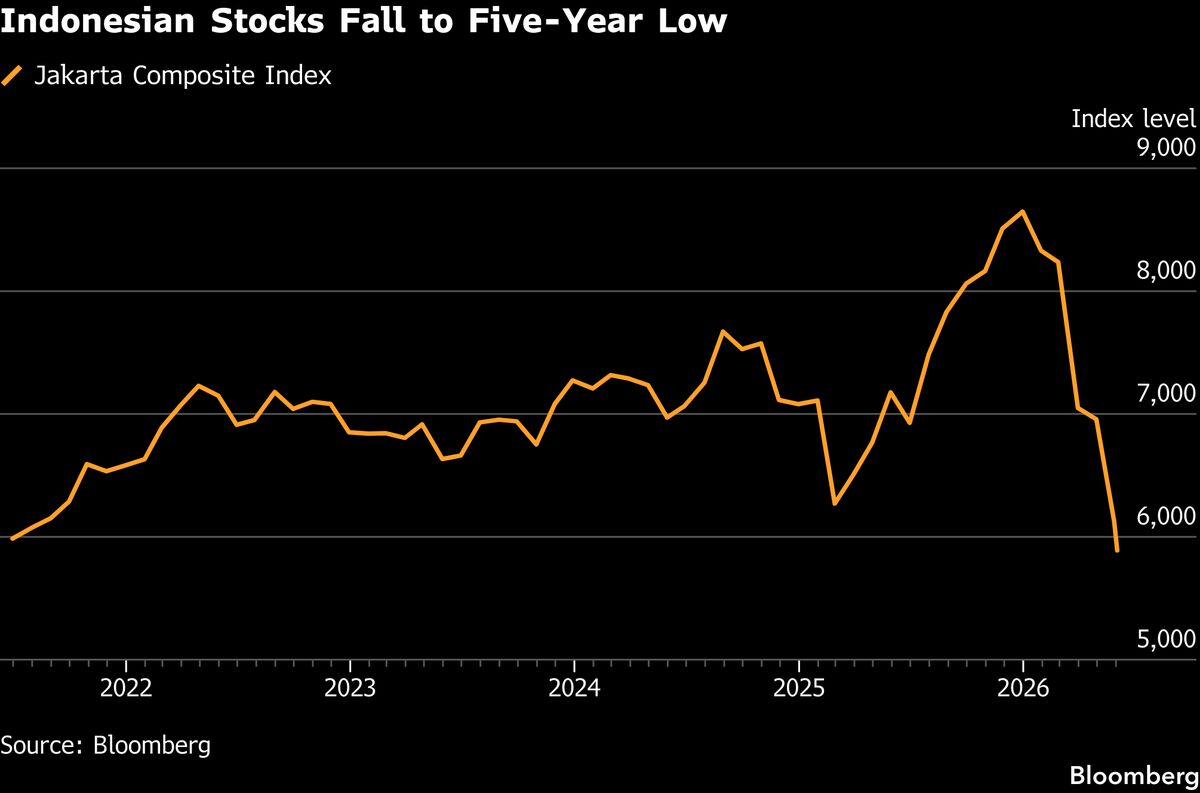
While Japan's stock market is flourishing, other regions face different challenges. The Times of India reports a 1% decline in both the Sensex and Nifty due to concerns over the Iran-US conflict and other market pressures. Meanwhile, Bloomberg notes that US stocks are slipping amid rising oil prices and bond yields due to Middle East tensions. In contrast, Southeast Asia faces significant economic hurdles, with Indonesian stocks plummeting to a five-year low and the rupiah reaching a record low.
The record high of Japan's Nikkei 225 index underscores the significant impact of AI investments on global economic trends. As tech companies continue to pour funds into AI-related infrastructure, this trend is likely to shape economic policies and investor confidence worldwide. With the AI boom showing no signs of slowing down, its influence on financial markets and the global economy will remain a key area of focus for analysts and investors alike.
Highlighted text was flagged by the council. Tap to see feedback.