
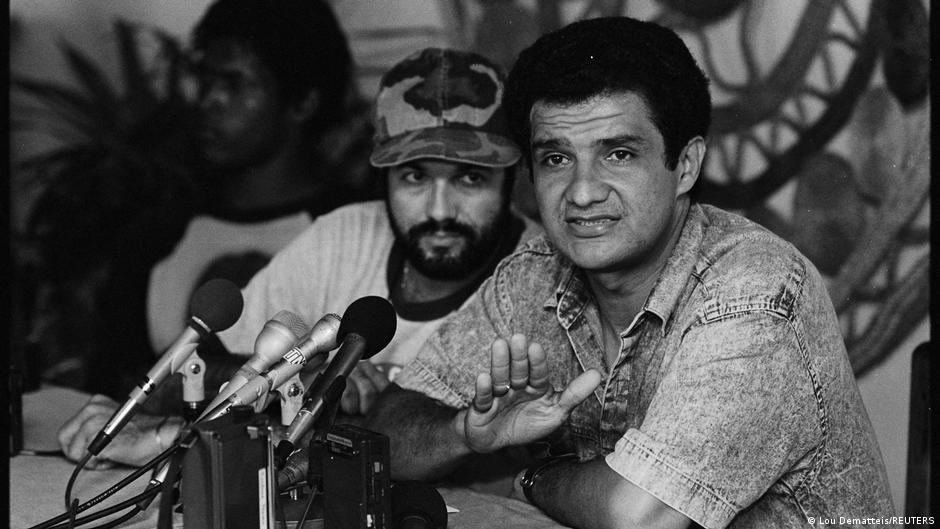





Death in Detention
Brooklyn Rivera, a 73-year-old Nicaraguan Indigenous leader and former lawmaker, has died while in government custody, sparking condemnation from human rights groups and international organizations. Rivera, who founded the Indigenous movement Yatama, had been detained since September 2023. The Nicaraguan Ministry of Health stated on Sunday that Rivera died due to a bacterial infection linked to a prior COVID-19 infection, resulting in "physical and neurological deterioration."
Conflicting Accounts
The government took 15 hours to confirm Rivera's death. Rivera's exiled daughter, Tininiska Rivera, refuted the government's claim that family members were present when he died. BBC News reported that the government is refusing to release Rivera's body to his family. Reed Brody, a member of the United Nations Group of Human Rights Experts on Nicaragua, criticized the government's earlier statement calling Rivera a "brother" and said they were praying for him.
Imprisonment Details
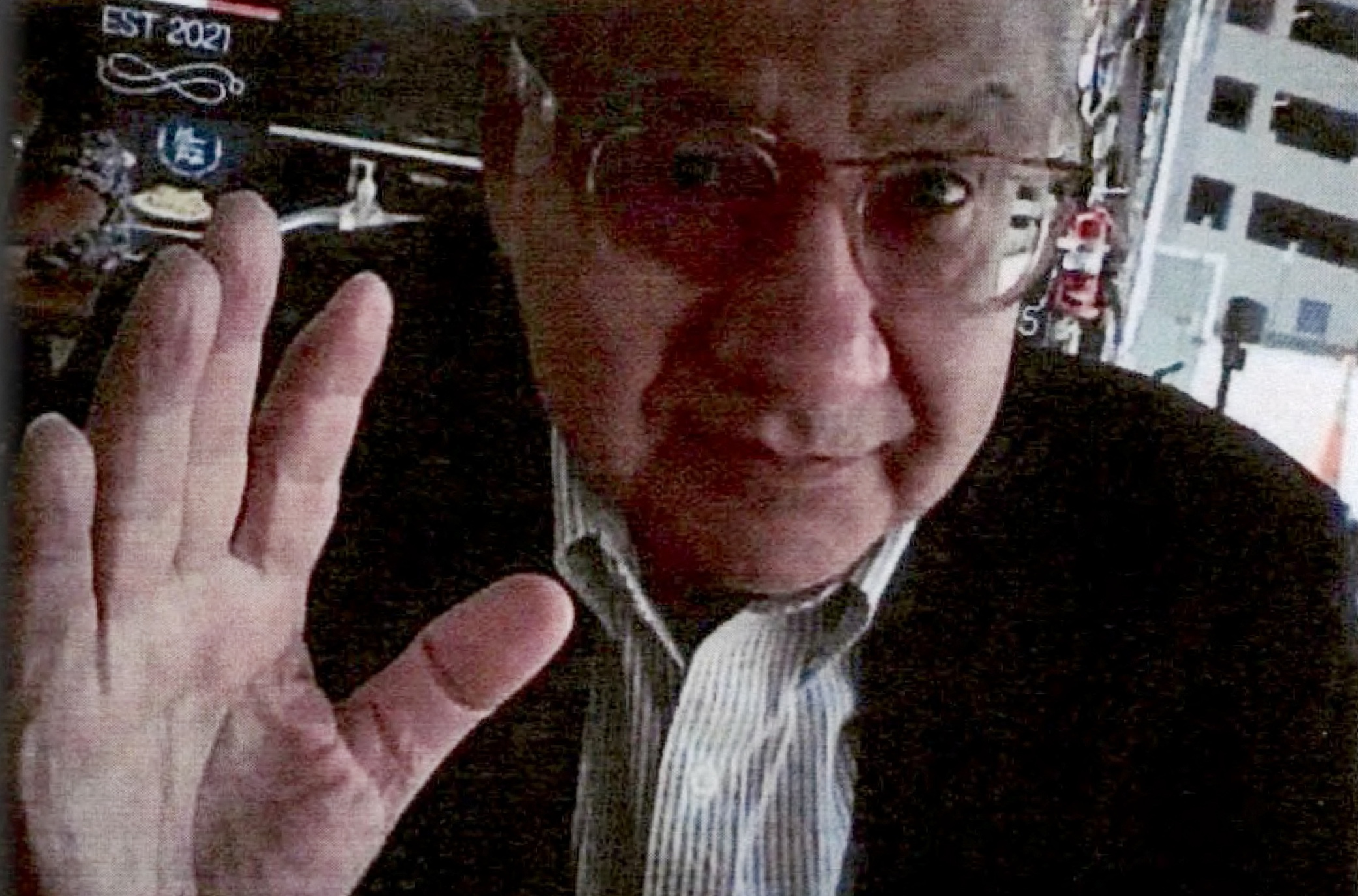
Rivera's detention was only acknowledged by the Nicaraguan regime more than a year after it began, following international pressure. The government released images on May 27 showing Rivera in a hospital bed, emaciated and intubated, spurring outrage. The Ministry of the Interior described his condition as "delicate," reporting that he suffered from "multiple organ failure, a cirrhotic liver and an active lung infection" and was being treated with "mechanical ventilation through a tracheotomy and intravenous feeding." Rivera was arrested in September 2023 on undisclosed charges, though the government reportedly told the UN High Commissioner for Human Rights that he was being investigated for serious crimes, including treason.
International Response
The US State Department stated that Rivera had been "unjustly imprisoned," calling the Nicaraguan Ministry of Health's statement "an attempt to conceal its central role in the cruel treatment and Rivera's current conditions." Albert R. Ramdin, Secretary General of the Organization of American States, called for an "immediate, independent, and transparent investigation" into Rivera's death. César Marín, Amnesty International spokesperson for the region, had previously said, "Brooklyn Rivera must be released immediately and unconditionally."
Rivera's History
Rivera fought against the Sandinista revolutionary government in the 1980s as part of an Indigenous militia. He served in Nicaragua's National Assembly four times and as a minister for autonomous development in the 1990s. He was subsequently banned from re-entering the country but returned and lived in hiding until his arrest.
Call for Accountability
The Argentina-based Inter-American Center for Legal Assistance in Human Rights condemned Rivera's death and said those responsible "must be held criminally accountable." Reed Brody noted that the UN group of experts has documented 124 cases of arbitrary detention of Indigenous people in Nicaragua since 2018, and 46 deaths following violence incidents. The Indigenous Youth Association of Moskitia expressed its "profound indignation at the inhuman, cruel and unjust treatment he endured in his final years."





































The sources also report that Rivera's exiled daughter Tininiska Rivera refuted the government's claim that family members were with him when he died.