




The Executive Order That Stalled
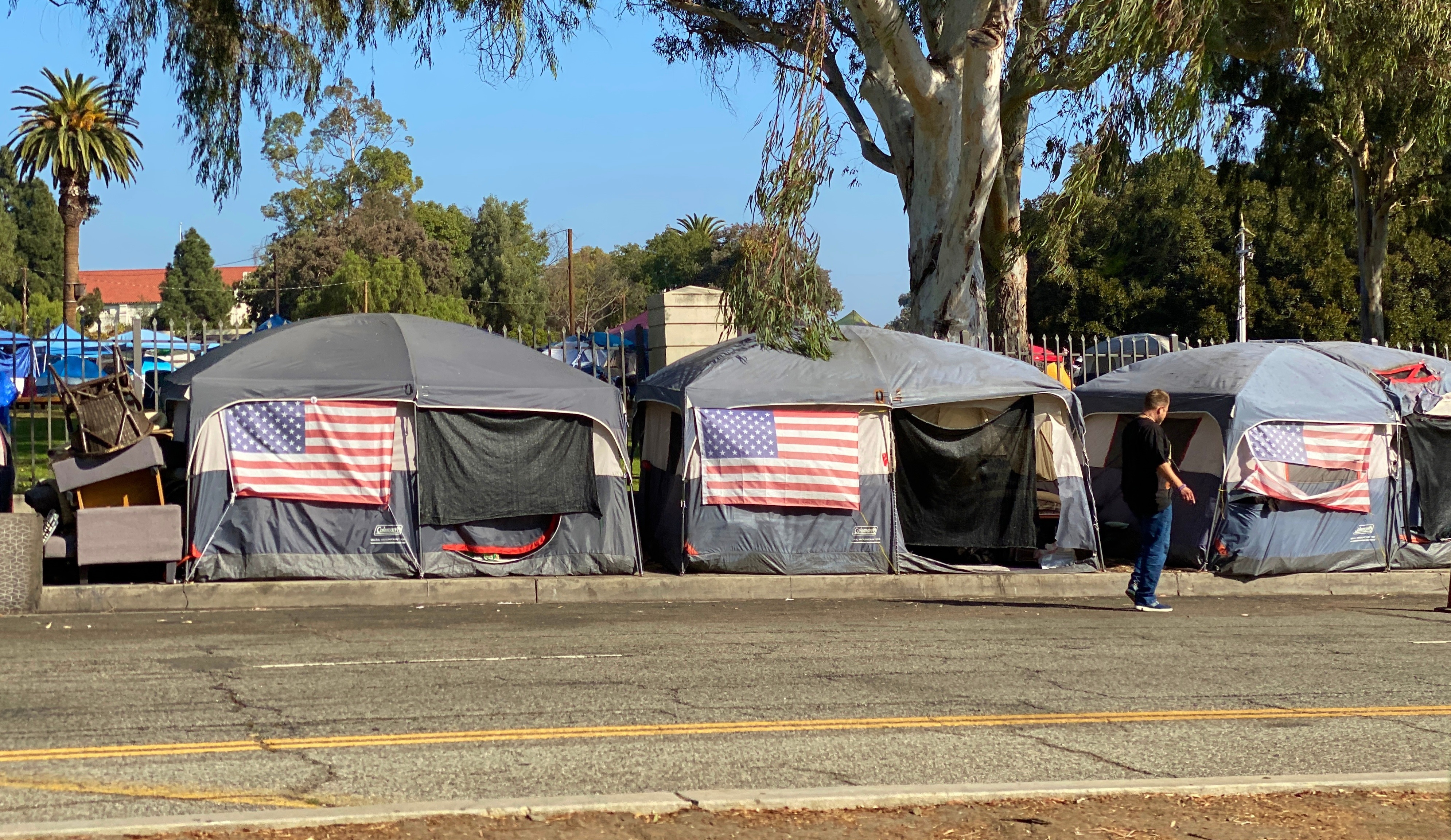
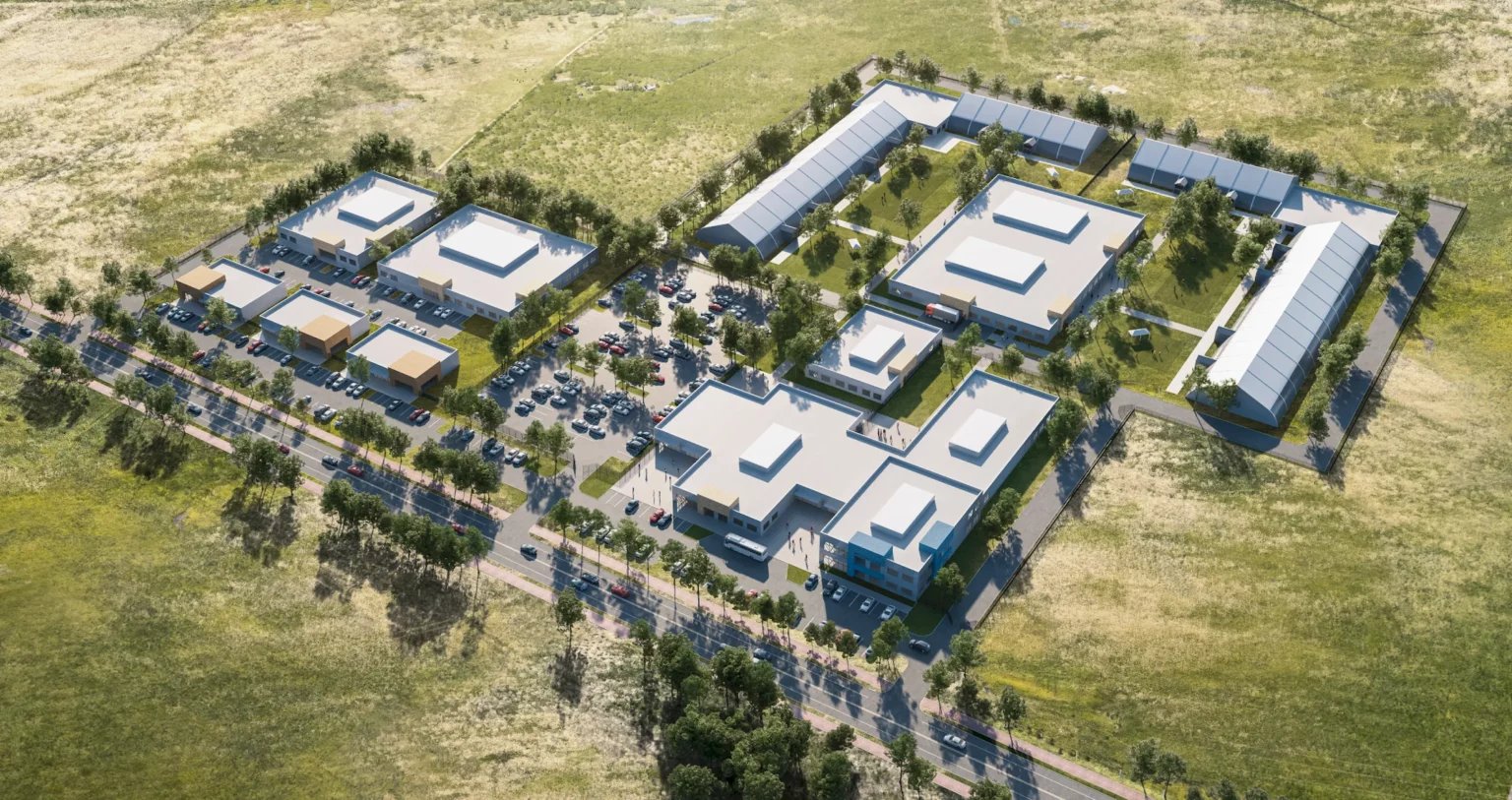
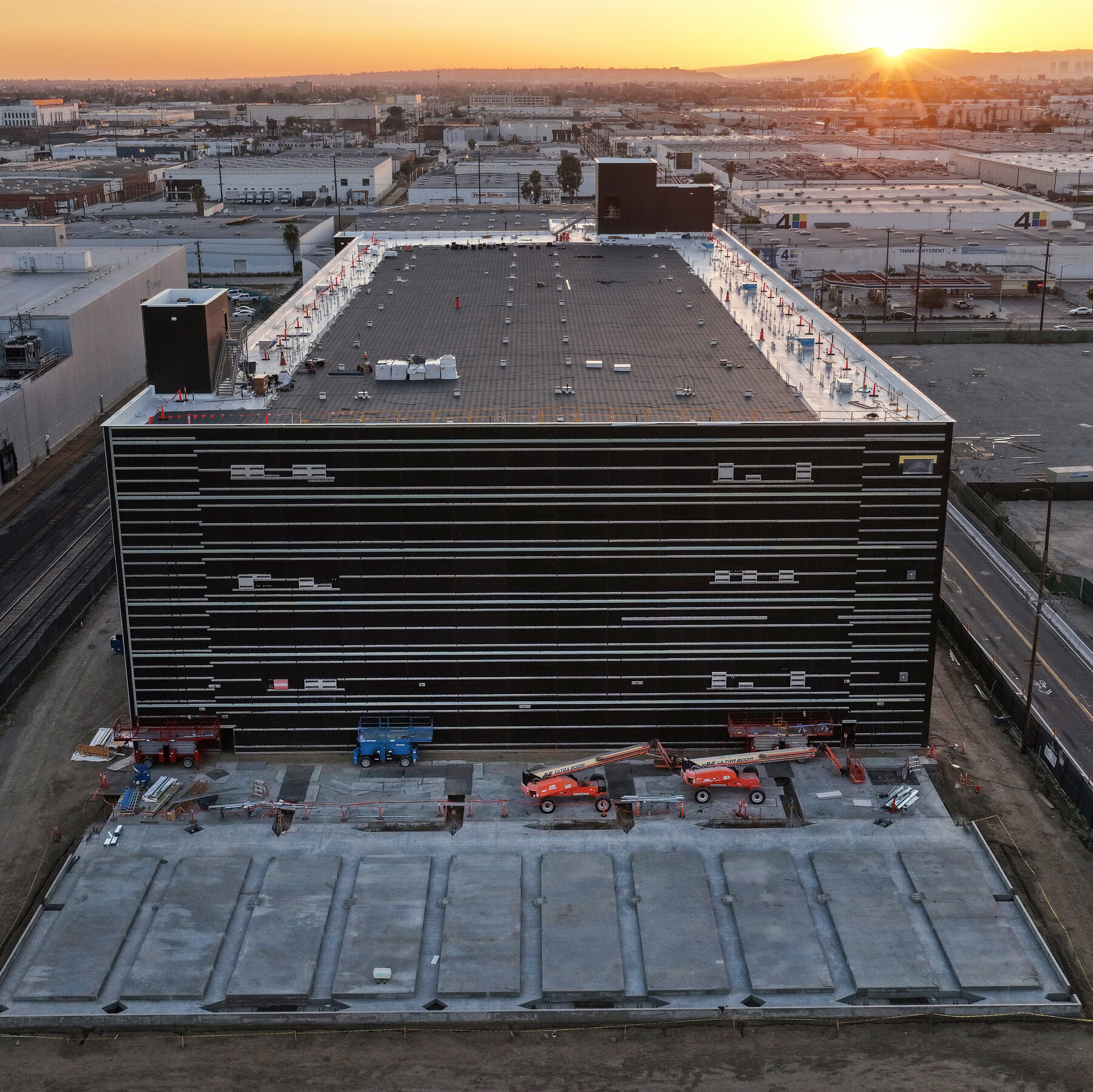
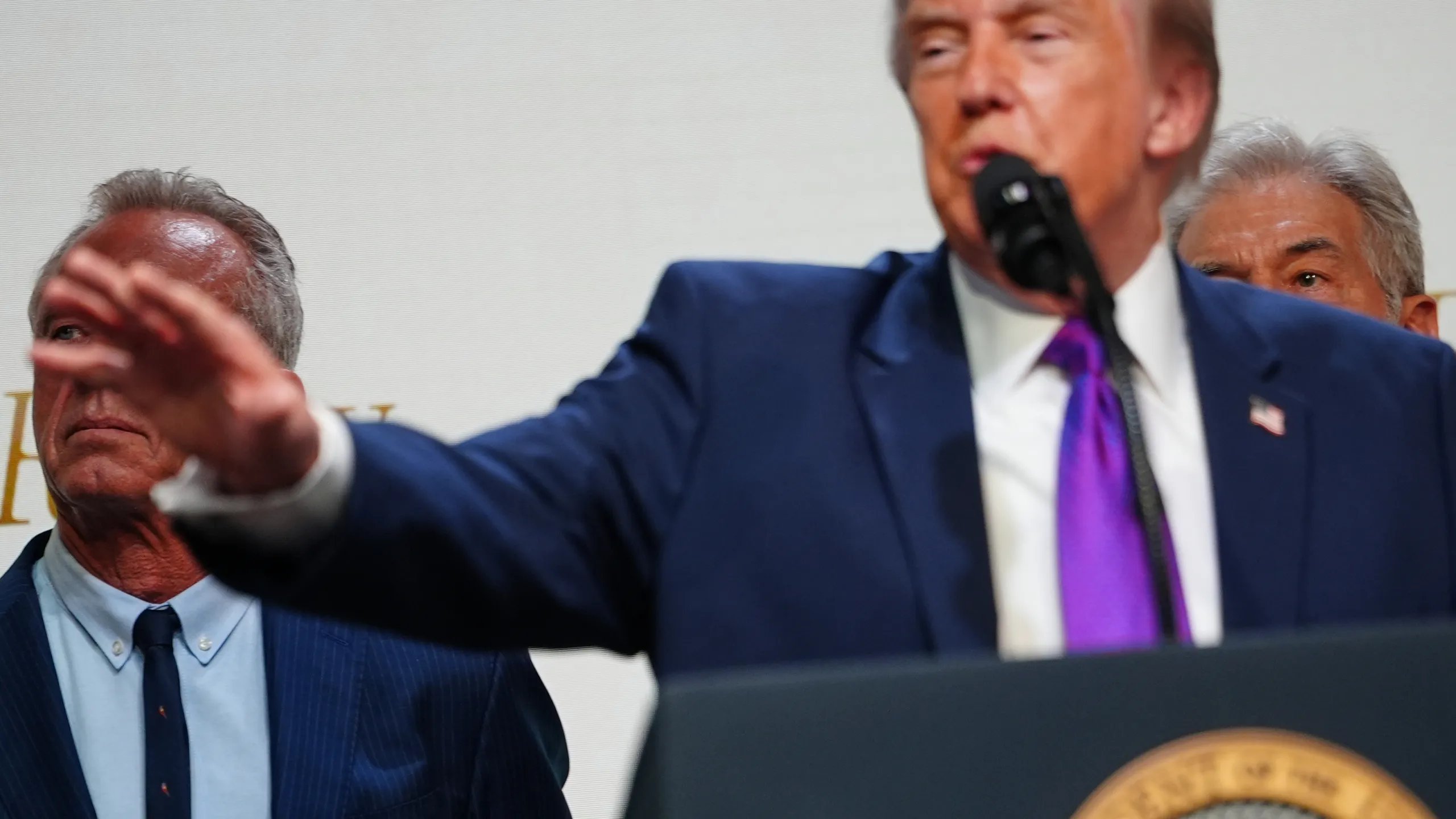
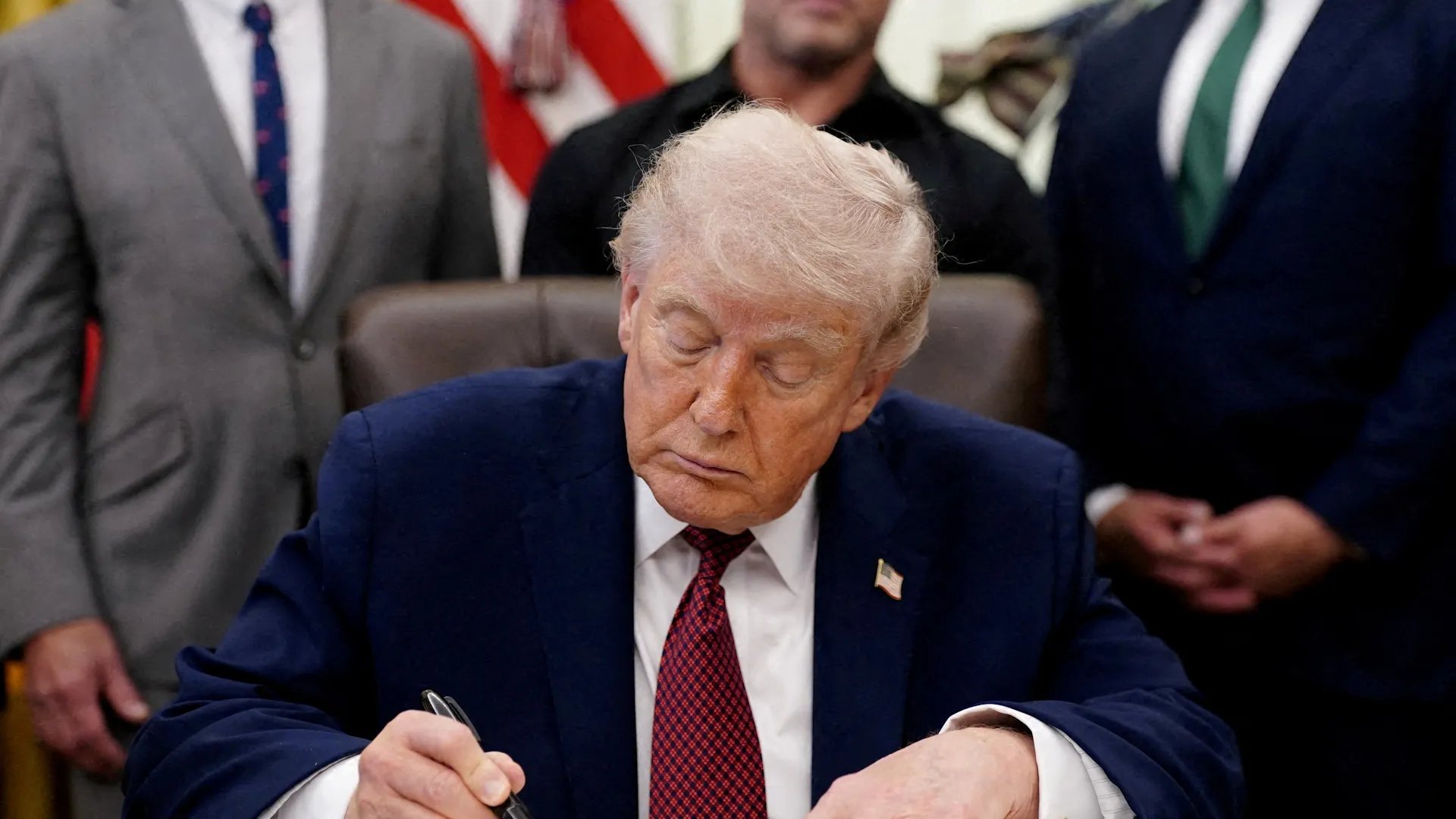
President Trump promised to house 6,000 homeless veterans at a new National Center for Warrior Independence on the West Los Angeles VA Campus. His April budget request allocated zero dollars to build new housing for any of them.
The administration terminated long-held private leases on the property. The VA described these as leases that had been "irresponsibly" held by private companies. But when the proposed budget finally came out in April, it included zero dollars for new beds, drawing bipartisan fire at a House Veterans Affairs Committee hearing this month.
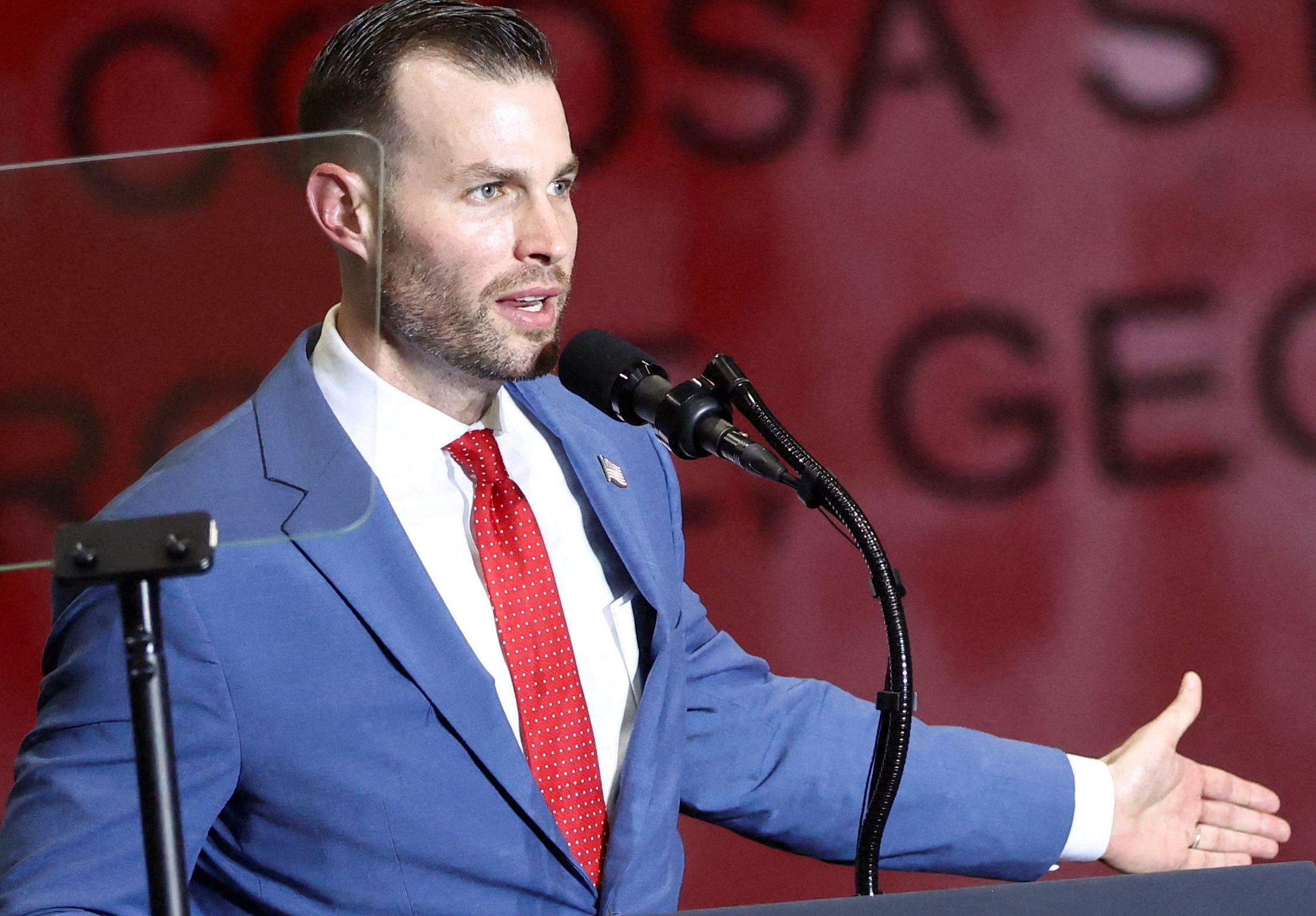
Republican Rep. Derrick Van Orden of Wisconsin said at the hearing: "There's no way in hell you're gonna come here and say $500 million is a down payment, and you can't tell me what the actual cost is. We're not doing this any longer. This is corruption, and it's gonna stop now."
Why the Figure Remains Unexplained
The 6,000-veteran target has never been publicly justified by the administration. The number is twice the total homeless veteran population in all of Los Angeles, and some observers questioned whether Trump planned to relocate homeless vets from across the country to a single location.
The House Veterans Affairs Committee received the plan for the National Center for Warrior Independence just the night before the May hearing, roughly eight months after it was due.
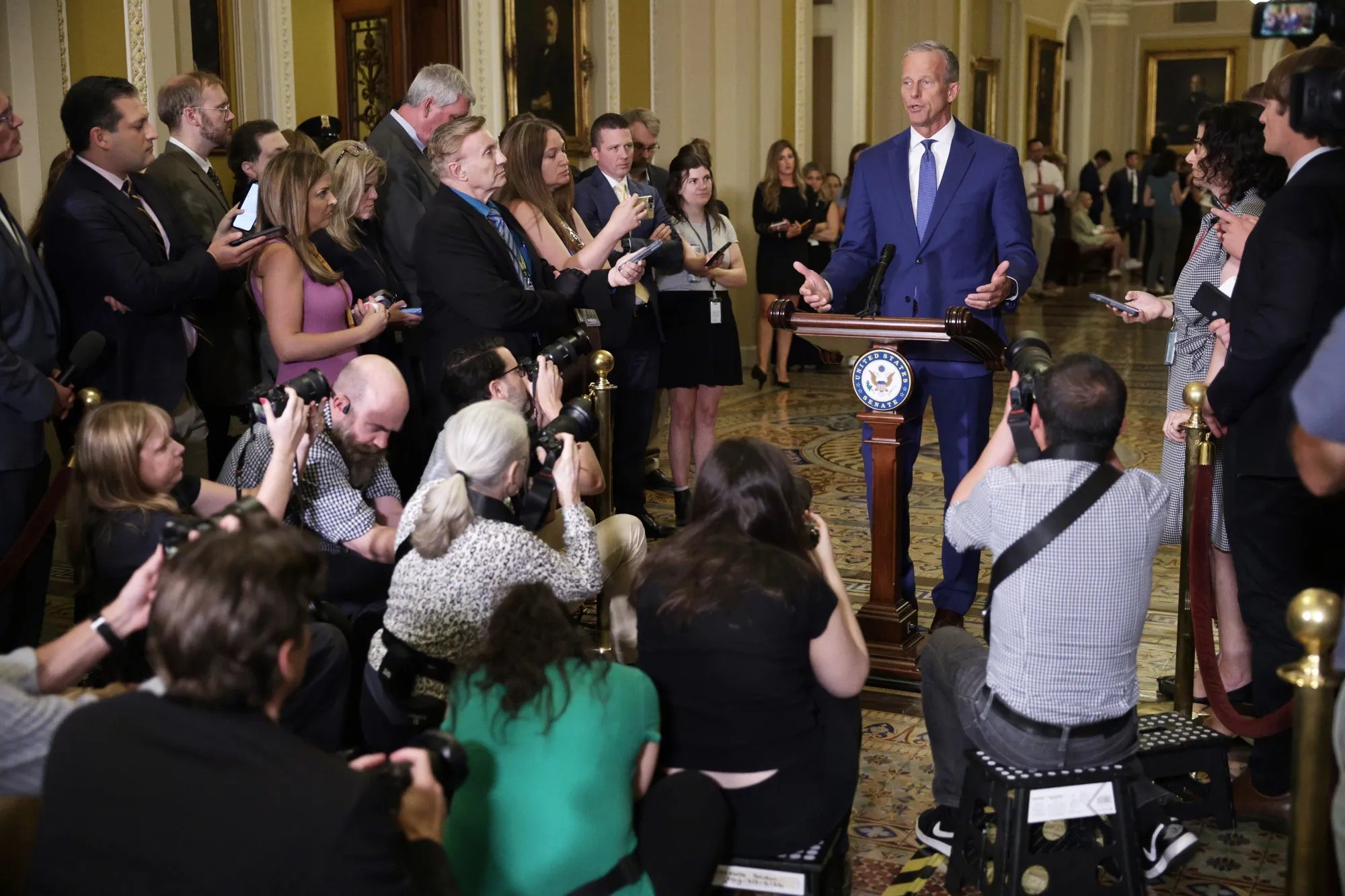
Republican committee chair Mike Bost asked VA officials: "Do you believe you are above congressional oversight?" He added: "Transparency should be a priority, not an option. If agreements, planning decisions or delays are hiding behind NDAs, the committee will demand answers."
The Campus's Long History of Delays
Housing construction on the West LA campus has stalled through four presidential administrations. LA veterans groups won two lawsuits in the past 15 years mandating that the VA immediately build more housing. The Biden administration appealed a 2024 court ruling and lost.
Runyan blamed lawsuits over land use for failures to brief Congress. She told lawmakers: "We have been embattled in litigation, litigation that we inherited when this administration took over. Going forward, we're happy to provide monthly updates to the committee."

Danielle Runyan, senior counselor to the VA secretary, testified that the campus added housing capacity, growing from 955 to 1,377 beds for veterans during the first year of the Trump administration.
The Skepticism From Watchdogs
Anthony Allman, with the group Vets Advocacy, has monitored the West LA campus project for 11 years. He pointed out that $98 million in the budget goes to renovate a building that the VA said it had funds to renovate in 2019. The VA did not respond to questions about where that money went.
"We've seen large amounts of money dedicated to this project over various administrations, and we can't really account for where that money goes," Allman said. He lost faith in the VA as a builder: "The VA is really a healthcare agency. It's not designed to be a community developer."
California Democrat U.S. Rep. Mark Takano warned at the hearing that without adequate supportive services, the concentration of veterans on campus "jeopardizes tenant safety, sobriety and mental health. If we do not act, I fear we will doom this property to become a vast West Side skid row."
One Veteran's Life Changed
Vincent Tourville, an Iraq War veteran diagnosed with combat PTSD, arrived at the West LA VA after years of homelessness. "I went from truck stop to truck stop, just drinking and just begging for money," he said. "I finally made it to Venice Beach, and I just sat there and I felt like I accomplished something."
The campus transformed his life. He progressed from a safe parking program where he slept in his car, to a bed with no conditions, to a drug-and-alcohol-free housing unit. VA staff got him diagnosed, helped him obtain disability benefits, and eventually secured an apartment for him and his 2-year-old son.
Yet Tourville lives with roaches in his building, including in his son's crib. He sees open drug use and prostitution on campus. "You can't come in demanding something when you're asking for help," he said, "but if you're part of this big organization that has all these resources and all these funds, there's certain standards that I feel should be met."



































































































































































The sources also report that the 6,000-veteran target is twice the total number of homeless veterans in all of Los Angeles, raising concerns about the administration's plans.