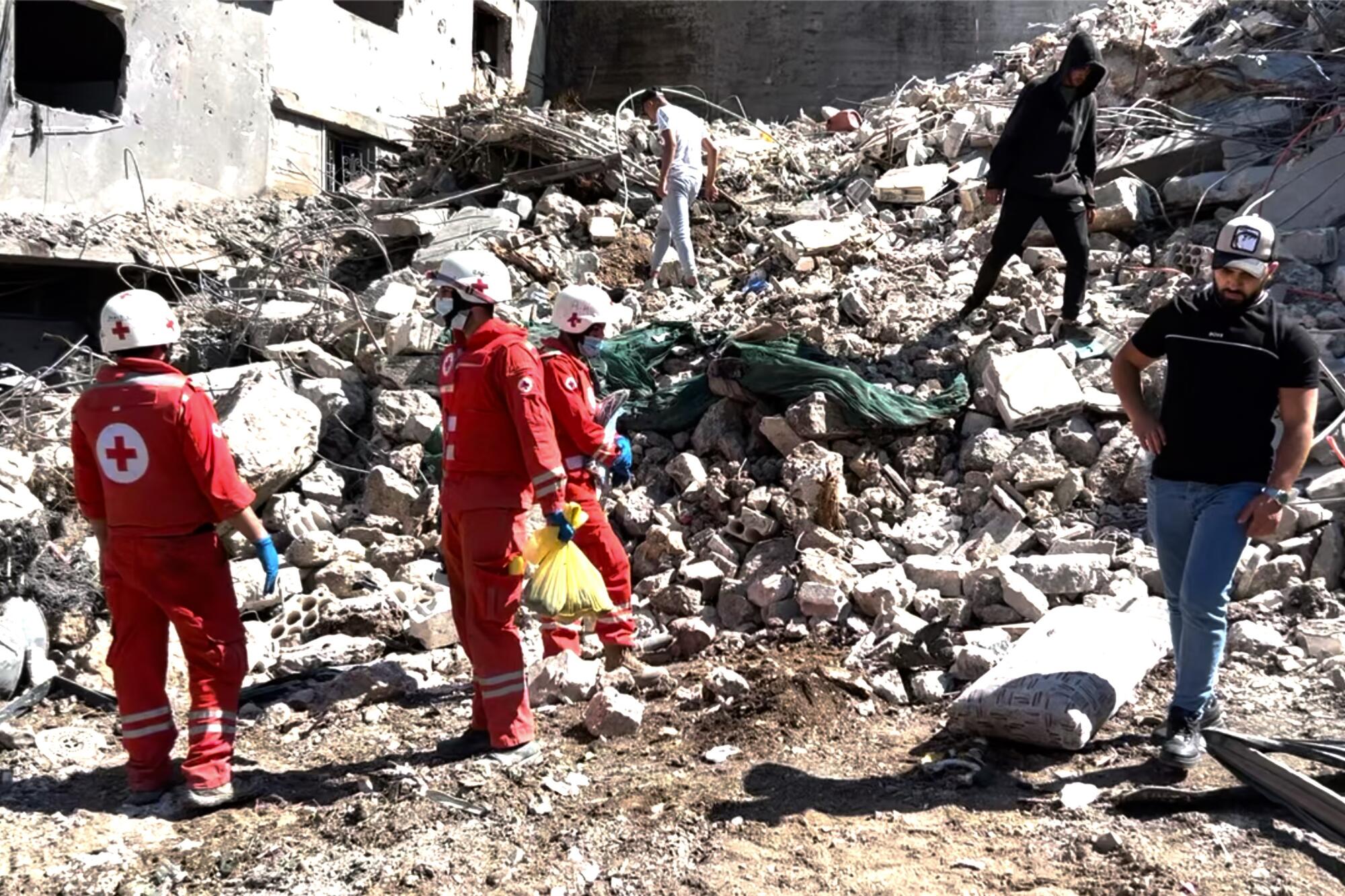
Authorities in Trinidad and Tobago have uncovered the remains of 56 bodies, including at least 50 infants, at a cemetery in Cumuto, approximately 40 kilometers east of the capital, Port of Spain. The Trinidad and Tobago Police Service (TTPS) stated that preliminary investigations suggest this may be a case of the "unlawful disposal of unclaimed corpses." Police Commissioner Allister Guevarro described the discovery as "deeply troubling," emphasizing the obligation to handle every cadaver with dignity and lawful care.
The bodies were found during a forensic examination initiated by local police. Among the adult remains, there were four men and two women, with five bearing identification tags typically used in morgues. Two of these adult bodies showed signs of having undergone post-mortem examinations. The investigation is ongoing, with specialized units, including homicide experts, deployed to the site.
Trinidad and Tobago has been grappling with a high crime rate, particularly linked to gang violence. In 2024, the nation recorded 623 murders. The US State Department reported the country was the sixth most dangerous in the world in 2023, with a murder rate of 37 per 100,000 people. The government, led by Prime Minister Kamla Persad-Bissessar, has extended a state of emergency initially declared in December 2024 to combat rising crime. Recent measures have included increased police powers to search and arrest, with 373 individuals detained under the emergency proclamation. Police have not established whether the discovery is linked to the gang violence that has plagued the nation.
As the investigation unfolds, further forensic analysis will be conducted to determine the origins of the remains and any potential breaches of law or procedure. The improper disposal of human remains is a criminal offense in Trinidad and Tobago, raising the stakes for accountability in this disturbing case. The police are committed to uncovering the truth behind this unsettling incident, as the nation grapples with the implications of such a tragic discovery in the midst of ongoing concerns about crime and public safety.
Authorities in Trinidad and Tobago have uncovered the remains of 56 bodies, including at least 50 infants, at a cemetery in Cumuto, approximately 40 kilometers east of the capital, Port of Spain. The Trinidad and Tobago Police Service (TTPS) stated that preliminary investigations suggest this may be a case of the "unlawful disposal of unclaimed corpses." Police Commissioner Allister Guevarro described the discovery as "deeply troubling," emphasizing the obligation to handle every cadaver with dignity and lawful care.
The bodies were found during a forensic examination initiated by local police. Among the adult remains, four men and two women were identified, with five of the adults bearing identification tags typically used in morgues. Two of these adult bodies showed signs of having undergone post-mortem examinations. The police have yet to confirm if any of the bodies have been officially identified, but the investigation is ongoing, with specialized units, including homicide experts, deployed to the site.
Trinidad and Tobago has been grappling with a high crime rate, particularly linked to gang violence. In 2024, the nation recorded 623 murders, making it one of the most dangerous countries in the world, with a murder rate of 37 per 100,000 people. The government, led by Prime Minister Kamla Persad-Bissessar, has extended a state of emergency initially declared in December 2024 to combat rising crime. Recent measures have included increased police powers to search and arrest, with 373 individuals detained under the emergency proclamation.
The discovery of these bodies has sparked outrage and concern within the local community. Guevarro acknowledged the emotional toll this situation will have on families and the broader society. He assured the public that the TTPS is approaching this investigation with urgency and sensitivity, vowing to hold accountable any individual or institution found to have violated legal protocols regarding the treatment of human remains.
As the investigation unfolds, further forensic analysis will be conducted to determine the origins of the remains and any potential breaches of law or procedure. The improper disposal of human remains is a criminal offense in Trinidad and Tobago, raising the stakes for accountability in this disturbing case. The police are committed to uncovering the truth behind this unsettling incident, as the nation grapples with the implications of such a tragic discovery in the midst of ongoing concerns about crime and public safety.
Highlighted text was flagged by the council. Tap to see feedback.



















































































































































































































The sources also report that Trinidad and Tobago's murder rate rose to 45.7 per 100,000 in 2024, a record high, before declining to about 27 per 100,000 in 2025.