




Attorneys General Launch Joint Investigation
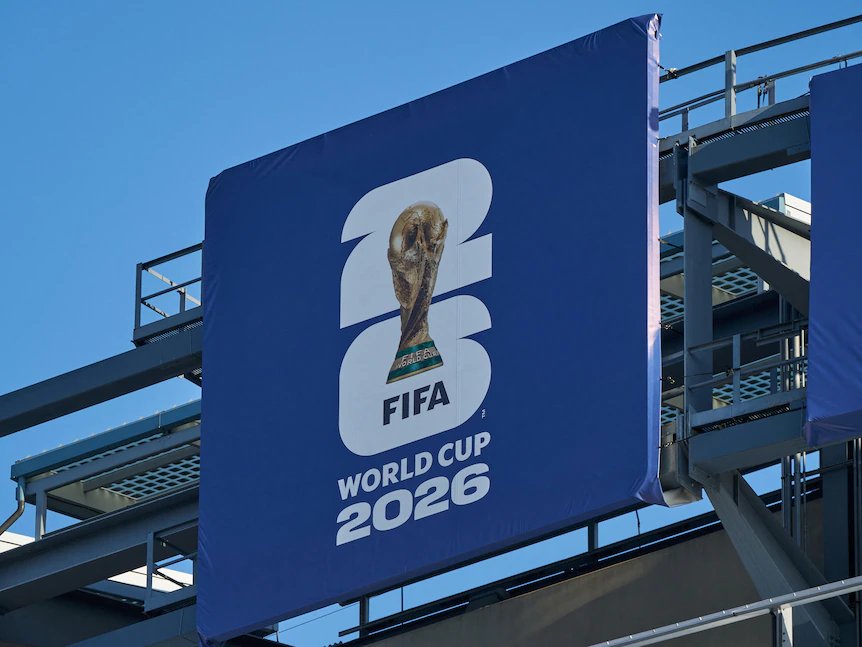
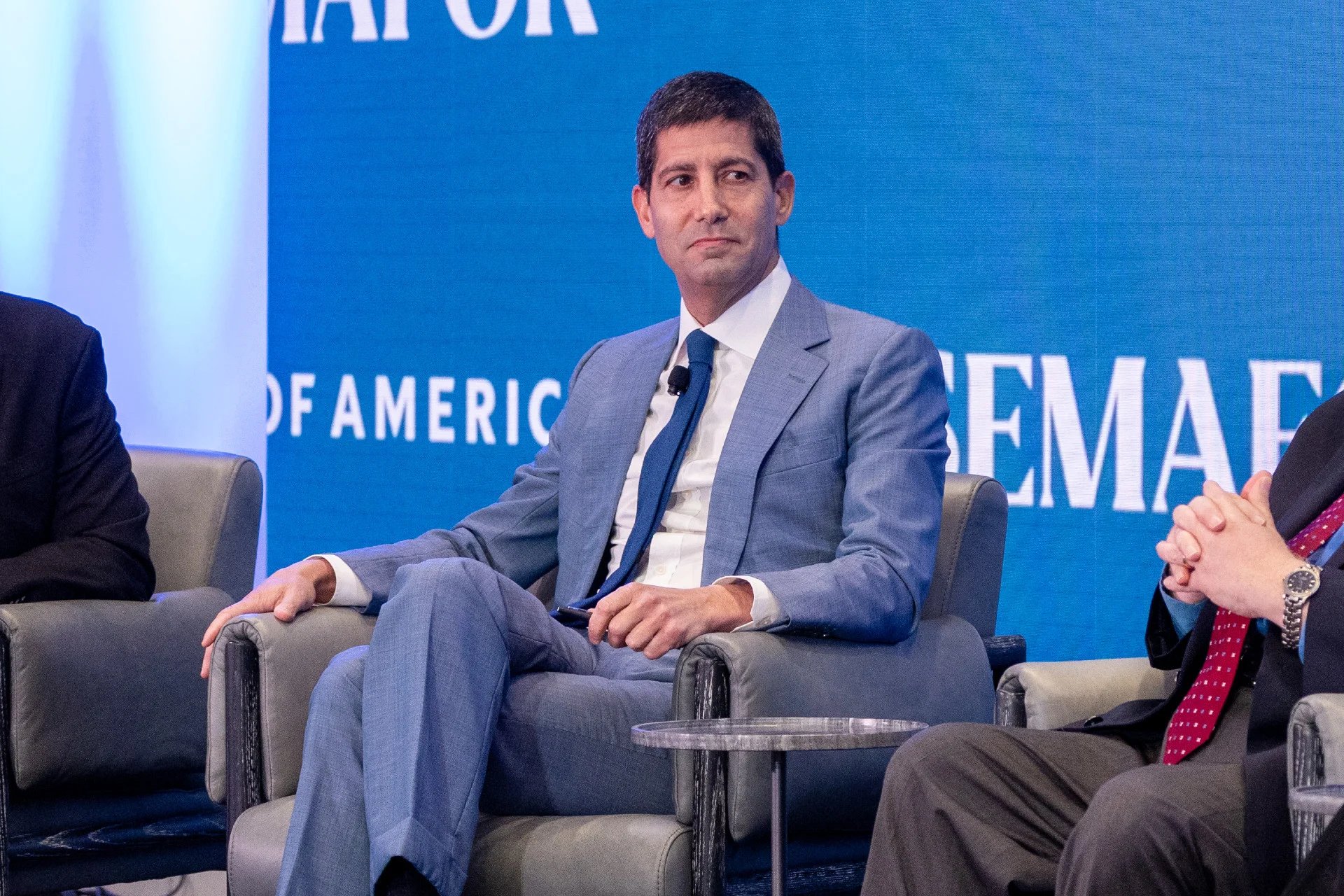
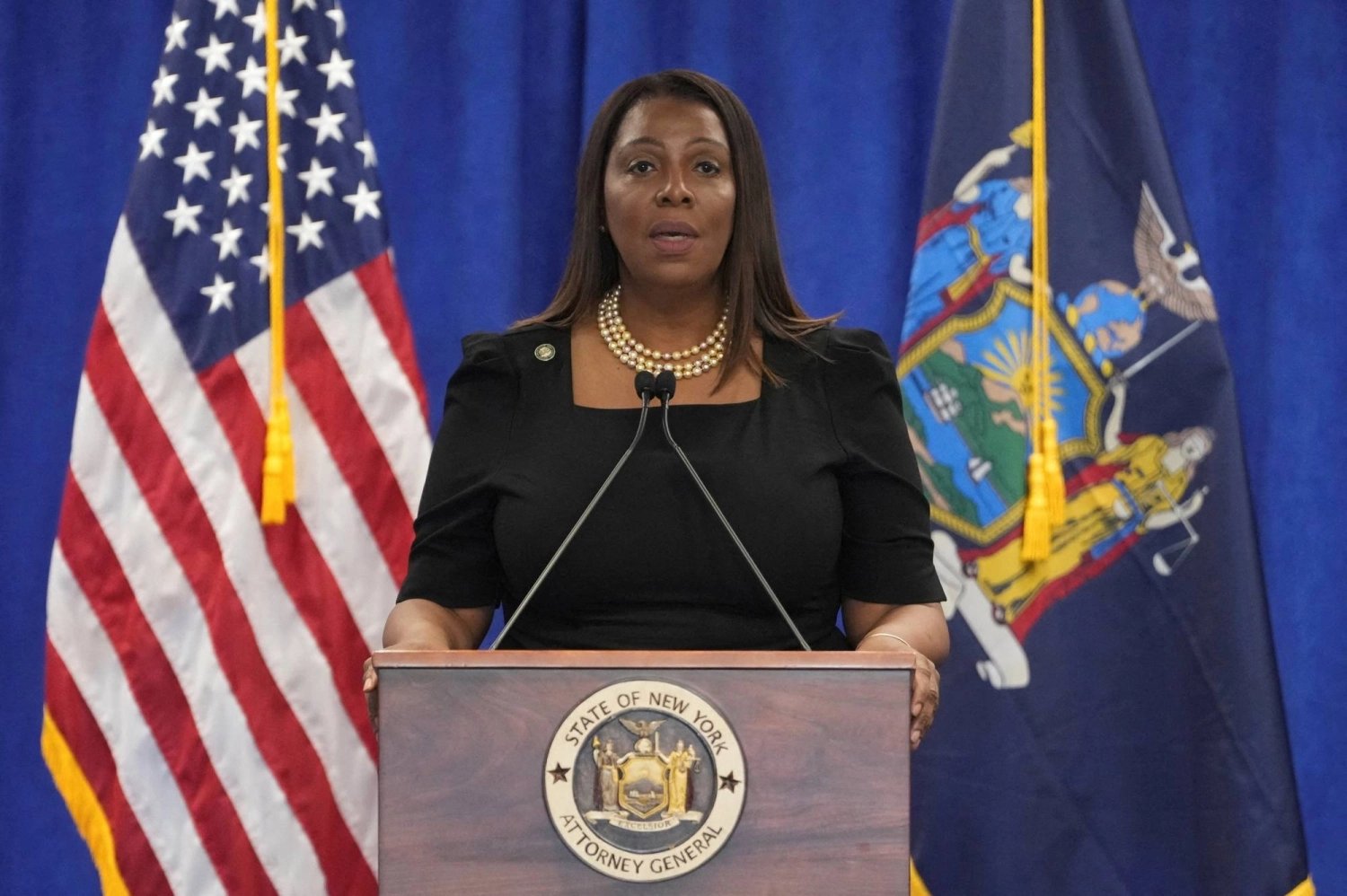
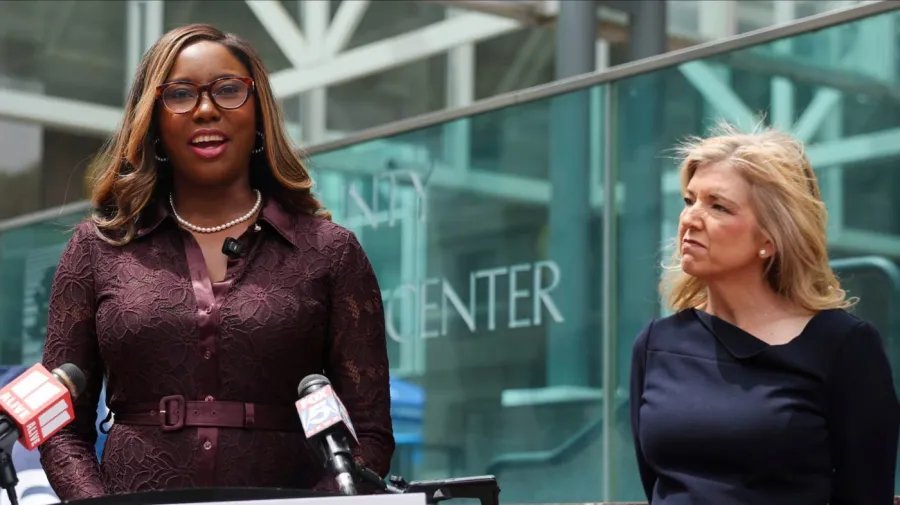
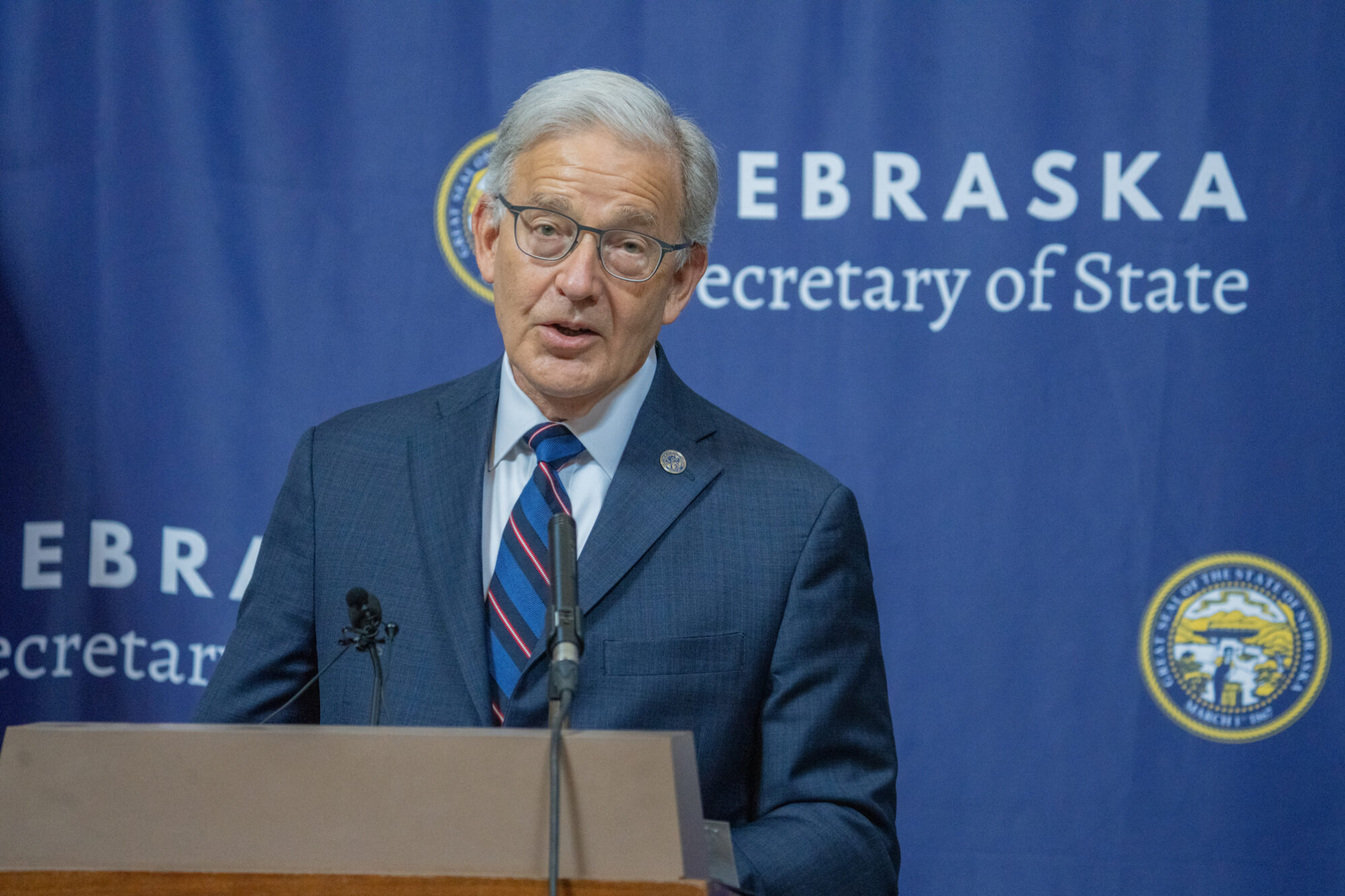
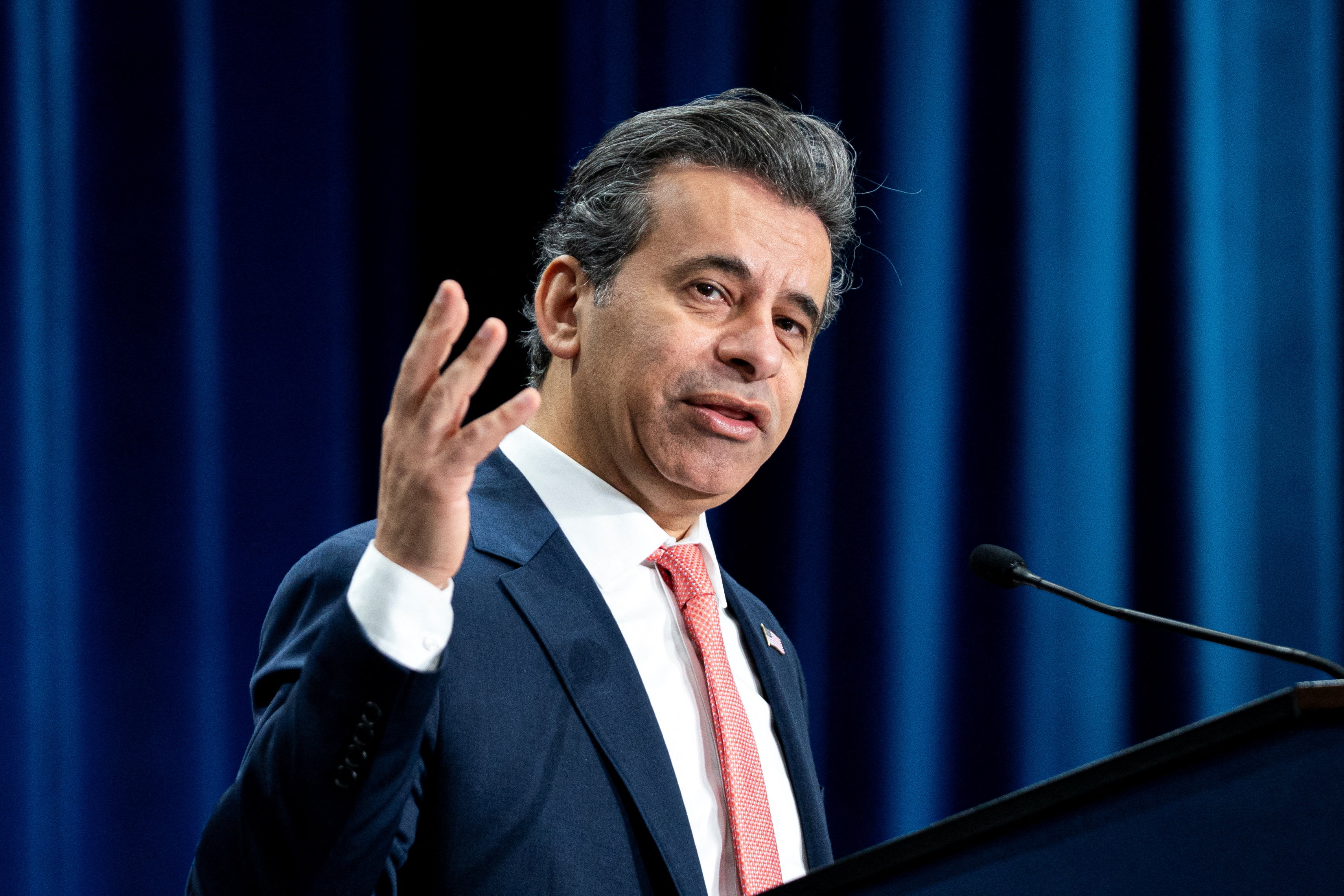
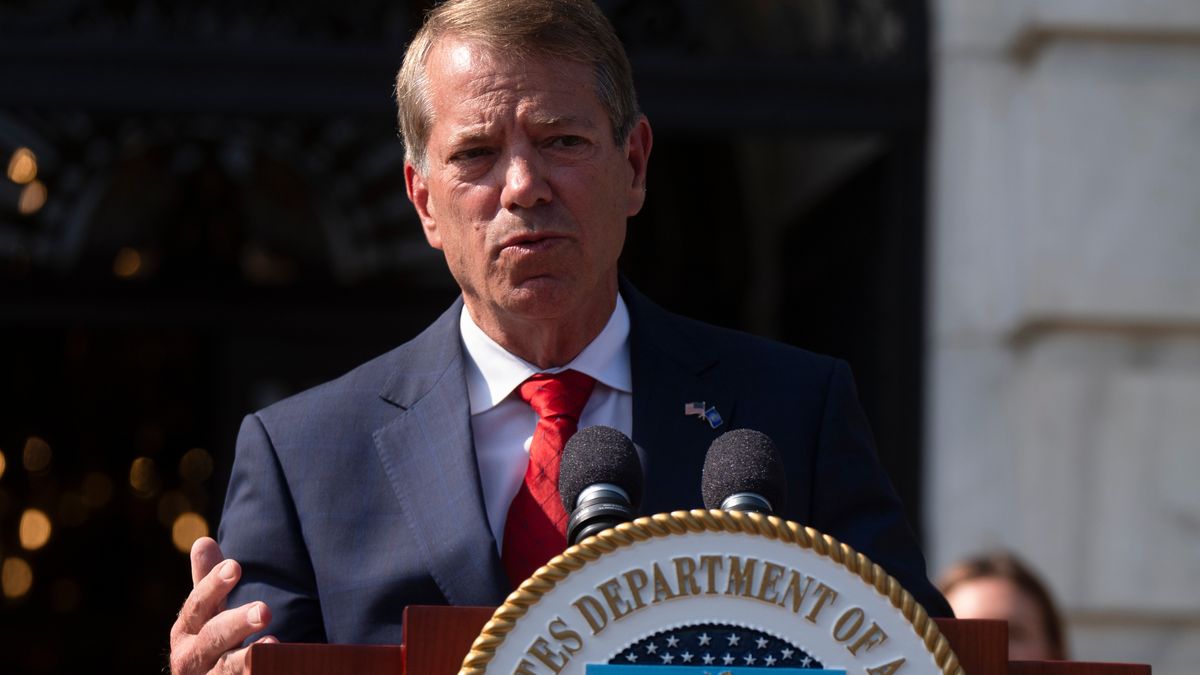
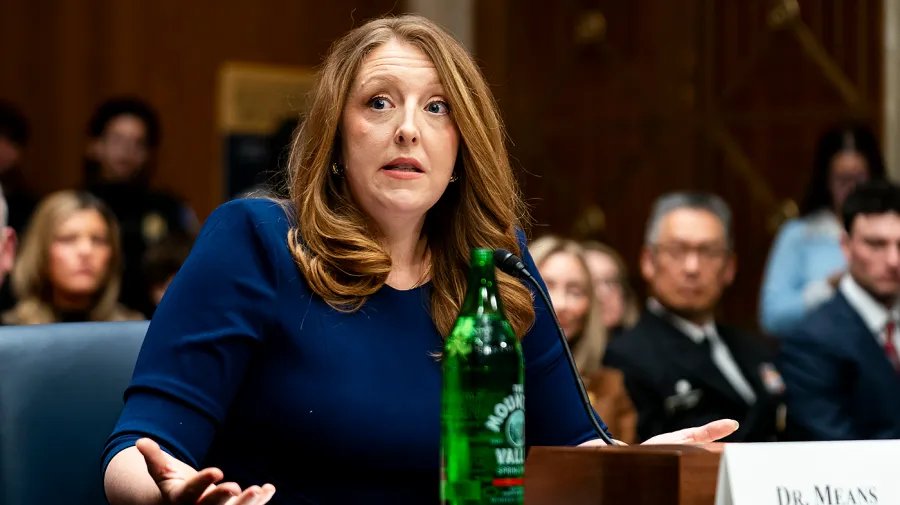
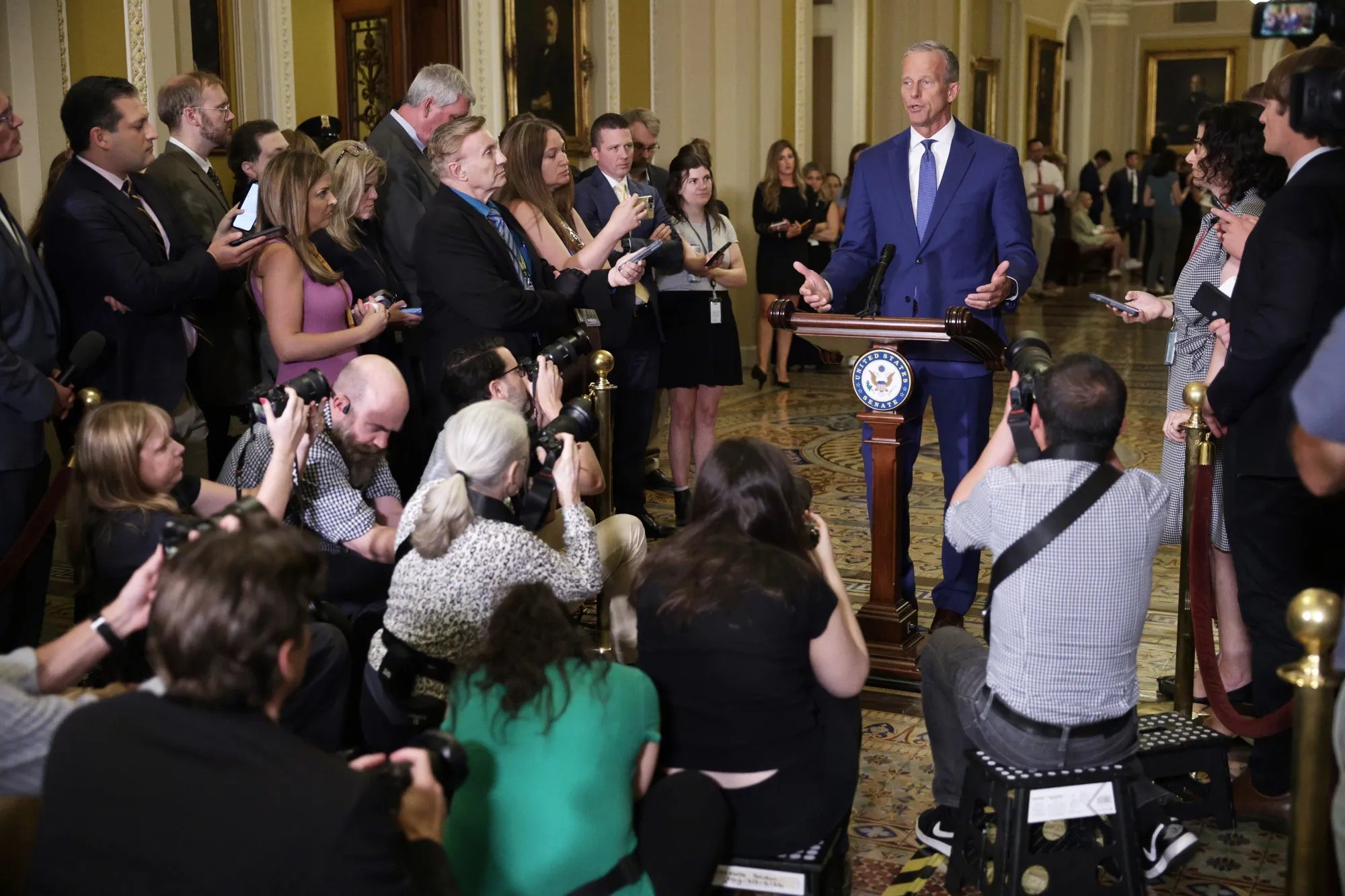
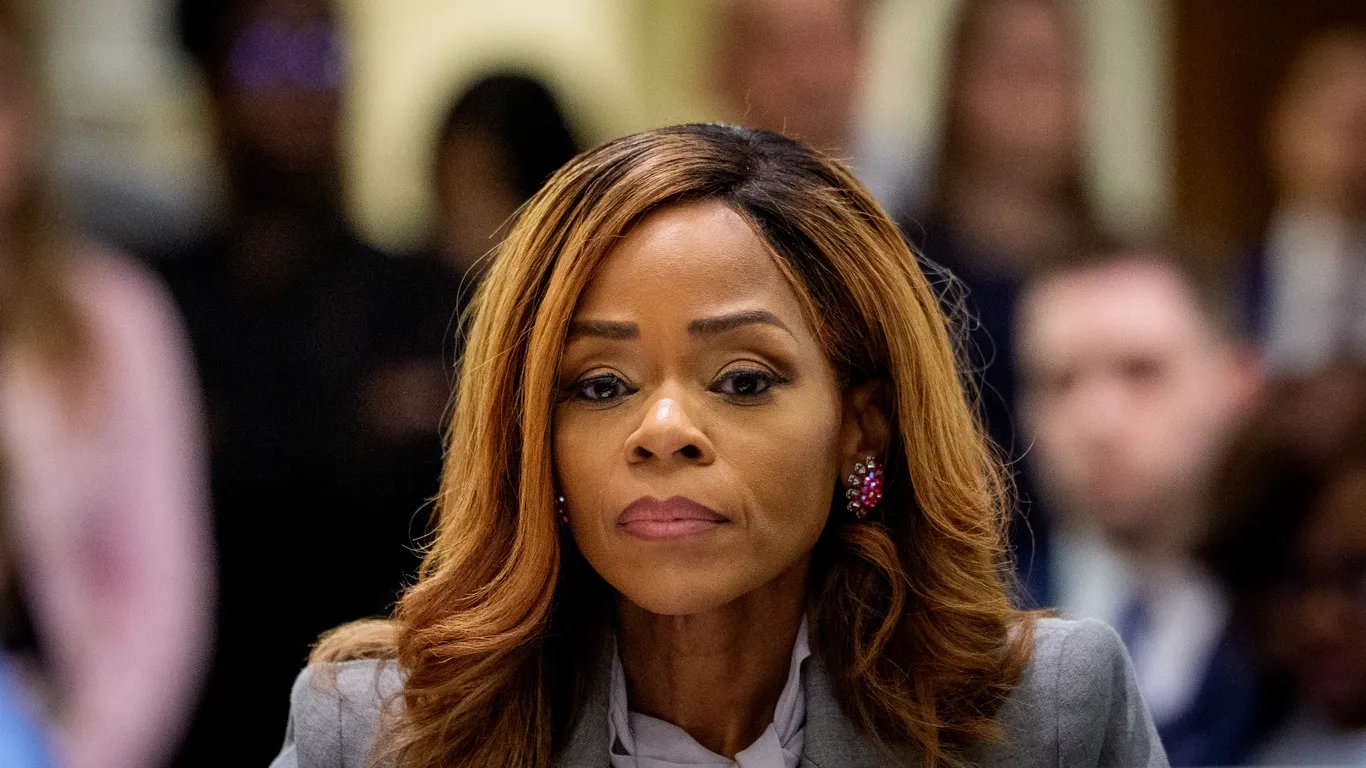
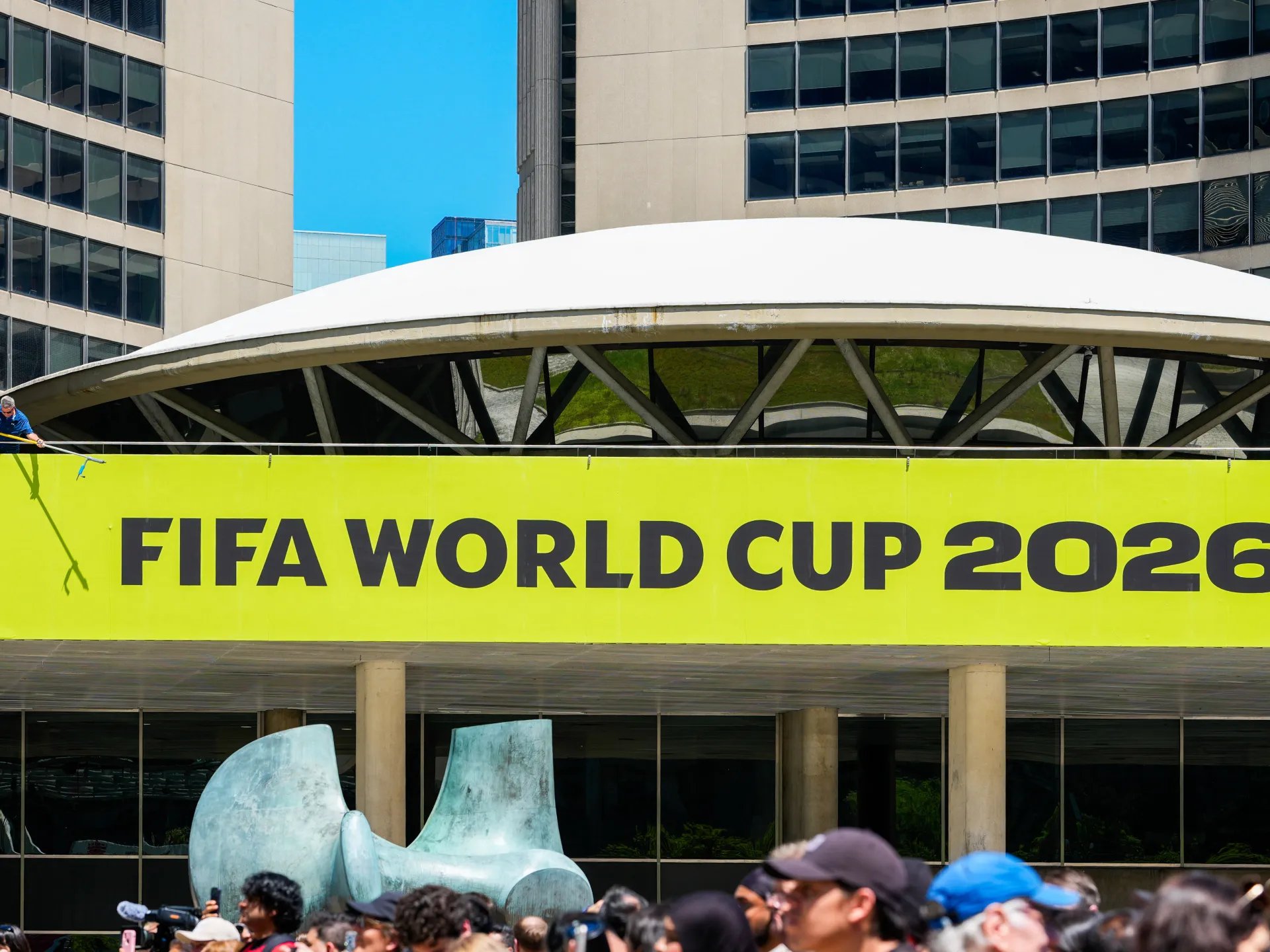
New York Attorney General Letitia James and New Jersey Attorney General Jennifer Davenport launched a joint probe into FIFA on Wednesday over its ticket sales practices for the 2026 World Cup. The probe examines sharply higher prices compared to previous tournaments and the organization's allocation methods that have left fans confused about seat locations. James said New Yorkers have waited years for the World Cup to reach their area and deserve a fair shot at affordable tickets.
Davenport stated that the event is not an invitation to exploit residents and visitors. FIFA President Gianni Infantino has justified the increases by saying the organization is adapting to the North American market and record demand.
Dynamic Pricing Drives Costs Skyward
FIFA introduced dynamic pricing for the first time this tournament which caused prices to rise during sales windows. The most expensive tickets for the final at MetLife Stadium in New Jersey started at $6,730 but reached $10,990 by April sales. A new Front Category of front-row seats in the lower bowl for the final now costs more than $30,000.
These figures far exceed prices from the 2022 tournament in Qatar where the top tickets sold for about $1,600.
Fans Face Blind Ticketing and Fake Scarcity
FIFA requires fans to choose from four broad categories initially before assigning specific seats later in the process. Stadium maps show Category 1 tickets covering large parts of the lower bowl but many sideline seats go to premium holders corporate sponsors and other categories. Fans who paid high prices for Category 1 tickets have ended up in corner seats or less desirable locations.
The organization releases tickets in periodic batches during the current last-minute sales window while urging immediate purchase. Buyers cannot determine if tickets offered on a given day represent the final inventory or if more will appear later at different prices. Derek Howard an attorney and University of San Francisco instructor described this as scare tactics that create artificial demand by warning fans they will miss a once-in-a-lifetime event.
FIFA Reserves Right to Alter Seating Charts
FIFA divides stadiums into price categories with lower sideline seats costing more than upper-level nosebleed sections. The organization retains authority to adjust seating charts after sales which can move fans from expected top-tier sections to previously lower-category areas. Its website notes that visual representations of ticket categories on maps serve only as guidance and may not match actual stadium layouts.
James said no one should face manipulation into paying sky-high prices and fans must trust they will receive the seats purchased. Howard called potential post-purchase category shifts a bait and switch that could expose FIFA to legal action despite its disclaimers. This blind system has existed in prior World Cups but never at these price levels which sparked the current outrage.
Potential Legal Consequences After Tournament
Legal experts said FIFA could face class-action lawsuits from fans long after the tournament ends in mid-July. Several Democratic lawmakers have written to FIFA demanding answers about its practices. California Attorney General Rob Bonta sent a letter last month raising concerns over potentially misleading ticketing methods and other attorneys general may join the probe.
FIFA had not responded to requests for comment. Experts noted it would prove difficult or impossible to overhaul sales processes with the tournament beginning in two weeks. Infantino has maintained that dynamic pricing reflects high United States sports standards and global demand while citing local laws that prevent bans on ticket resale.
Revenue Projections Contrast With Fan Frustration
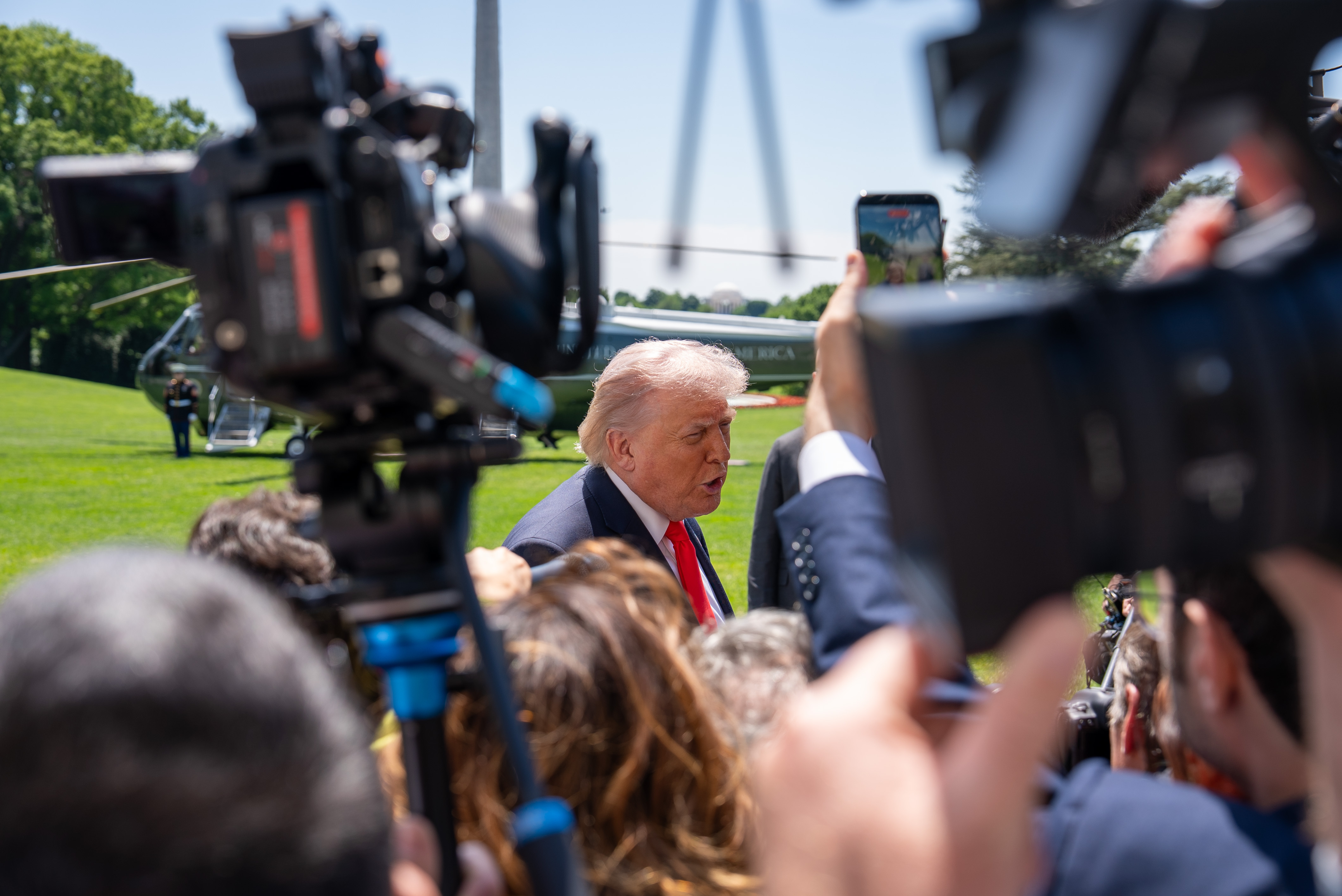
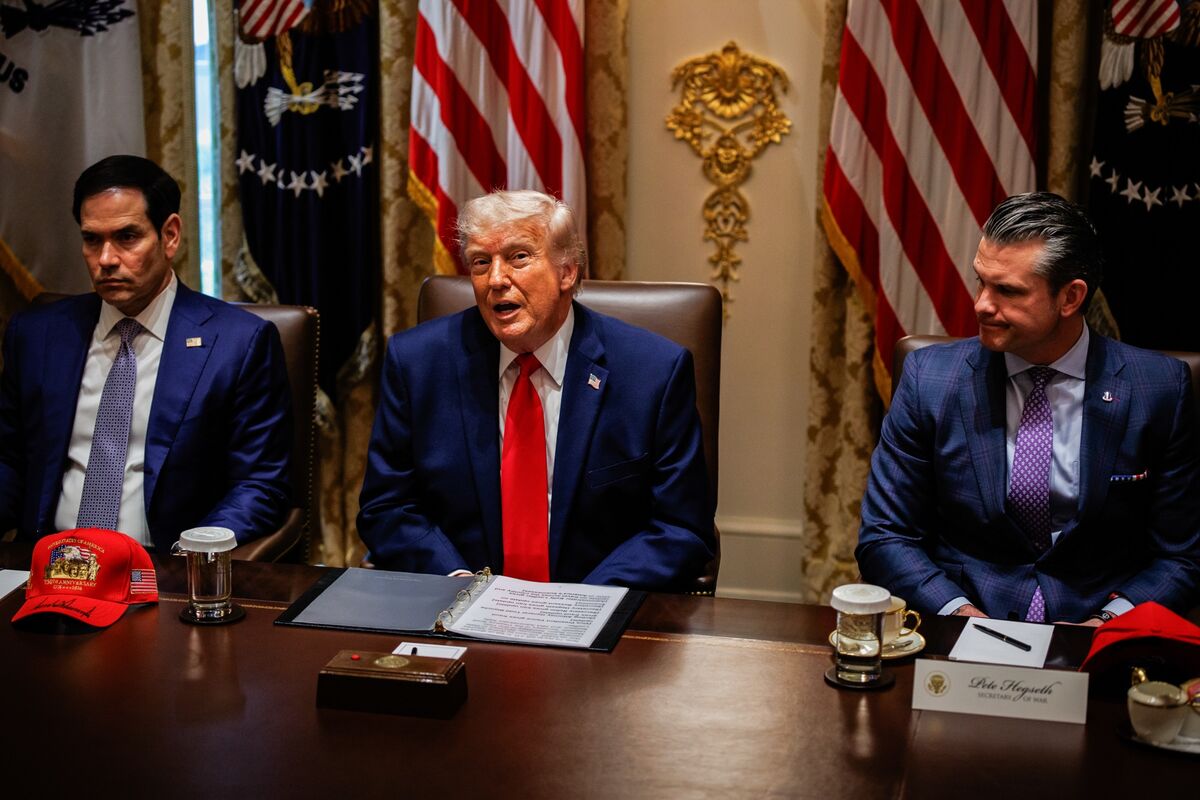
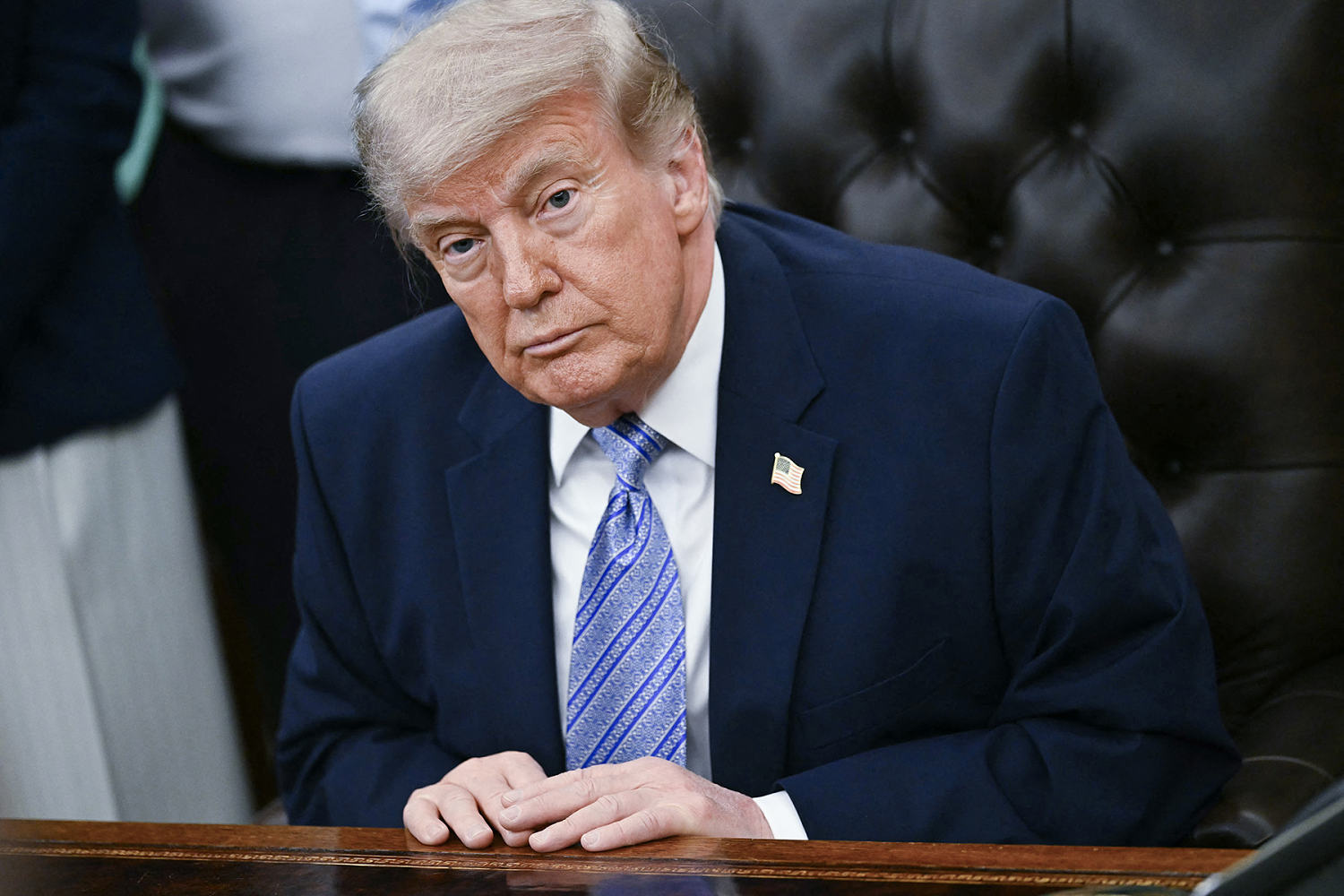
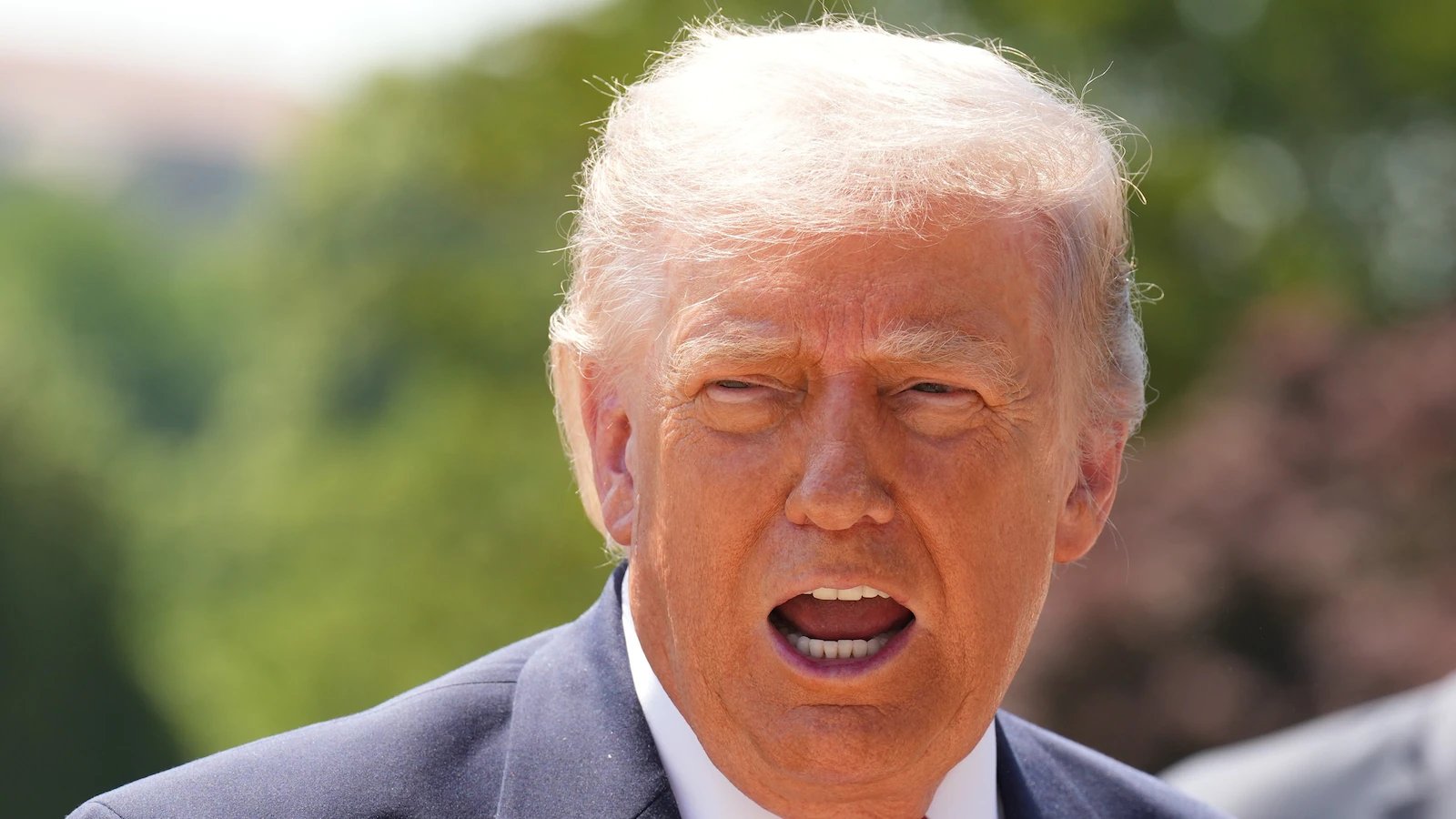
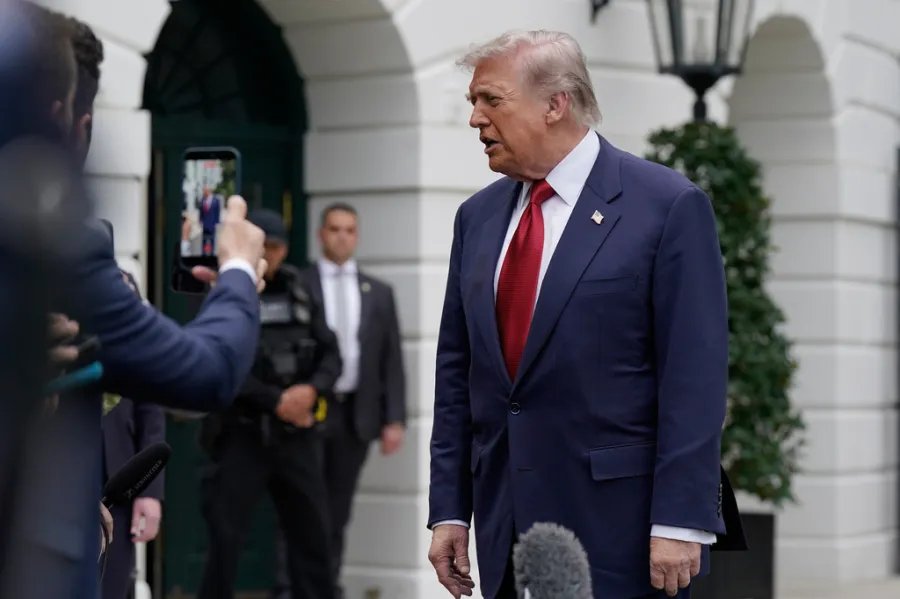
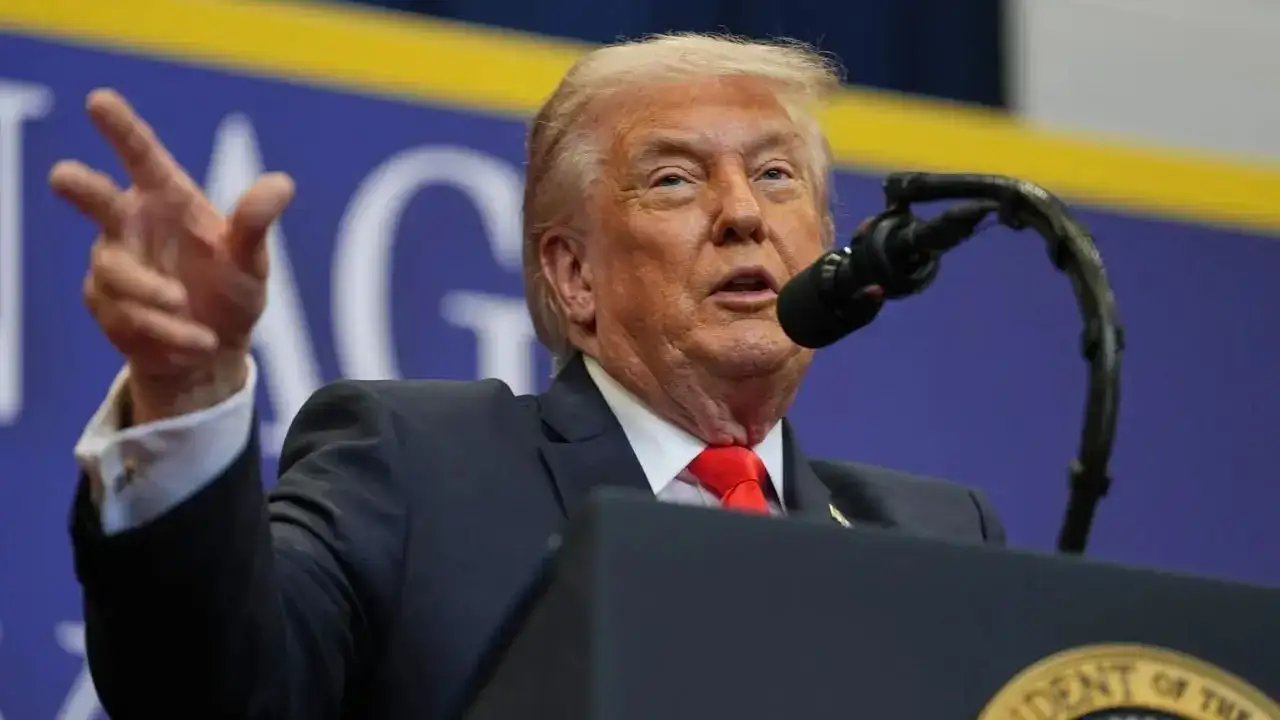
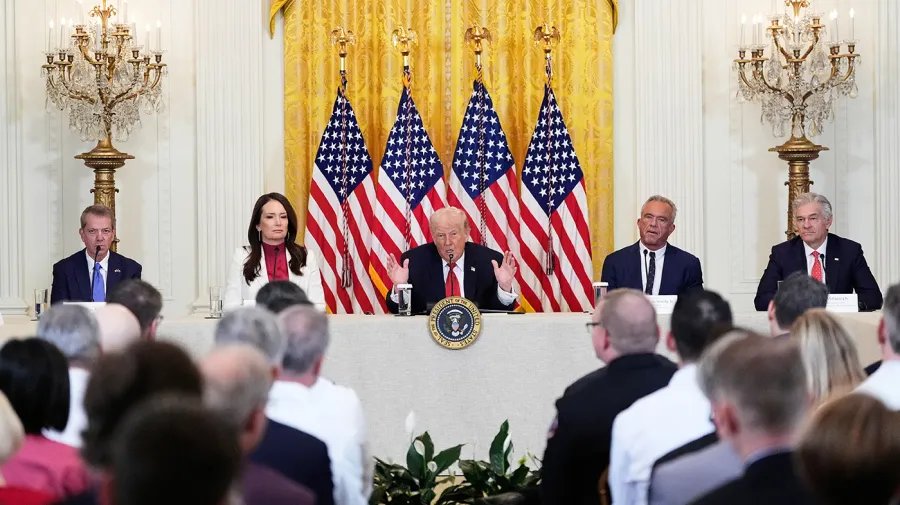
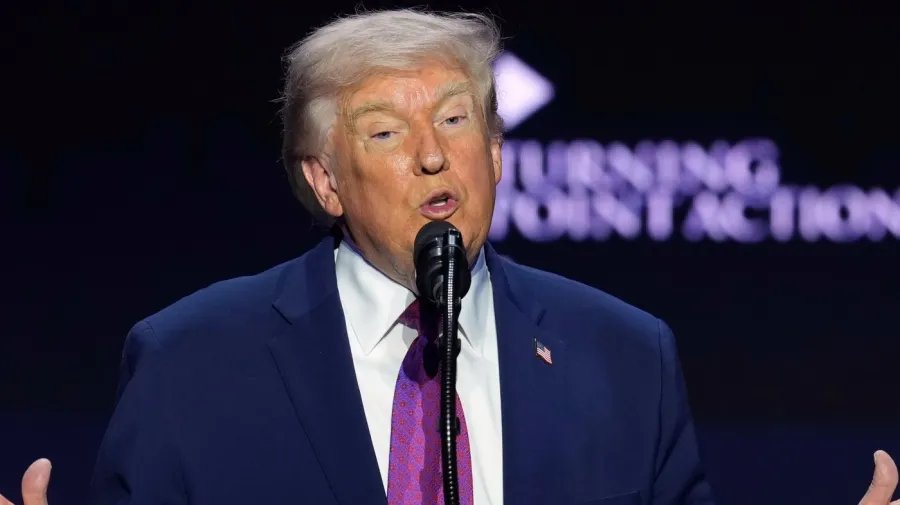
Infantino said the World Cup could generate more than $11 billion for FIFA including broadcast deals. This figure comes as the tournament features 39 teams across the United States Mexico and Canada. President Trump, who maintains a close relationship with Infantino, told the New York Post he would not pay roughly $1,000 for nosebleed seats for the U.S. game against Paraguay.
Supporters groups have filed formal complaints about pricing with the European Union. Additional costs for parking and train travel to stadiums have drawn separate criticism. FIFA released limited batches of lower-price tickets in attempts to ease concerns but these gestures produced little success.
The investigation highlights a shift toward greater accountability in sports governance as officials scrutinize practices that affect millions of fans and visitors. FIFA's next sales window will test whether the probe alters consumer behavior before the tournament kicks off. Fans planning purchases now face the concrete choice of paying current rates or risking missing matches entirely.