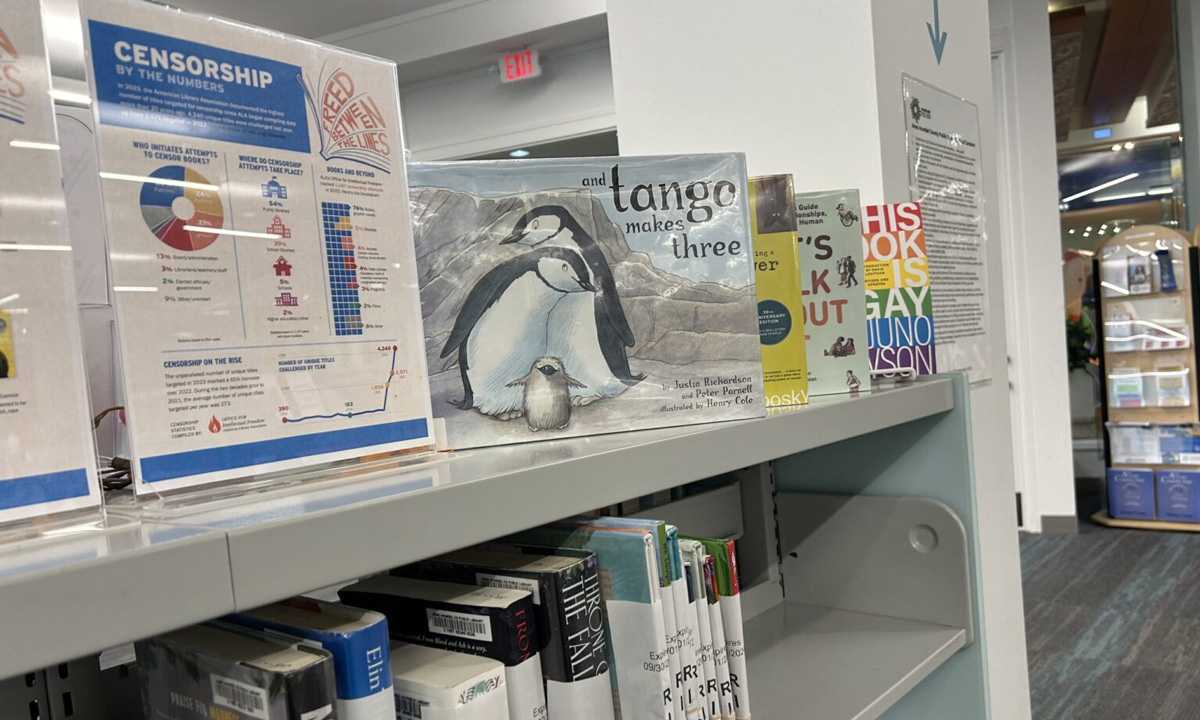
The American Library Association (ALA) reported a record 5,668 books banned in U.S. libraries in 2025, marking a 66% increase in censorship efforts. Additionally, 920 books faced restrictions through measures like relocation on library shelves, highlighting a trend in limiting access to literature.
Among the most frequently banned titles was "Sold," a 2006 novel by Patricia McCormick that addresses the harrowing issue of sex trafficking in India. Other notable mentions include "The Perks of Being a Wallflower" by Stephen Chbosky and "Gender Queer" by Maia Kobabe. The ALA's Office for Intellectual Freedom recorded challenges against 4,235 unique titles in 2025, the second highest since the organization began tracking such data more than 30 years ago, topped only by 4,240 titles in 2023.
The ALA's findings reveal that 92% of book bans came from pressure groups, decision-makers, or government officials, compared with 72% in 2024. Sarah Lamdan, executive director of the ALA's Office for Intellectual Freedom, emphasized that the current wave of censorship is not driven by concerned parents but rather reflects a politically motivated campaign targeting the stories of LGBTQIA+ and BIPOC individuals. This shift raises questions about the motivations behind such restrictions and their impact on diverse narratives in literature.
Several states, including Florida, Texas, and Utah, have enacted laws that restrict access to books based on content related to sexual orientation and gender identity. In Iowa, a recent appellate court ruling allowed the state to enforce a law limiting discussions of LGBTQ+ topics in certain school grades and banning specific books. These legislative actions contribute to a growing environment of censorship in educational settings, where access to diverse perspectives is increasingly under threat.
The ALA's annual list of the most challenged books reveals a troubling pattern. The top ten list for 2025 includes: 1. "Sold" by Patricia McCormick 2. "The Perks of Being a Wallflower" by Stephen Chbosky 3. "Gender Queer: A Memoir" by Maia Kobabe 4. "Empire of Storms" by Sarah J. Maas 5. (tie) "Last Night at the Telegraph Club" by Malinda Lo 5. (tie) "Tricks" by Ellen Hopkins 7. "A Court of Thorns and Roses" by Sarah J. Maas 8. (tie) "A Clockwork Orange" by Anthony Burgess 8. (tie) "Identical" by Ellen Hopkins 8. (tie) "Looking for Alaska" by John Green 8. (tie) "Storm and Fury" by Jennifer L. Armentrout
The ALA found that 40% of the materials challenged in 2025 involved representations of LGBTQ+ people or people of color. As censorship efforts intensify, the fundamental right to access diverse narratives in literature faces unprecedented challenges.
The American Library Association (ALA) reported a staggering 5,668 books banned in U.S. libraries in 2025, marking a 66% increase in censorship efforts. This figure represents the highest number of books banned in a single year since the ALA began tracking such data over three decades ago. Additionally, 920 books faced restrictions through measures like relocation on library shelves, highlighting an alarming trend in limiting access to literature.
Among the most frequently banned titles was "Sold," a 2006 novel by Patricia McCormick that addresses the harrowing issue of sex trafficking in India. Other notable mentions include "The Perks of Being a Wallflower" by Stephen Chbosky and "Gender Queer" by Maia Kobabe. The ALA's Office for Intellectual Freedom recorded challenges against 4,235 unique titles in 2025, second only to the previous record of 4,240 titles challenged in 2023.
The ALA's findings reveal that 92% of book bans stem from coordinated efforts by pressure groups, decision-makers, or government officials, a significant increase from 72% in 2024. Sarah Lamdan, executive director of the ALA's Office for Intellectual Freedom, emphasized that the current wave of censorship is not driven by concerned parents but rather reflects a politically motivated campaign targeting the stories of LGBTQIA+ and BIPOC individuals. This shift raises questions about the motivations behind such restrictions and their impact on diverse narratives in literature.
Several states, including Florida, Texas, and Utah, have enacted laws that restrict access to books based on content related to sexual orientation and gender identity. In Iowa, a recent appellate court ruling allowed the state to enforce a law limiting discussions of LGBTQ+ topics in certain school grades and banning specific books. These legislative actions contribute to a growing environment of censorship in educational settings, where access to diverse perspectives is increasingly under threat.
The ALA's annual list of the most challenged books reveals a troubling pattern. The top ten list for 2025 includes:
1. "Sold" by Patricia McCormick
2. "The Perks of Being a Wallflower" by Stephen Chbosky
3. "Gender Queer: A Memoir" by Maia Kobabe
4. "Empire of Storms" by Sarah J. Maas
5. (tie) "Last Night at the Telegraph Club" by Malinda Lo
5. (tie) "Tricks" by Ellen Hopkins
7. "A Court of Thorns and Roses" by Sarah J. Maas
8. (tie) "A Clockwork Orange" by Anthony Burgess
8. (tie) "Identical" by Ellen Hopkins
8. (tie) "Looking for Alaska" by John Green
8. (tie) "Storm and Fury" by Jennifer L. Armentrout
The surge in book bans raises concerns about the future of access to literature, particularly for young readers. With 40% of challenged materials representing LGBTQ+ individuals or people of color, the implications of these bans extend beyond libraries and into the broader cultural discourse on representation and inclusion. As censorship efforts intensify, the fundamental right to access diverse narratives in literature faces unprecedented challenges.
The ALA's report serves as a call to action for advocates of intellectual freedom to resist censorship and protect the availability of all literature in libraries across the nation.
Highlighted text was flagged by the council. Tap to see feedback.






















































































































































































The sources also report that 2.7% of book challenges were attributed to parents, while 1.4% came from individual library users.