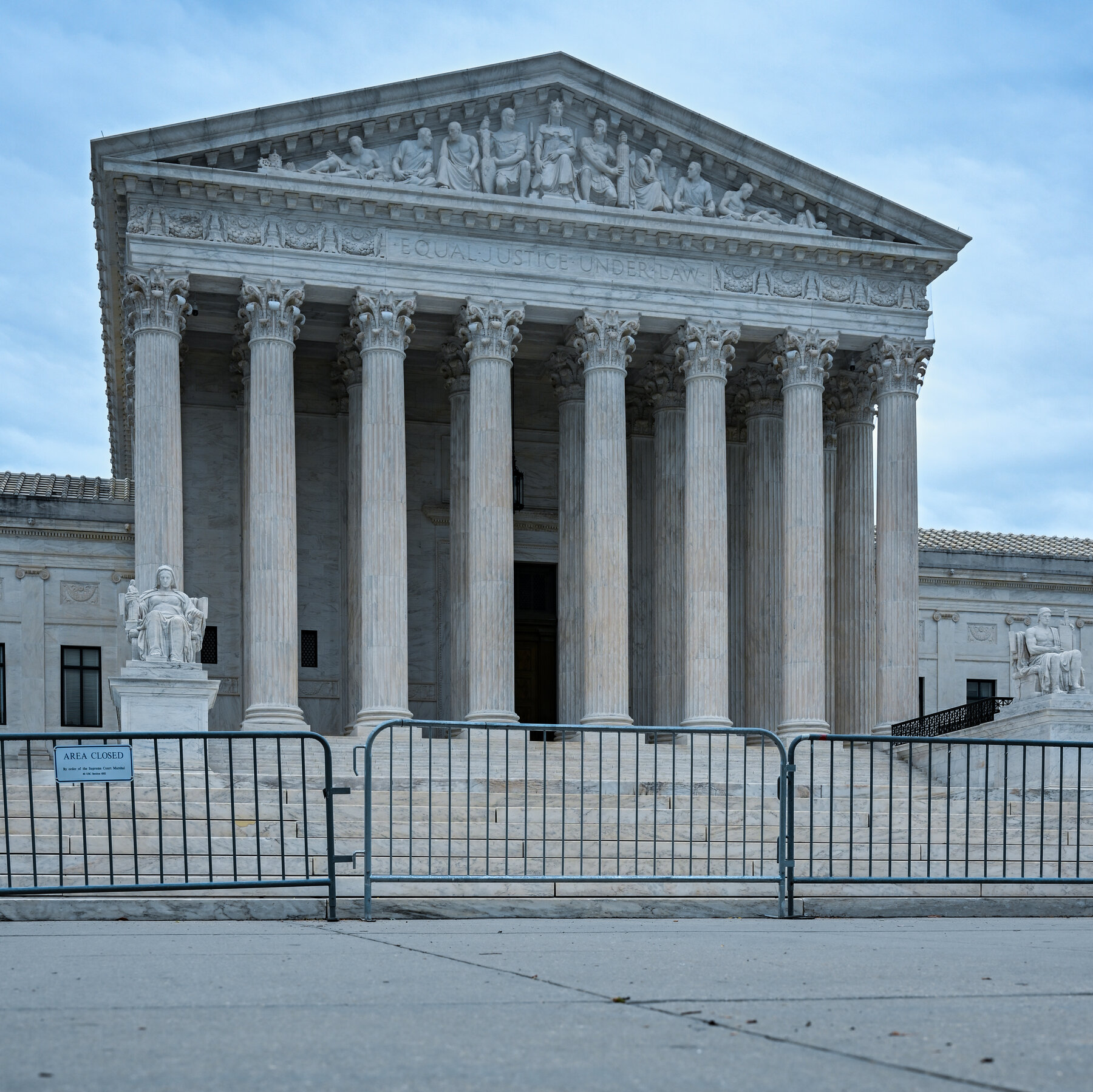
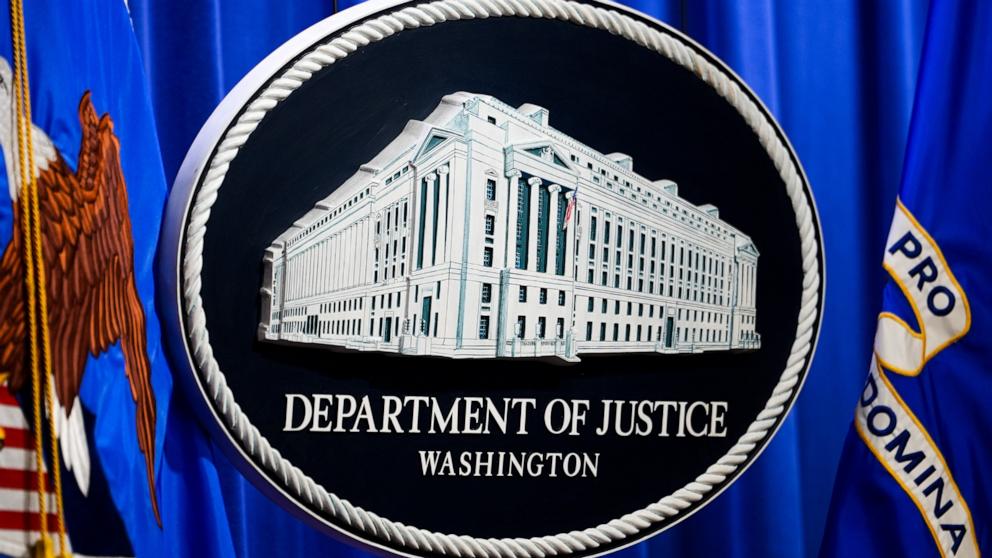
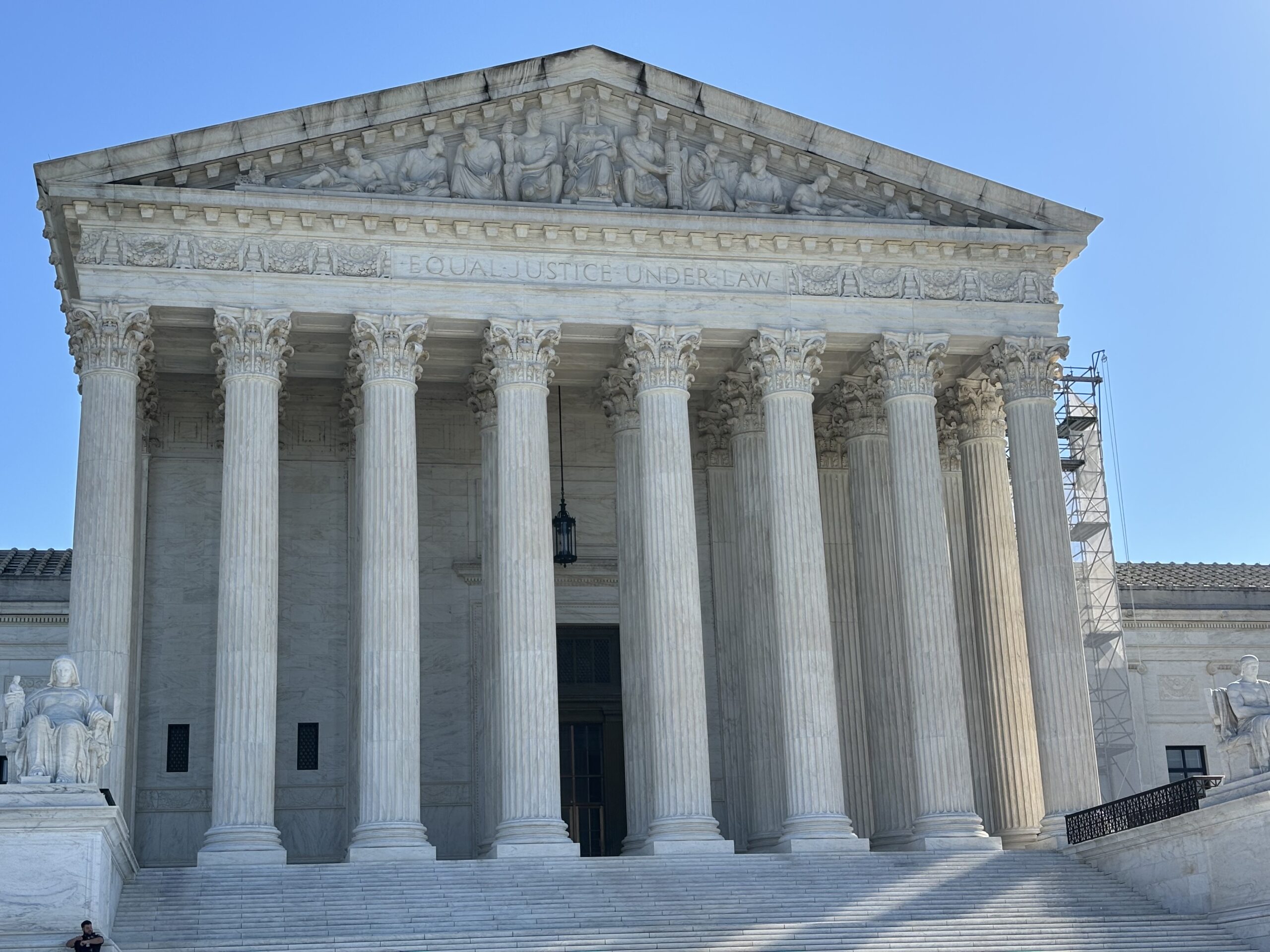
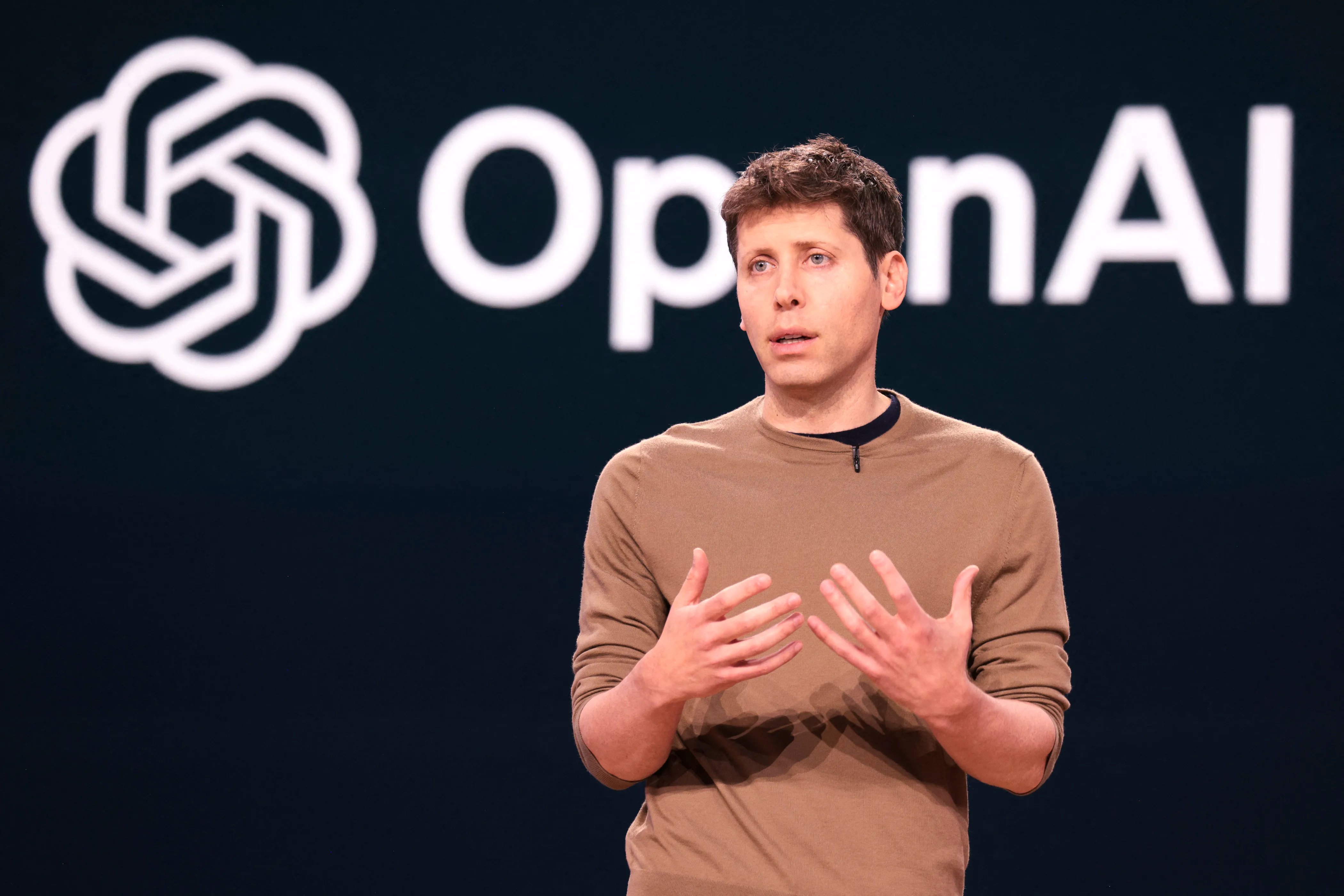
A U.S. District Court judge has dismissed Elon Musk's fraud claims against OpenAI, paving the way for the case to advance to trial. The judge's decision emphasizes the importance of accountability in tech companies, a sector often scrutinized for its opaque business practices.
Musk's claims centered on accusations that OpenAI had engaged in deceptive practices regarding its financial health and operational transparency. This case is particularly significant as it could set a precedent for how tech companies are held accountable for their financial disclosures.
The outcome of this trial could have major implications for the tech industry, particularly regarding how startups disclose financial information to investors. The case has already drawn attention from industry analysts who are monitoring its potential ripple effects across Silicon Valley.
The tech community has expressed mixed reactions to the judge's ruling. Some industry leaders argue that a trial could deter innovation by imposing excessive legal burdens on companies. Others, however, believe that the case highlights a necessary push for greater transparency.
As the trial date approaches, both Musk and OpenAI are preparing their legal strategies. The court has scheduled the trial to commence in the coming months, and both parties are expected to present extensive evidence. Legal analysts predict that the trial could last several weeks, with significant implications for both sides.
This case is part of a larger trend of increasing litigation within the tech industry. As tech companies grow rapidly, legal disputes over financial practices and corporate governance are becoming more common. The Musk-OpenAI case exemplifies this shift, reflecting a growing concern about the ethical responsibilities of technology firms. Stakeholders are keenly watching how the legal landscape evolves in response to these high-profile cases.
The dismissal of Musk's fraud claims marks a pivotal moment in the ongoing saga between him and OpenAI. The outcome could reshape the way investors approach tech companies, emphasizing the need for transparency in an increasingly complex market.
A U.S. District Court judge has dismissed Elon Musk's fraud claims against OpenAI, paving the way for the case to advance to trial. The ruling came at Musk's own request, as he sought to streamline the legal proceedings surrounding allegations that OpenAI misrepresented its financial status. The judge's decision emphasizes the importance of accountability in tech companies, a sector often scrutinized for its opaque business practices.
Musk's claims centered on accusations that OpenAI had engaged in deceptive practices regarding its financial health and operational transparency. The trial is expected to delve into Musk’s allegations that OpenAI's actions caused him financial harm, including a reported loss of $166 billion in market value for his ventures. This case is particularly significant as it could set a precedent for how tech companies are held accountable for their financial disclosures.
The outcome of this trial could have major implications for the tech industry, particularly regarding how startups disclose financial information to investors. Legal experts suggest that a ruling against OpenAI could lead to stricter regulations on disclosures, impacting how tech companies operate and communicate with stakeholders. The case has already drawn attention from industry analysts who are monitoring its potential ripple effects across Silicon Valley.
The tech community has expressed mixed reactions to the judge's ruling. Some industry leaders argue that a trial could deter innovation by imposing excessive legal burdens on companies. Others, however, believe that the case highlights a necessary push for greater transparency. "If companies like OpenAI are not held accountable, it sets a dangerous precedent for future startups," said tech investor Sarah Lee.
As the trial date approaches, both Musk and OpenAI are preparing their legal strategies. The court has scheduled the trial to commence in the coming months, and both parties are expected to present extensive evidence. Legal analysts predict that the trial could last several weeks, with significant implications for both sides.
This case is part of a larger trend of increasing litigation within the tech industry. As tech companies grow rapidly, legal disputes over financial practices and corporate governance are becoming more common. The Musk-OpenAI case exemplifies this shift, reflecting a growing concern about the ethical responsibilities of technology firms. Stakeholders are keenly watching how the legal landscape evolves in response to these high-profile cases.
The dismissal of Musk's fraud claims marks a pivotal moment in the ongoing saga between him and OpenAI. As the trial unfolds, it will be crucial for investors, tech enthusiasts, and regulators to observe its implications for corporate accountability in the tech sector. The outcome could reshape the way investors approach tech companies, emphasizing the need for transparency in an increasingly complex market.
Highlighted text was flagged by the council. Tap to see feedback.