




Refinery Targeted for Iranian Oil Trade
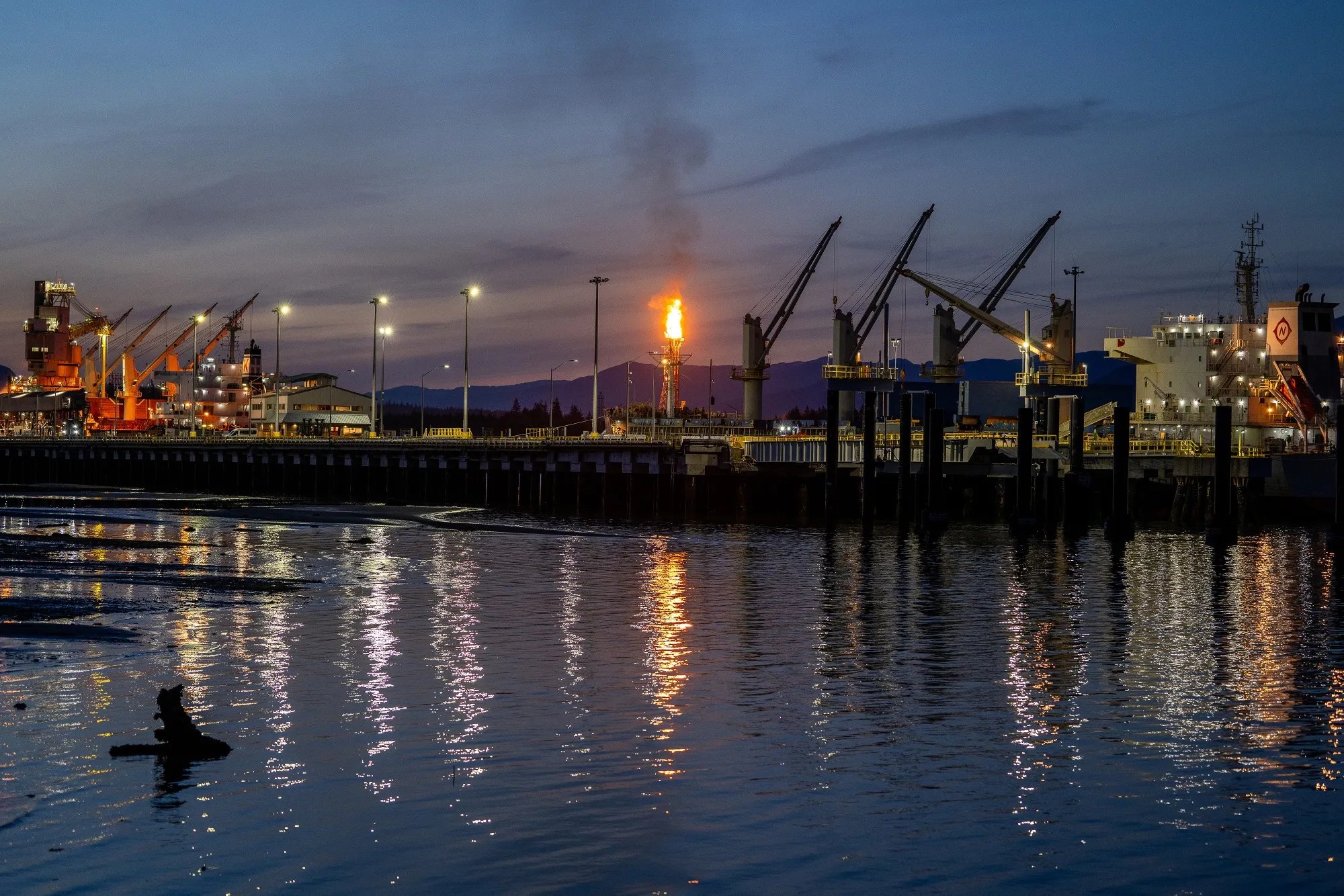
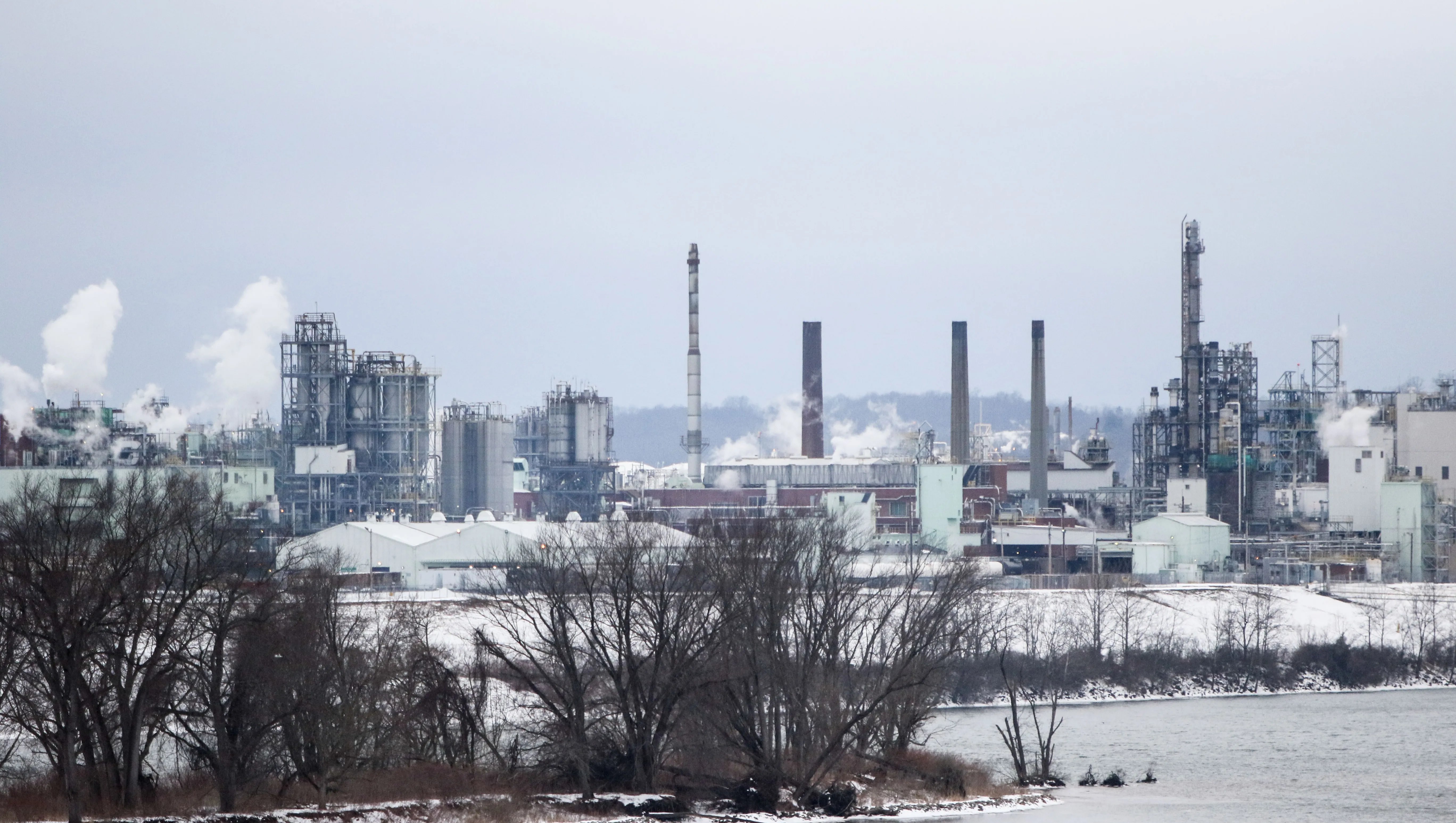
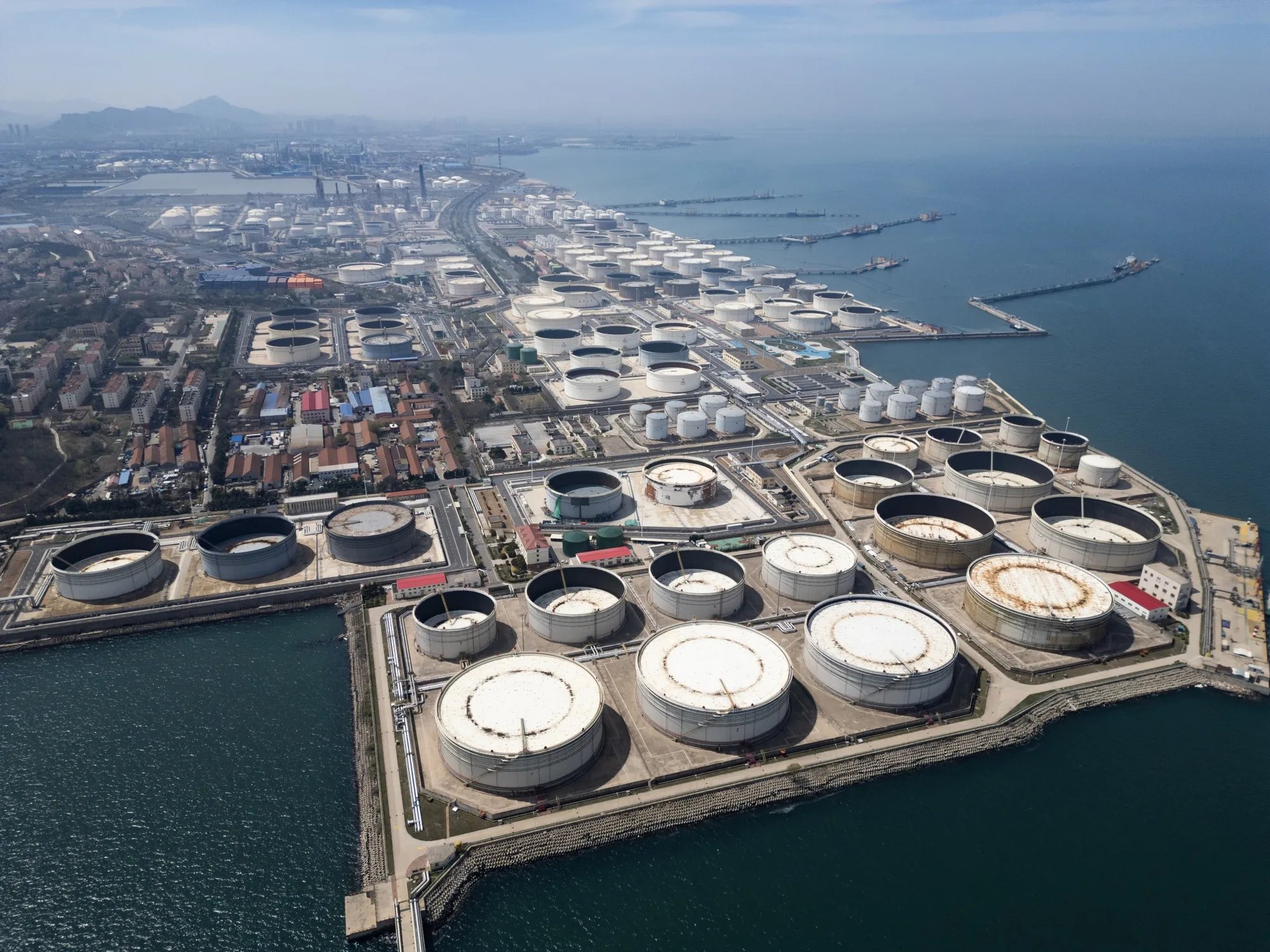
The U.S. Treasury Department announced sanctions Friday against a major Chinese oil refinery for purchasing Iranian oil, a move designed to disrupt Iran's oil exports. The Trump administration's action makes good on its threat to impose secondary sanctions on companies and countries that do business with Iran.
Economic Pressure on Tehran Intensifies
The sanctions are part of a campaign to cut off Iran's key source of revenue, its oil exports. This escalation of economic pressure risks angering Beijing weeks before an expected leaders' summit.
China's Response and Trade Concerns
China has criticized the sanctions, urging an end to their political use. The Chinese government warned that the sanctions would harm legitimate trade. The sanctioned refinery is one of China's largest private oil refiners.
Global Oil Market Impact
P&G warned of a potential $1 billion profit hit in fiscal 2027 due to higher oil prices. The U.S. move comes as Ukraine has been targeting Russian oil infrastructure. Ukrainian President Volodymyr Zelenskyy said Russia's oil revenue losses from Ukrainian long-range capabilities are estimated at no less than $2.3 billion in March alone.
Sanctions Oversight Legislation Proposed
Sens. Ruben Gallego and Chuck Grassley introduced legislation to restore congressional oversight of U.S. sanctions on Russia. Their No Oil Profits for Enemies Act pushes back on President Trump's decision to loosen sanctions on Russian oil.
Russian Oil Exports Decline
Russia has been forced to cut crude production by 300,000 to 400,000 barrels a day.
Ukraine's Attacks on Russian Refineries
On April 16, Ukraine struck oil loading berths and the refinery at the Russian port of Tuapse on the Black Sea. Sources told Reuters the refinery had been forced to halt operations. On Saturday, Ukraine struck the oil refinery in Sizran and the nearby Novokuibyshevsk refinery, about 620 miles from the Ukrainian border.
The U.S. sanctions on the Chinese refinery highlight the interconnectedness of global energy markets and geopolitical tensions, potentially impacting consumers through fluctuations in oil prices and affecting international relations.