




The Vote in Parliament
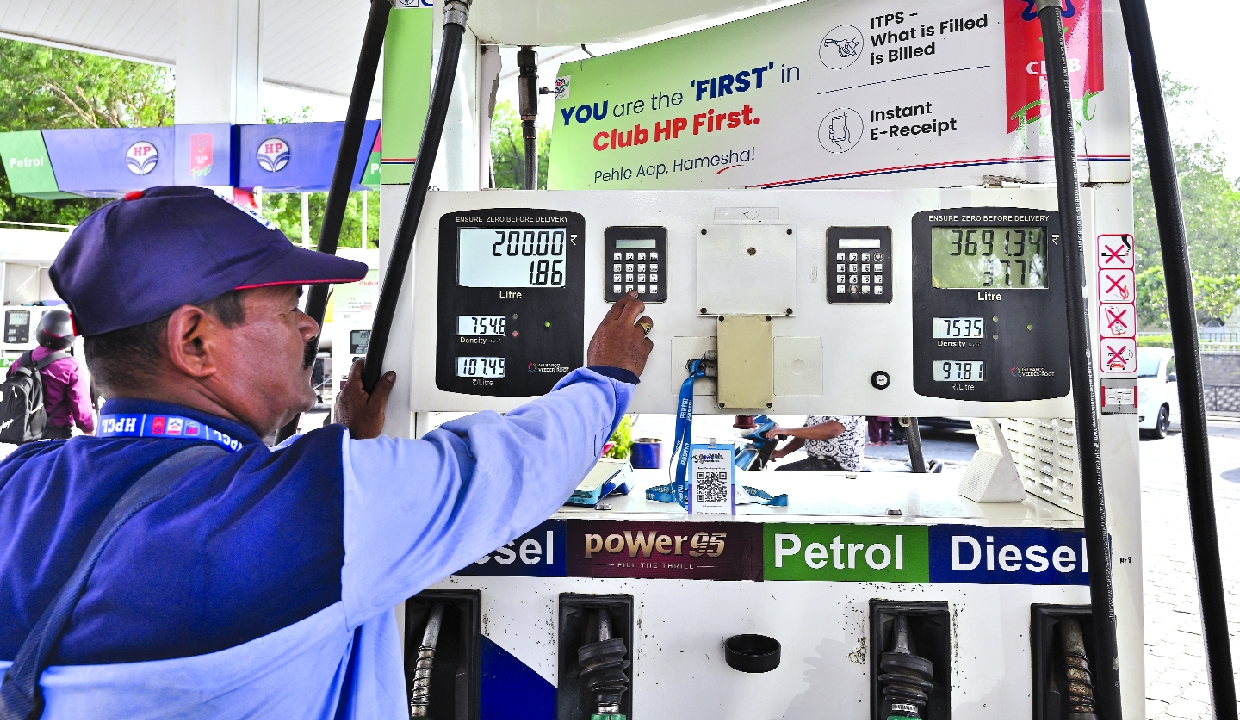
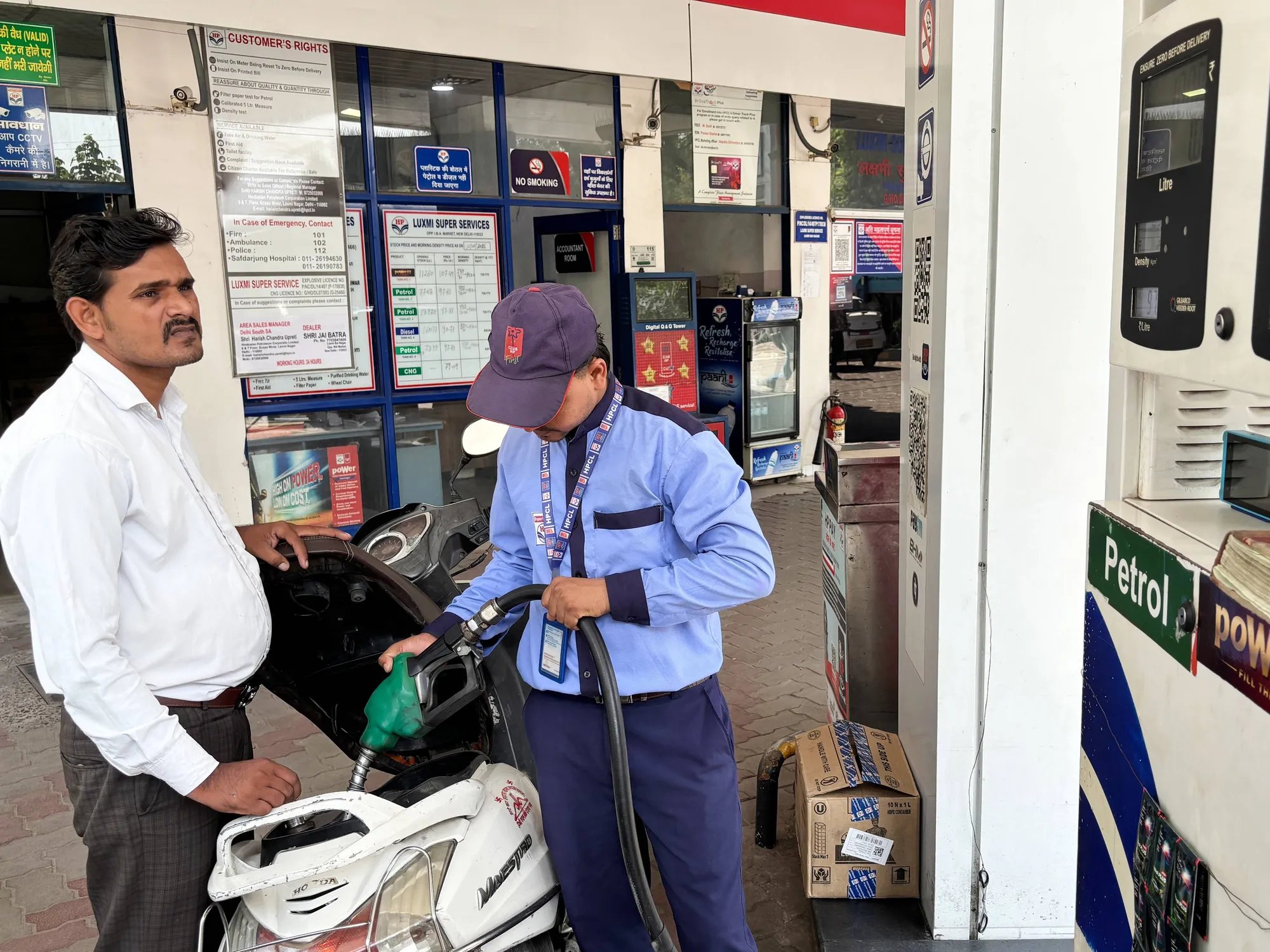
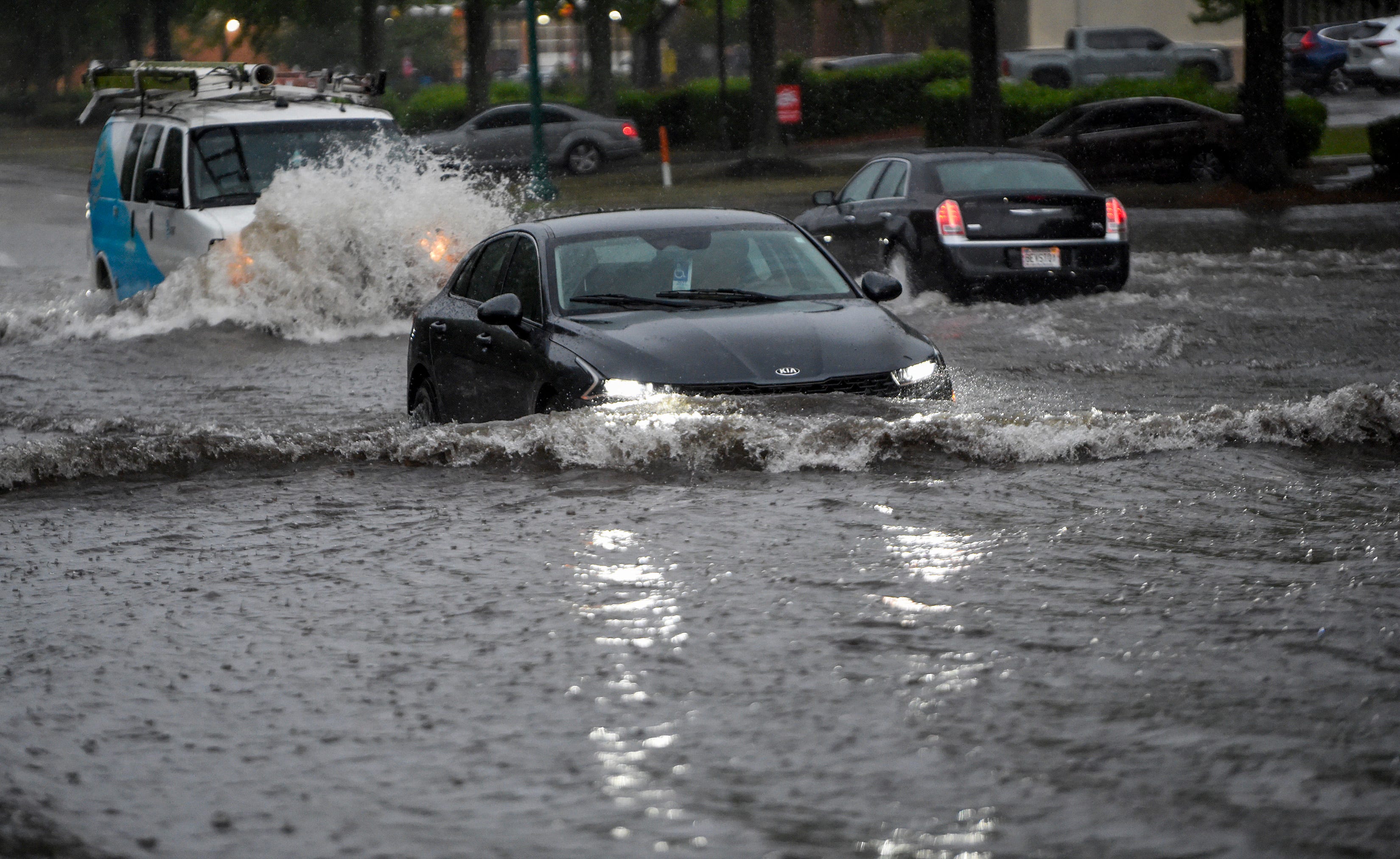
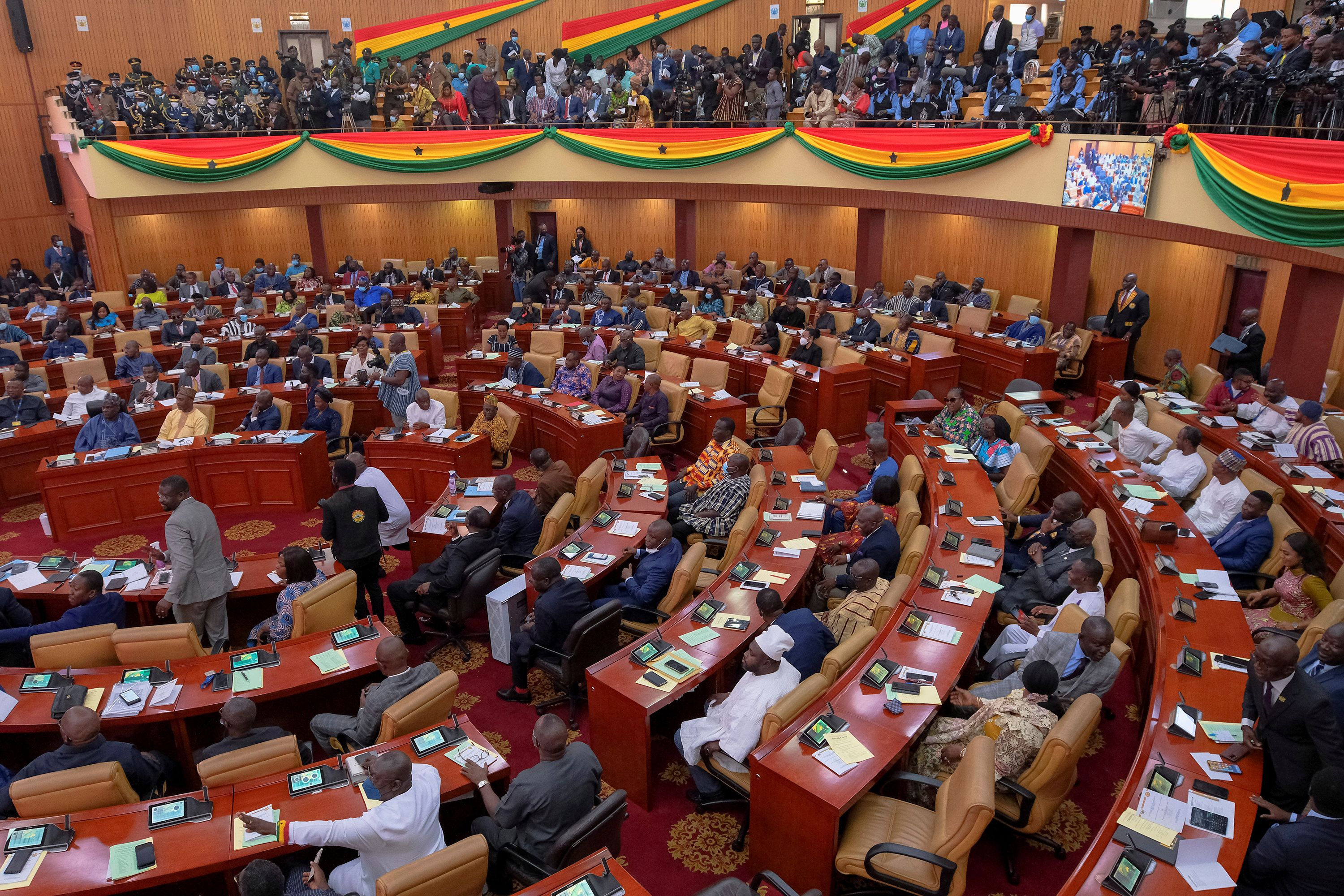
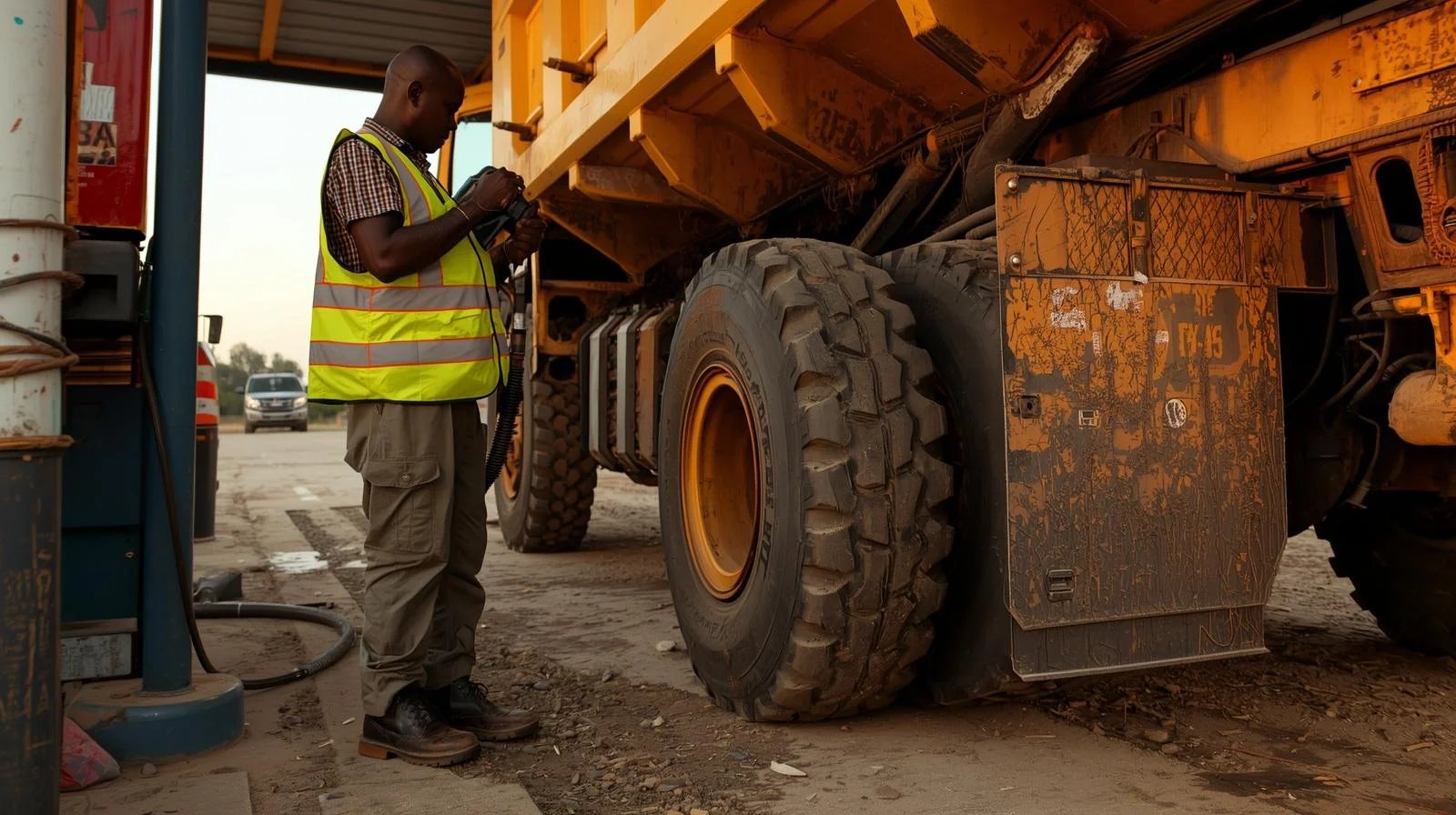
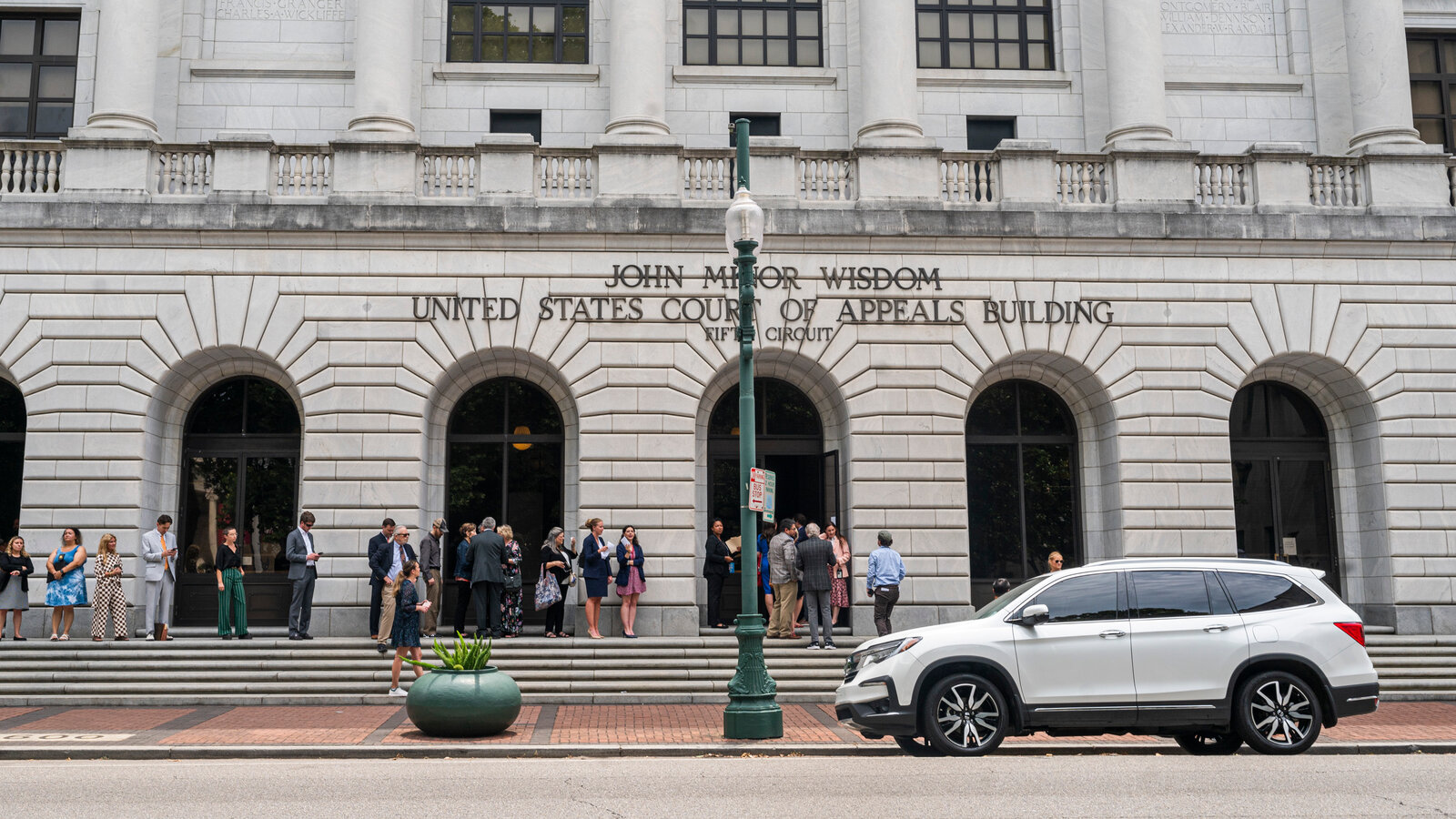
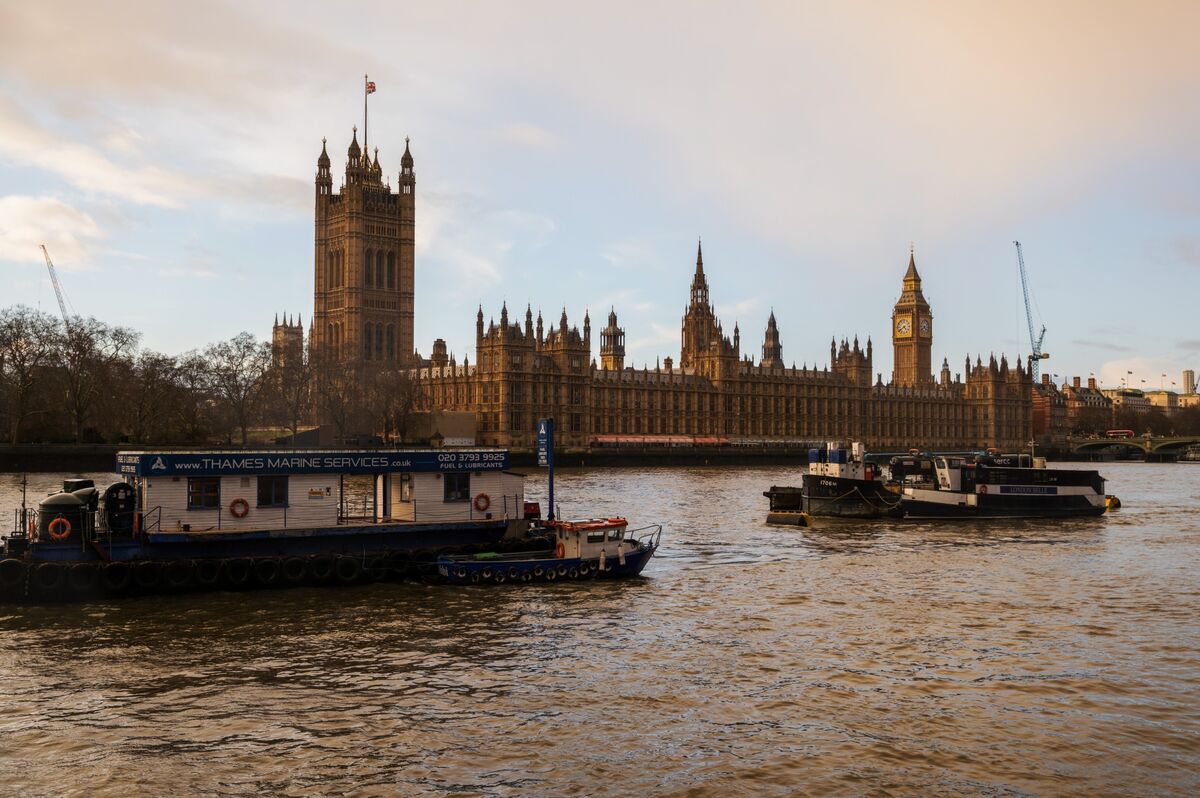
Germany's Bundestag and Bundesrat passed legislation on Friday to lower the fuel tax by €0.17 per liter, aiming to reduce costs for drivers amid rising gas prices. The measure received 453 votes in favor and 134 against, targeting relief for consumers affected by global energy market tensions. This change will apply to both gasoline and diesel, potentially lowering everyday expenses for commuters and small businesses.
How Prices Will Drop
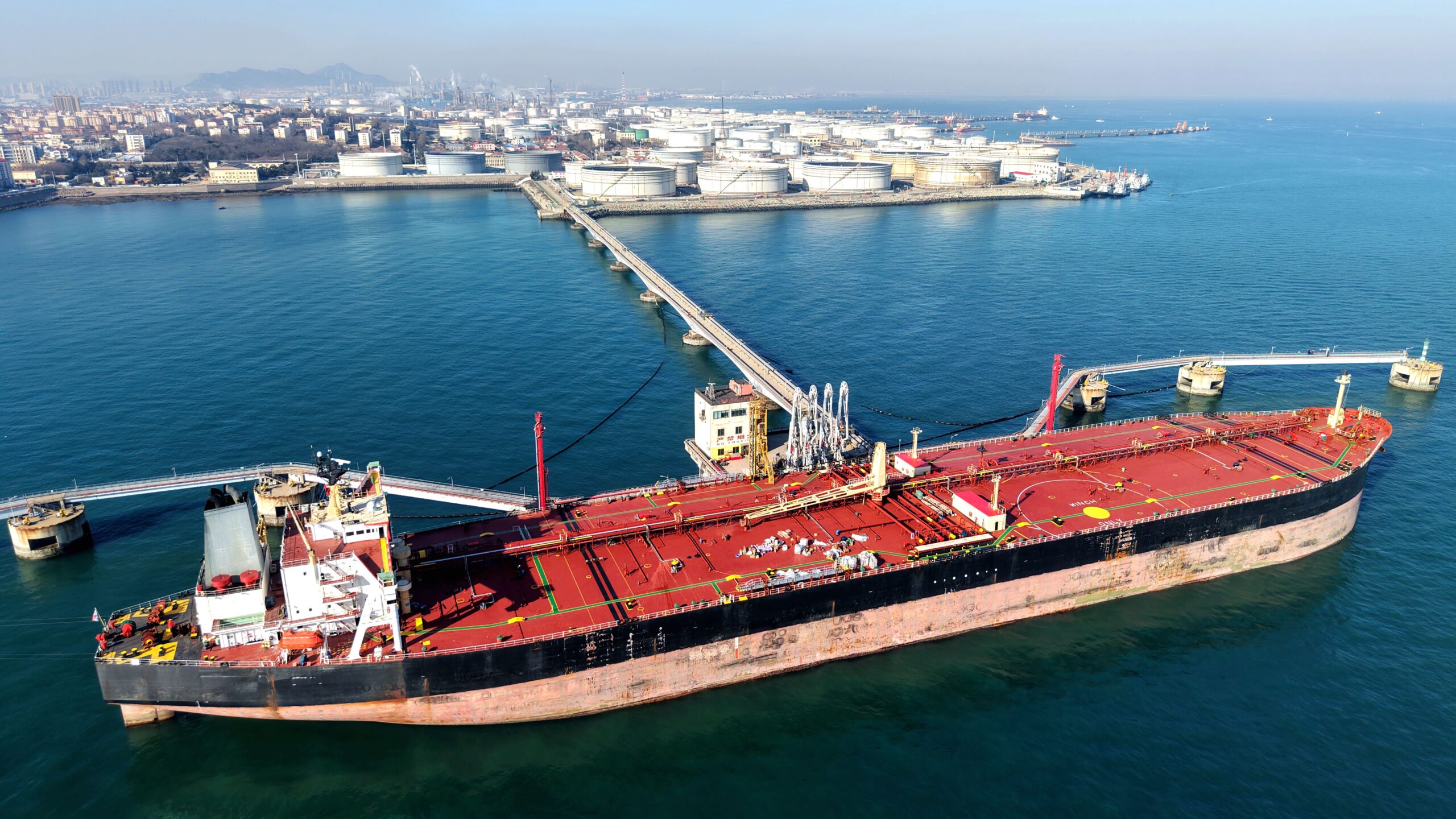
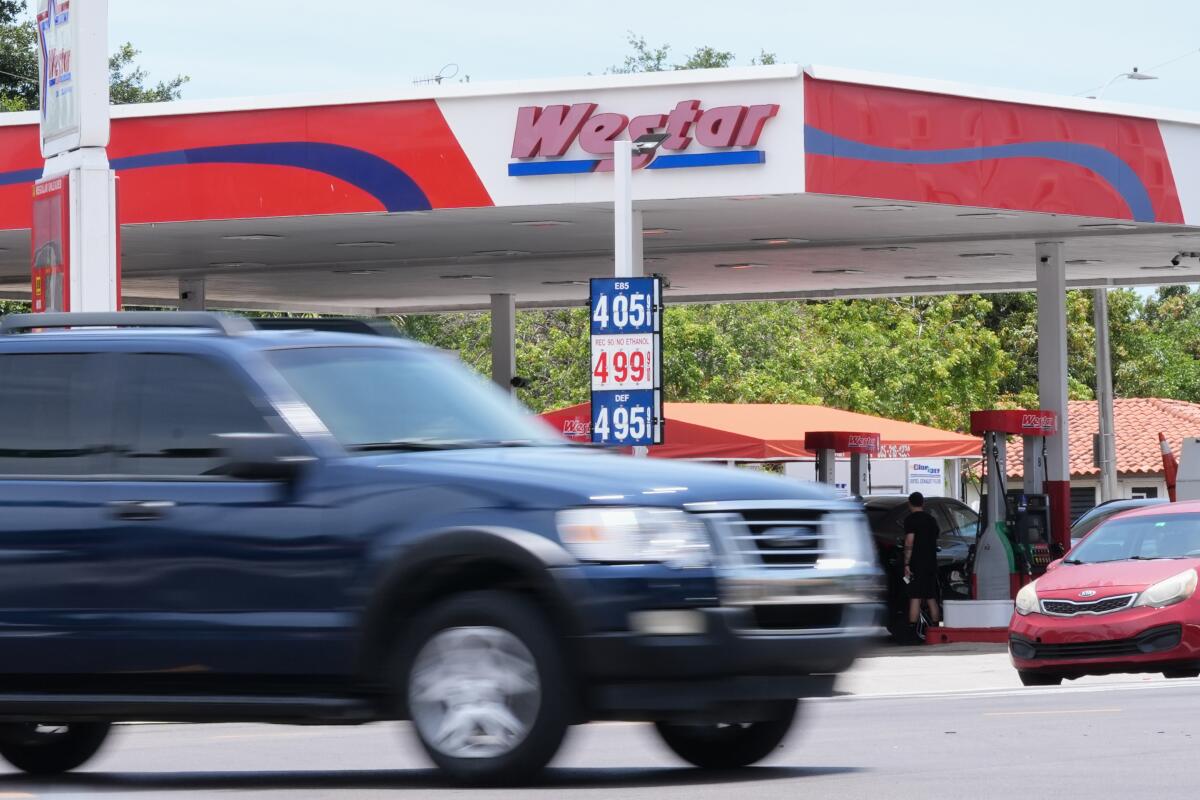
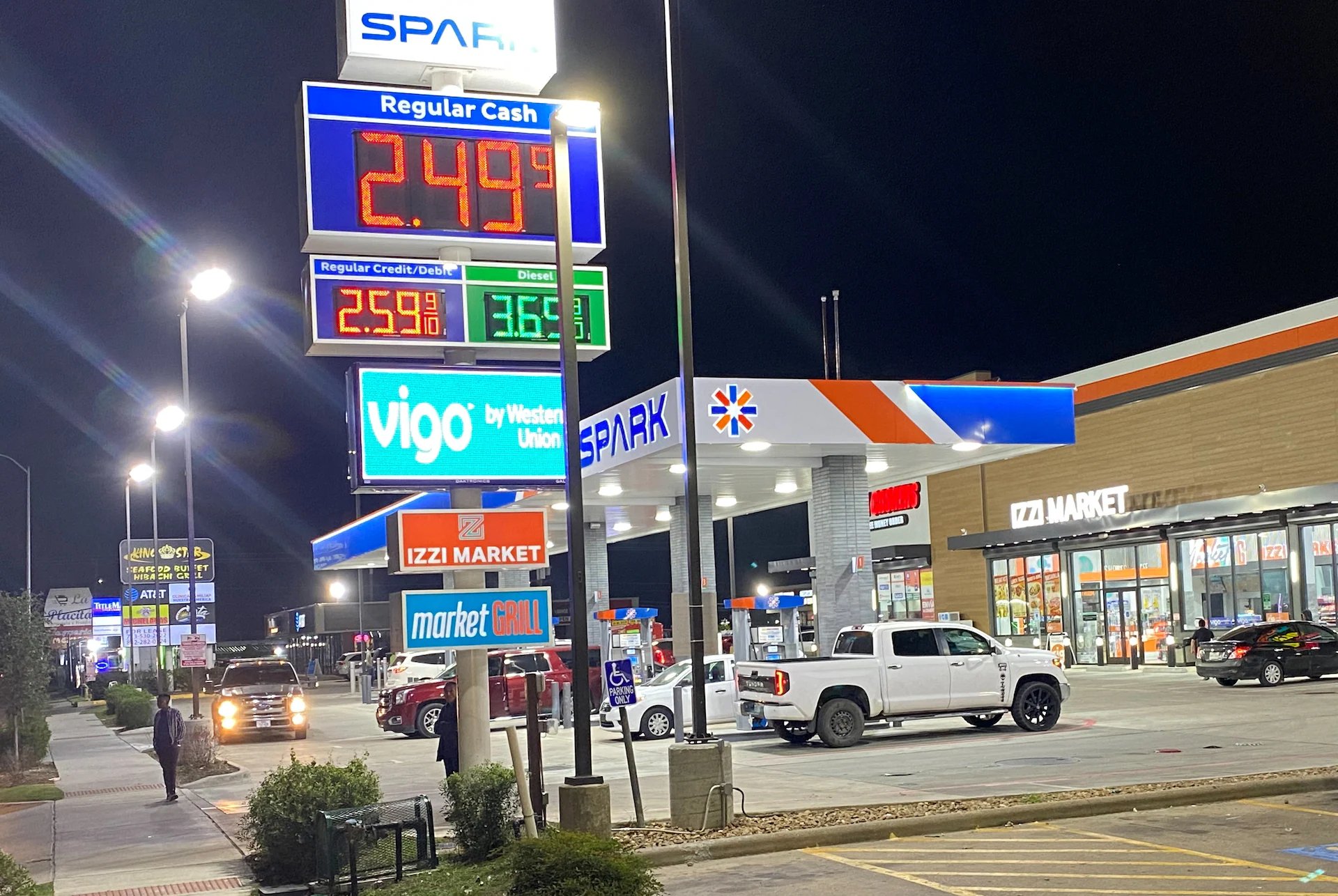
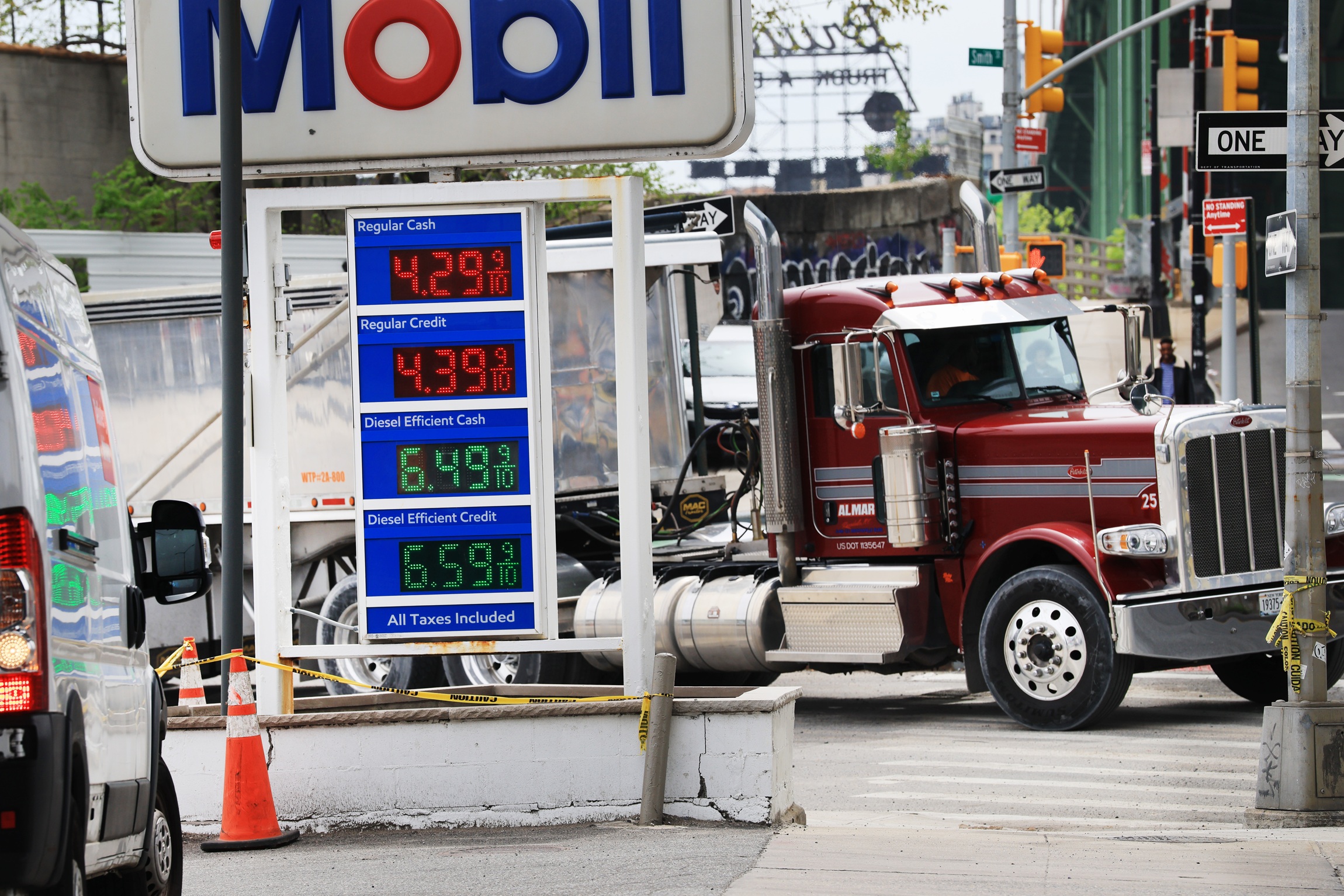
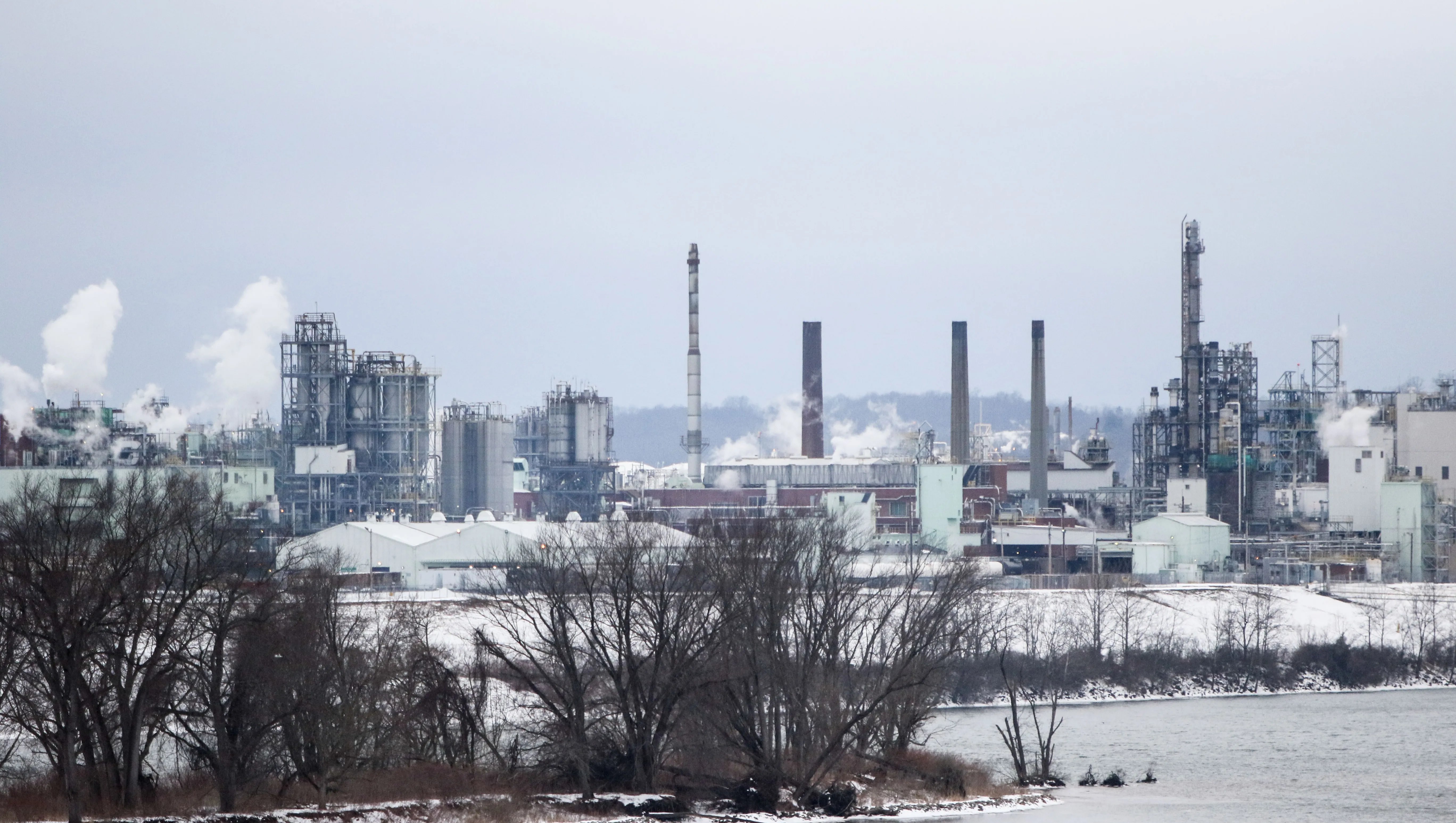
Earlier this month, prices for E10 gasoline reached €2.18 per liter, while diesel prices spiked near €2.44 per liter, according to reports from Germany's ADAC automobile club. Thursday's averages showed E10 at €2.07 per liter and diesel at €2.15 per liter. The government projects €1.6 billion in tax savings for consumers, though critics argue that oil companies might not pass the full reduction to buyers.
Protests Against Energy Policies
Fridays for Future organized demonstrations in about 60 German cities, accusing Energy Minister Katherina Reiche of favoring fossil fuel interests. Activists gathered outside the CDU headquarters in Berlin, with police estimating 350 participants, while organizers claimed 1,000. The group targeted policies like the fuel tax cut, saying they delay a shift away from oil and gas.
Germany's Role in Global Transition
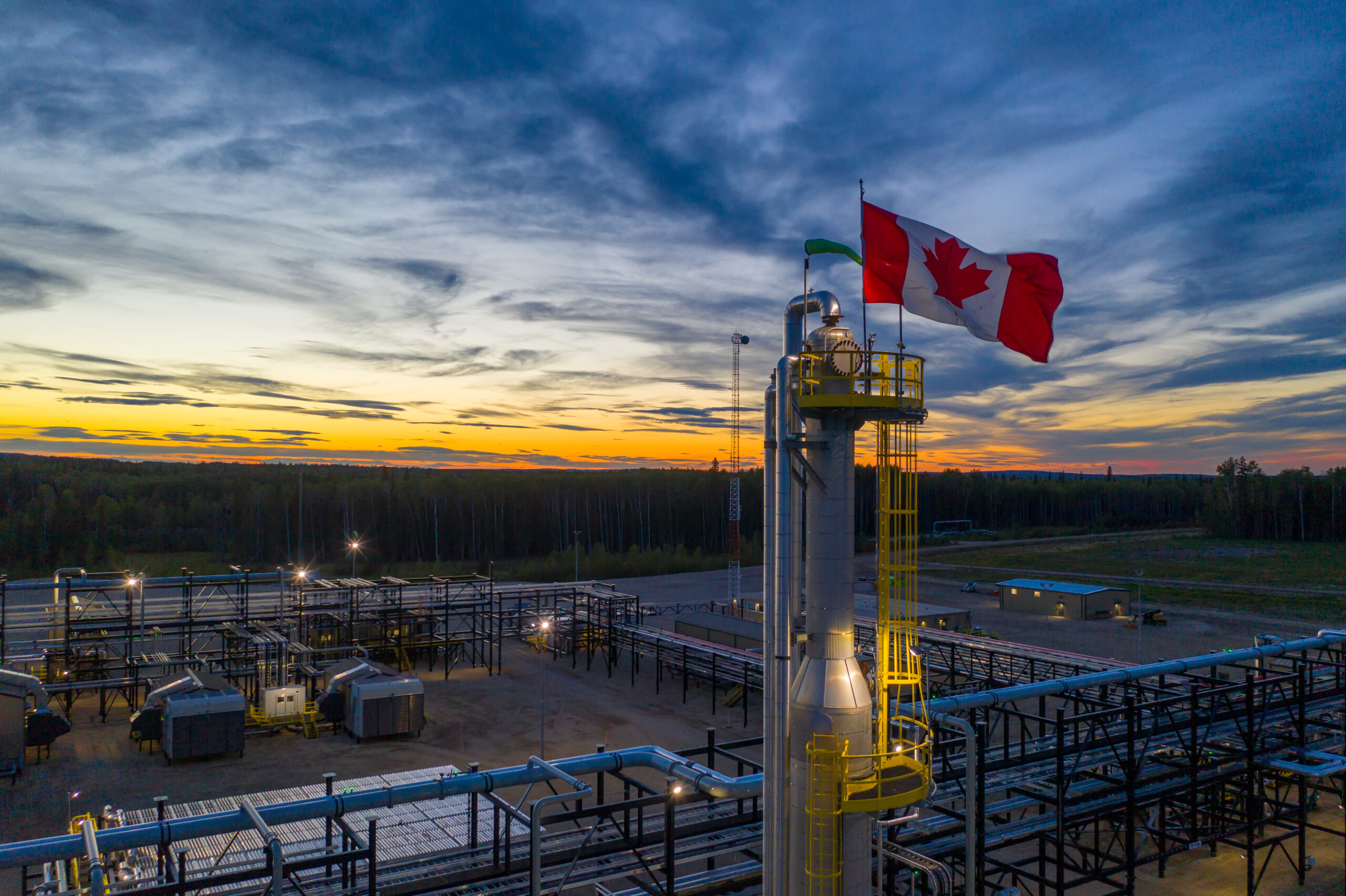
Secretary of State Jochen Flasbarth is attending a conference in Colombia with representatives from more than 50 countries to discuss moving beyond fossil fuels. The meeting, held from April 24 to 29, seeks practical steps to reduce dependence on coal, oil, and gas after frustrations at UN climate talks. Participants from nations like Canada and the UK aim to phase out fossil fuel subsidies, a move that could influence Germany's energy strategy.
Economic Concerns for Consumers
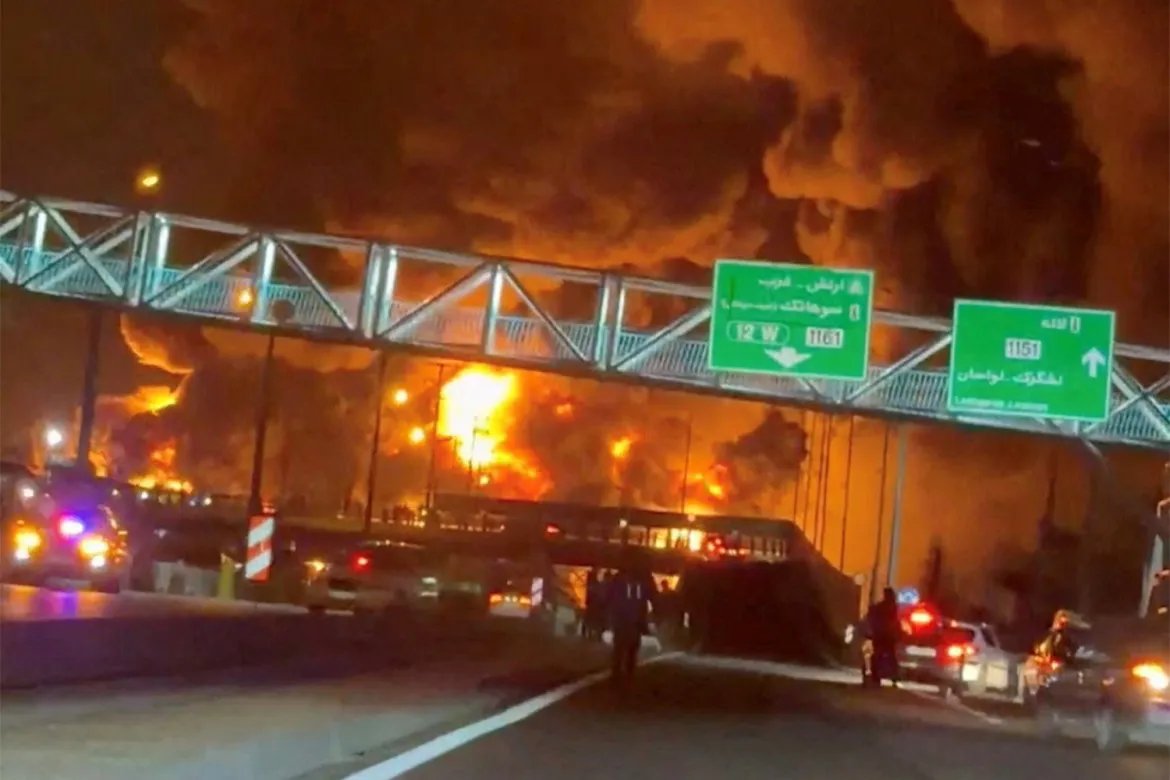
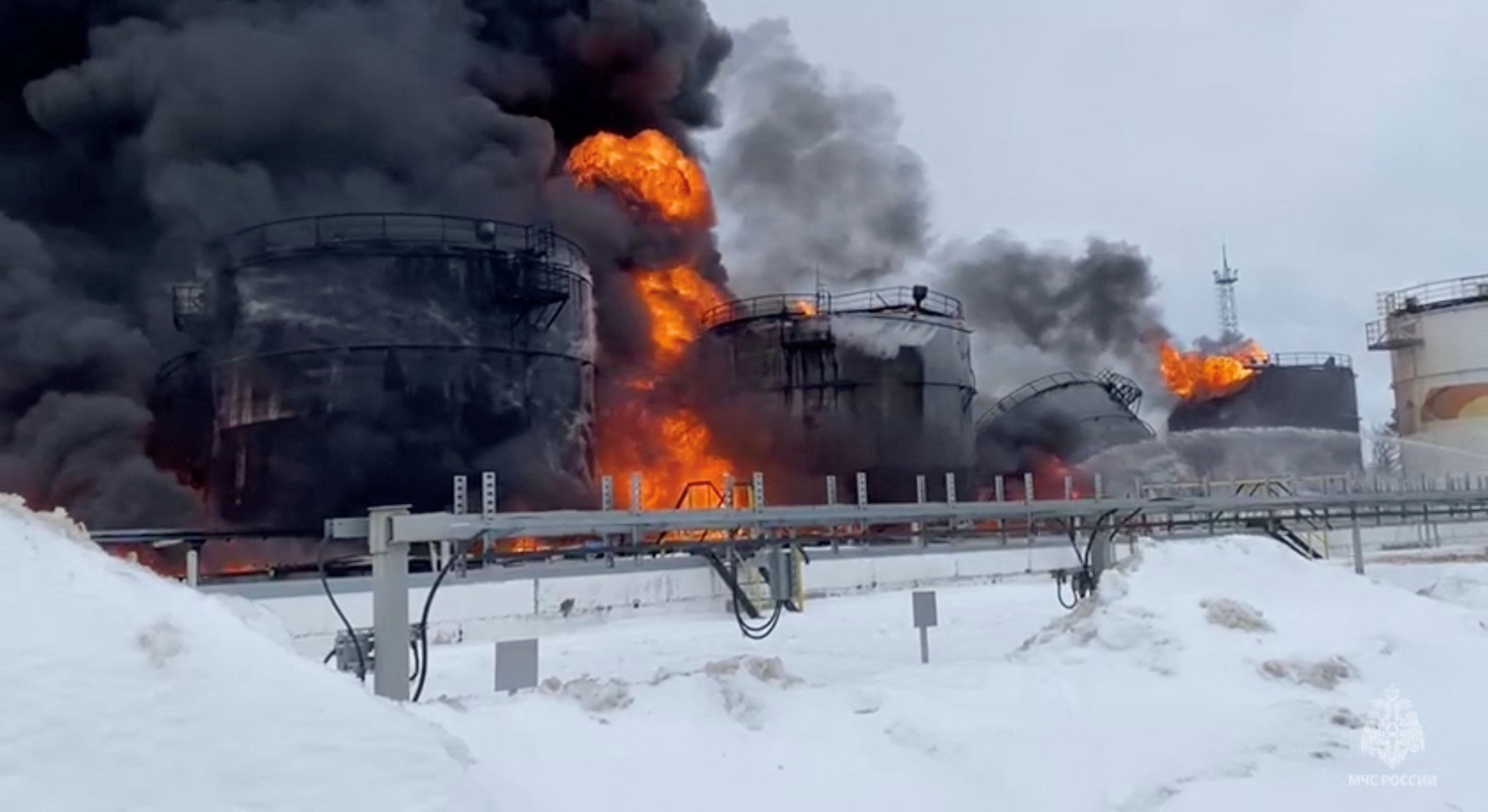
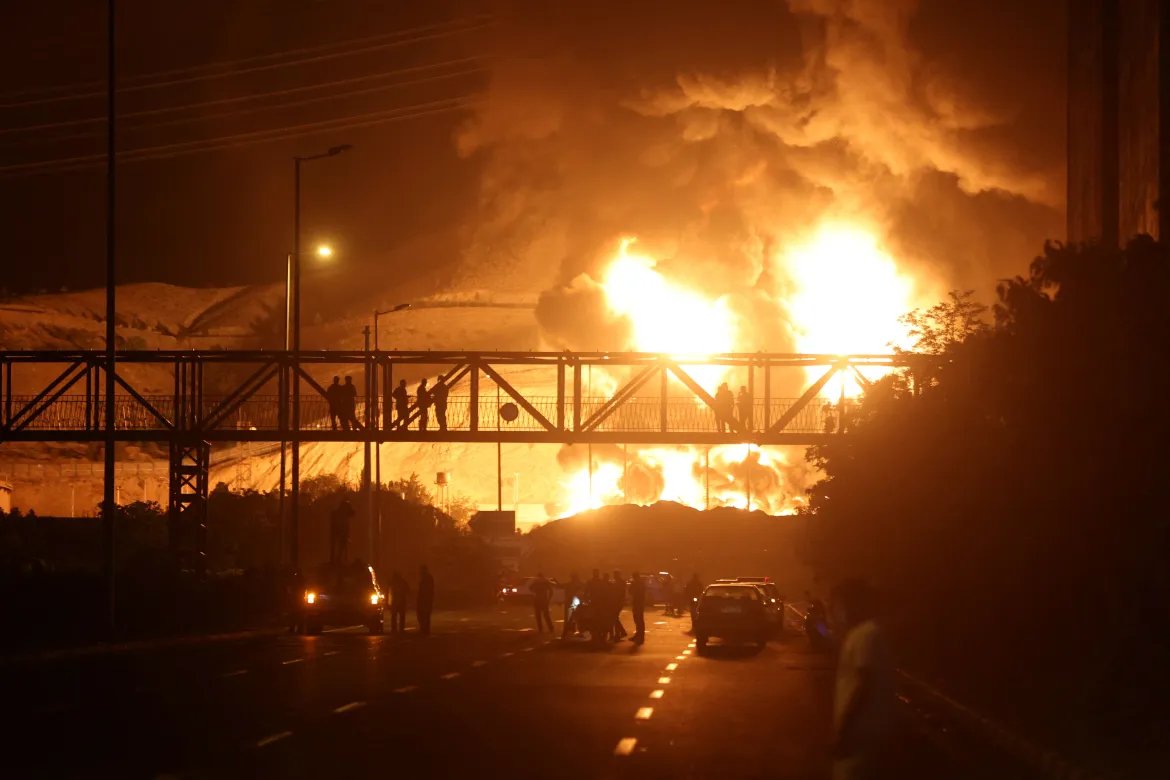
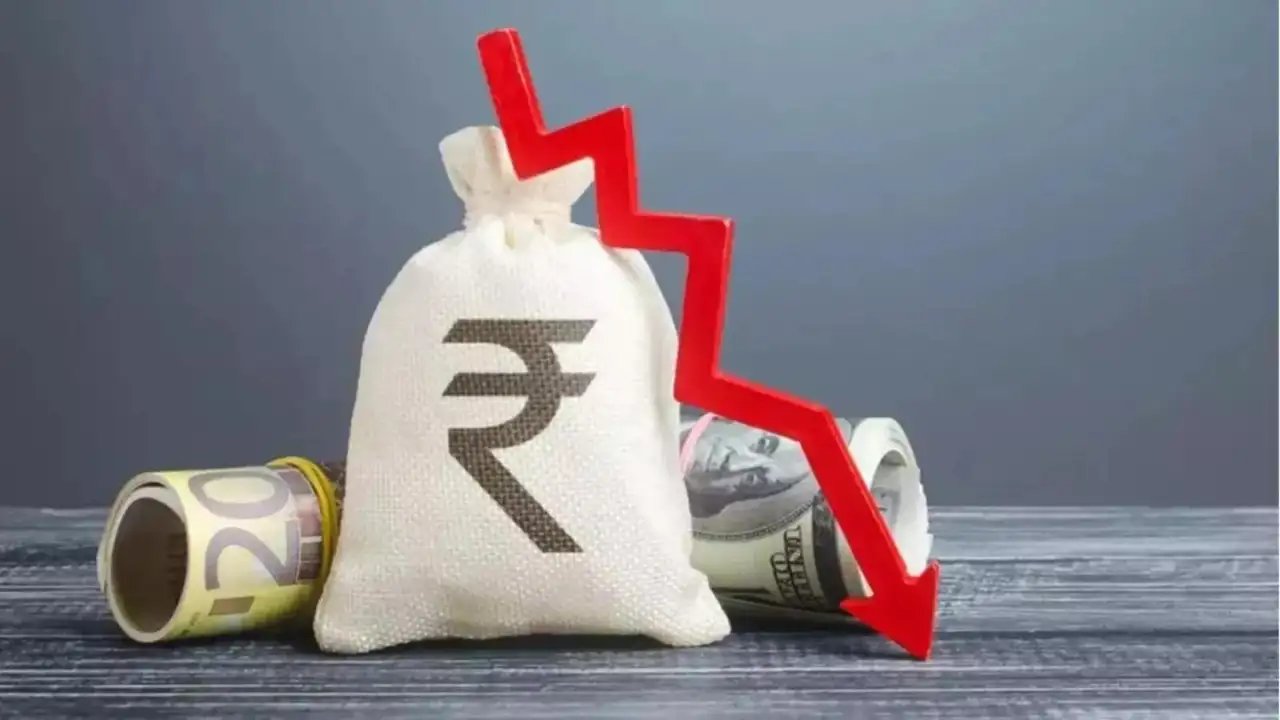
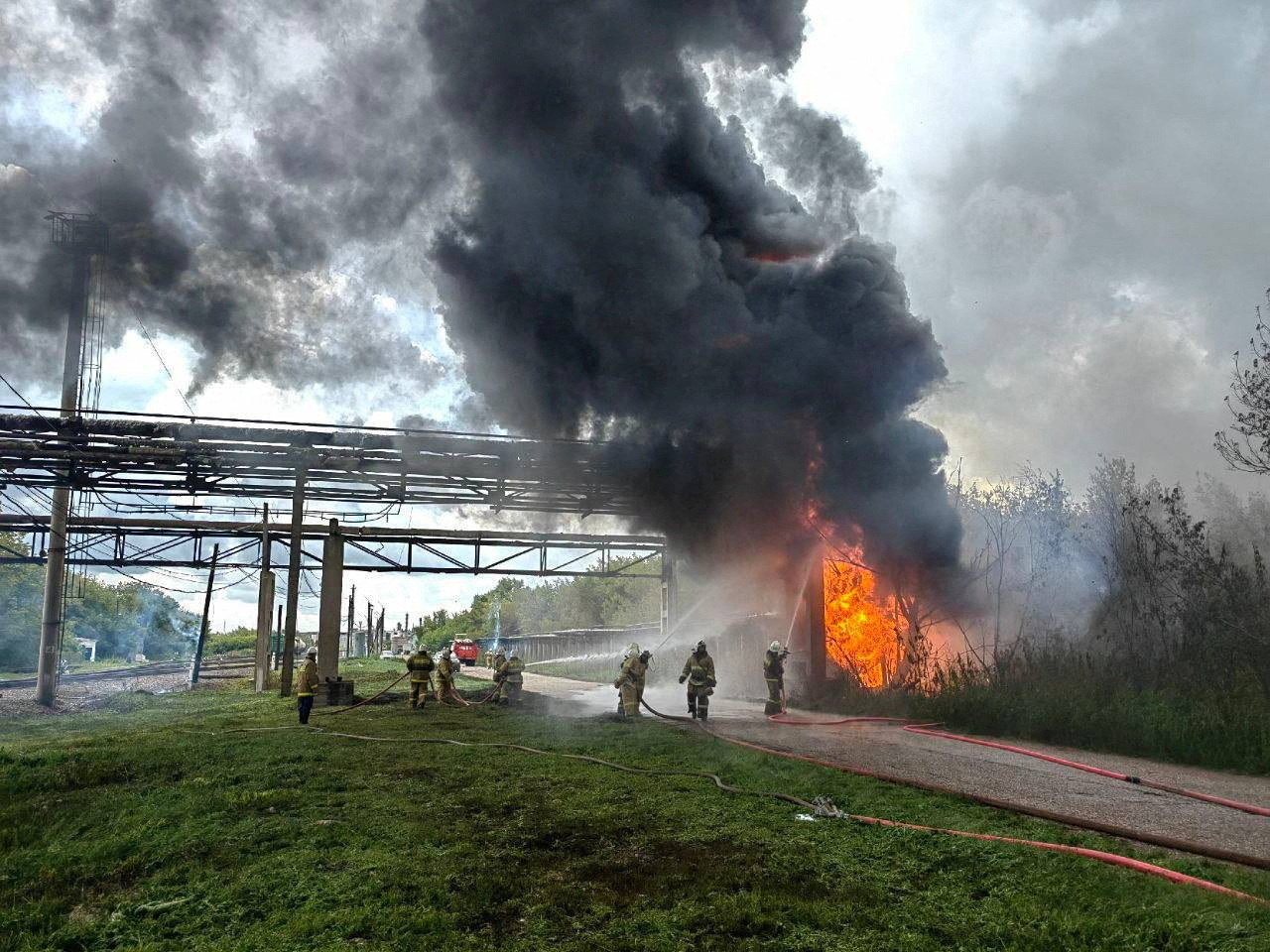
Economists noted that the fuel tax relief might not reach poorer households effectively, as wealthier drivers could benefit more. The legislation responds to price spikes linked to the US-Israeli war in Iran, which has strained global supplies. Workers facing higher commuting costs may see modest savings, but the overall impact depends on how fuel stations adjust their prices.
What Happens Next for Drivers
The government aims to help small businesses and commuters, though critics say big oil companies will likely not pass along savings.