




Justice Department Announces Expanded Methods
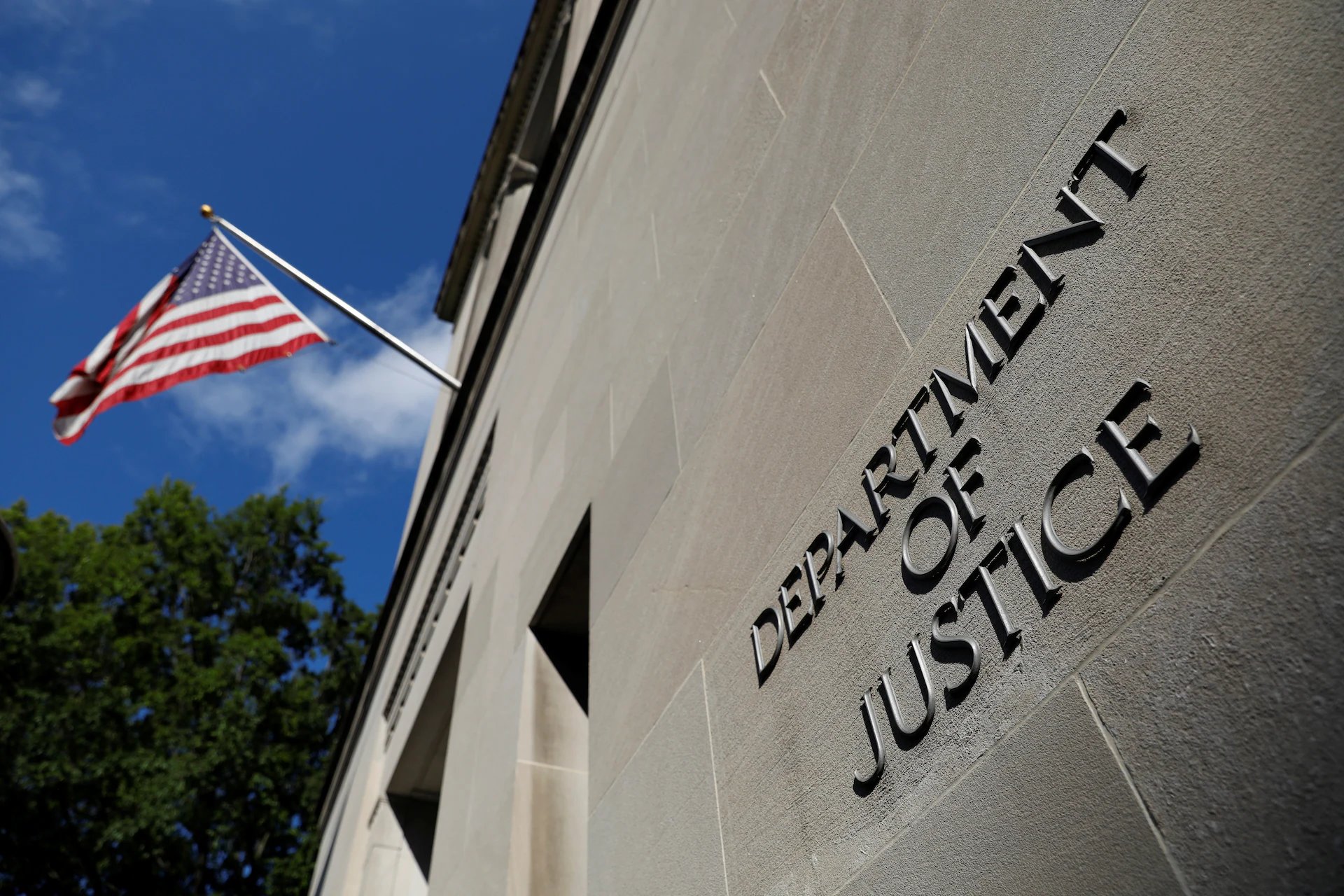
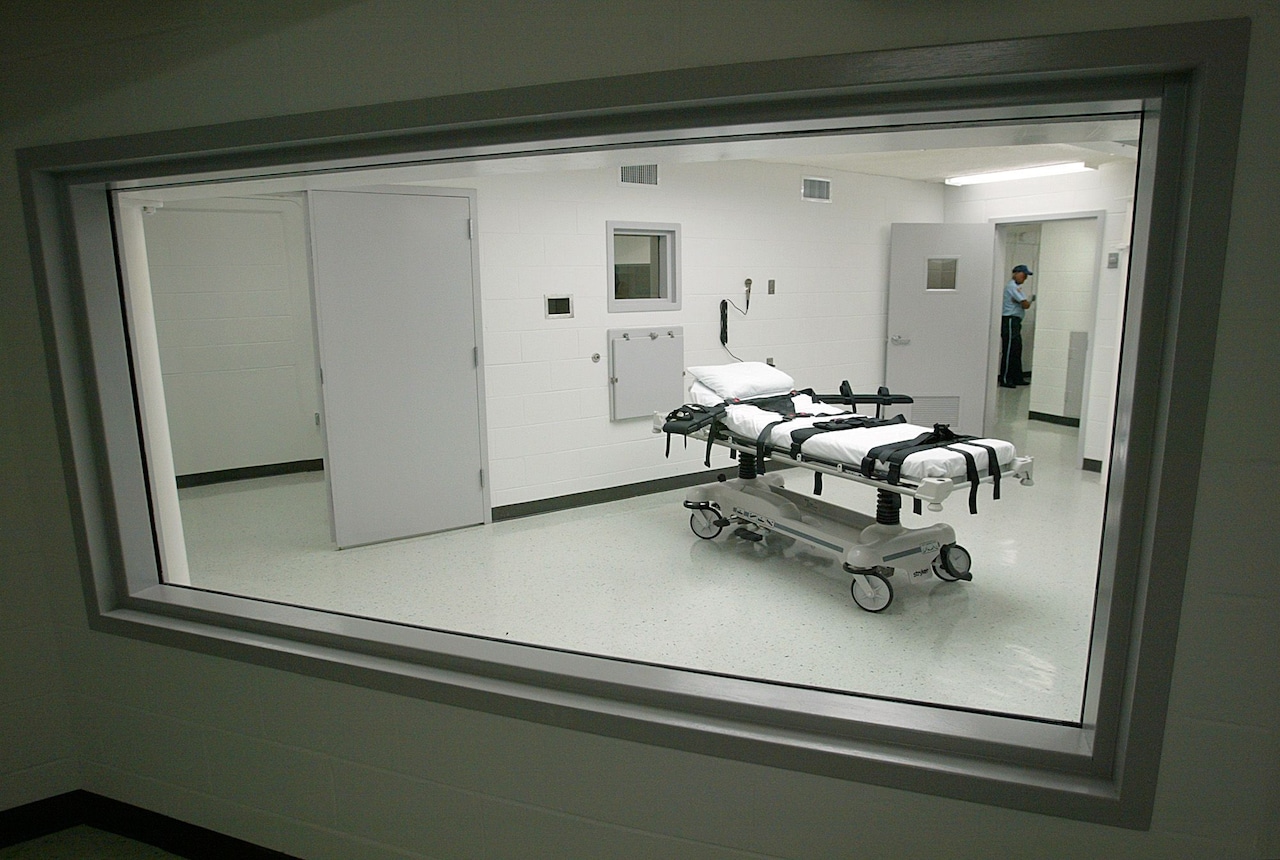
The Justice Department revealed on Friday that it will add firing squads, gassing, and electrocution to federal execution options, alongside readopting lethal injection with pentobarbital. This change aims to ensure executions proceed even if drugs are unavailable, as stated in a 48-page memo. The expansion affects how the government handles death penalty cases.
Reasons for the Policy Shift
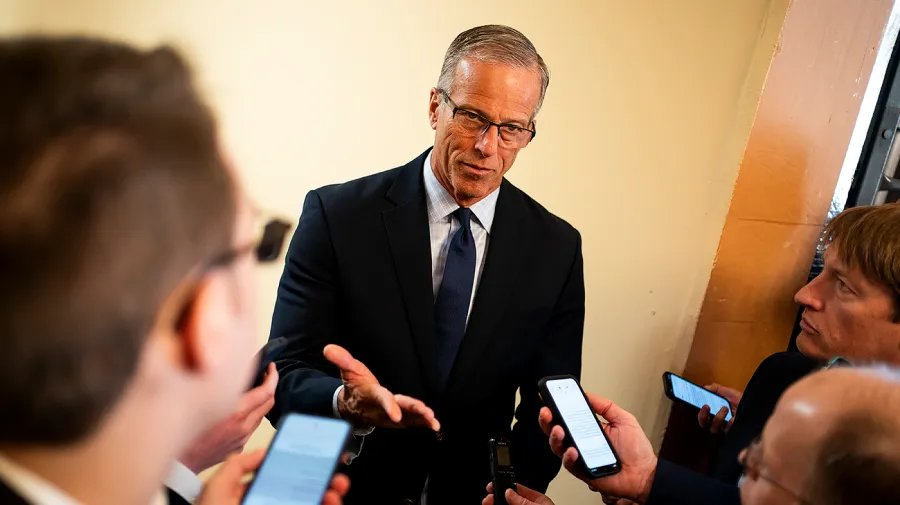
Acting Attorney General Todd Blanche argued in a statement that the prior administration failed to protect the public by not pursuing executions for dangerous criminals, including terrorists and child murderers. The department's press release described these steps as critical to deterring barbaric crimes and delivering justice for victims. President Trump directed this policy on his first day in office, ordering the pursuit of the death penalty for severe crimes and those involving law enforcement killings.
Criticisms from Lawmakers
Democratic Senator Dick Durbin called the expansion cruel and discriminatory in his statement on X, warning it would stain US history. Critics point to the Death Penalty Information Center's estimate that at least 202 people have been exonerated from death sentences since 1973, highlighting risks of irreversible errors. This view contrasts with the Justice Department's defense, which maintains that methods like firing squads are legally acceptable under the Eighth Amendment.
Specific Cases and Preparations
It also plans to streamline appeals and potentially expand federal death row facilities to accommodate new methods. Five states currently allow firing squads: Idaho, South Carolina, Utah, Mississippi and Oklahoma. Last year, South Carolina authorized at least three people to die by gunfire, but the autopsy of one of the men killed by firing squad suggests none of the bullets struck his heart, prolonging his death.
Human Impact on Families and Prisoners
The policy seeks to provide closure for surviving loved ones of victims, as noted in the Justice Department's report on past delays. For prisoners, this means that the man convicted in the 2018 Tree of Life Synagogue shooting, the gunman who carried out a mass shooting in 2015 at Mother Emanuel Church in Charleston, and the surviving 2013 Boston Marathon bomber remain eligible for execution without clemency, facing heightened uncertainty. This shift underscores ongoing debates about justice, directly influencing public safety and legal rights for millions of Americans.