




Treasury's Fiscal Strategy Shift
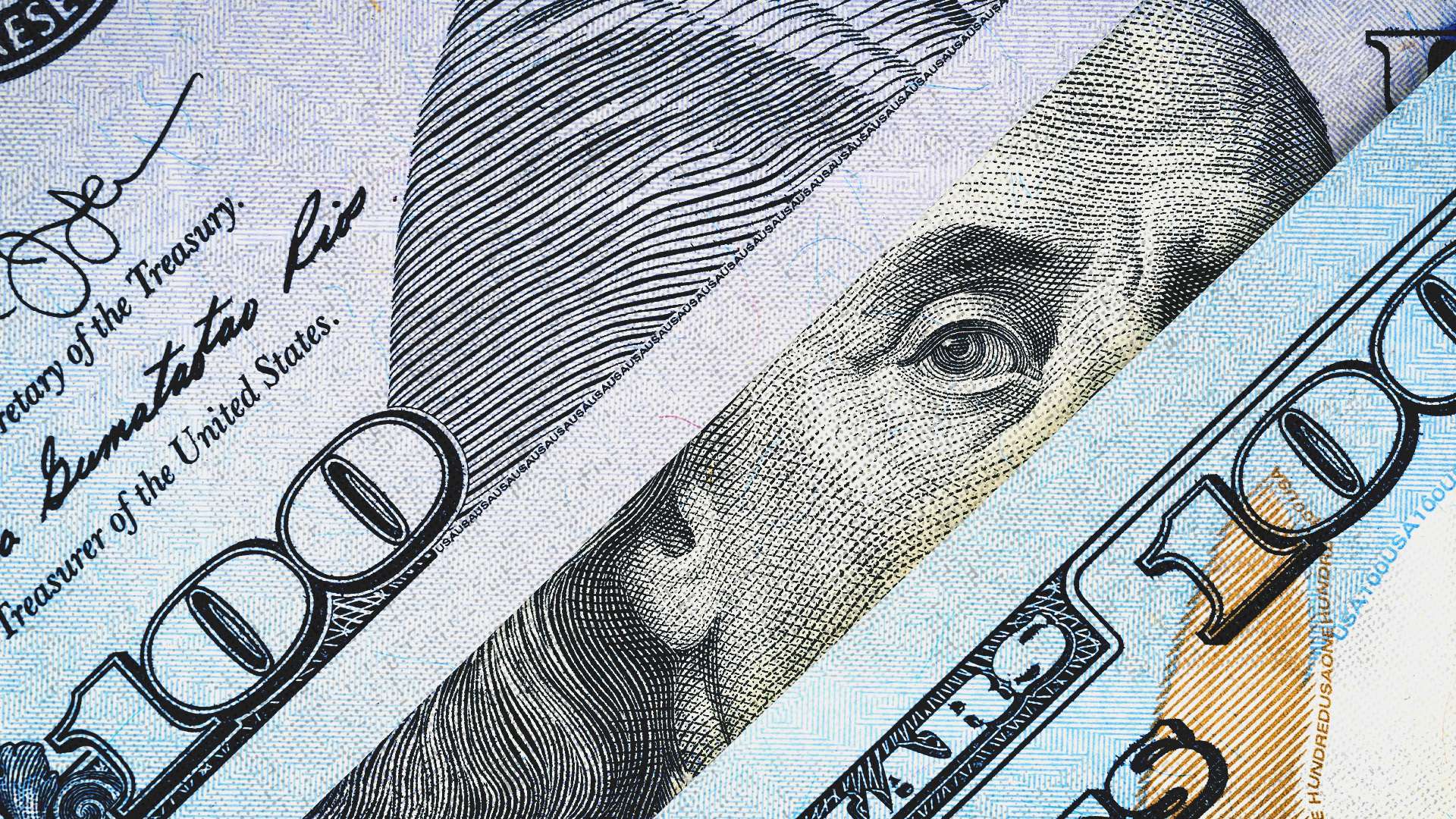
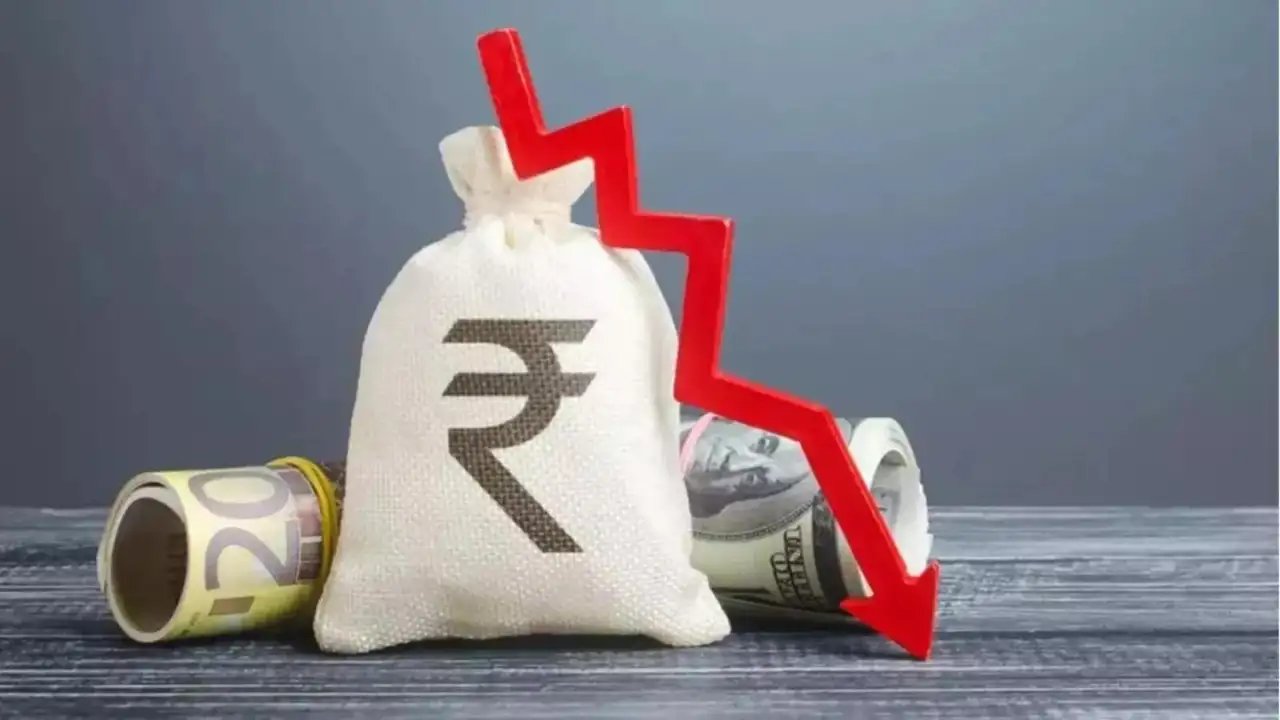
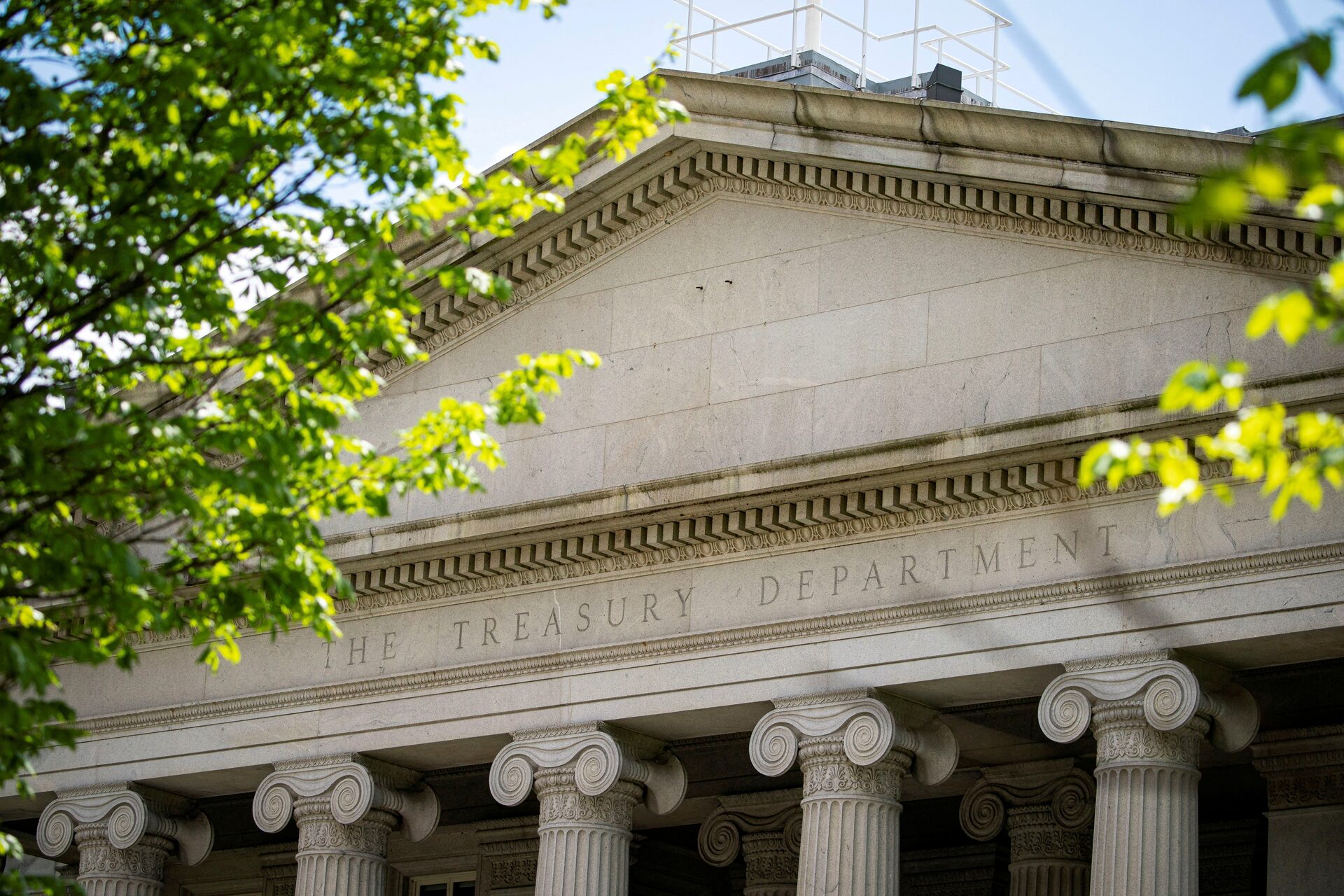
The U.S. Treasury is set to keep coupon sizes steady while increasing reliance on short-term bills. This strategic move comes as the government anticipates a wave of tariff refunds, projected to reach $166 billion. By holding coupon sizes steady, the Treasury aims to manage its financing more effectively in light of these upcoming financial obligations.
Impacts on Government Financing
This decision is expected to influence how the government finances its operations. The Treasury's approach may lead to a higher issuance of bills, which typically have shorter maturities compared to longer-term securities. As the government prepares for the influx of tariff refunds, this shift in financing strategy could help mitigate potential cash flow challenges.
Market Reactions
Market analysts have noted a cautious optimism regarding the Treasury's decision. Some experts believe that maintaining steady coupon sizes while leaning on bills could stabilize interest rates in the short term. However, others warn that this strategy may lead to increased volatility if the anticipated tariff refunds do not materialize as expected.
Future Considerations for Investors
Investors will need to closely monitor the Treasury's financing strategy, especially as the third quarter approaches. The potential for increased bill issuance could affect liquidity in the markets, prompting investors to reassess their portfolios. Financial experts suggest that those involved in government securities should prepare for possible shifts in interest rates as the Treasury navigates this new fiscal landscape.
Broader Economic Implications
The Treasury's decision could have wider implications for the economy. As the government adjusts its financing methods, the impact on inflation and overall economic growth will be scrutinized. Economists emphasize the importance of the Treasury's actions in shaping fiscal policy and influencing market conditions, which can ultimately affect everyday consumers and businesses.
Next Steps for the Treasury
As the Treasury moves forward, it will need to remain adaptable to changing economic conditions. The anticipated tariff refunds represent a significant financial event, and how the Treasury manages its coupon sizes and bill issuance will be crucial. Stakeholders will be watching closely to see how this strategy unfolds and what it means for future government financing and economic stability.