
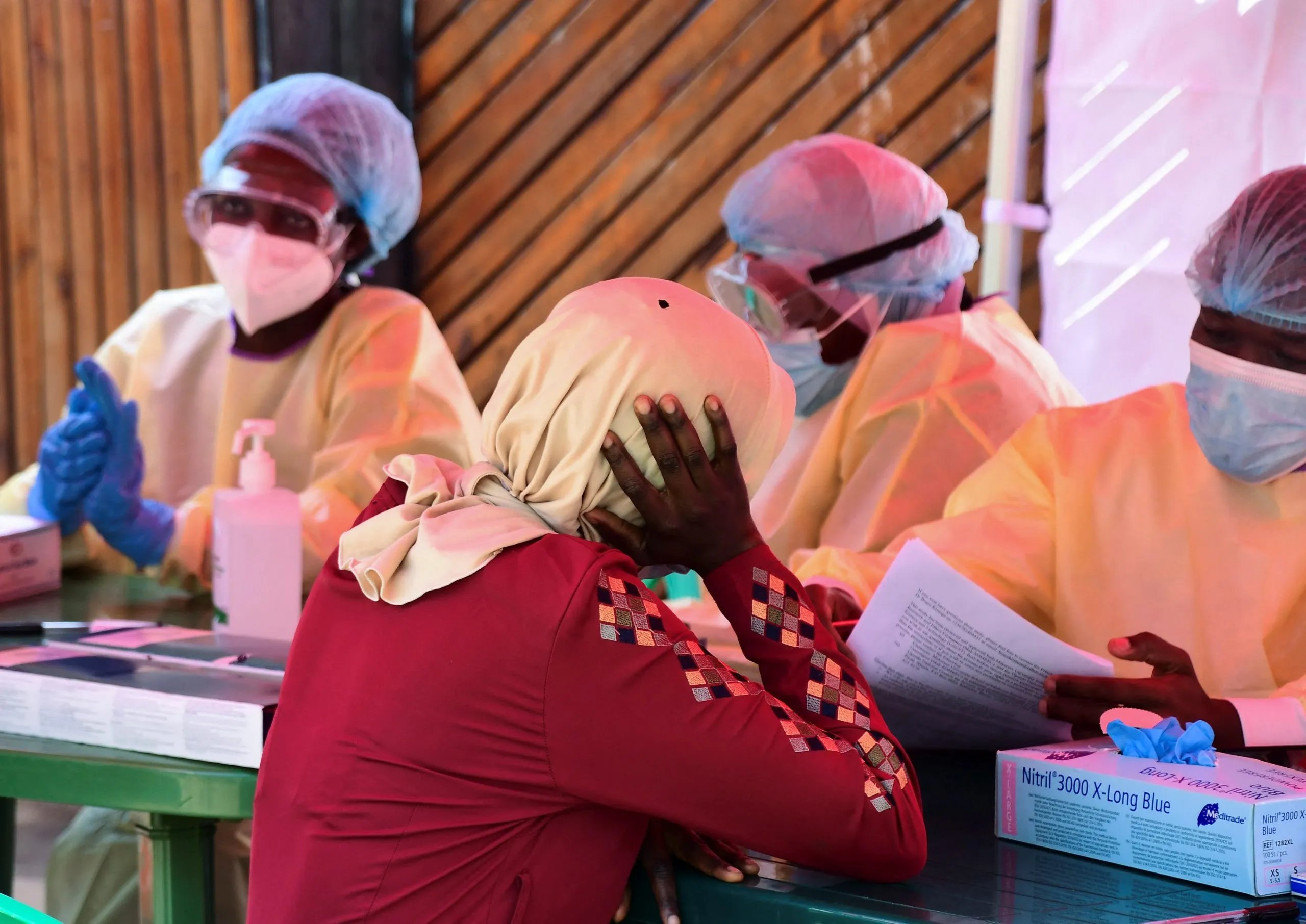





Rising Infection Rates
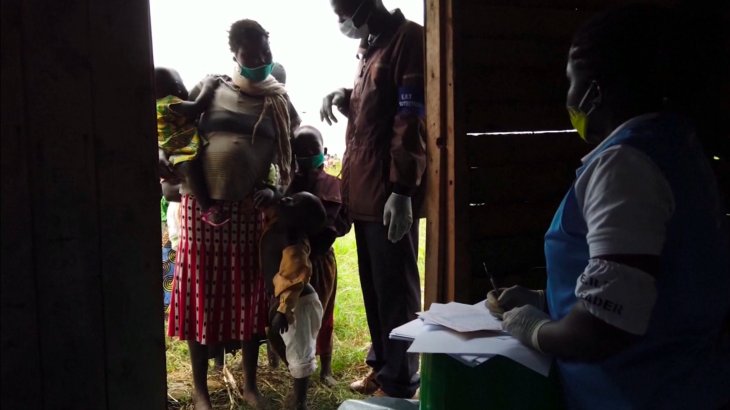
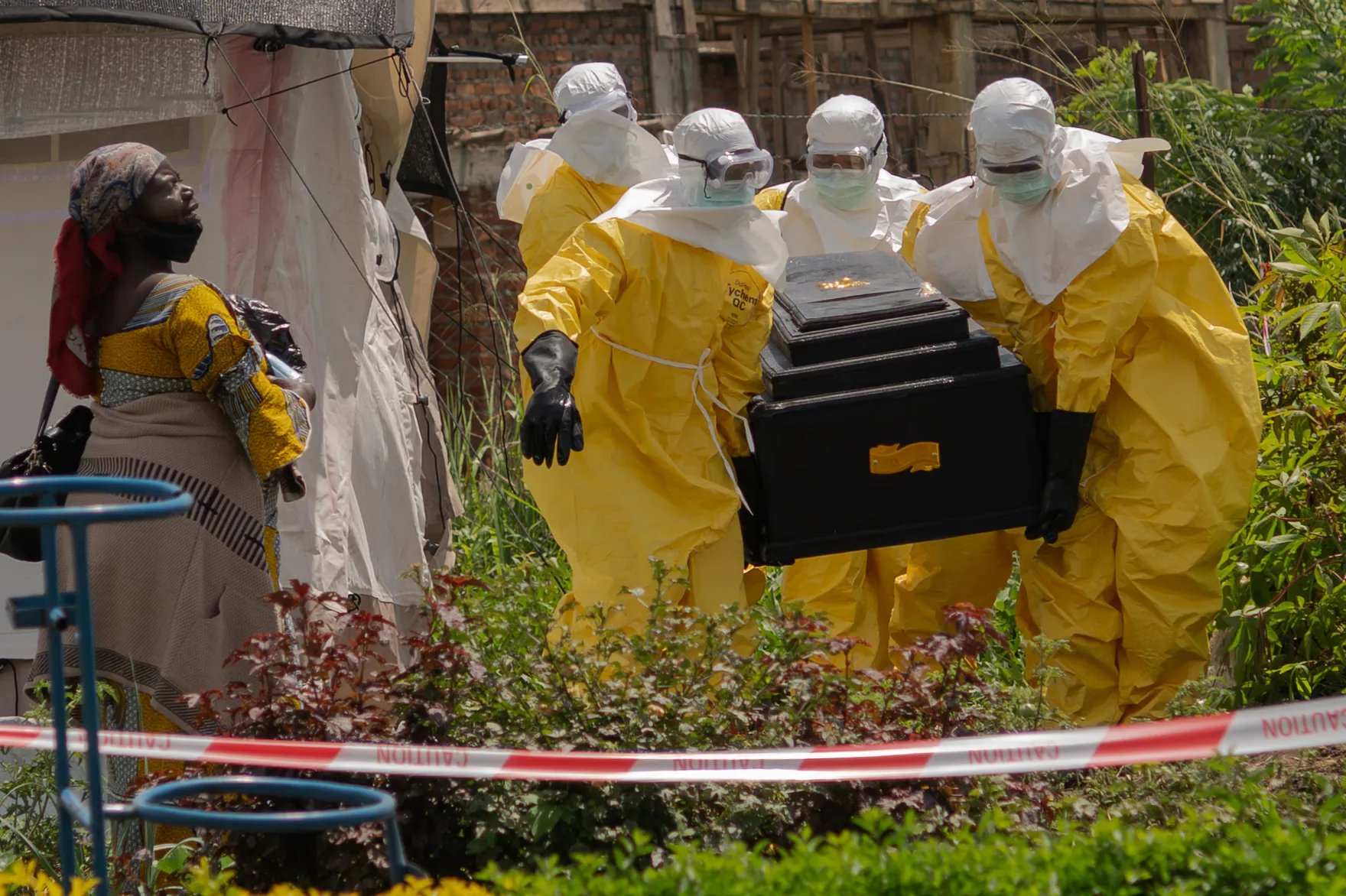
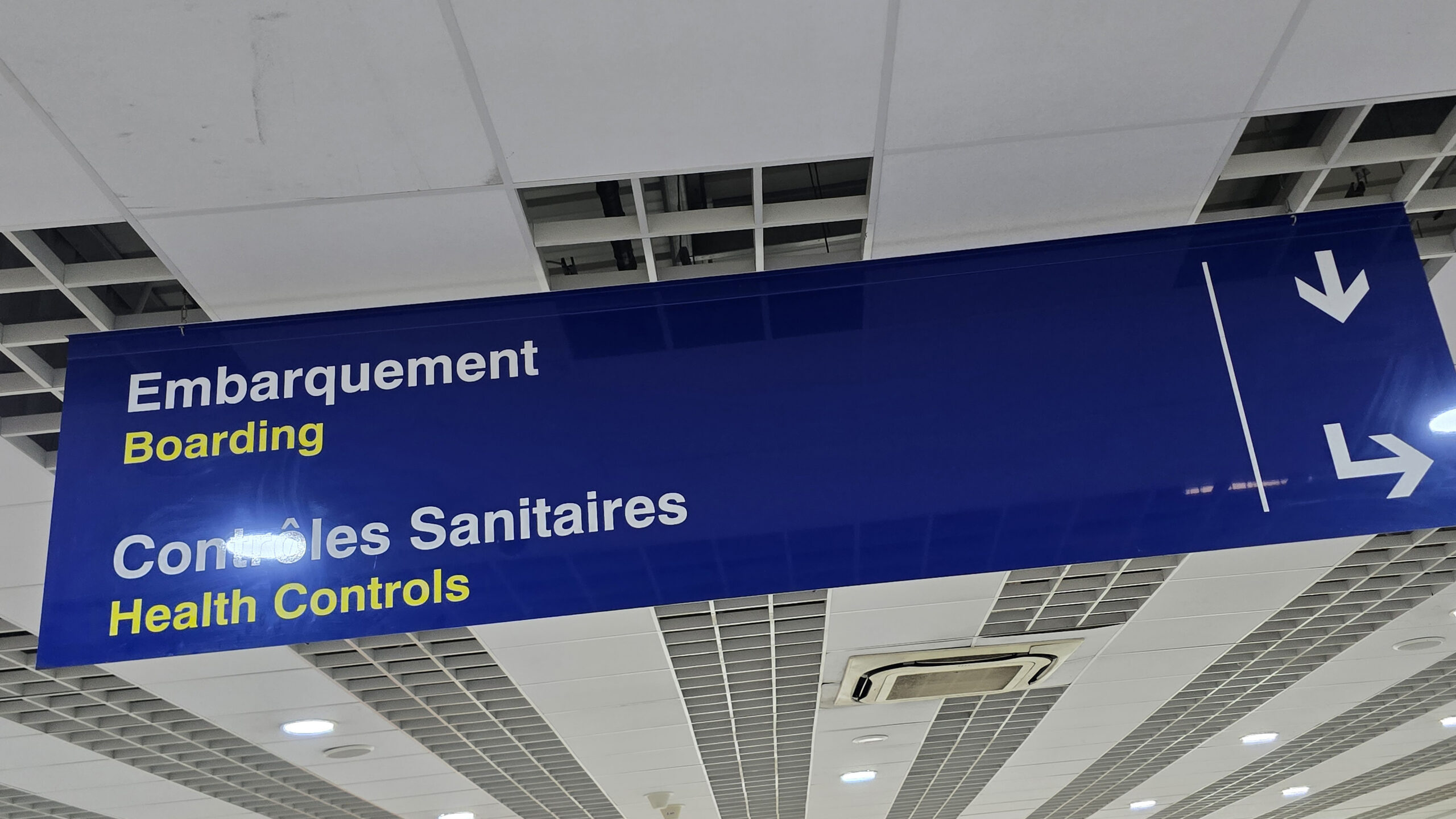
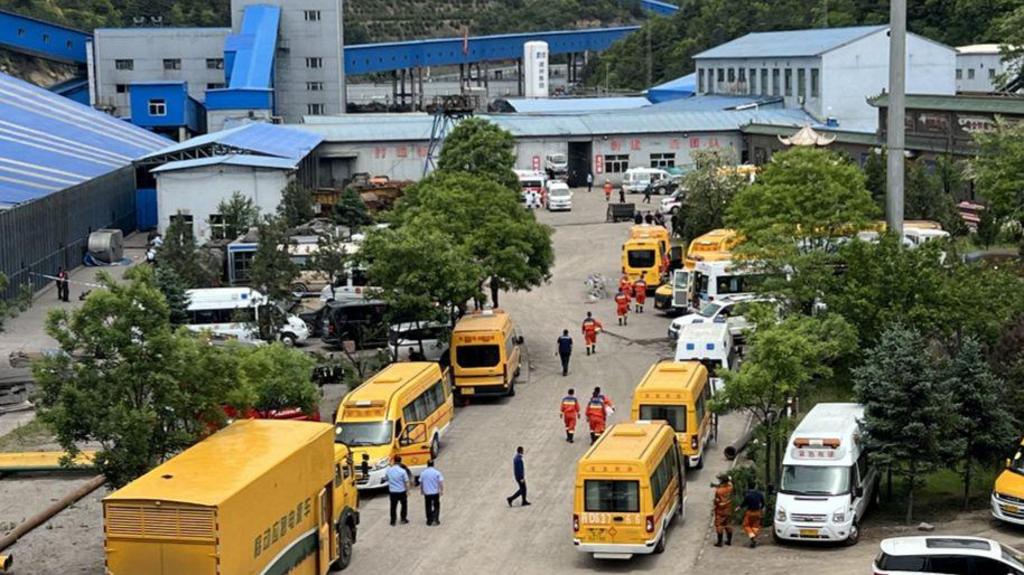
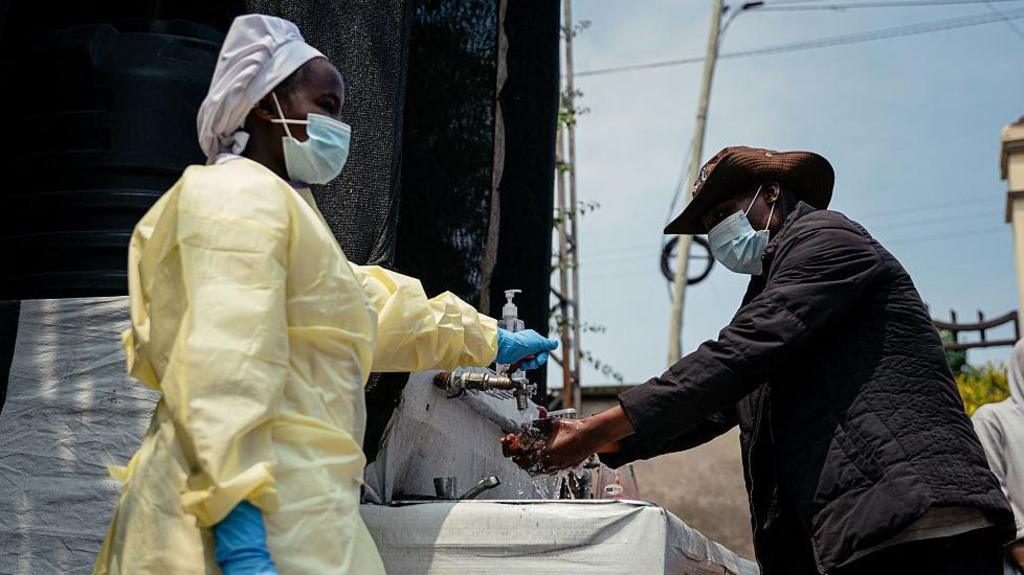
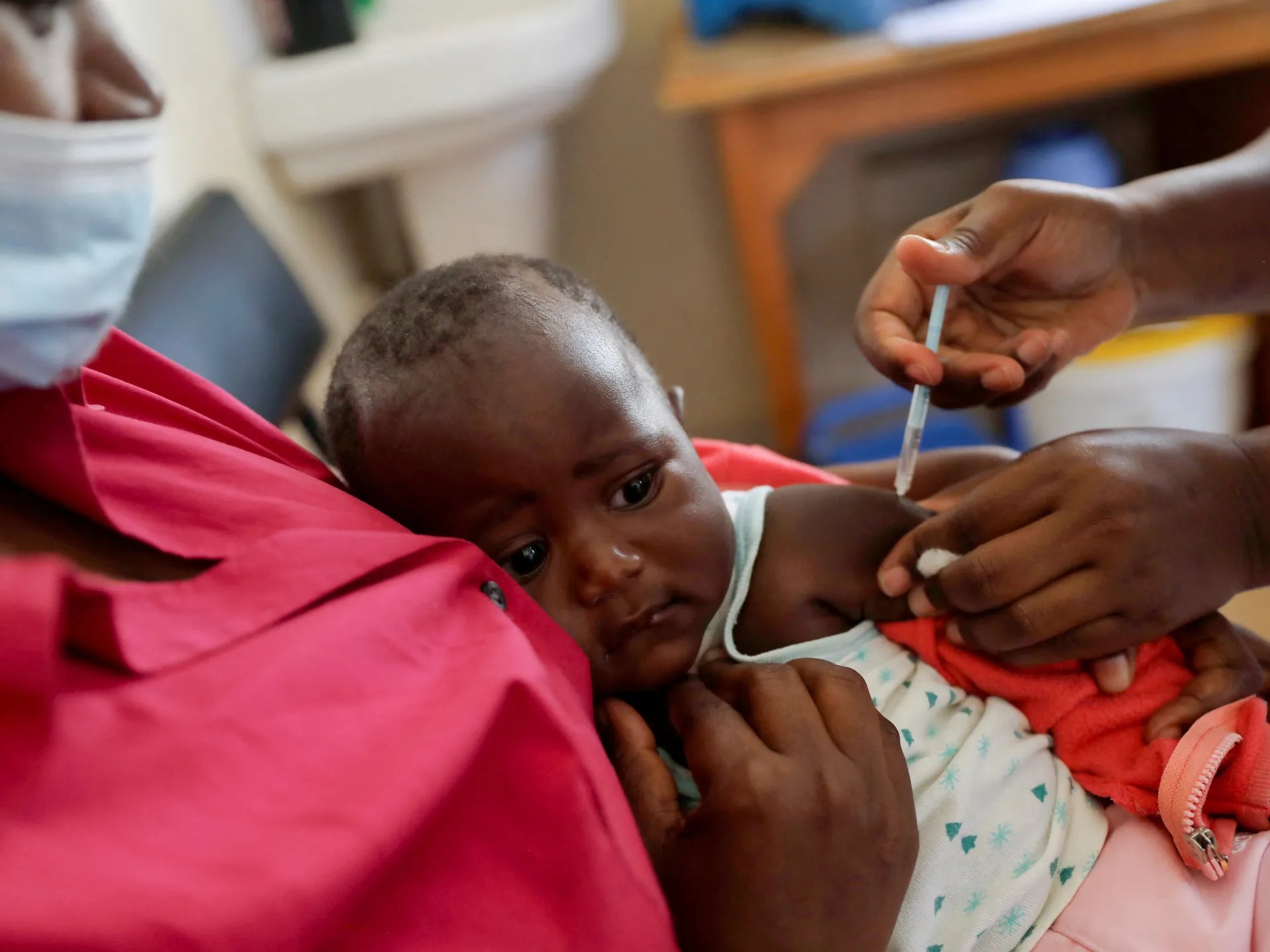
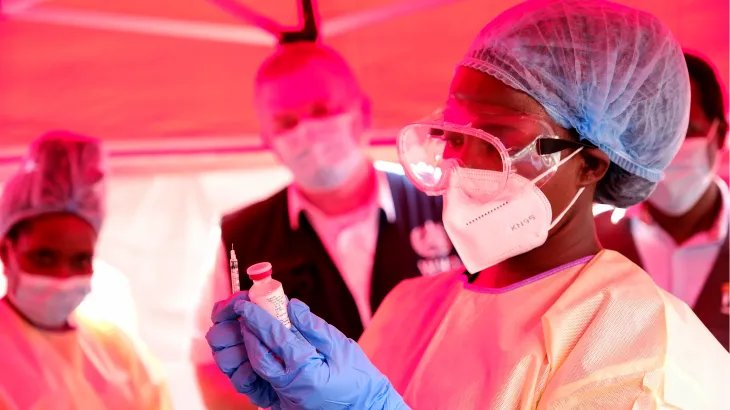
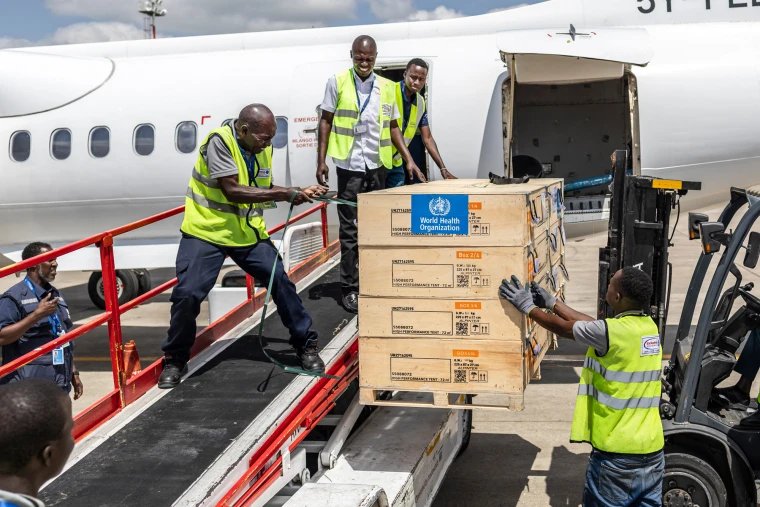
Health officials are urgently tracing Ebola infections in Central Africa, fearing the outbreak's scale is larger than initial reports indicated. An American doctor who contracted Ebola while working in Congo has been evacuated to Berlin for emergency treatment.
Global Health Concerns
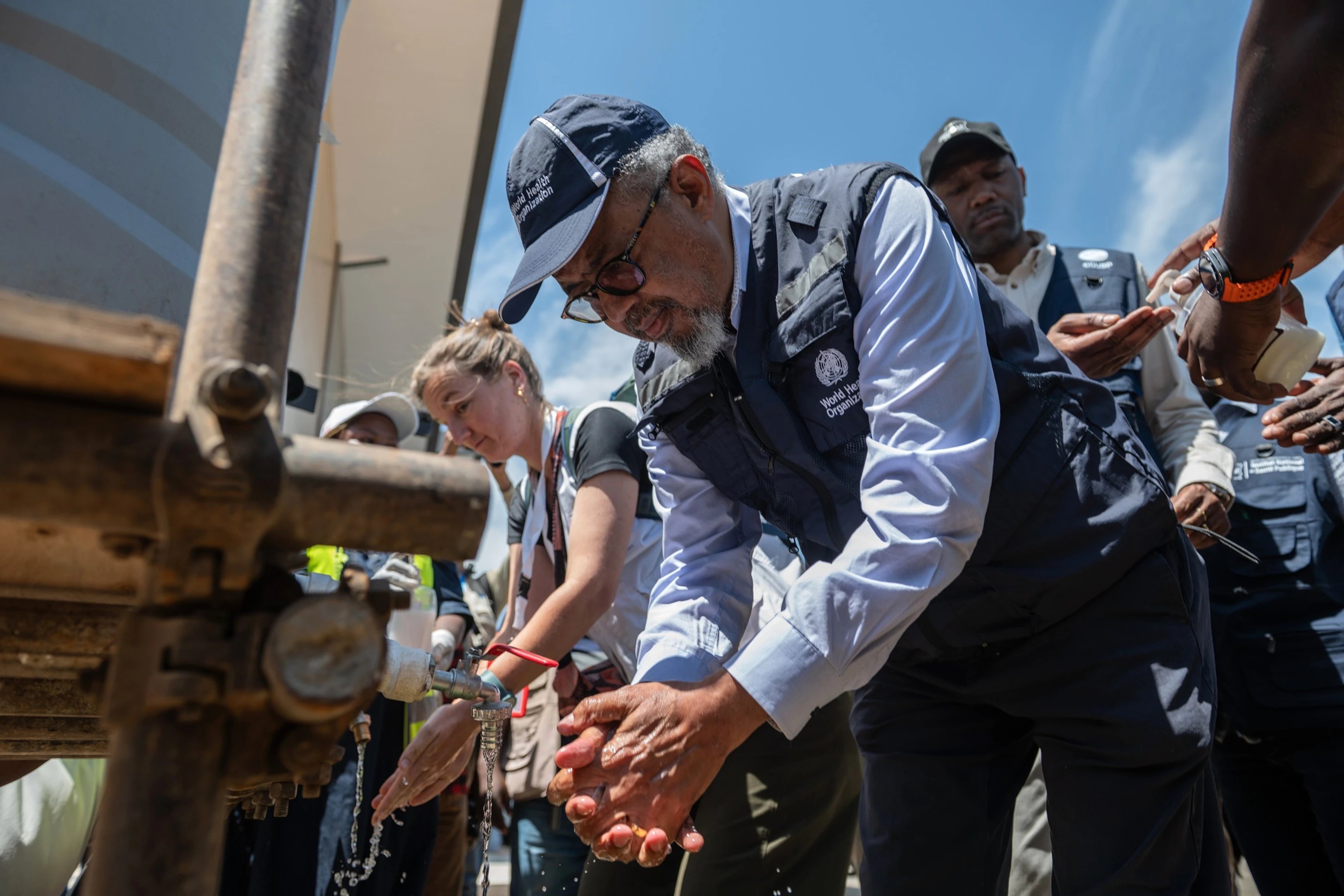
The rapid spread of cases raises concerns about a potential global health crisis. The claim that Africa’s largest health agency bungled its response has sparked debate.
Presidential Election Violence in Colombia
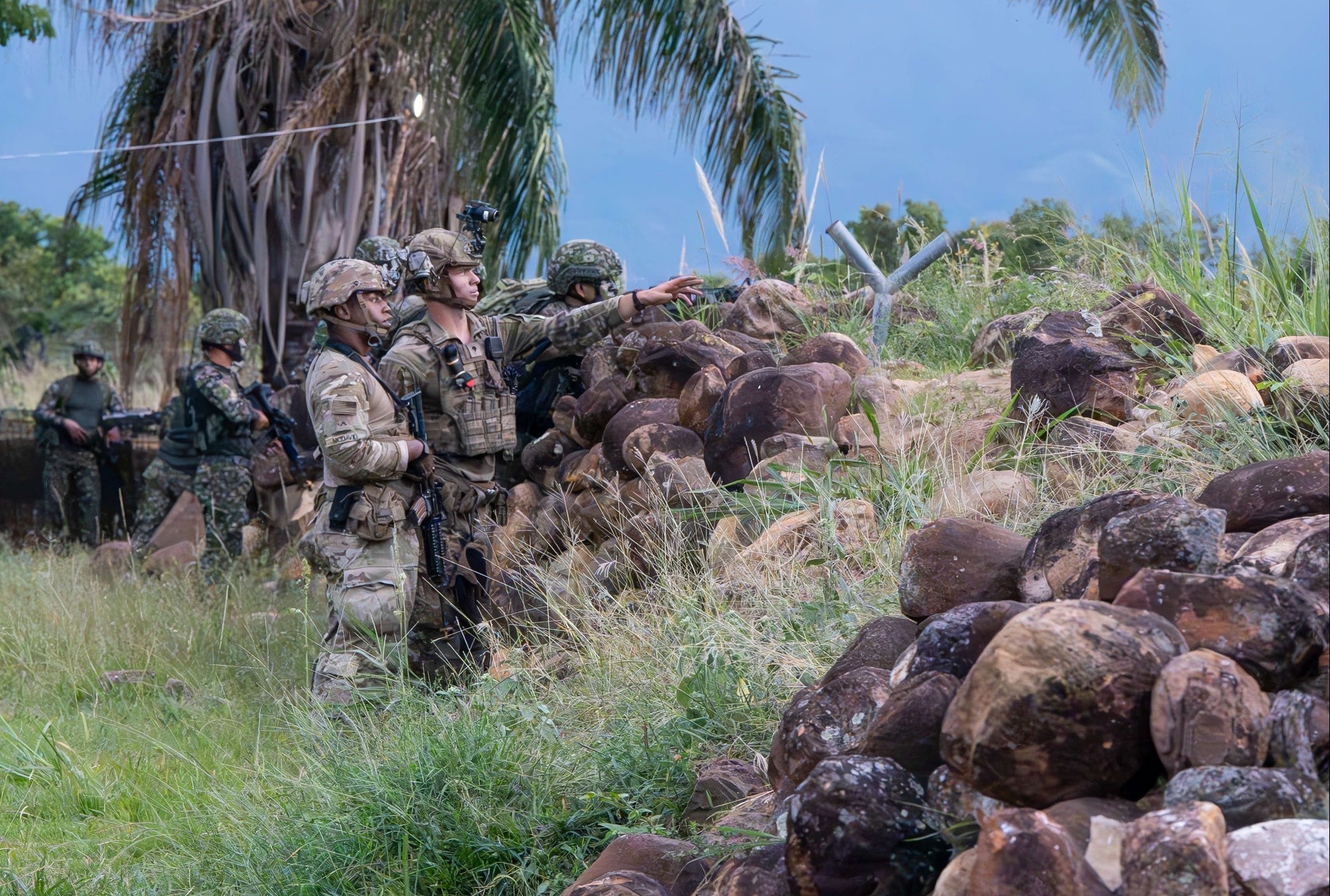
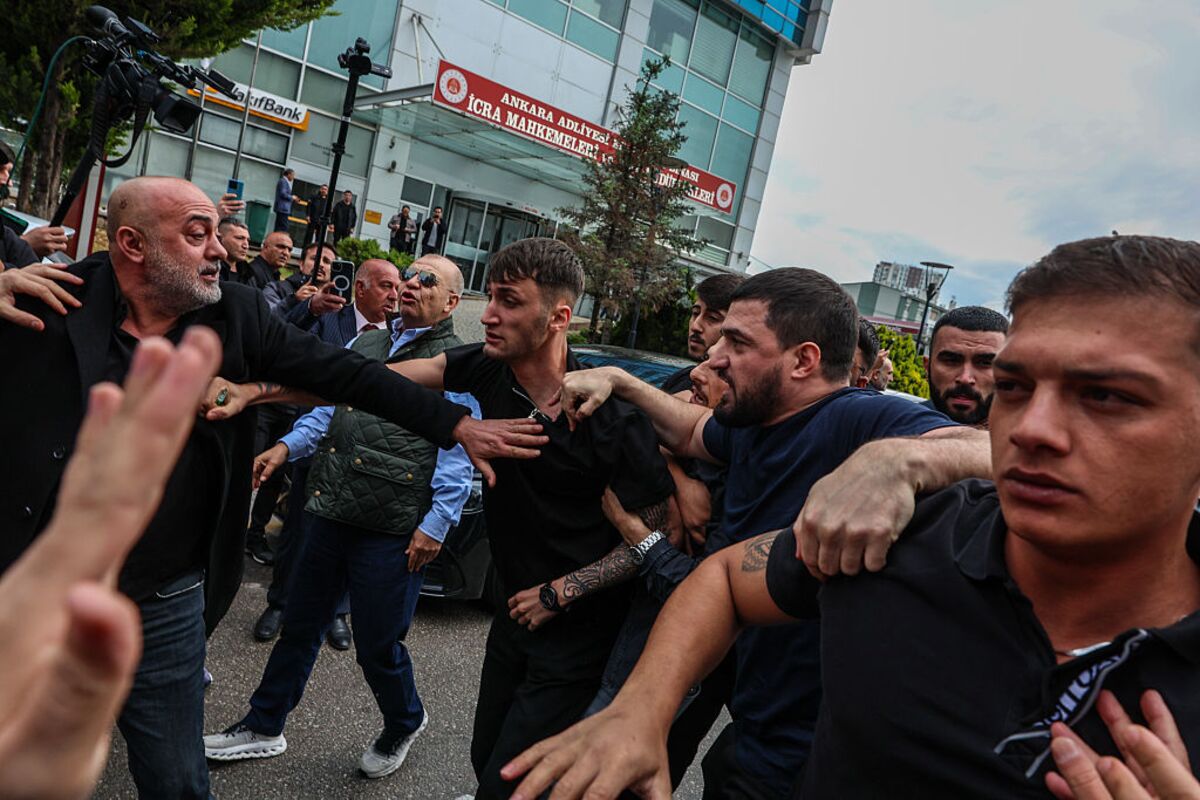
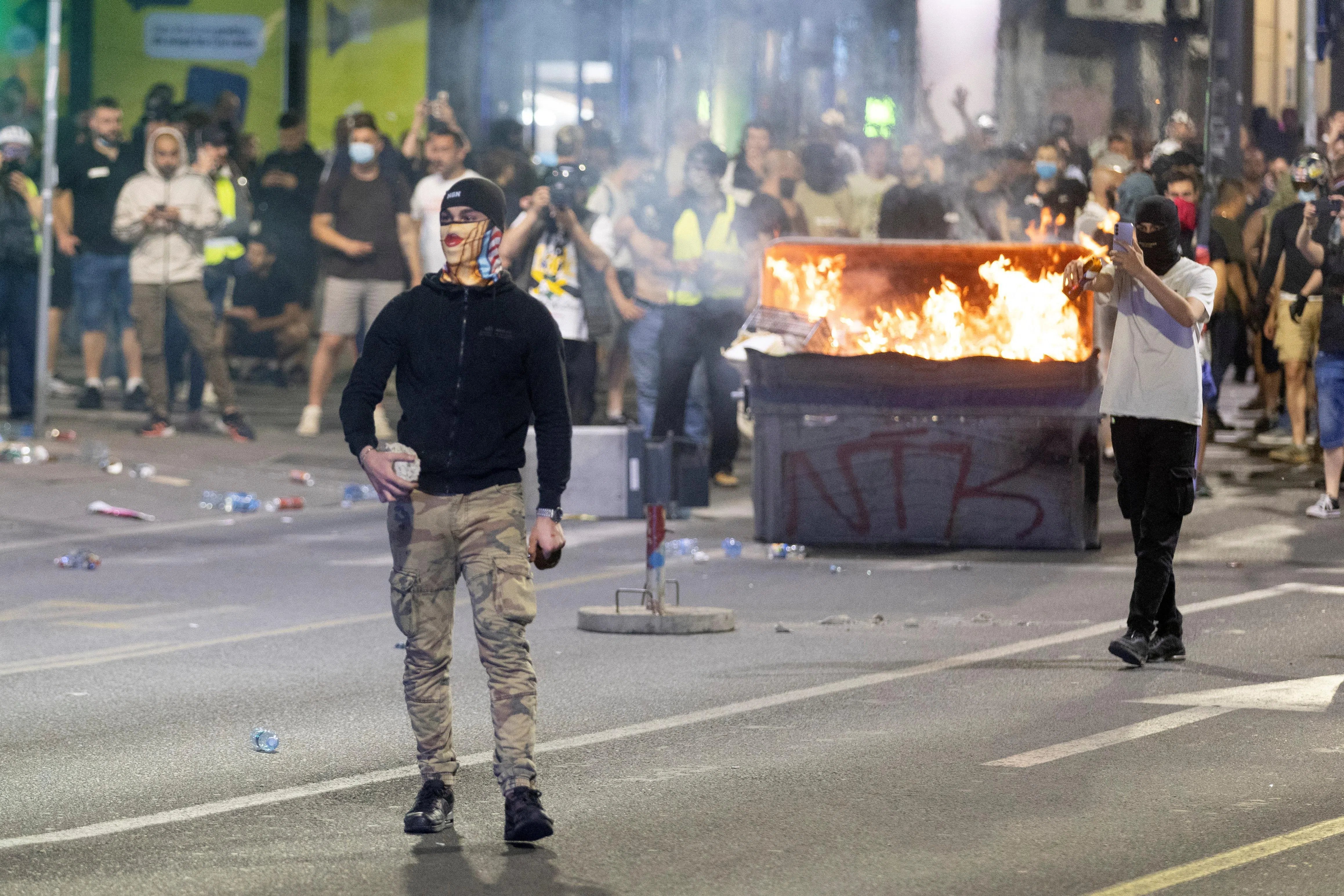
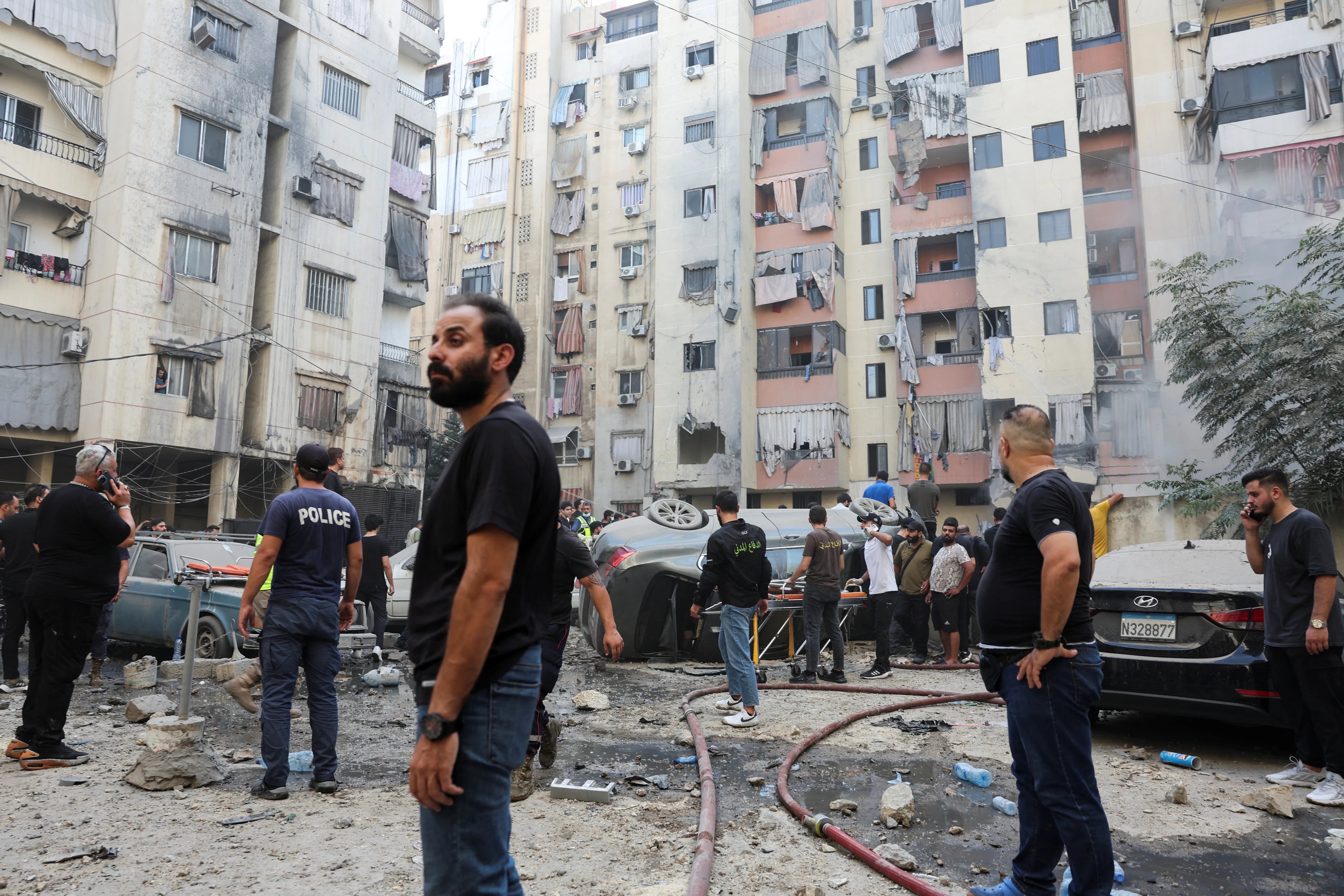
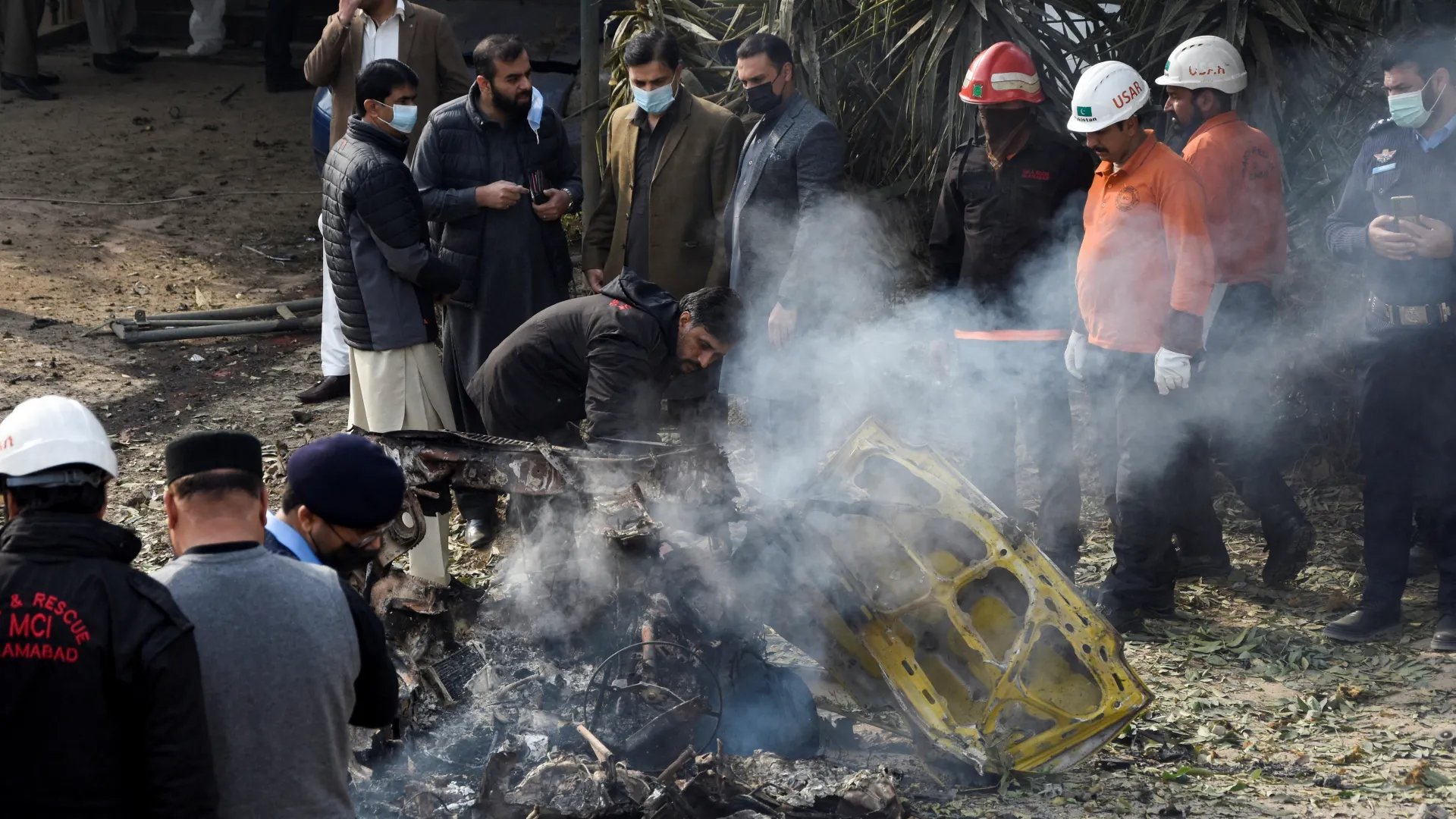
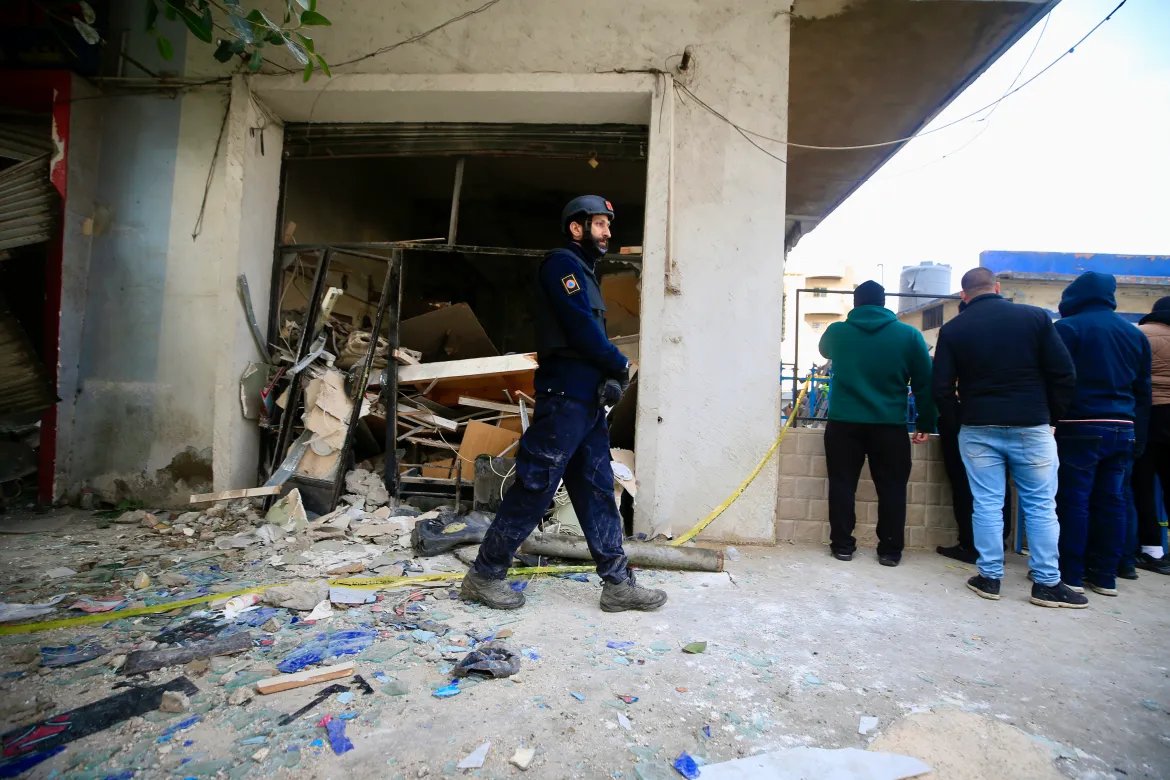
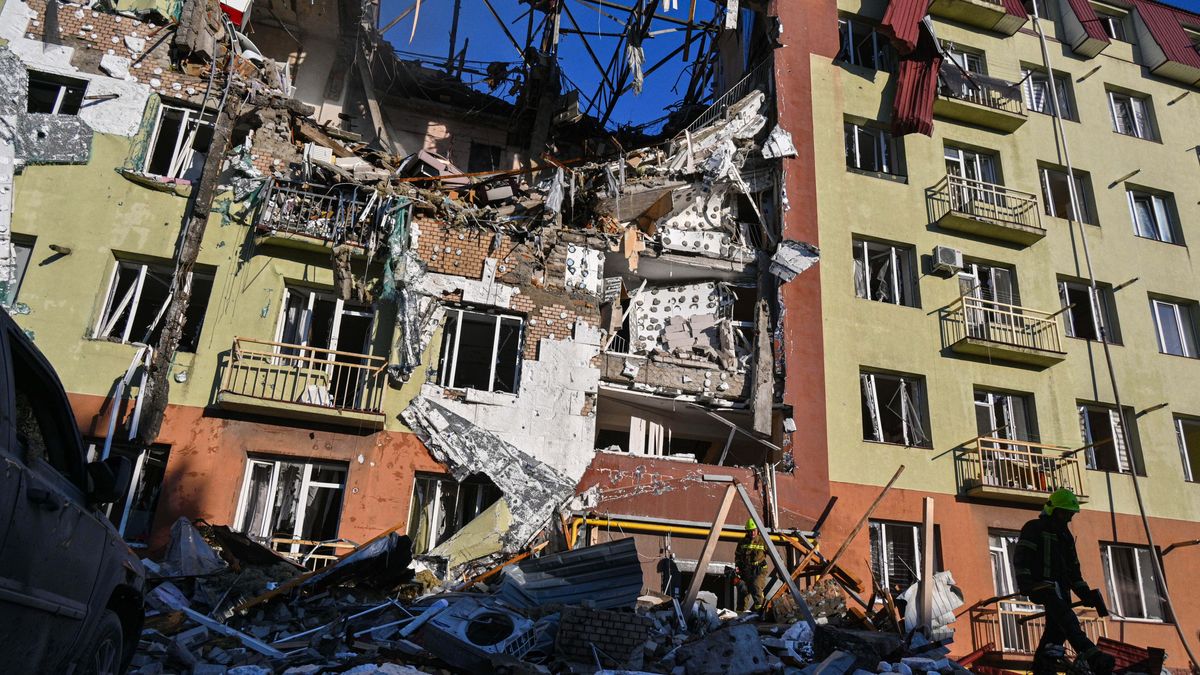
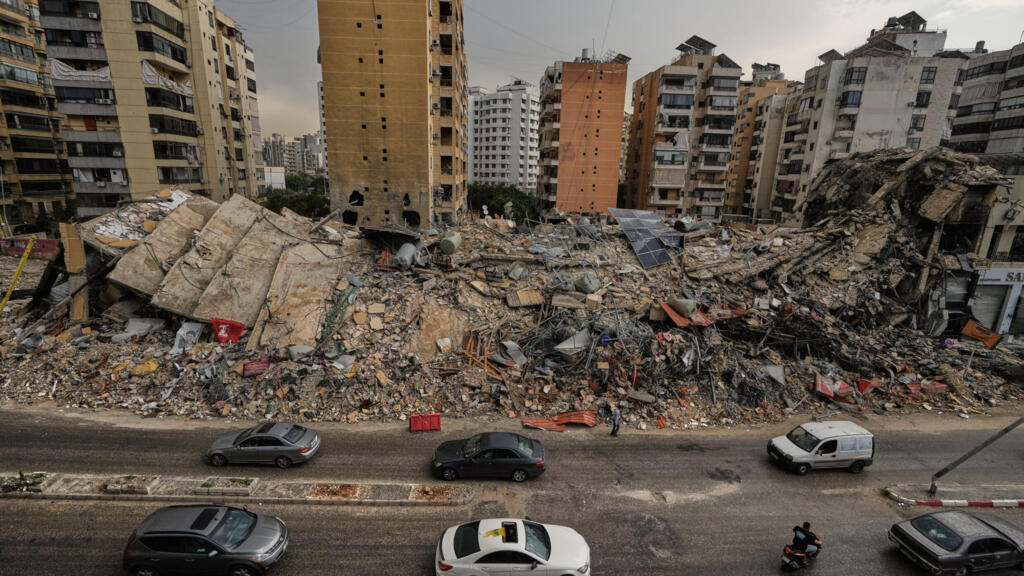
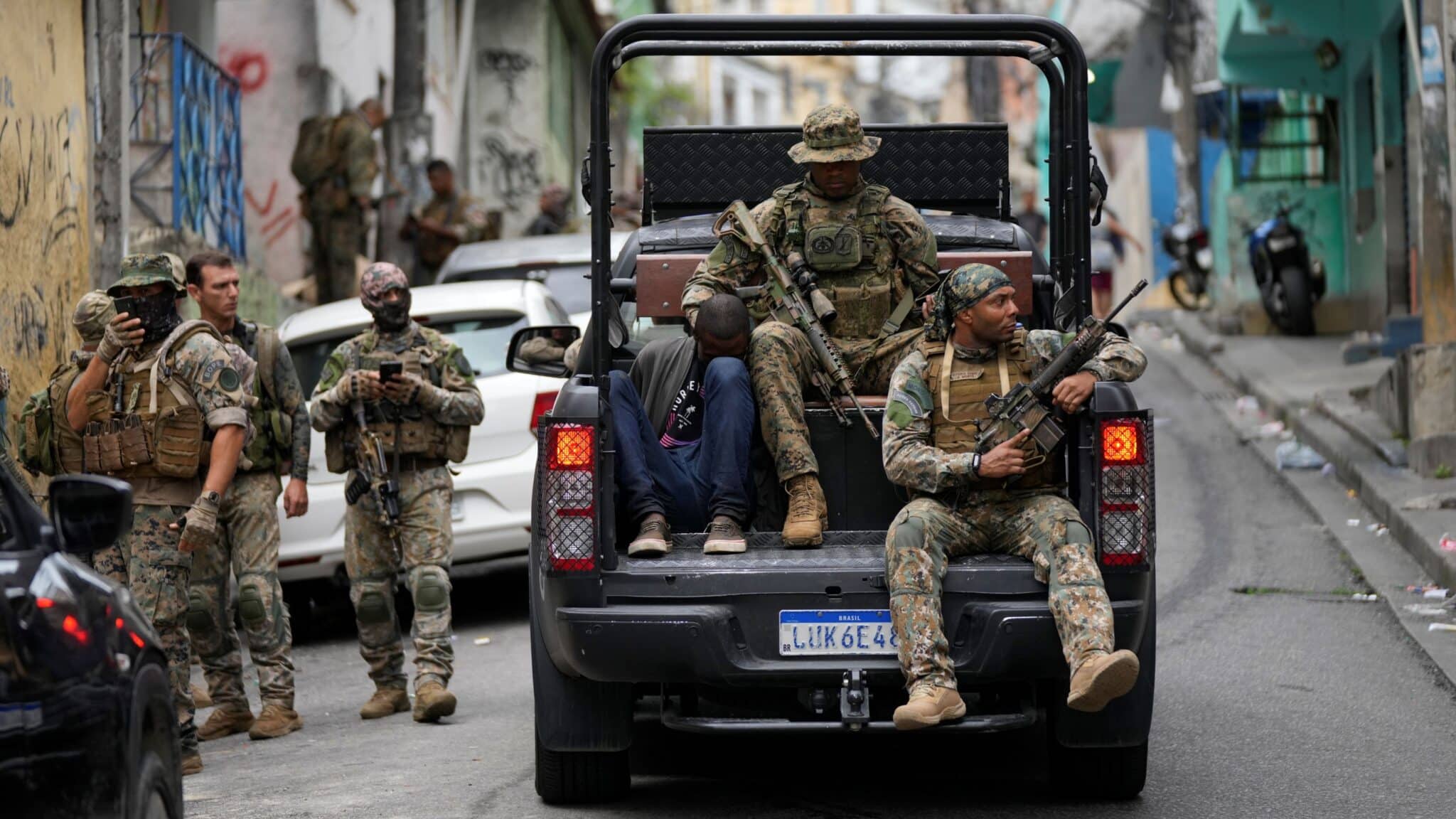
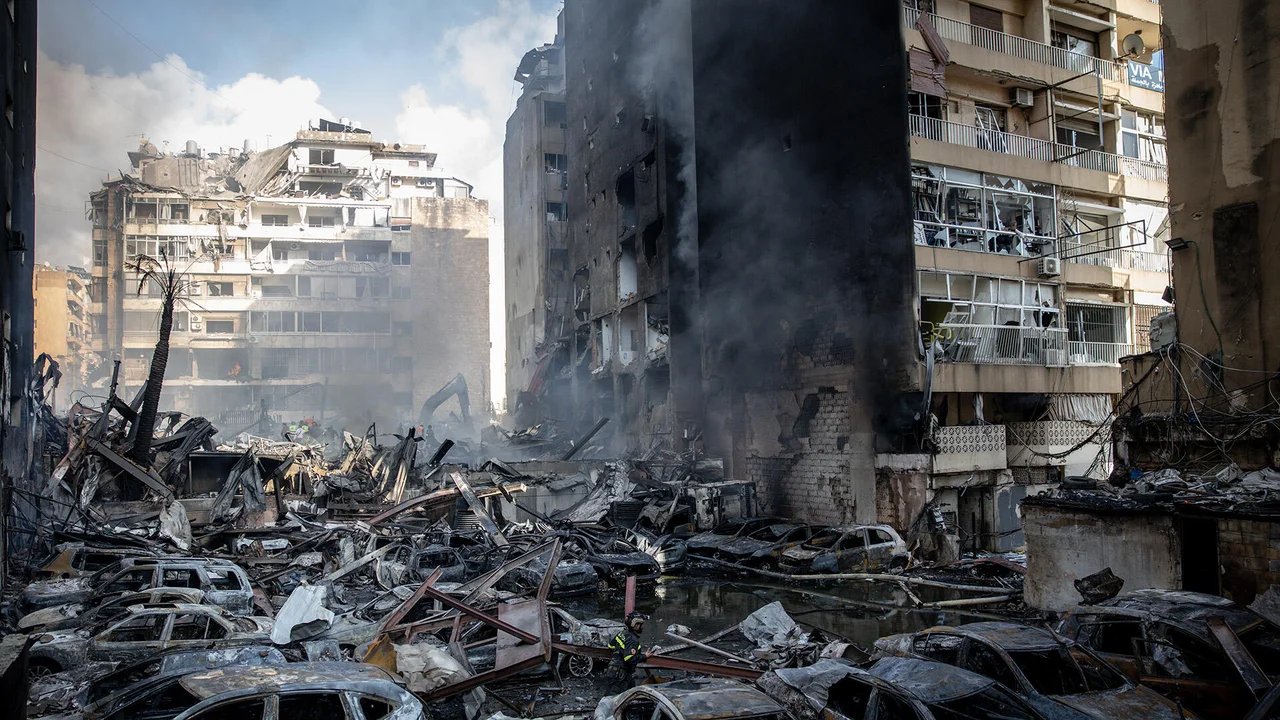
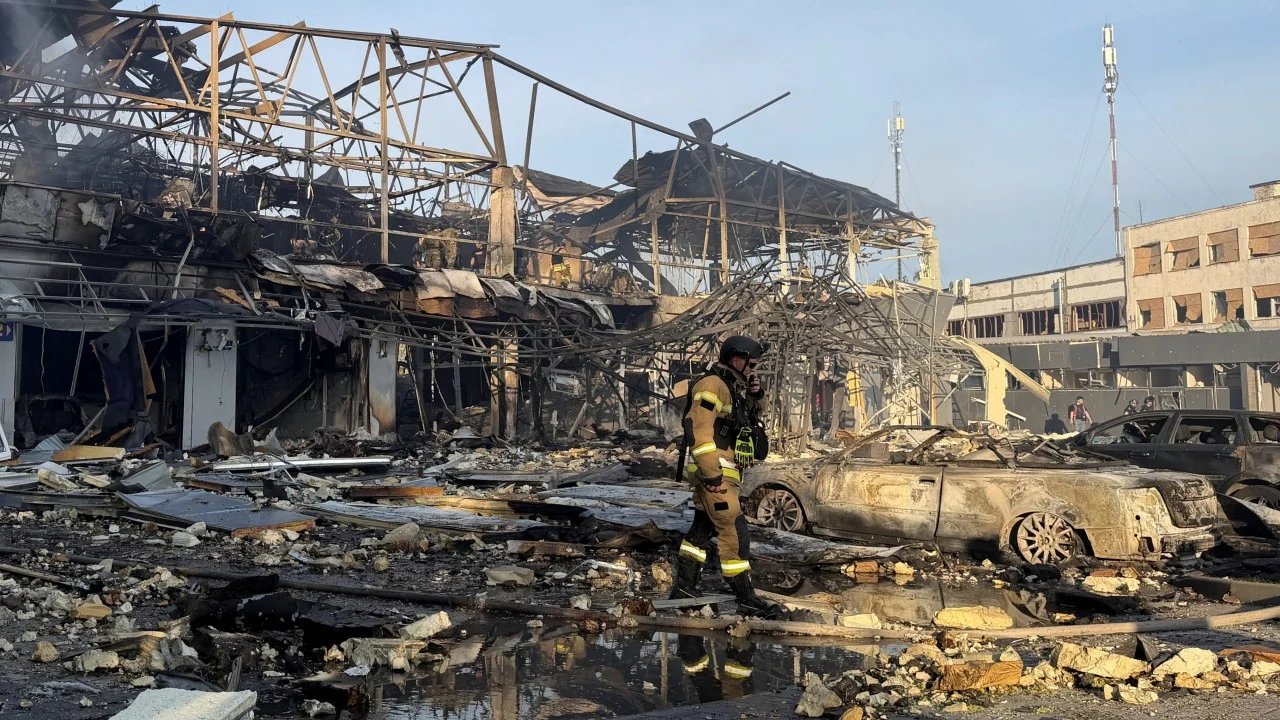
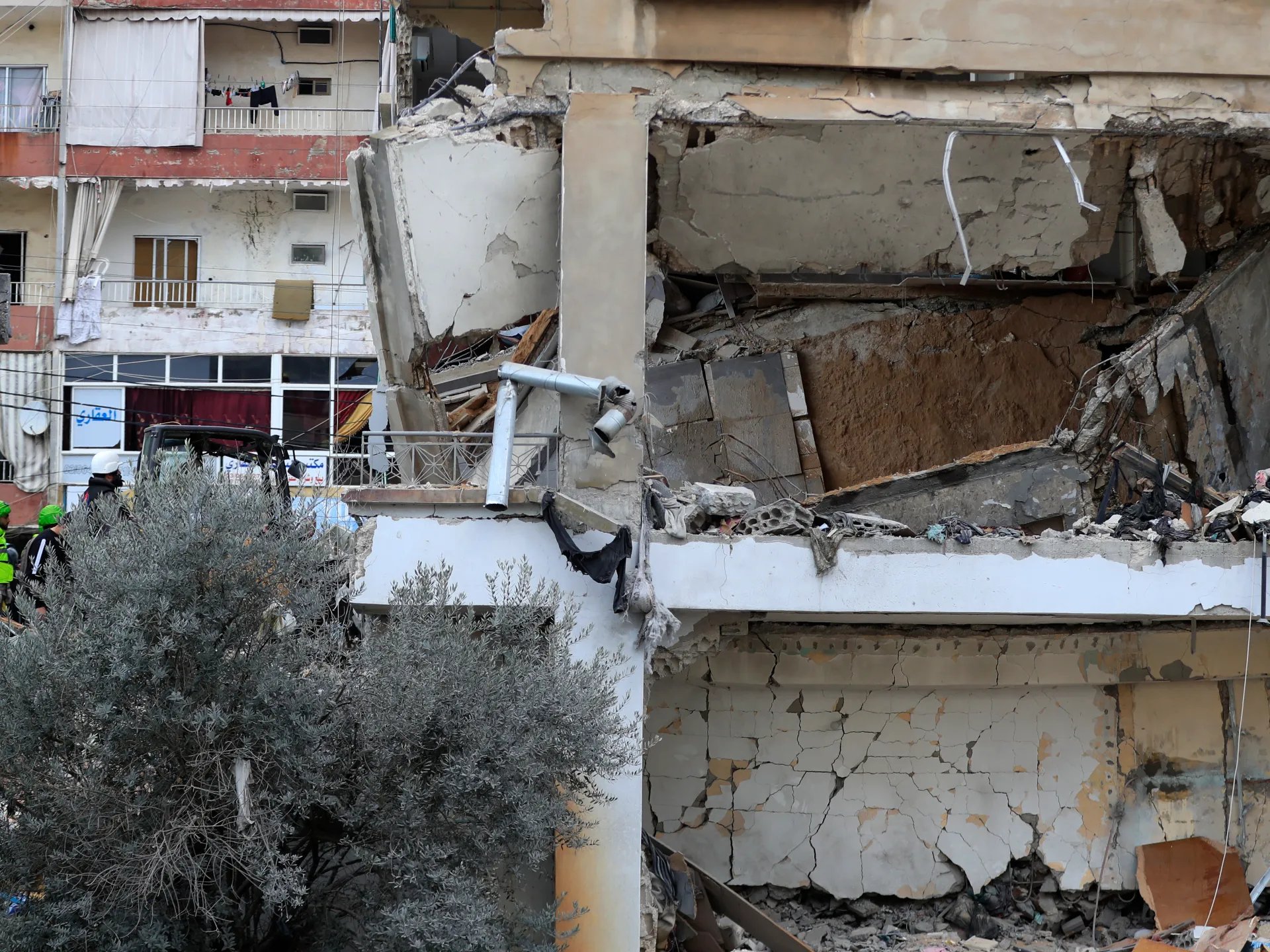
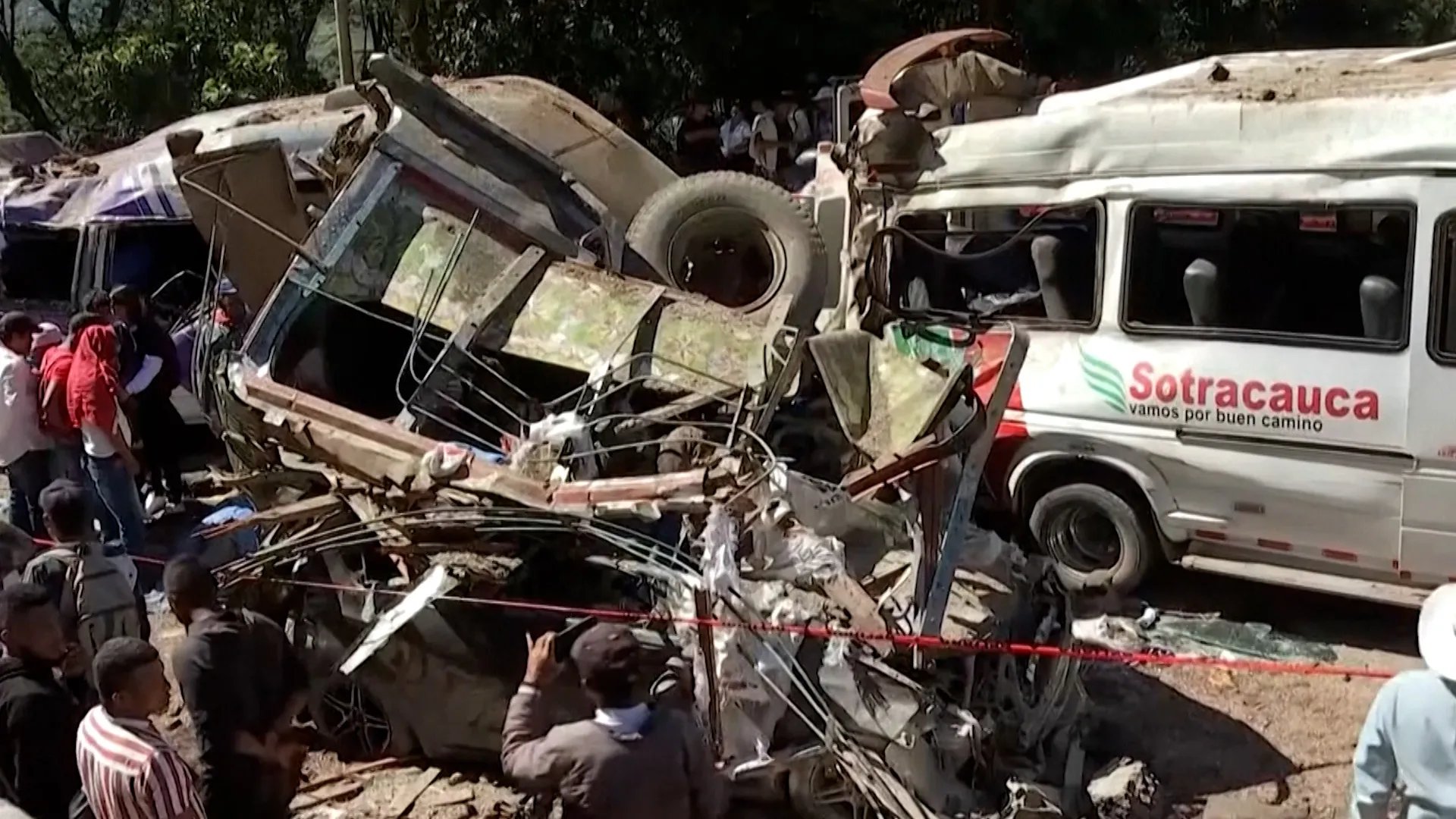
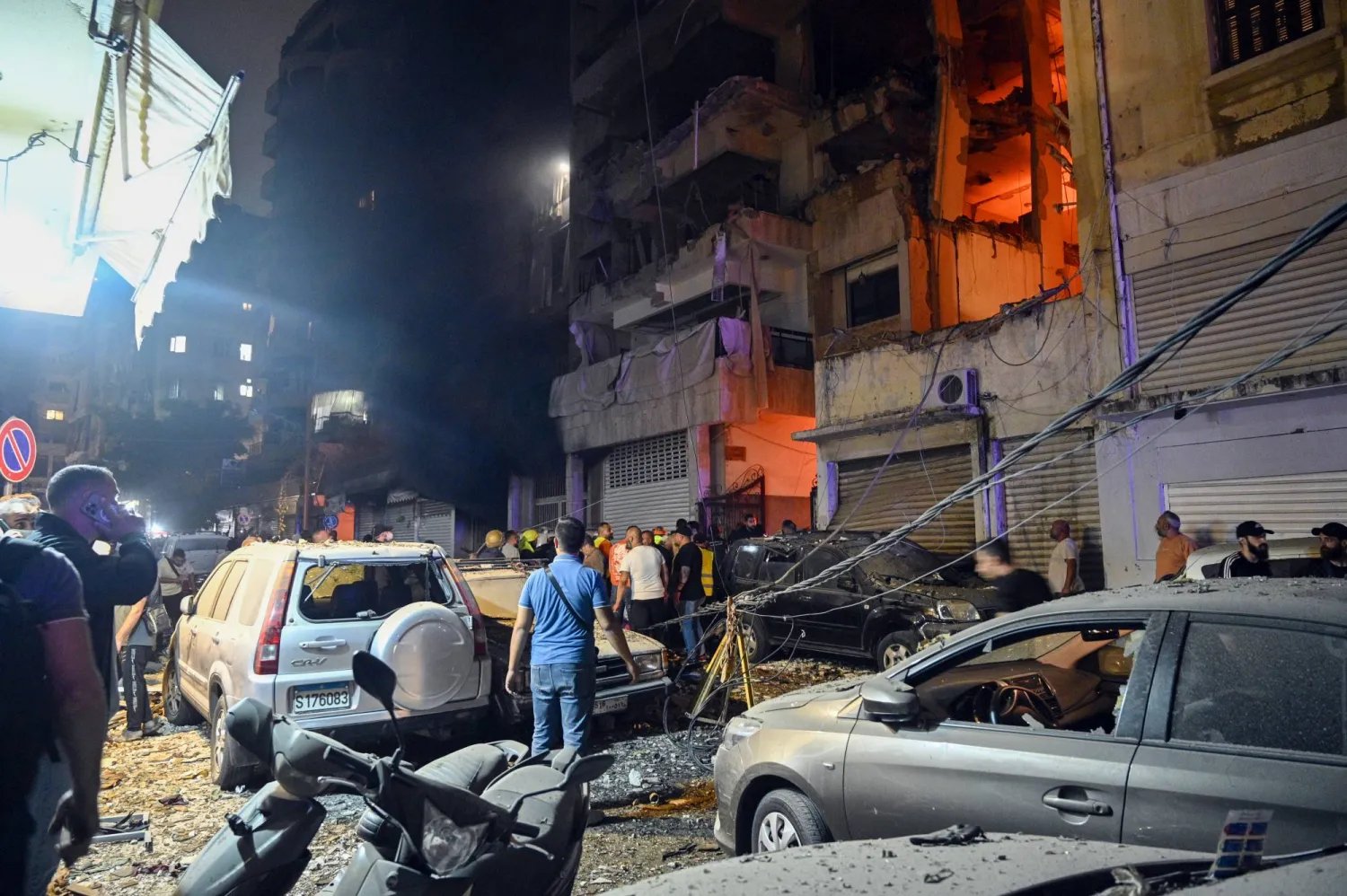
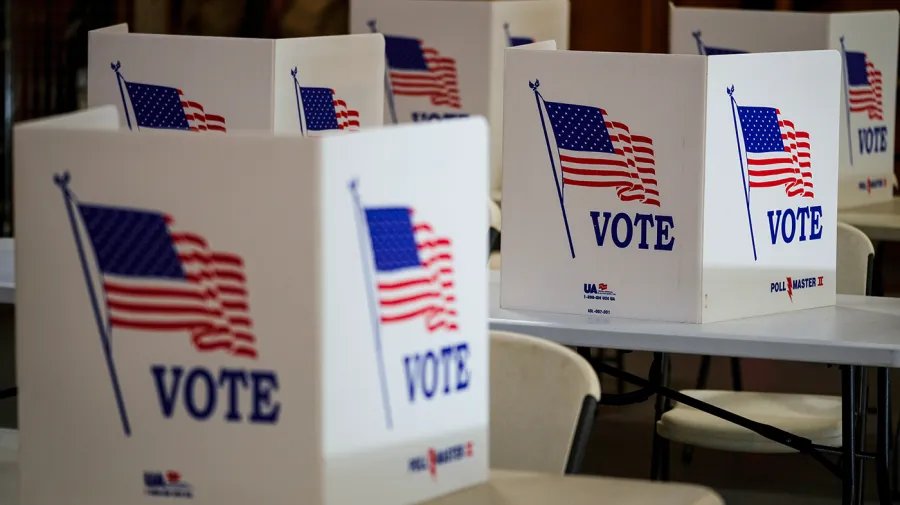
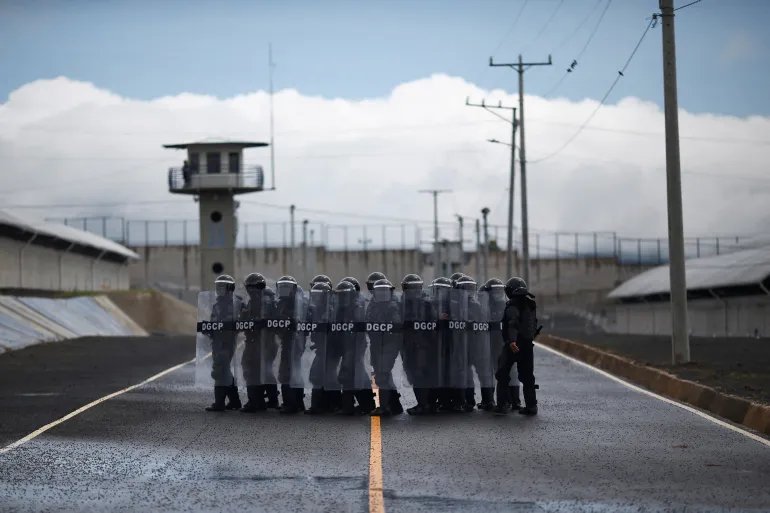
Colombia is experiencing a surge in violence ahead of the presidential election, overshadowing the political process. The election campaign, with first-round voting scheduled for May 31, has become Colombia's deadliest in decades. A leading presidential candidate was assassinated, and a series of bomb attacks occurred in the country's south.
Attack on Senator
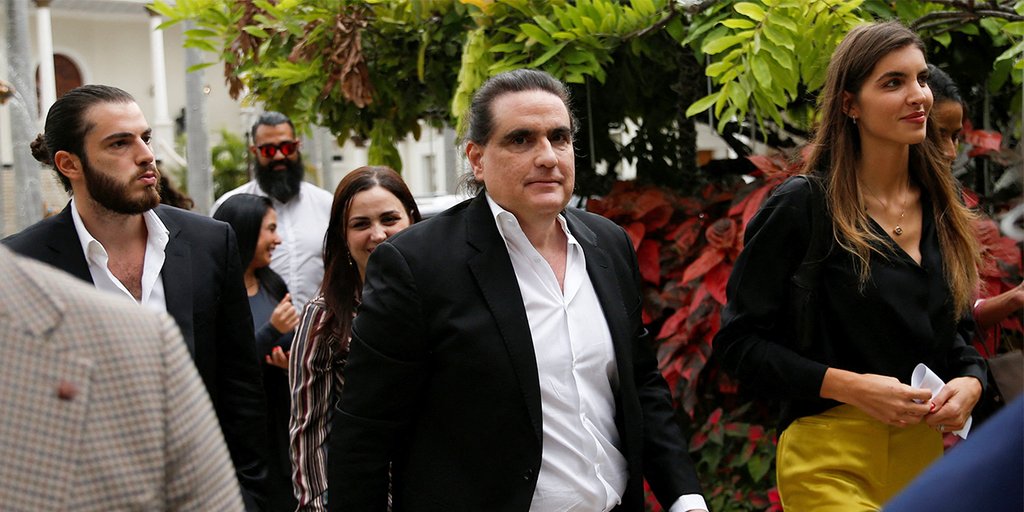
Senator Alexander Lopez's motorcade came under fire on a highway in the conflict-ridden southwestern region. President Gustavo Petro attributed the attack to "a drug-trafficking armed group."
Ceasefire Announcements
The Central General Staff, the largest dissident branch of the former Revolutionary Armed Forces of Colombia, and rebels from the National Liberation Army announced separate ceasefires. These ceasefires come ahead of this month's election.
Divergent Approaches to Conflict
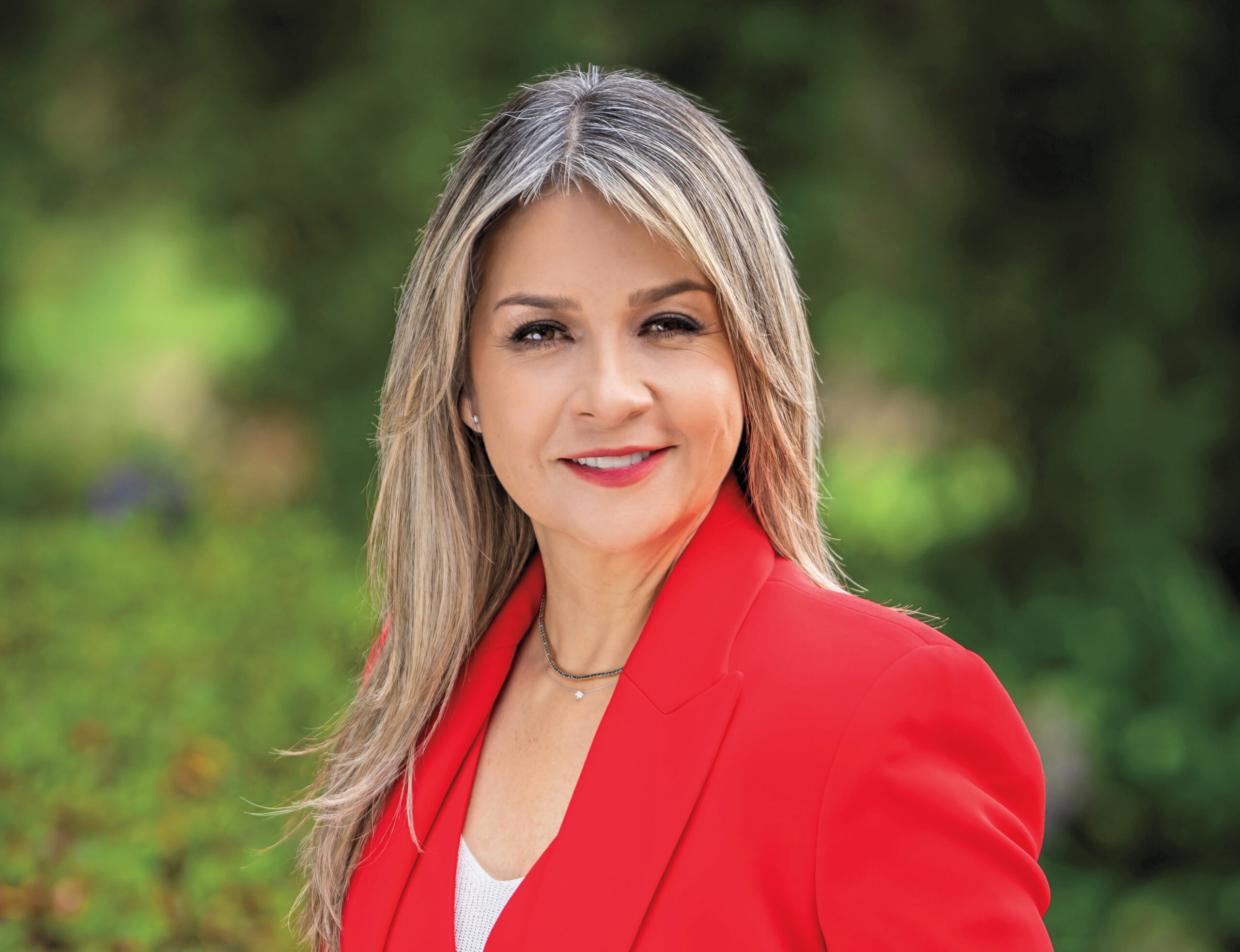
Leftist candidate Ivan Cepeda has pledged to continue peace talks with armed groups, following President Gustavo Petro's policy. Conservative lawyer Abelardo de la Espriella has called for a military offensive. Conservative candidate Paloma Valencia has demanded "immediate action" and "full backing for our Armed Forces and police."
Polling Data
An Invamer poll indicates Ivan Cepeda is leading with 44.3% support. Abelardo de la Espriella has 21.5% support, and Paloma Valencia has 19.8%. A runoff vote is scheduled for June 21 if no candidate secures more than 50% of valid ballots.
Looking Ahead
The worsening violence in Colombia has become the dominant campaign issue. The next step is the first-round vote on May 31, which will determine if a runoff election is needed to elect the next president.








































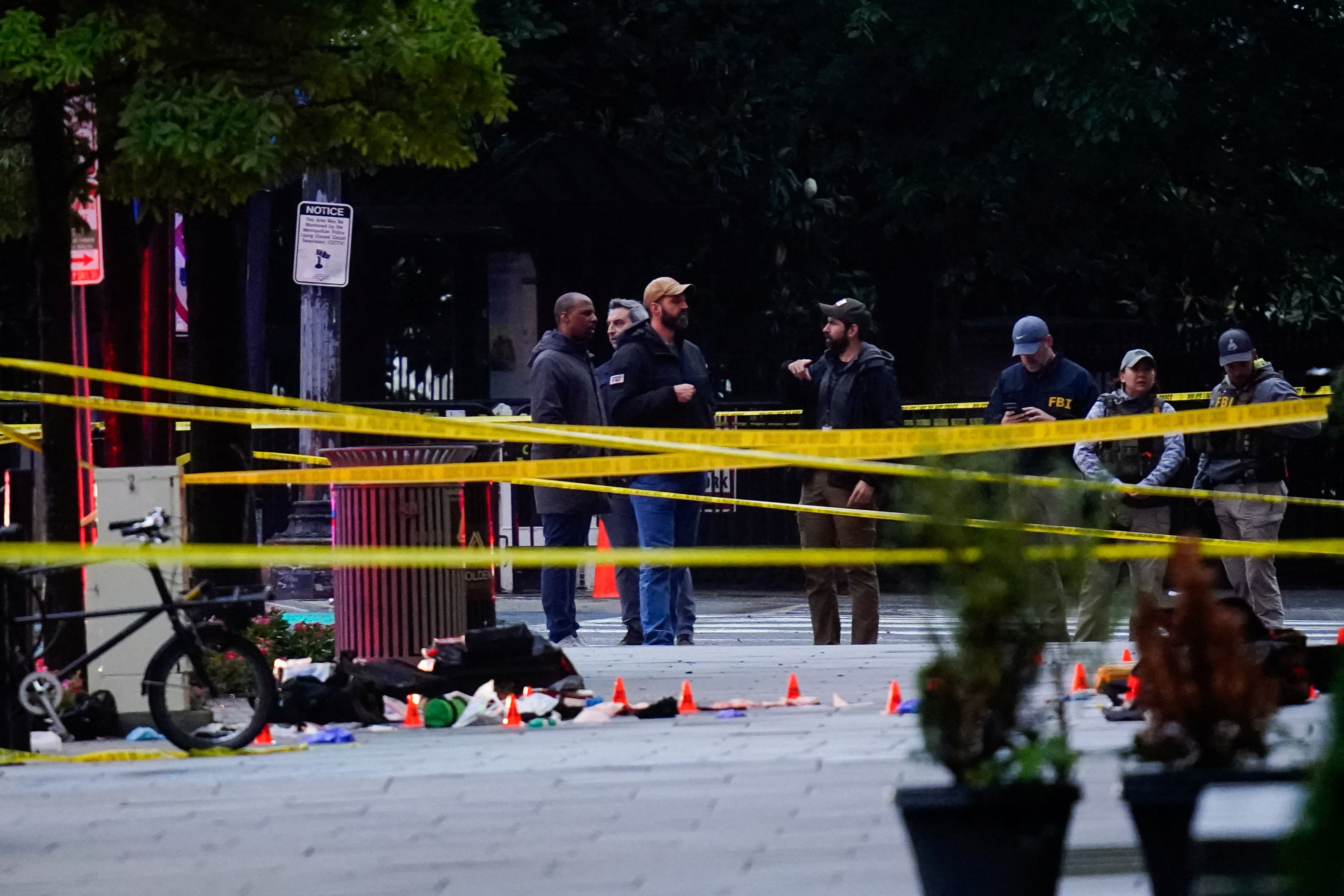

















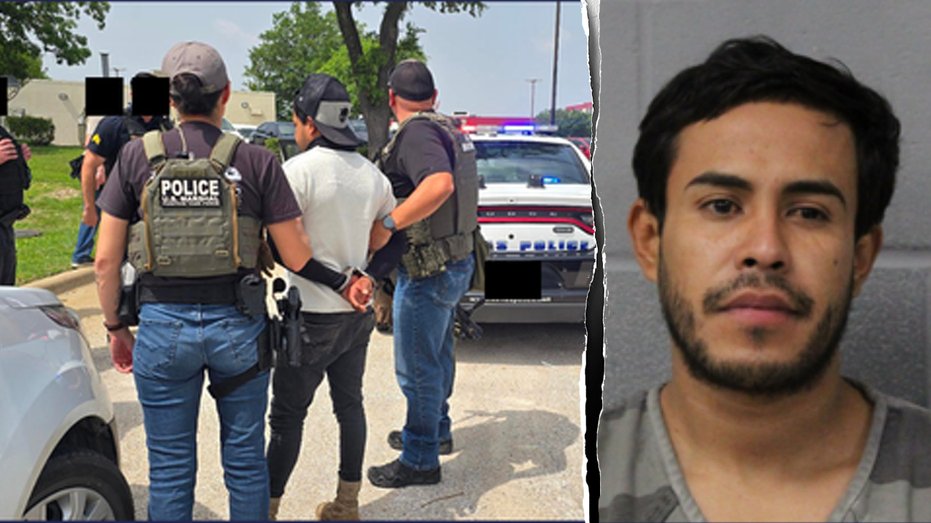
















































The sources also report that the assassination of a leading presidential candidate and bomb attacks have marked the election campaign as Colombia's deadliest in decades.