




Settlement Details and Implications
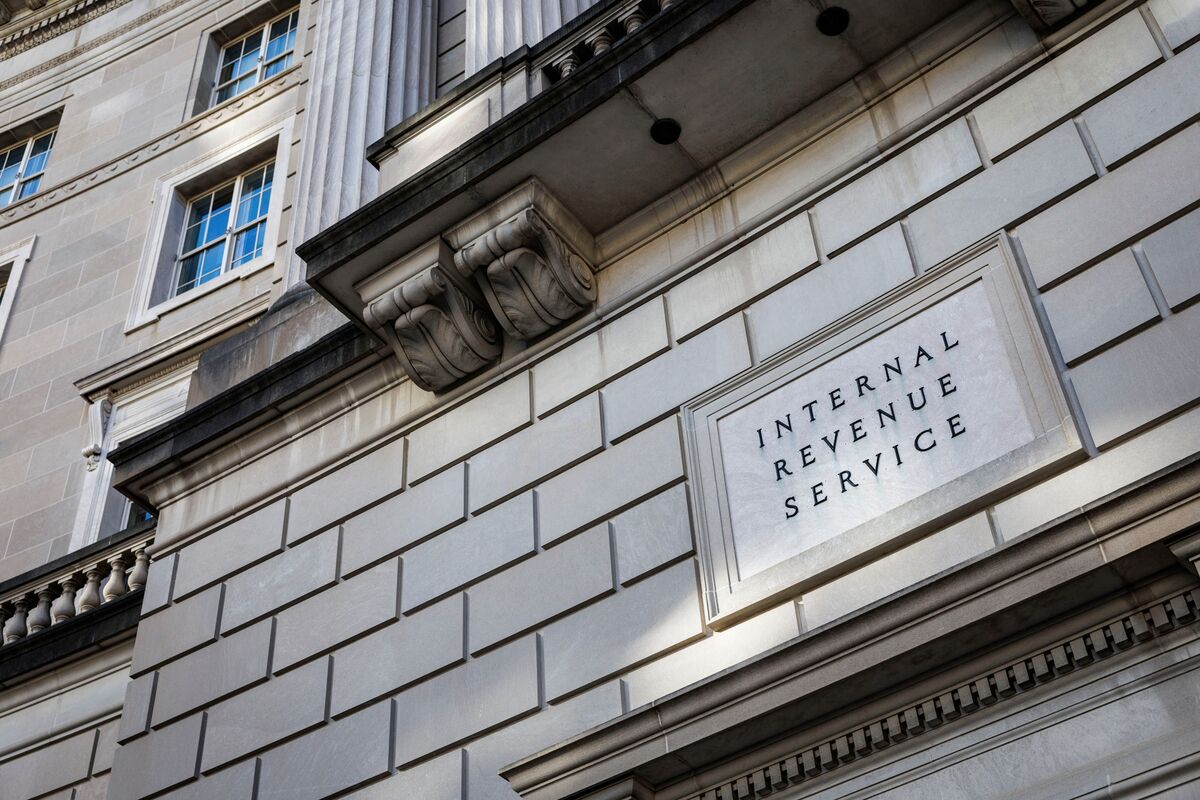
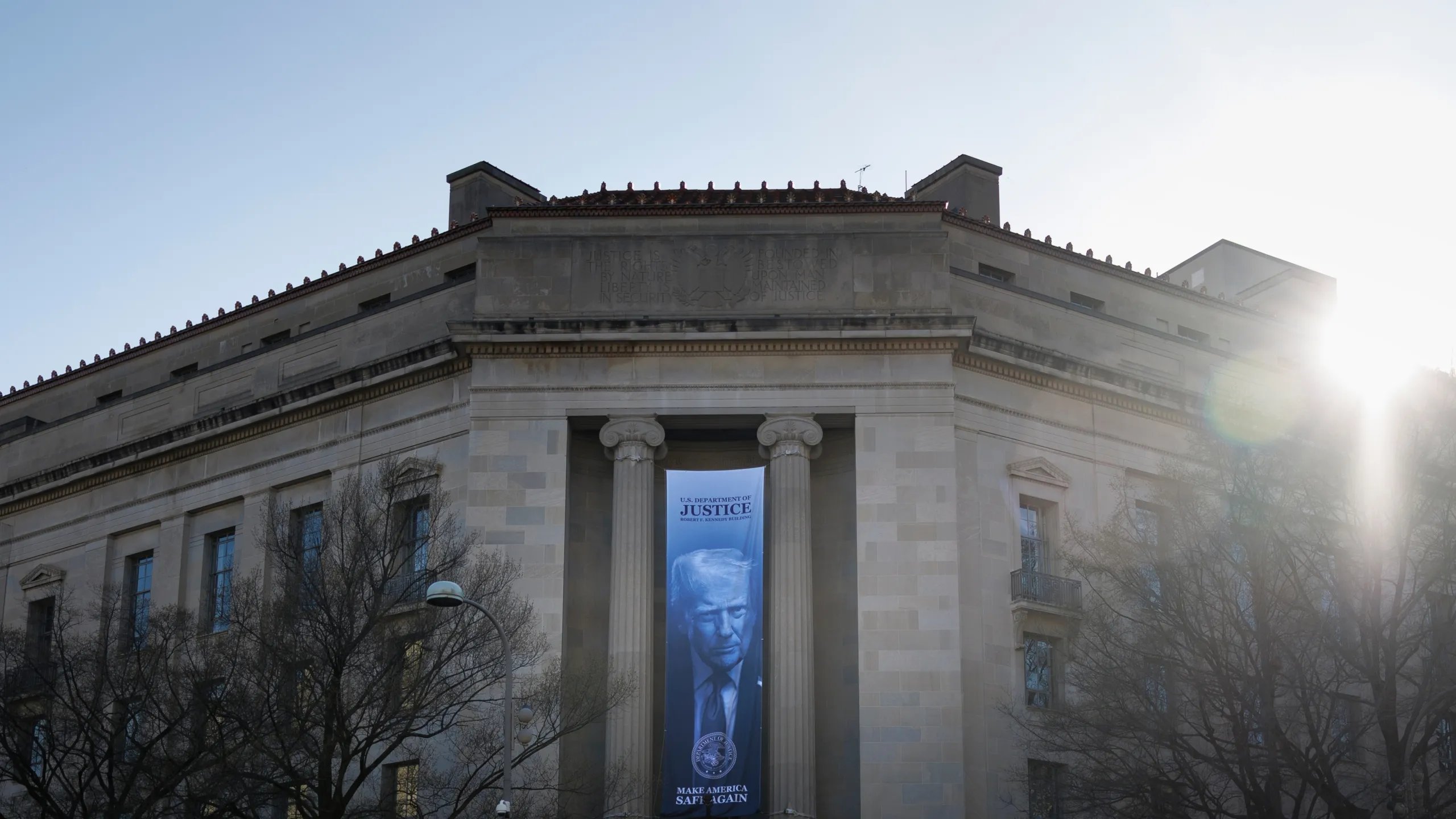
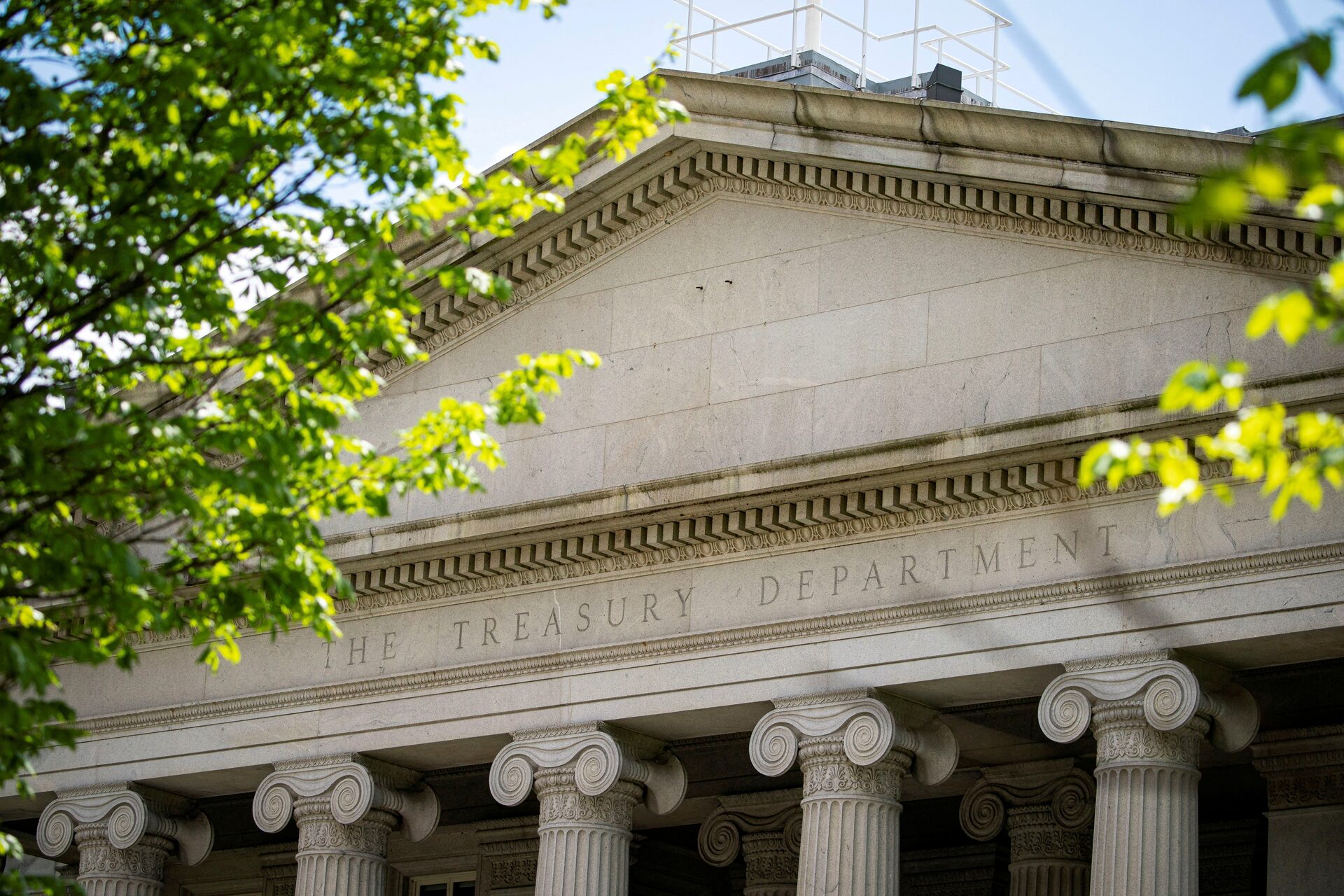
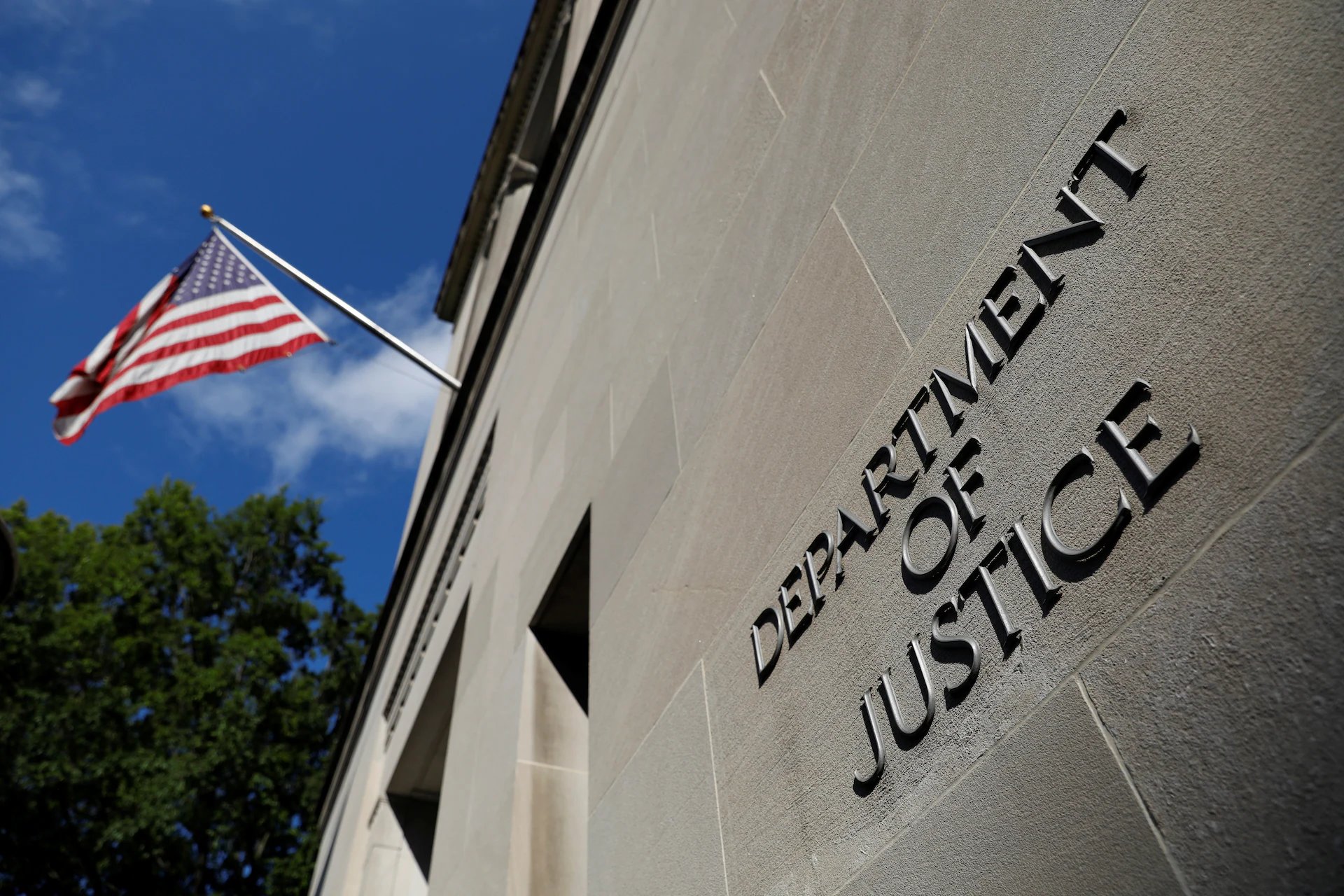
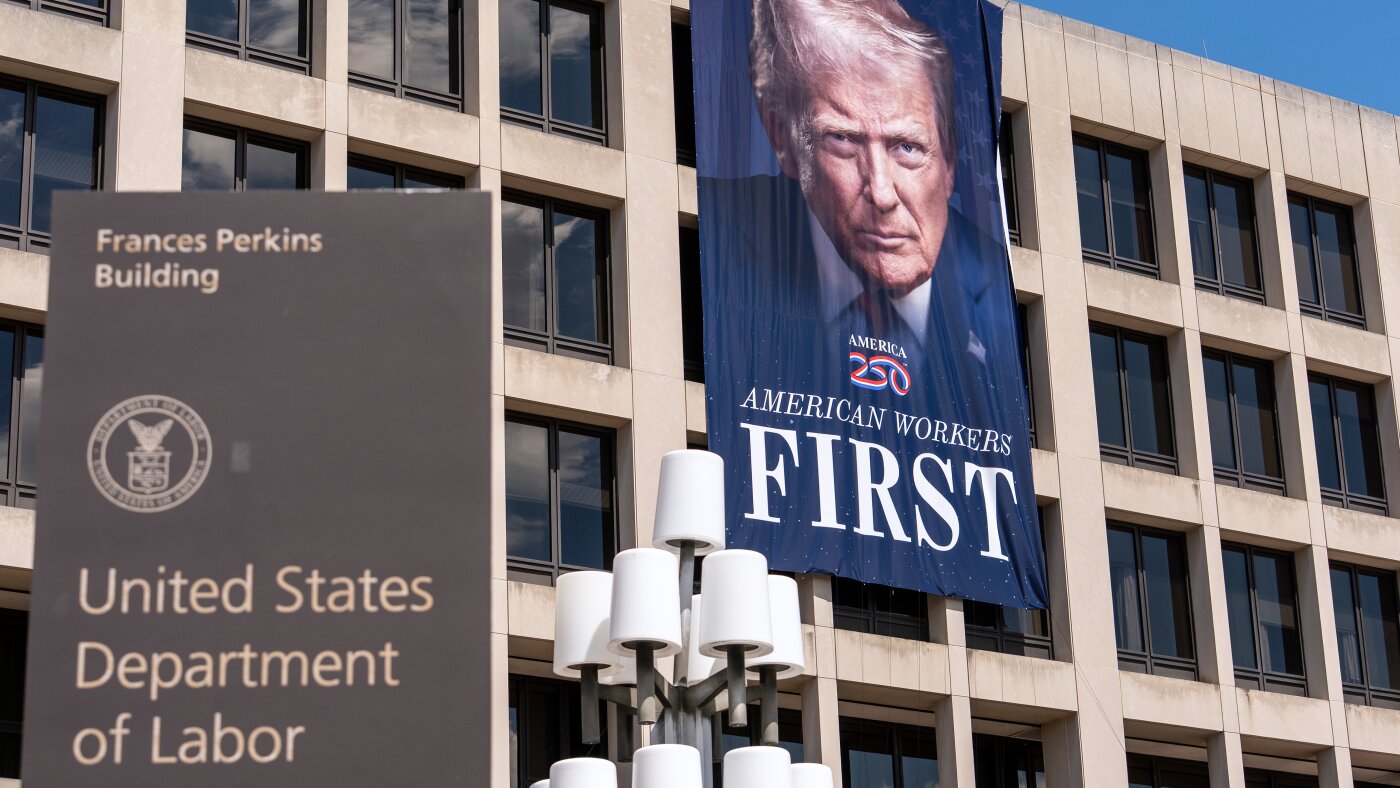
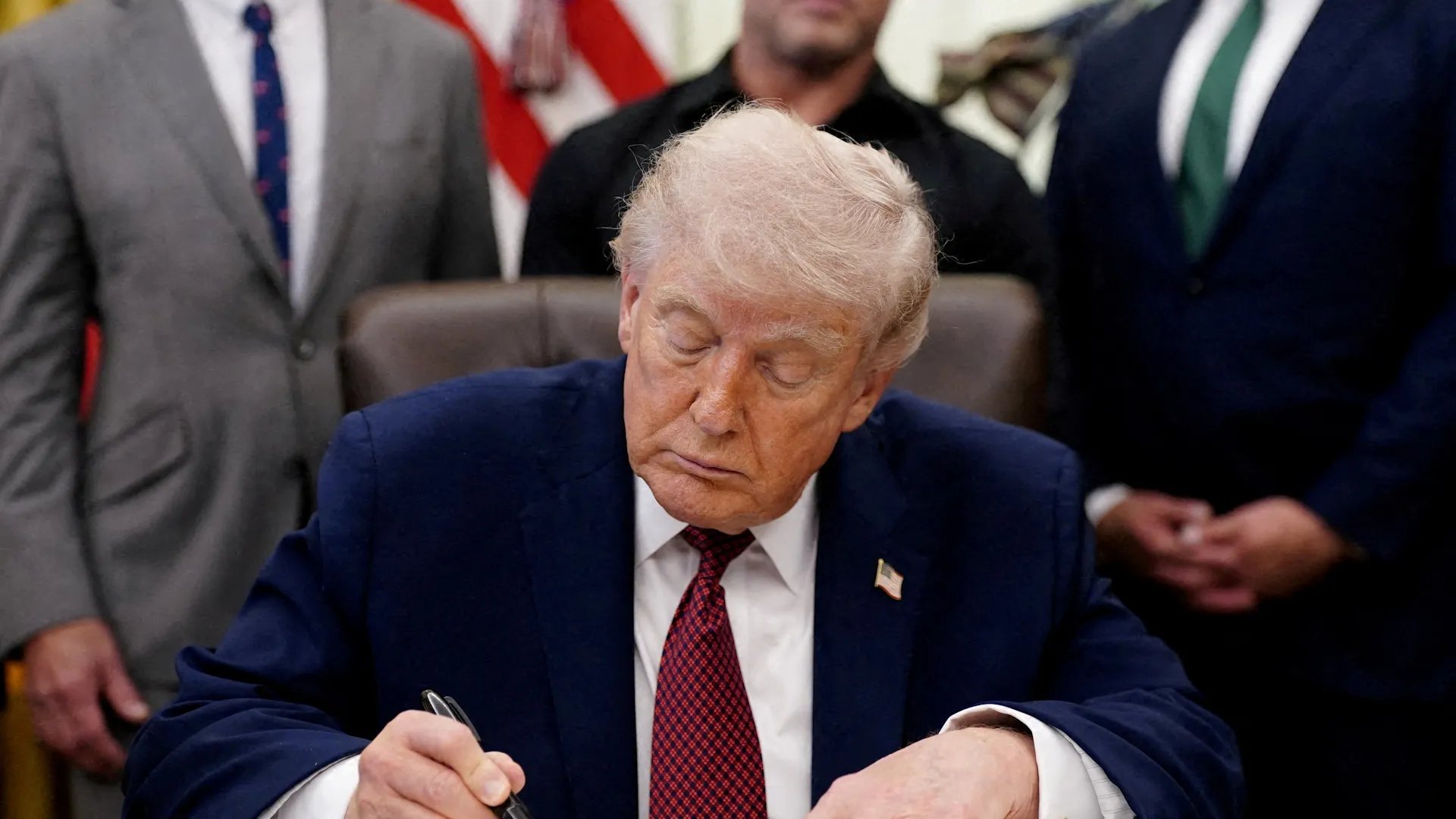
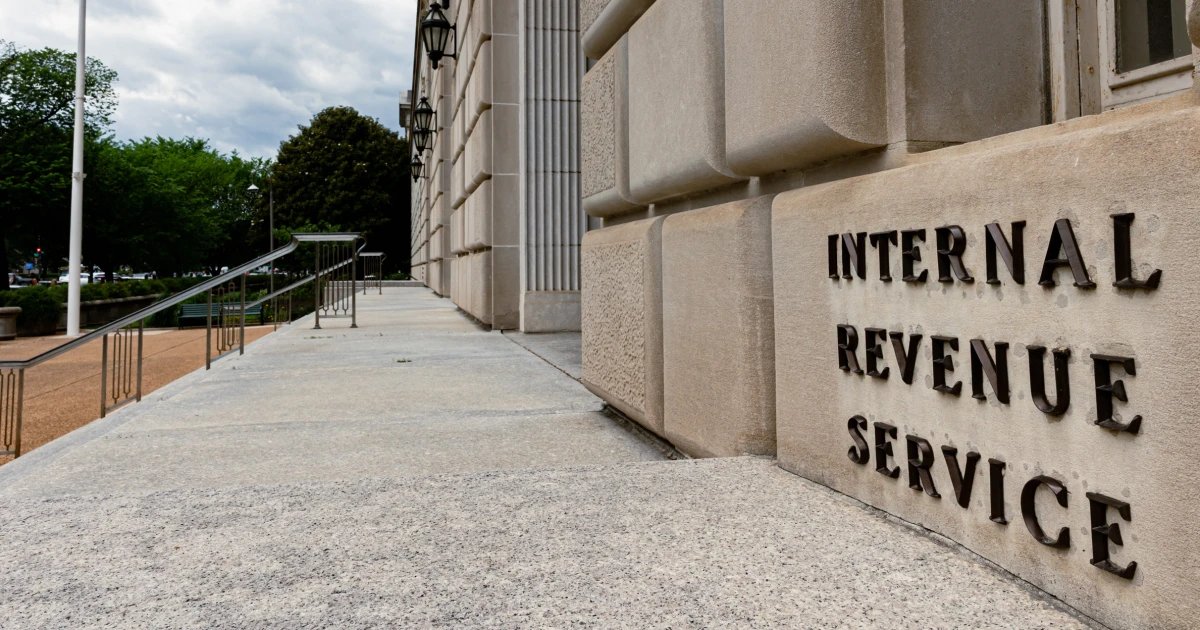
The Justice Department reached an unprecedented settlement with former President Donald Trump, establishing a $1.776 billion "Anti-Weaponization Fund" aimed at compensating individuals who claim they were wrongfully targeted by government agencies. This fund emerged after Trump dropped a $10 billion lawsuit against the IRS over leaked tax information. The settlement includes a significant addendum that prohibits the IRS from conducting audits of Trump, his family, and their businesses, effectively shielding them from any current or future tax investigations.
Legal Controversies
The arrangement has sparked criticism from various quarters, including House Democrats, who argue it undermines the separation of powers and could be seen as a form of collusion benefiting Trump financially. Critics contend that the settlement violates the Domestic Emoluments Clause and raises ethical concerns about a sitting president negotiating terms with an agency he oversees. Representative Richard Neal, former chairman of the House Ways and Means Committee, described the settlement as "collusive litigation to force the American people to put ... money into his pockets."
The Addendum's Scope
The addendum specifically states that the IRS is "forever barred and precluded" from pursuing any examinations or reviews related to Trump or his affiliated individuals and businesses. This provision raises eyebrows, as it appears to extend protections not typically granted in standard legal settlements. Legal experts, including Brandon DeBot from NYU School of Law, argue that this arrangement represents a significant abuse of both the tax and legal systems, questioning the Justice Department's authority to grant such sweeping immunity.
Trump's Response
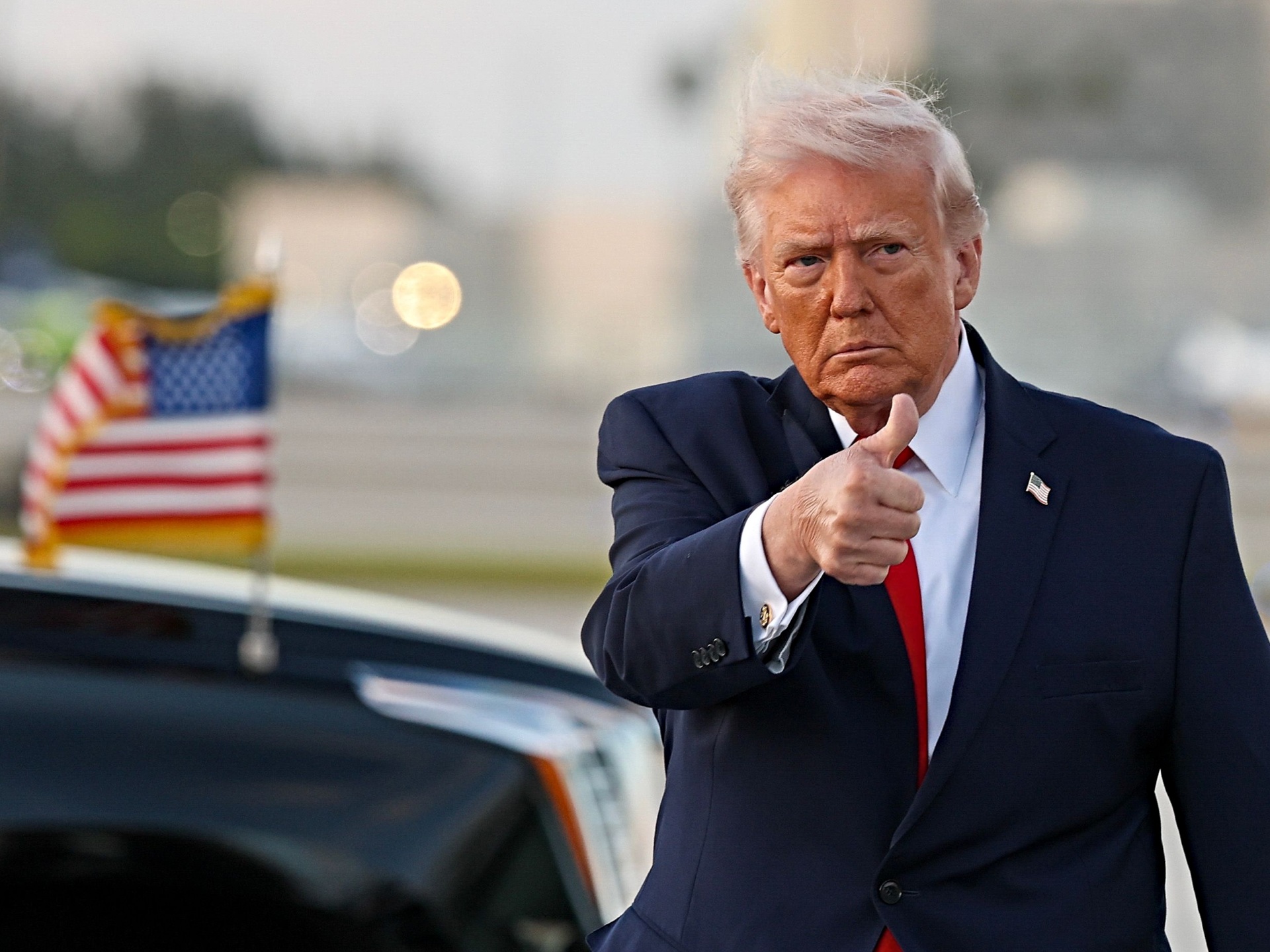
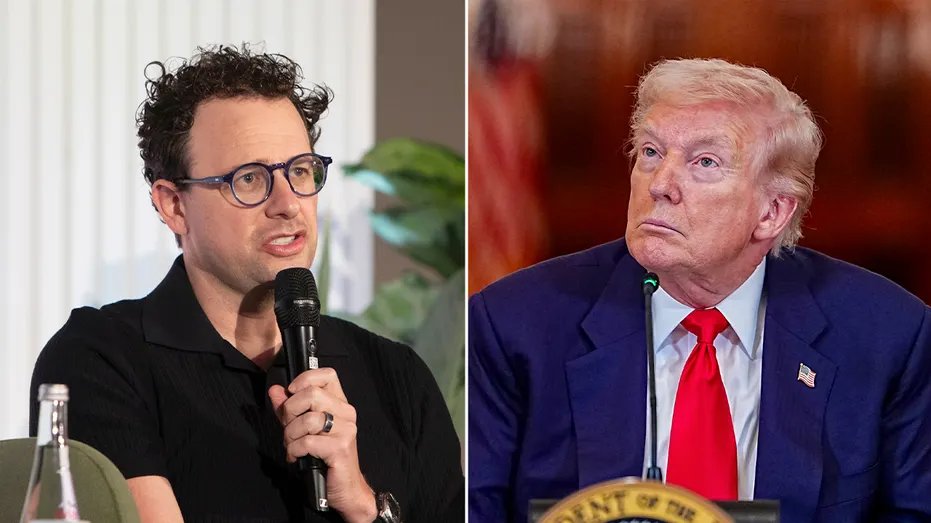
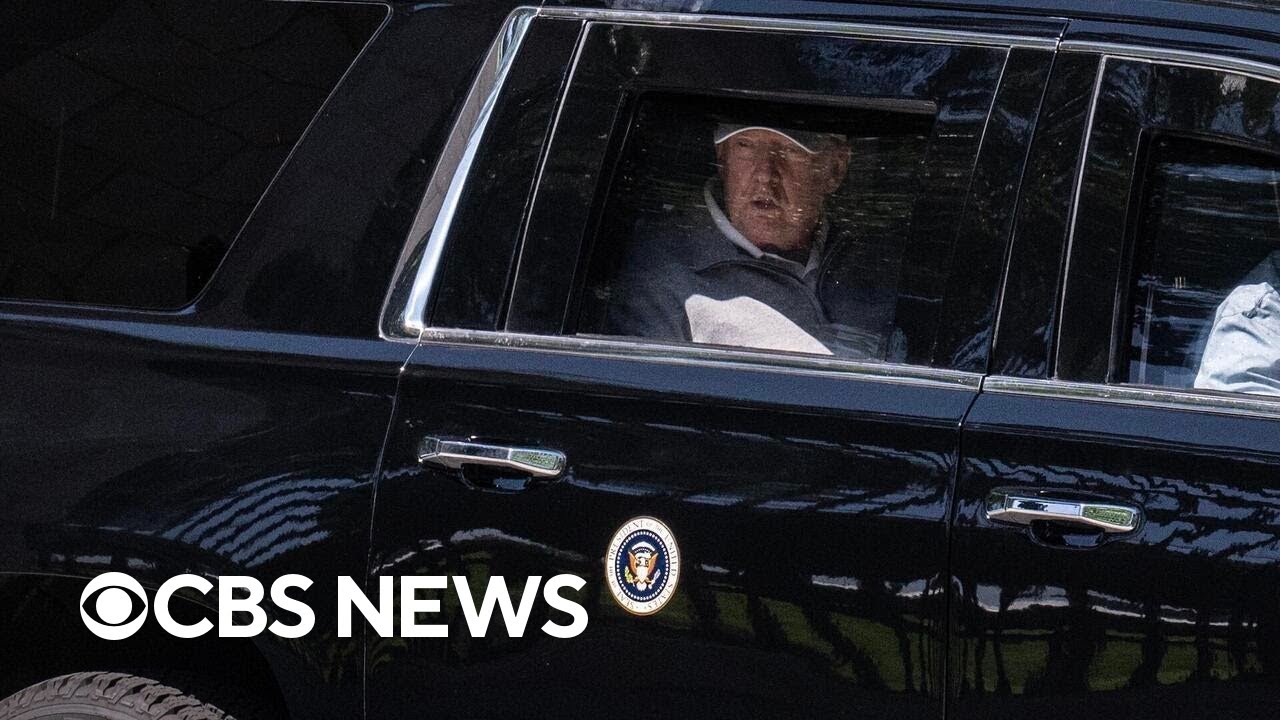
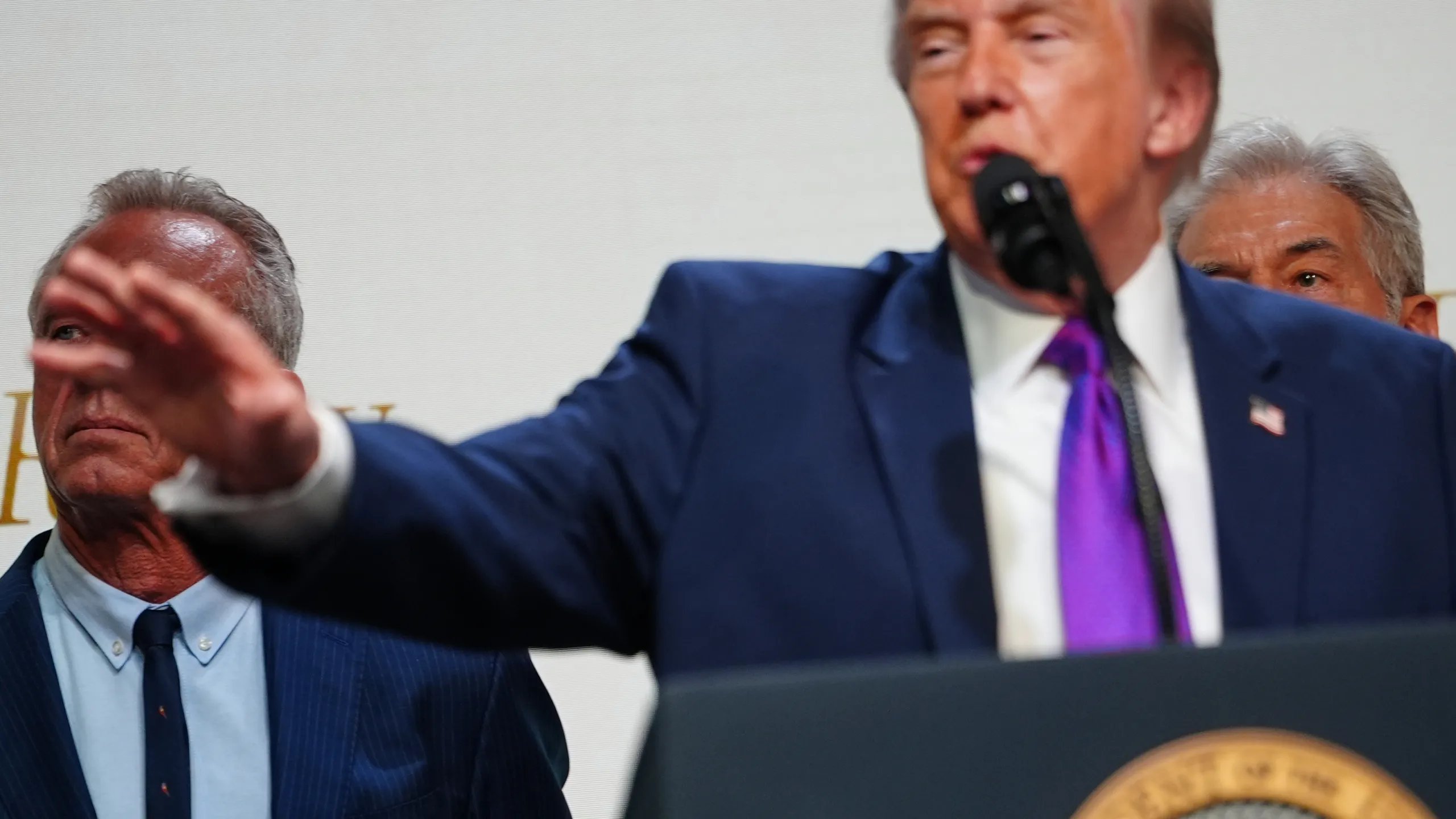
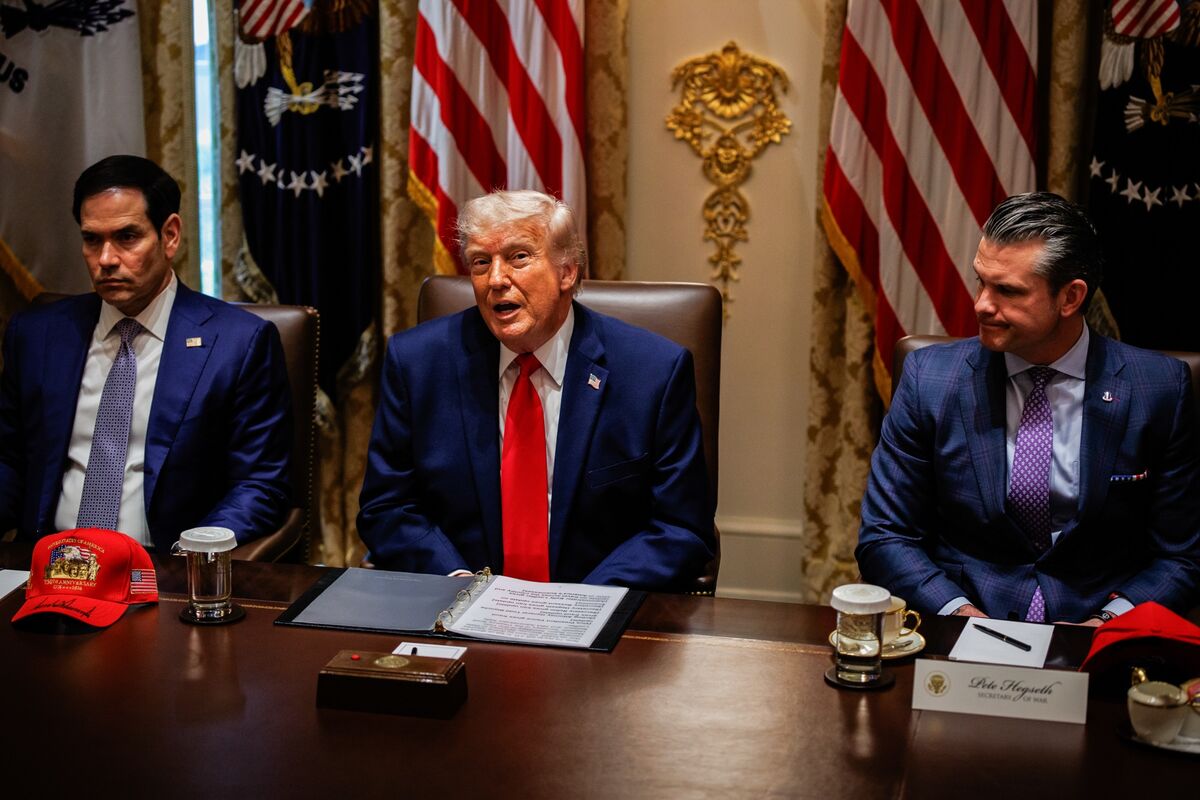
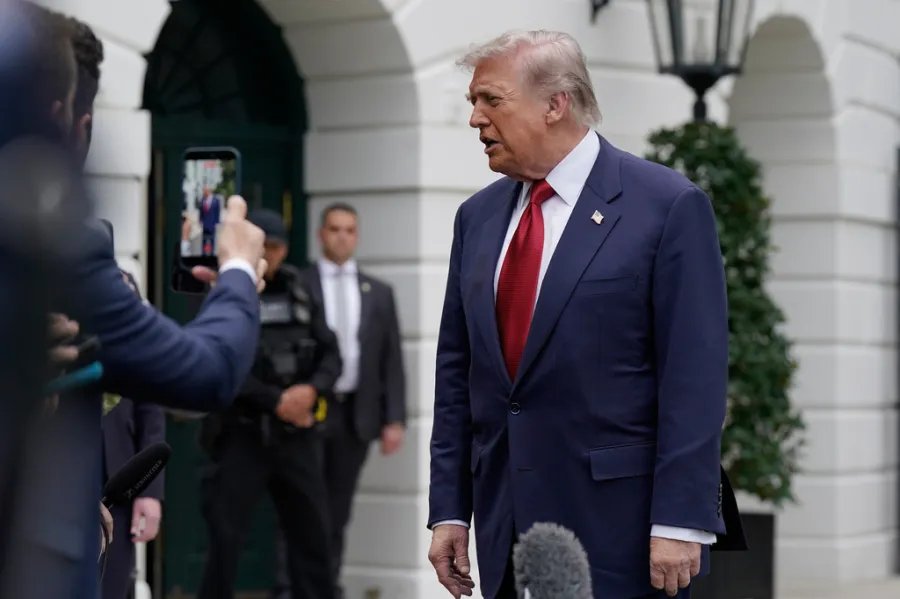
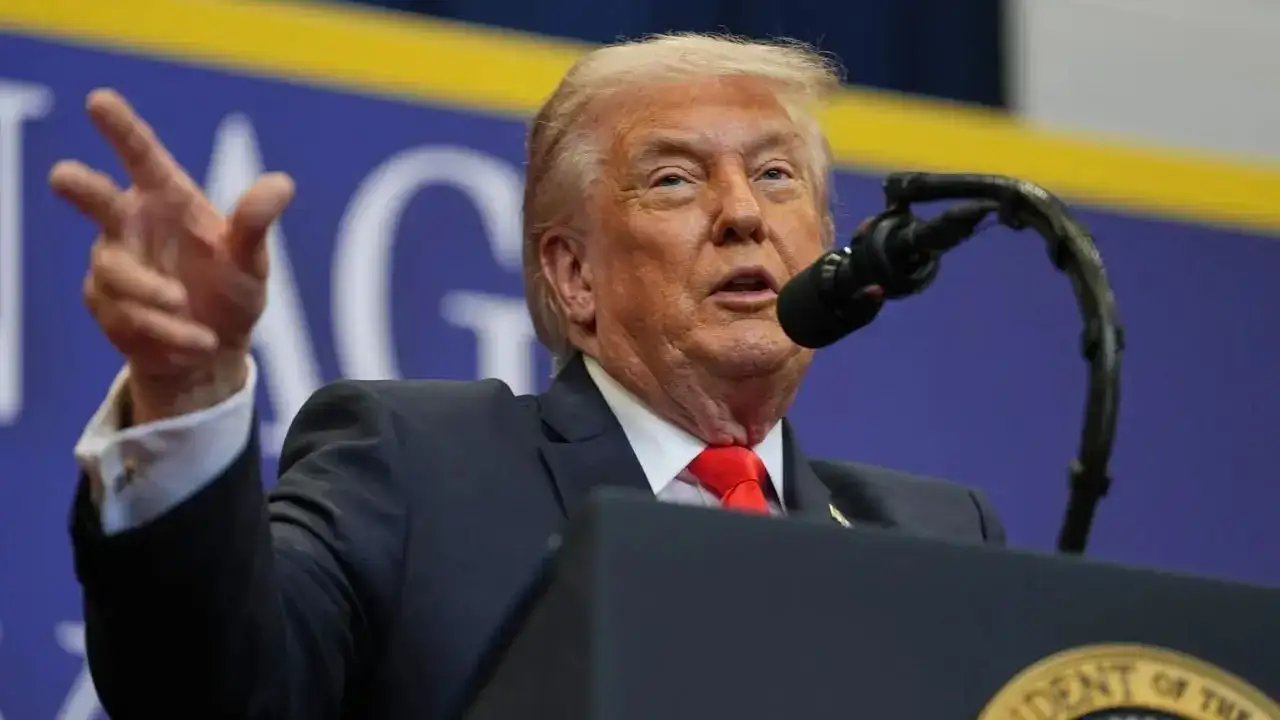
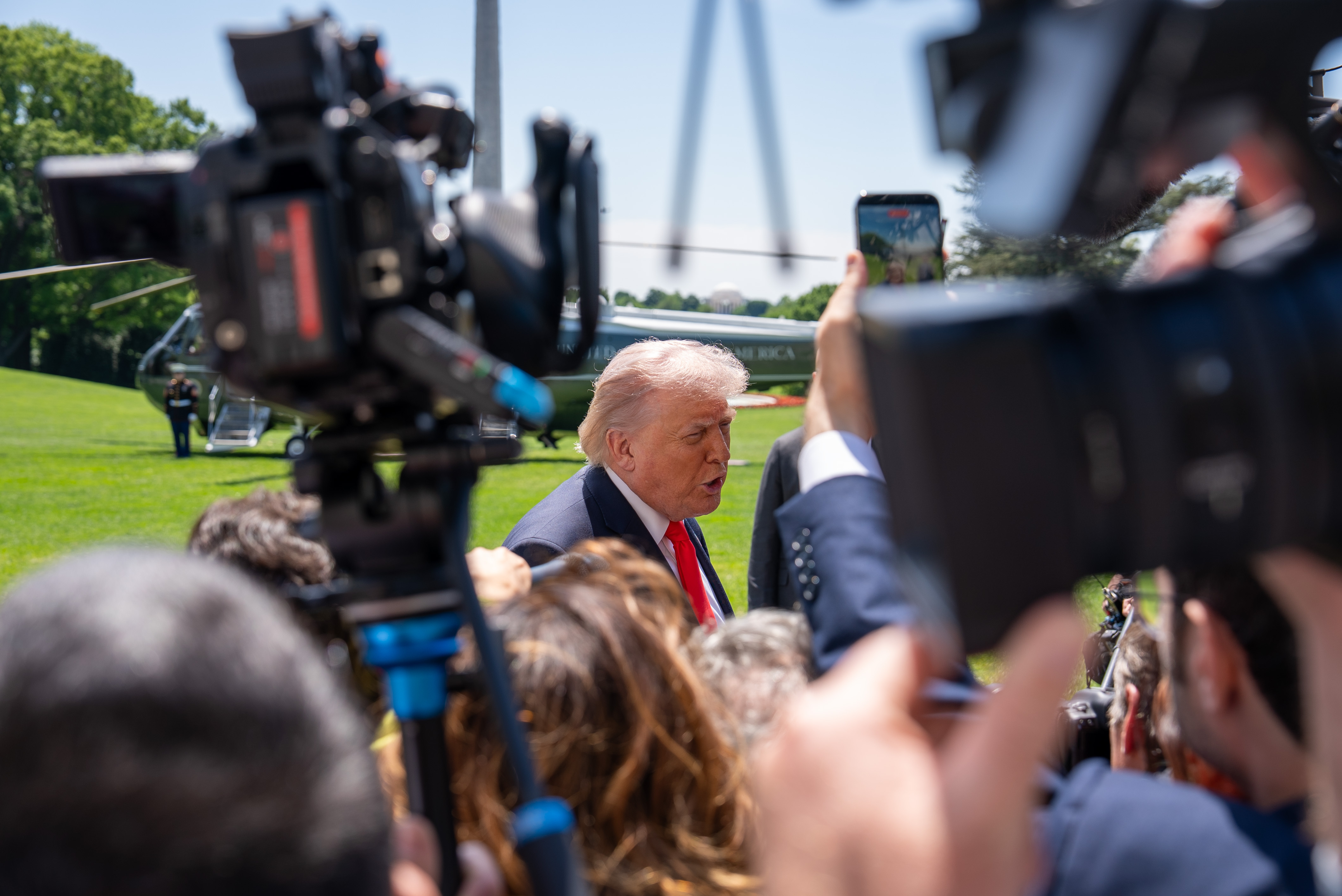
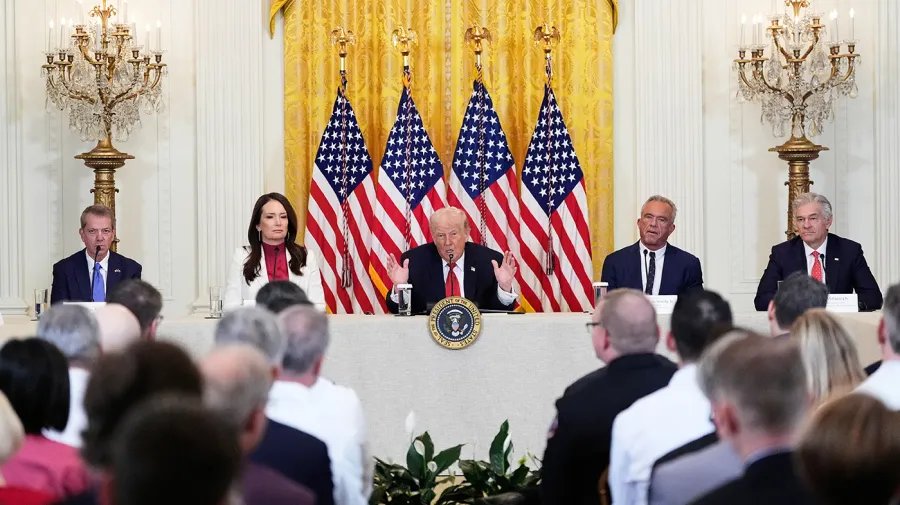
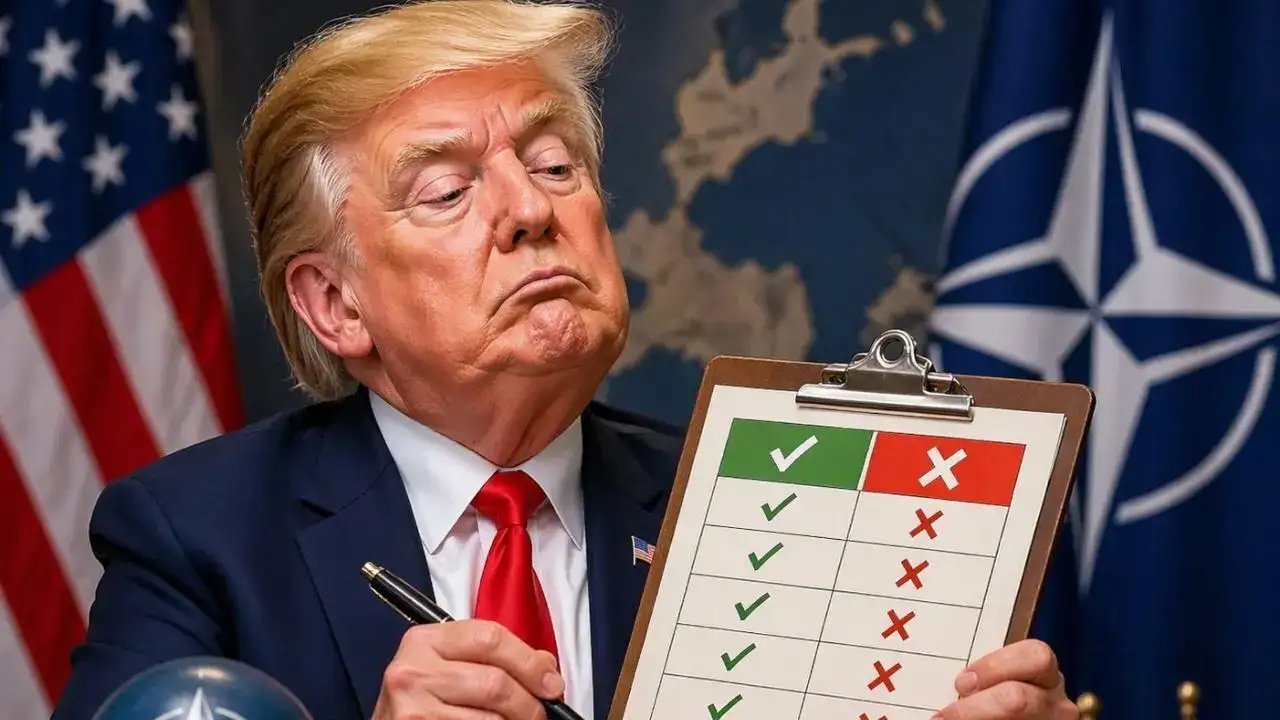
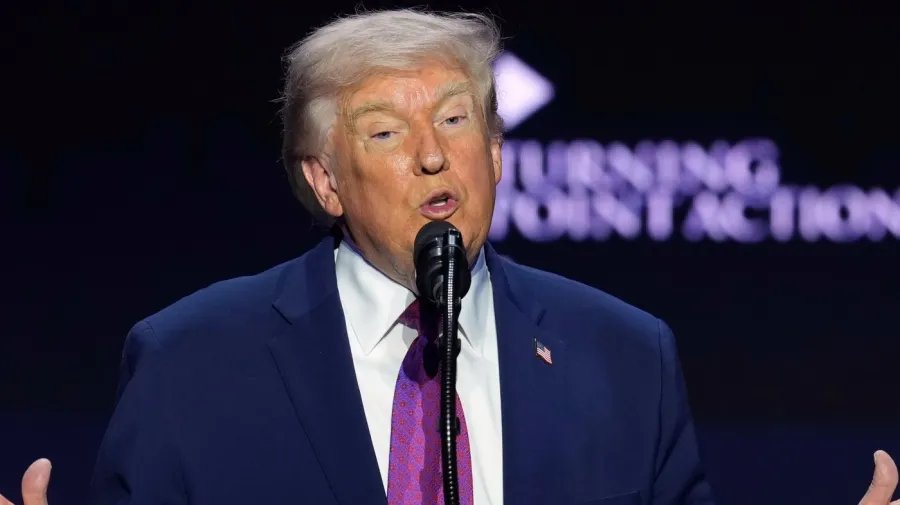
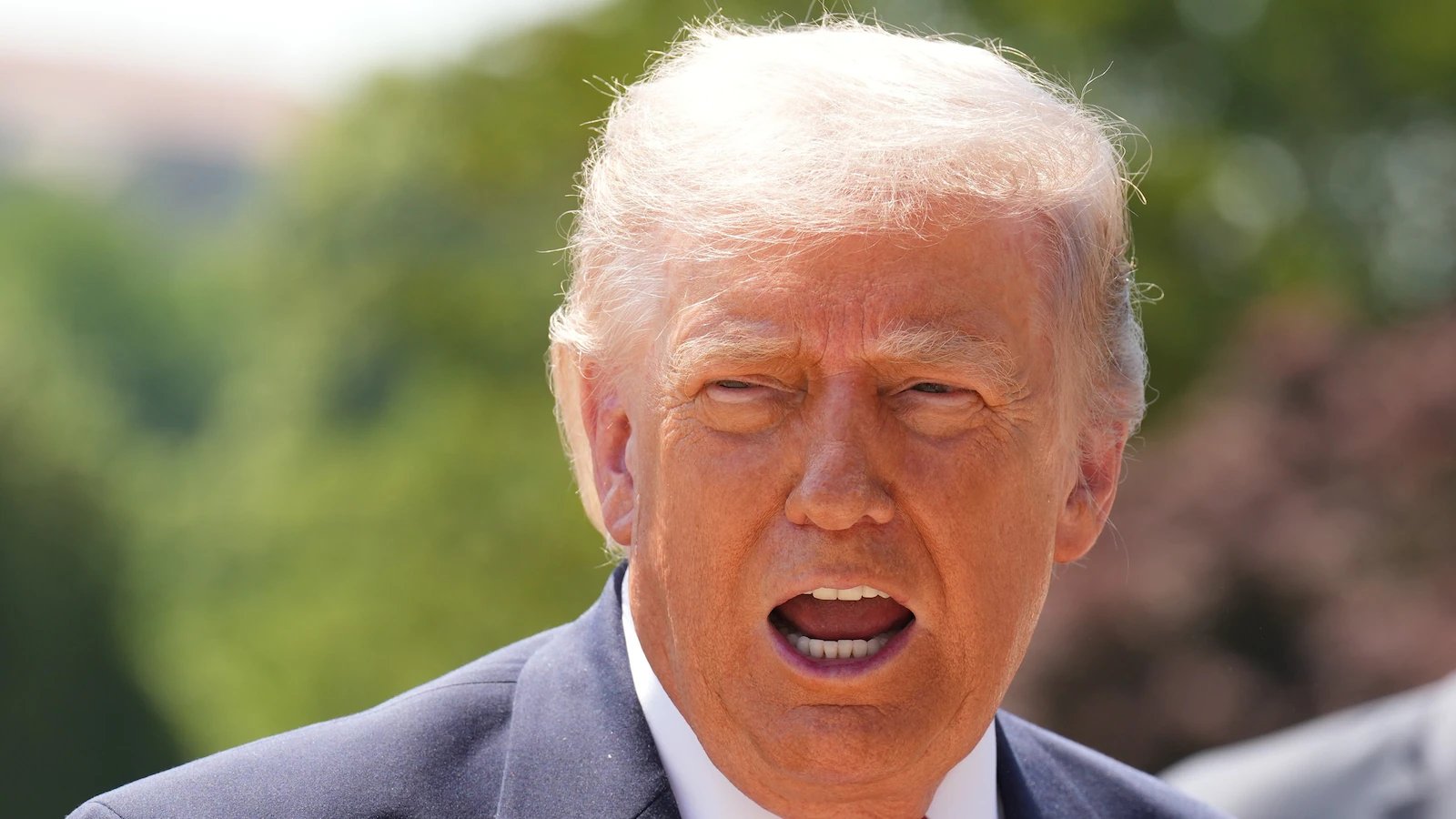
In a recent press conference, Trump addressed multiple topics, including the IRS settlement, expressing confidence in the legal agreement while downplaying ongoing investigations. He has previously claimed that he faced numerous audits over the years, asserting that his treatment by the IRS was unfair compared to other wealthy individuals. Trump's long-standing grievances regarding IRS audits have framed his narrative, suggesting a systemic bias against him.
Public and Political Reactions
Charlamagne tha God criticized the settlement, labeling it "blatant corruption" and highlighting concerns about taxpayer dollars being used to benefit Trump and his associates. The settlement has ignited a broader debate about the accountability of public officials and the integrity of governmental processes. As the implications of this agreement unfold, it poses questions about the limits of executive power and the potential for misuse of taxpayer resources.
Future Legal Landscape
While the settlement has effectively ended Trump's lawsuit against the IRS, its ramifications for future legal challenges remain uncertain. The establishment of the $1.776 billion fund may set a precedent for how political figures navigate allegations of government misconduct. As the legal community and the public scrutinize the details of this agreement, it could reshape the landscape for accountability within federal agencies and influence ongoing political discourse.
Closing Considerations
The settlement's finalization underscores the complexities inherent in the intersection of politics and law. With the IRS now barred from audits, Trump may face reduced scrutiny regarding his tax affairs, potentially altering the public's perception of his financial practices. As this situation evolves, the implications for governance and transparency in America remain critical points of discussion.