




Saab's Deportation and Its Implications
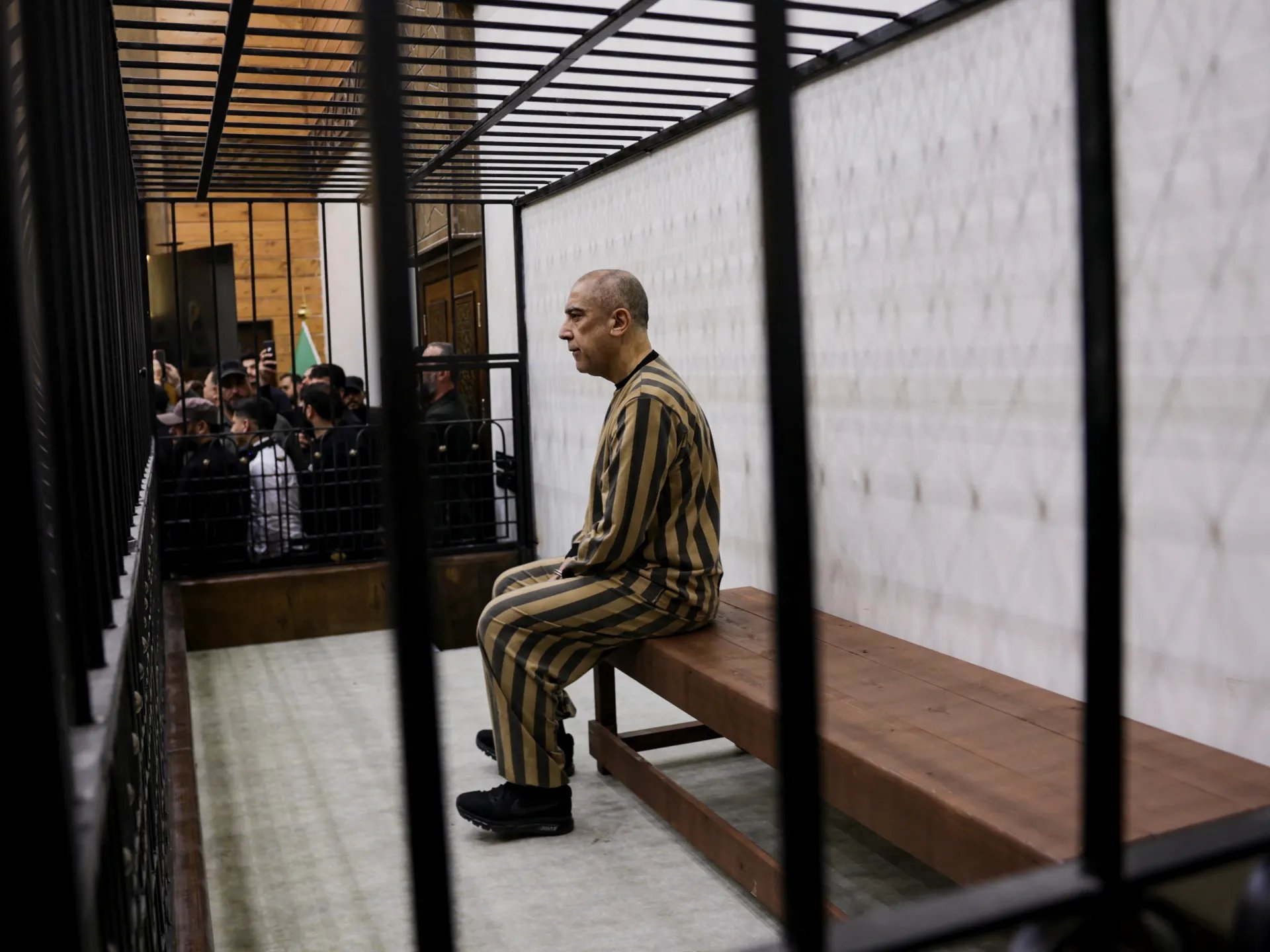
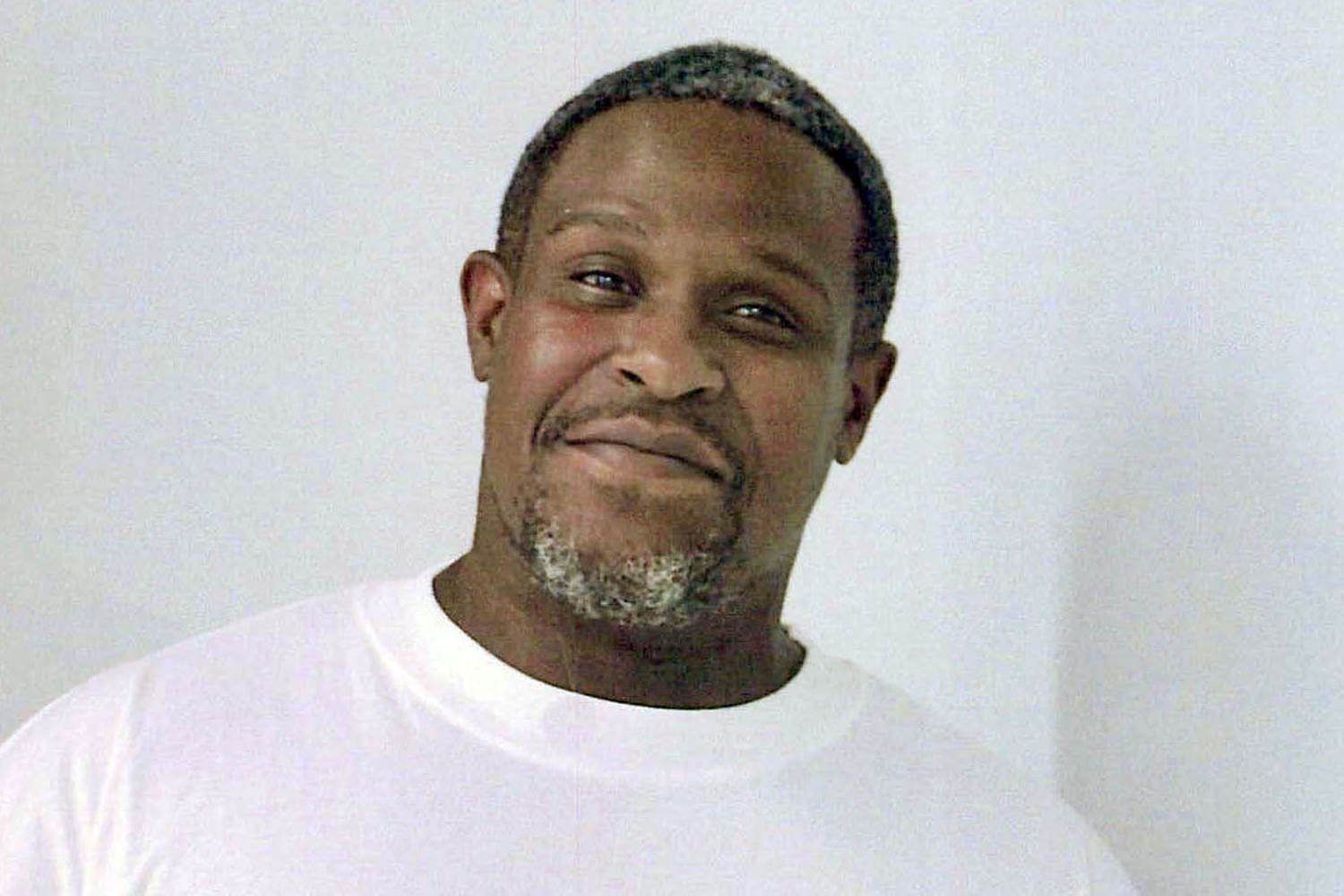
Venezuela's government announced the deportation of Alex Saab, a close ally of former President Nicolás Maduro, to the United States. This decision comes less than three years after Saab was pardoned by President Joe Biden in a controversial prisoner swap. The Venezuelan immigration authority stated Saab, described as a "Colombian citizen," was deported due to ongoing criminal investigations in the U.S., marking a dramatic shift in his status from a protected ally to a potential key witness against Maduro.
Background on Alex Saab
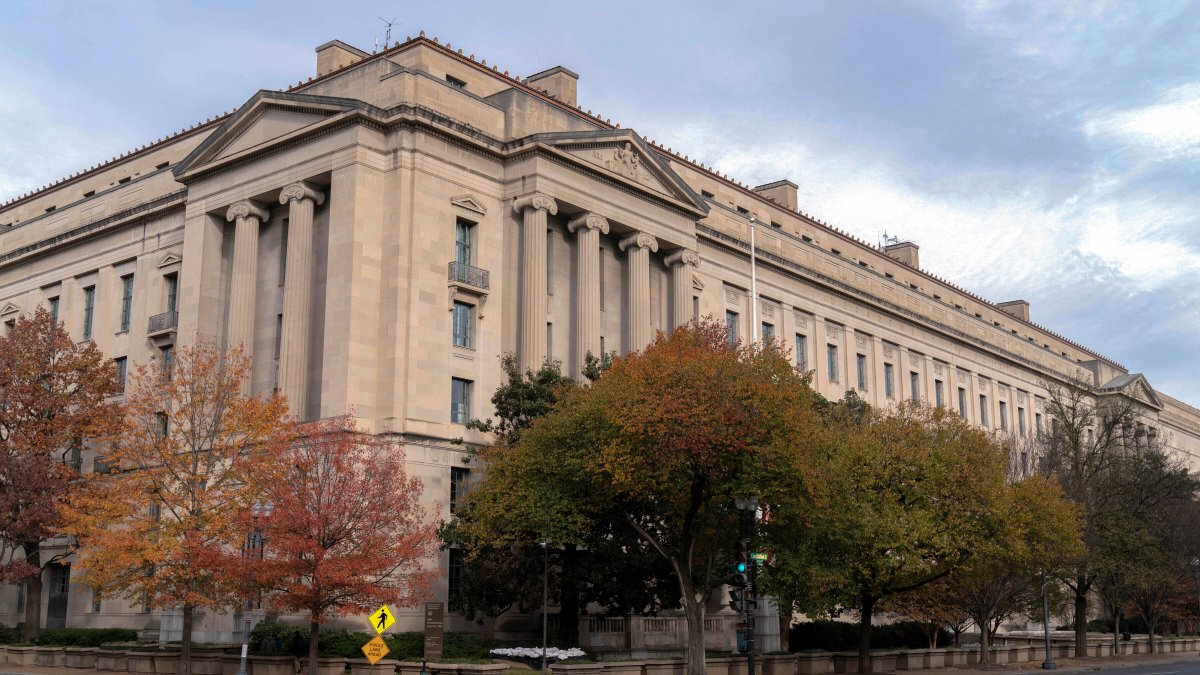
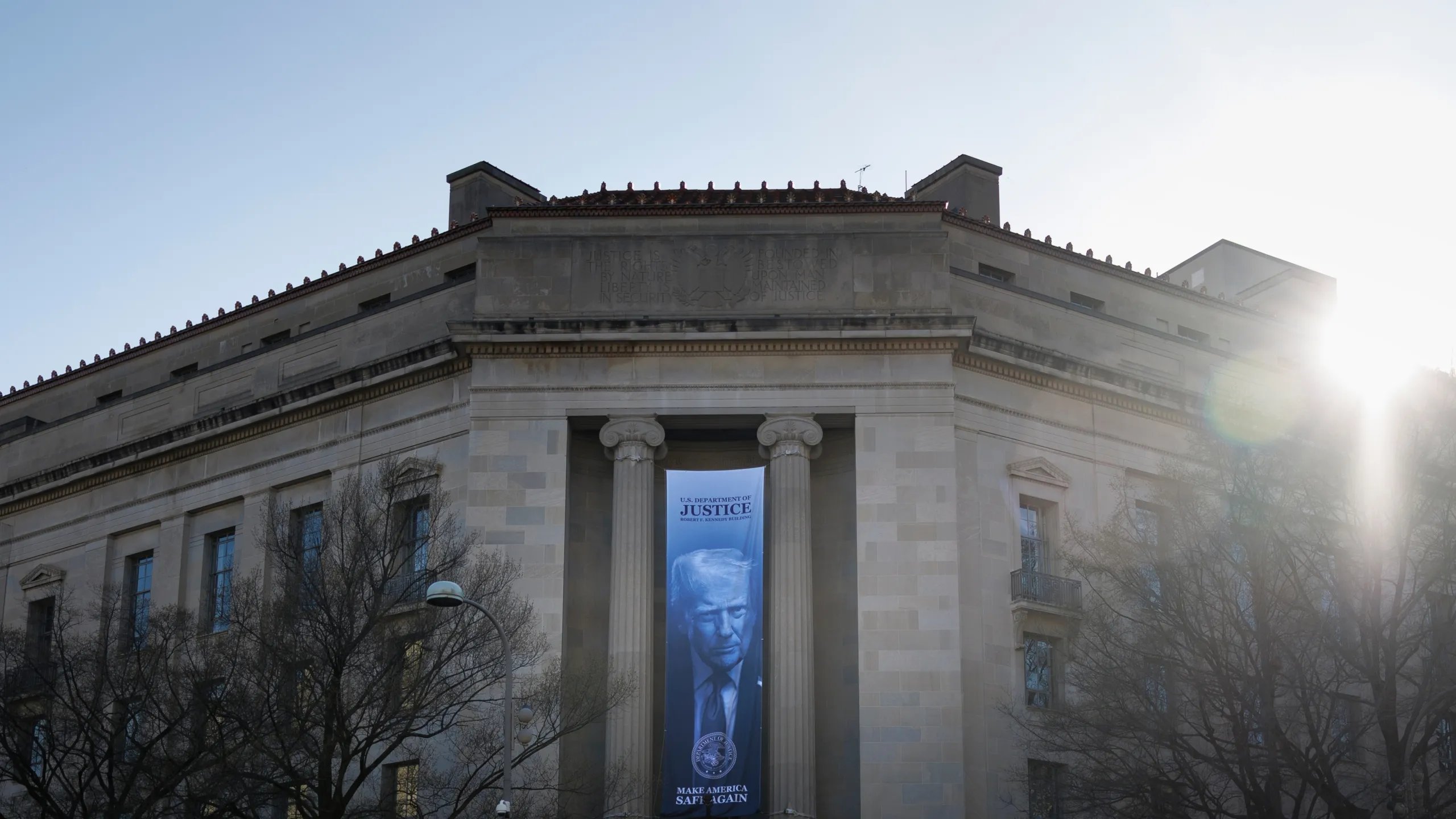
Saab, 54, has been labeled as Maduro's "bag man," with U.S. officials alleging he was involved in a massive graft scheme that siphoned $350 million from Venezuela. His operations included managing a food import program known as CLAP, which was designed to provide staples to impoverished Venezuelans. The U.S. Department of Justice has been investigating Saab's role in an alleged bribery conspiracy related to this program, which has come under scrutiny amid the country's economic collapse.
Changes in Venezuelan Leadership
The deportation reflects a significant shift in Venezuela's political landscape. After Maduro's capture in January during a U.S. military operation, interim President Delcy Rodríguez has distanced her administration from Saab. Following his ouster, Saab was removed from his cabinet position and lost his role as the primary liaison for foreign investments. This change suggests a potential purging of Maduro's inner circle as new leaders assert control over the government.
Legal Ramifications for Saab
Saab's deportation opens the door for him to face judicial proceedings in the U.S. He had previously been arrested in 2020 and later released as part of a prisoner exchange deal. Now, he may be summoned to testify against Maduro, who is awaiting trial on drug charges in Manhattan. The U.S. government views Saab as a critical figure in unraveling the corruption tied to Maduro's regime, potentially leading to further legal consequences for other officials.
Reactions from Both Sides
The decision to deport Saab has sparked varied reactions. Venezuelan officials have framed the move as compliance with U.S. legal requests, while simultaneously emphasizing Saab's Colombian nationality to circumvent national laws against extraditing Venezuelans. Critics argue that this deportation could further destabilize the already fragile political situation in Venezuela, as it exposes internal divisions within Rodríguez's government and raises questions about the future of Maduro's supporters.
Next Steps for U.S.-Venezuela Relations
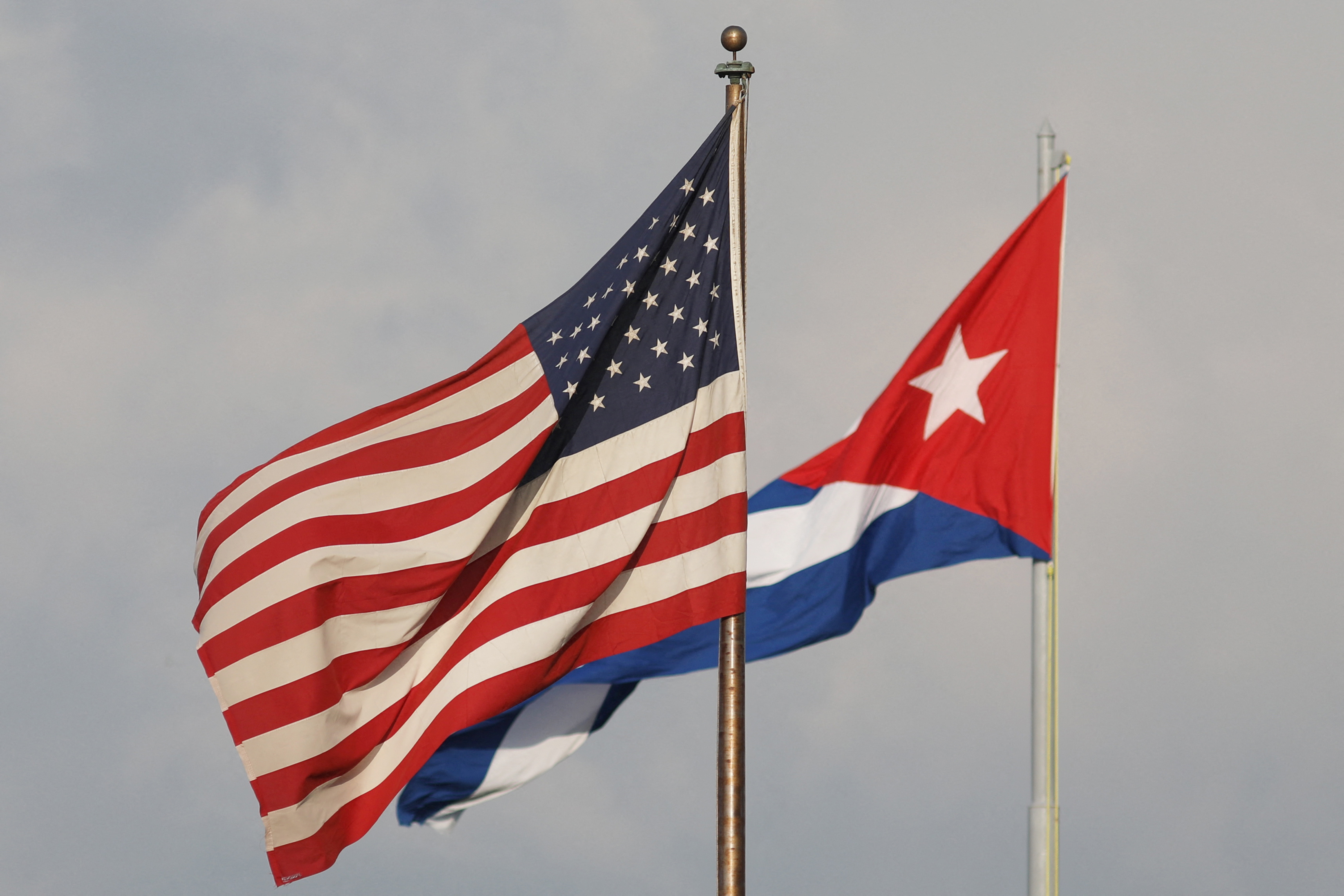
The deportation of Saab signifies a new chapter in U.S.-Venezuela relations, characterized by increased cooperation following years of tension. As Saab prepares to face legal challenges in the U.S., the implications of his testimony could reverberate through Venezuela's political landscape. Observers will be closely monitoring how this development affects both the interim government and the larger struggle for power within the country, as well as the U.S. strategy towards the Maduro regime.
The unfolding events surrounding Saab's deportation highlight the precarious balance of power in Venezuela and could have significant ramifications for the millions of citizens grappling with the consequences of ongoing political turmoil and economic hardship.