




Challenging the Fund's Legality
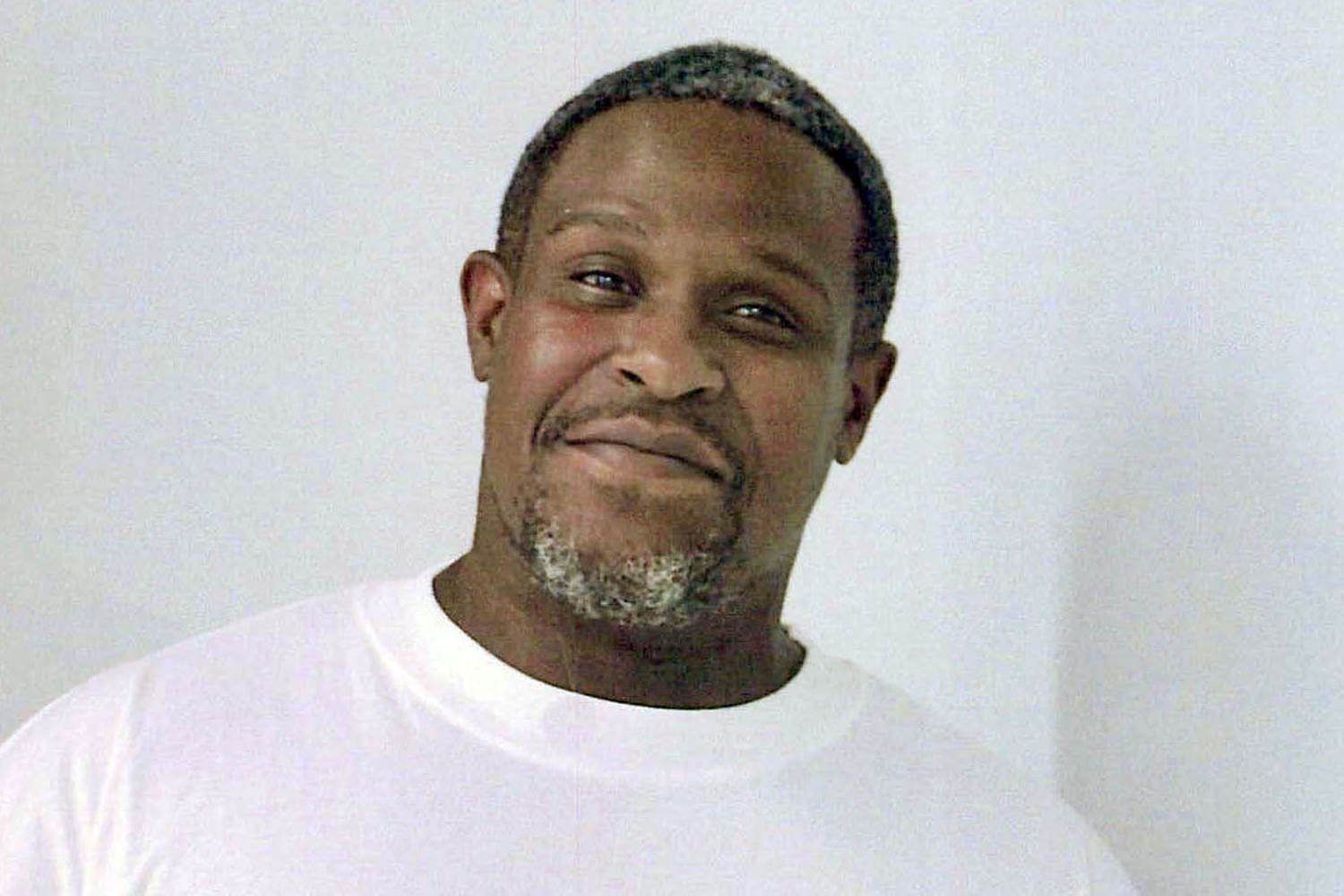
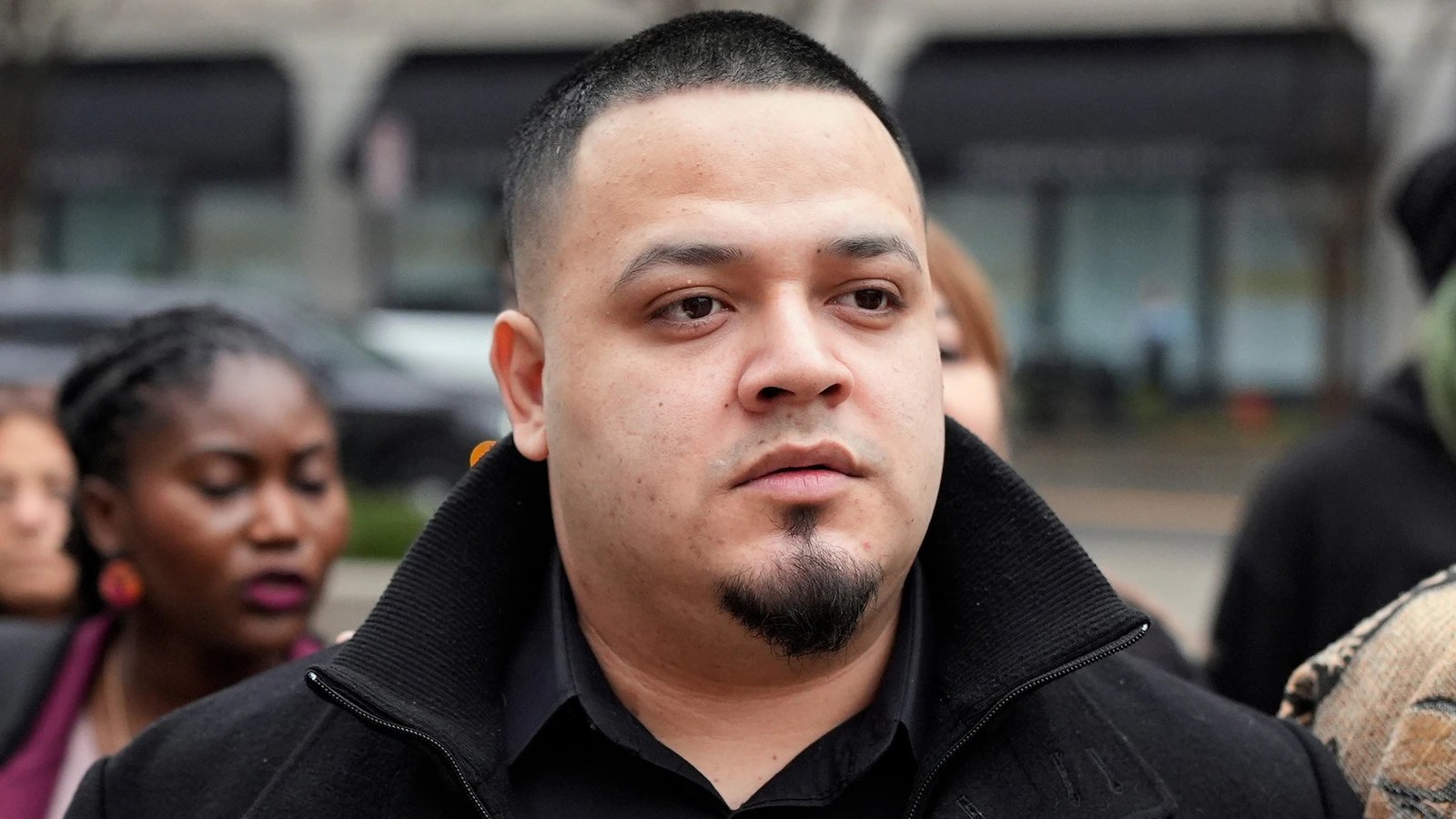
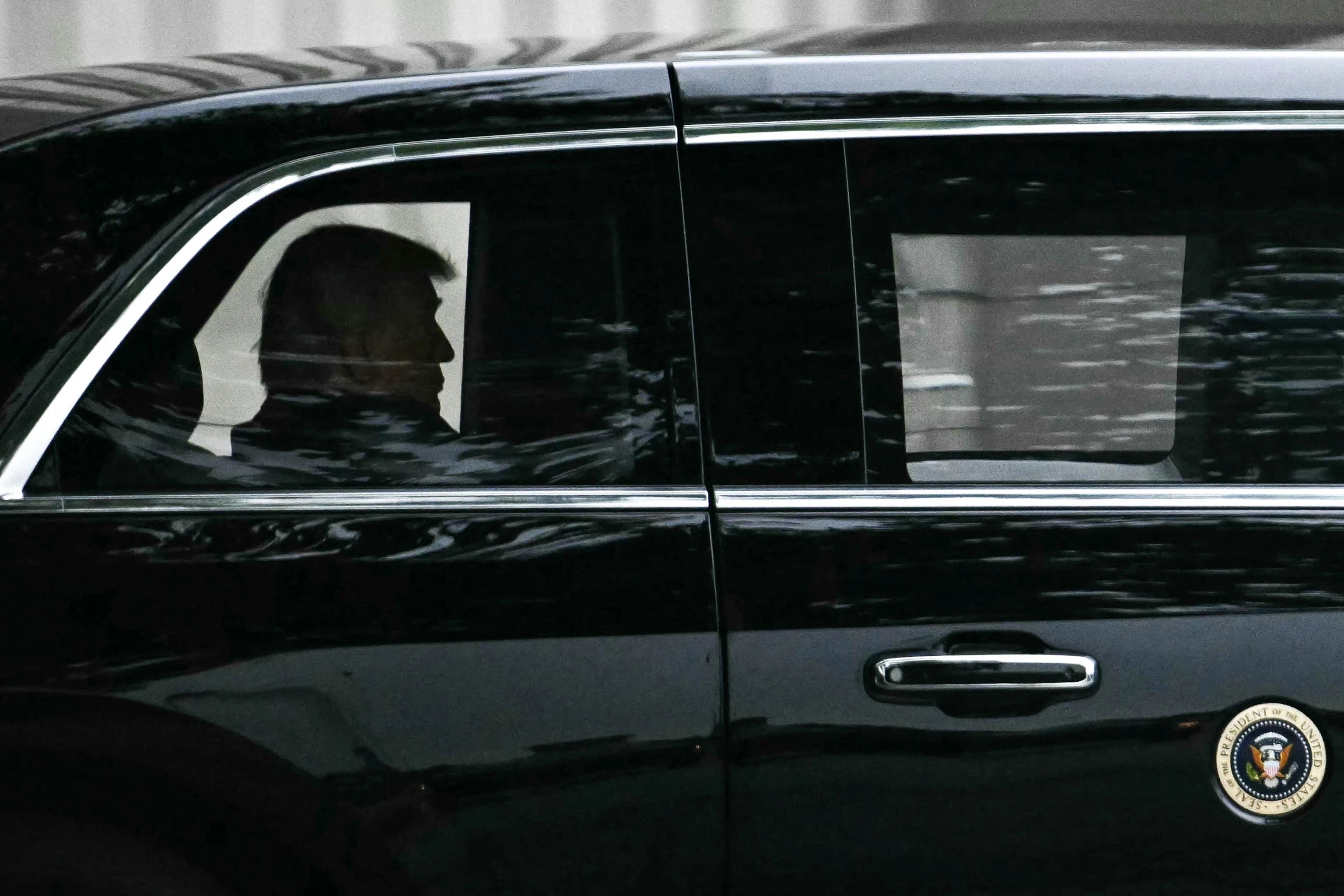
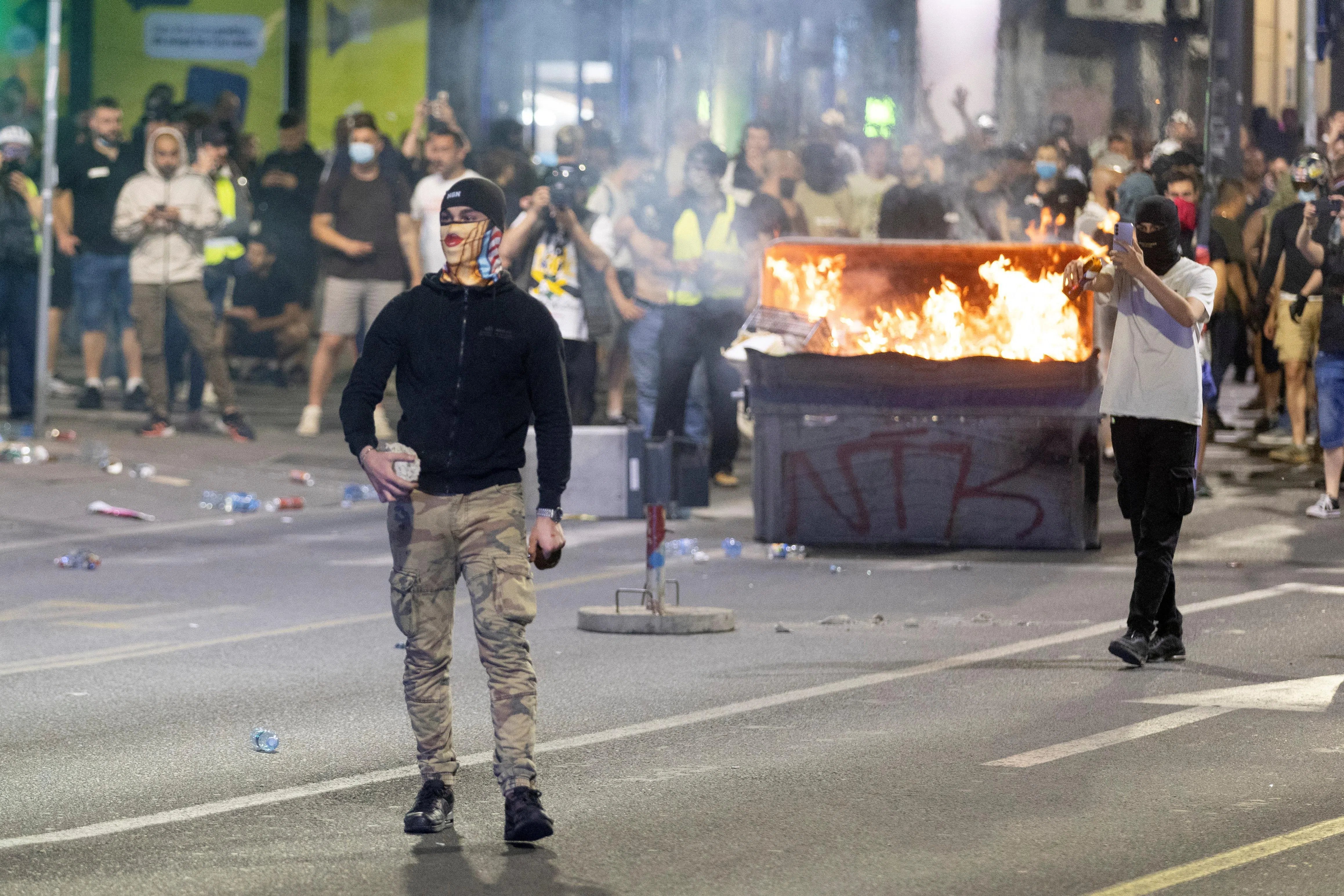
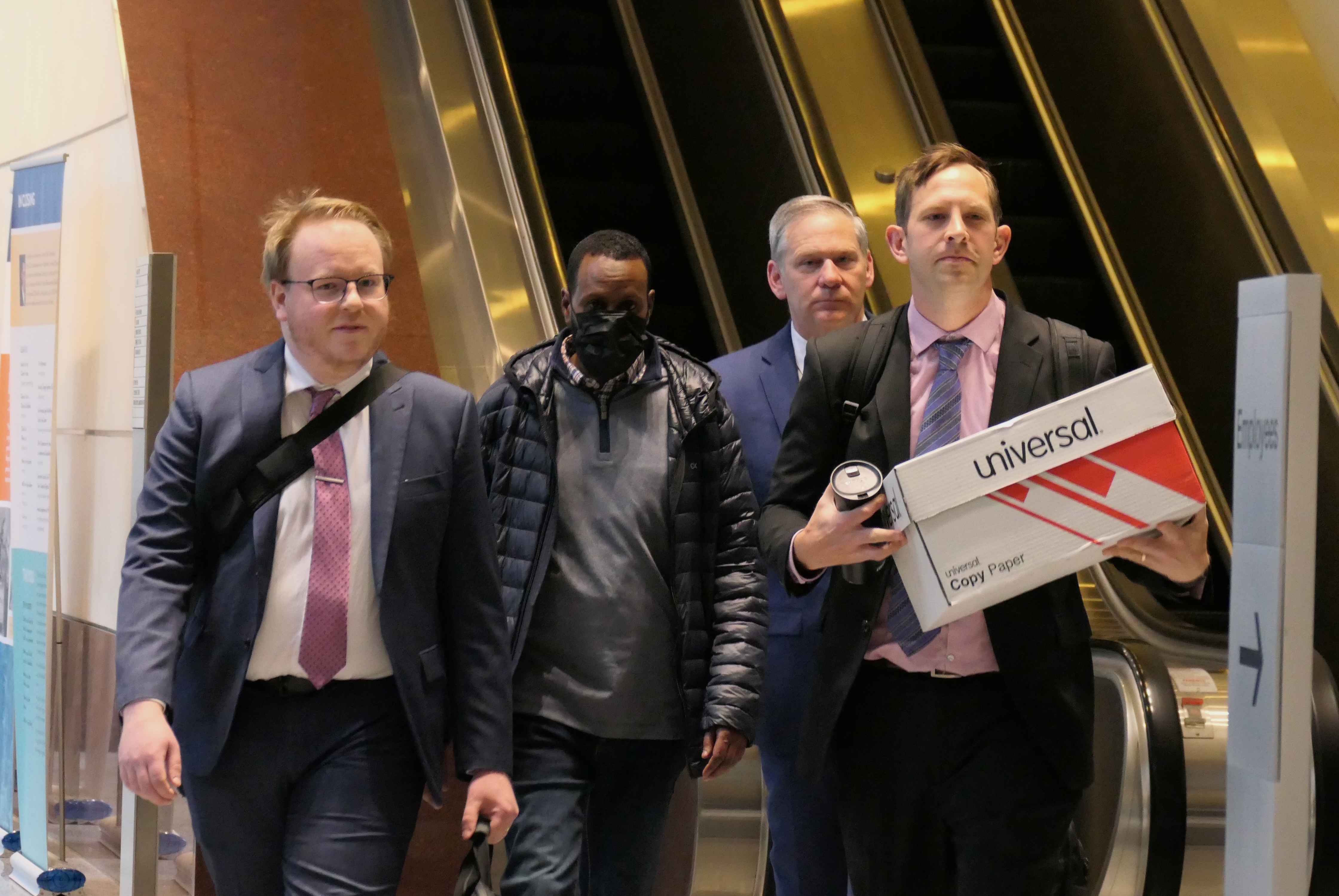
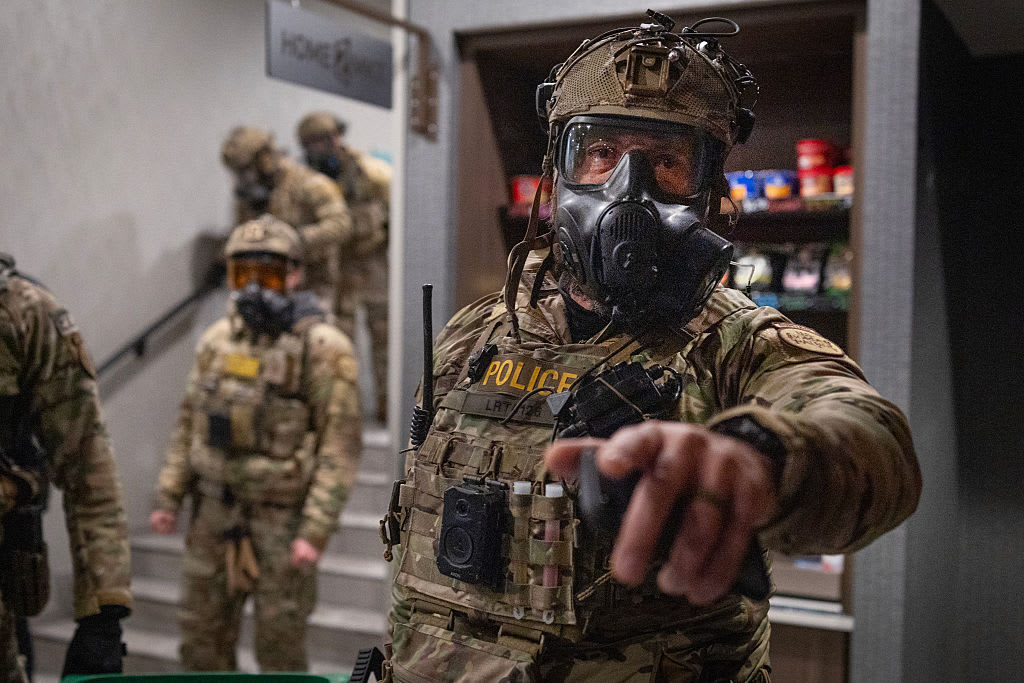
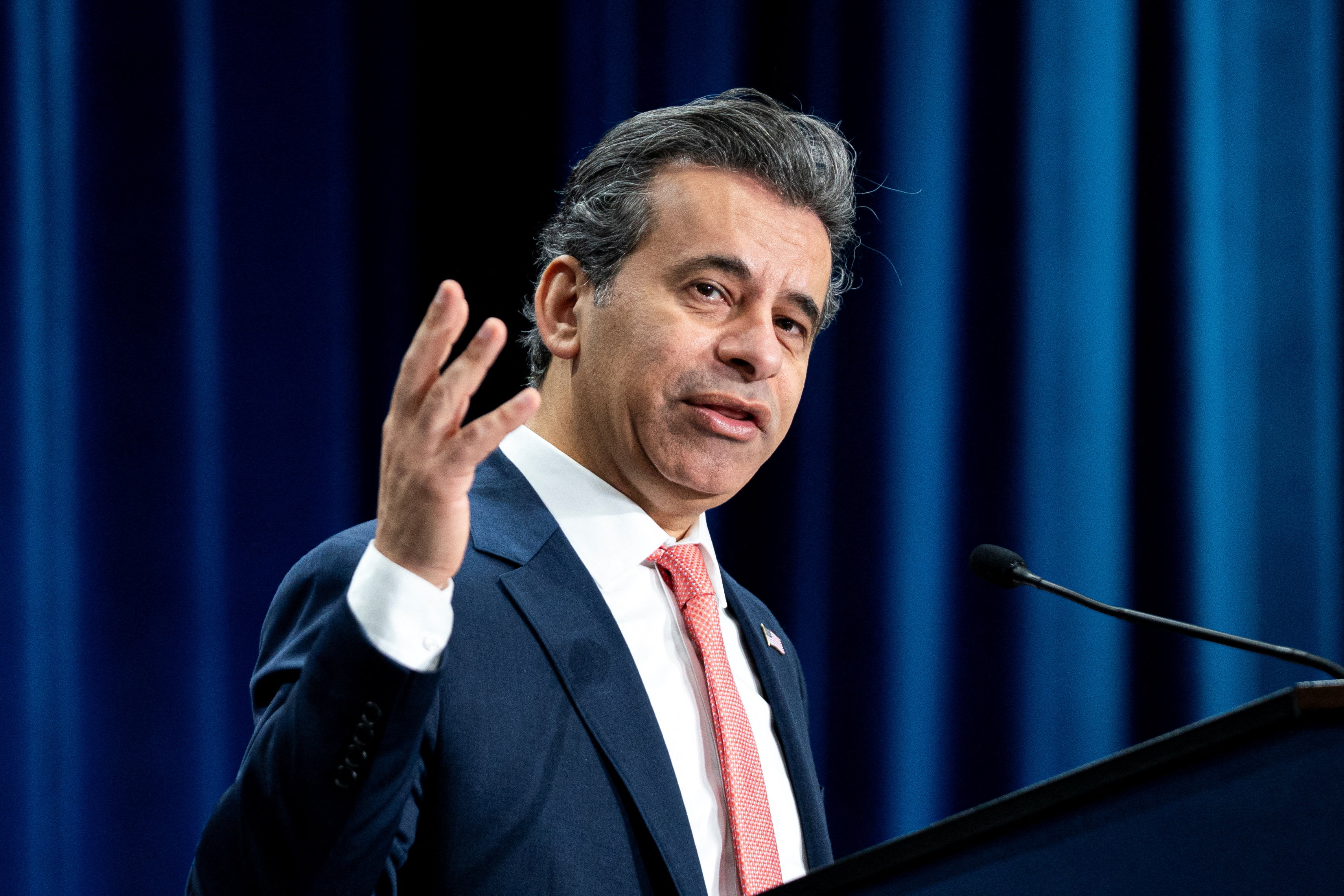
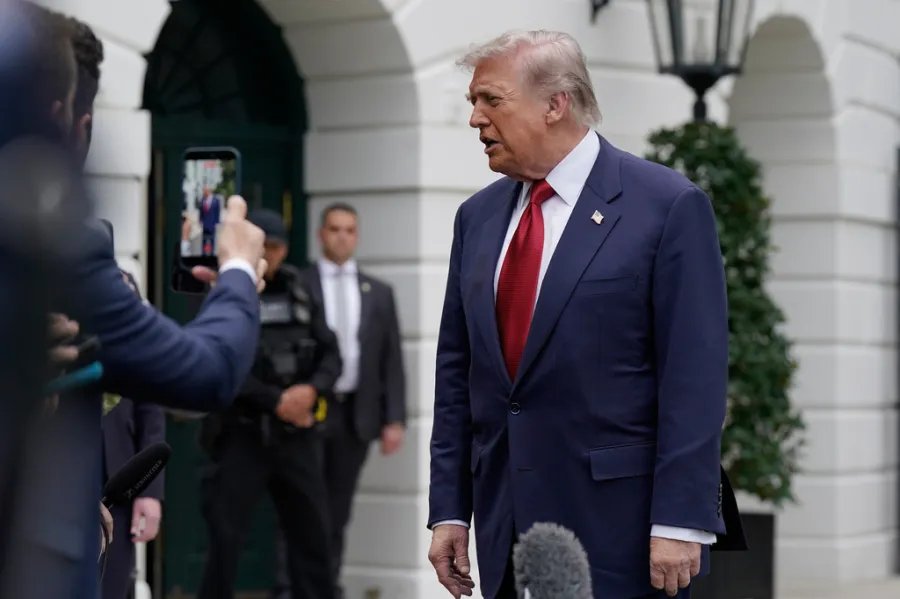
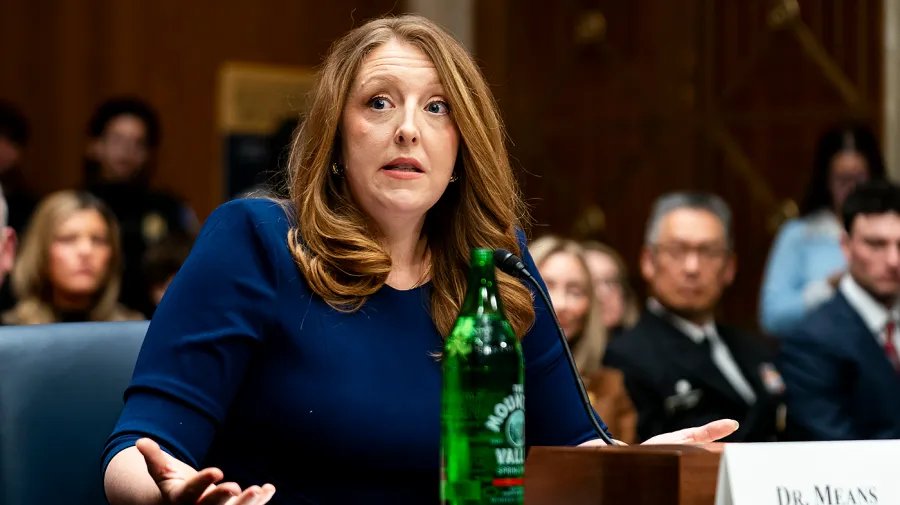
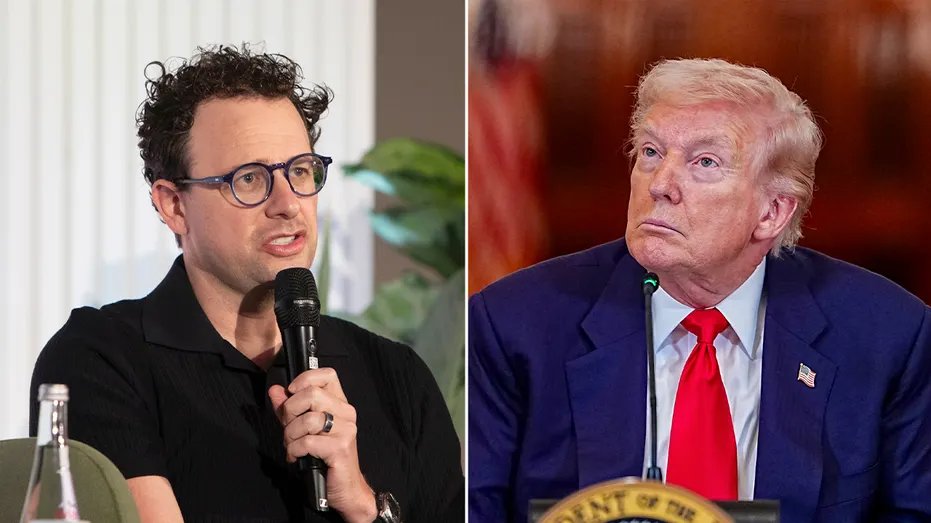
Former Capitol Police Officer Harry Dunn and D.C. Metropolitan Police Officer Daniel Hodges filed a lawsuit Wednesday to block President Trump's $1.776 billion "Anti-Weaponization Fund." The officers allege the fund, created to compensate those claiming government weaponization, is a "corrupt sham" that will finance those who threatened their lives during the January 6, 2021, Capitol riot. Brendan Ballou, founder of Public Integrity Project and representing the officers, called the fund "stunningly, blindingly illegal."
Fund Origins and Purpose
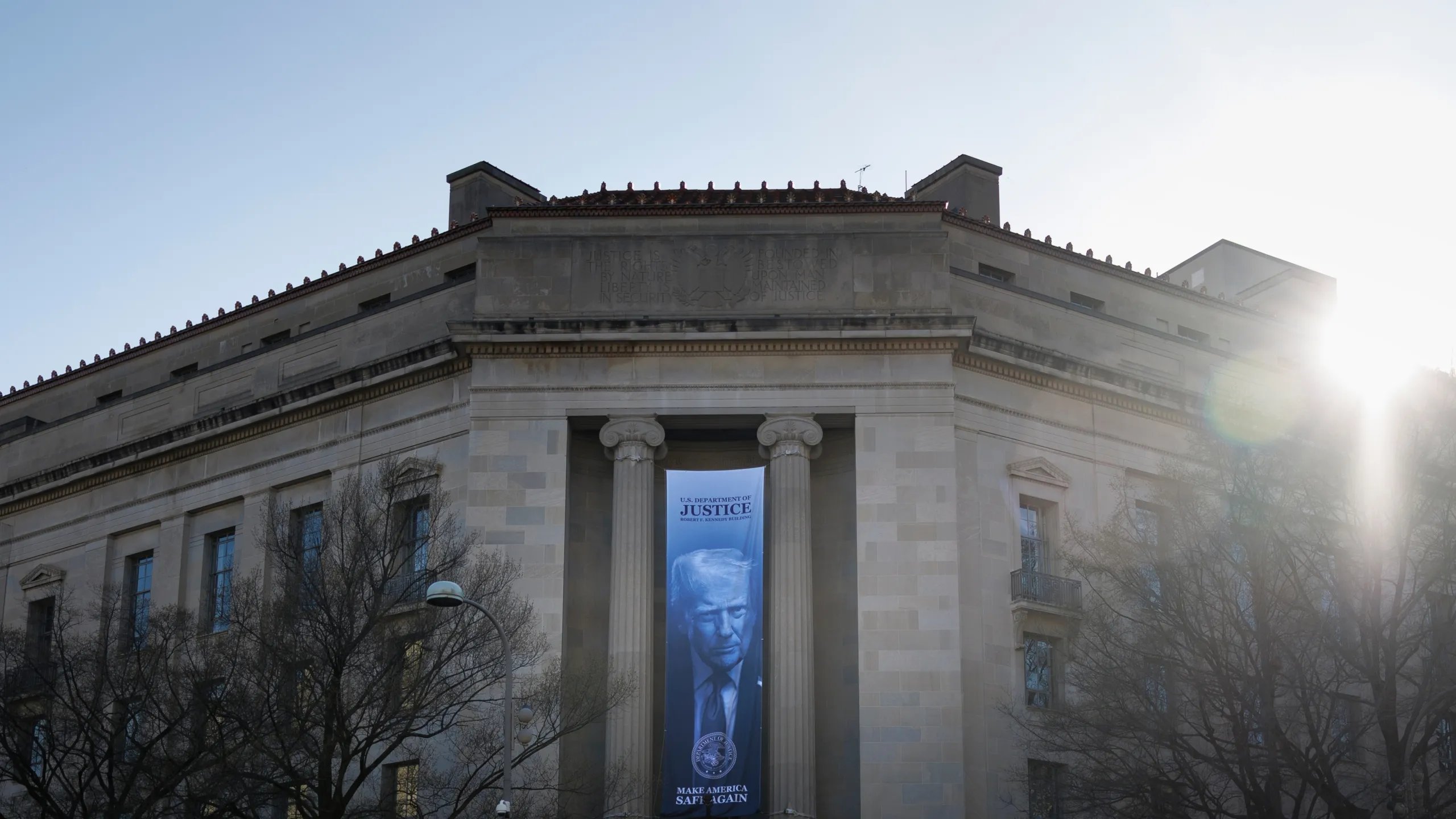
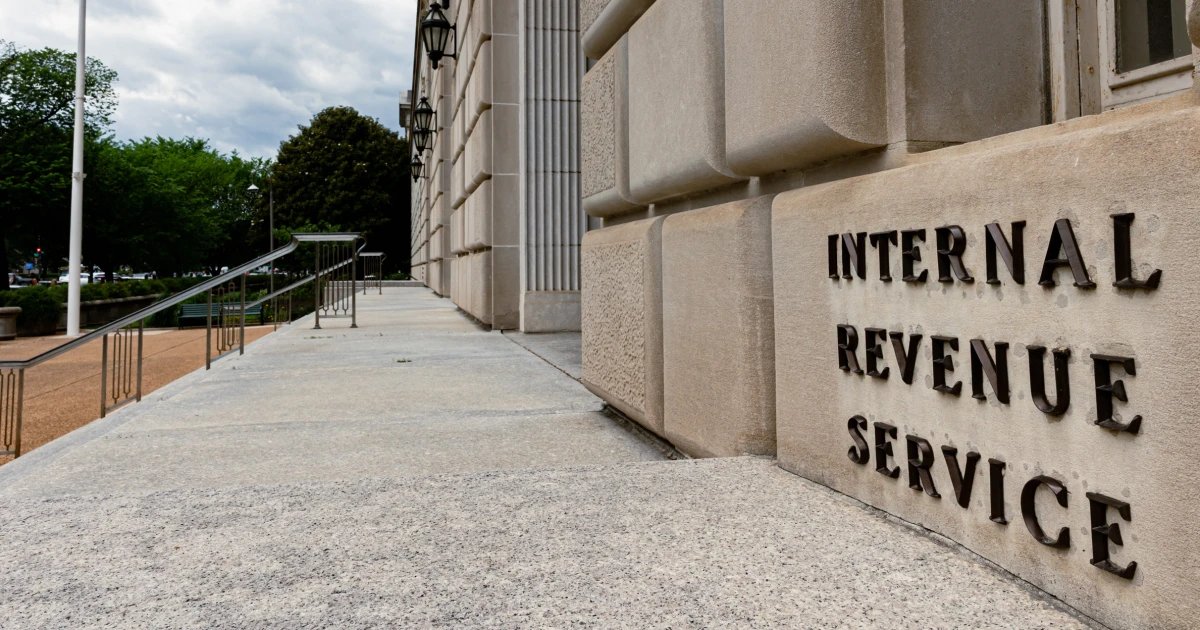
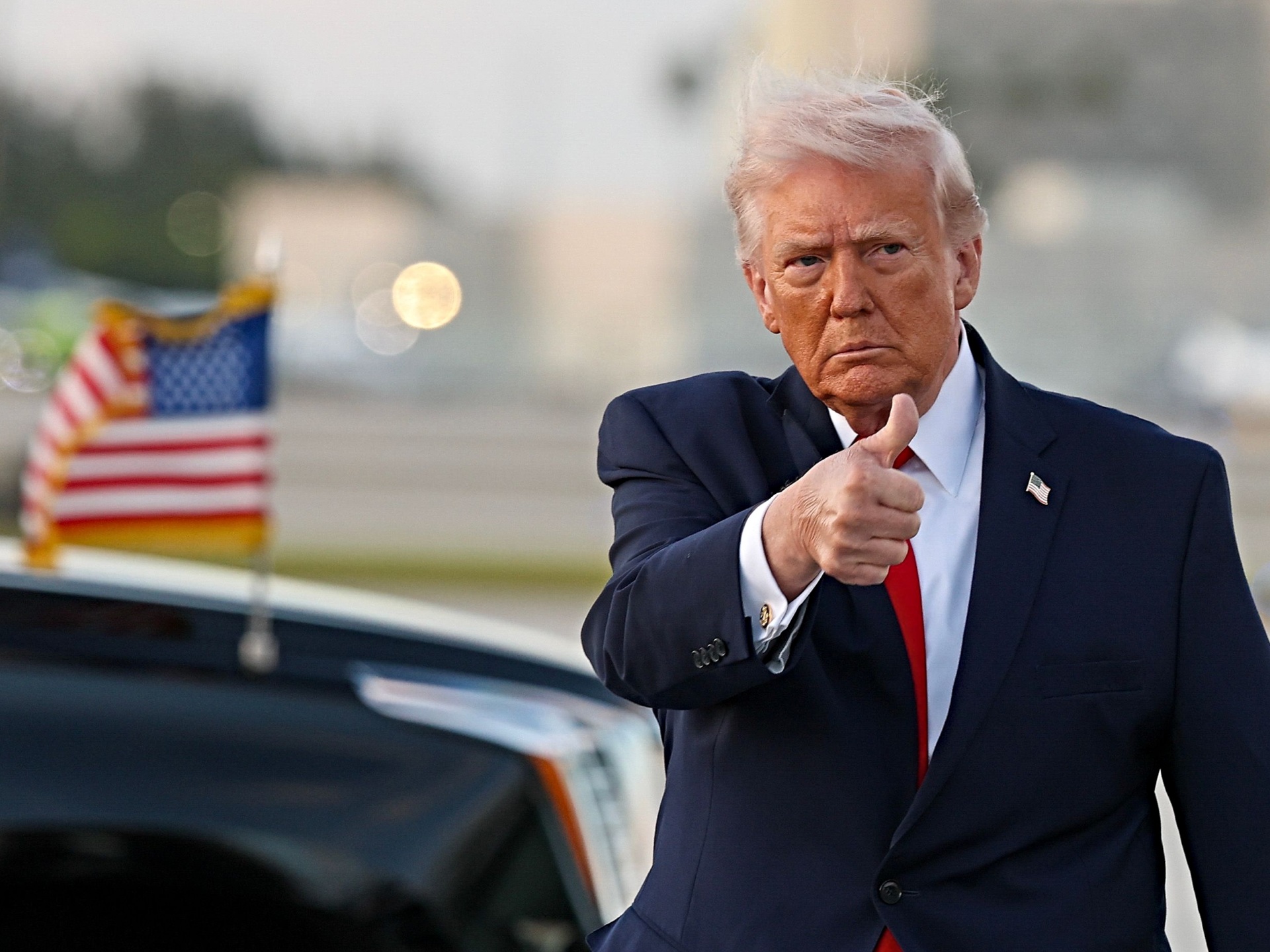
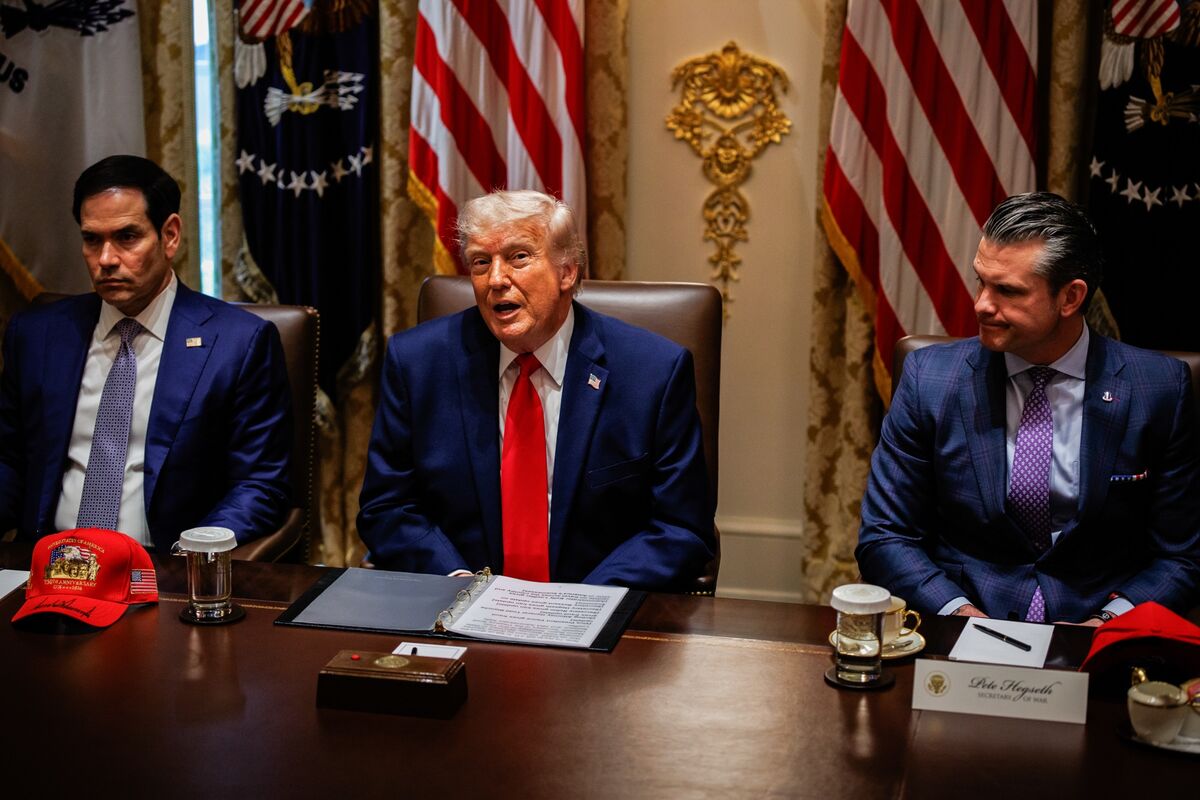
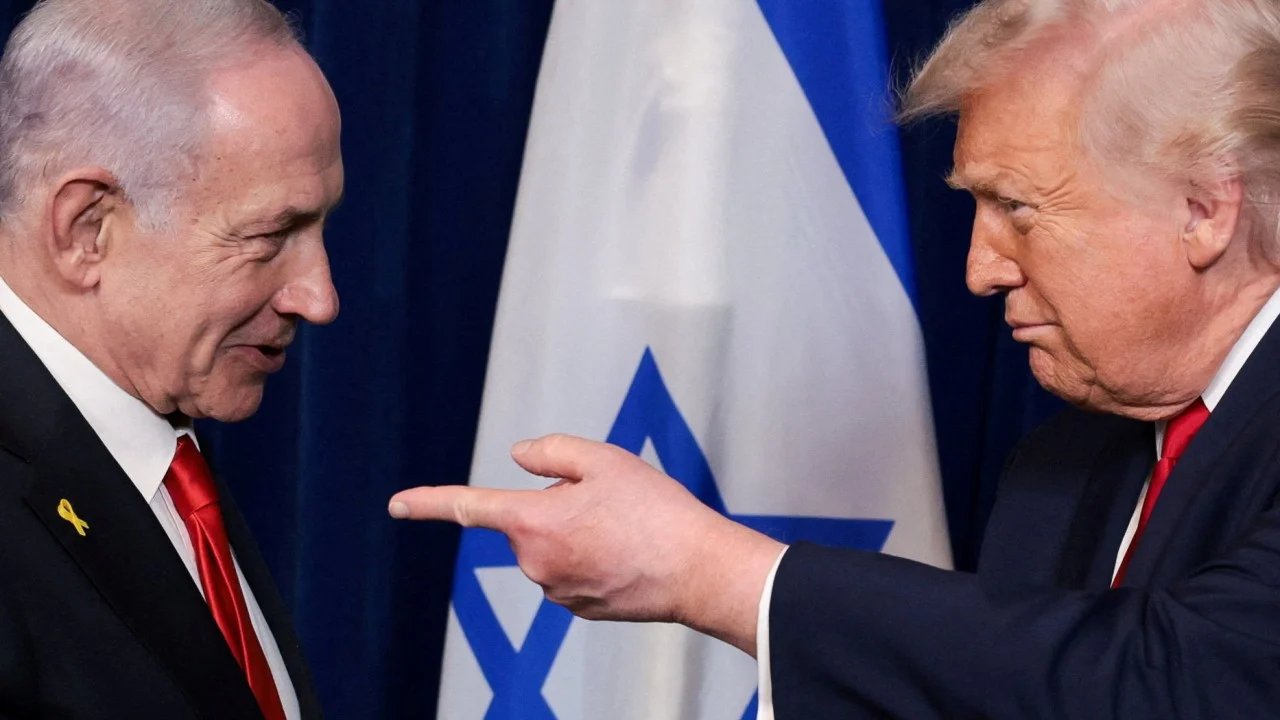
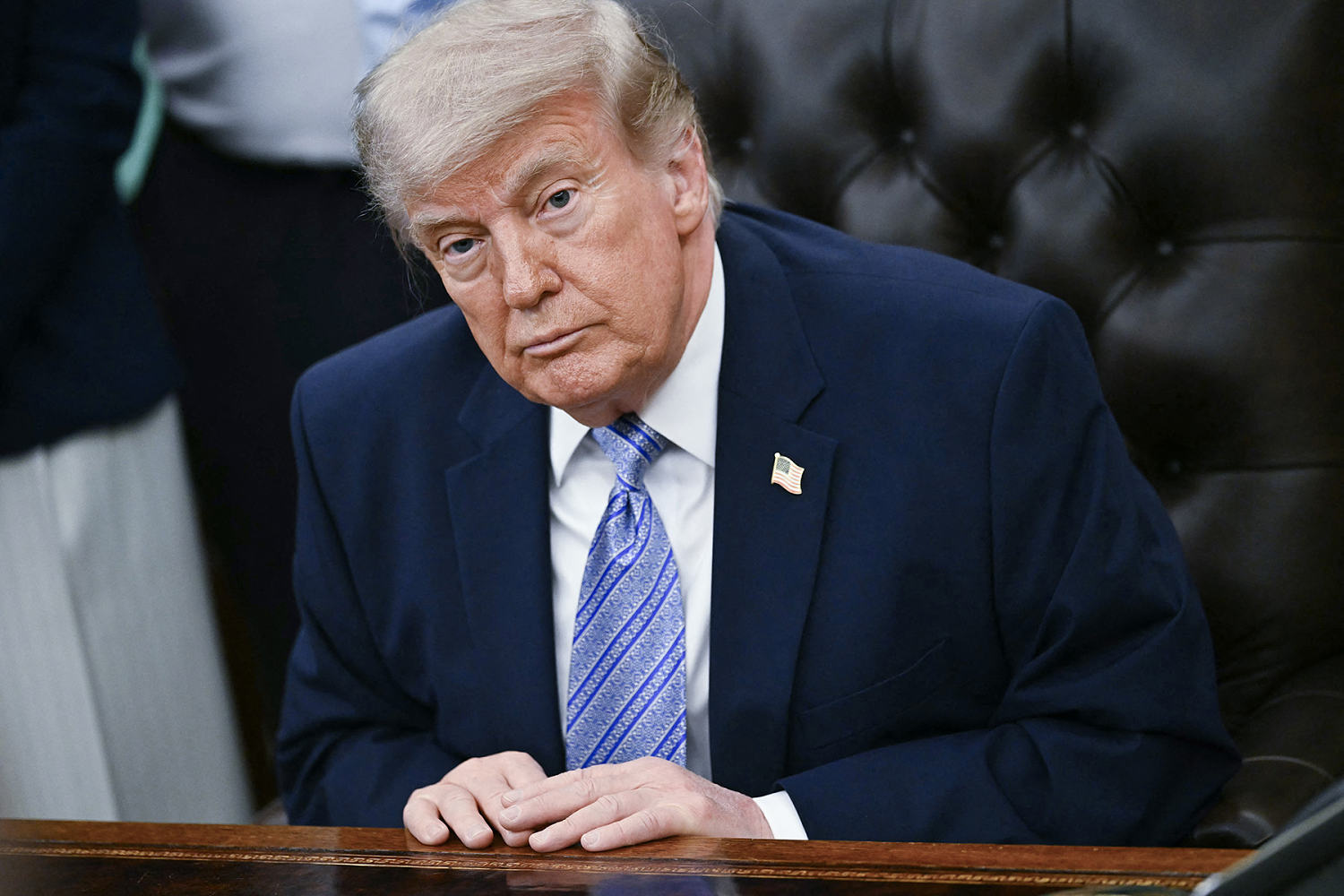
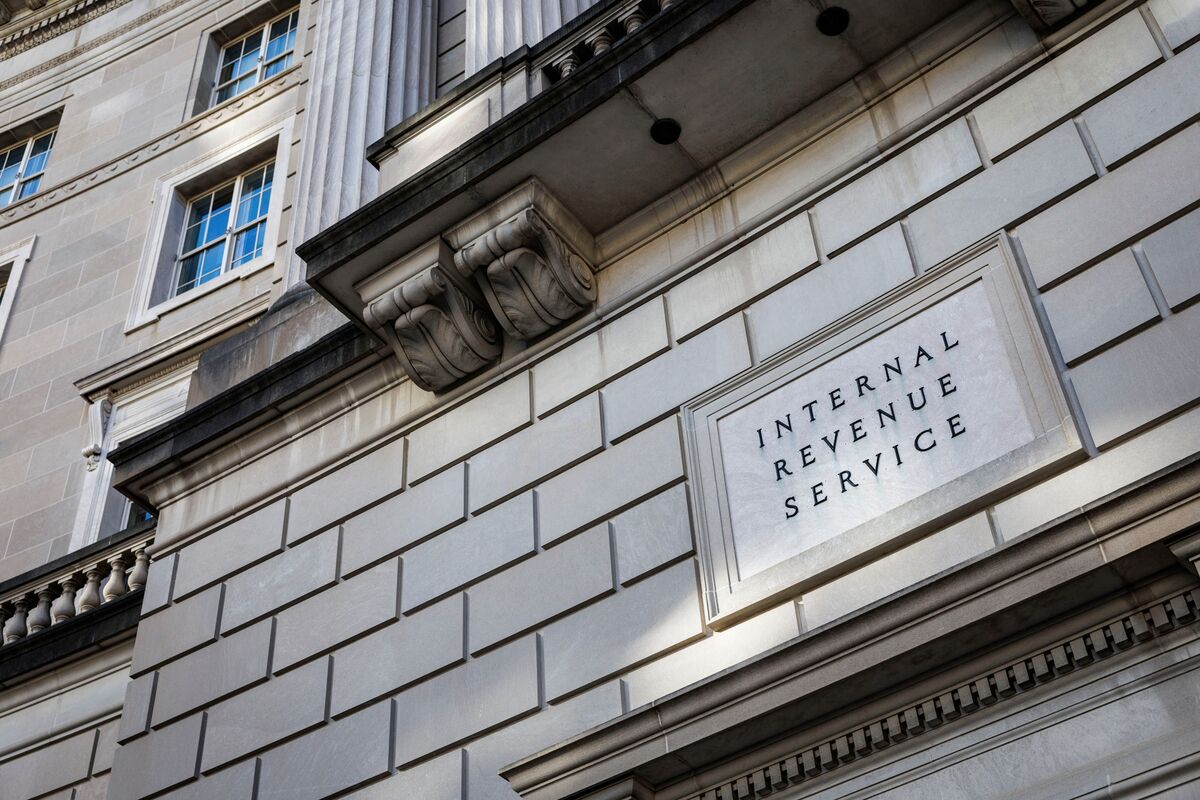
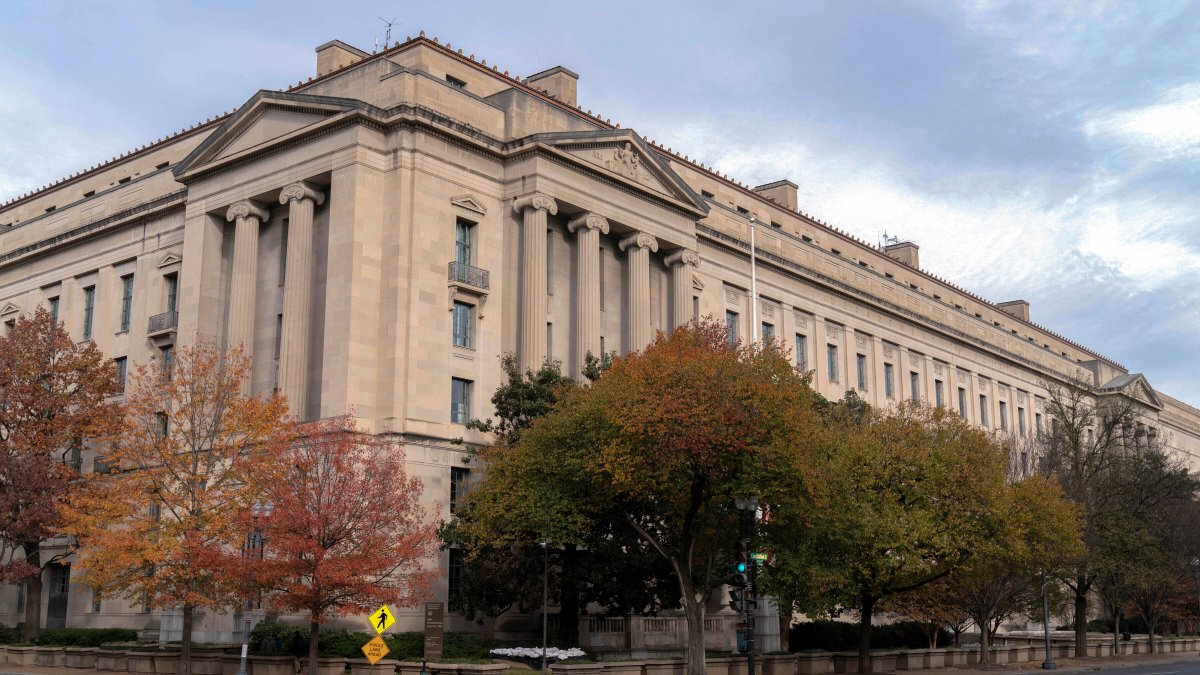
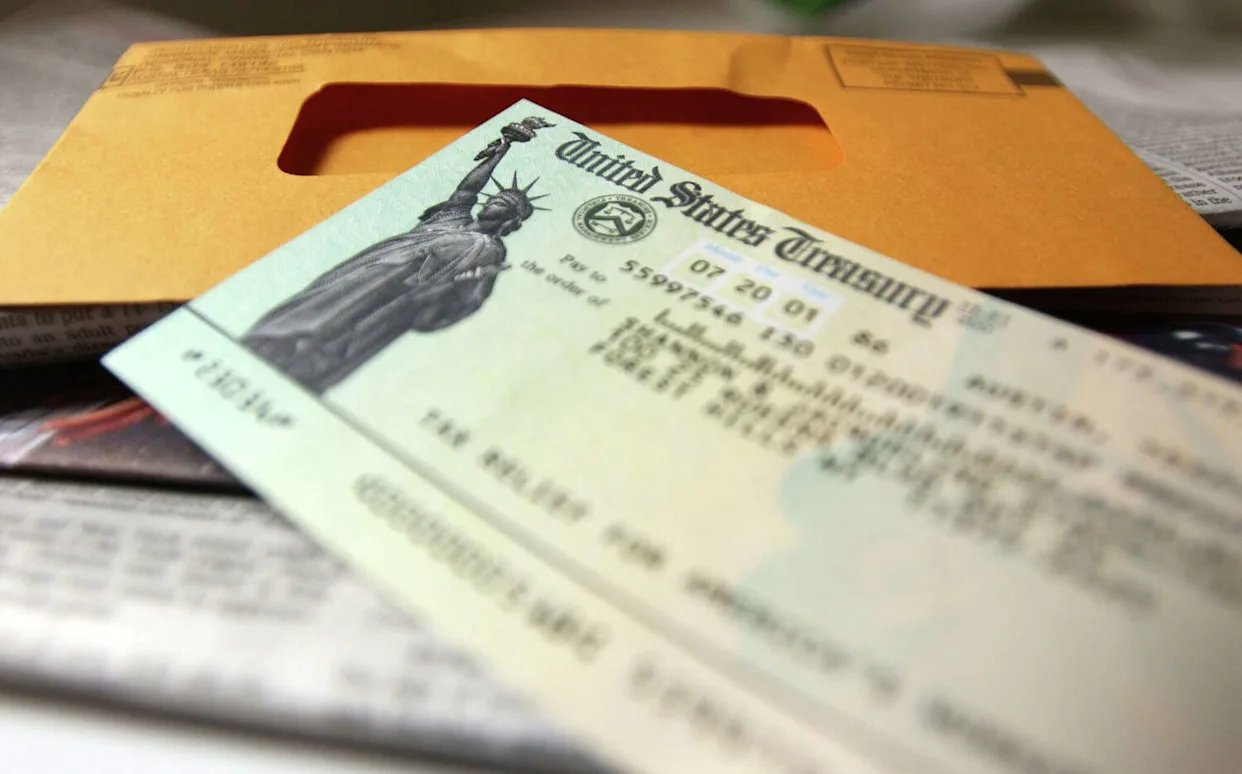
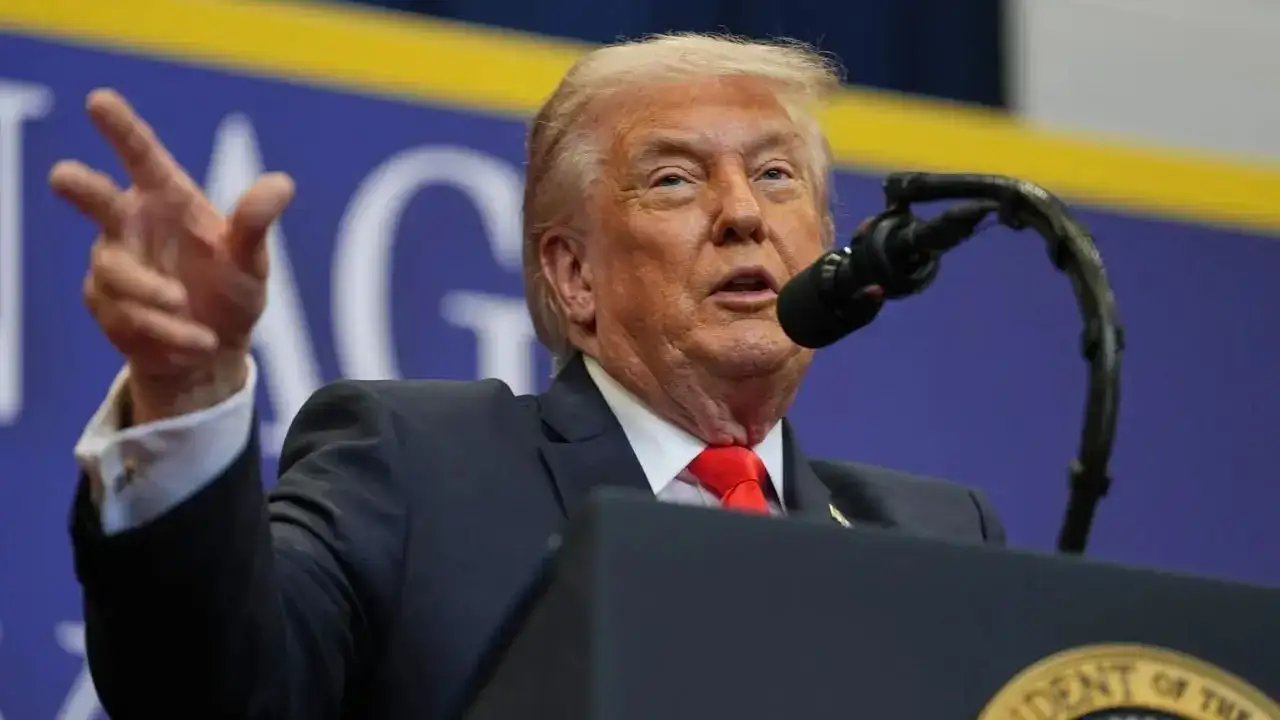
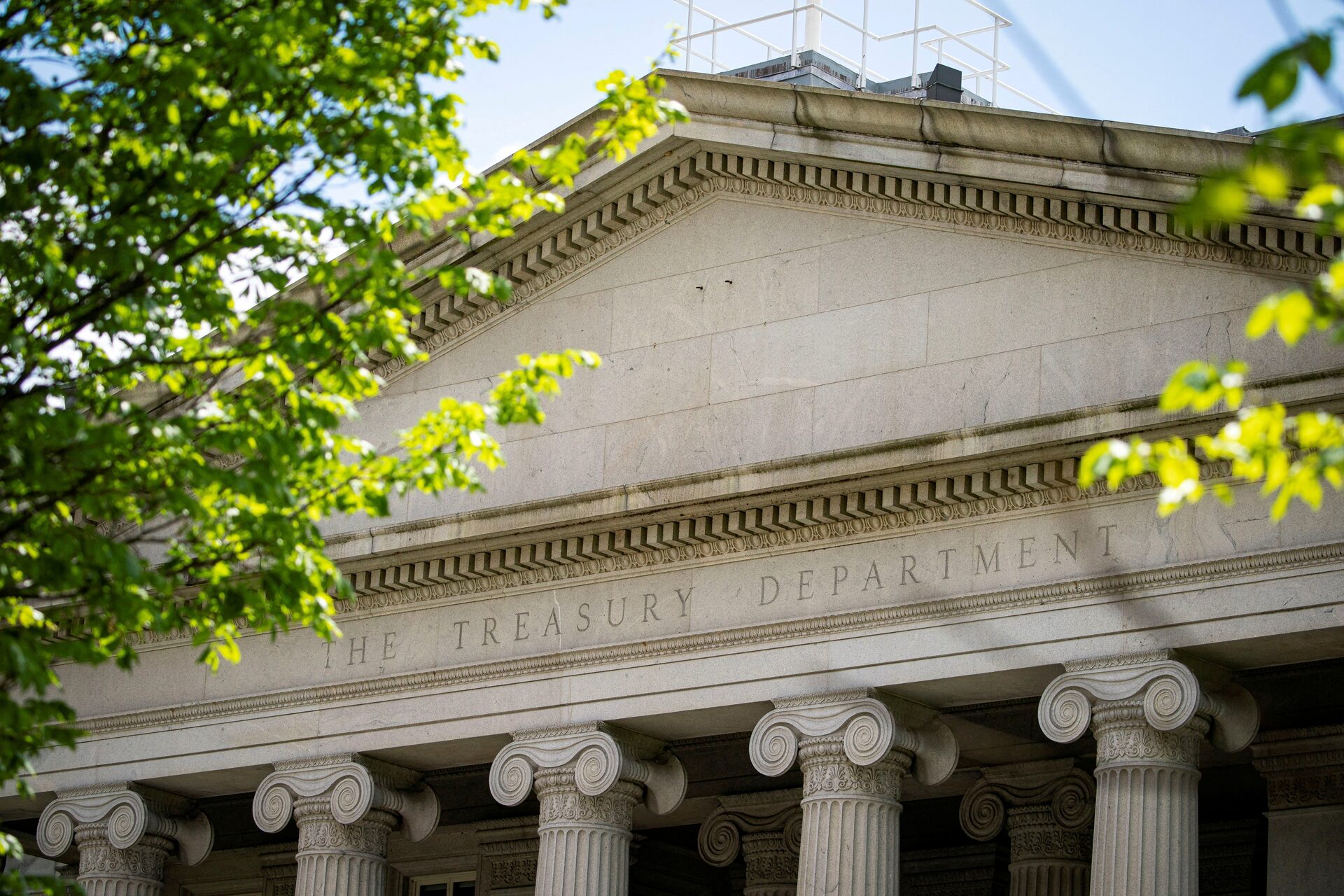
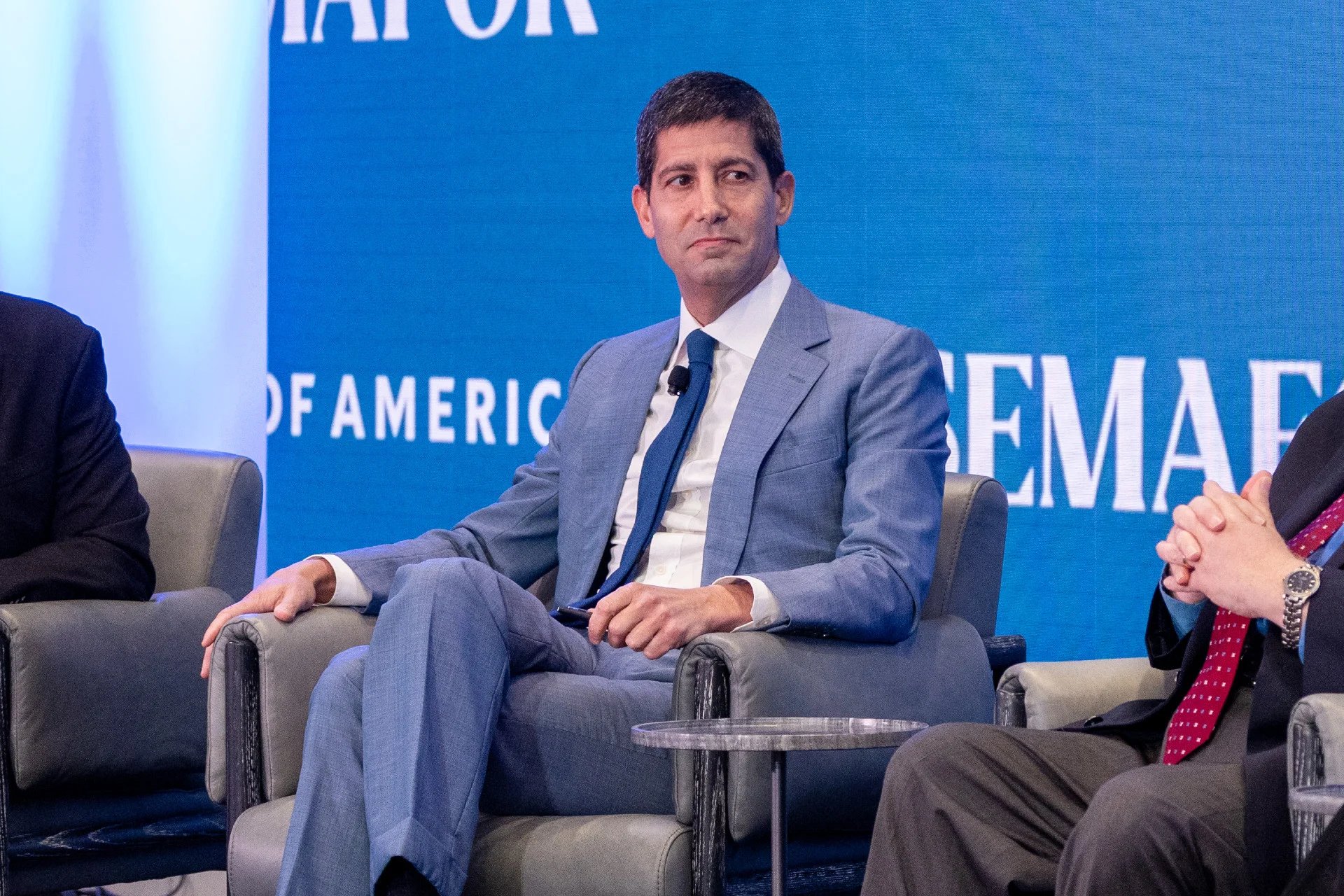
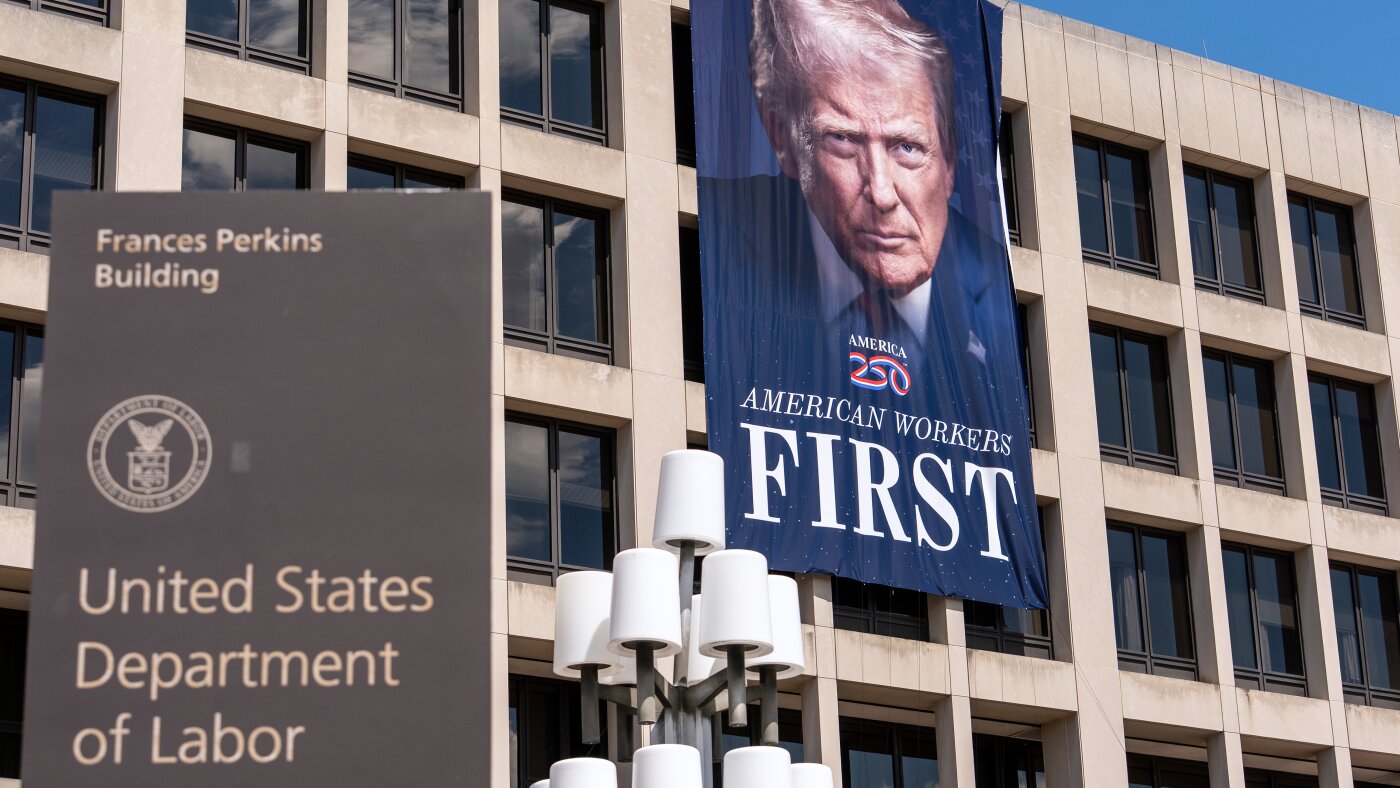
The fund emerged from a settlement between Trump and the IRS after Trump sued the agency for $10 billion over the 2019 leak of his tax returns. Acting Attorney General Todd Blanche, Trump's former criminal defense lawyer, established the fund using the Treasury Department's Judgment Fund. The settlement also bars the IRS from auditing Trump's past tax returns. The Justice Department has not responded to requests for comment.
Eligibility and Concerns
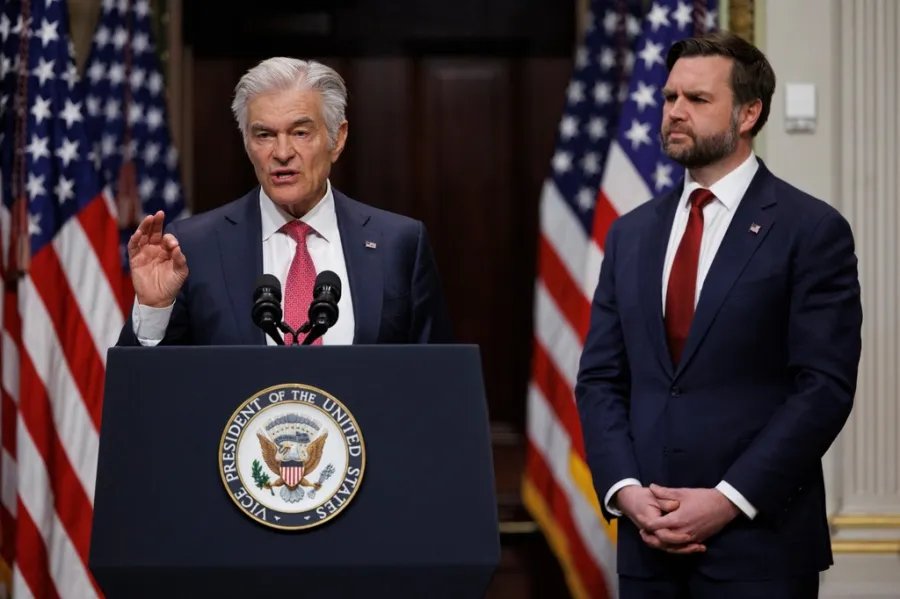
The "Anti-Weaponization Fund" will be overseen by a five-member commission appointed by the attorney general. The fund is set to end in December 2028. Almost anyone alleging "weaponization" can apply, according to Blanche. Vice President Vance suggested that even Hunter Biden and Tina Peters, the former Colorado county clerk convicted of a state crime, could be compensated. Dunn and Hodges argue the fund encourages violence and endangers their safety, citing credible threats of death they already face.
Legal and Political Opposition
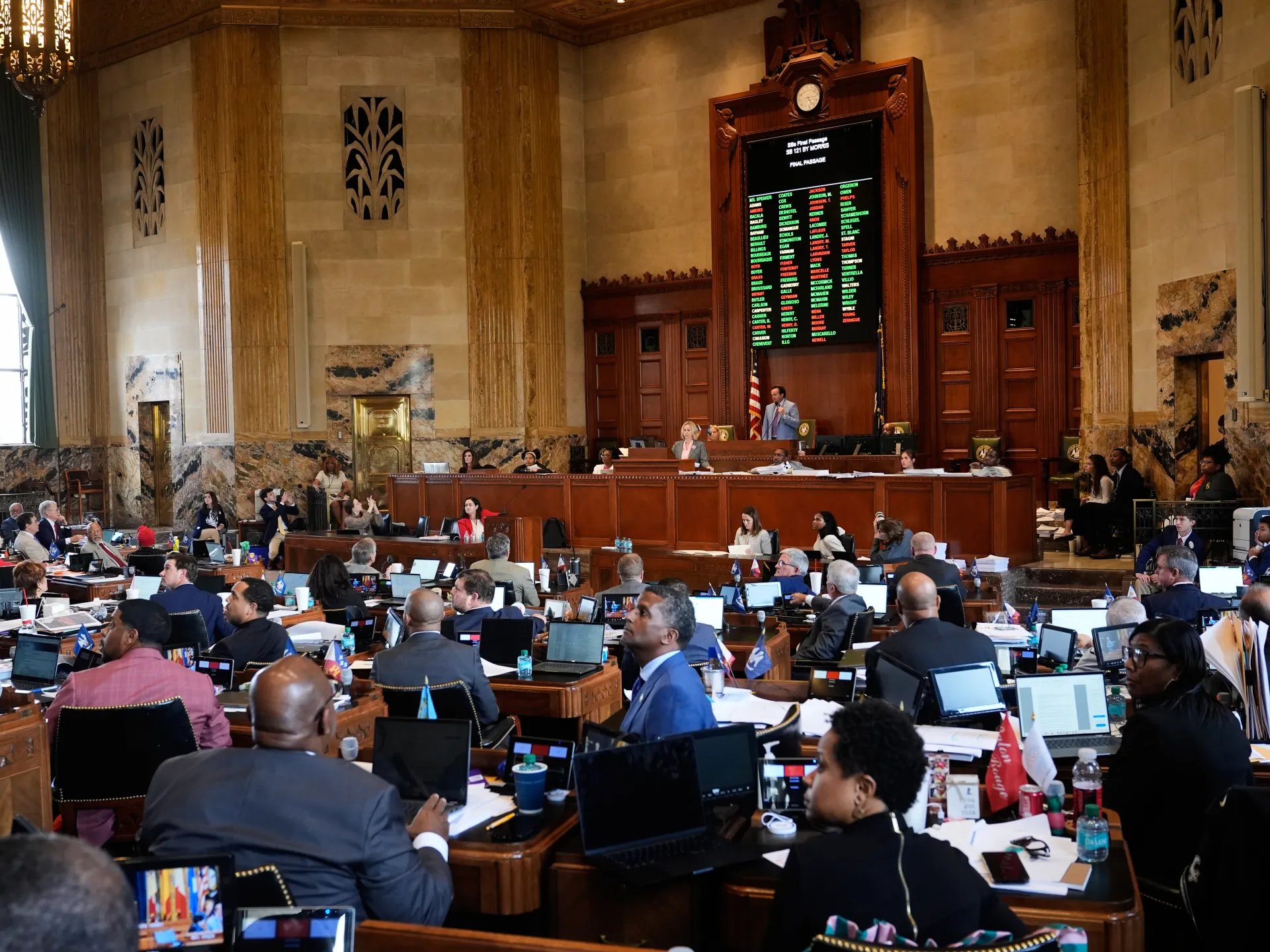
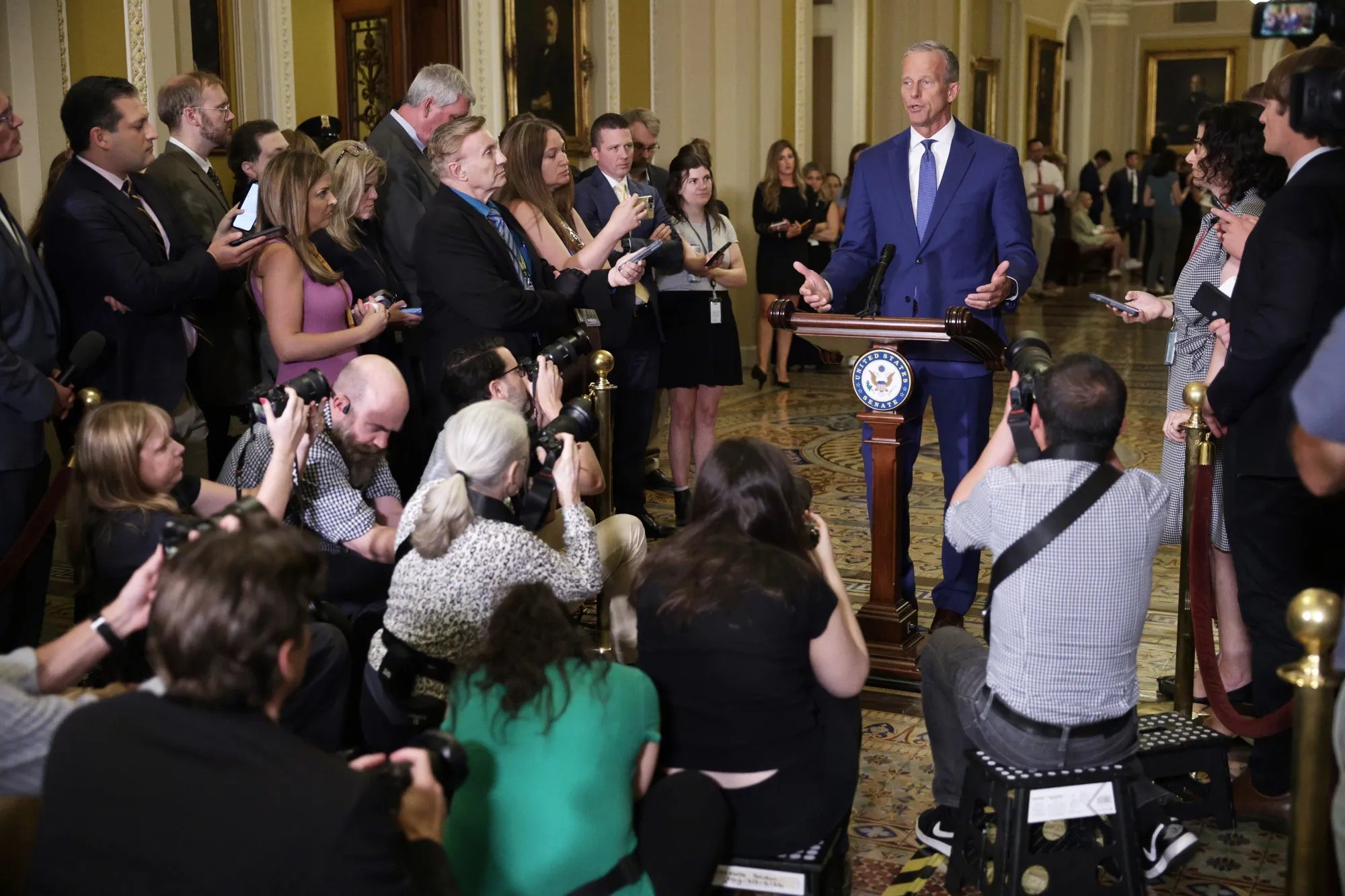
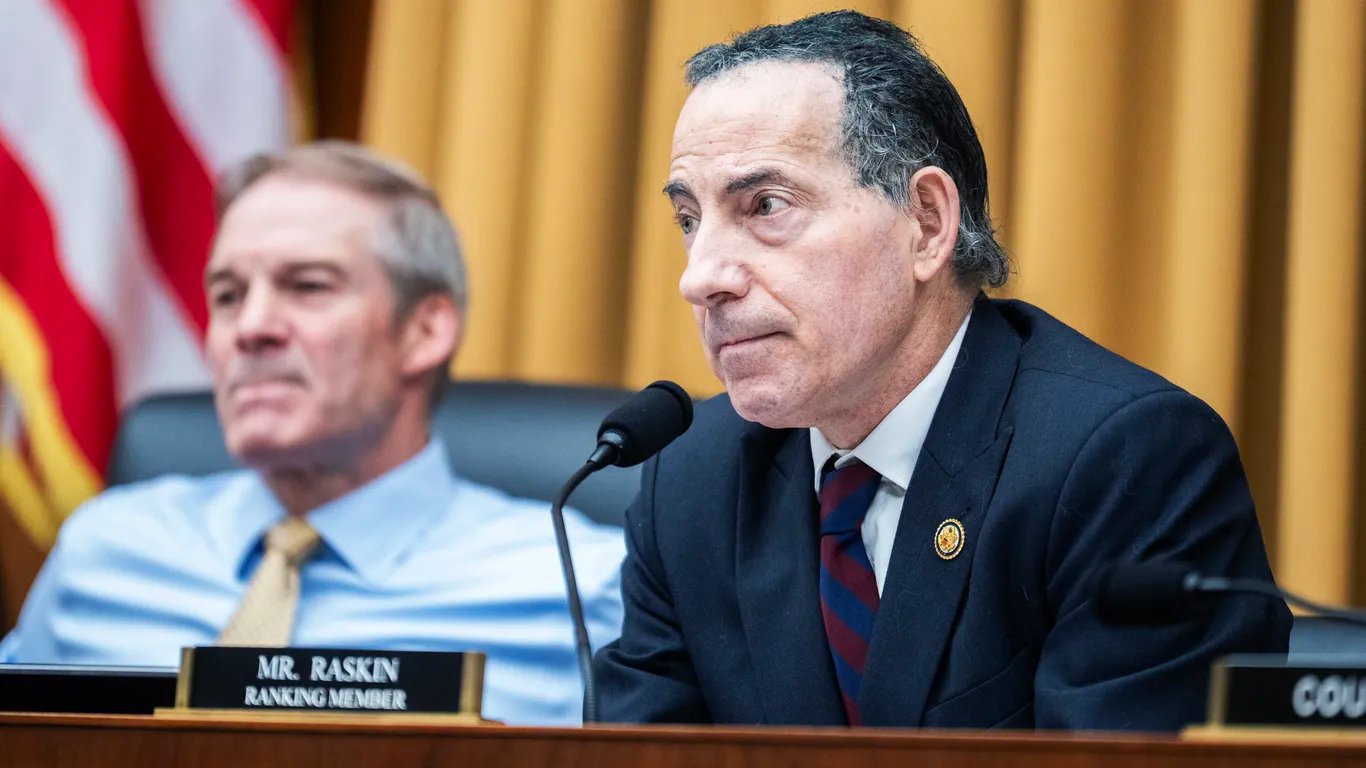
Representative Jamie Raskin (D-Md.) is introducing legislation to block the fund. Representative Brian Fitzpatrick (R-Pa.) stated he will "try to kill" the fund. Raskin is considering a discharge petition to force a vote on his measure if House Republican leadership blocks it from reaching the floor. The lawsuit invokes the 14th Amendment's prohibition on the U.S. paying "any debt or obligation incurred in aid of insurrection."
First Claimant Steps Forward
Michael Caputo, a former Department of Health and Human Services spokesperson in the Trump administration, is seeking $2.7 million from the fund. Caputo claims he was targeted by the FBI probe into Russian interference in the 2016 election and investigated under the Biden administration for a documentary he made with One America News about former President Biden's purported connections in Ukraine. He expressed "profound gratitude" to Trump for "creating a process to right these wrongs" in a letter posted on X.
Questions of Oversight and Constitutionality
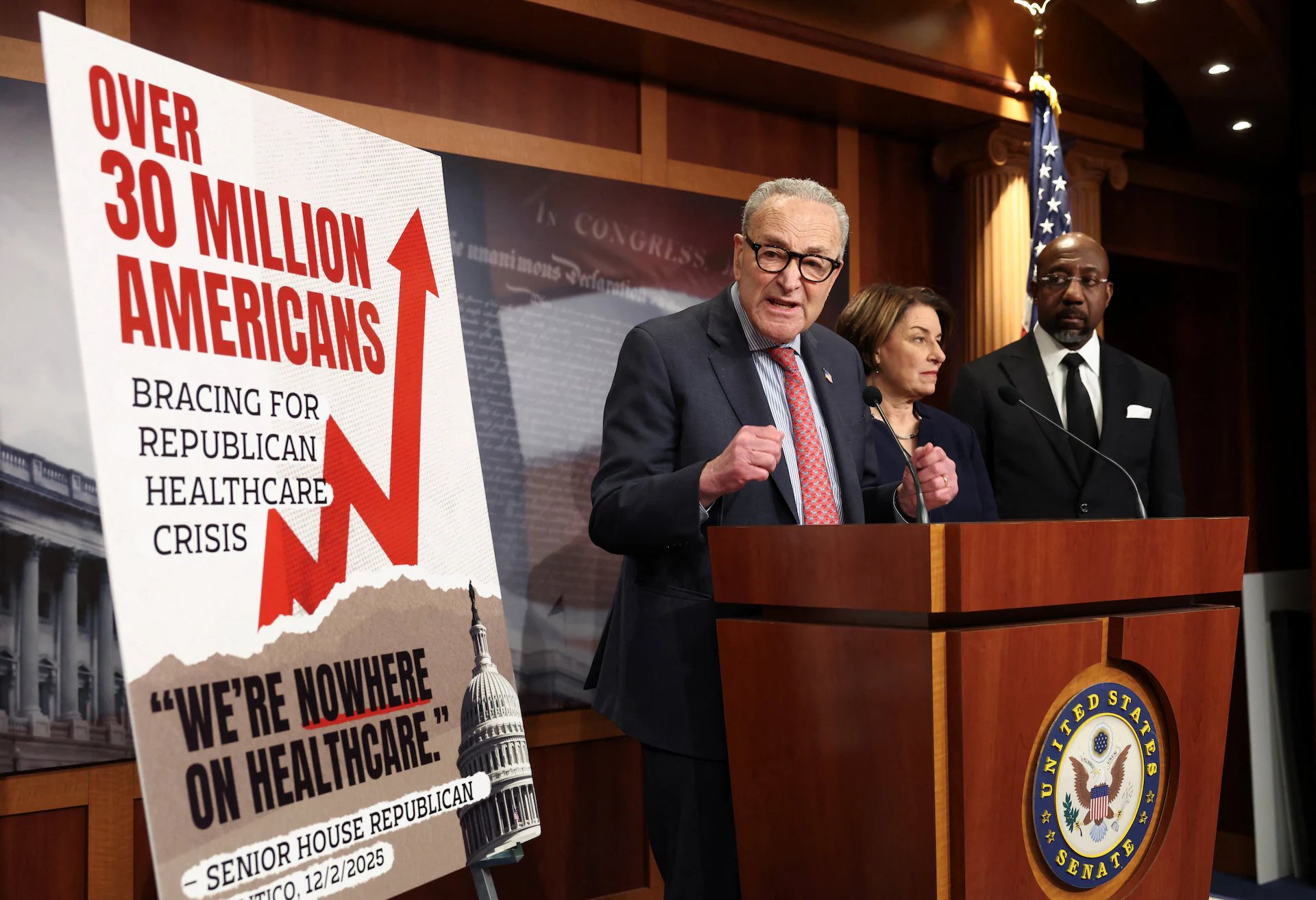
Critics have warned that the Judgment Fund, which makes Trump's fund possible, allows administrations to spend large sums with little oversight. Paul Figley, a 32-year Justice Department veteran, said this use is "certainly not what Congress anticipated when it set the system up." The Wall Street Journal's editorial board described the nearly $2 billion fund as "rotten." Senate Democratic leader Chuck Schumer said Democrats plan to force a vote on Trump's proposed settlement fund.
Implications and Future Challenges
The settlement allows the fund to spend part of the $1.776 billion on itself, including staff, travel, and facilities. The Justice Department and the White House did not answer questions about whether there is any cap on those costs. The lawsuit asks a judge to block the creation and funding of the compensation fund, with the settlement agreement giving the acting attorney general 30 days to create the entity and appoint five commissioners to run it.