




Reforms Expand Sentencing for Youth Crimes
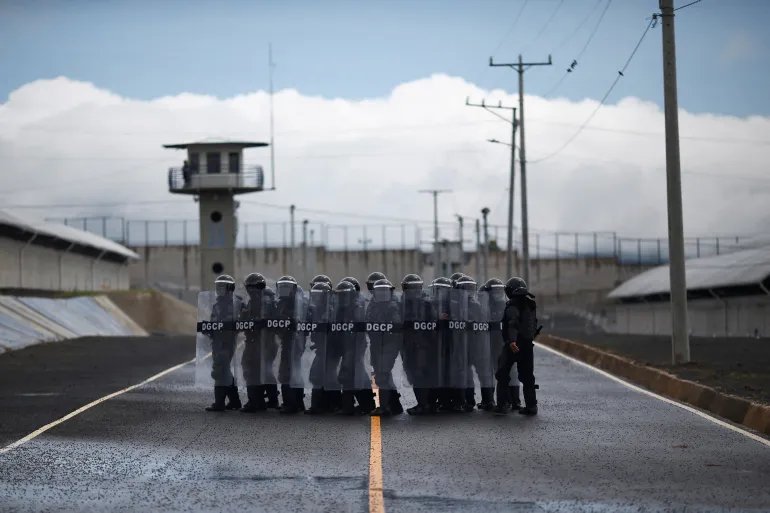
Salvadoran President Nayib Bukele signed constitutional reforms on Wednesday that allow life prison sentences for people as young as 12. The changes apply to convictions for homicide, femicide, rape and gang membership, shifting from the previous maximum of 60 years for adults. These reforms create new criminal courts to handle cases and include mandatory reviews of life terms based on the convict's age and crime severity.
State of Emergency Drives Detention Surge
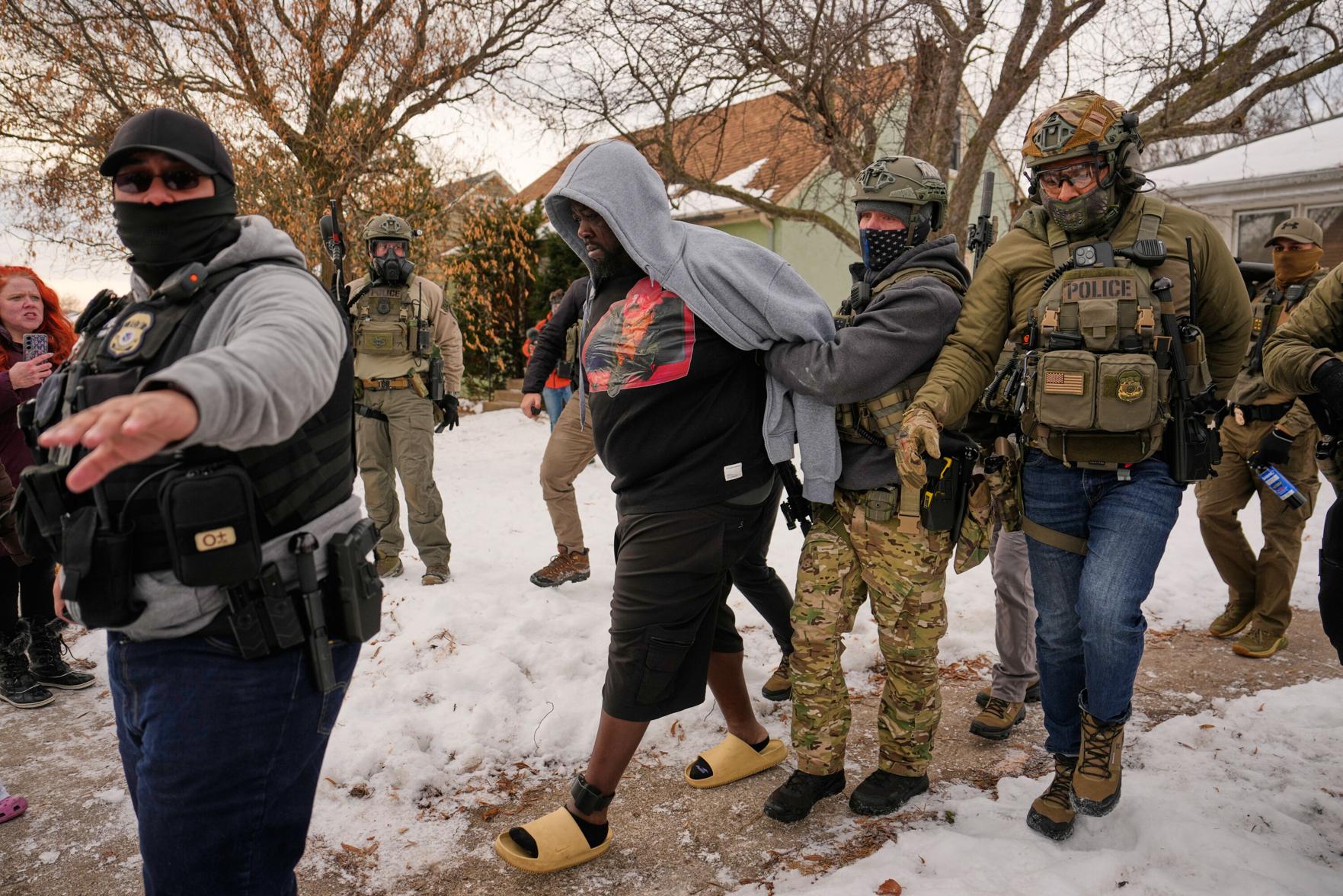
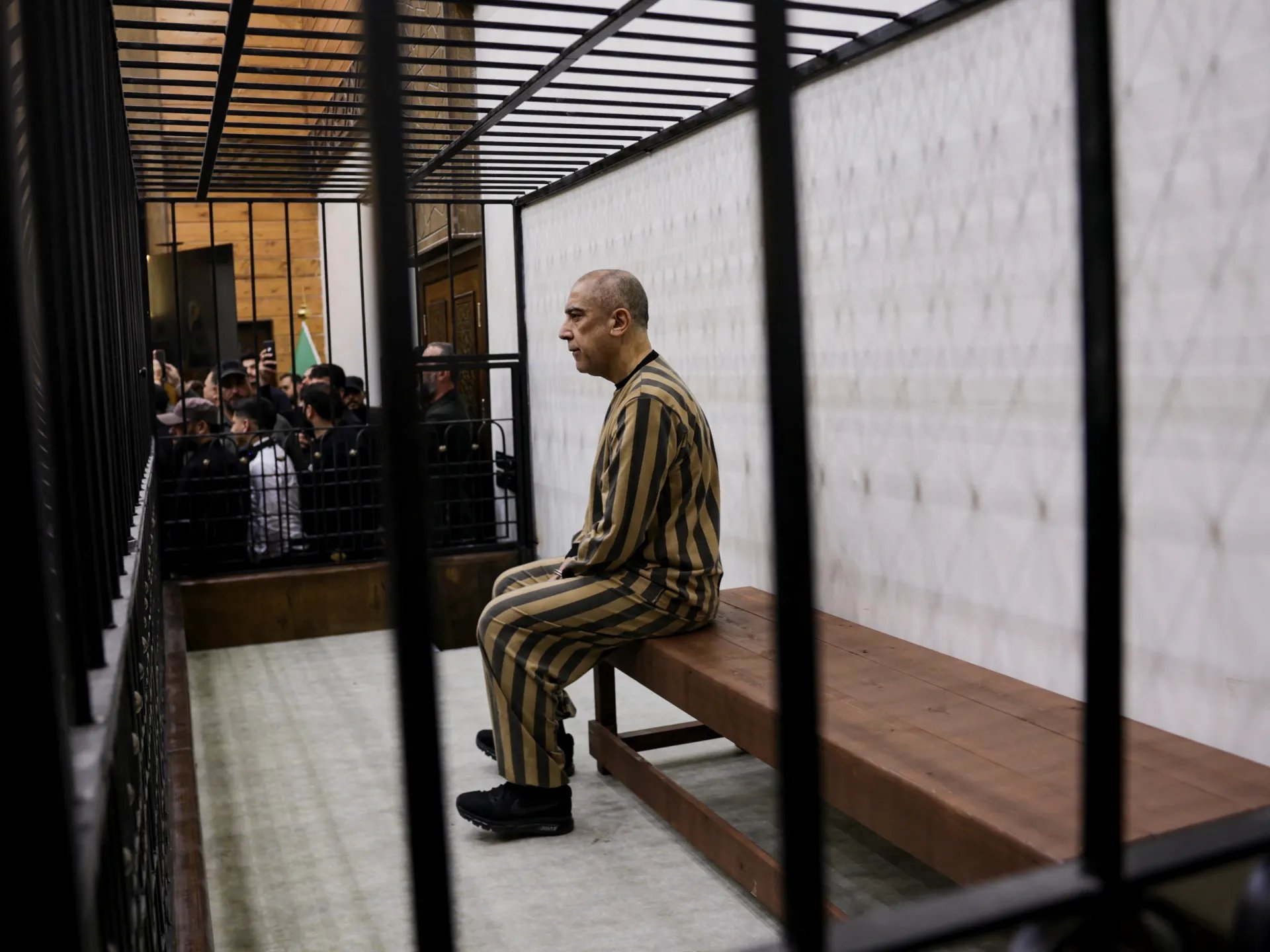
Bukele's government has maintained a state of emergency since March 2022, leading to the detention of around 91,650 people. More than 90,000 individuals are now imprisoned, with Bukele claiming that less than 10% have been released, as officials vowed that gang members "will never return" to the streets. This policy has reduced homicide rates and boosted Bukele's popularity, though it involves mass trials. In one mass trial last year, alleged gang members were handed sentences of hundreds of years.
Bukele Champions the Policy Change
Bukele pushed the reforms through the Legislative Assembly, which his Nuevas Ideas party controls, after approval last month. On social media, Bukele wrote on March 17 that opponents of the amendment were lenient toward violent crime, questioning who would defend keeping murderers and rapists out of prison. The measure forms part of a broader suite of policies aimed at stamping out gang violence in the country.
Human Rights Groups Raise Alarms
UNICEF expressed deep concern in a statement with the Committee on the Rights of the Child, warning that life sentences for children could harm their development and contradict the Convention on the Rights of the Child. Human Rights Watch and the Inter-American Commission on Human Rights have documented arbitrary detentions, with one group filing a complaint about the majority of state of emergency arrests. Critics argue these actions, including mass trials of up to 900 people approved in 2023, violate fundamental rights and constitute a systematic policy of abuses.

Critics argue these actions, including mass trials of up to 900 people, violate fundamental rights and constitute a systematic policy of abuses.→Critics argue these actions, including mass trials of up to 900 people approved in 2023, violate fundamental rights and constitute a systematic policy of abuses.
The Al Jazeera article states that mass trials of up to 900 people were approved in 2023. This is important context.
For example, UNICEF warned that imprisonment could result in severe, long-term consequences on child and adolescent development.
Effects on Young Detainees and Society
The new law, set to take effect on April 26, lifts protections for youth offenders but allows periodic sentence reviews and supervised release options. The International Group of Experts noted last month that at least 8,000 detainees were innocent.










































































































































































































































































































The NPR article mentions one mass trial last year where alleged gang members were handed sentences of hundreds of years. This needs to be more specific.