




War-Driven Energy Shock Fuels Price Acceleration
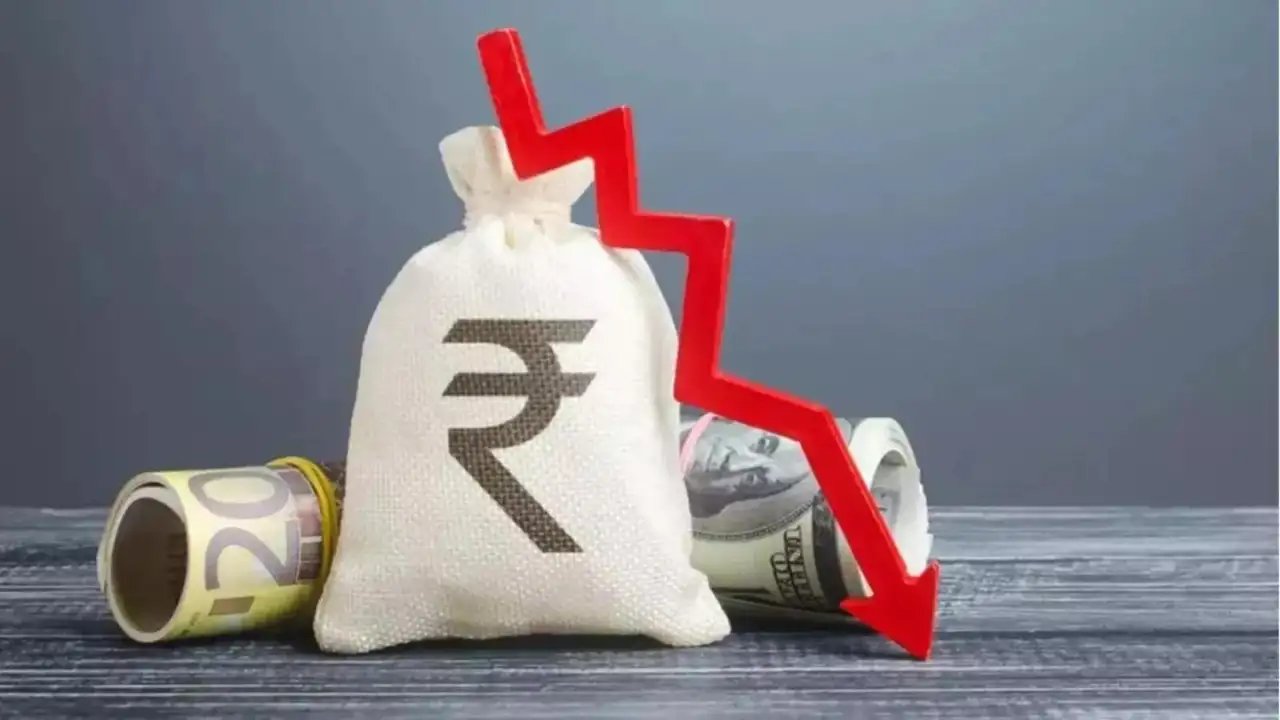
Inflation jumped to 3.8 percent in April from a year earlier according to the Commerce Department. The reading marks the highest level since May 2023 and follows a 3.5 percent pace in March and 2.8 percent as recently as February. The personal consumption expenditures price index preferred by the Federal Reserve rose for the second straight month as the Iran war drove up gasoline prices.
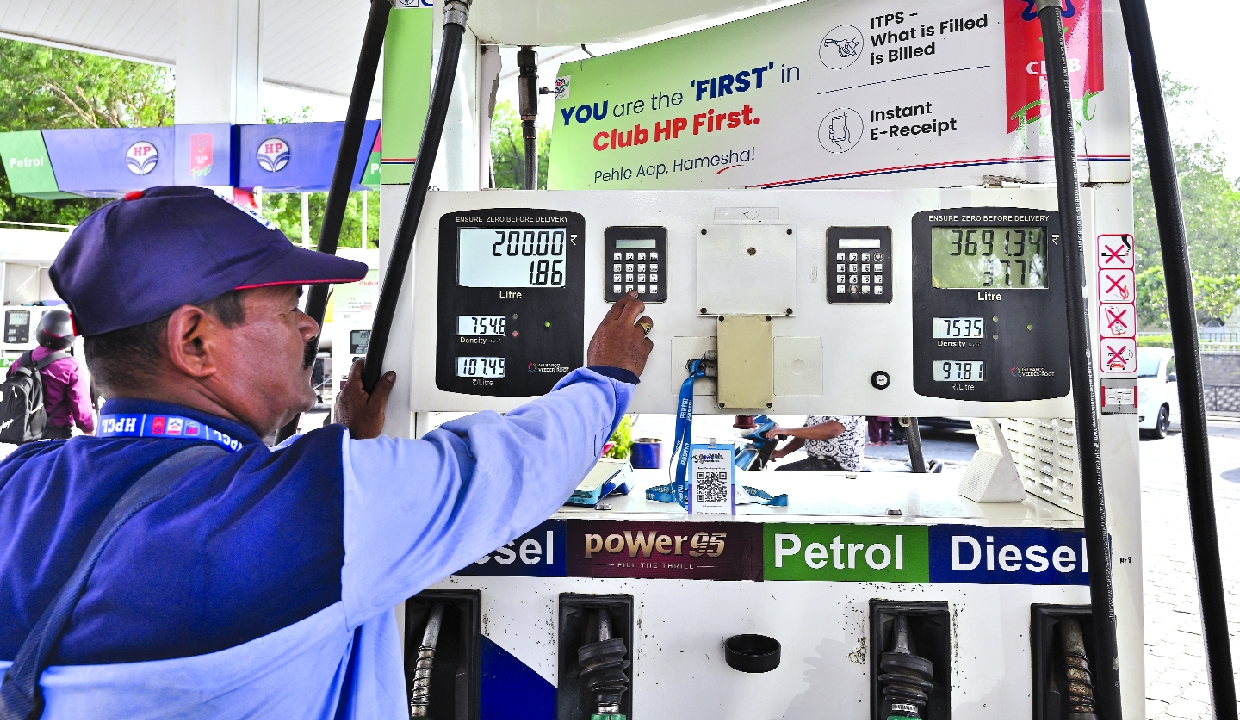
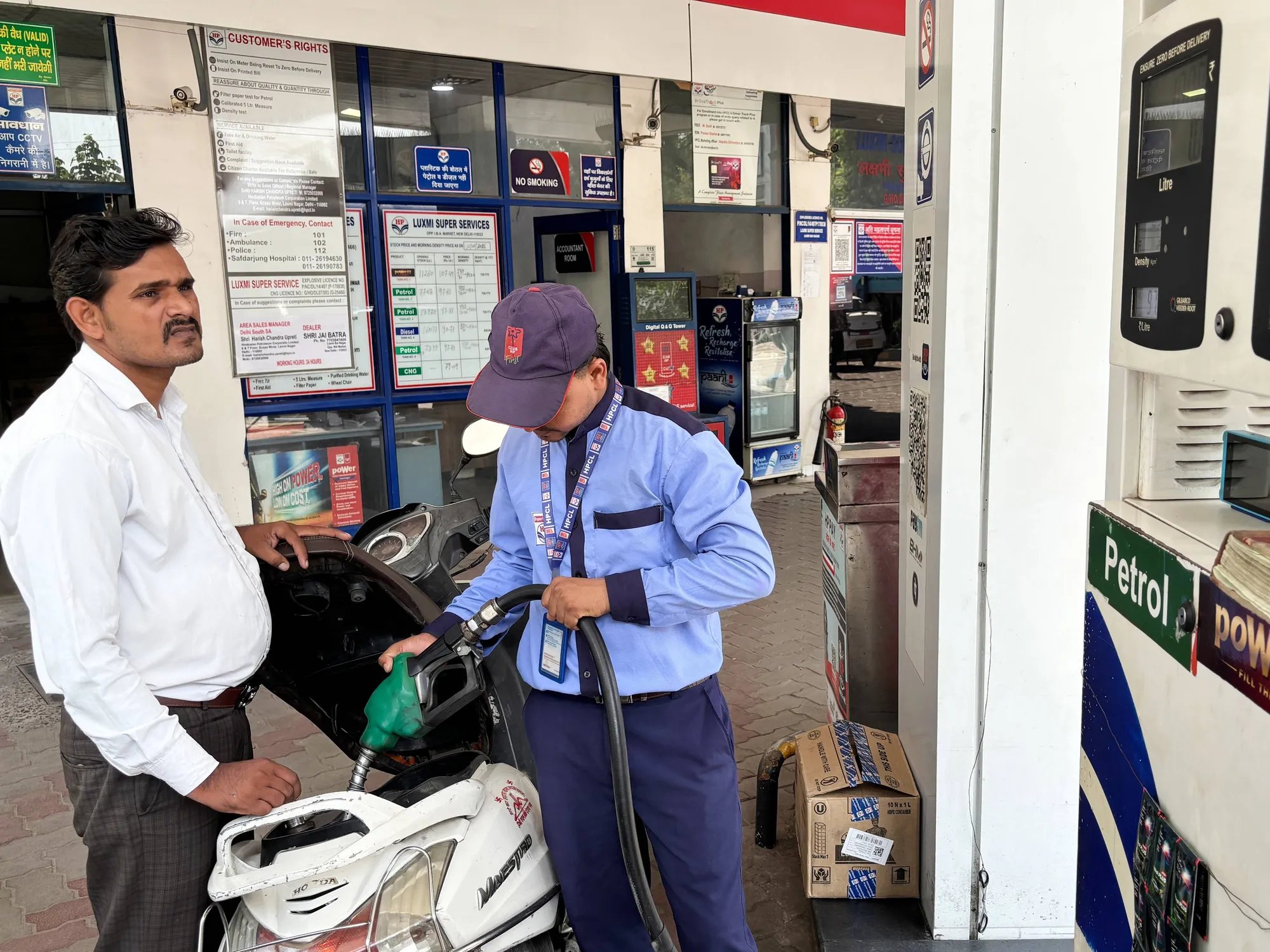
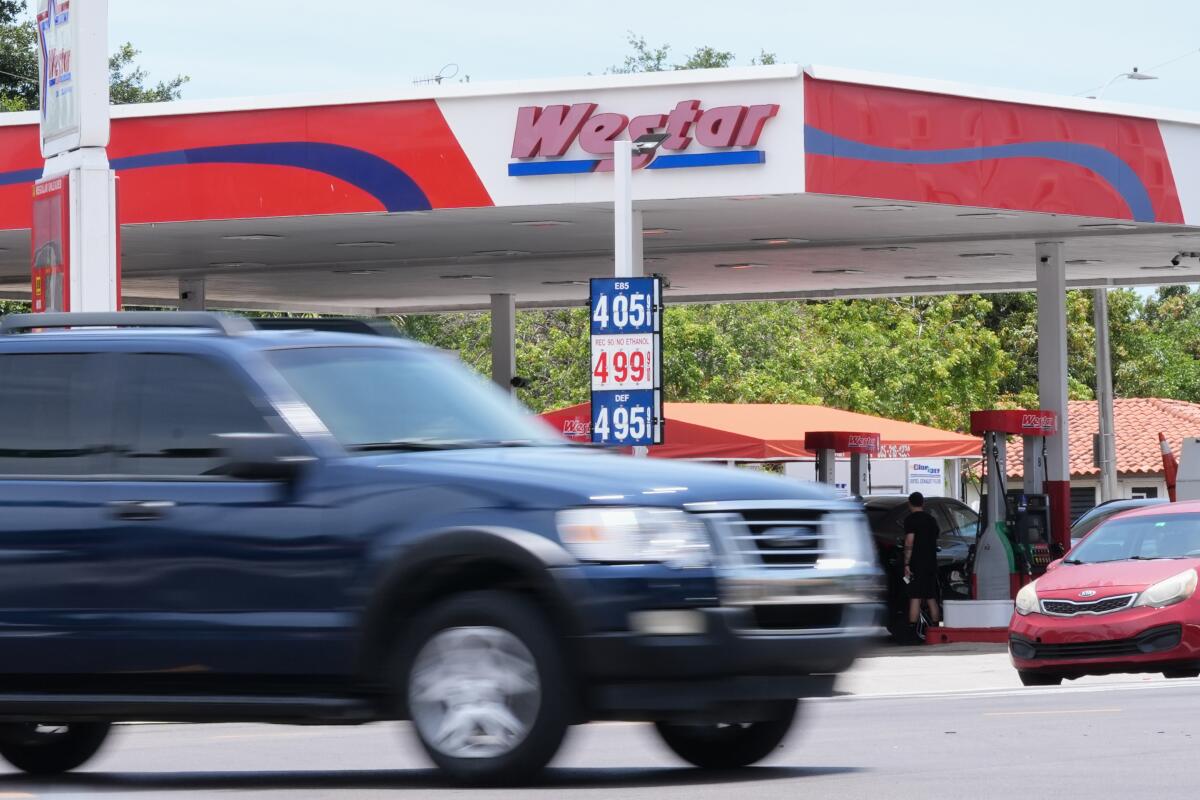
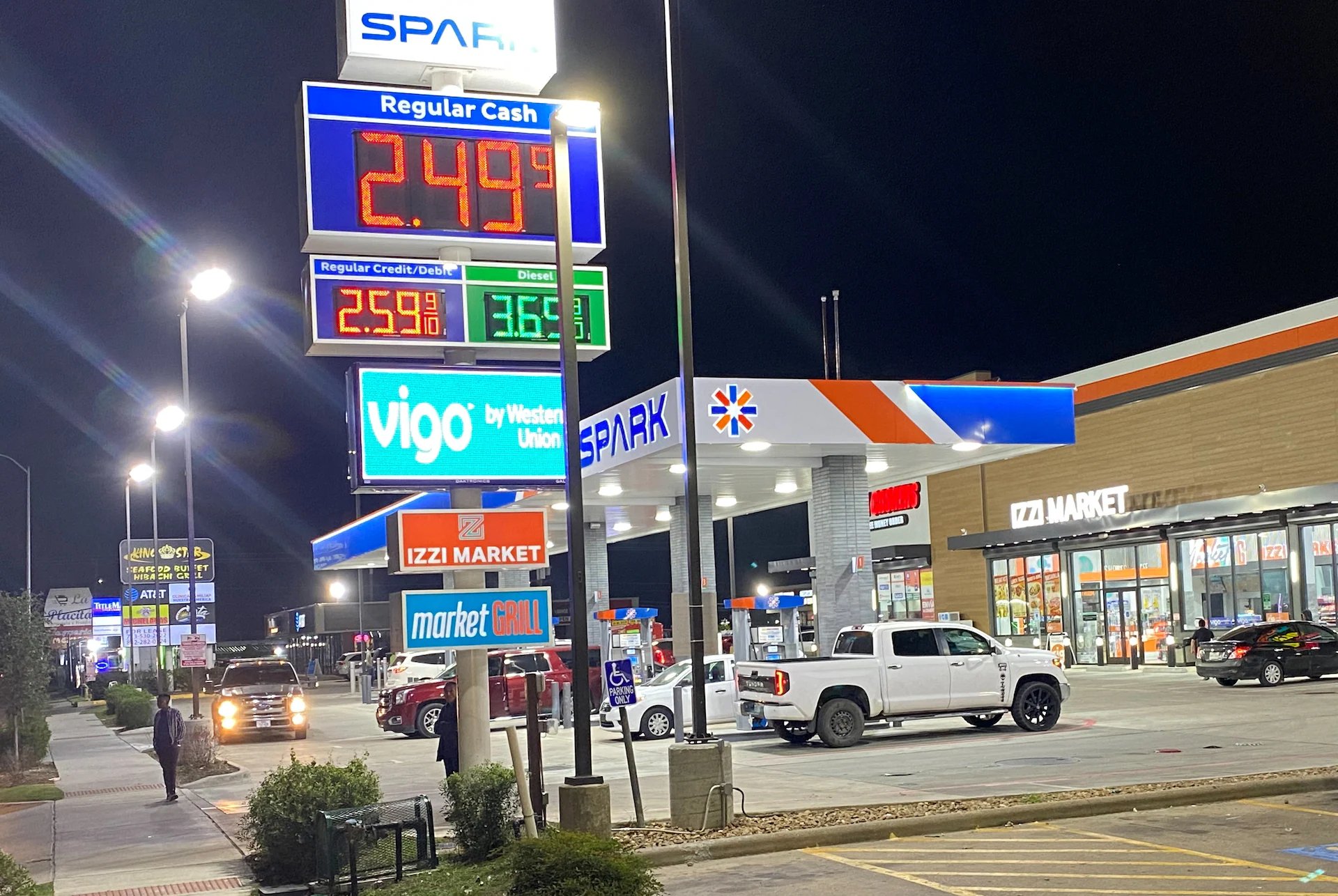
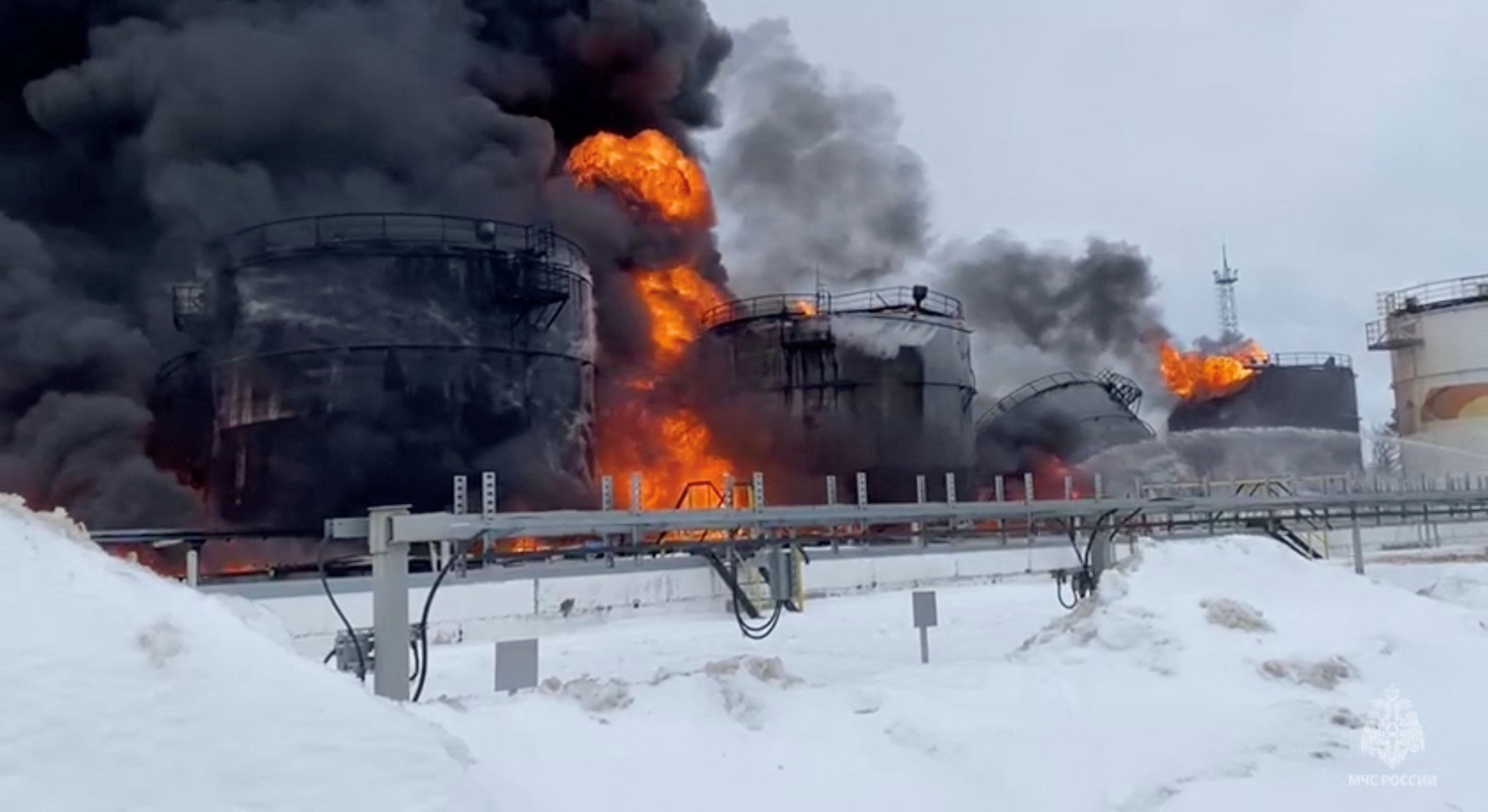
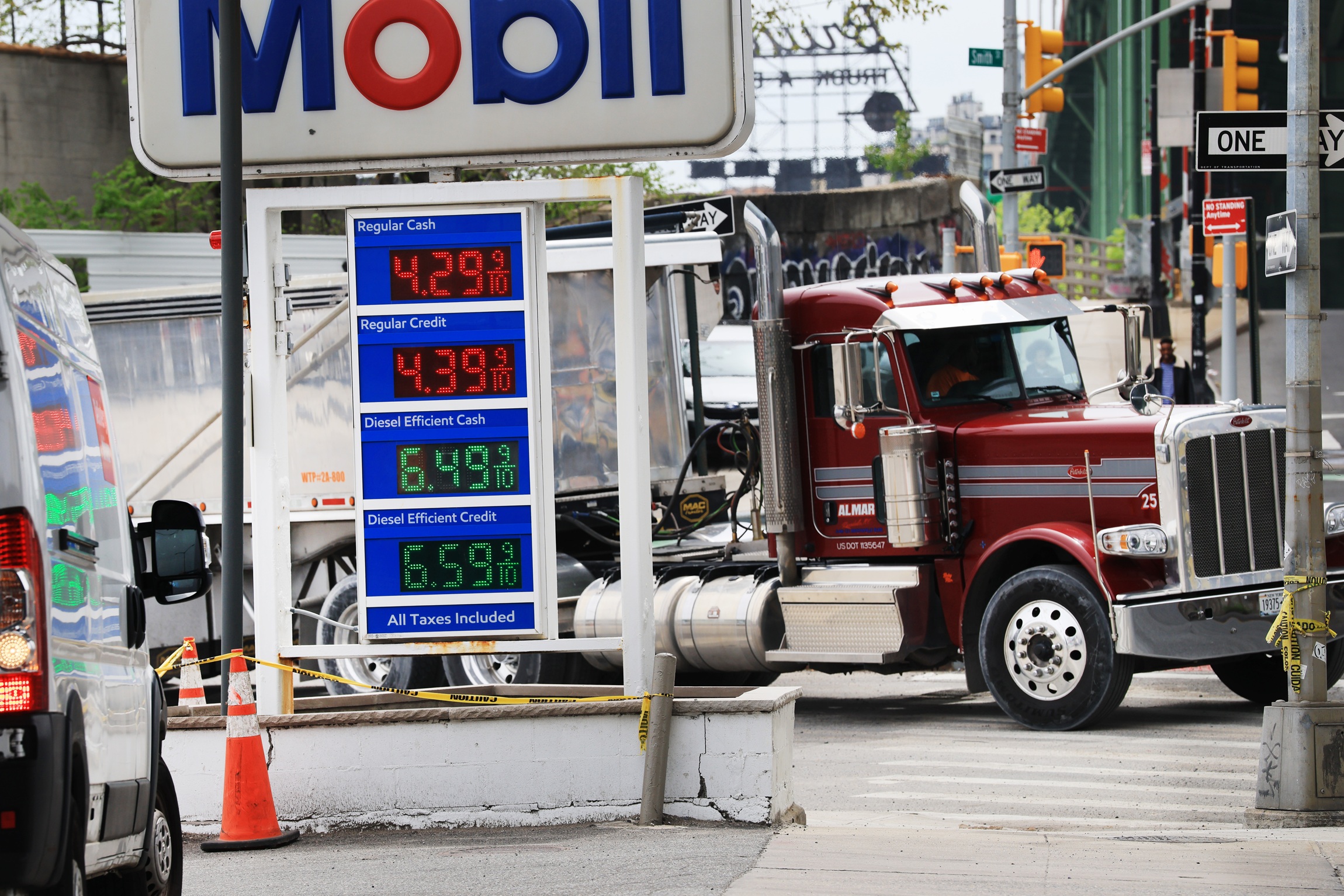
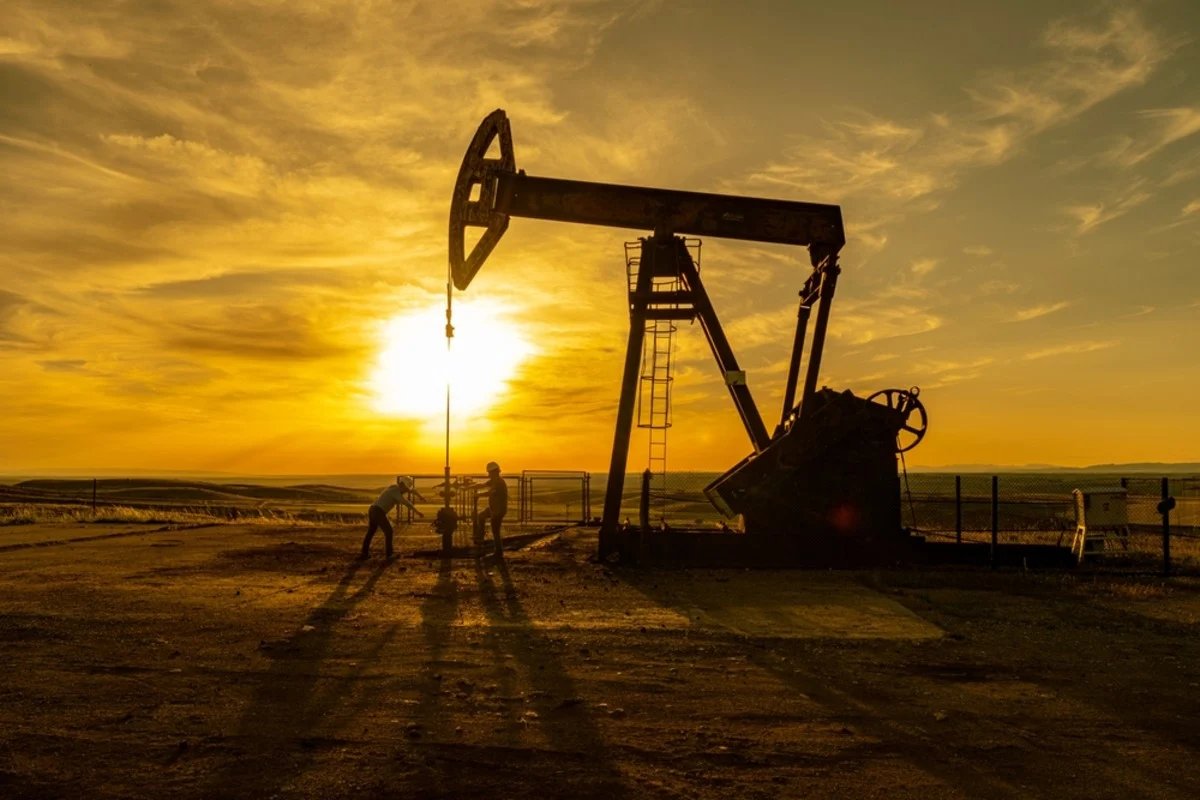
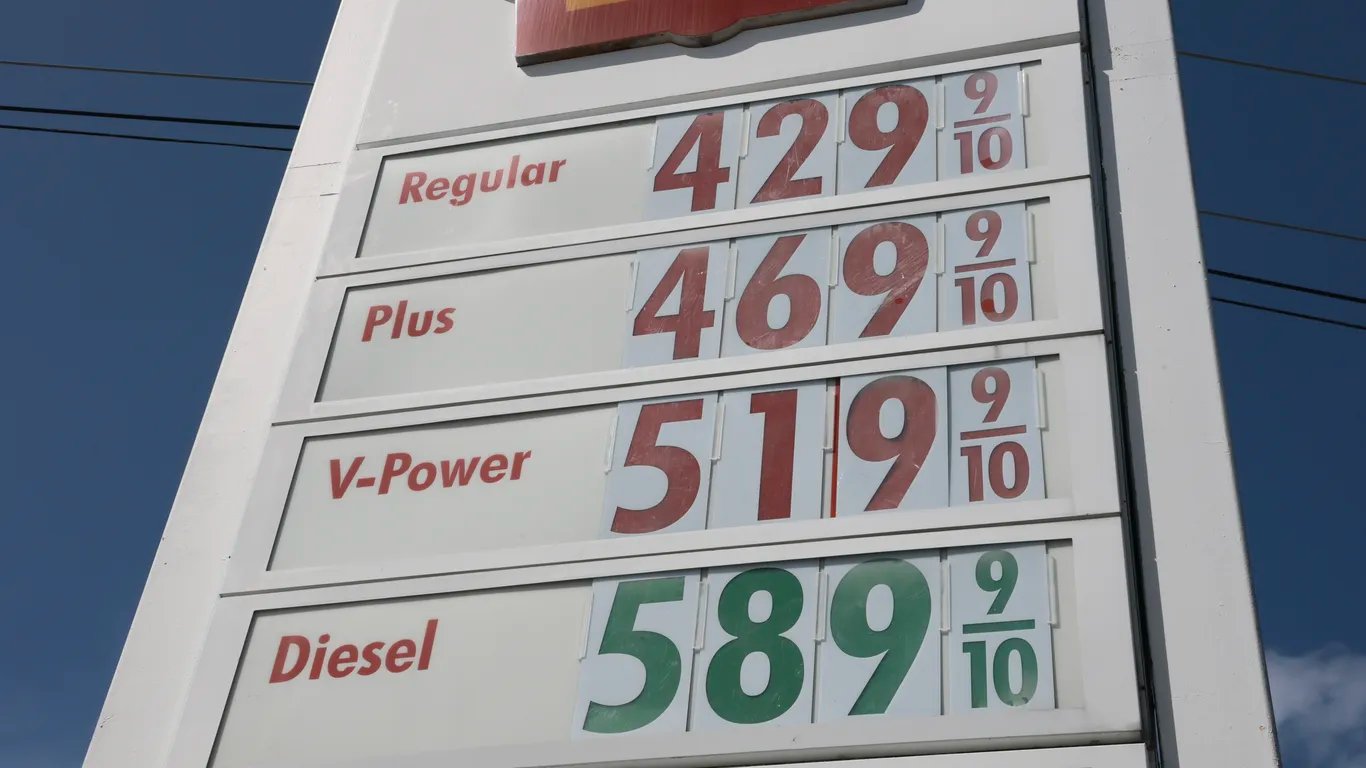
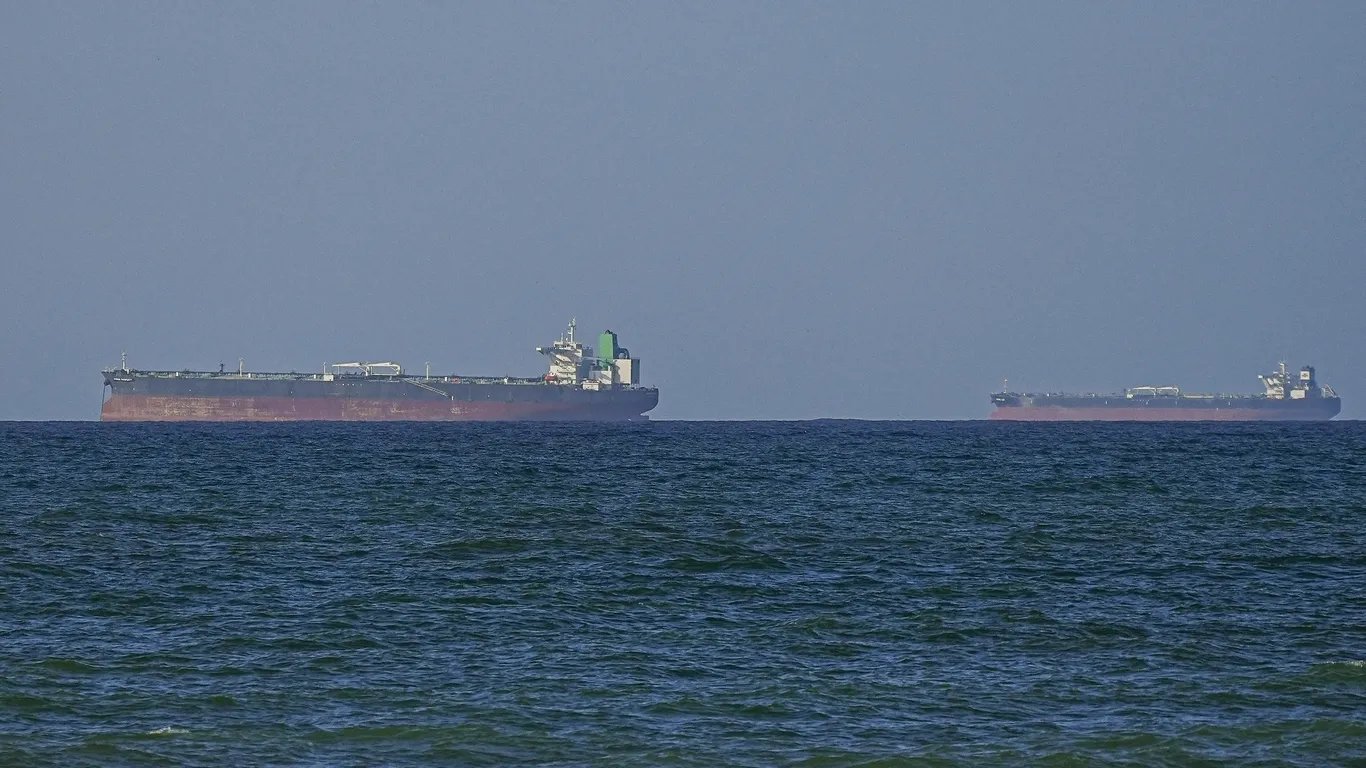
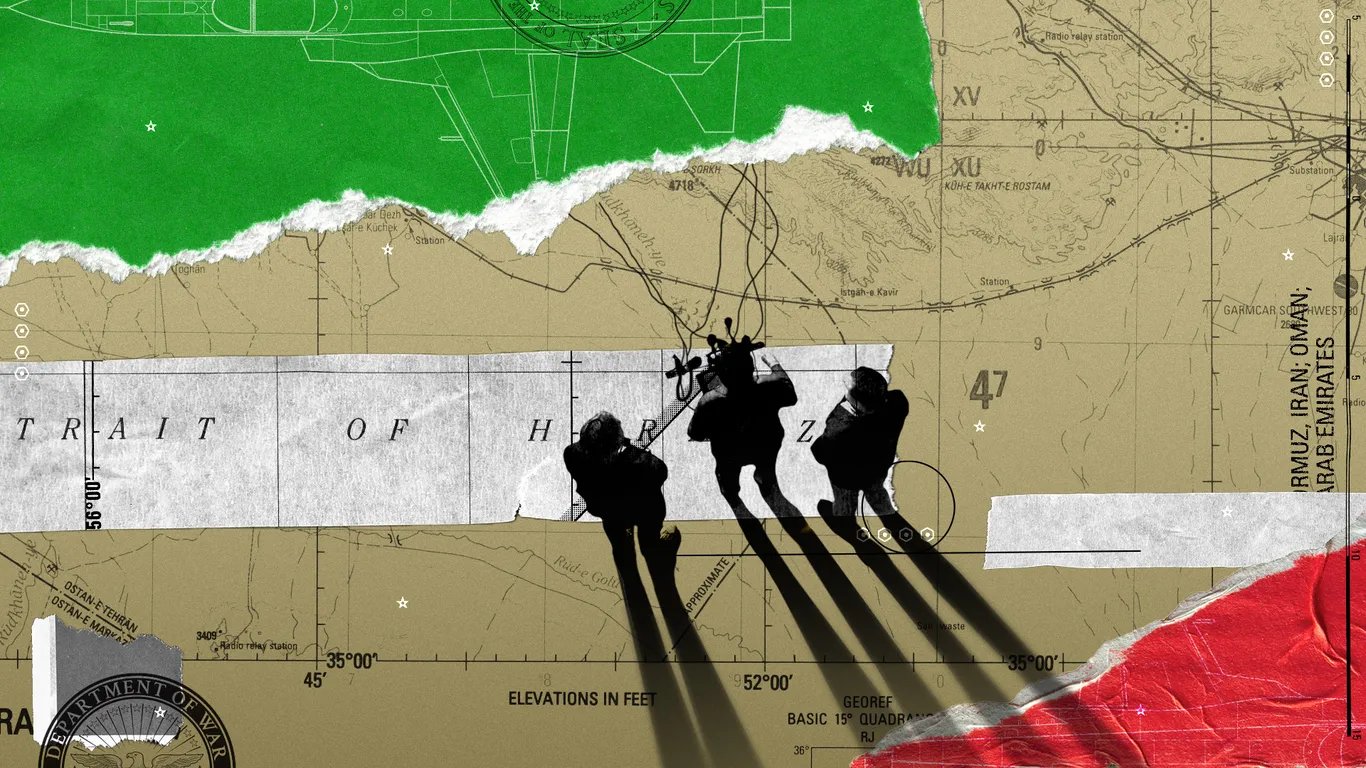
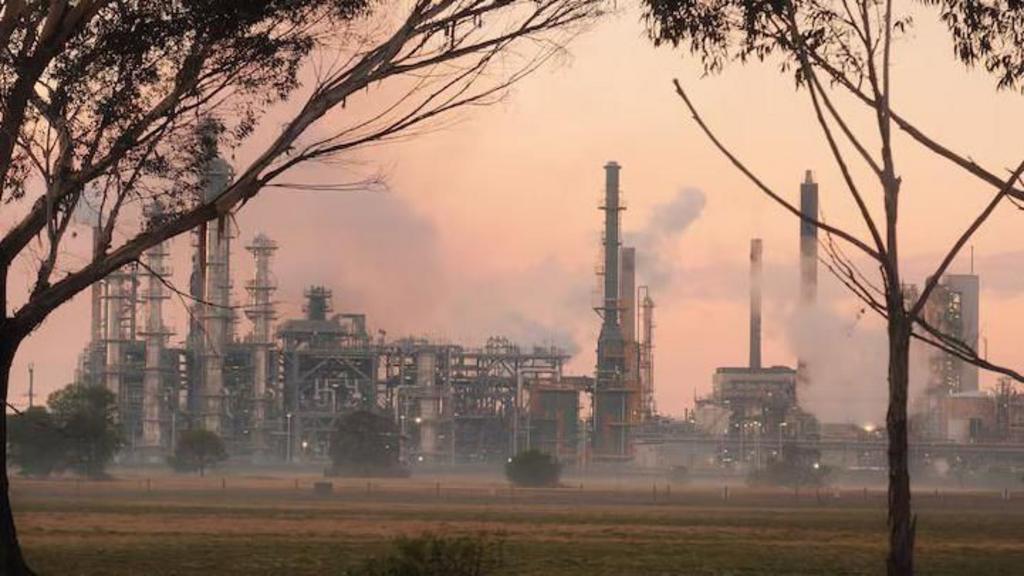
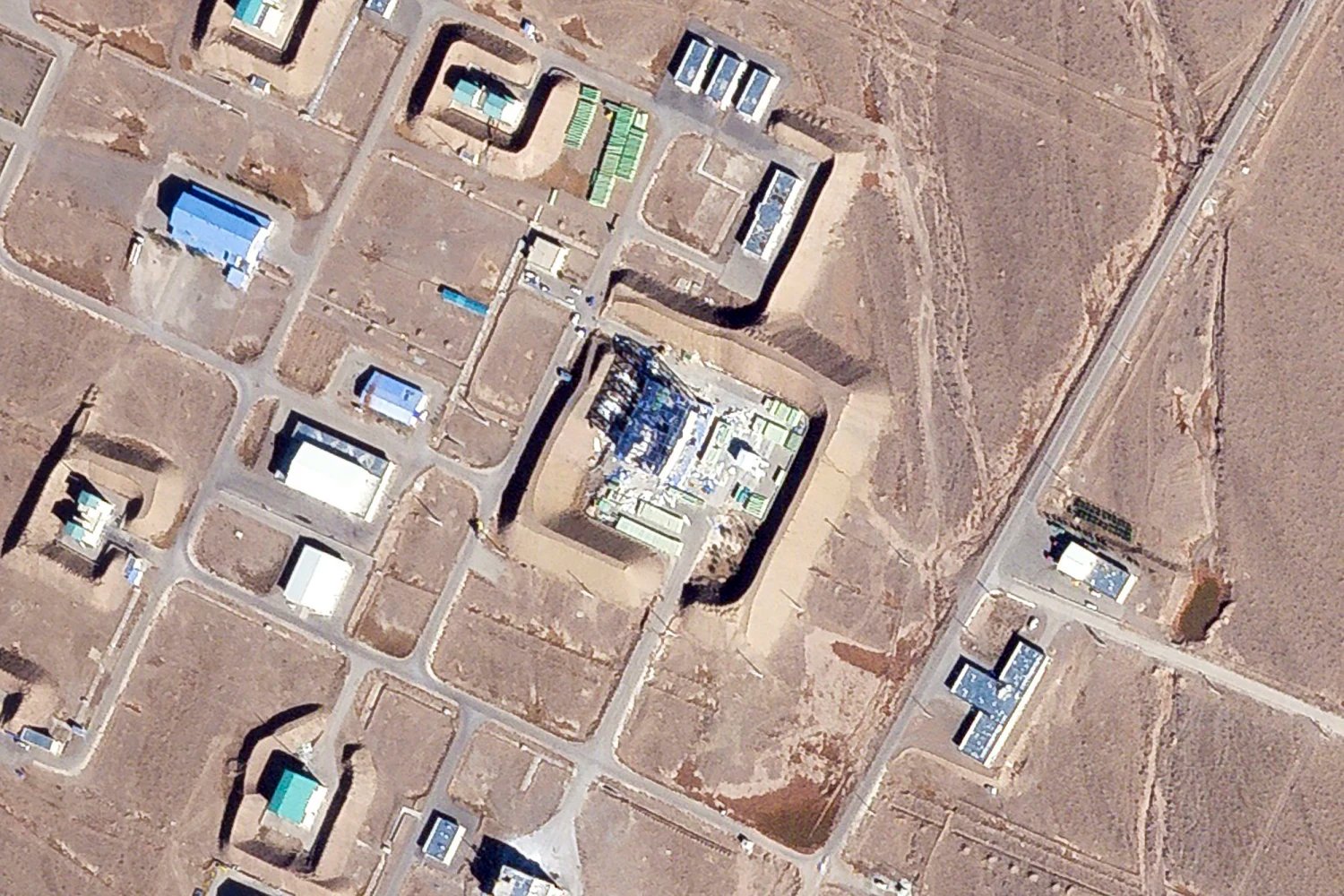
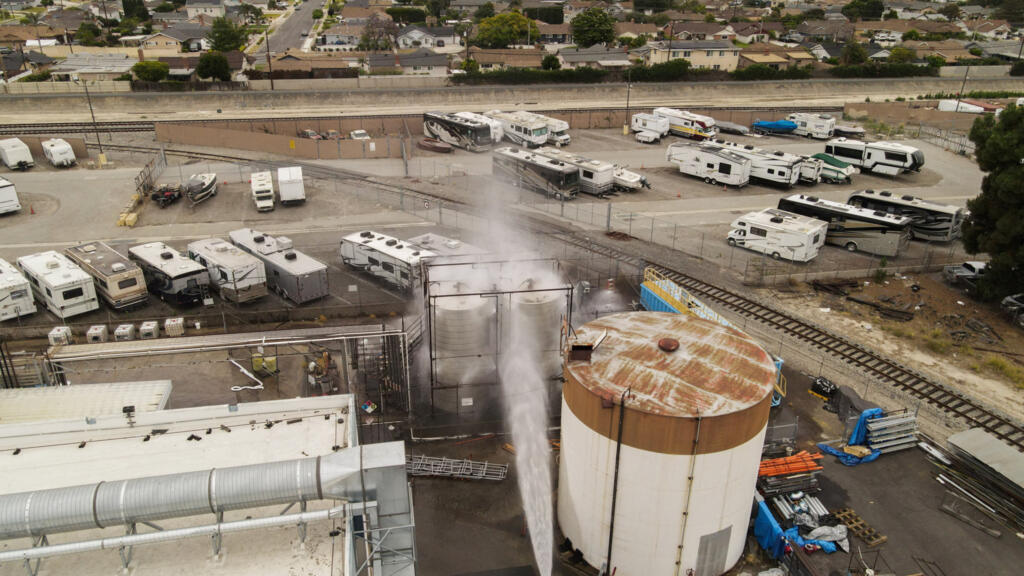
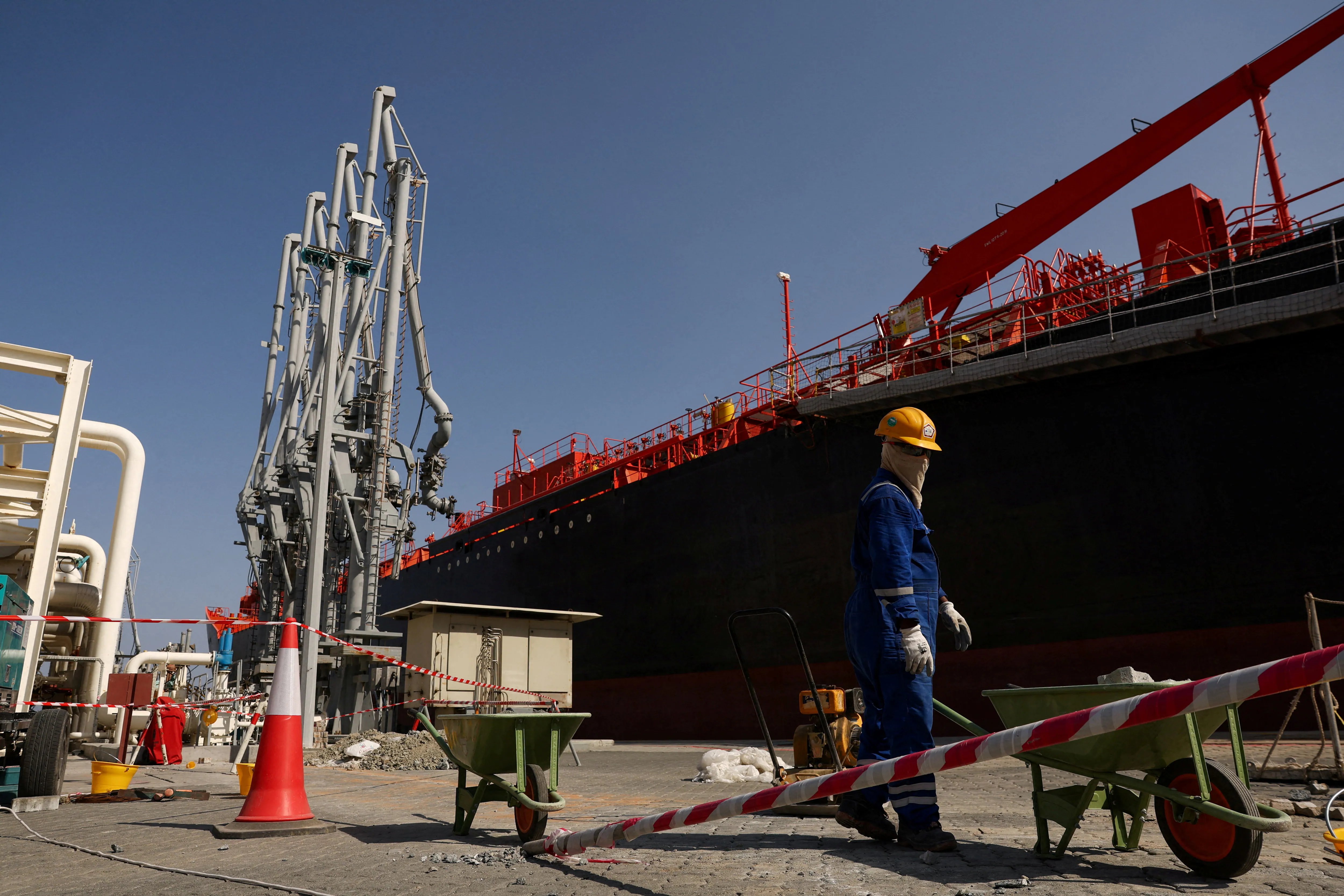
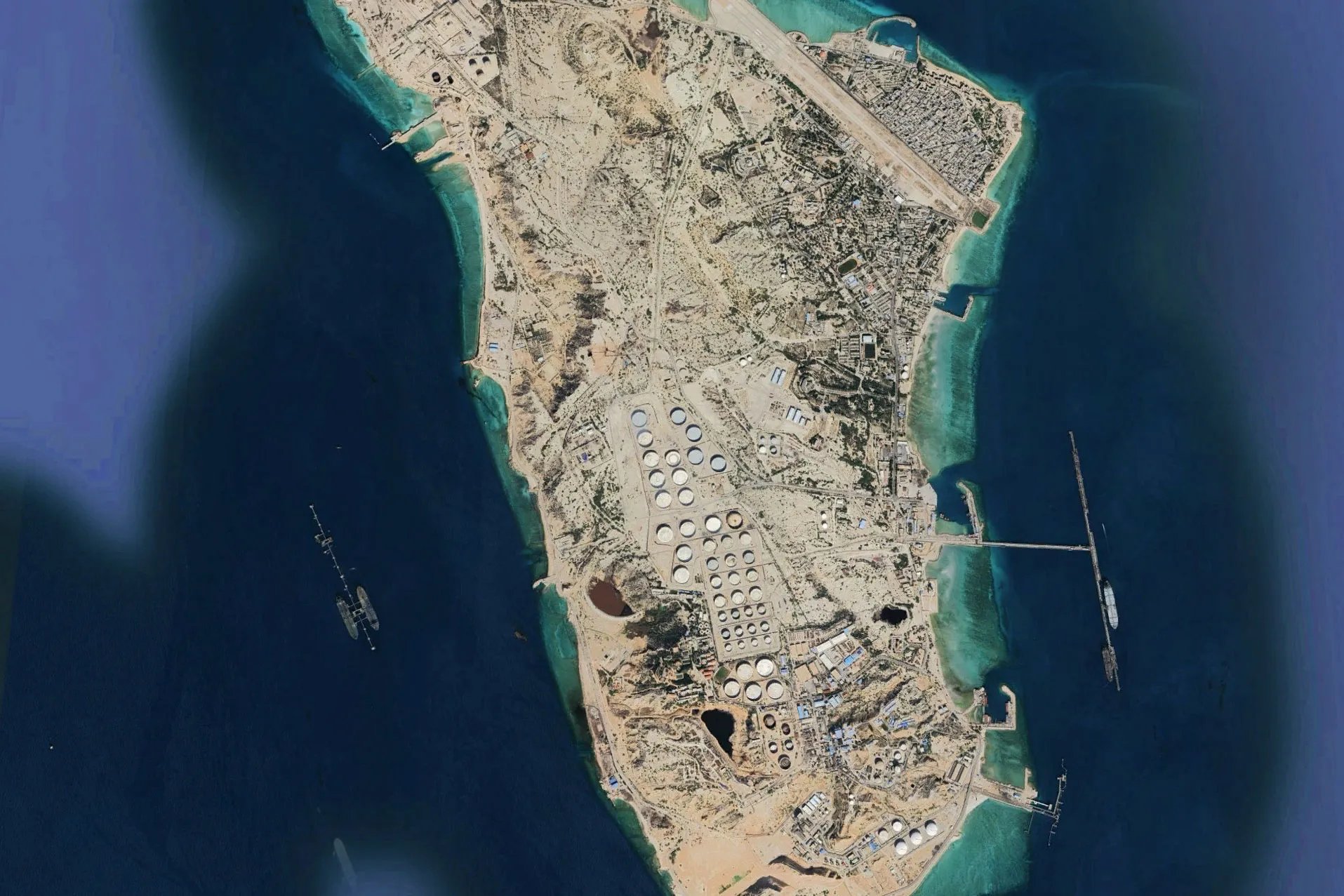
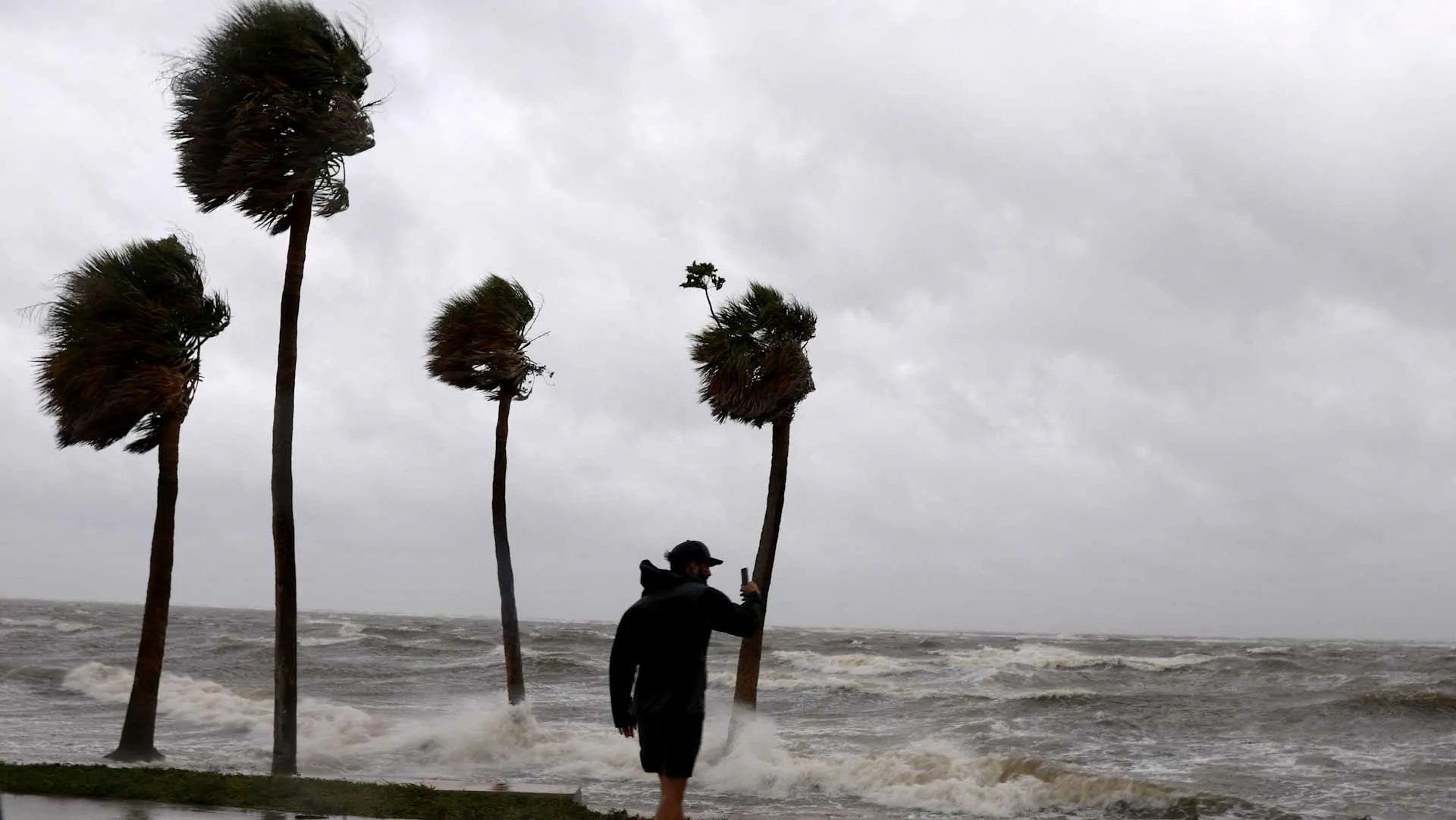
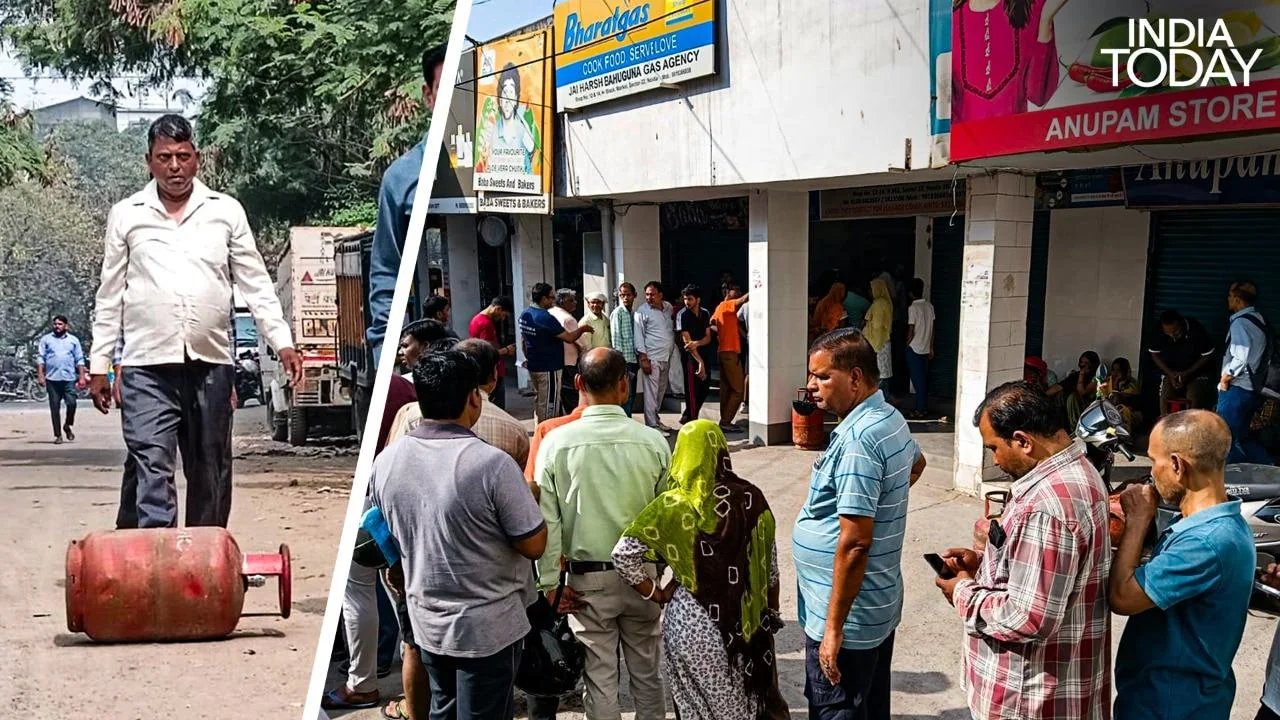
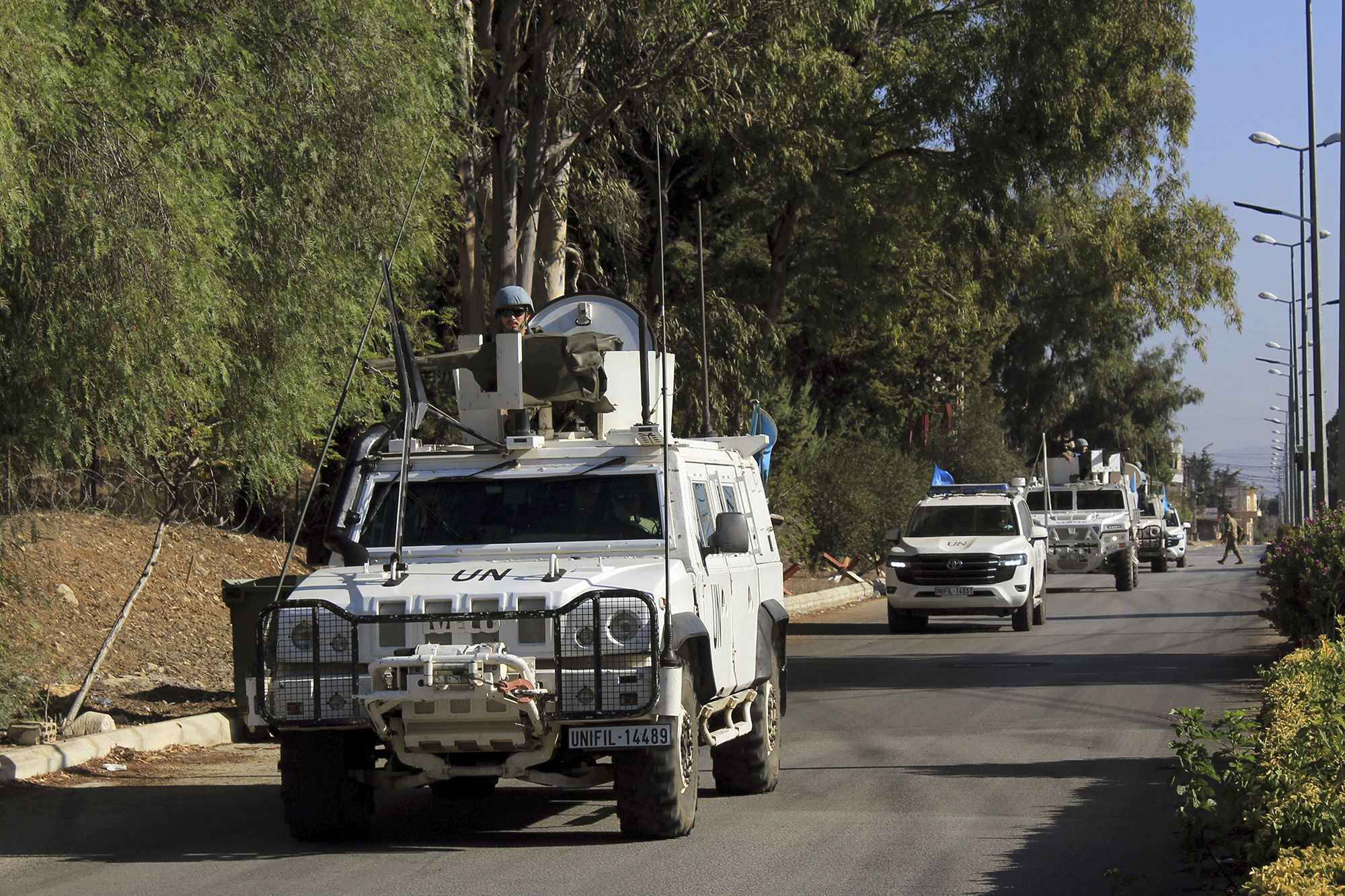
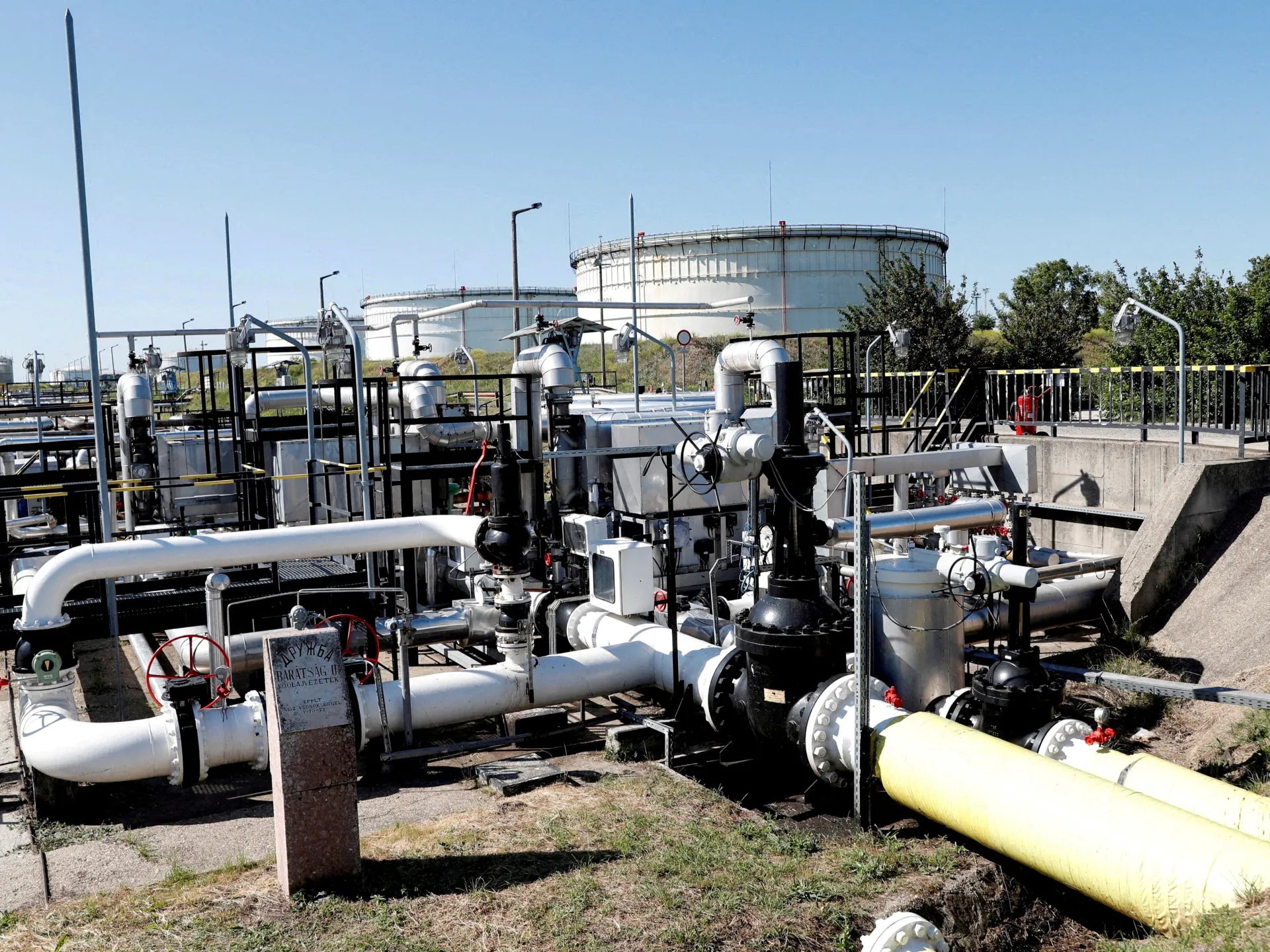
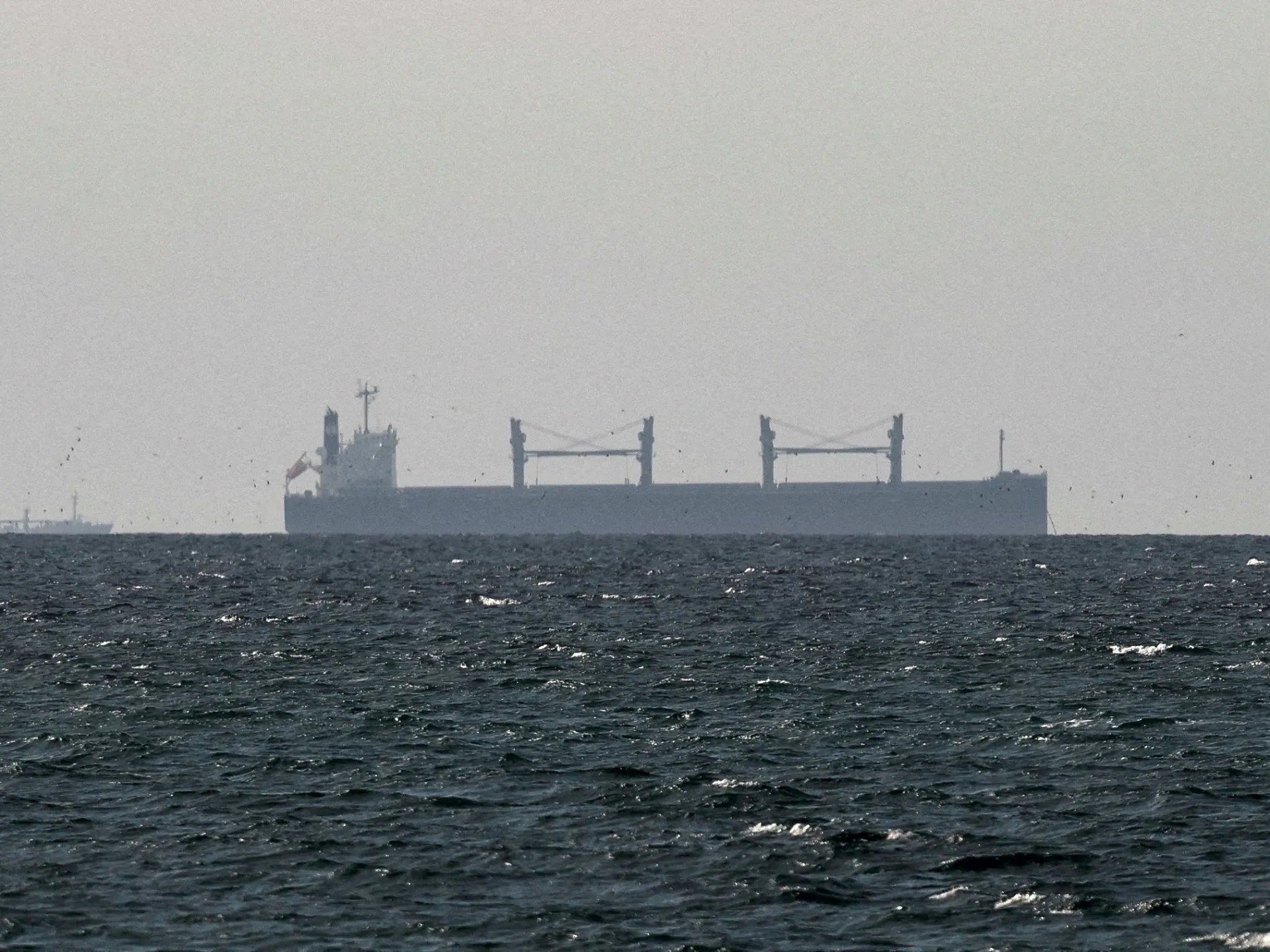
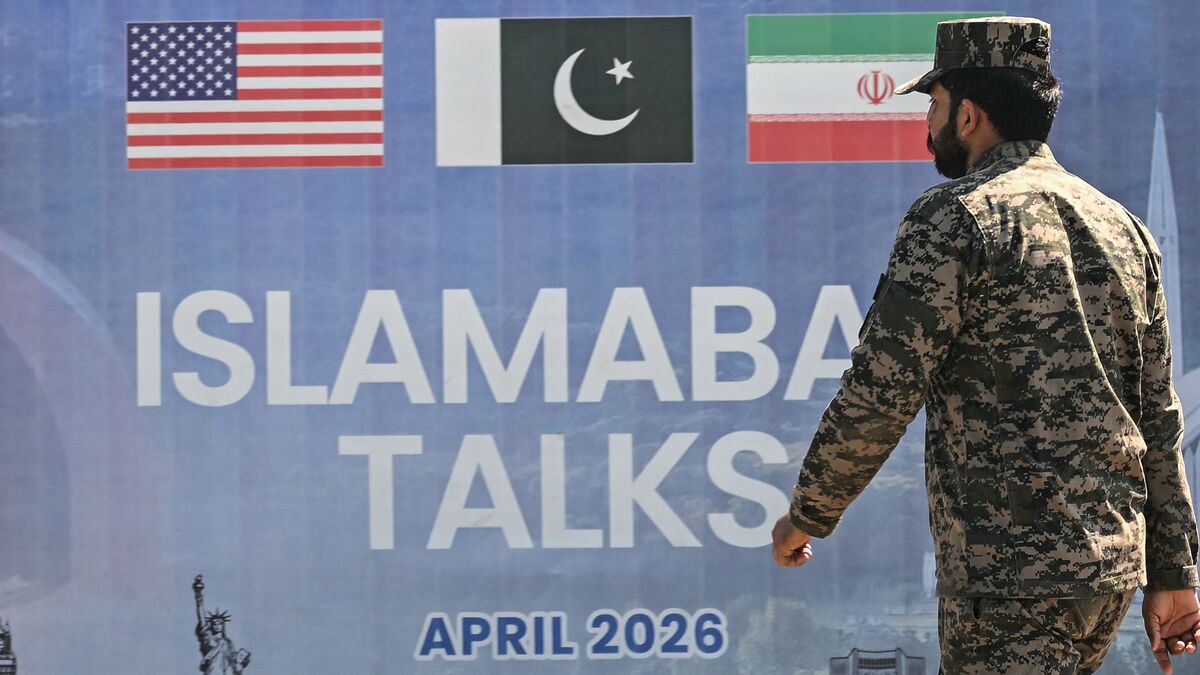
The Middle East conflict prompted Iran to close the Strait of Hormuz which handles about one-fifth of global oil supply. Gasoline prices surged as a result. The average gallon of gas stood at $4.42 on Thursday up $1.44 since the war began on Feb. 28 for a 48 percent increase in roughly three months.
Core Measures and Monthly Changes Show Persistent Pressures
Core PCE which excludes volatile food and energy prices rose to 3.3 percent in April from 3.2 percent the prior month. That core figure stands at its highest since November 2023. Core prices increased a more modest 0.2 percent from March.
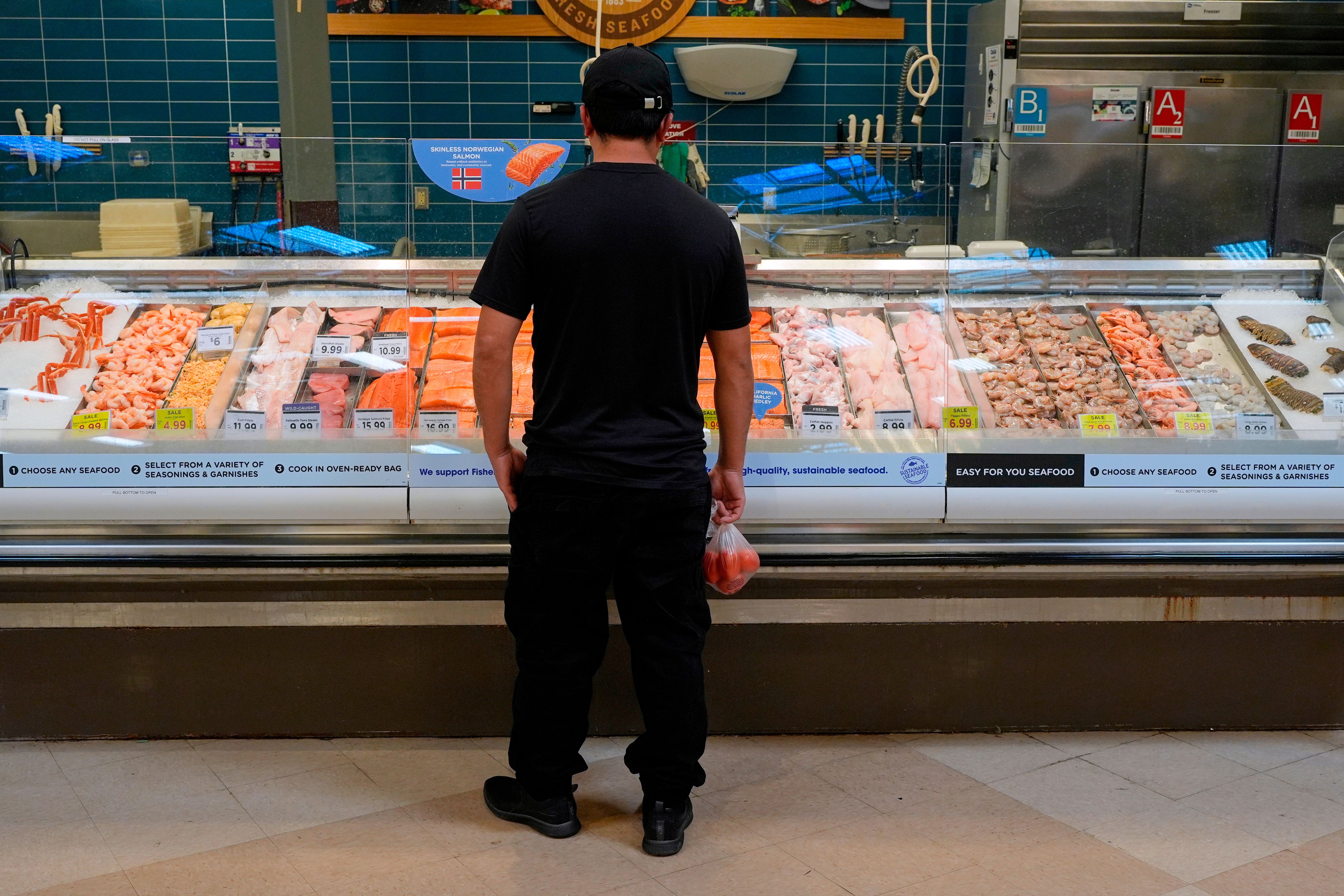
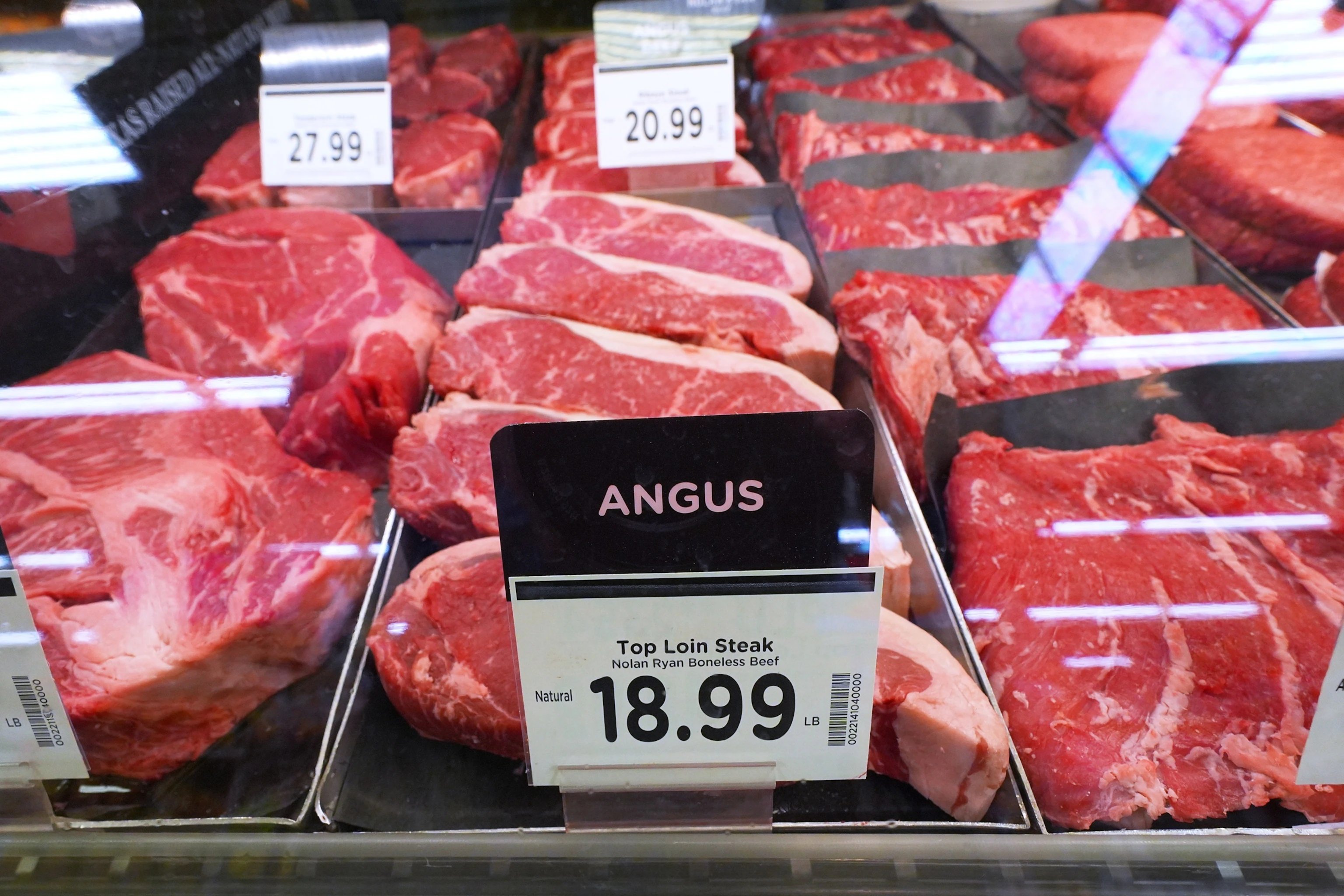
Overall prices rose 0.4 percent in April on a monthly basis down from a 0.7 percent jump in March. Energy costs recorded the biggest increase but housing utilities recreation services and food services also posted large gains. Prices for groceries clothing electricity dental visits car repairs veterinarian services toys and computer equipment have all climbed in recent months.
Household Finances Deteriorate as Incomes Fail to Keep Pace
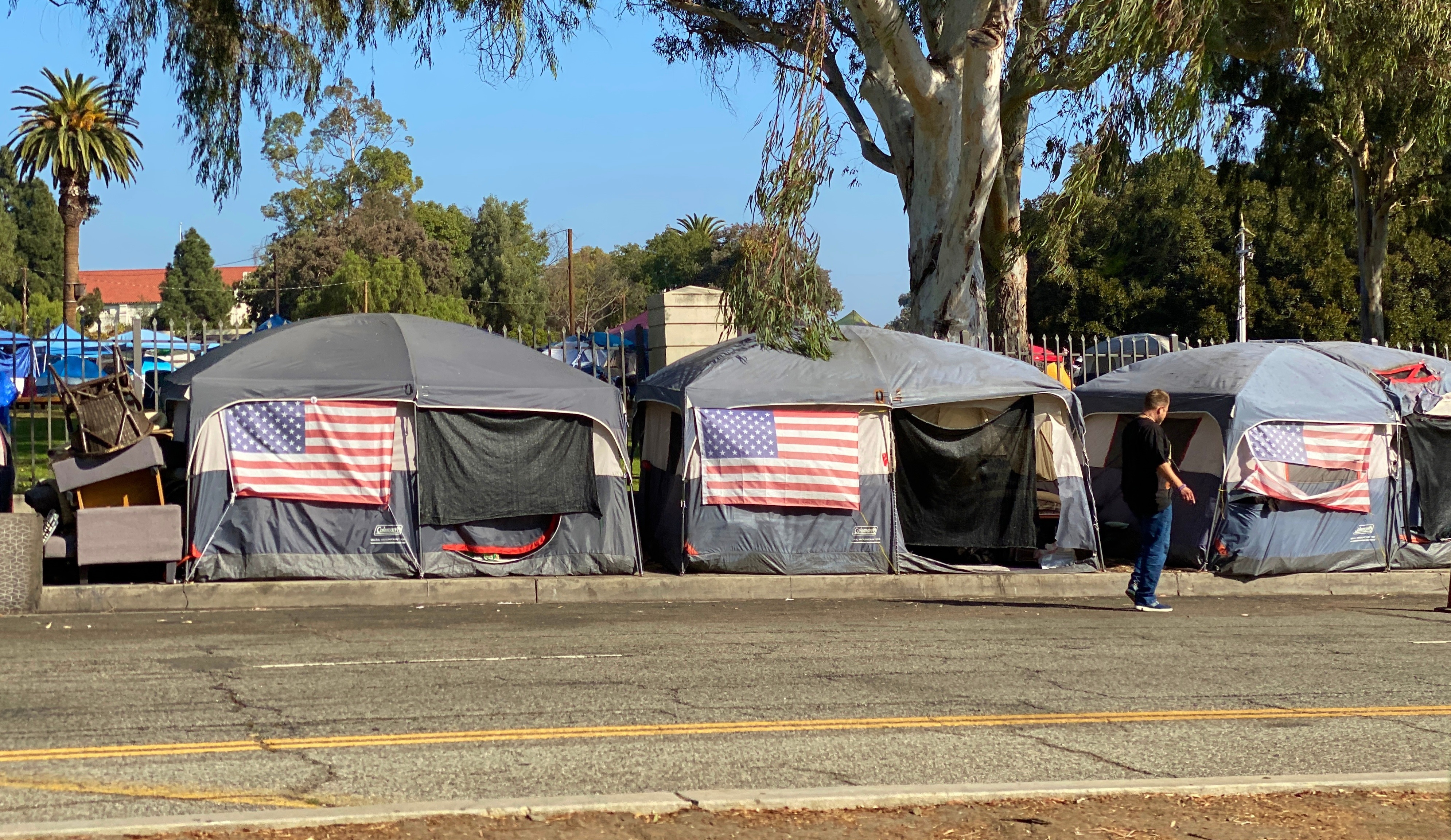
Personal income growth slowed to an annual rate of 2.5 percent falling below the pace of inflation. Incomes were unchanged in April from March and actually slipped 0.1 percent when adjusted for inflation marking the third straight monthly decline in after-tax inflation-adjusted incomes. The personal savings rate fell to 2.6 percent its lowest level since 2022.
Consumer spending rose 0.5 percent in April from March but most of that reflected higher prices. Adjusted for inflation real spending increased just 0.1 percent down from 0.3 percent the previous month. Economists say many households are now spending more than their incoming income and dipping into savings to cover costs.
New Fed Chair Faces Pressure From Both Markets and Administration
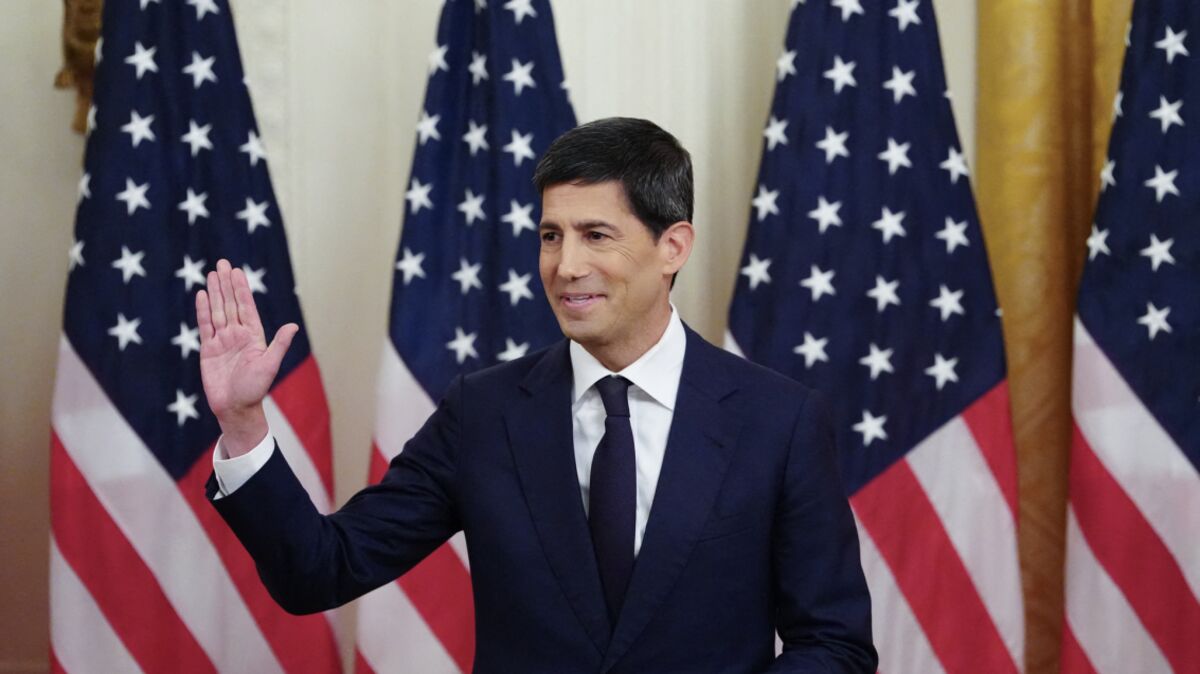
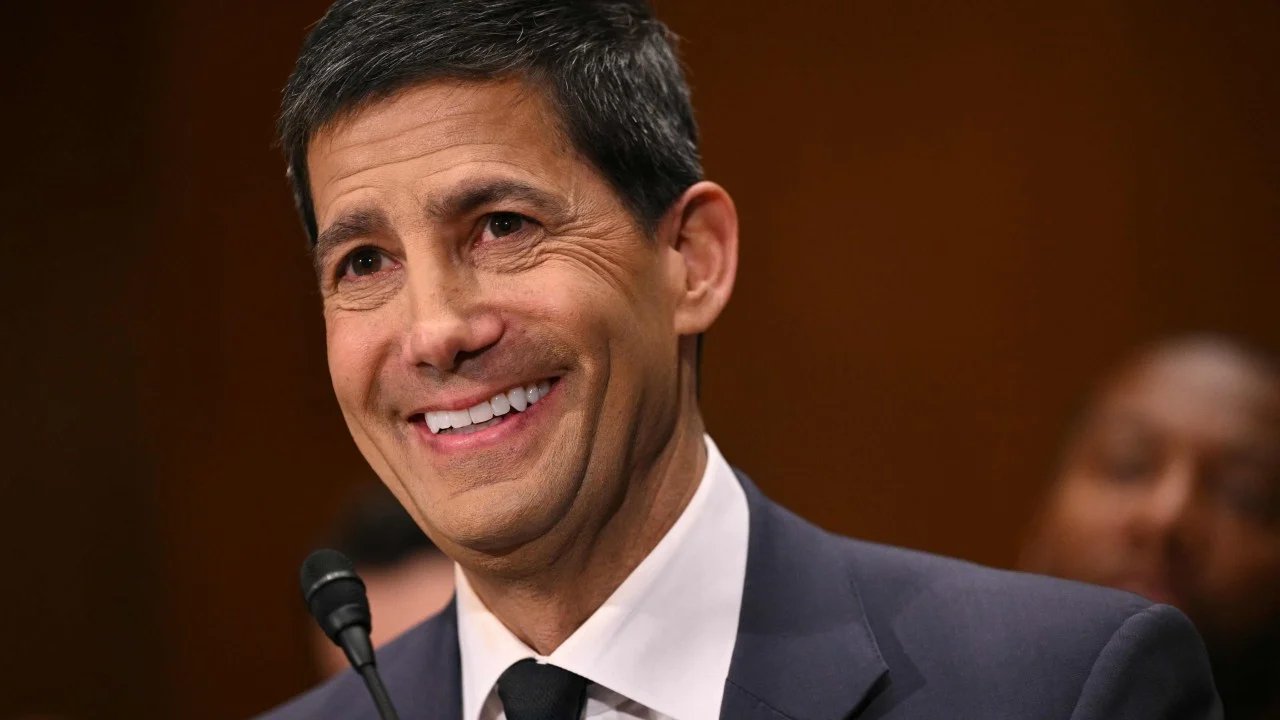
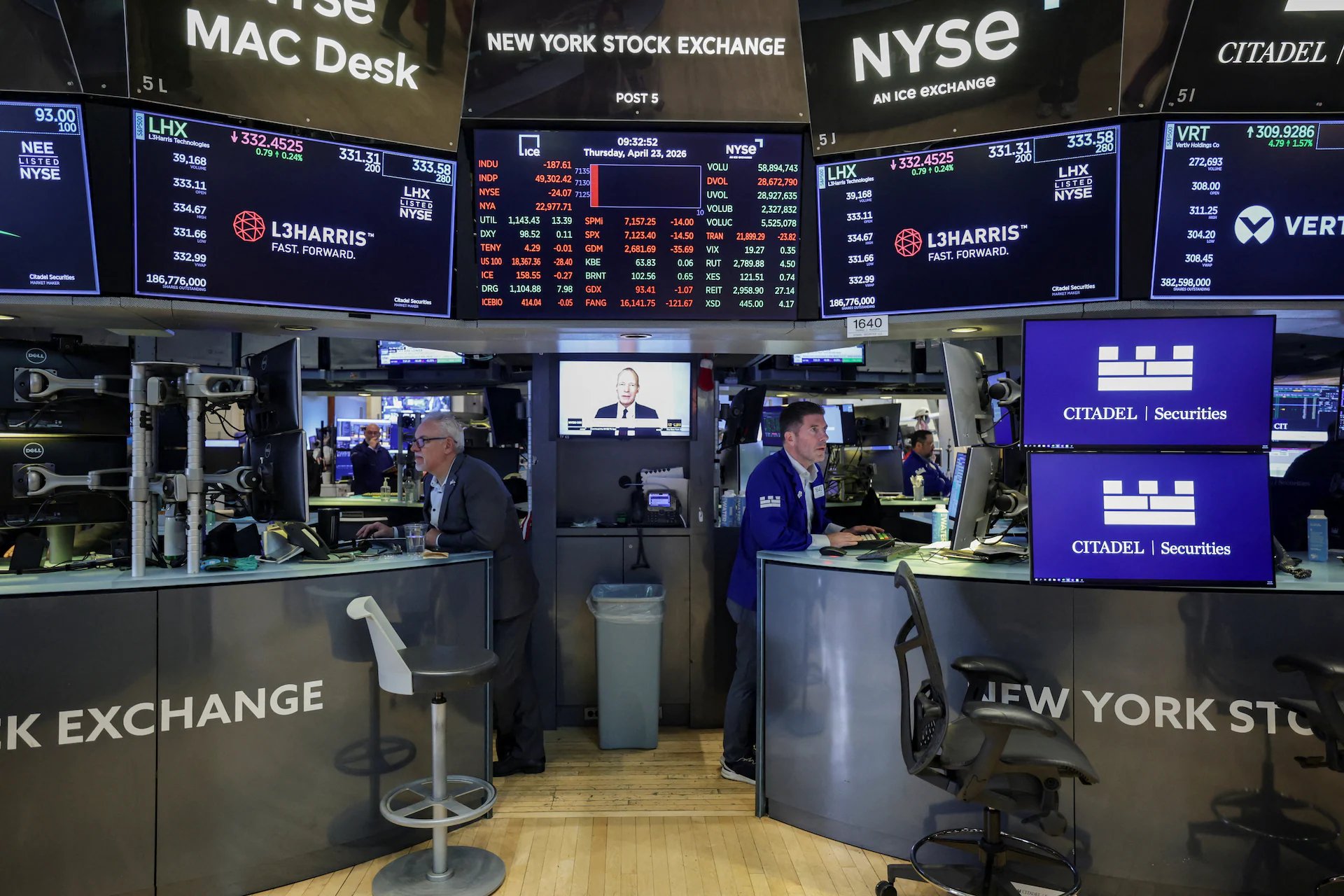
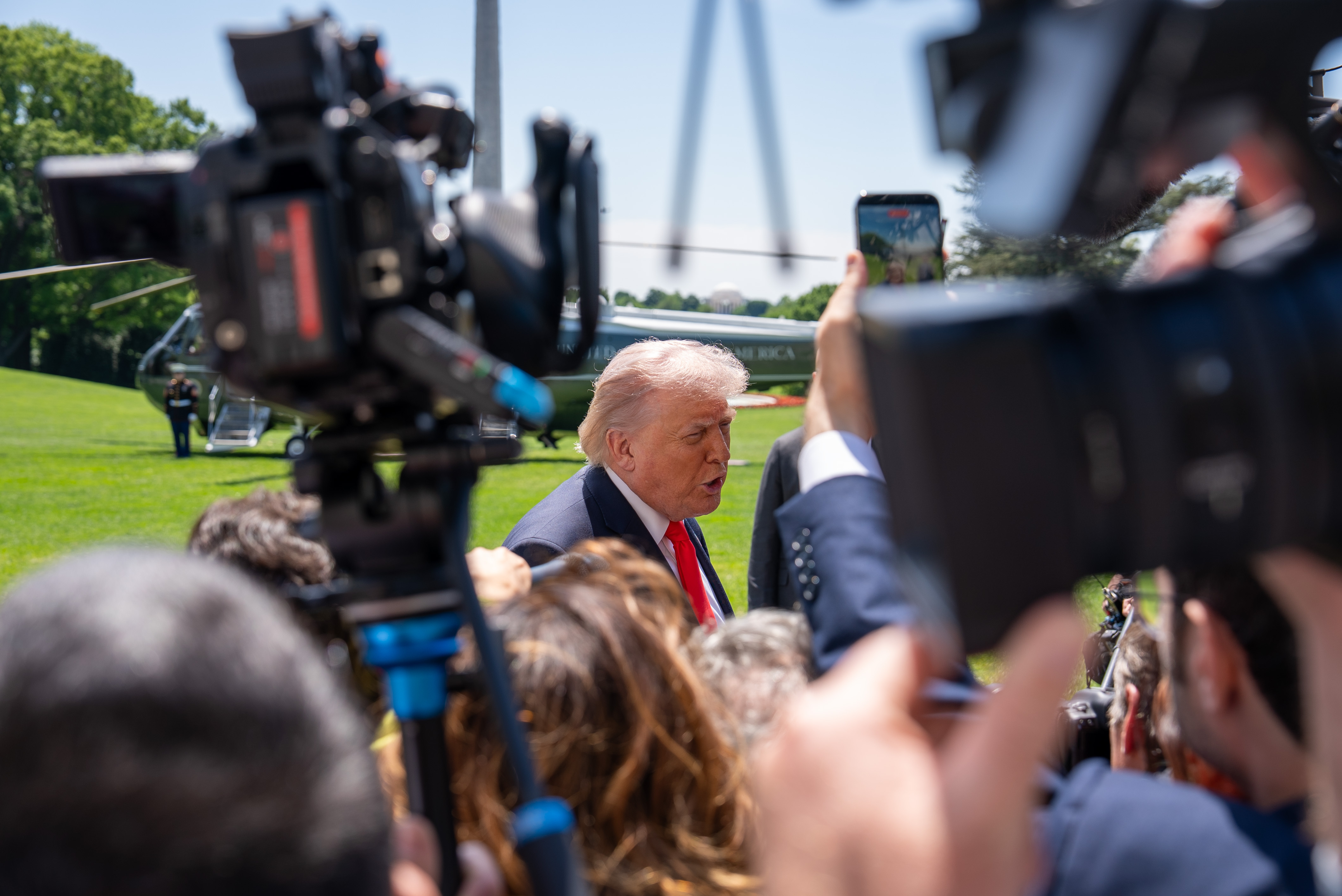
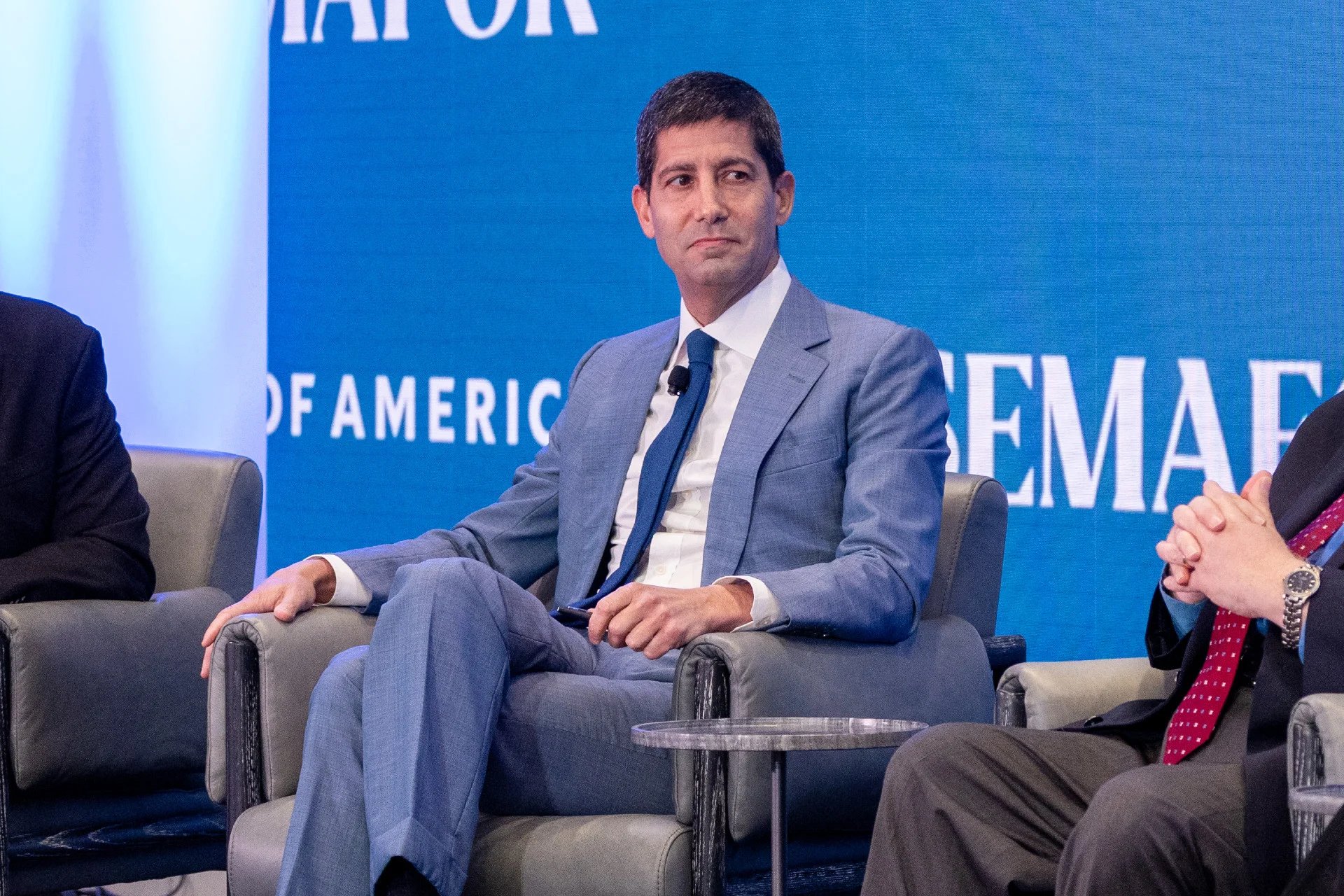
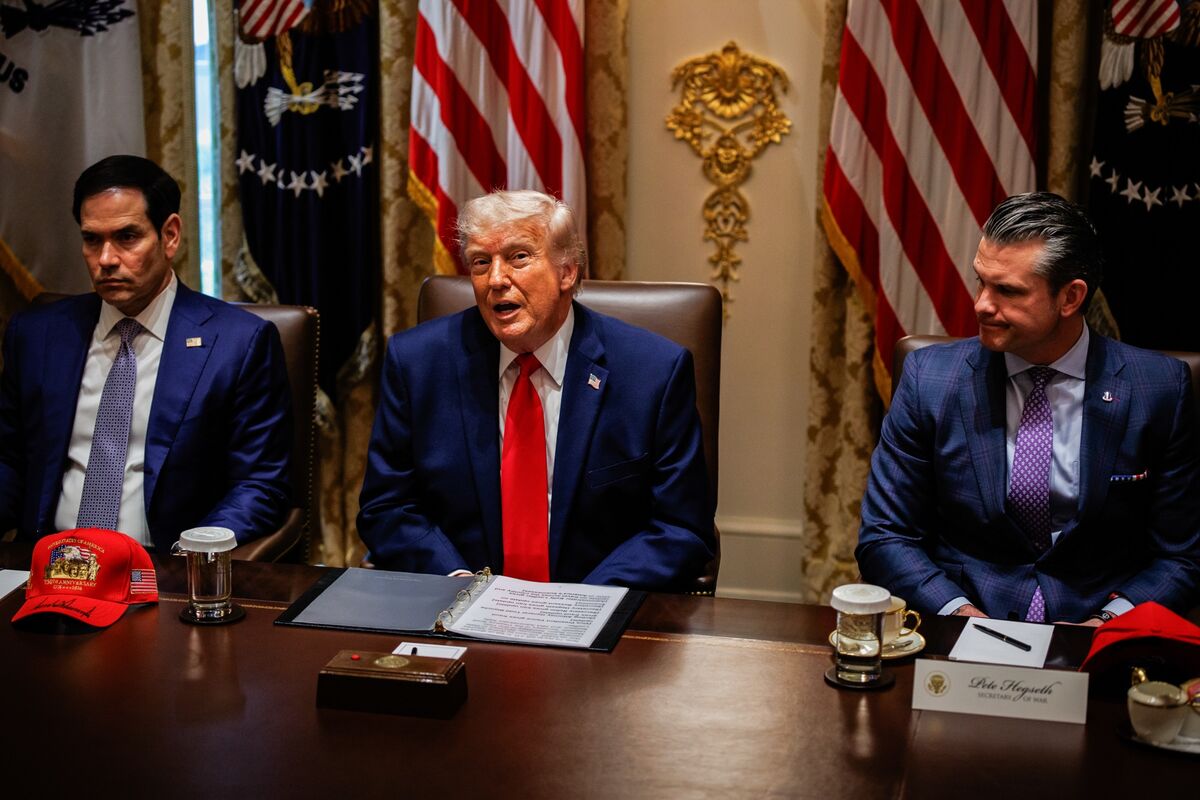
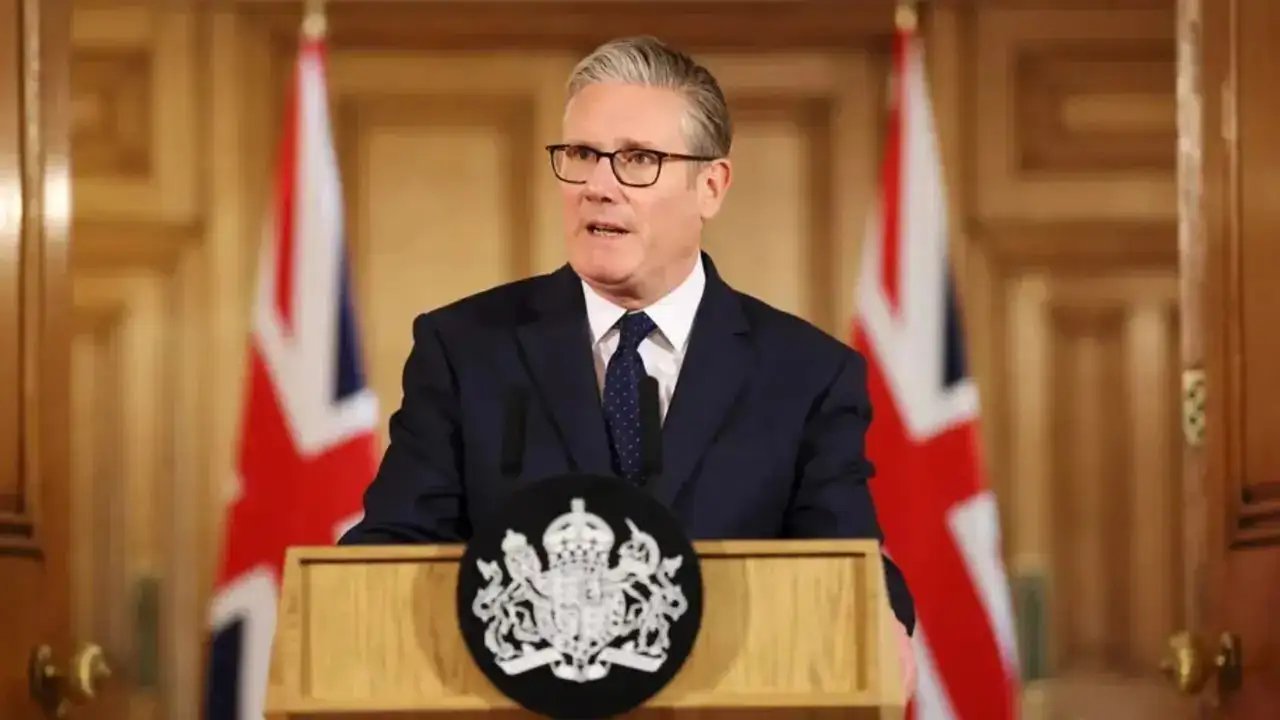
The report arrived as Kevin Warsh began his four-year term as Federal Reserve chair. Futures markets now assign a 40 percent probability to a rate hike at the Fed's December meeting, up sharply from 3 percent odds at the Fed's June meeting. The CME FedWatch Tool still shows overwhelming expectations that policymakers will hold the benchmark rate steady at its next meeting.
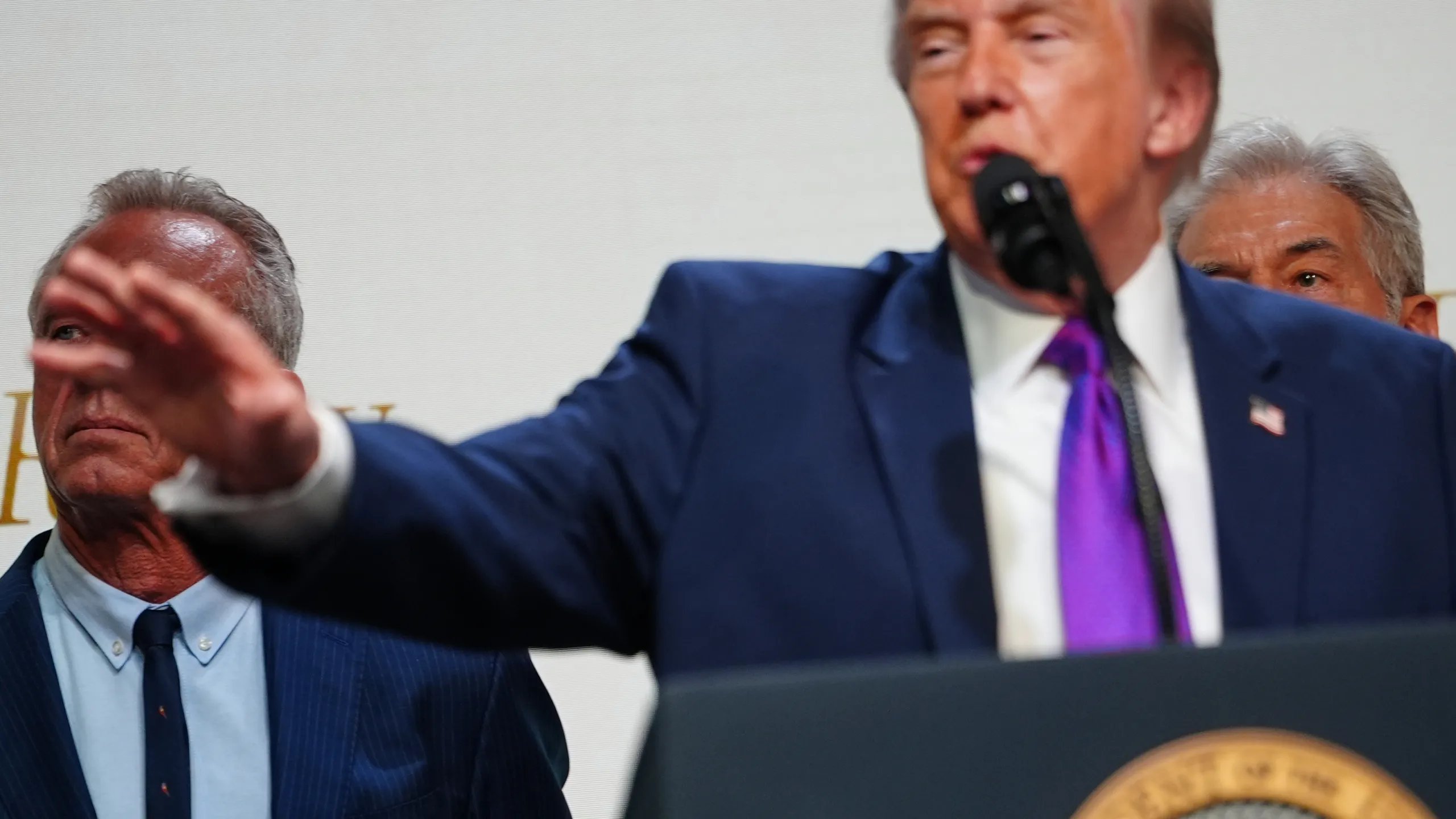
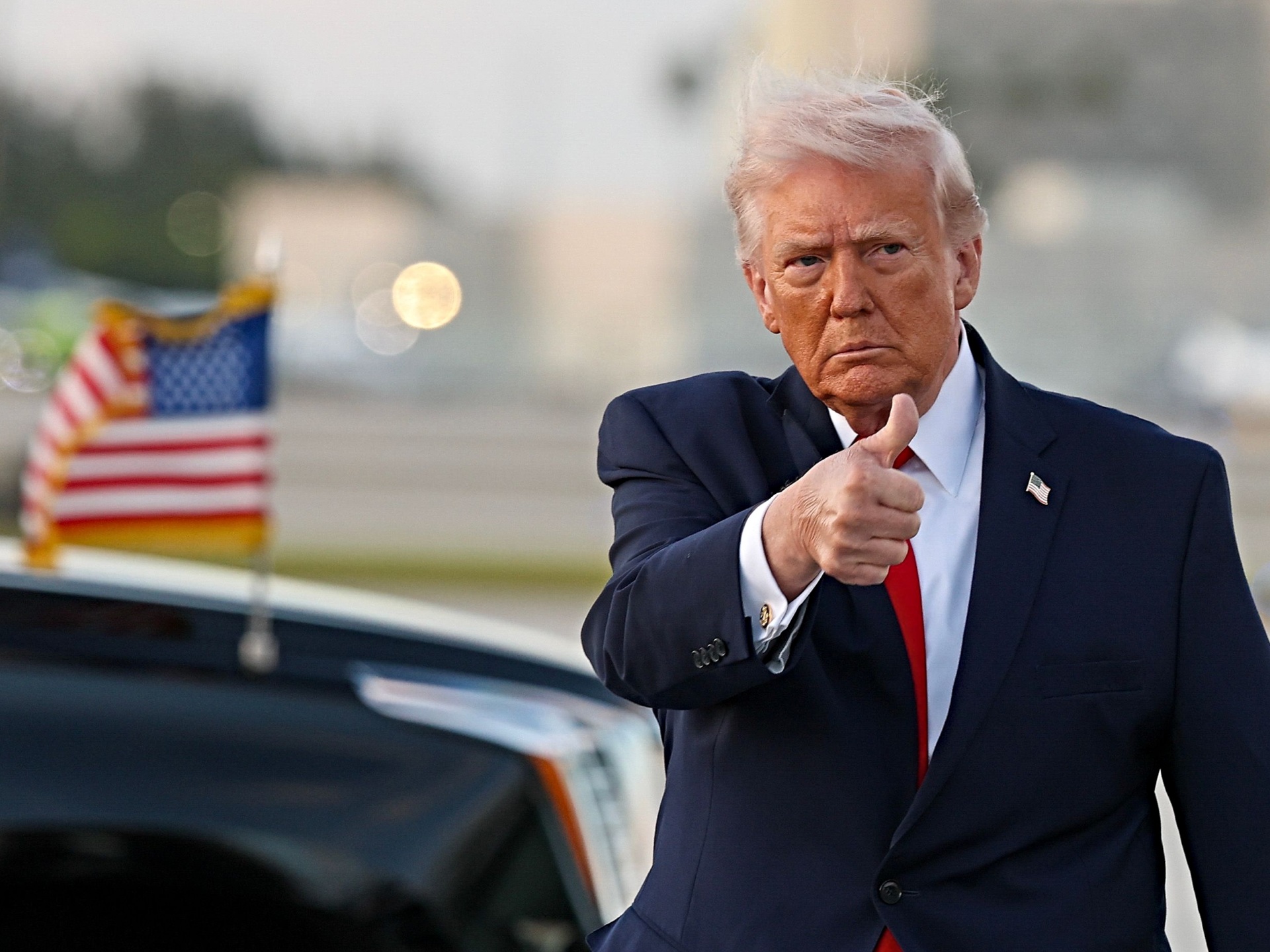
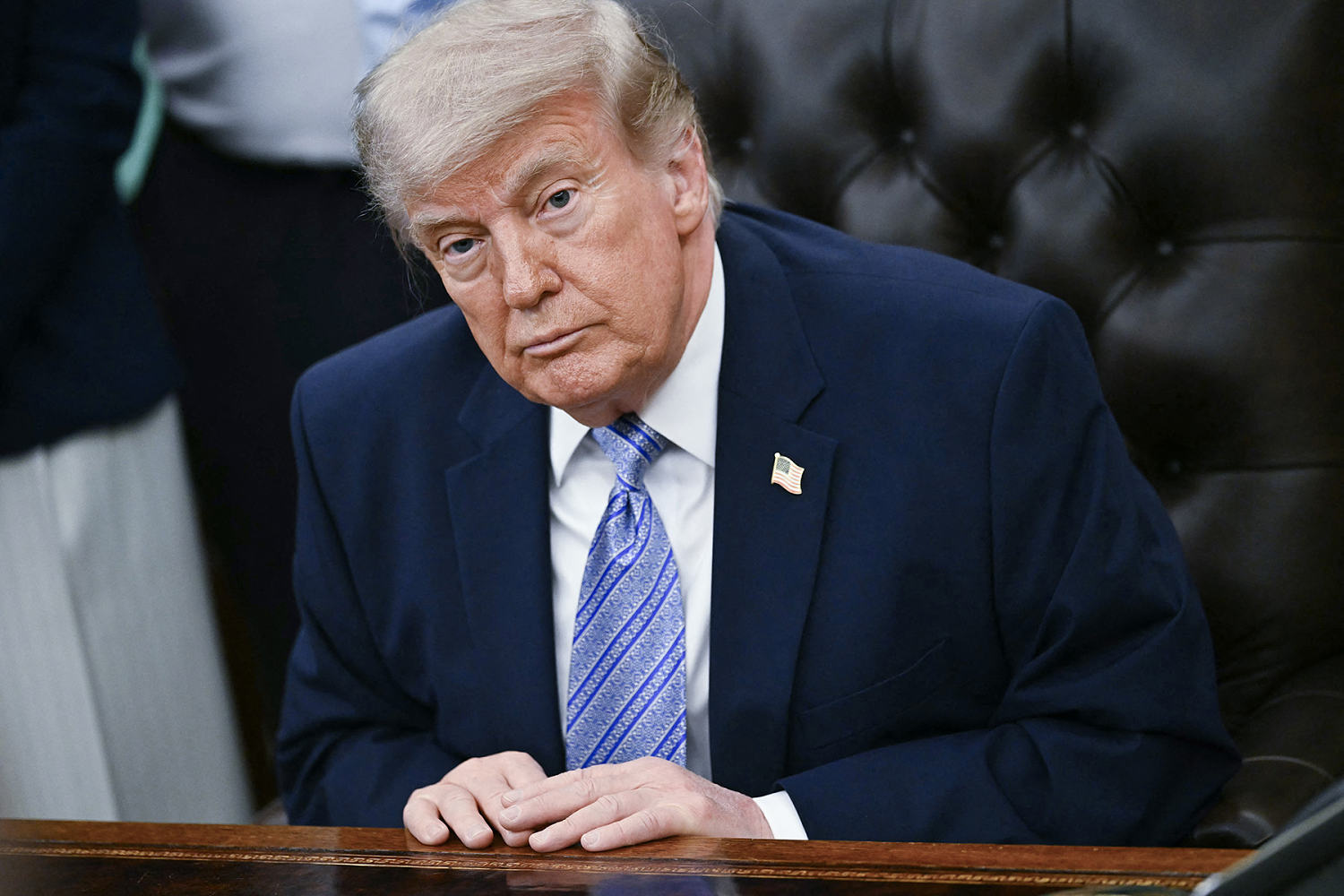
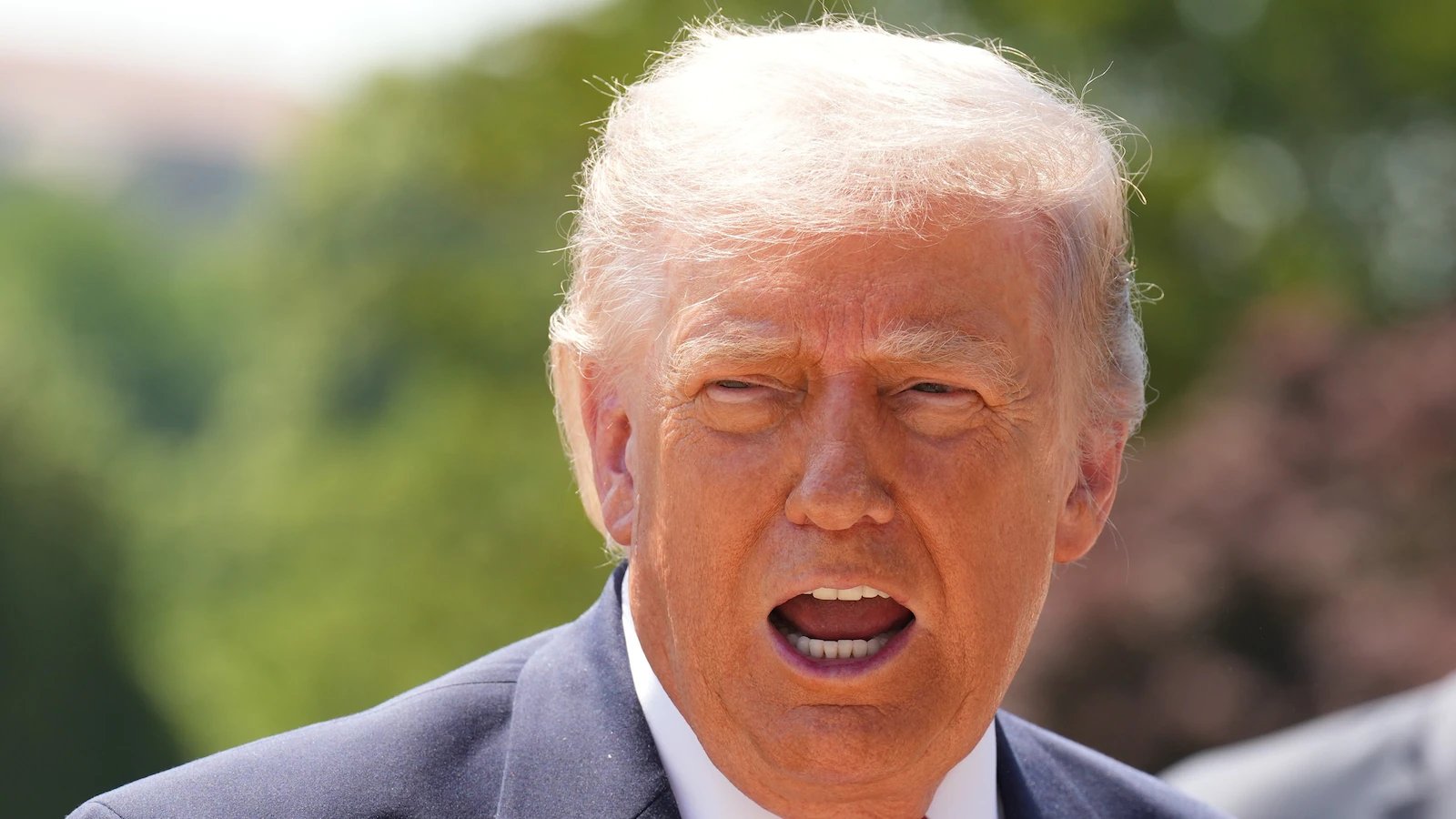
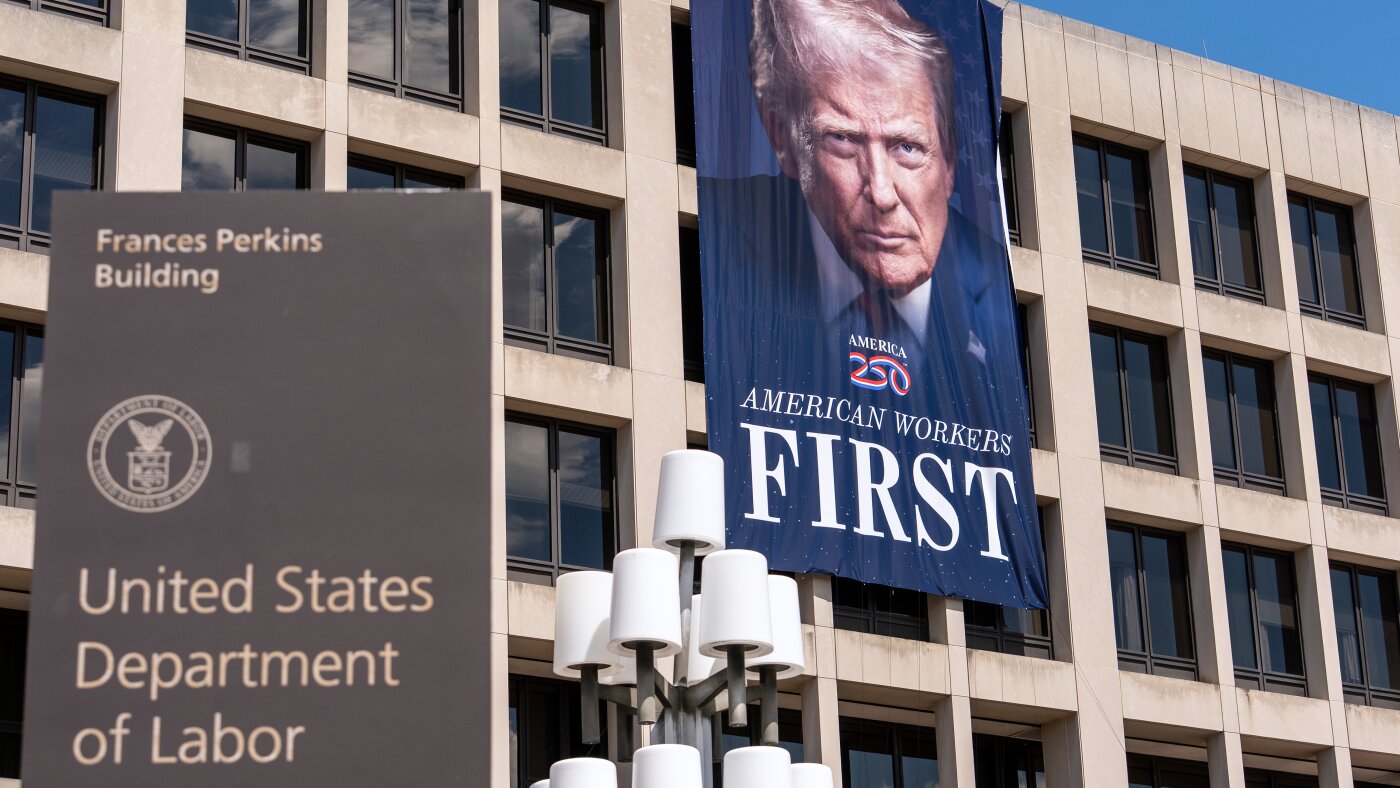
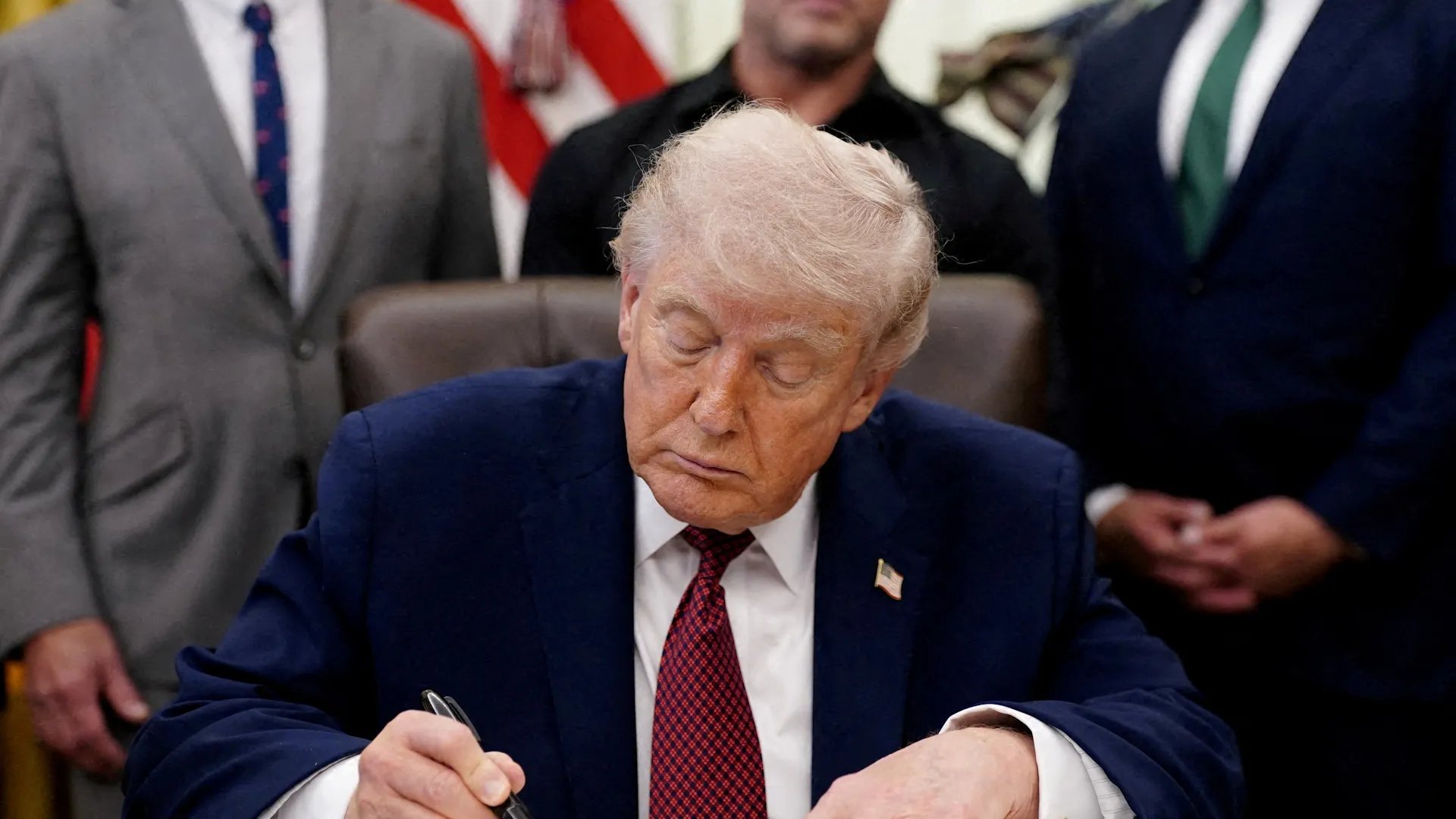
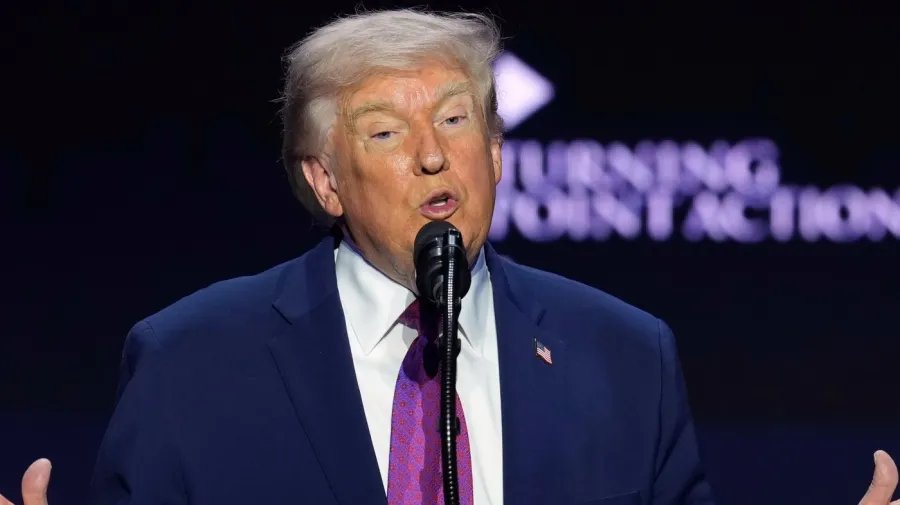
The benchmark interest rate currently stands between 3.5 percent and 3.75 percent. That level represents a drop from its recent peak in 2023 though it remains far above the zero rate set at the start of the COVID-19 pandemic. President Trump has urged lower borrowing costs to spur growth while some administration officials including Treasury Secretary Scott Bessent have described the latest price increases as transitory.
Political and Economic Headwinds Mount Ahead of Midterms
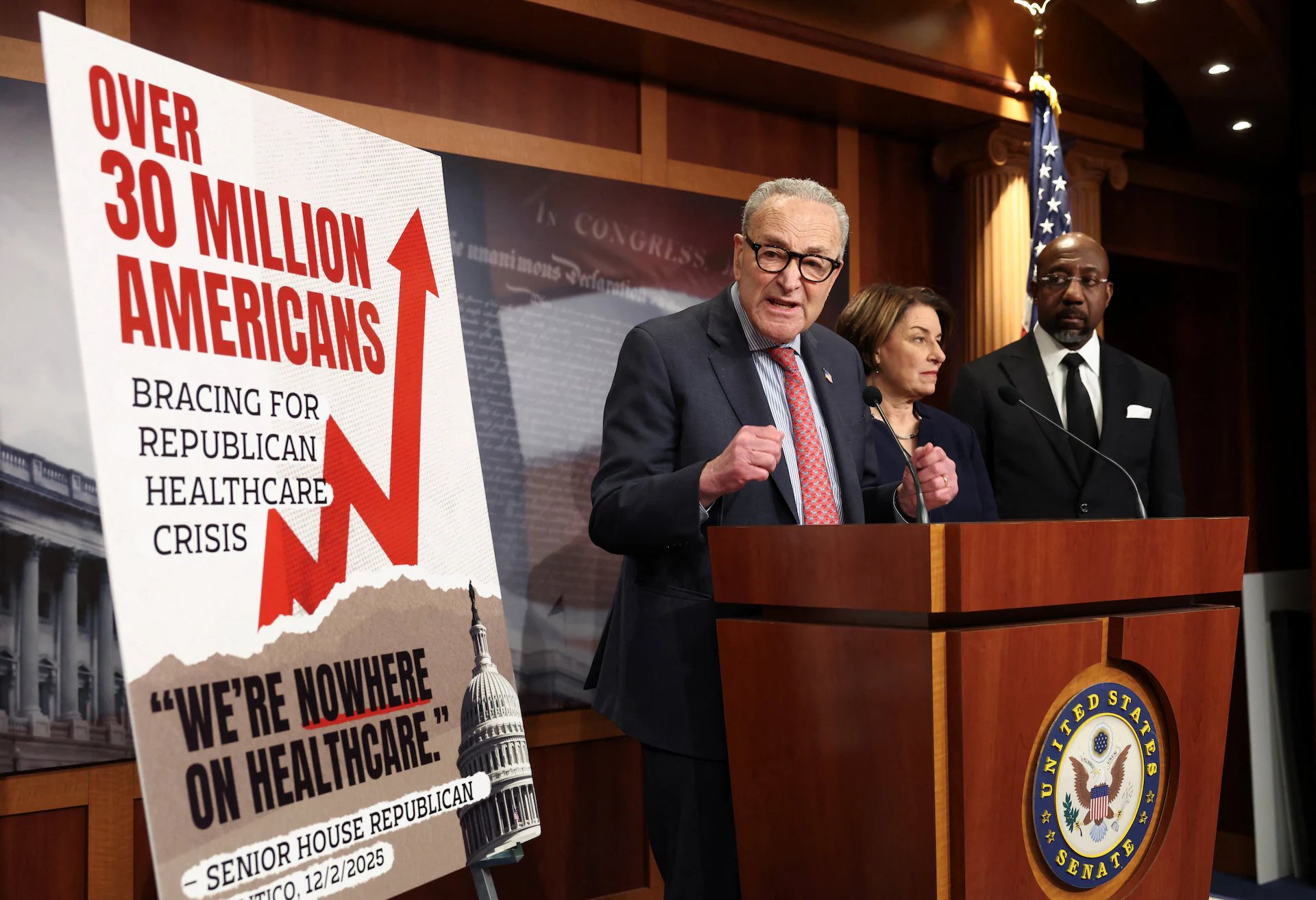
The inflation surge creates political challenges for President Trump and congressional Republicans with midterm elections five months away. Heather Long, chief economist at Navy Federal Credit Union, said, "Inflation is at a three-year high, and personal savings have cratered to one of the lowest levels in the past 20 years. Many Americans are spending more than the income they have coming in. This is not sustainable, especially for lower-income and middle-class households."
Joe Brusuelas chief economist at RSM described building stress inside American households pointing to slowing inflation-adjusted spending and disposable income. Dan North senior economist at Allianz Trade North America noted that while the core price increase is not huge it is moving in the wrong direction with many inflation pressures still in the pipeline. Ellen Zentner chief economic strategist for Morgan Stanley Wealth Management said rising prices are taking a bite out of consumption with consumers clearly dipping into savings to make ends meet.
First-Quarter Growth Holds Modest Pace Despite Inflation
The U.S. economy grew at a 1.6 percent annual pace from January through March according to a separate Commerce Department report issued Thursday. That reading marks a downgrade from the initial 2 percent estimate and follows a 0.5 percent expansion in the final quarter of 2025 which was hampered by a 43-day federal government shutdown. Consumer spending which accounts for two-thirds of economic activity slowed to 1.4 percent in the first quarter from 1.9 percent at the end of 2025.
Business investment rose at a 7 percent pace likely driven by spending on artificial intelligence infrastructure. Resilient spending by upper-income households and ongoing AI investment helped sustain the modest growth even as the first quarter included the initial month of the Iran war. The first-quarter GDP rebound occurred despite the broader erosion in household finances.
Americans now confront higher costs across multiple categories while their real incomes decline and savings buffers shrink. The next Federal Reserve policy meeting will test whether officials opt to hold rates or begin signaling possible increases as the year progresses.