




A cascade of costs from Middle East disruption
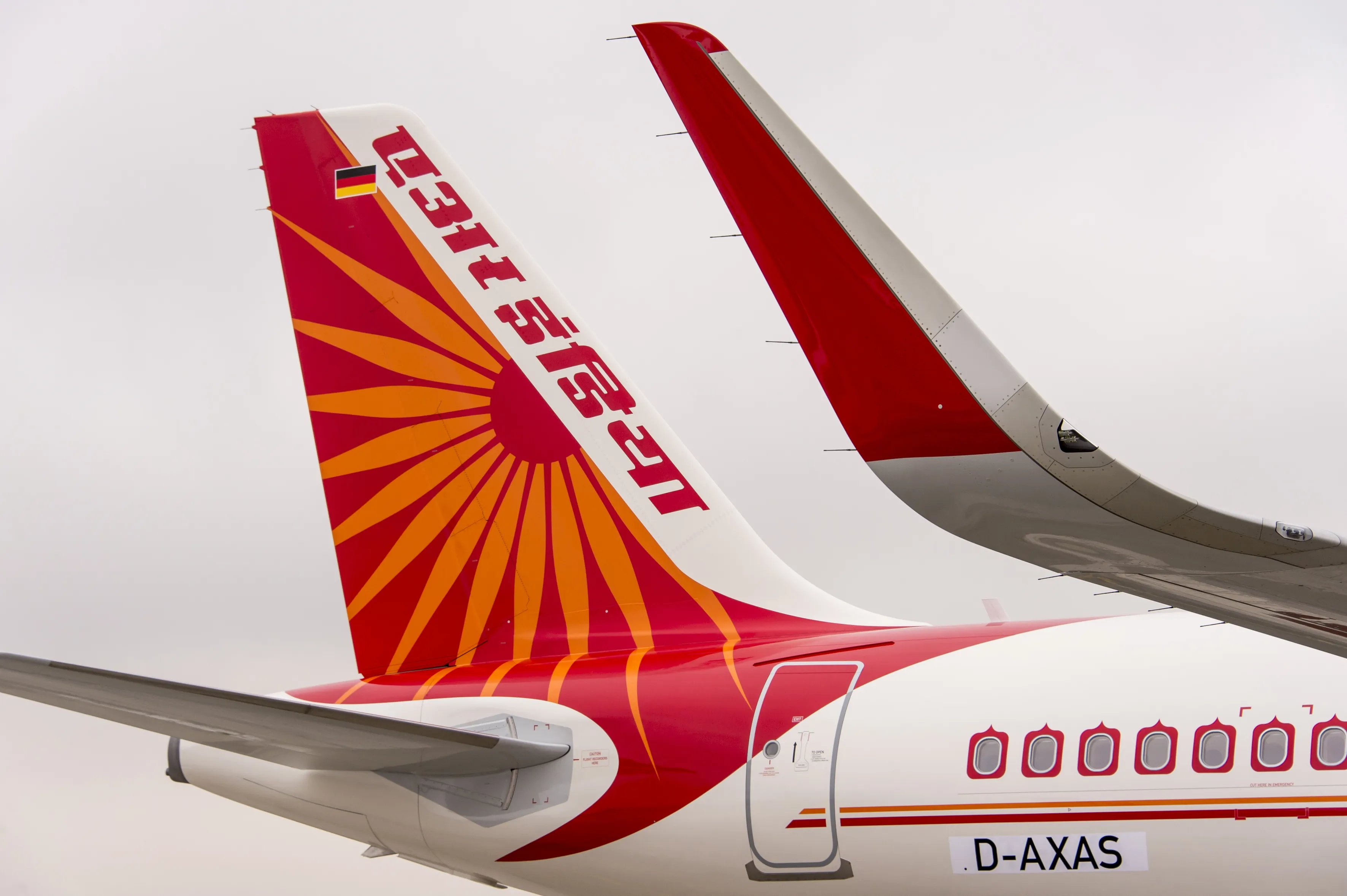
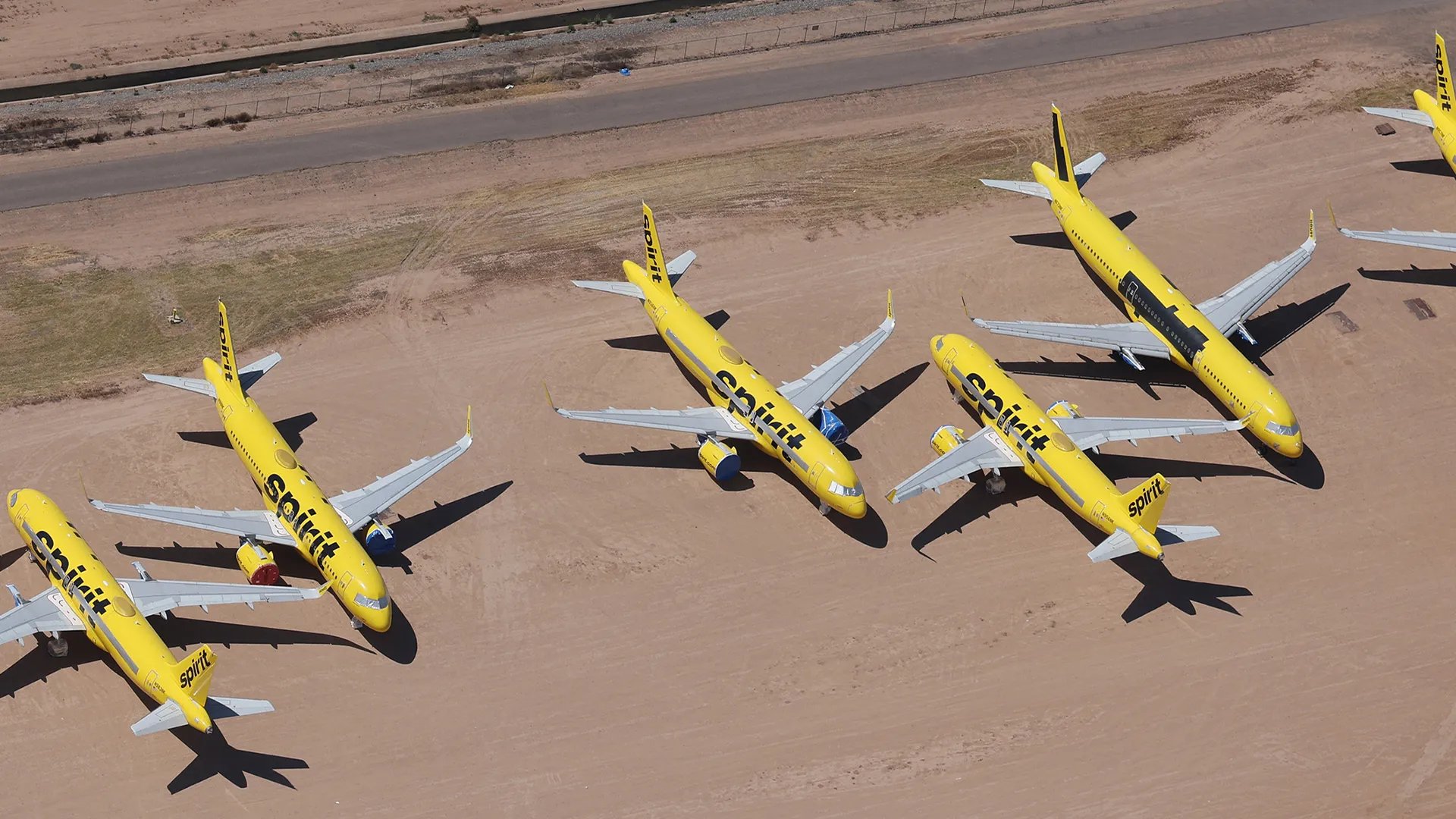
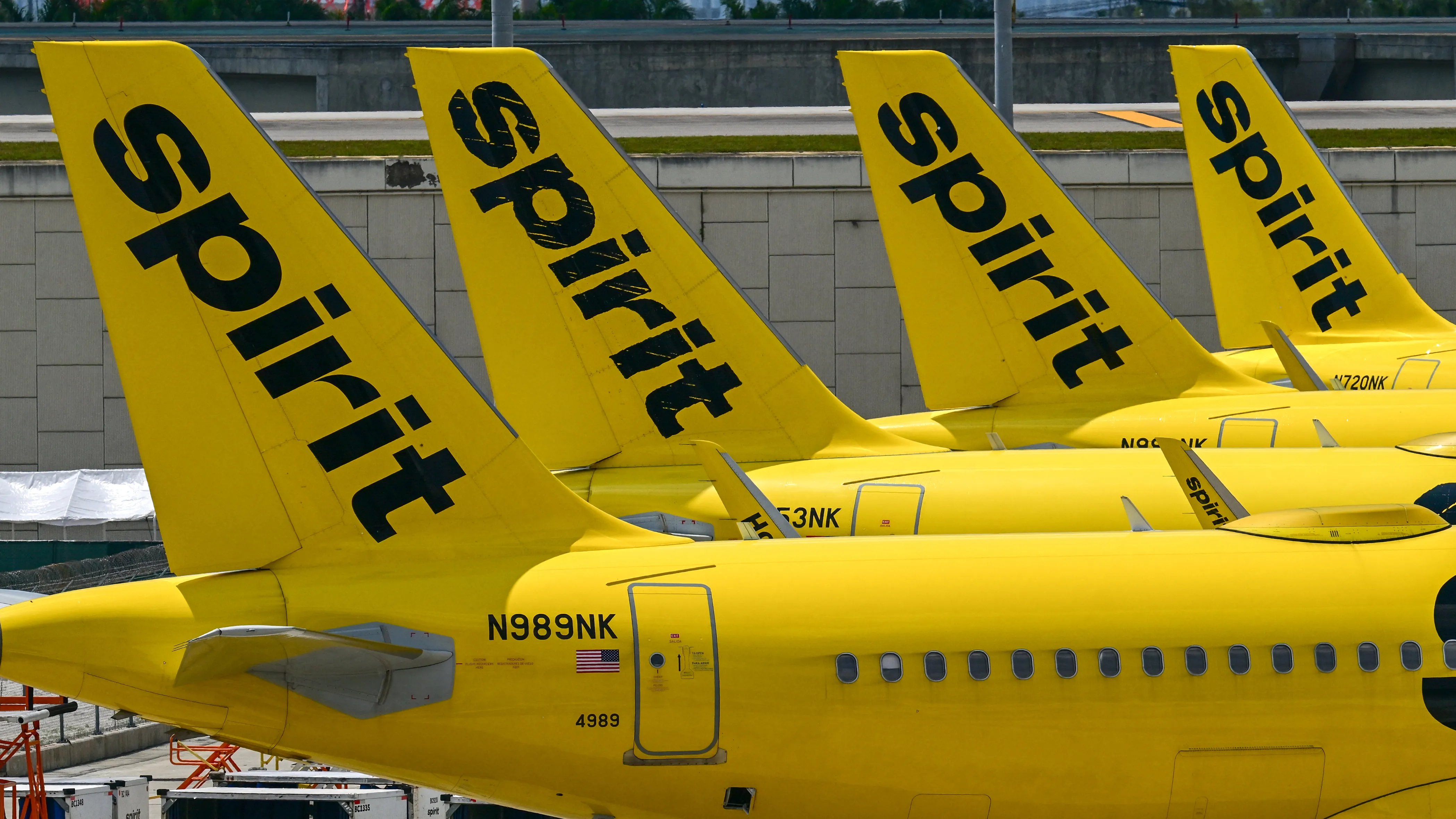
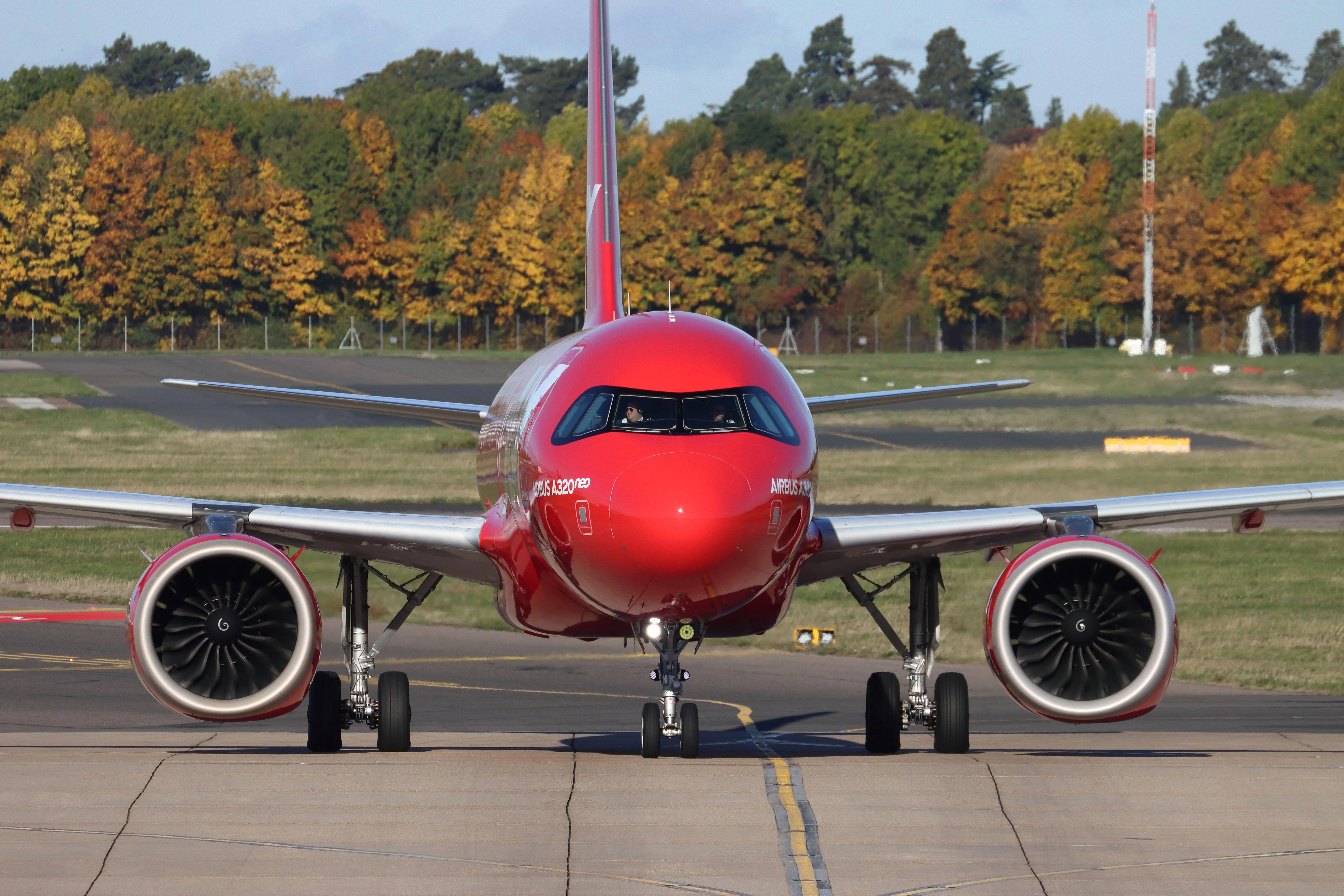
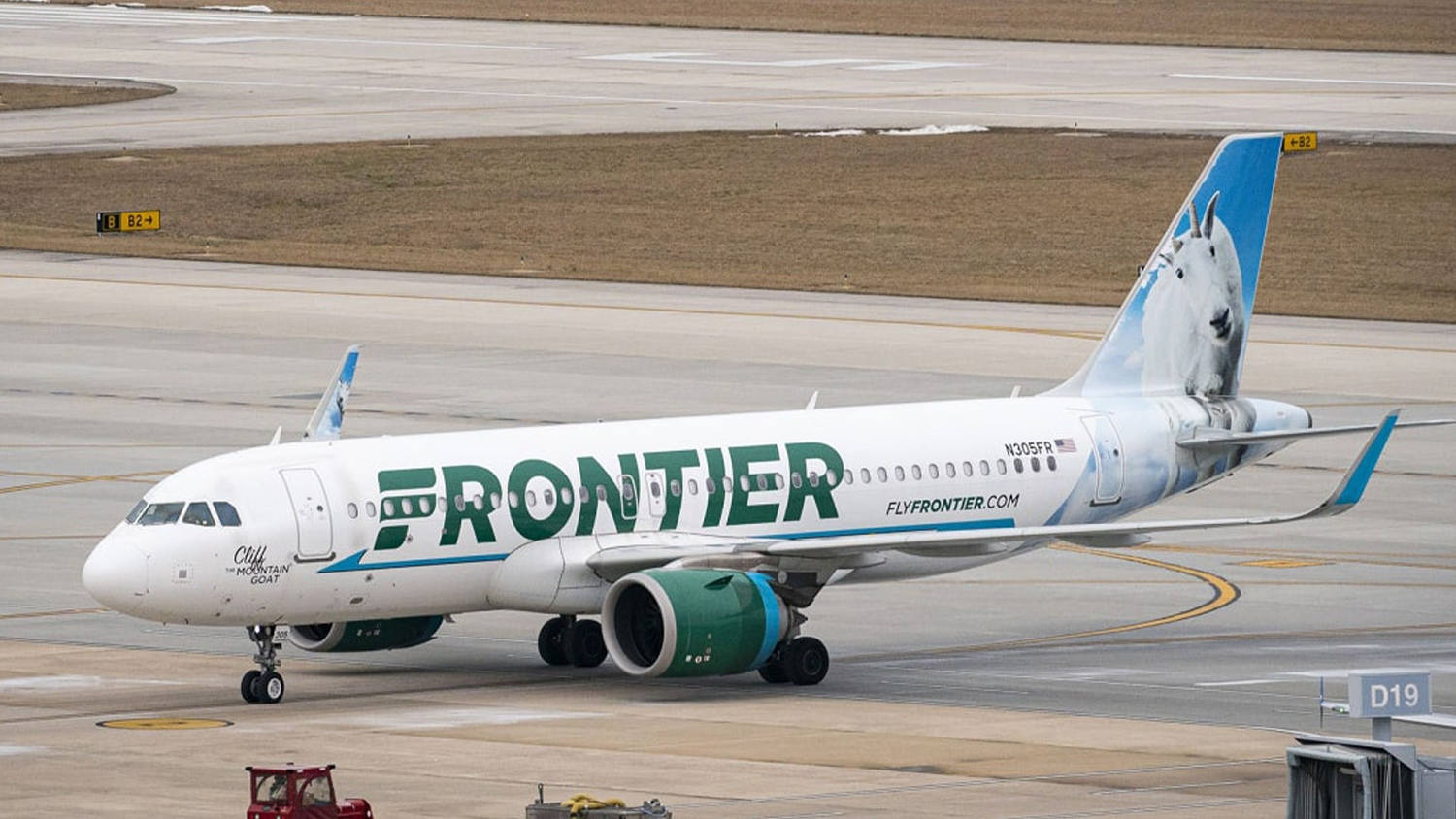
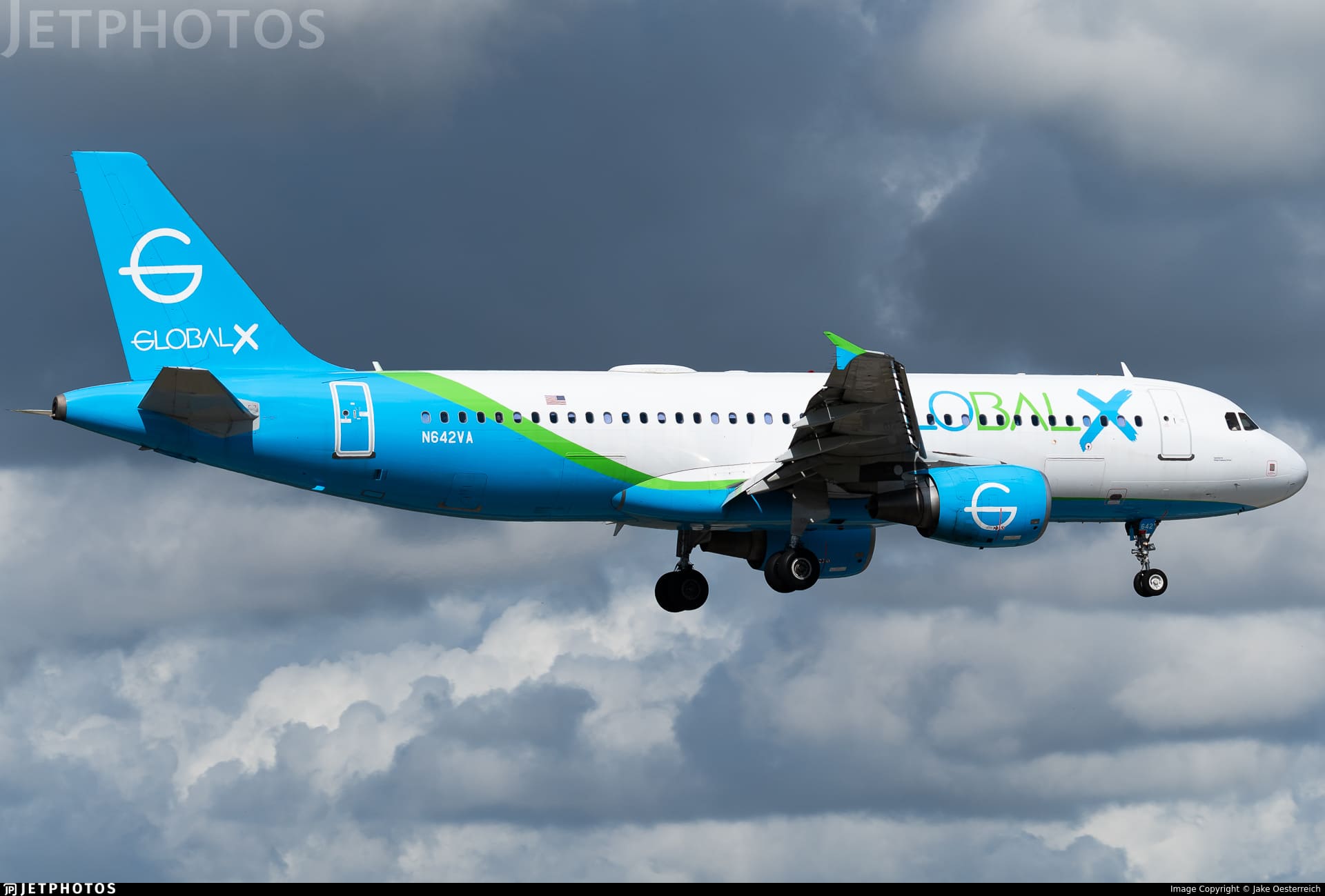
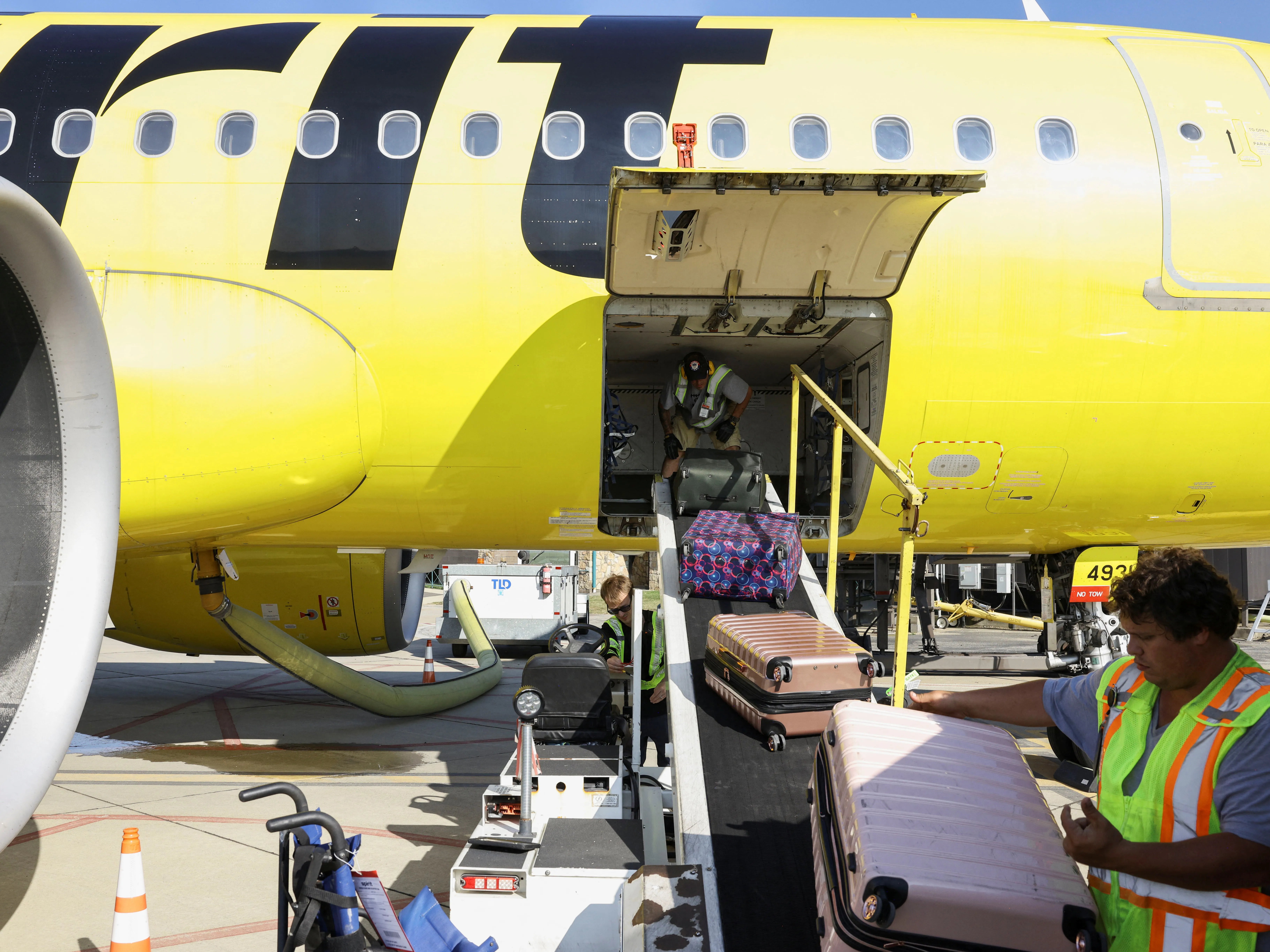
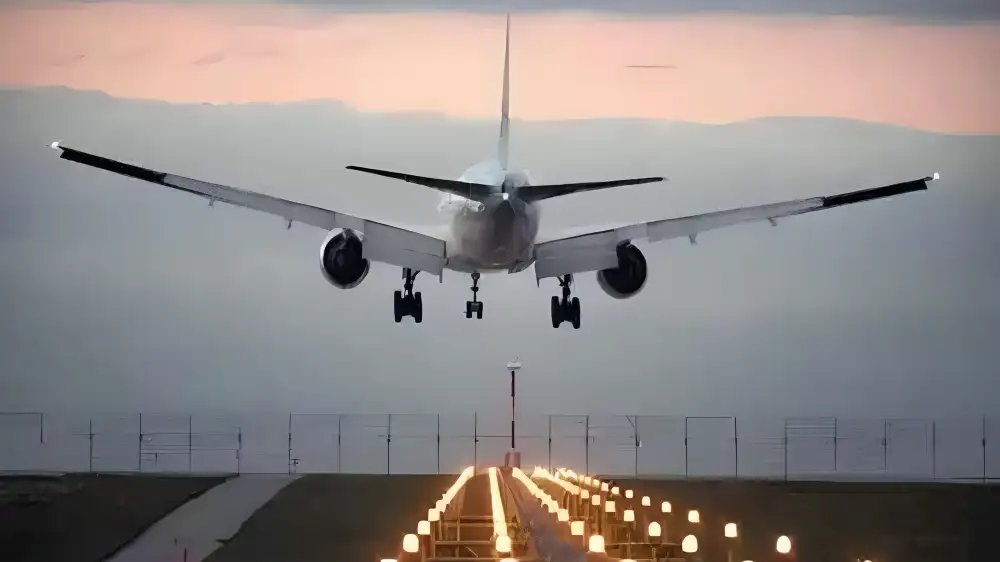
Jet fuel prices have roughly doubled since the start of the war in Iran, a price increase even sharper than the spikes seen in gasoline and diesel. Airlines around the world are now cutting routes, raising fares, adding fuel surcharges and boosting baggage fees in response. Delta Airlines recently estimated that higher fuel prices would cost them an additional $2 billion this quarter alone, even though Delta is relatively better off than most airlines because they own a refinery of their own.
Delta CEO Ed Bastian told investors and analysts that the airline was cutting back on unprofitable flights and "recapturing" higher fuel costs by raising prices for customers, who he said still seem to be buying tickets. "We woke up this morning with a very different set of fuel assumptions than we had when we went to bed," Bastian said, speaking metaphorically about the dramatic shift in prices since the war began.
The global supply chain fractures
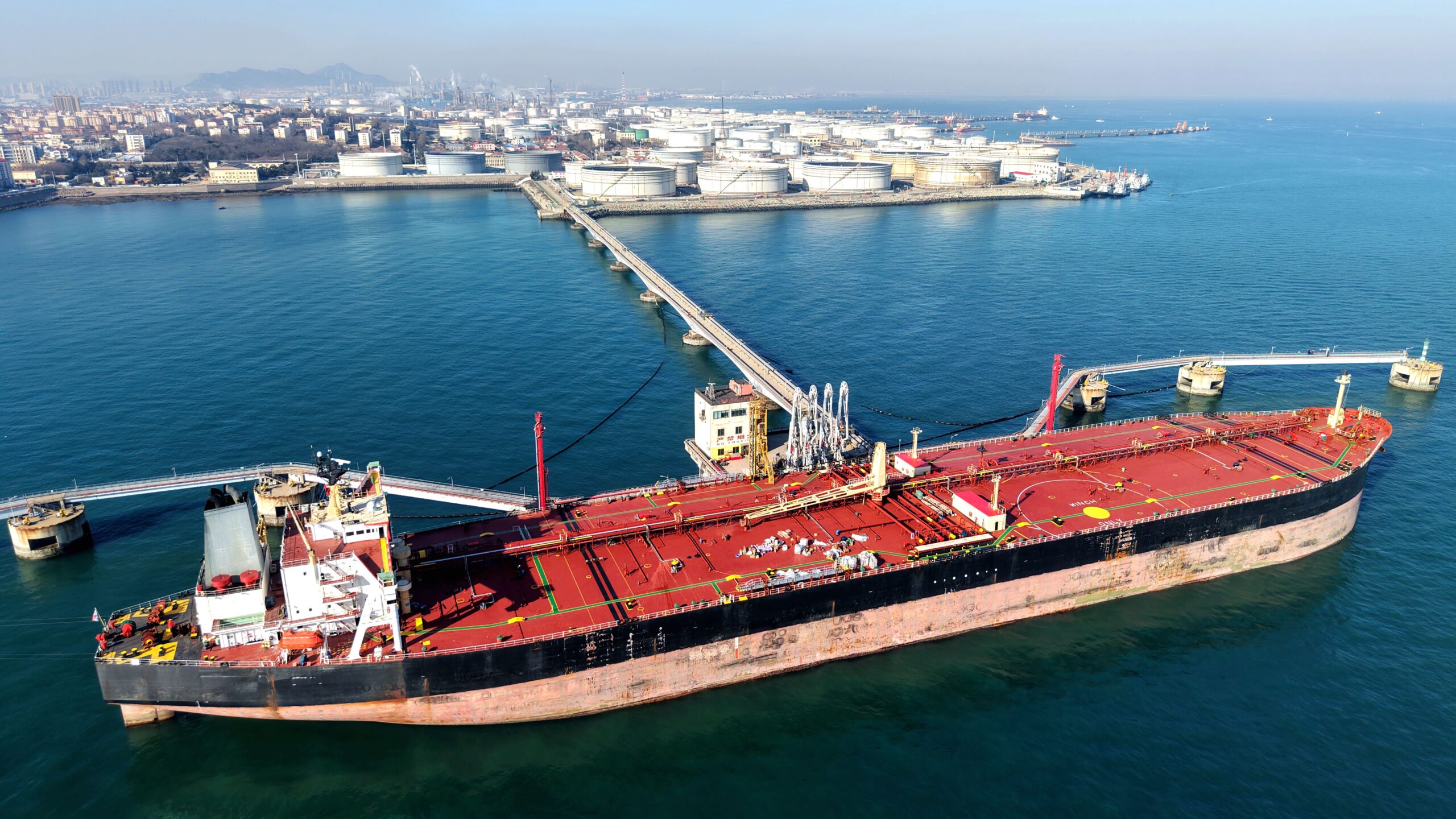
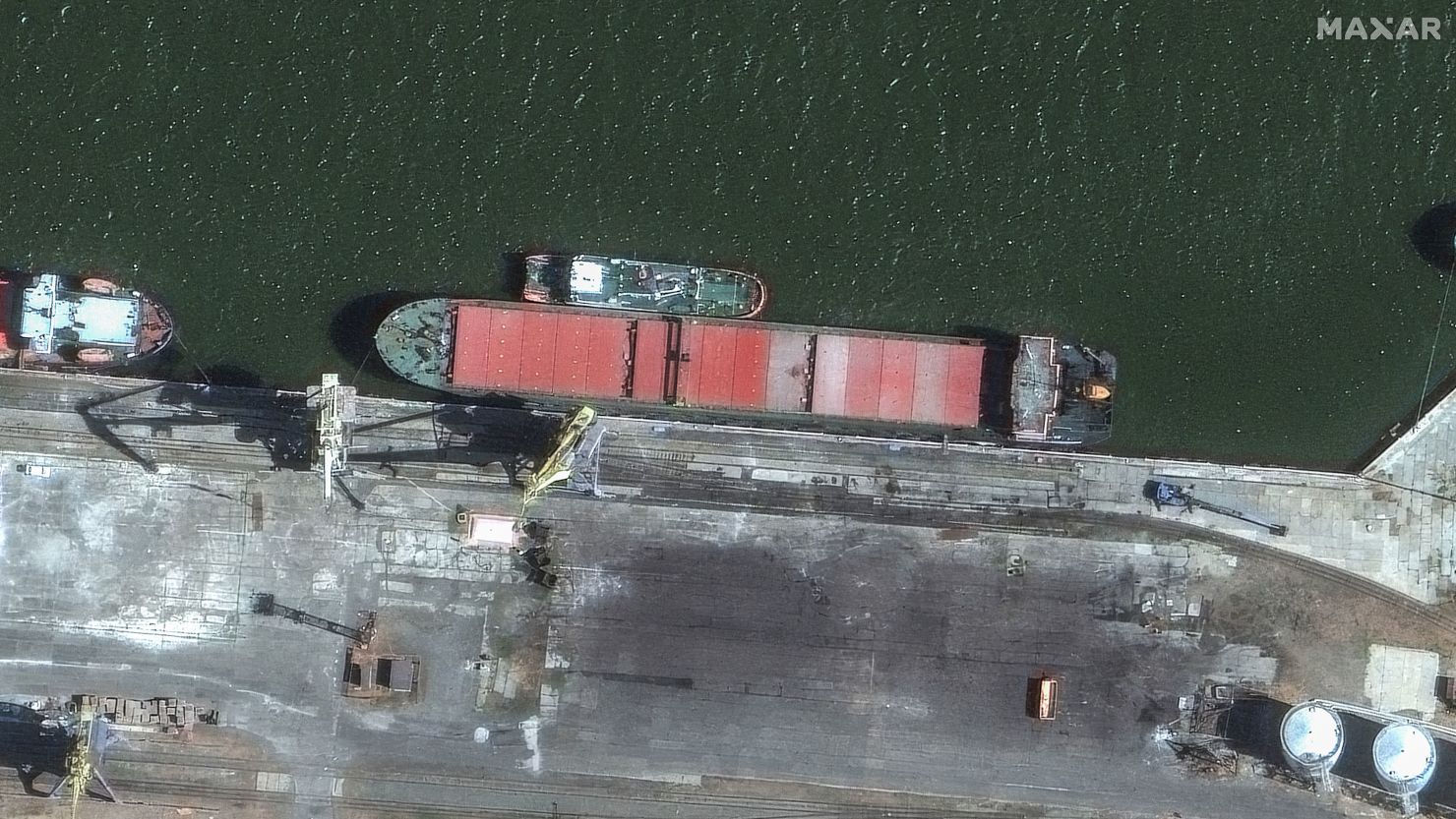
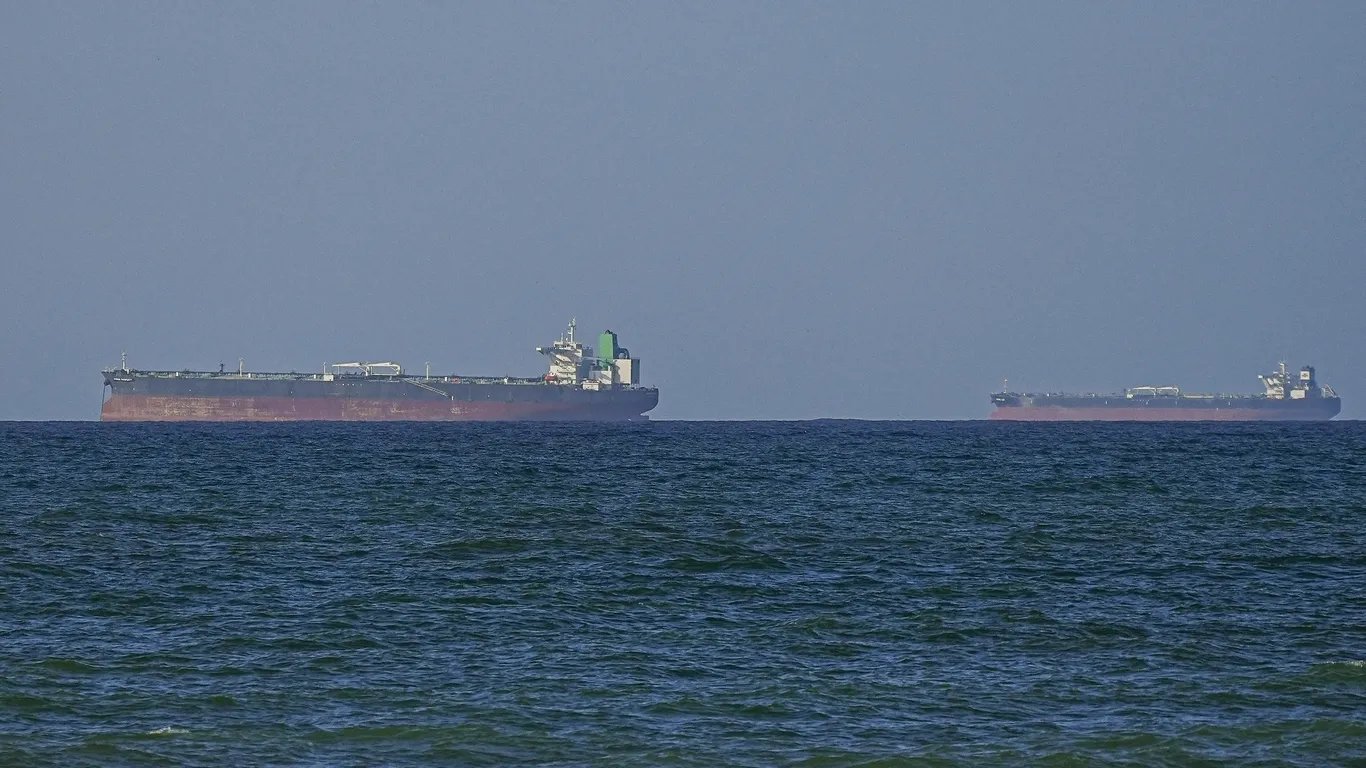
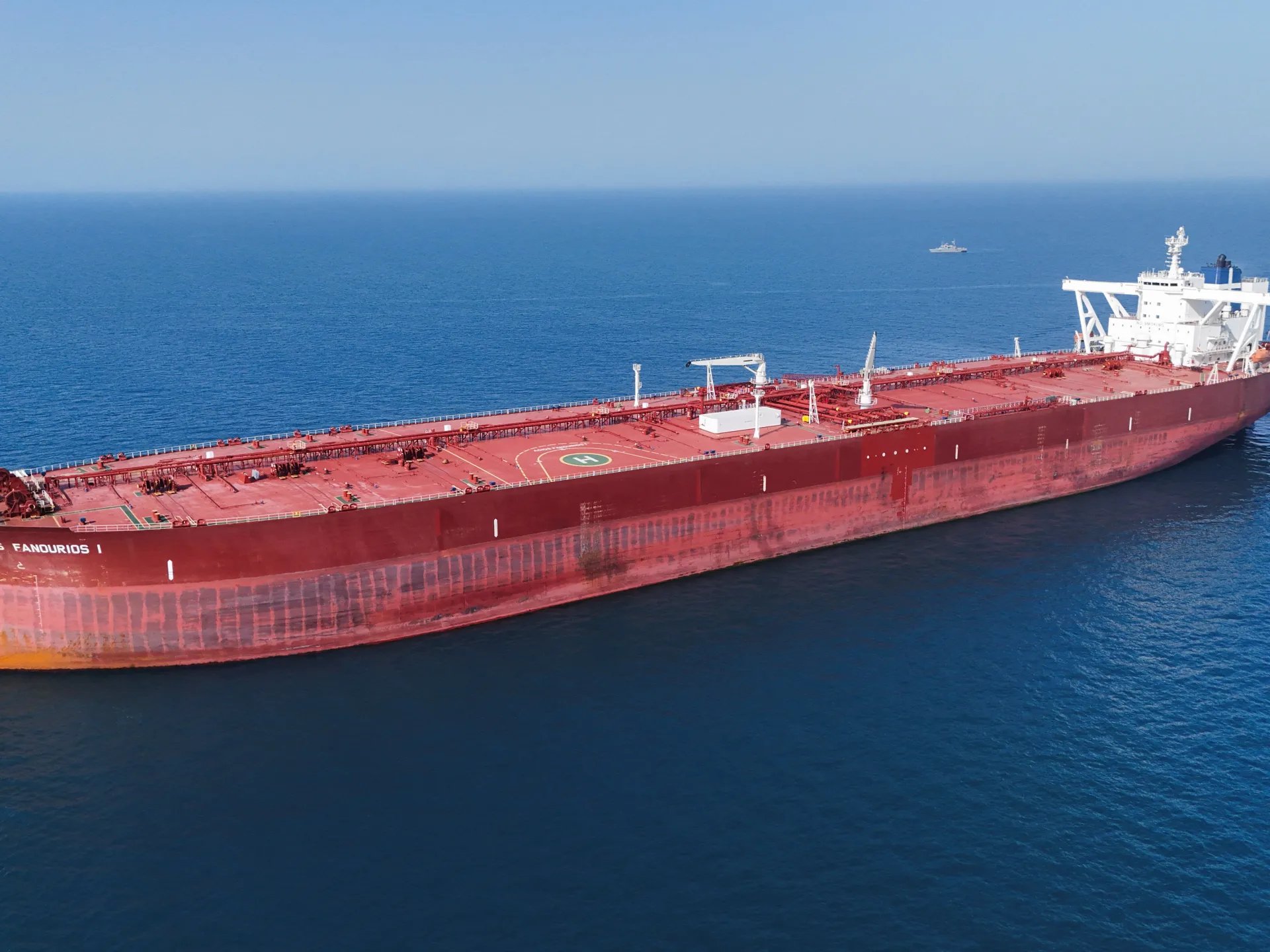
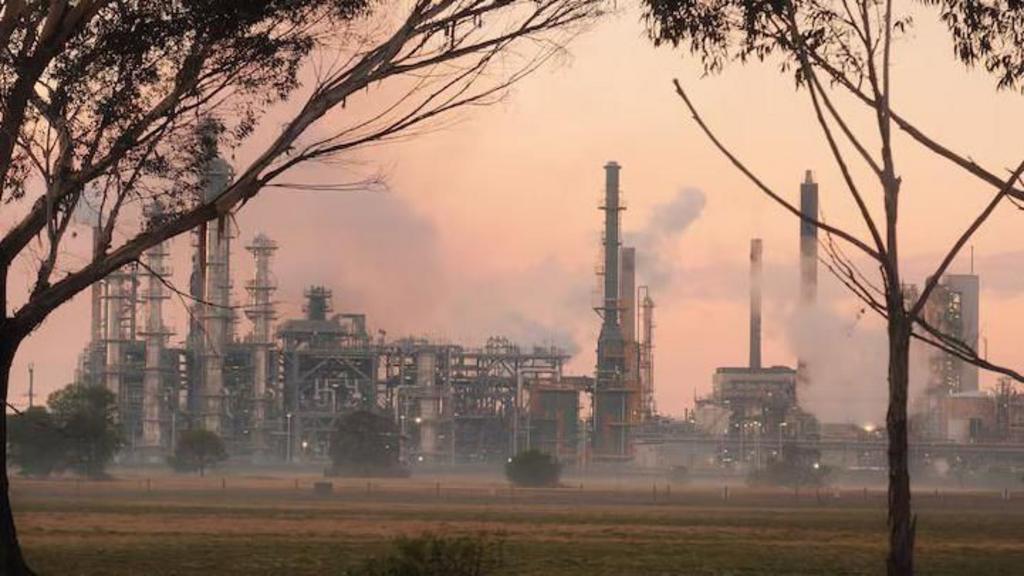
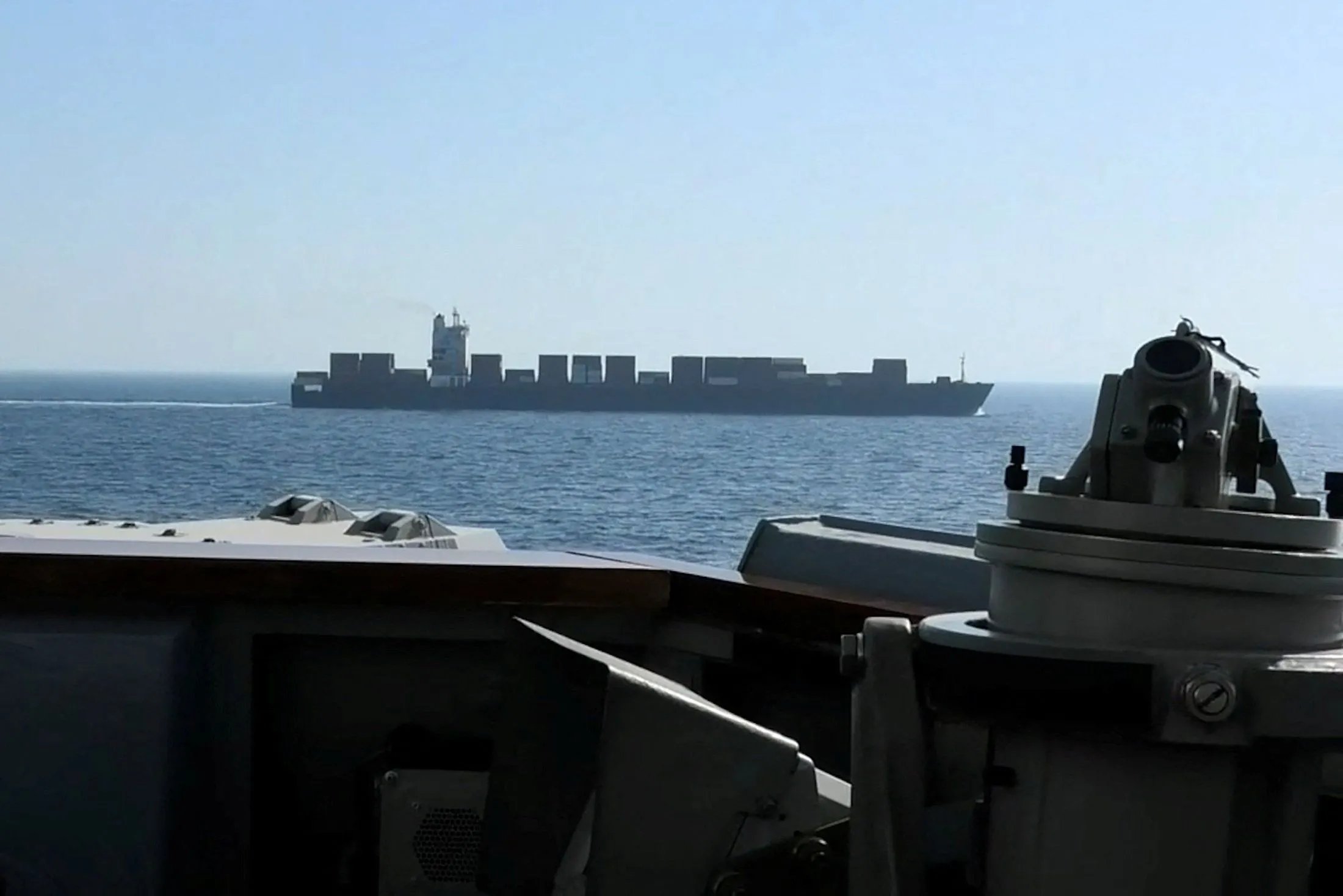
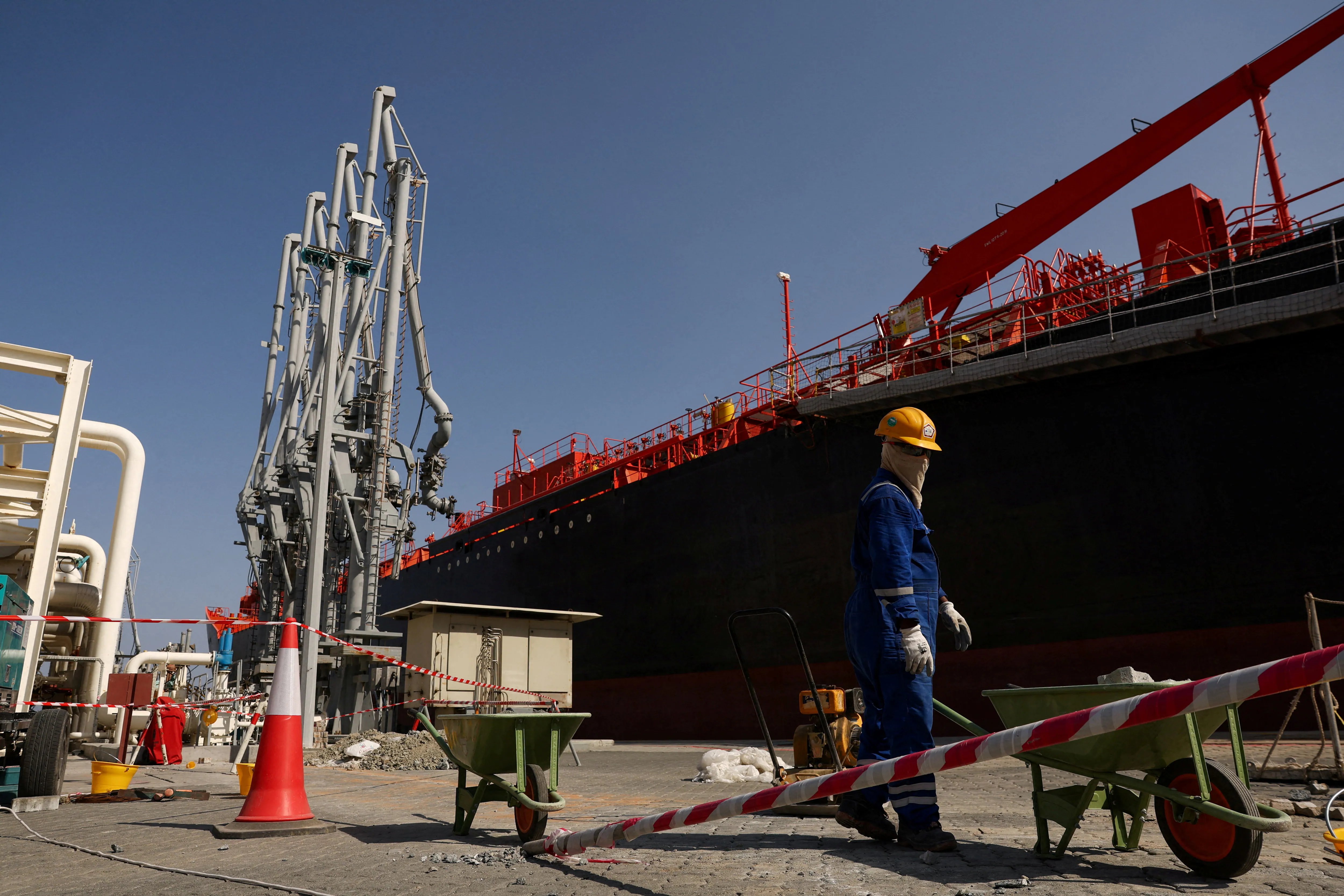
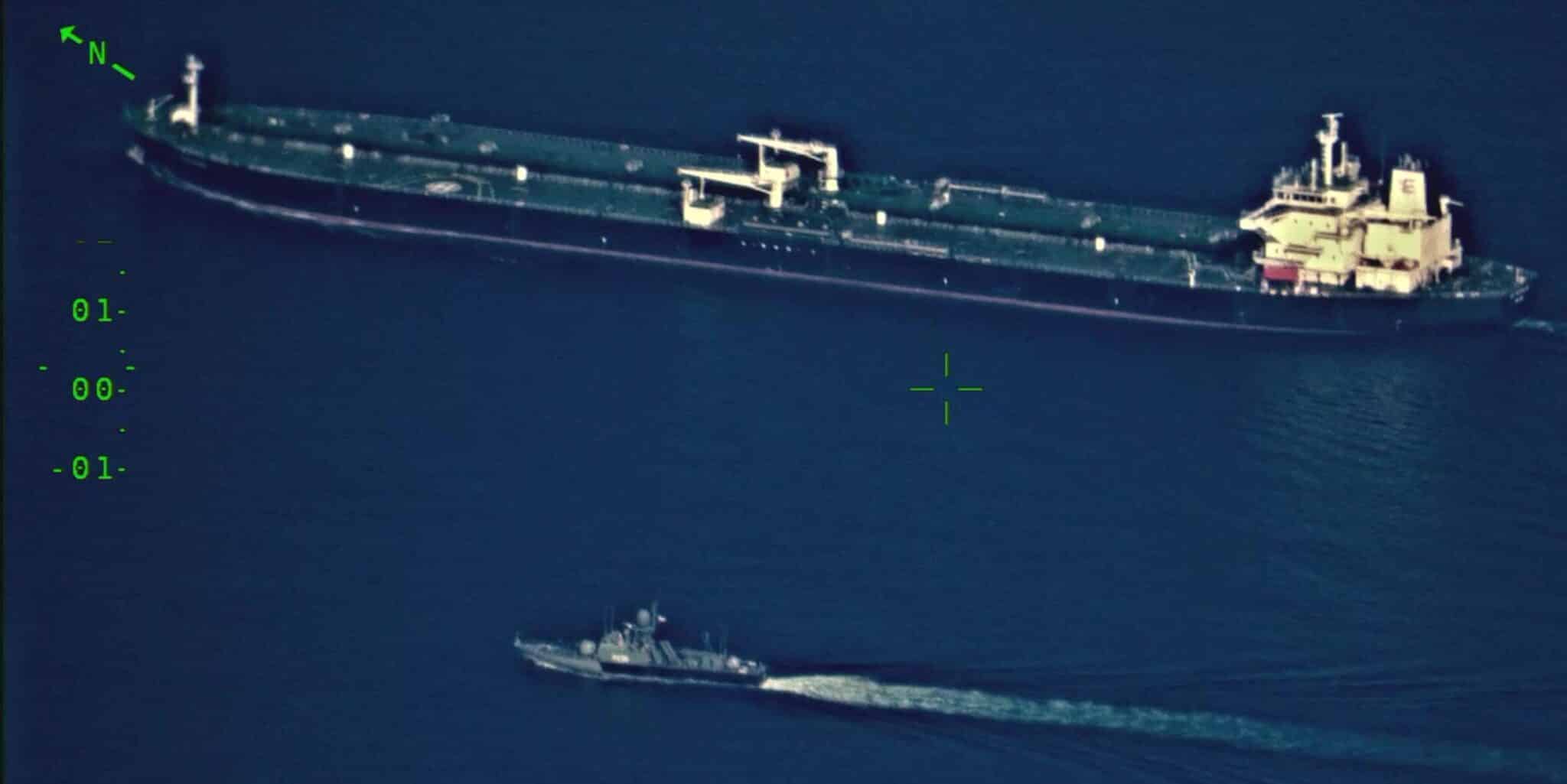
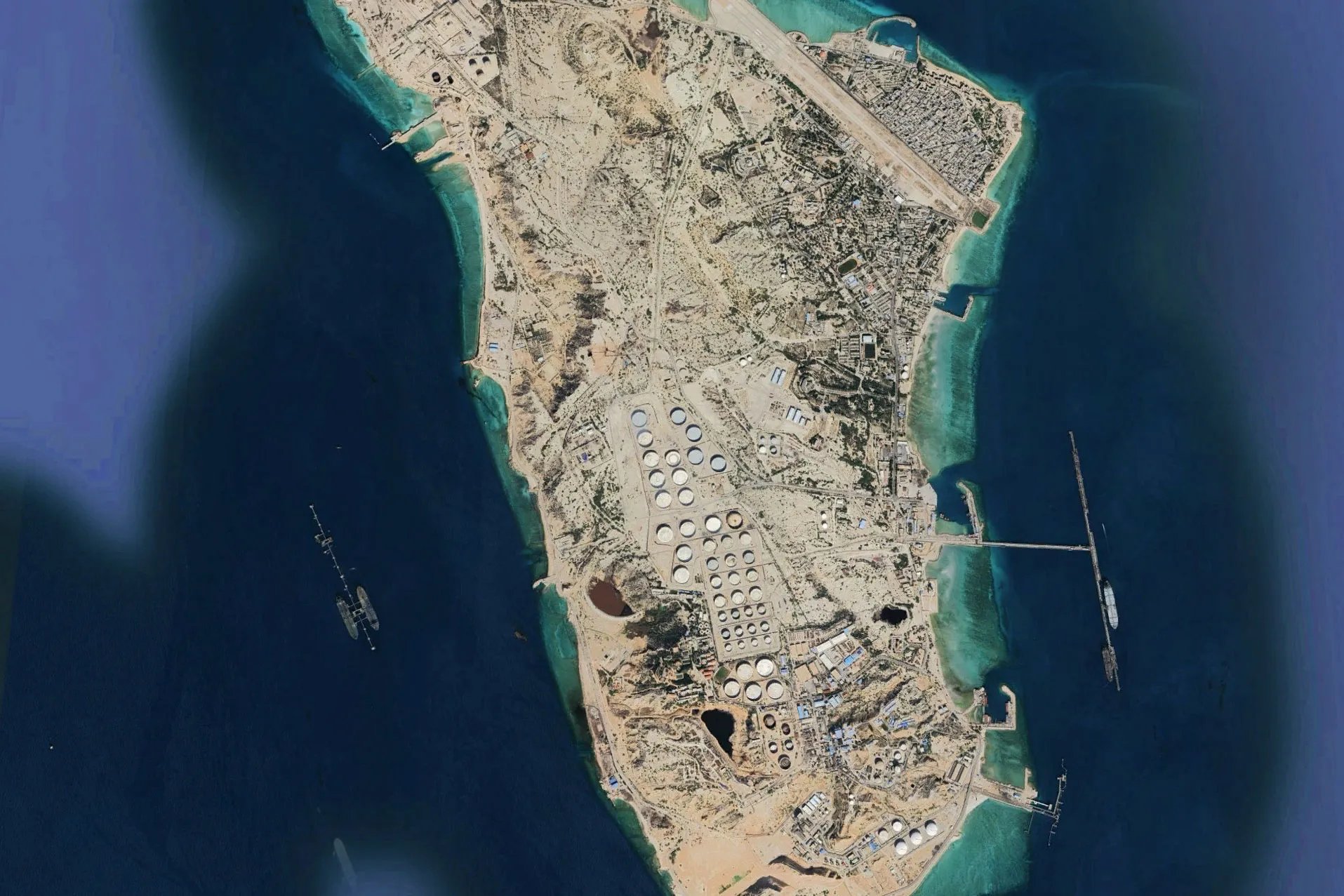
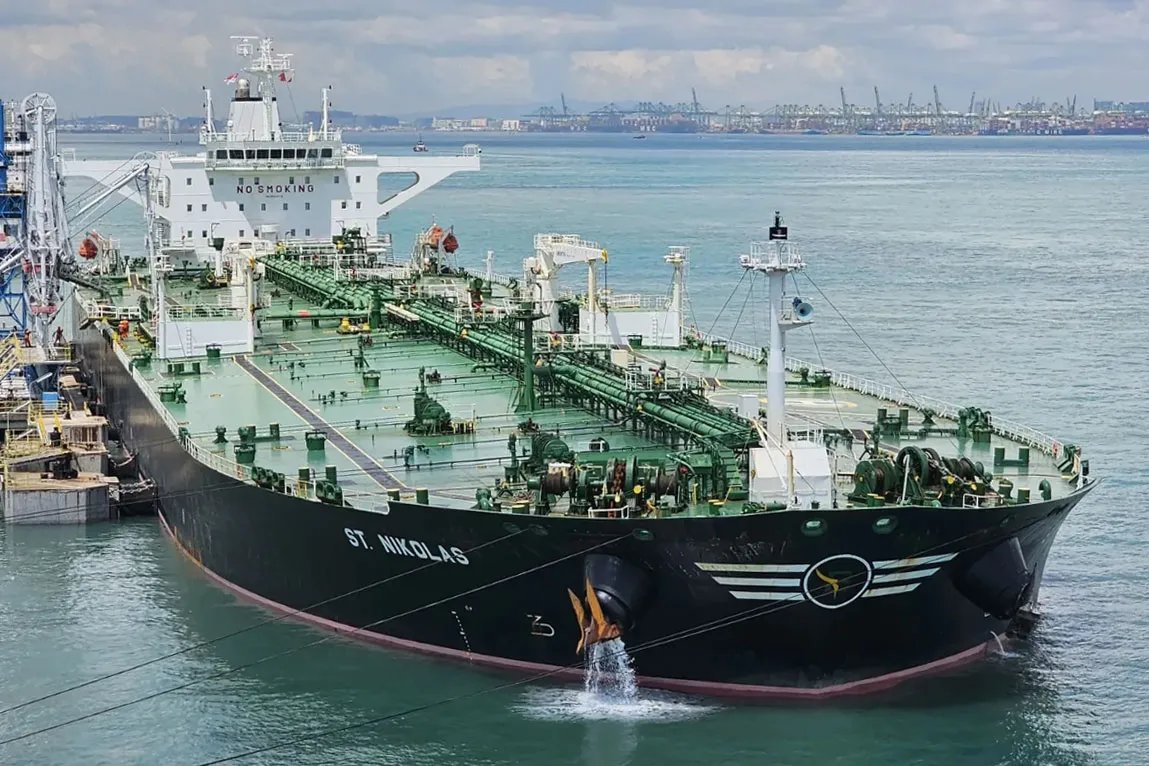
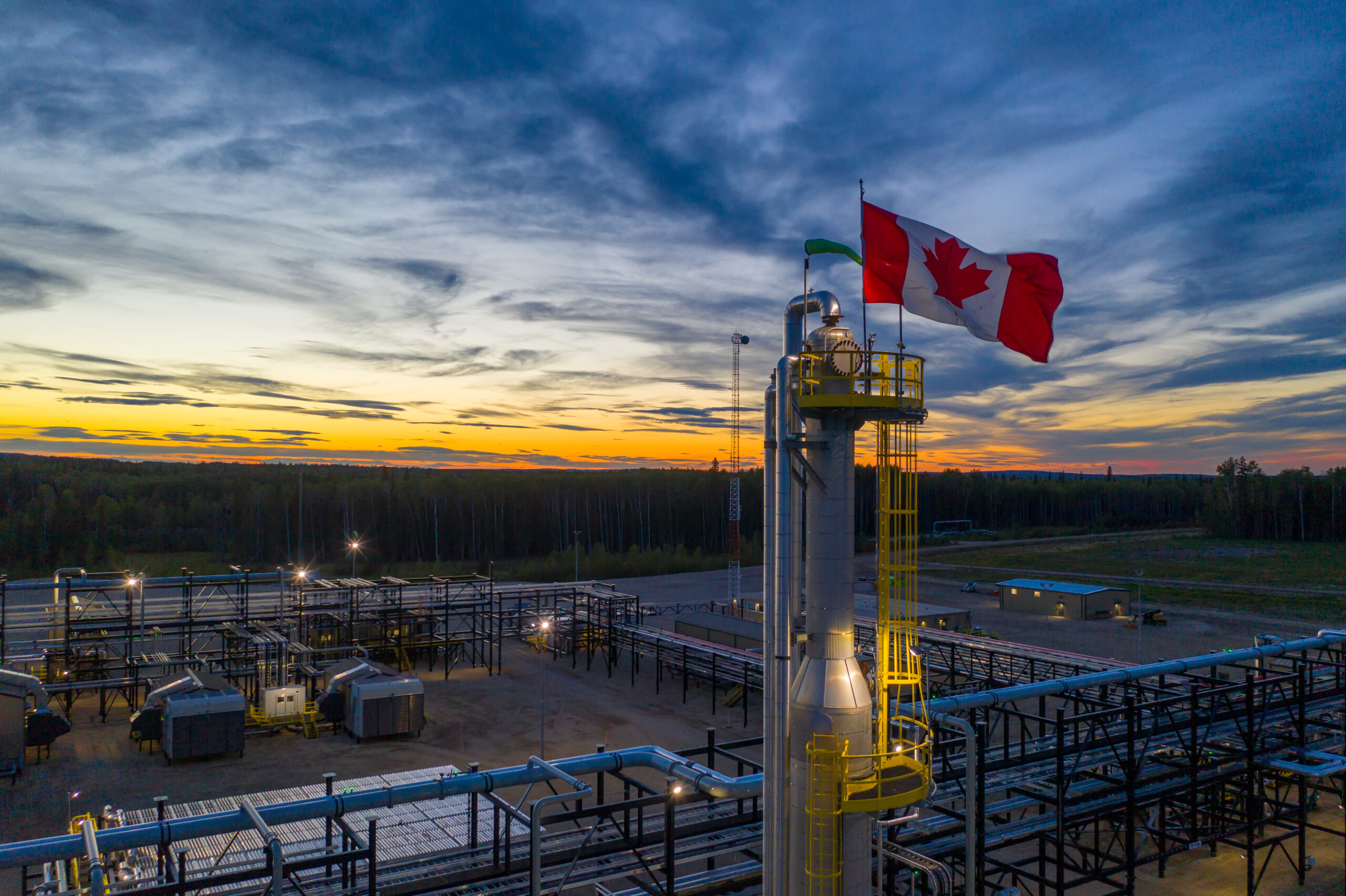
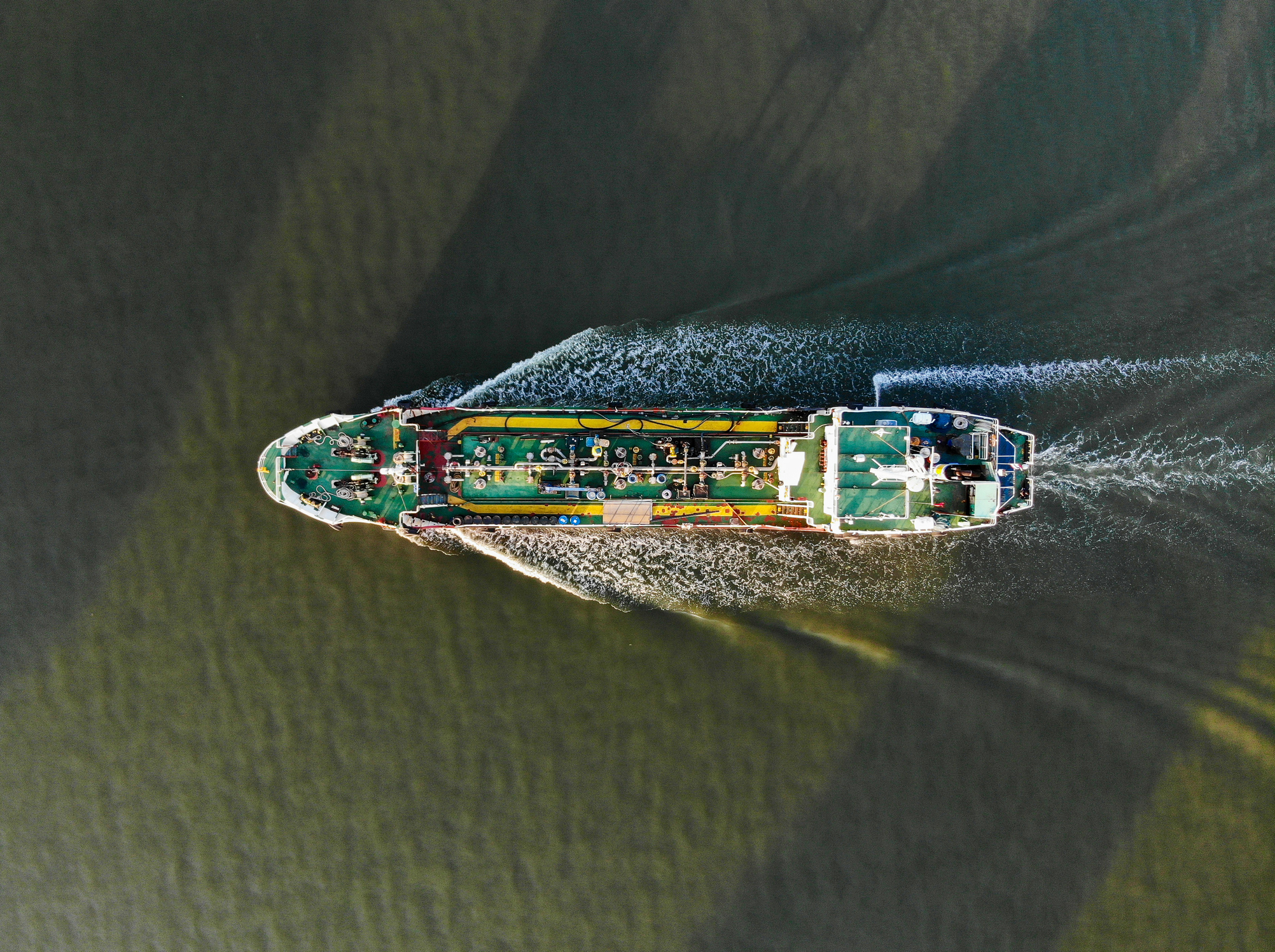
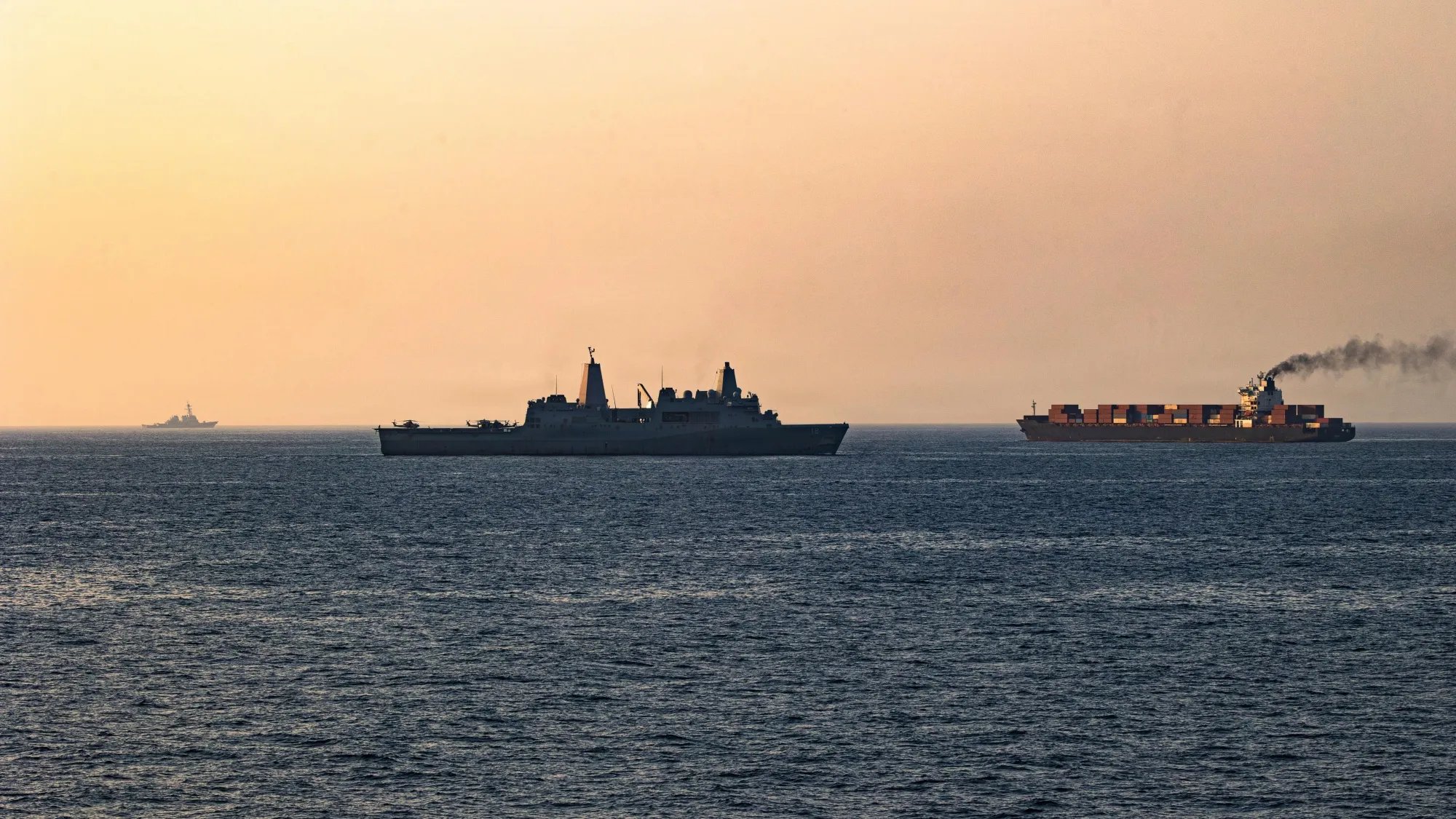
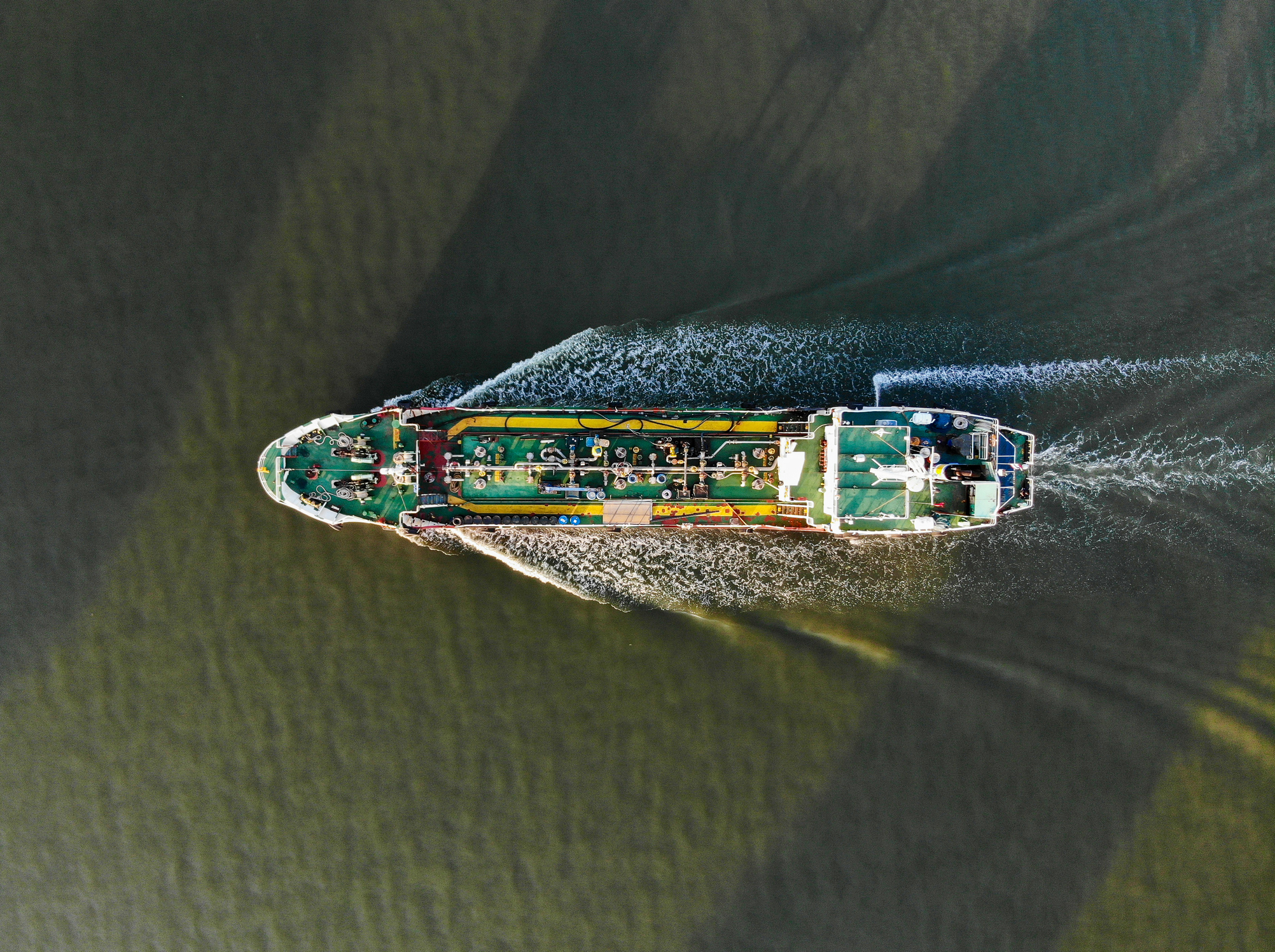
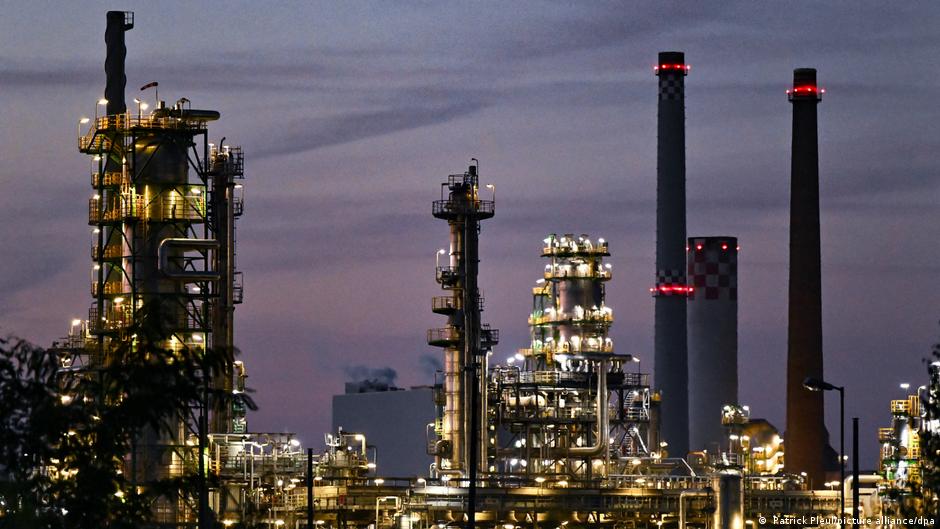
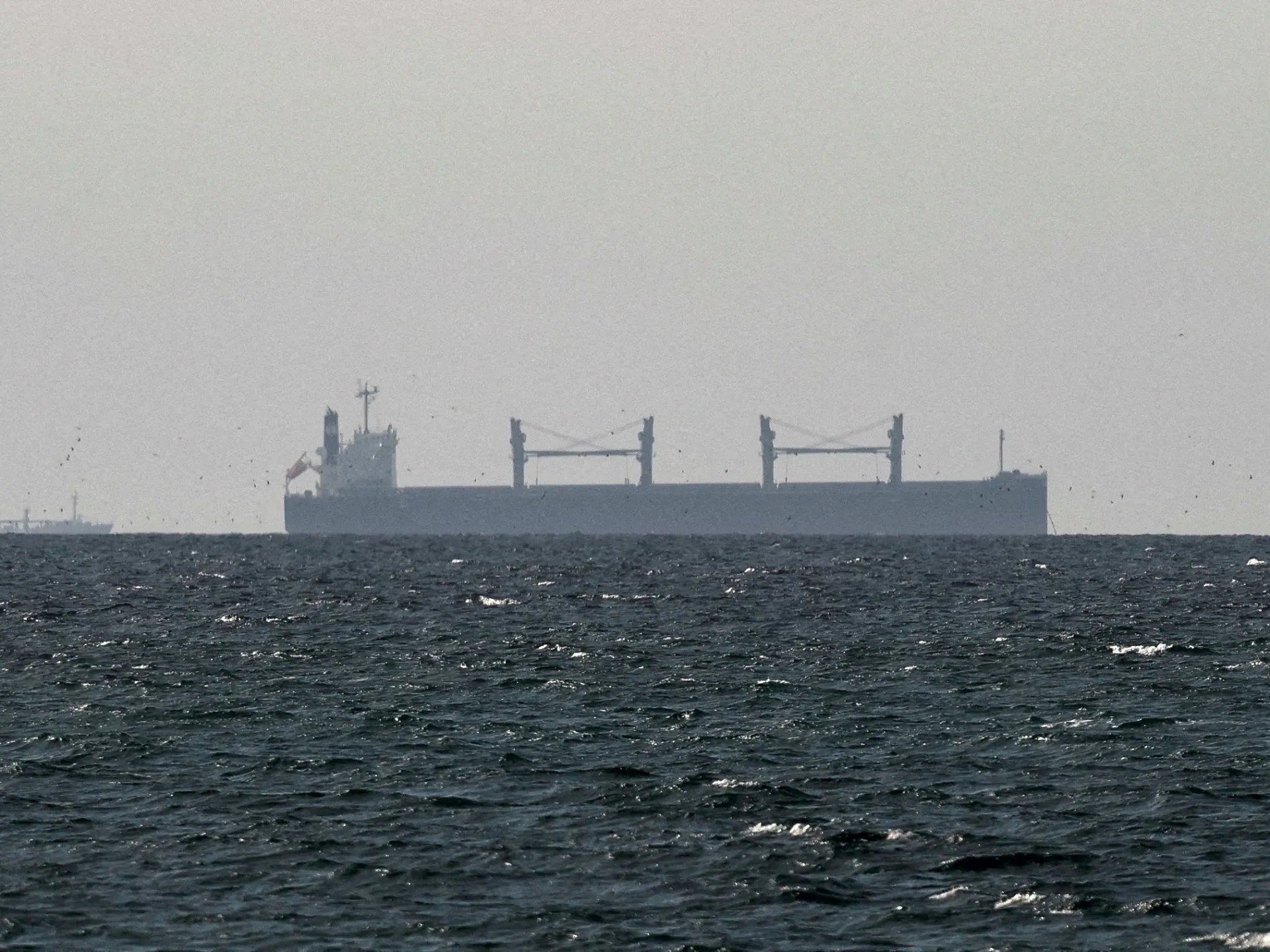
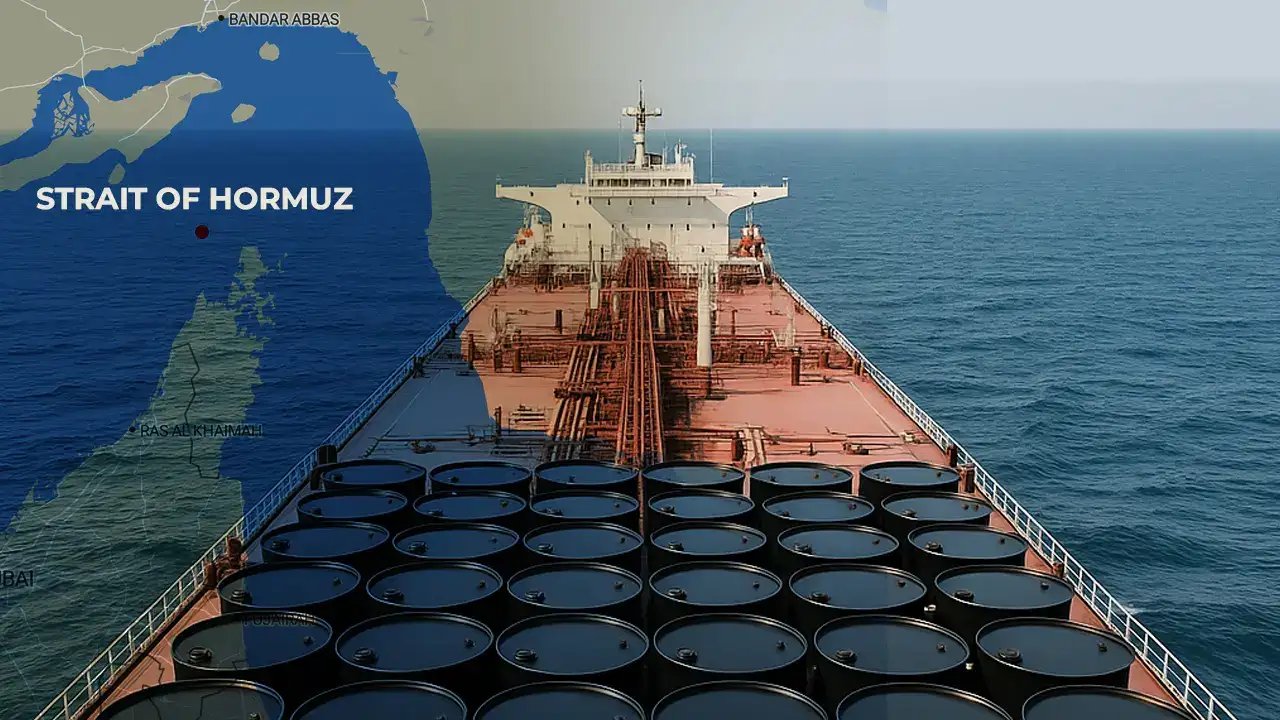
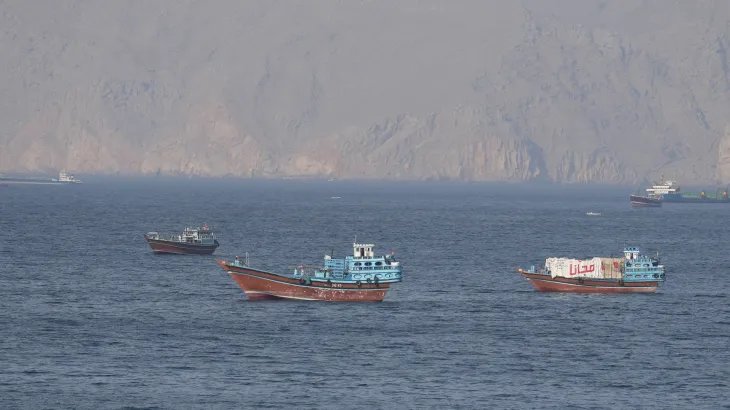
The Strait of Hormuz blockade has created what amounts to a double supply shock. The Persian Gulf is home to many refineries that make jet fuel and export it around the world, but the disruption at the strait is blocking that finished product from reaching markets. Simultaneously, crude oil from the Gulf that would normally be shipped to refineries around the world, including significant producers of jet fuel in Asia, is also blocked.
The top three global exporters of jet fuel—China, South Korea and Kuwait—have all been essentially knocked out of business simultaneously. China has banned exports of jet fuel and South Korea has had to cut back on production because they cannot get enough crude to make it. Kuwait can make jet fuel just fine but cannot send it anywhere. George Shaw, an analyst at the trade analytics firm Kpler, described the situation as "a double whammy" and said "This is an Asian crisis. They're in a worse position than anyone else."
Europe faces critical shortages within weeks
Fatih Birol, executive director of the International Energy Agency, warned that Europe has "maybe 6 weeks or so of jet fuel left" and cautioned of possible flight cancellations "soon" if oil supplies remain blocked by the Iran war. He called it "the largest energy crisis we have ever faced," stemming from the pinch-off of oil, gas and other vital supplies through the Strait of Hormuz.
The Airports Council International Europe, a group representing airport operators, sent a letter to the European Commission earlier this month warning that if "significant and stable" passage does not resume through the Strait of Hormuz by the end of April, "systemic jet fuel shortage is set to become a reality for the EU." Traffic of ships through the strait remains at a trickle. Last week, according to Argus, the last shipment of jet fuel to pass through the Strait of Hormuz arrived in Europe—a shipment that had been loaded on February 28, before the war began.
Recovery will take weeks even if war ends
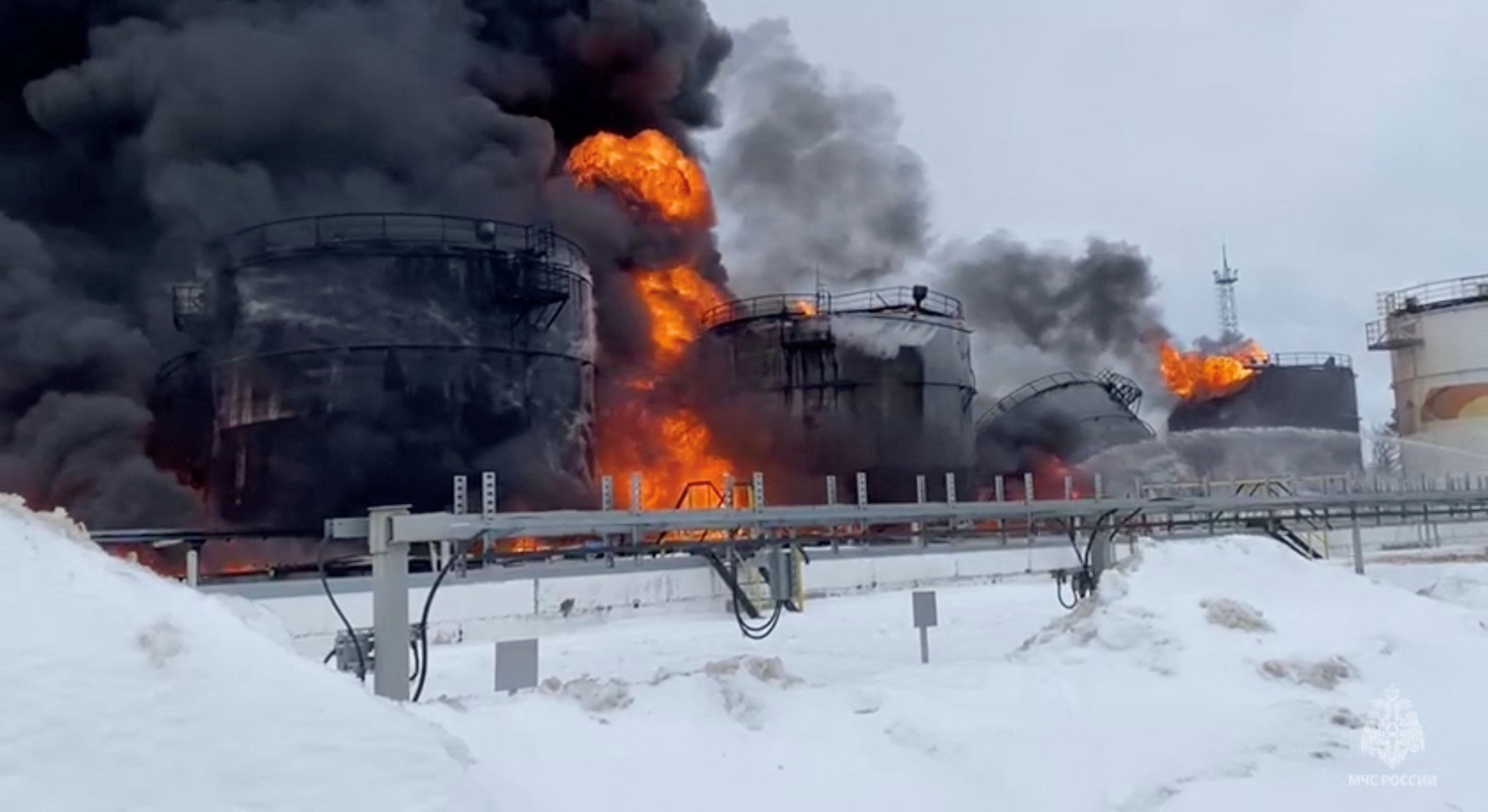
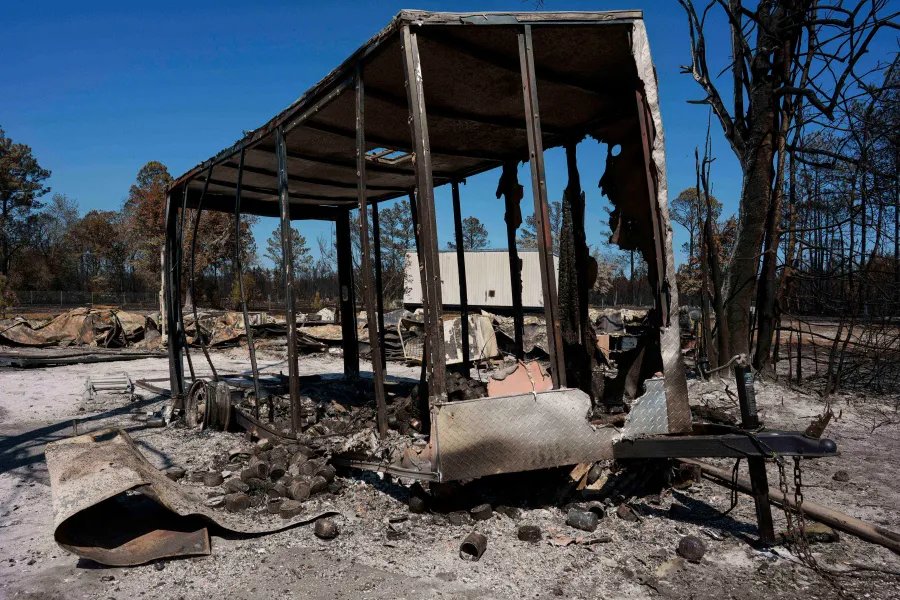
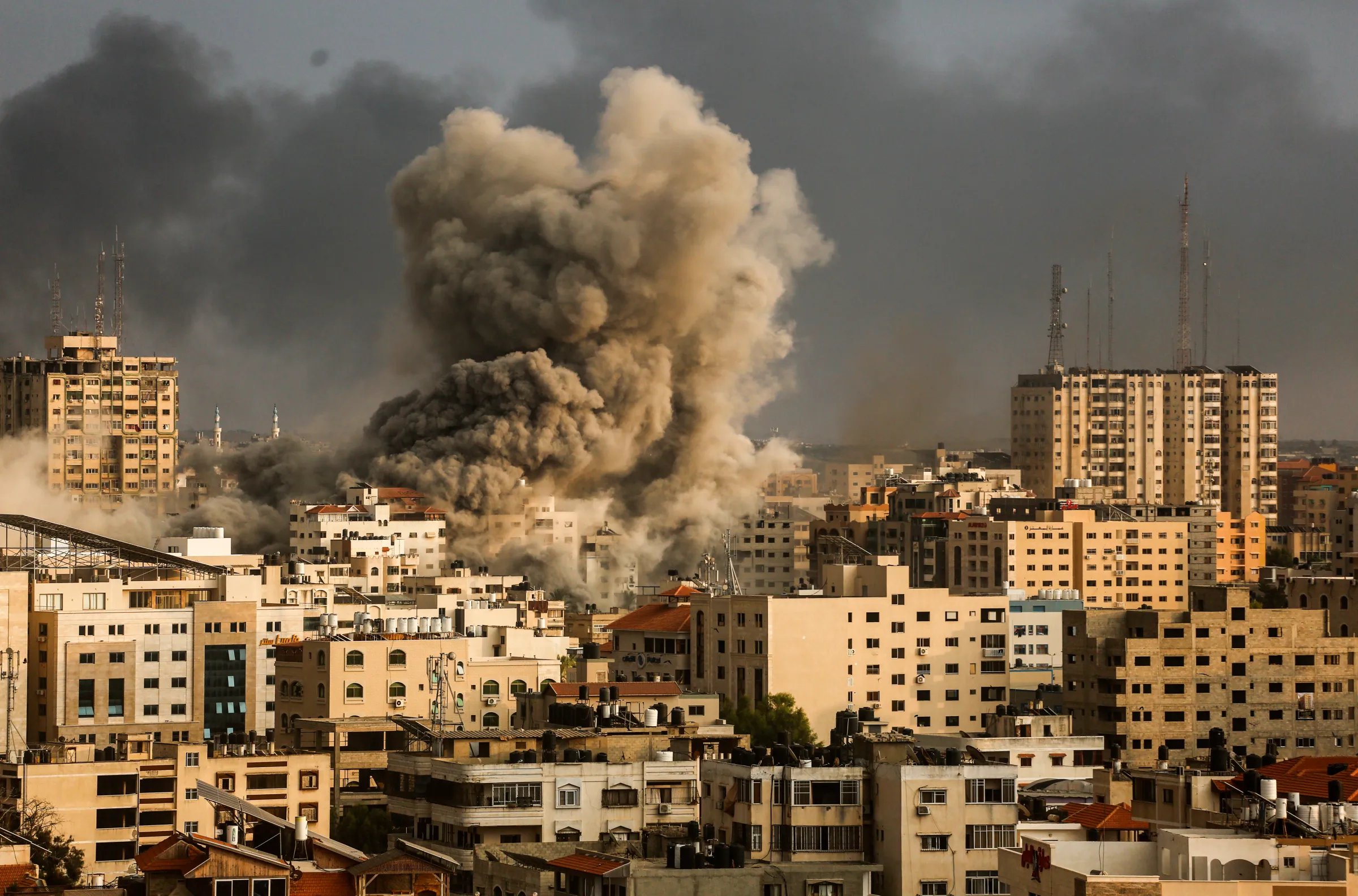
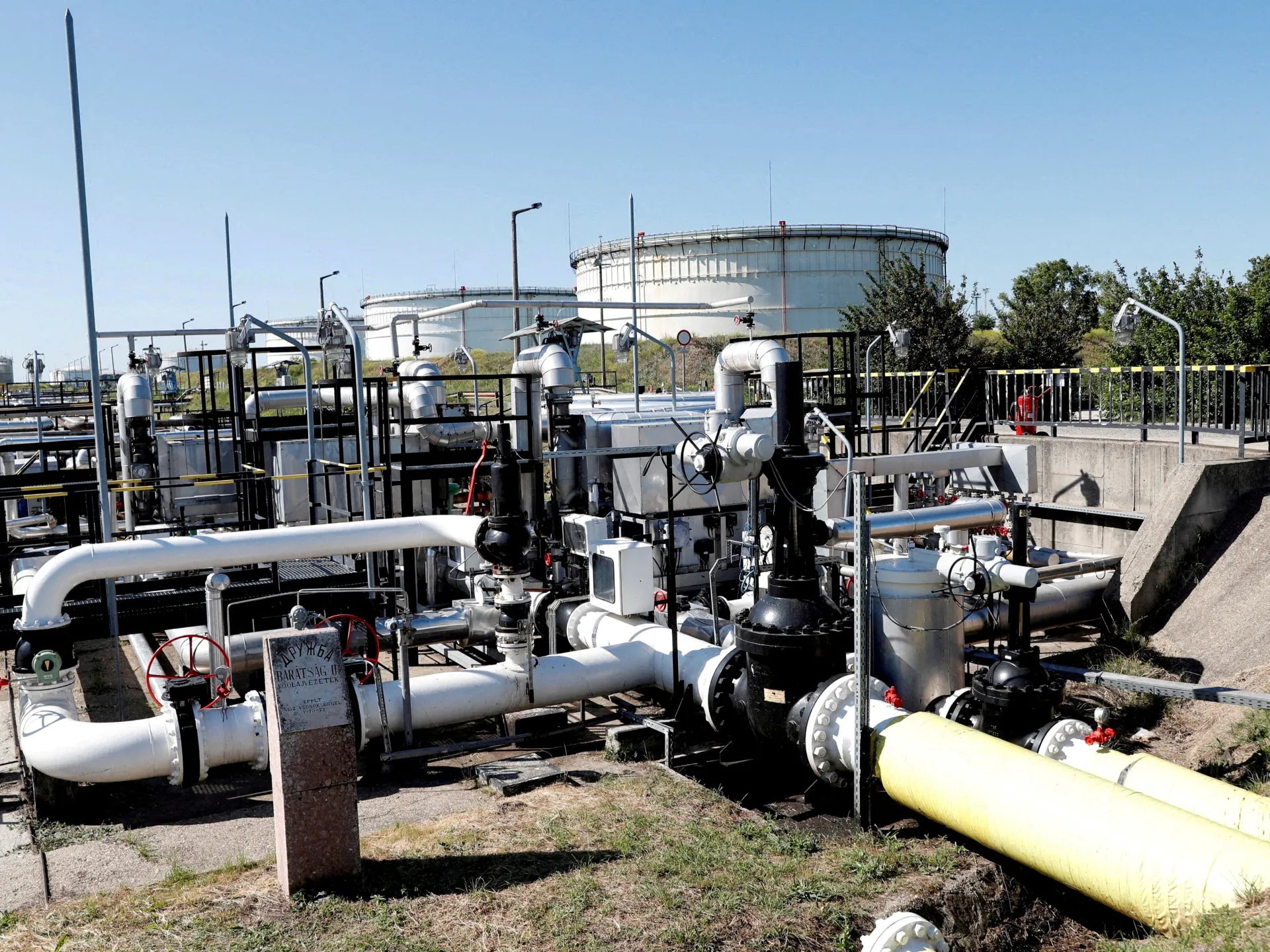
Even if ship traffic through the Strait of Hormuz went back to normal tomorrow, prices would stay high for weeks. It takes time to restart production in the oil fields in the Middle East that were forced to shut down because they had nowhere to put their crude. Rystad Energy has estimated that oil and gas facilities in the Middle East have suffered as much as $50 billion worth of damage from the war. Once everything is back up and running, it still takes time for tankers full of oil and fuel to travel around the world. If the strait reopened and a tanker left today, it would still be weeks before it arrived in Europe.
Shaw said the market has "effectively seized up" and "will take a long time for it to get back to a semblance of normality, even in the most optimistic scenario." The U.S. Energy Information Administration expects gas and diesel prices to remain higher than previously projected into 2027. In January, before the war began, the EIA anticipated national gas prices to average $2.95 per gallon in 2027. Now it projects gas prices will average $3.46 per gallon in 2027.
Developing nations will suffer most
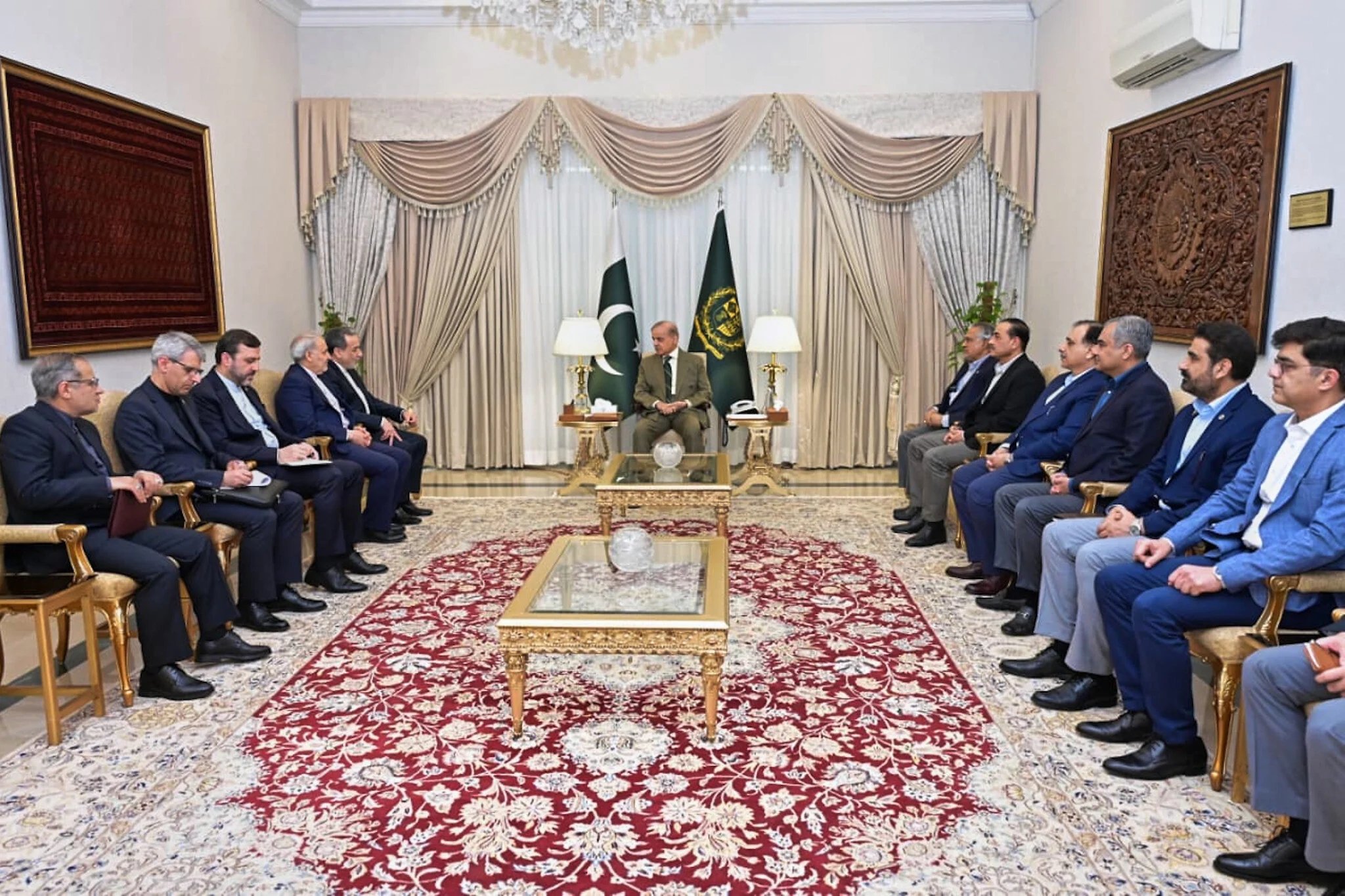
Birol warned that economic pain from the energy crisis will be felt unevenly. Japan, South Korea, India, China, Pakistan and Bangladesh are on the front line of the energy crisis. "The countries who will suffer the most will not be those whose voices are heard a lot," Birol said. "It will be mainly the developing countries. Poorer countries in Asia, in Africa and in Latin America."
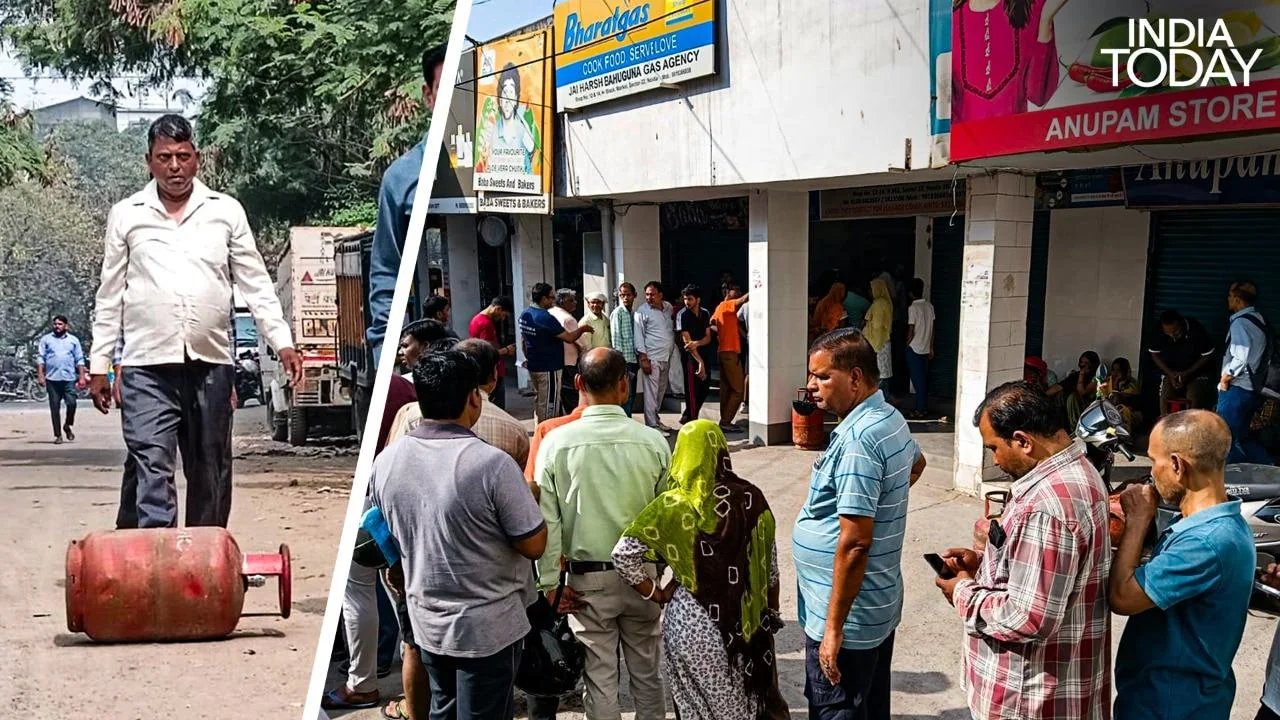
The impact will include higher petrol prices, higher gas prices and high electricity prices. In Asia, some countries have already begun rationing fuel and restricting exports to cope with the profound shock to fuel supplies.
American households feel immediate strain
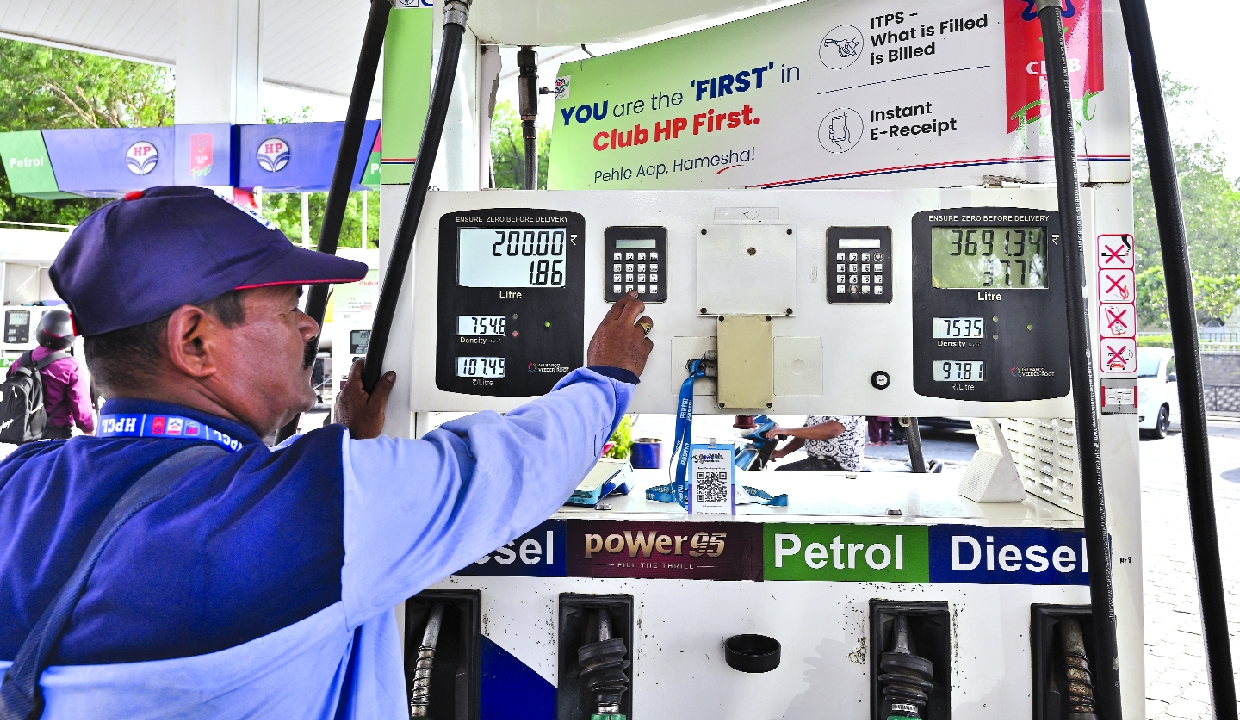
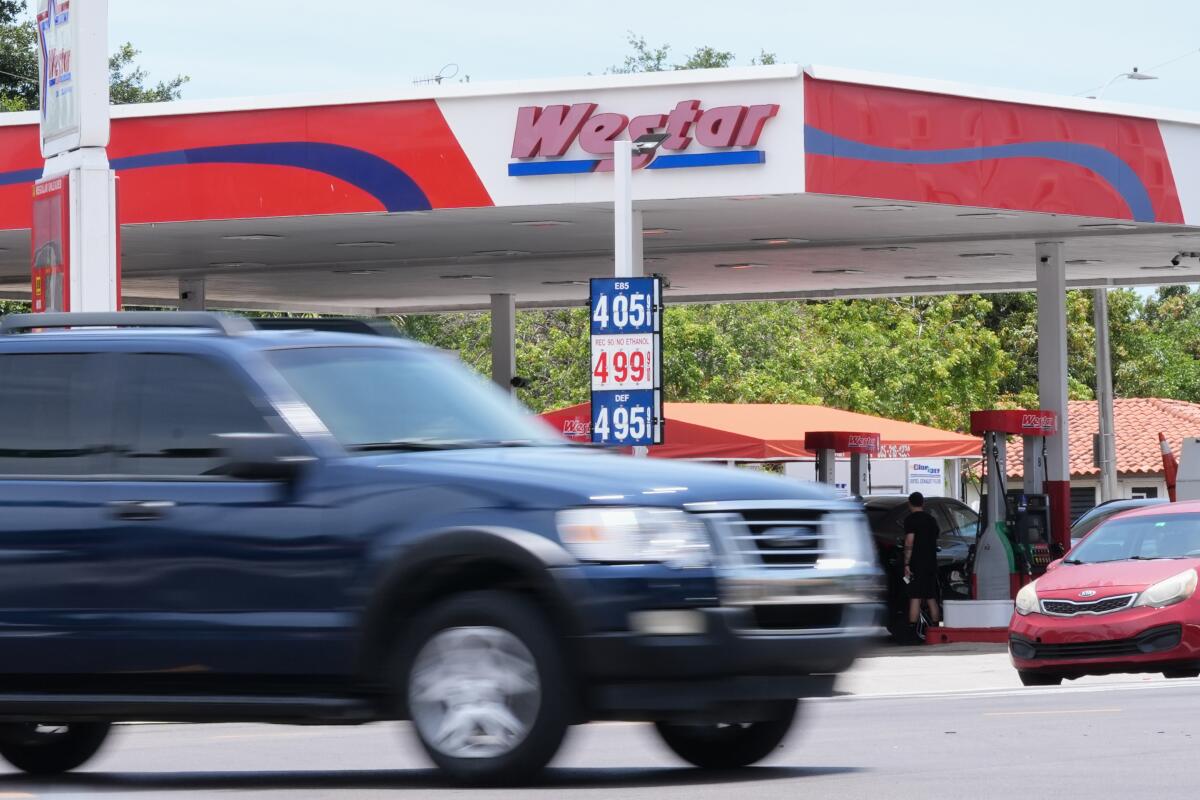
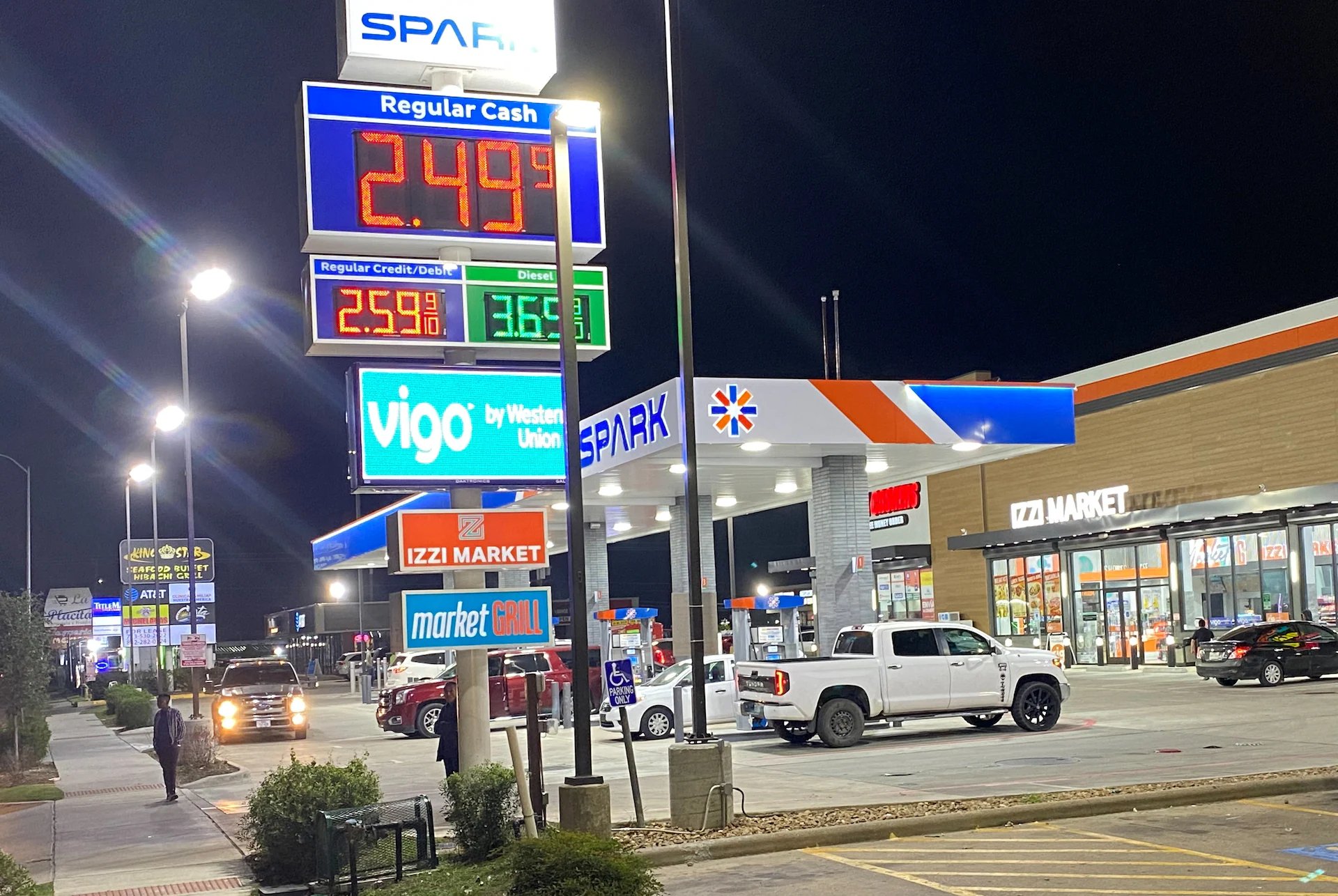
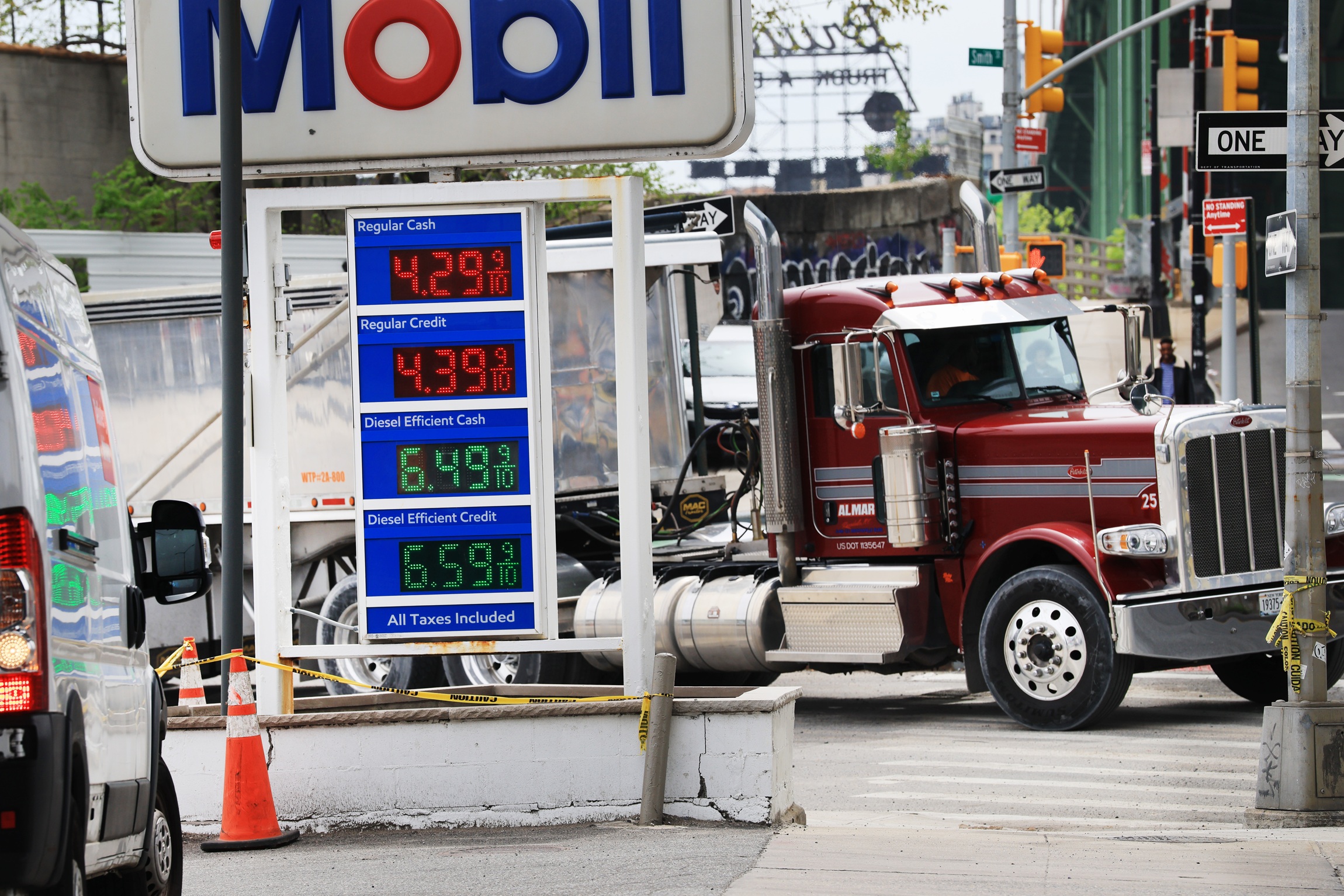
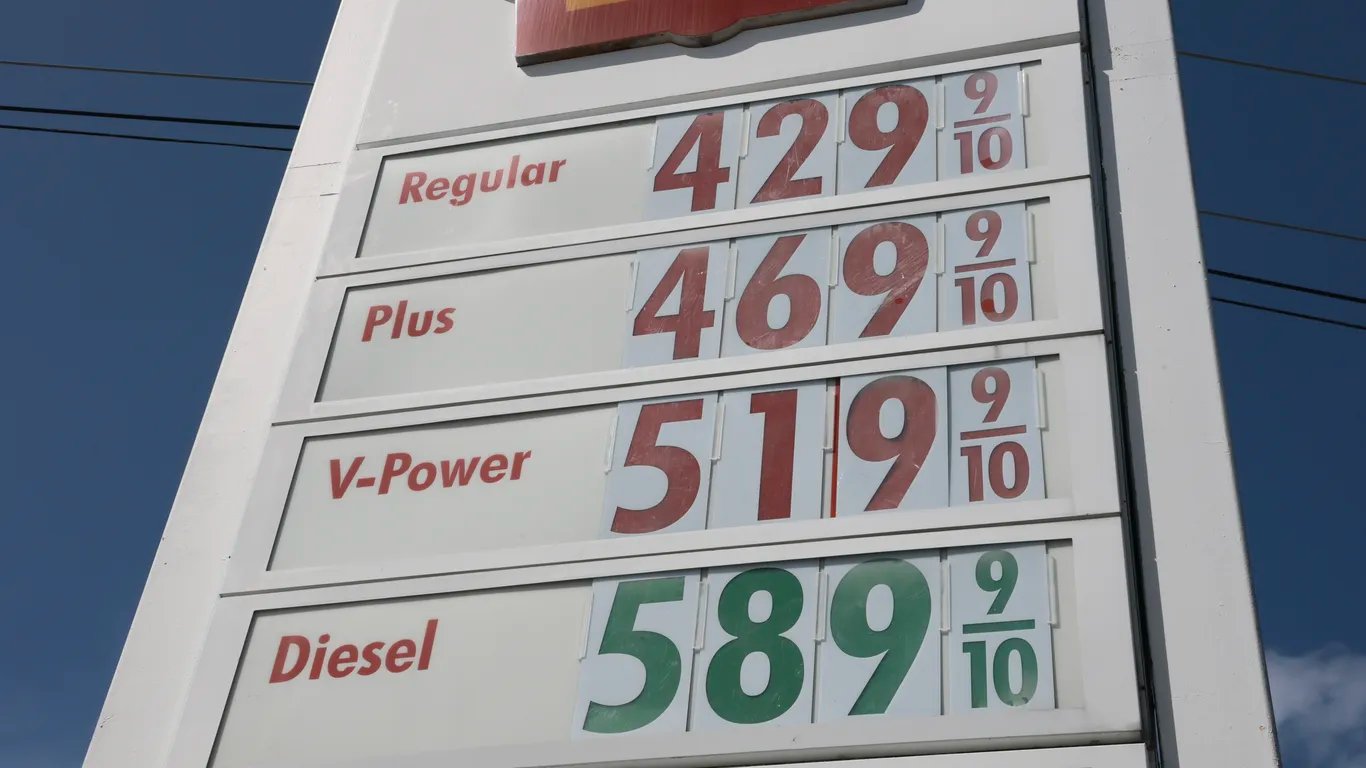
The average gas price in the U.S. was $4.11 per gallon, according to AAA, and 51% of respondents in a recent CBS News poll said gas prices have posed a financial hardship or been financially difficult for them. For some Americans, the increases have forced stark choices between essential needs.
Mandy, a 42-year-old mother in central Utah, said gas in her town rose from $2.70 a gallon to $4.19, making it difficult to visit one of her children, who has disabilities and lives in a group home two and a half hours away. "It was already expensive to go see her but now it's all but out of our budget, which is absolute anguish for her and me," she said.
Lisa, a 56-year-old living with disabilities on a tribal reservation in Oregon, said she and her caregiver have had to cut back trips to pick up necessary prescriptions. Because she lives in rural Oregon, basic necessities are 40 minutes away, and medical transportation has doubled up with ride-sharing, turning what used to be a four-hour trip into five to six hours.
Michael Adcox, a retired firefighter in Alabama, said the rising cost of fuel combined with broader inflation is exhausting his household. "I am a disabled retired firefighter and we are on an extremely tight fixed income," he said. "We are actually on the verge of homelessness."
Tax relief proposals face skepticism
Only a few states have taken steps to mitigate their motor fuel taxes since the conflict in the Middle East began. Georgia became the first state to suspend its motor fuel tax last month, with Republican Gov. Brian Kemp signing a 60-day suspension on the state's 33-cent-per-gallon gas tax and 37-cent-per-gallon diesel tax. Georgia House Speaker Jon Burns said the gas tax suspension would save drivers "nearly $400 million over the next 60 days." On April 8, Indiana's Republican Gov. Mike Braun issued an executive order for a 30-day suspension of that state's 7% gasoline sales tax. Utah temporarily reduced its state fuel tax by 6 cents on the gallon.
Most states have been hesitant to suspend their taxes, even as drivers feel pain at the pump. The average state gas tax is 32.6 cents per gallon, according to the U.S. Energy Information Administration. Tax policy experts say suspending state and federal motor fuel taxes would not be as effective in lowering prices at the pump as one might think.
Carl Davis, research director at the Institute on Taxation and Economic Policy, called tax suspensions "an expensive gimmick." A 2022 Penn Wharton study analyzing temporary fuel tax holidays in Maryland, Georgia and Connecticut found that drivers saw only a portion of the tax cut. In Maryland, 72% of the tax cut was passed on to consumers. In Georgia and Connecticut, the figure was 62% and 71% respectively. The rest was presumed to be absorbed by fuel wholesalers or distributors.
Gas taxes are essentially a "user fee" for roadways—the people using the roads are the ones who pay the taxes and benefit from them. The Institute on Taxation and Economic Policy estimates Georgia will lose about $399 million in revenue over its 60-day suspension, and that the bottom 60% of earners in Georgia will save only $13 a month. Without the taxes, road improvement projects could be placed on hold or significantly delayed, and potholes may go unfilled.