
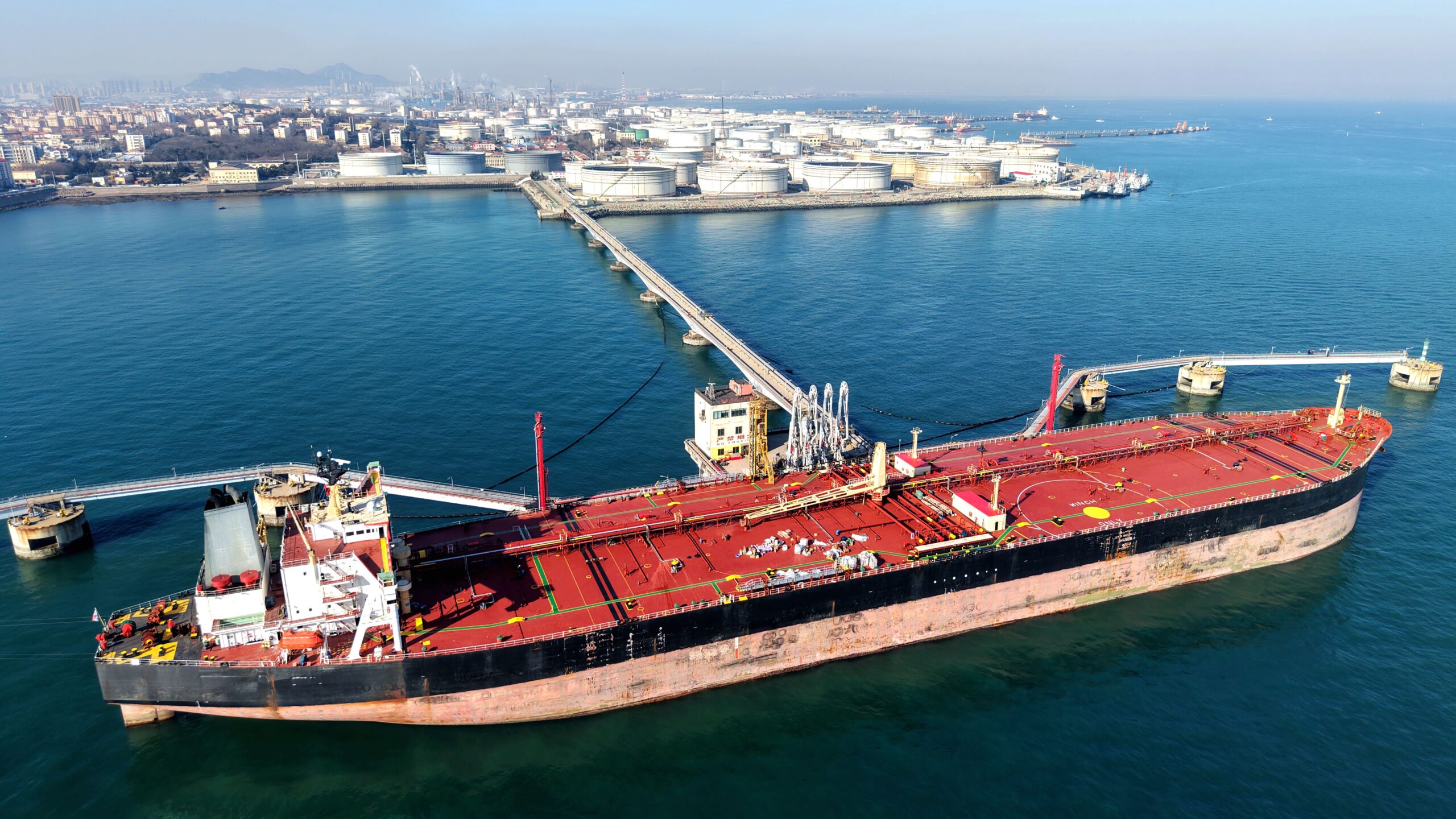





Price Increases Driven by Geopolitical Conflict
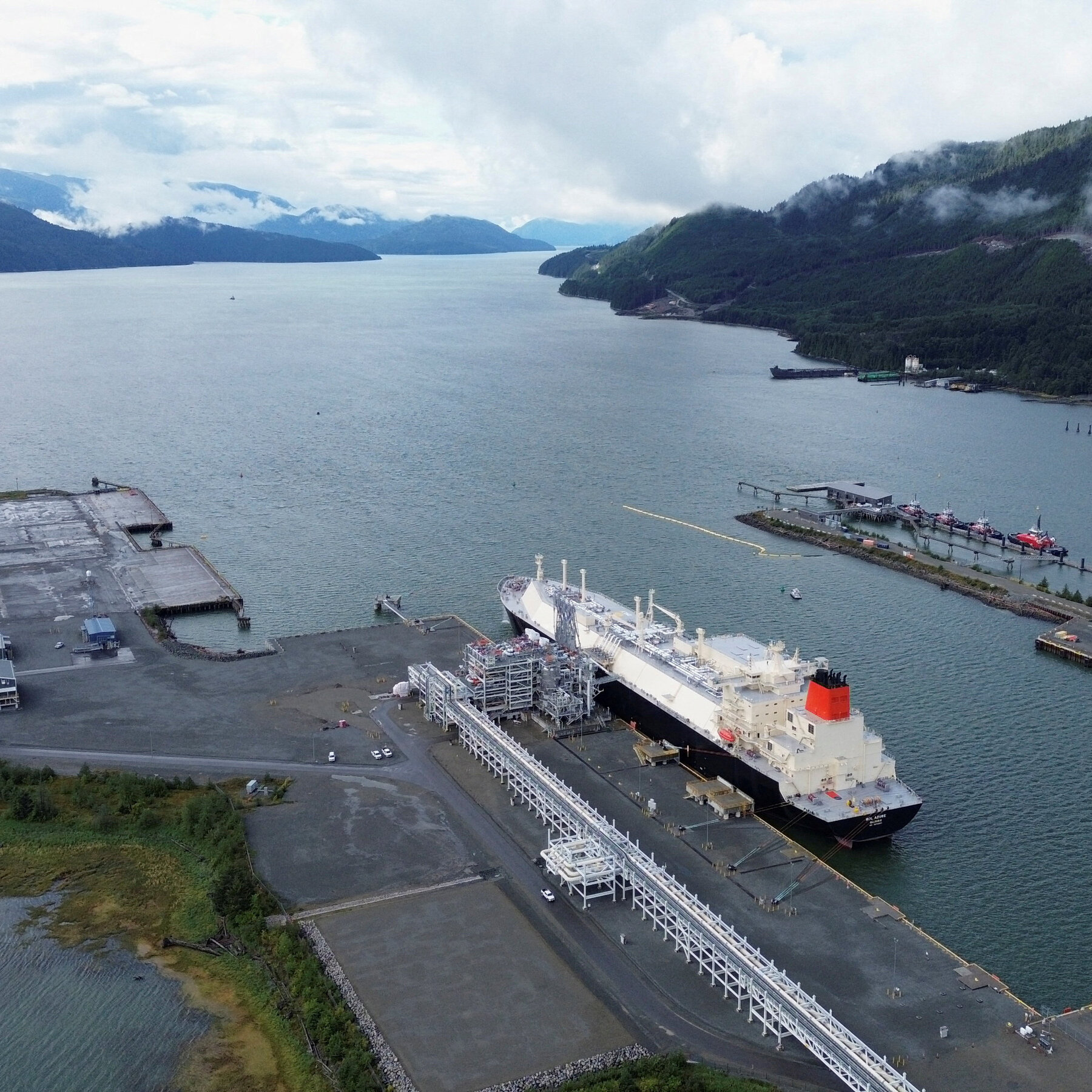
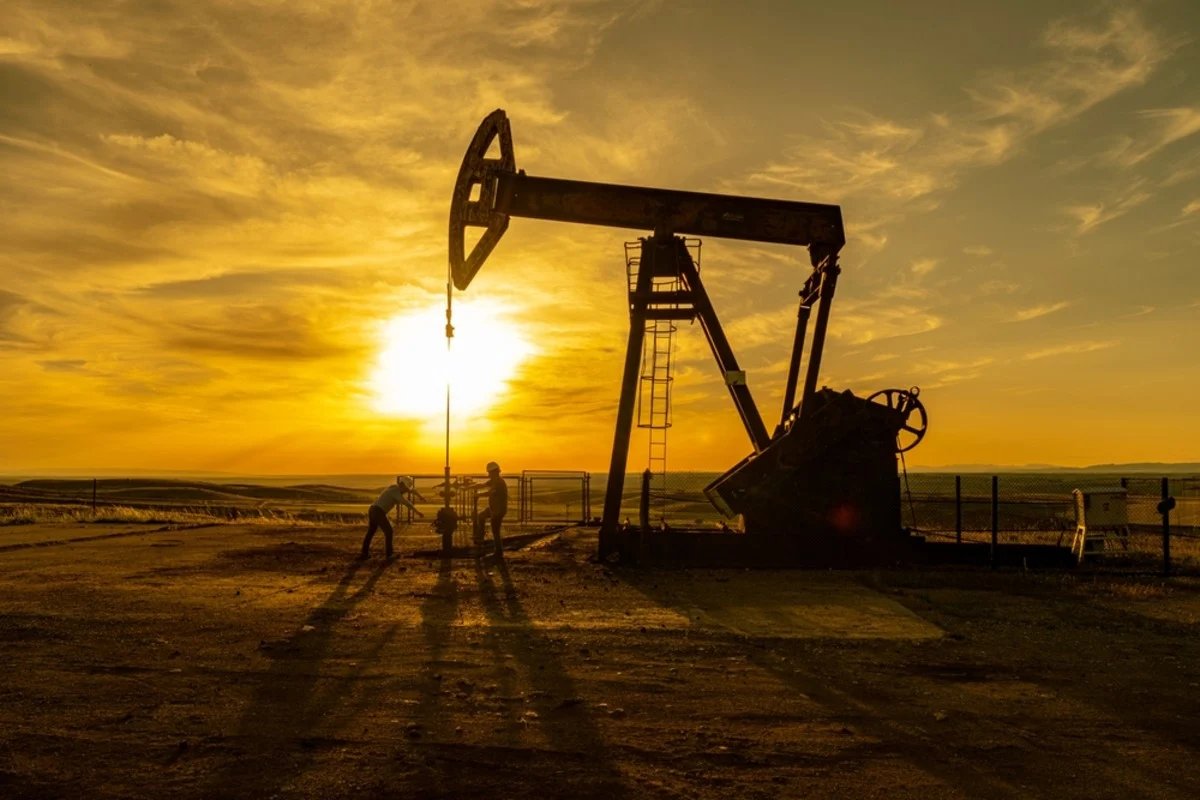
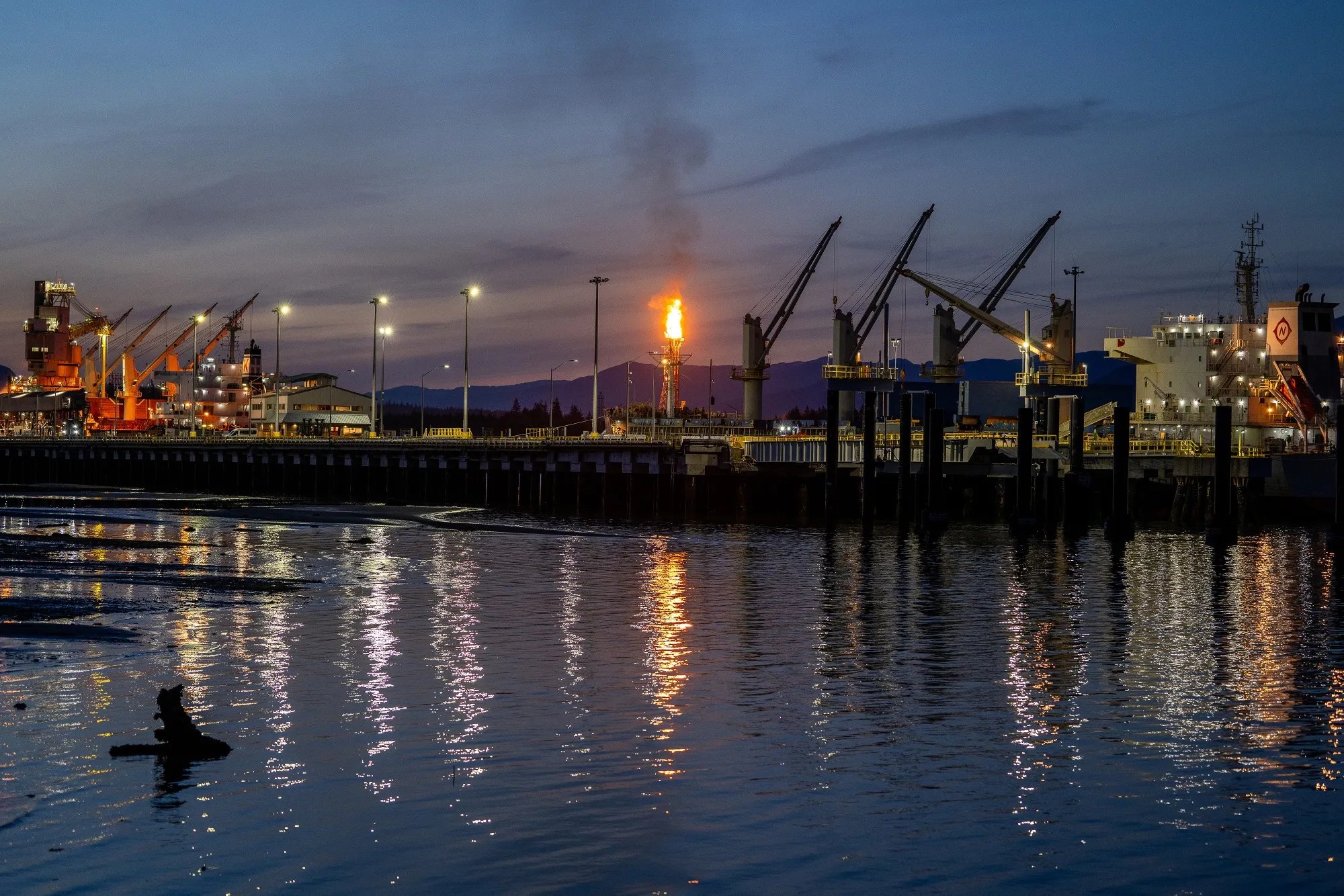
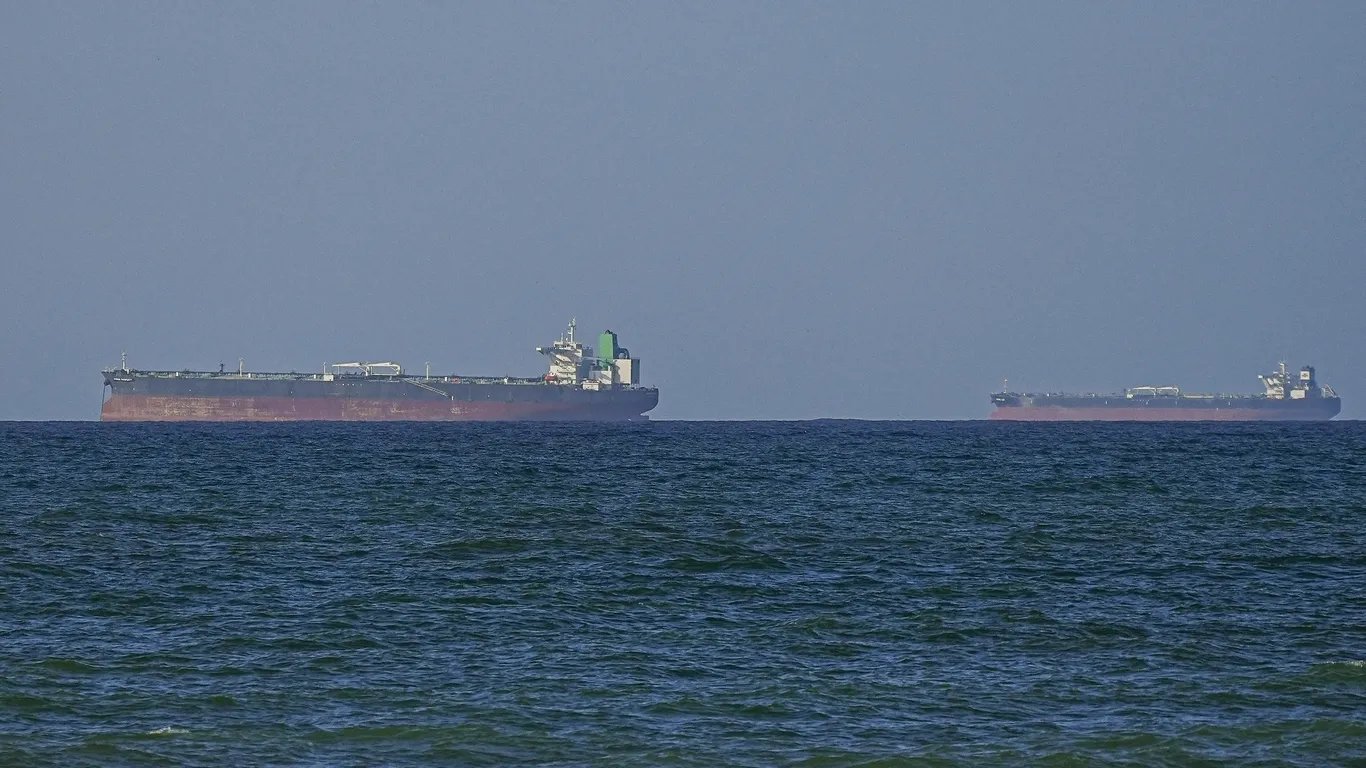
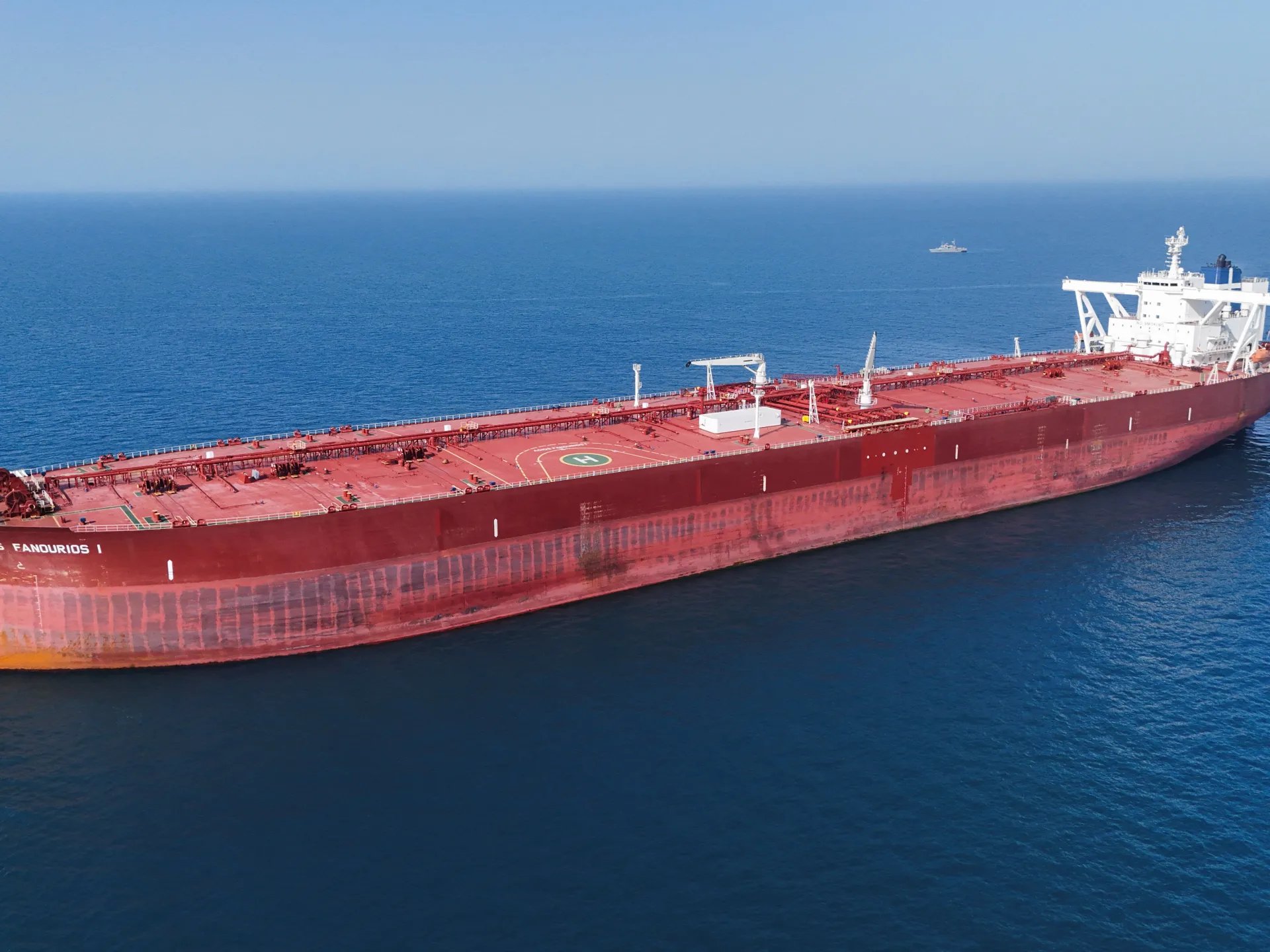
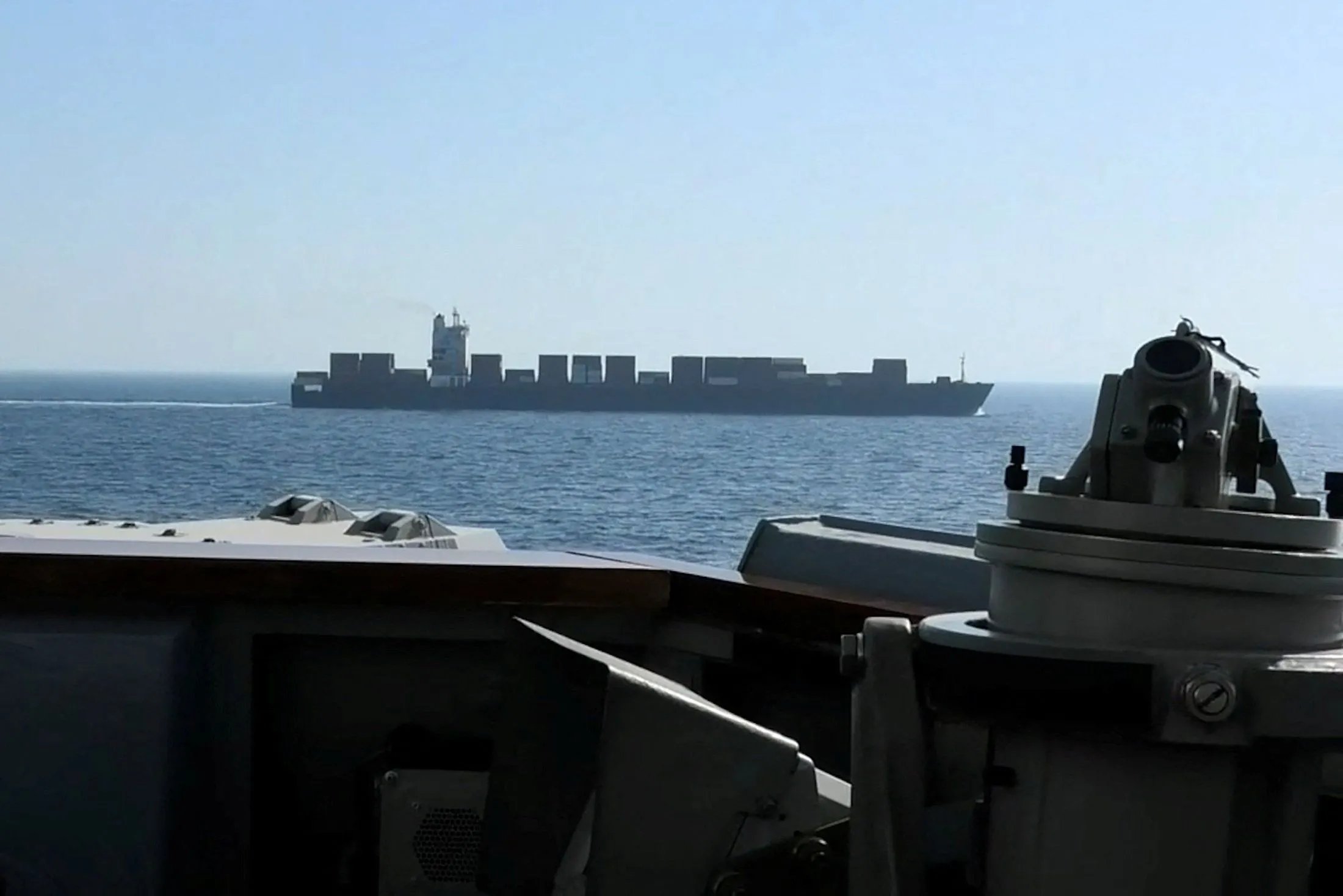
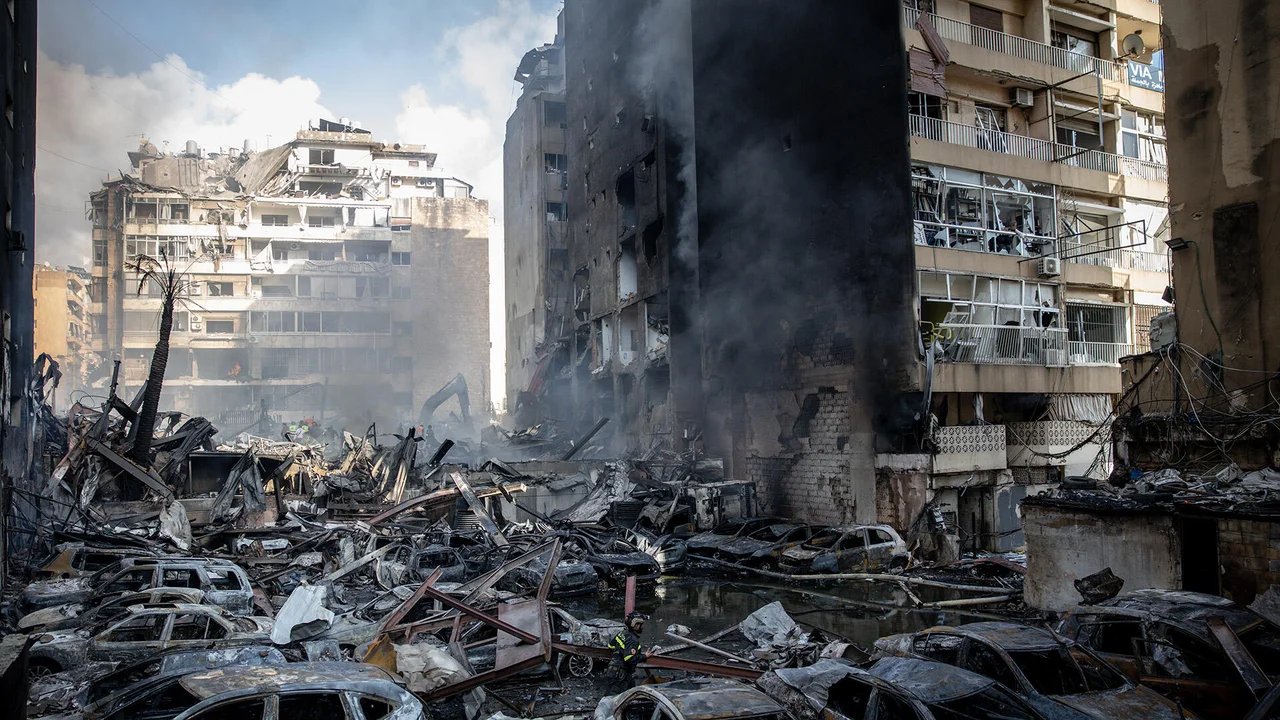
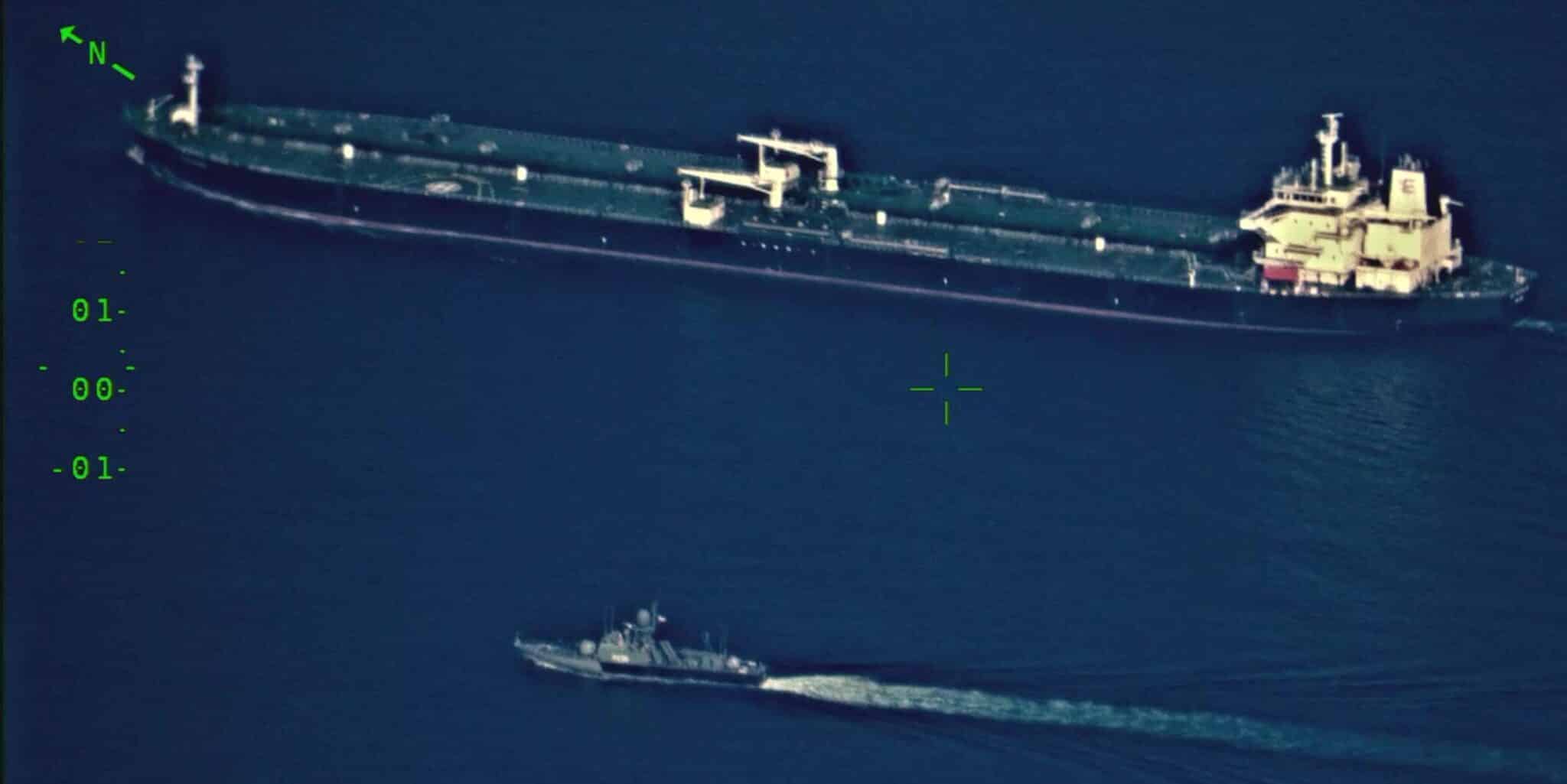
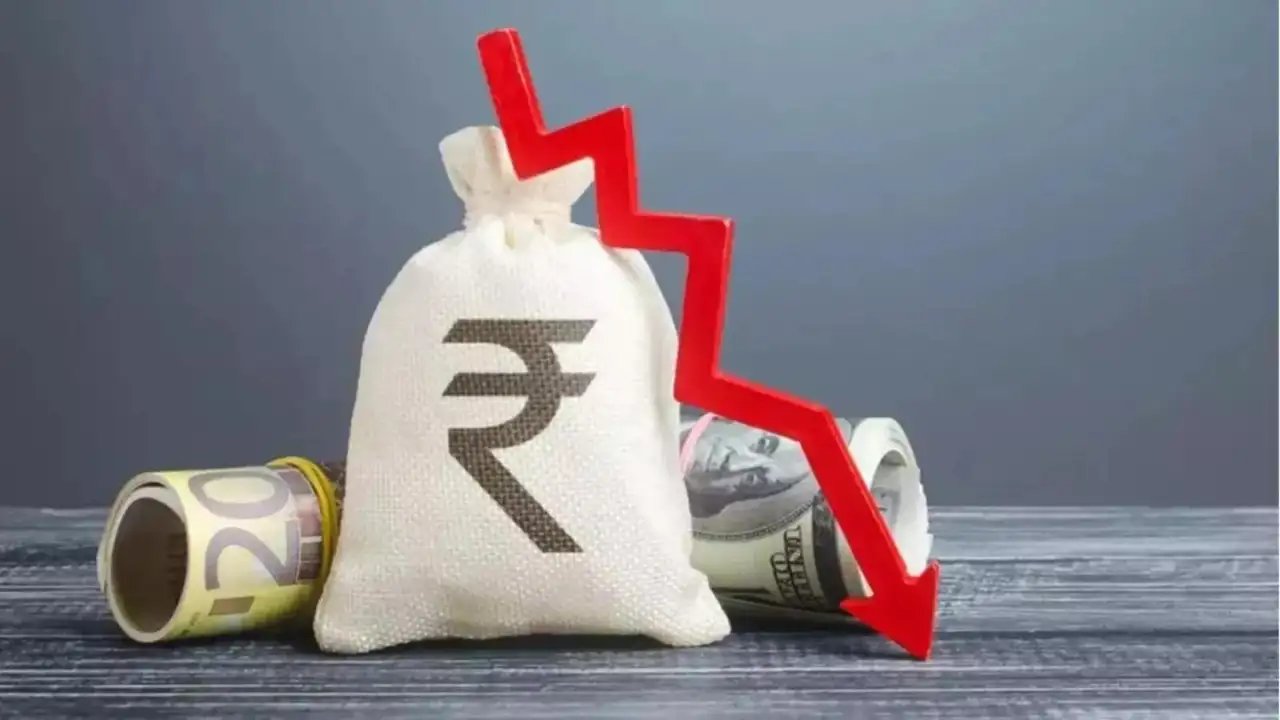
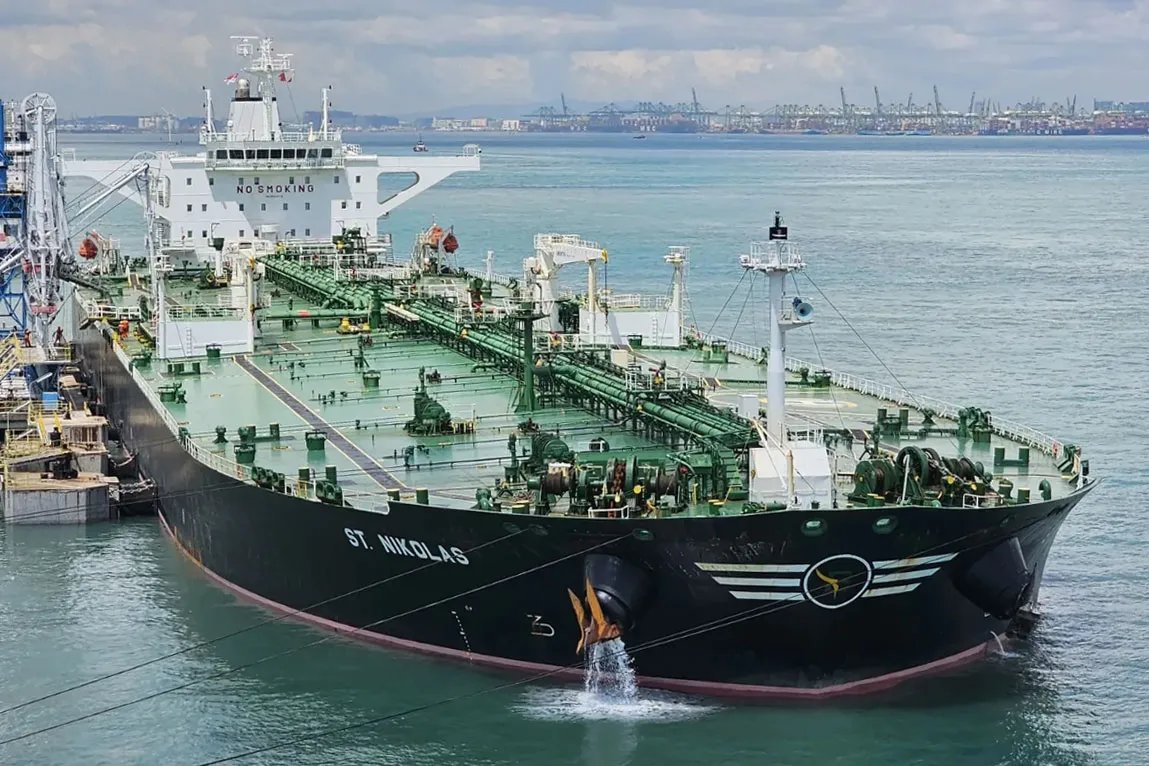
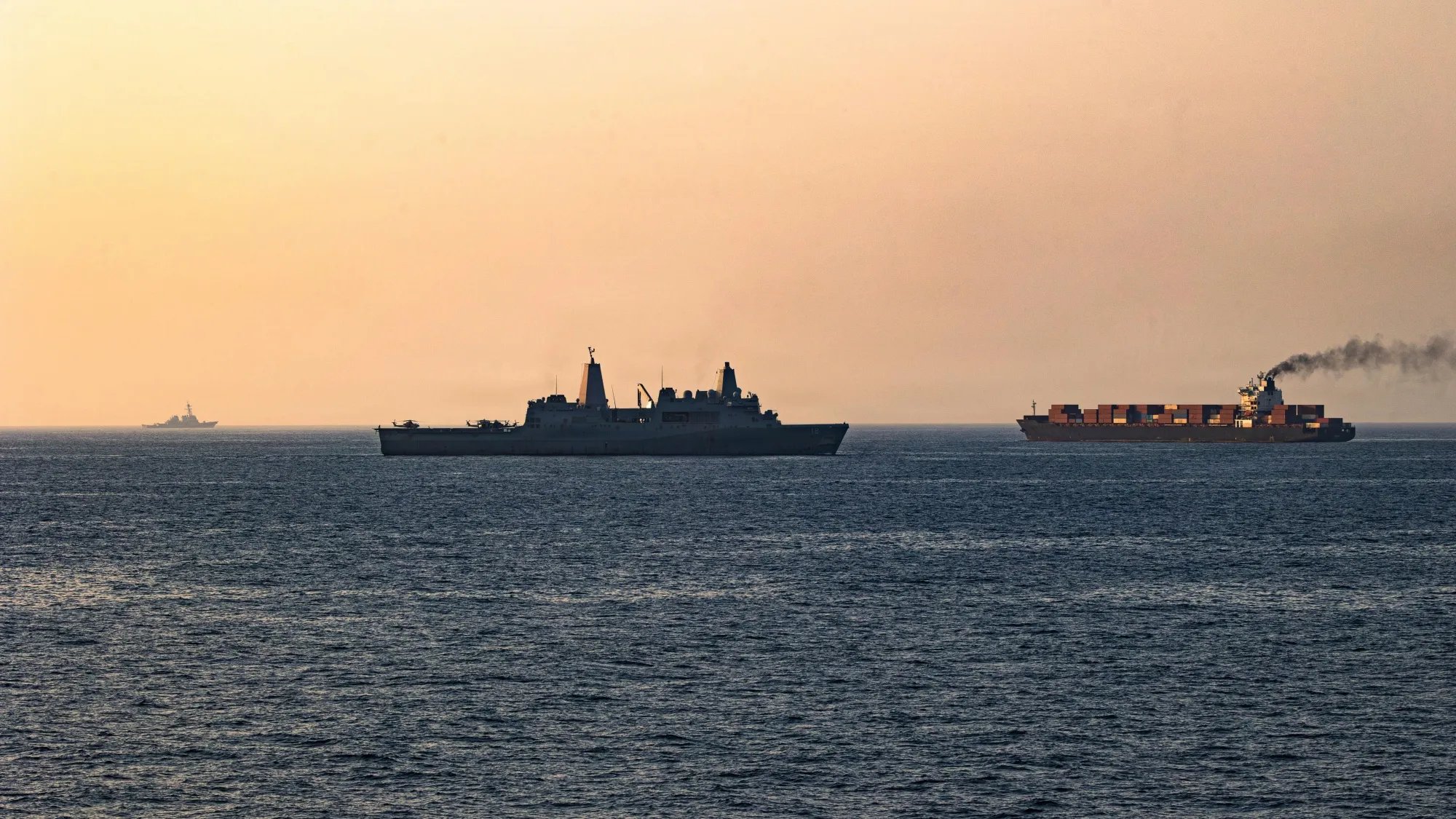
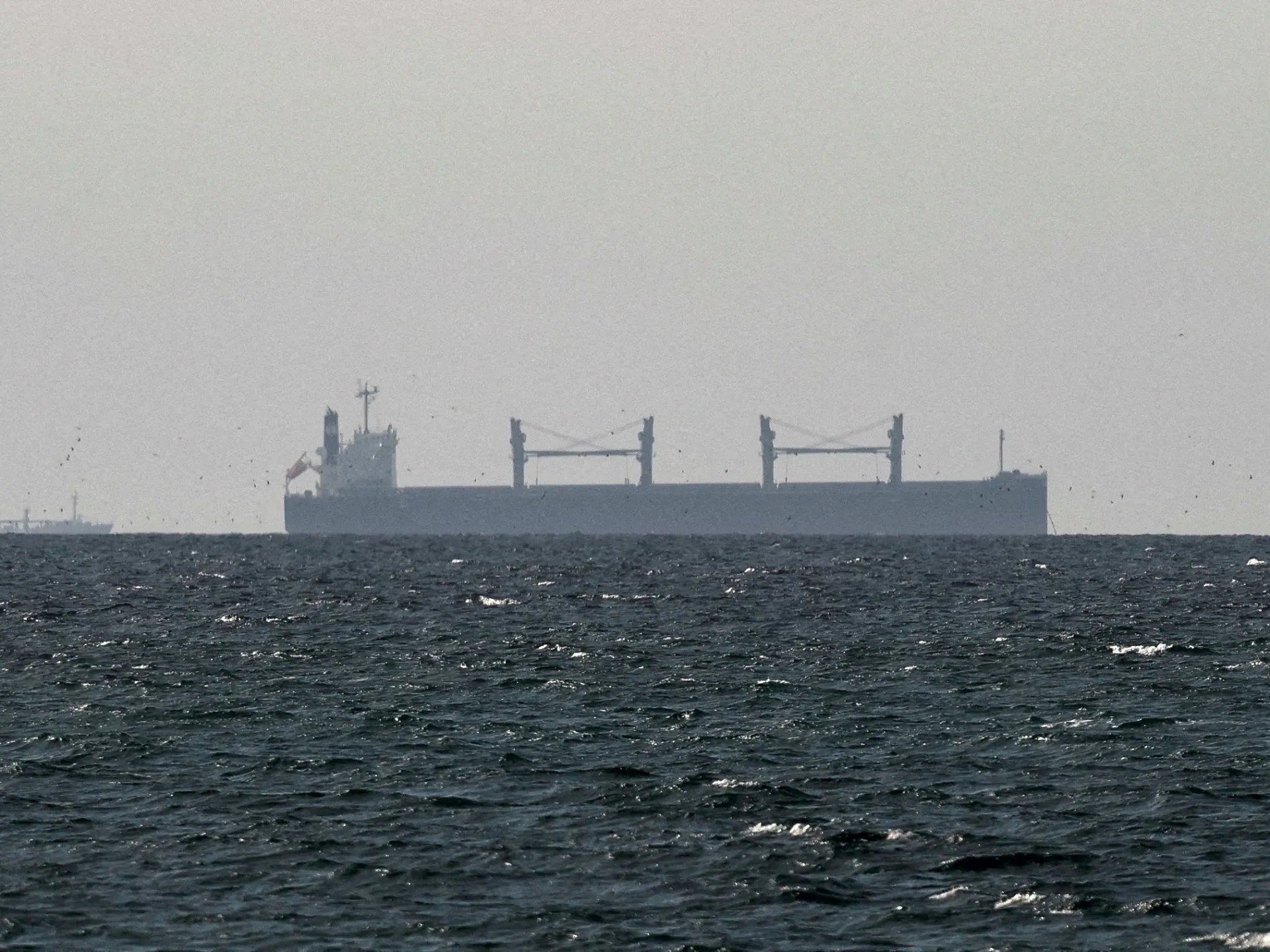
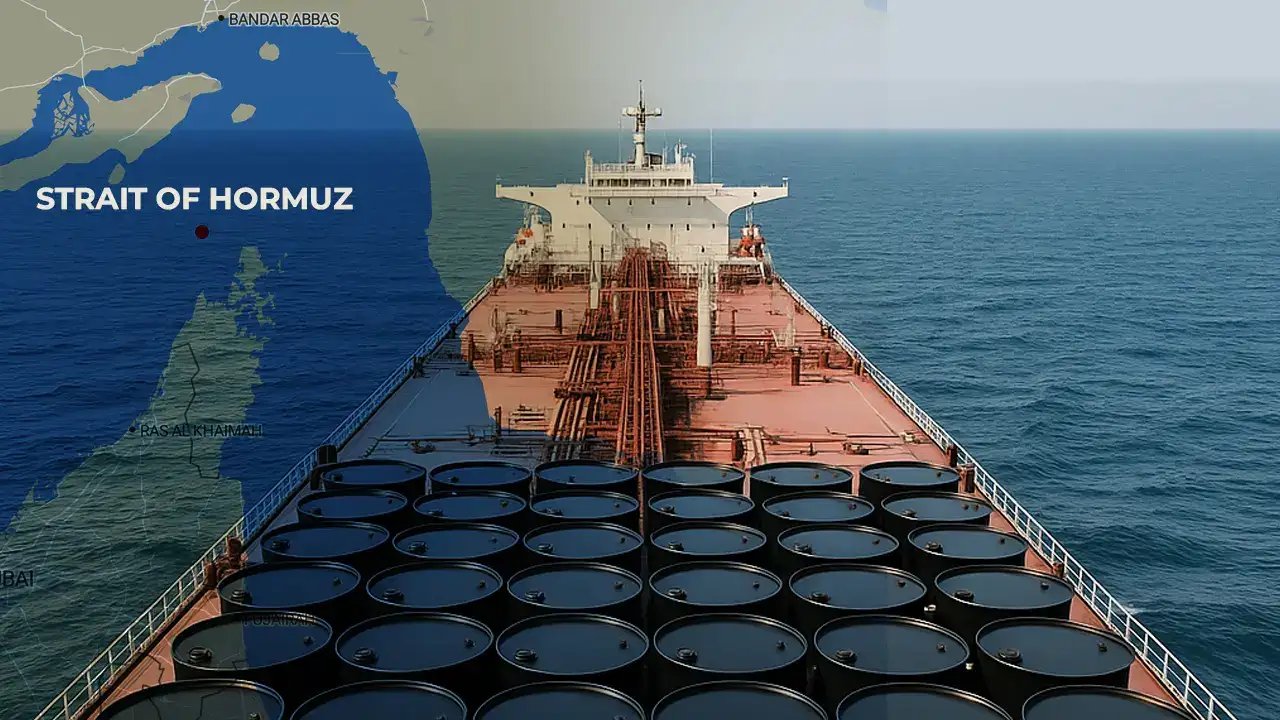
Oil prices surged significantly following recent military actions between the United States and Iran. Brent crude rose by 3.75% to $97.83 a barrel, while U.S.-traded crude climbed 4% to $92.22. The escalation in hostilities has raised concerns about the stability of the Strait of Hormuz, a vital shipping lane through which approximately 20% of the world's oil and liquefied natural gas supplies pass.
U.S. Military Actions Spark Market Reaction
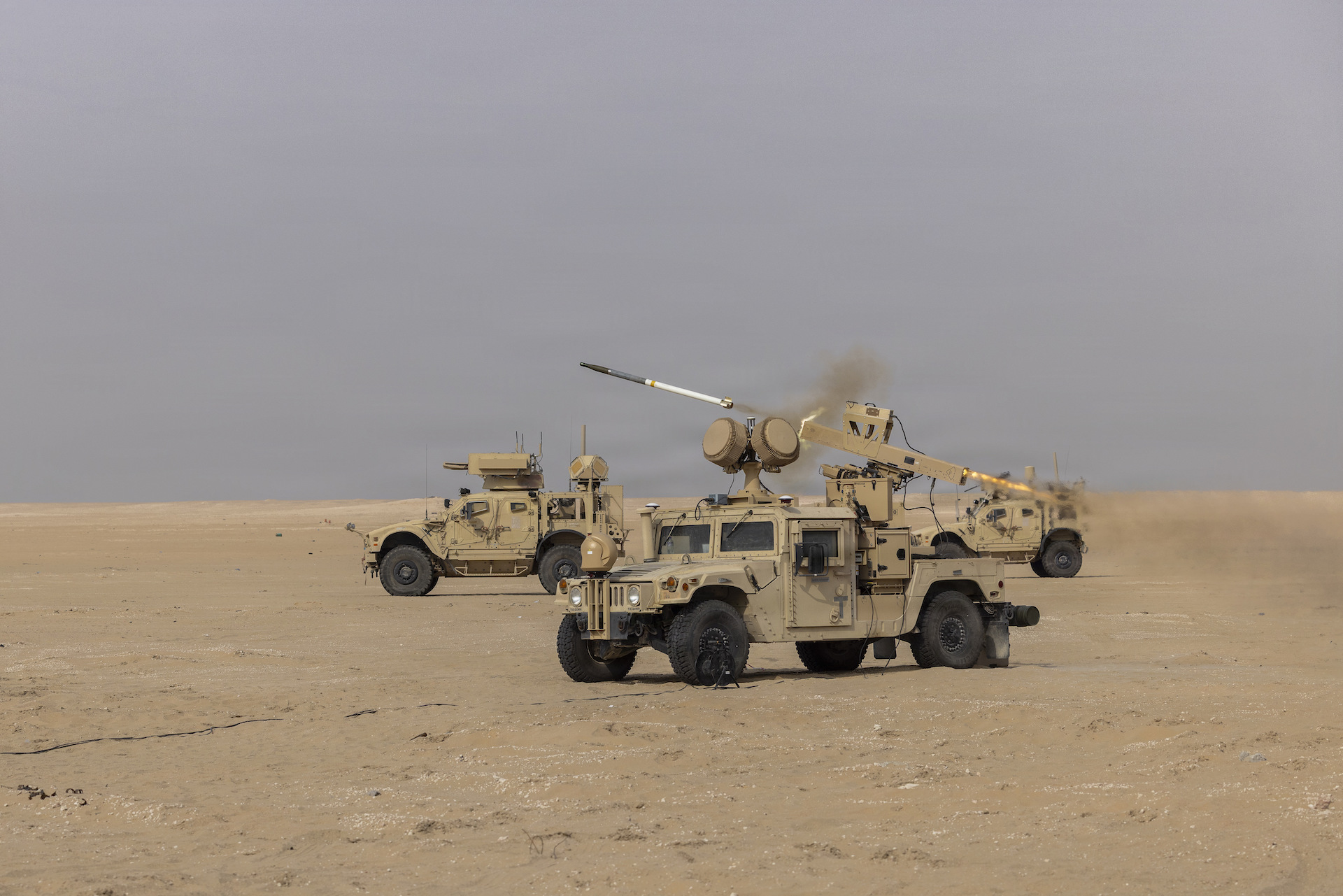
The U.S. Central Command announced that it shot down four Iranian drones, citing them as threats around the Strait of Hormuz.
Iran's Response to U.S. Aggression
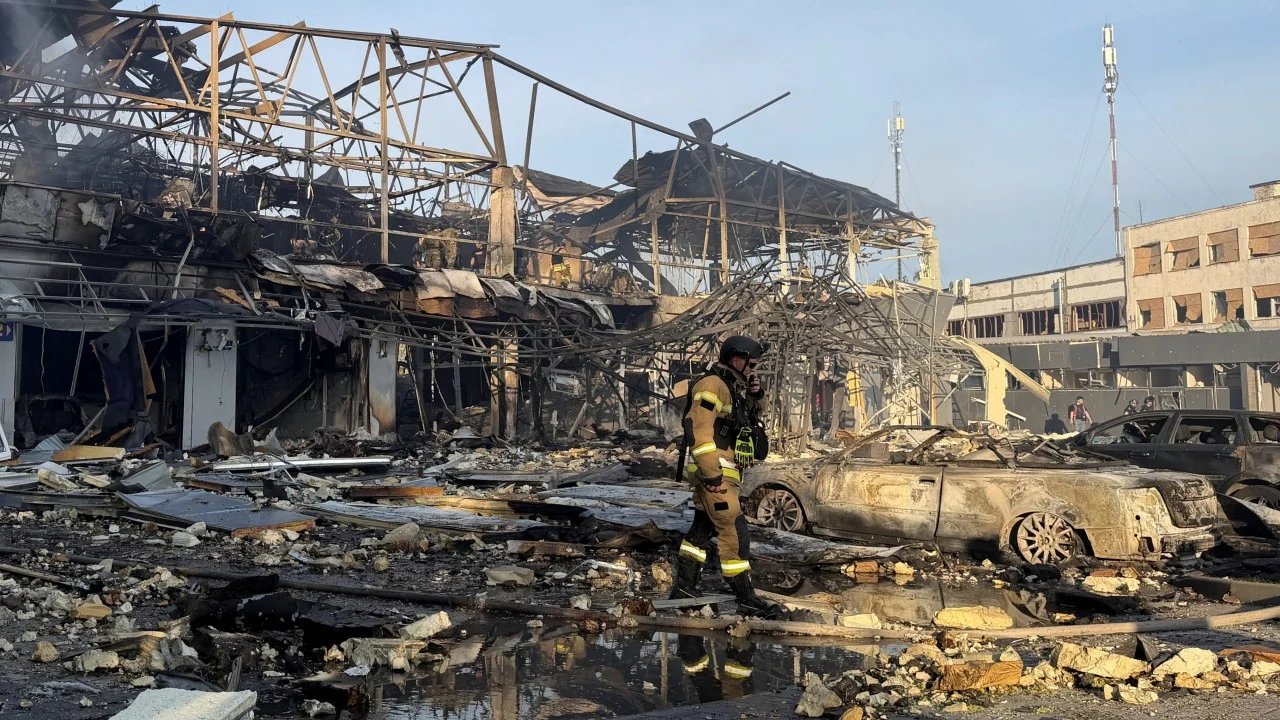
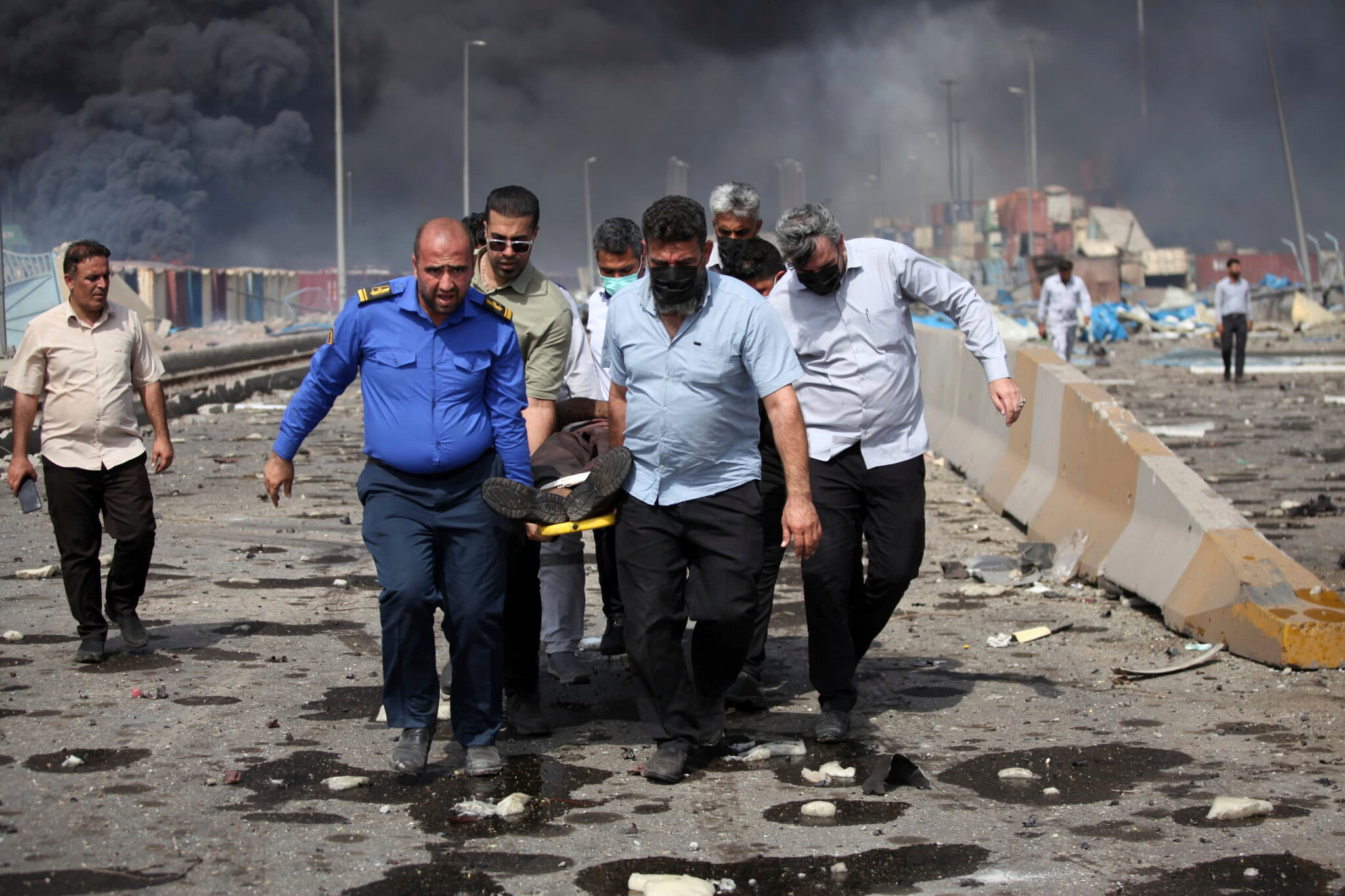
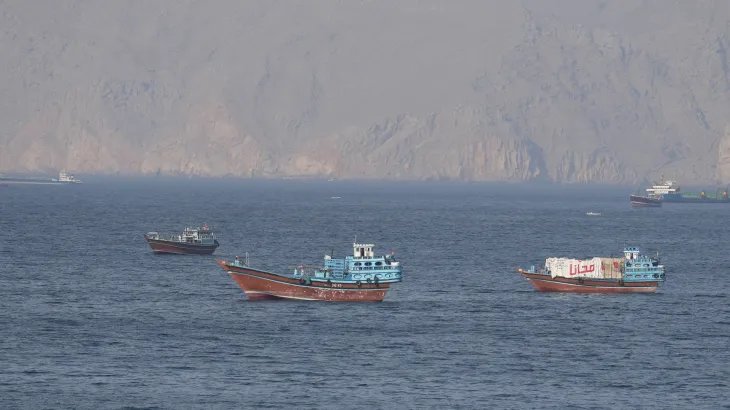
Iran has condemned the U.S. military strikes, labeling them a "grave violation of the ceasefire" and promising to respond to any acts of hostility. The Iranian government has threatened to attack vessels navigating the Strait of Hormuz, further heightening tensions in the region. These developments have contributed to a volatile oil market, with prices swinging dramatically since the conflict began.
Consumer Impact and Global Economic Concerns
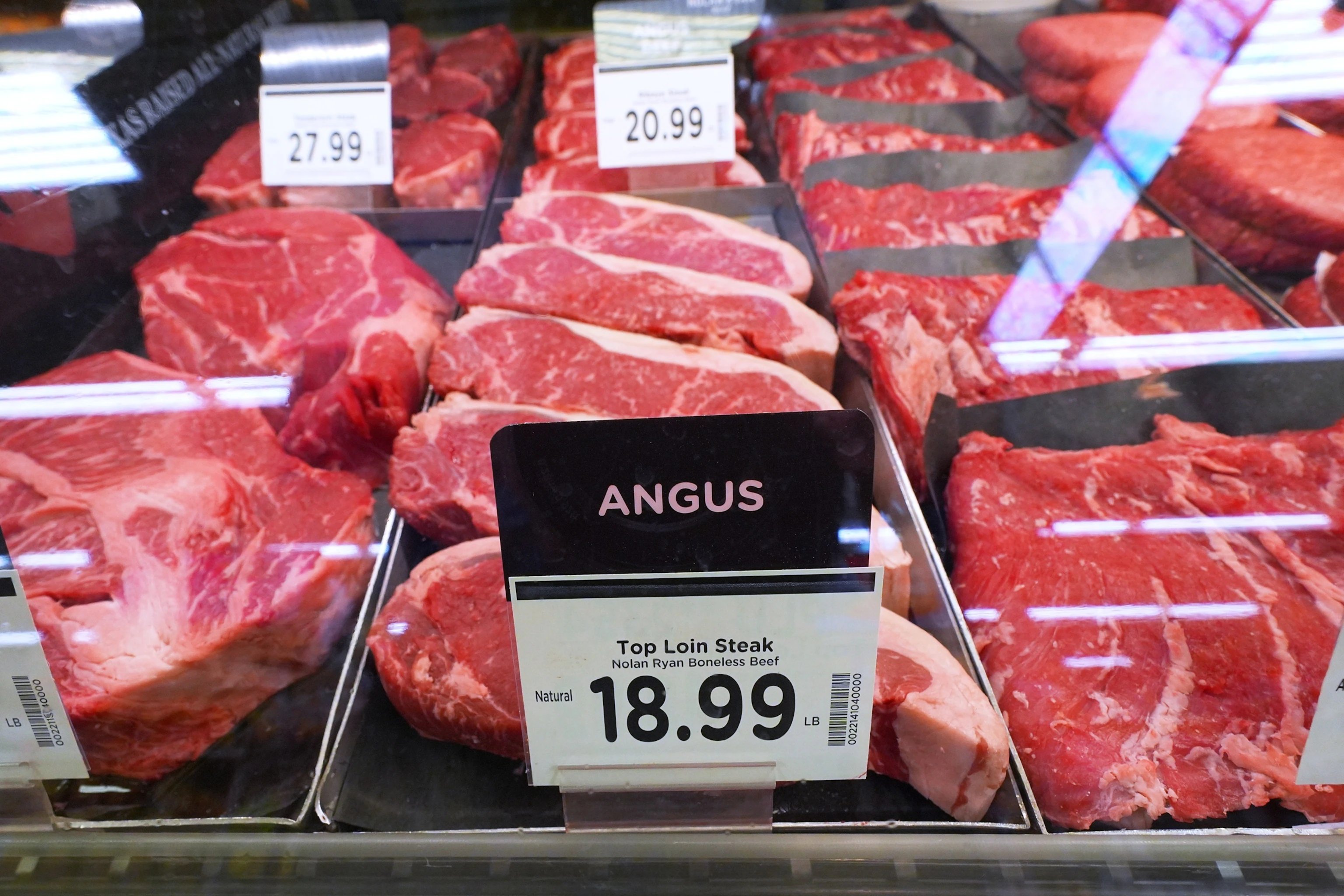
The conflict's repercussions extend beyond oil prices, as rising costs are expected to affect everyday goods. Companies are increasing prices by 3-7% on essential items, including groceries and personal care products. Companies are grappling with soaring input costs due to the conflict, which is pressuring them to raise retail prices and potentially reduce product sizes.
The Broader Implications of Oil Price Fluctuations
With the oil market in turmoil, global energy prices have experienced wild fluctuations. Before the conflict, Brent crude was trading closer to $70 a barrel. The uncertainty surrounding the U.S.-Iran negotiations and the stability of the Strait of Hormuz continues to loom large over market forecasts, prompting traders to remain vigilant.
Future Outlook Amid Ongoing Tensions
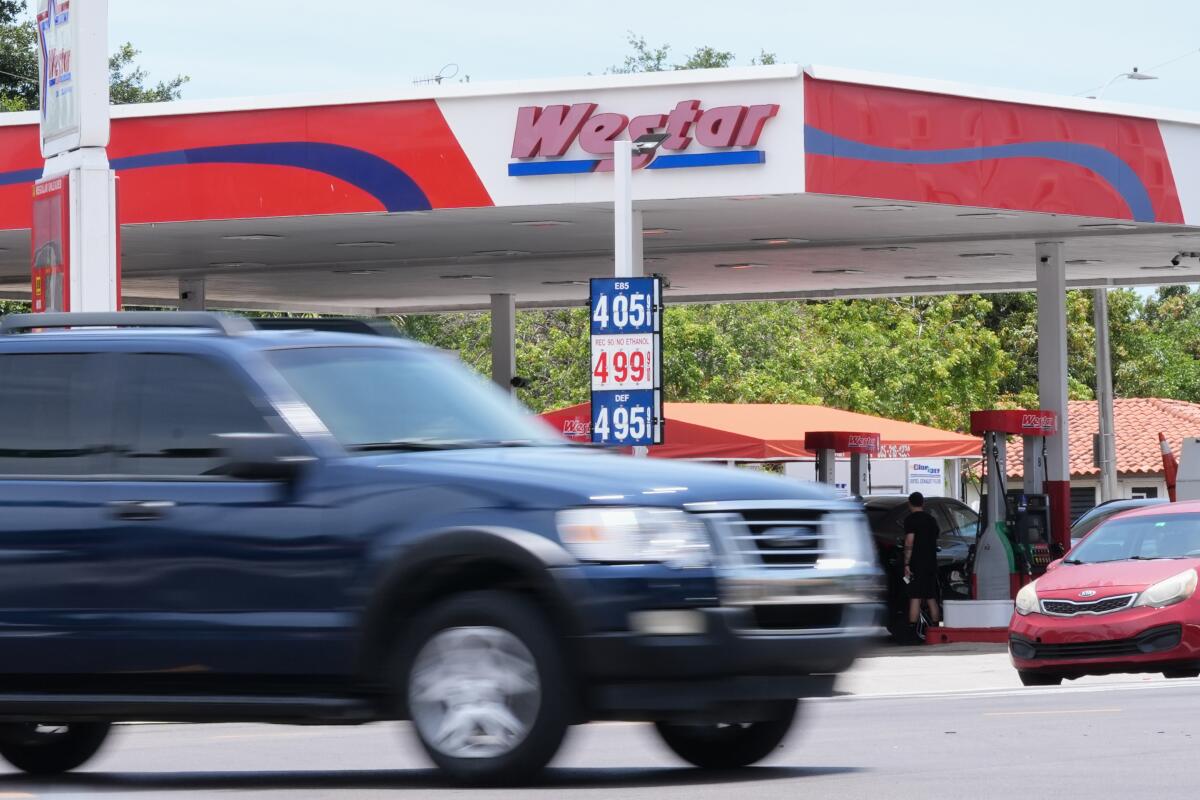
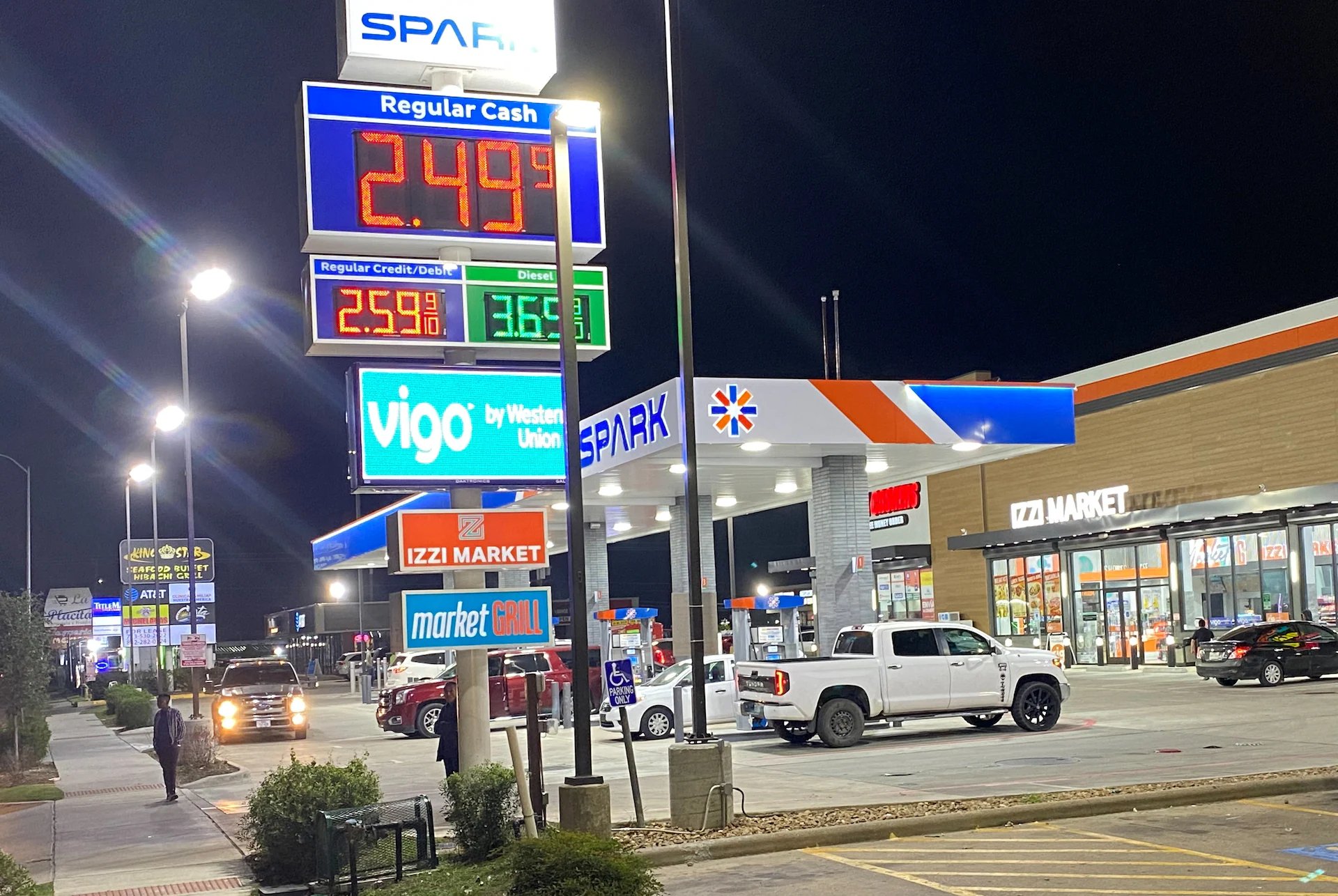
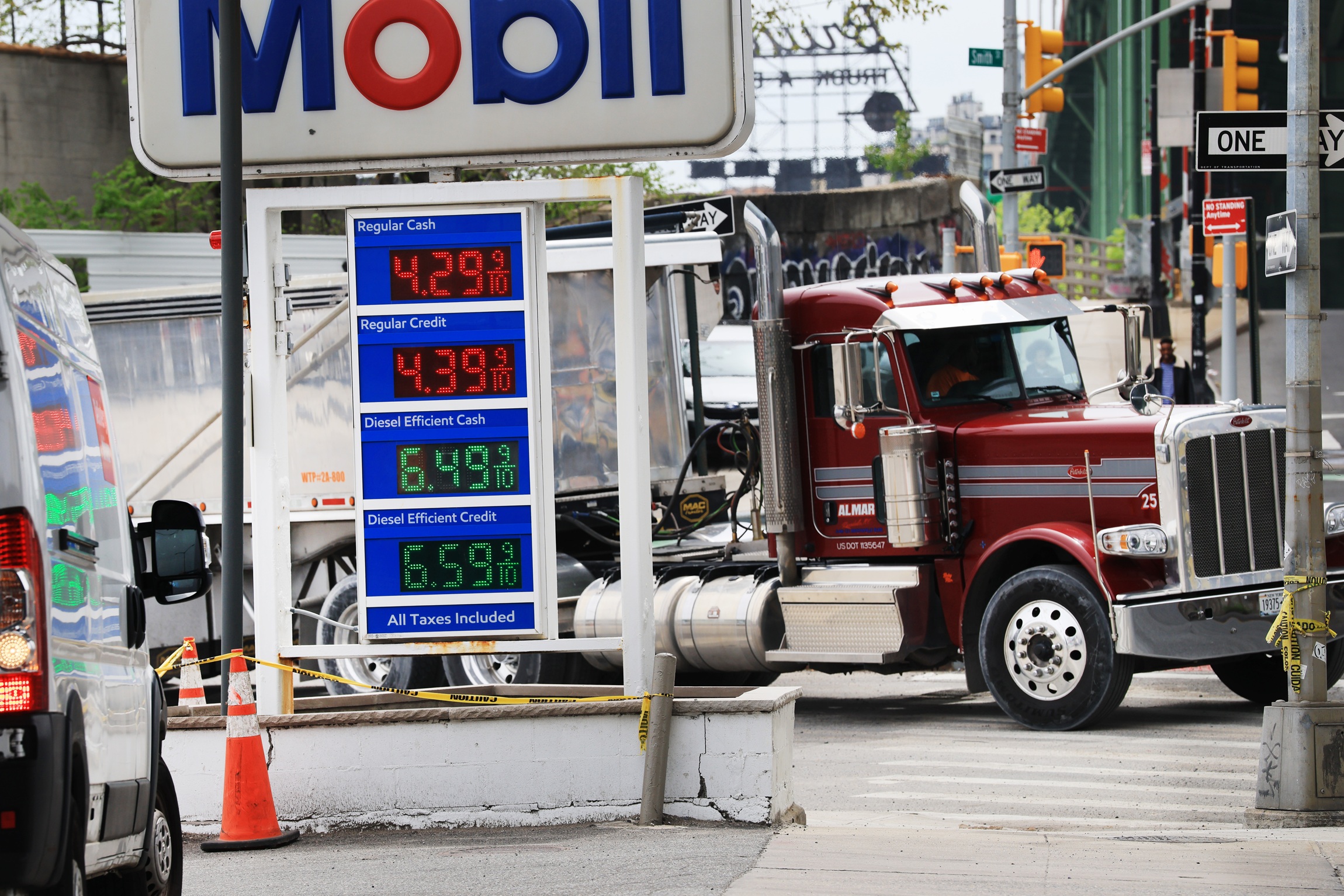
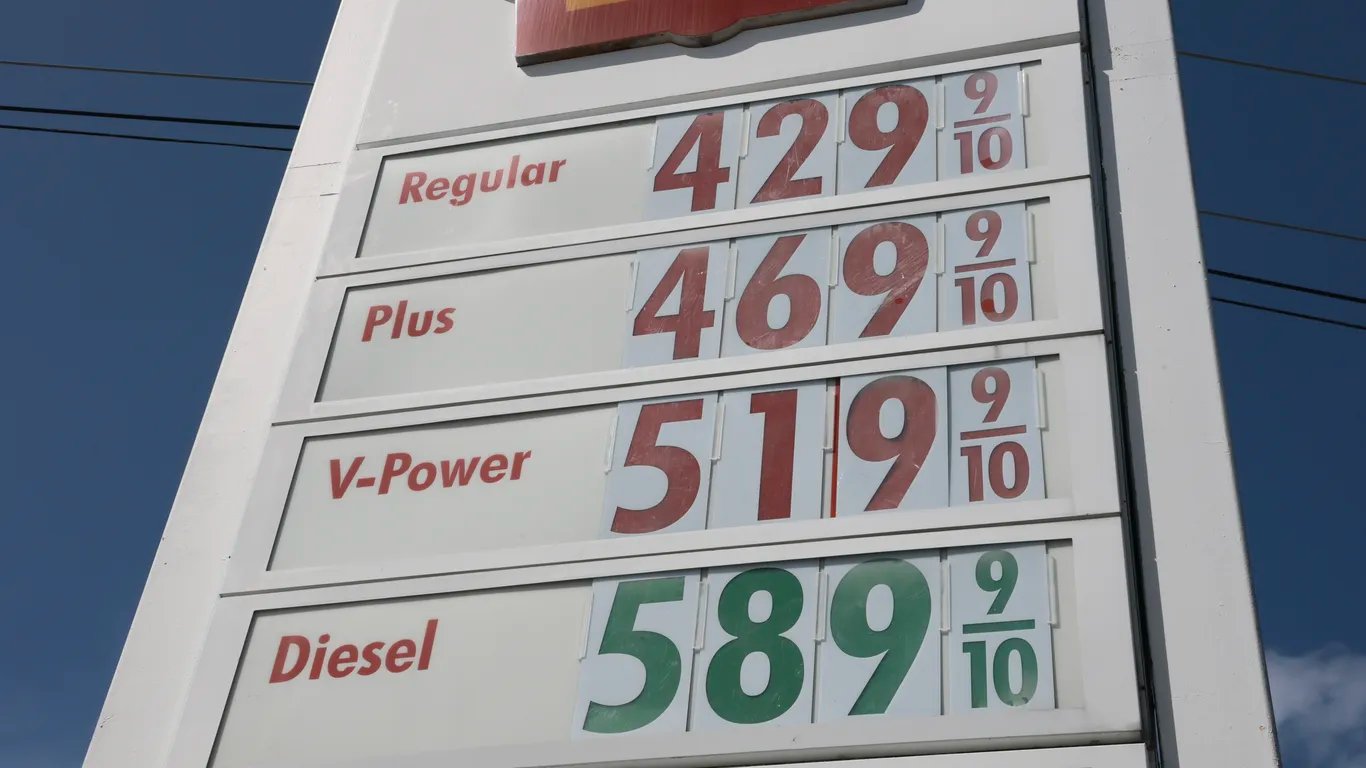
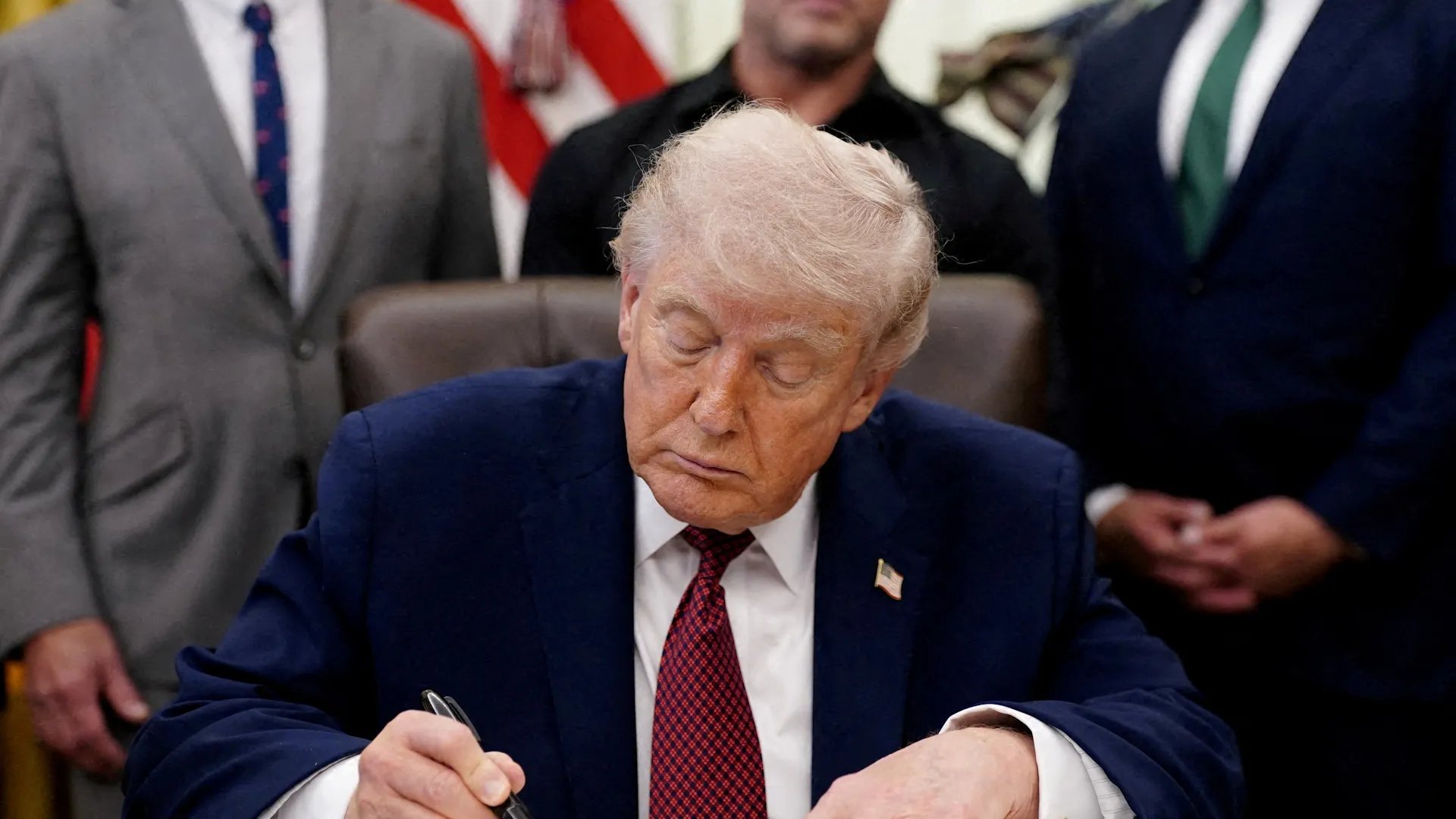
As the U.S. and Iran engage in ongoing peace talks, the potential for a resolution remains uncertain. The recent military actions have cast doubt on the prospects for a diplomatic solution, leaving both markets and consumers in a precarious position. The situation underscores the interconnectedness of geopolitical conflicts and global energy markets, with consumers likely to feel the effects at the pump and in their daily expenses.


















































































































































































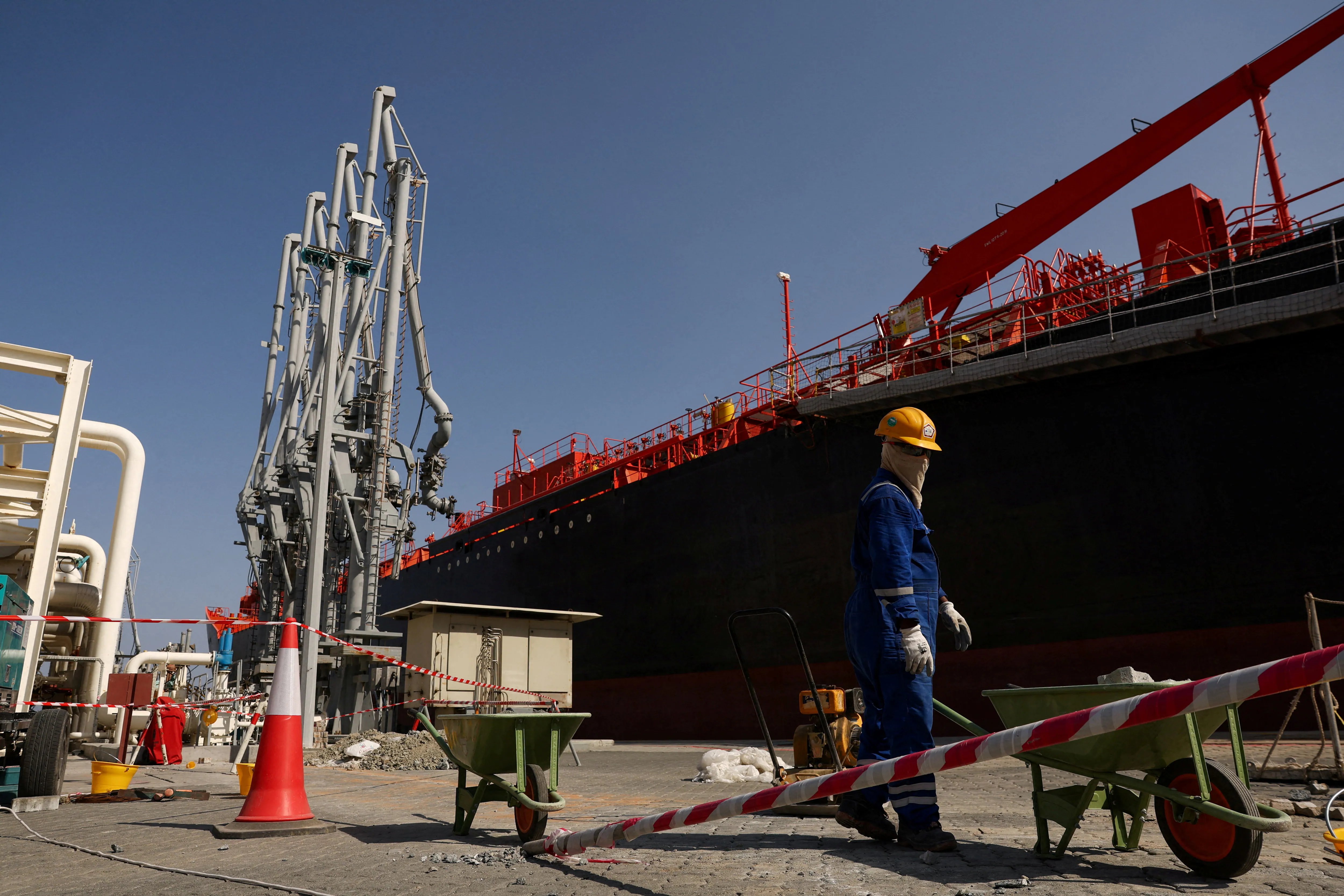























































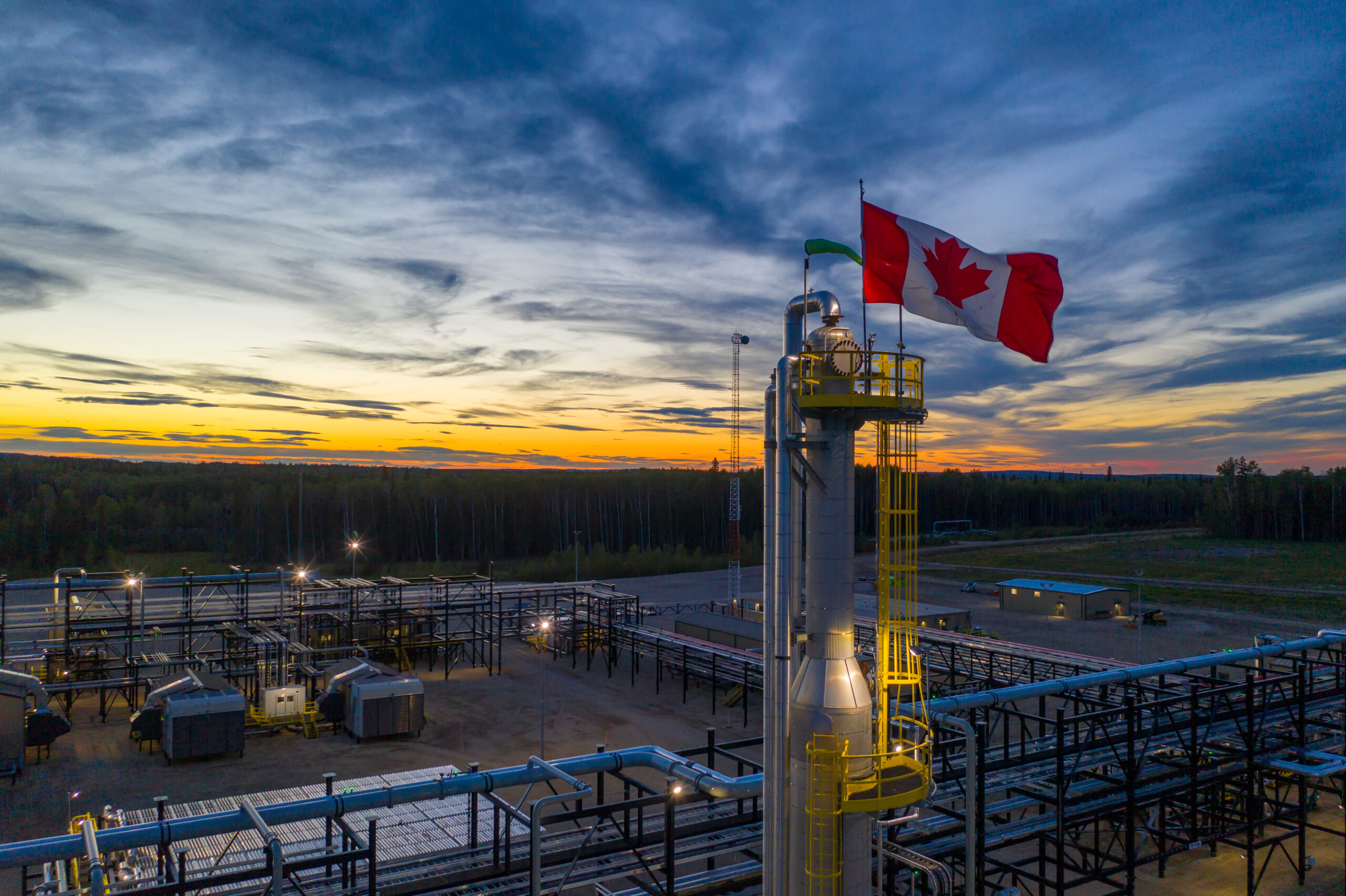


































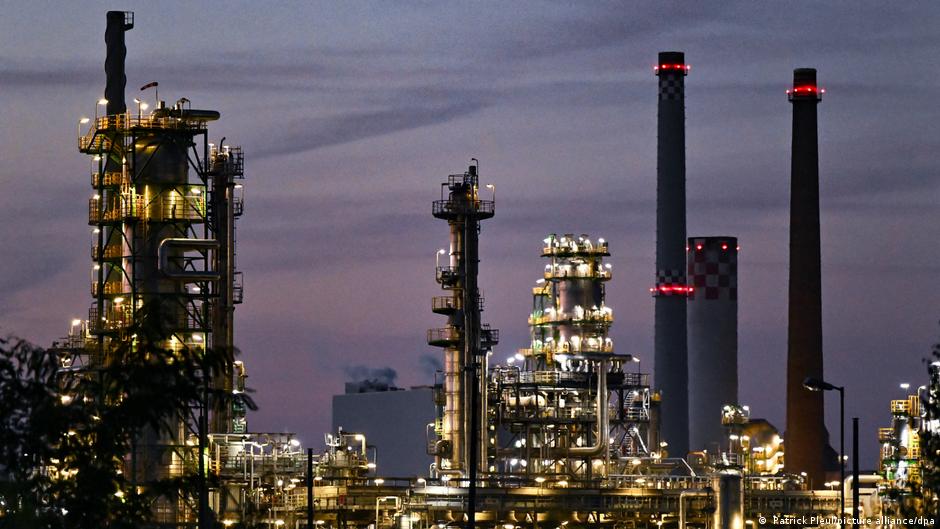








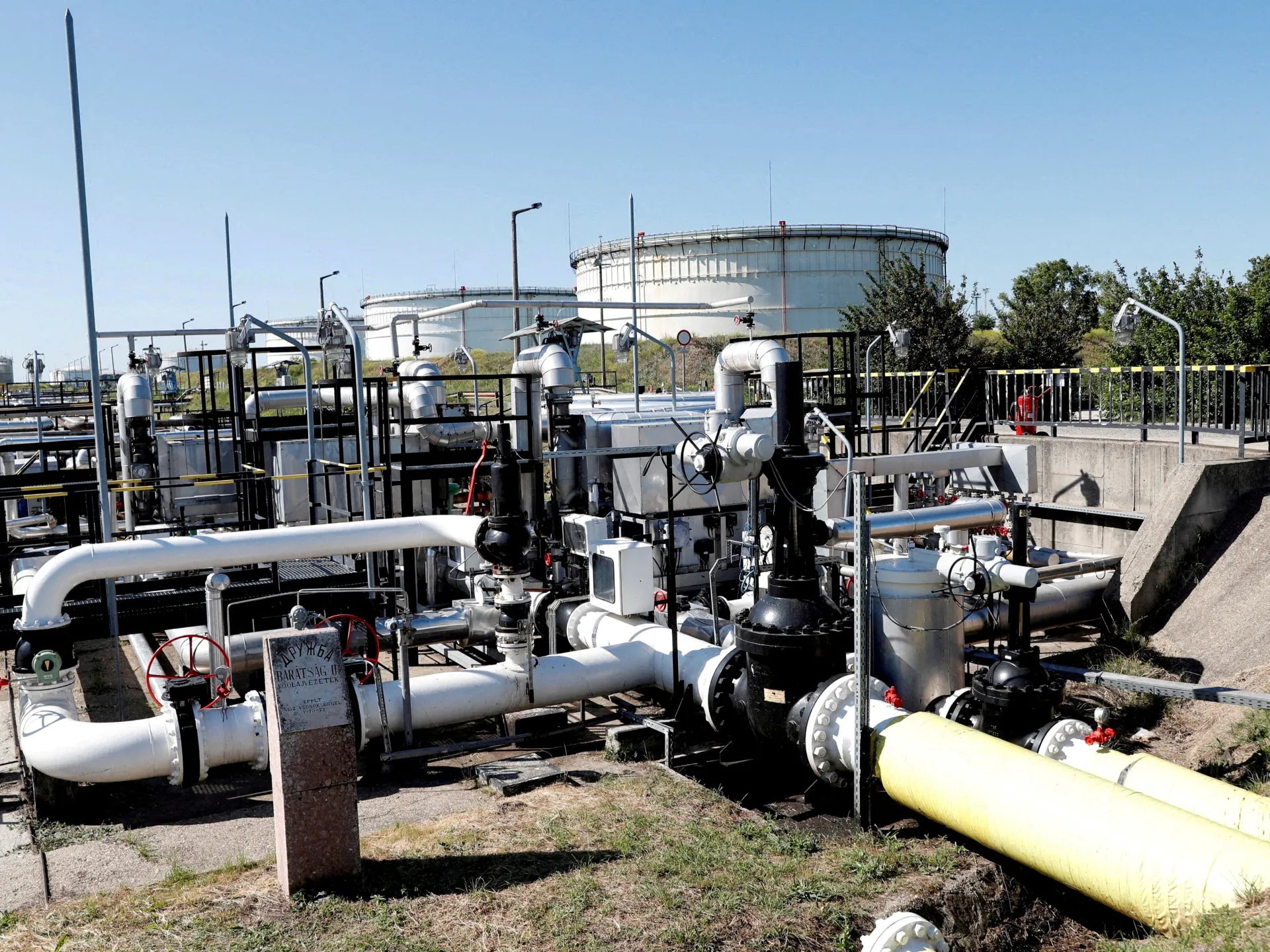




























For example, global oil benchmark Brent briefly surged to around $120 a barrel since the conflict began, highlighting the volatility in oil prices.