




Rapidly Increasing Cases Prompt Urgent Visit
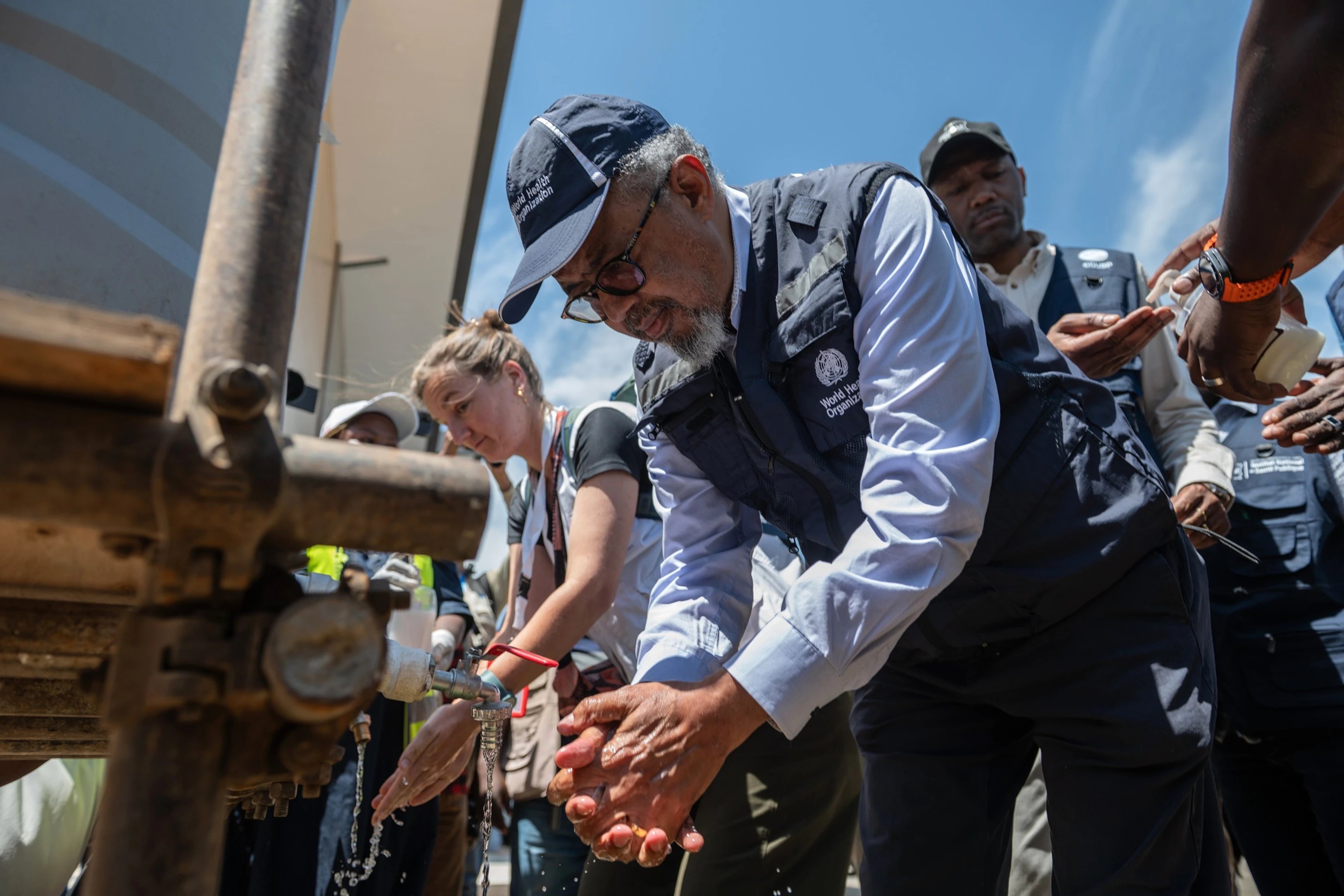
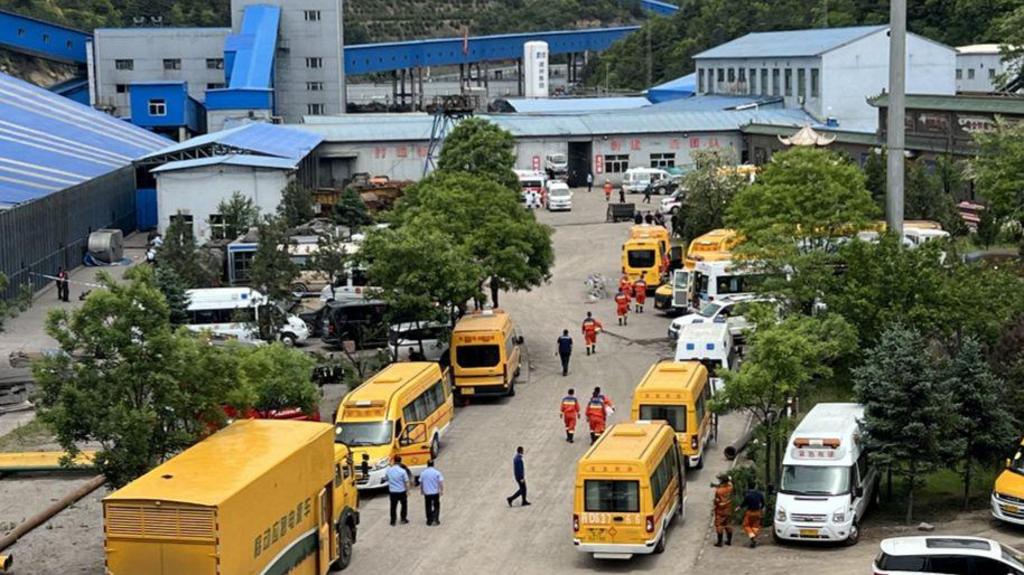
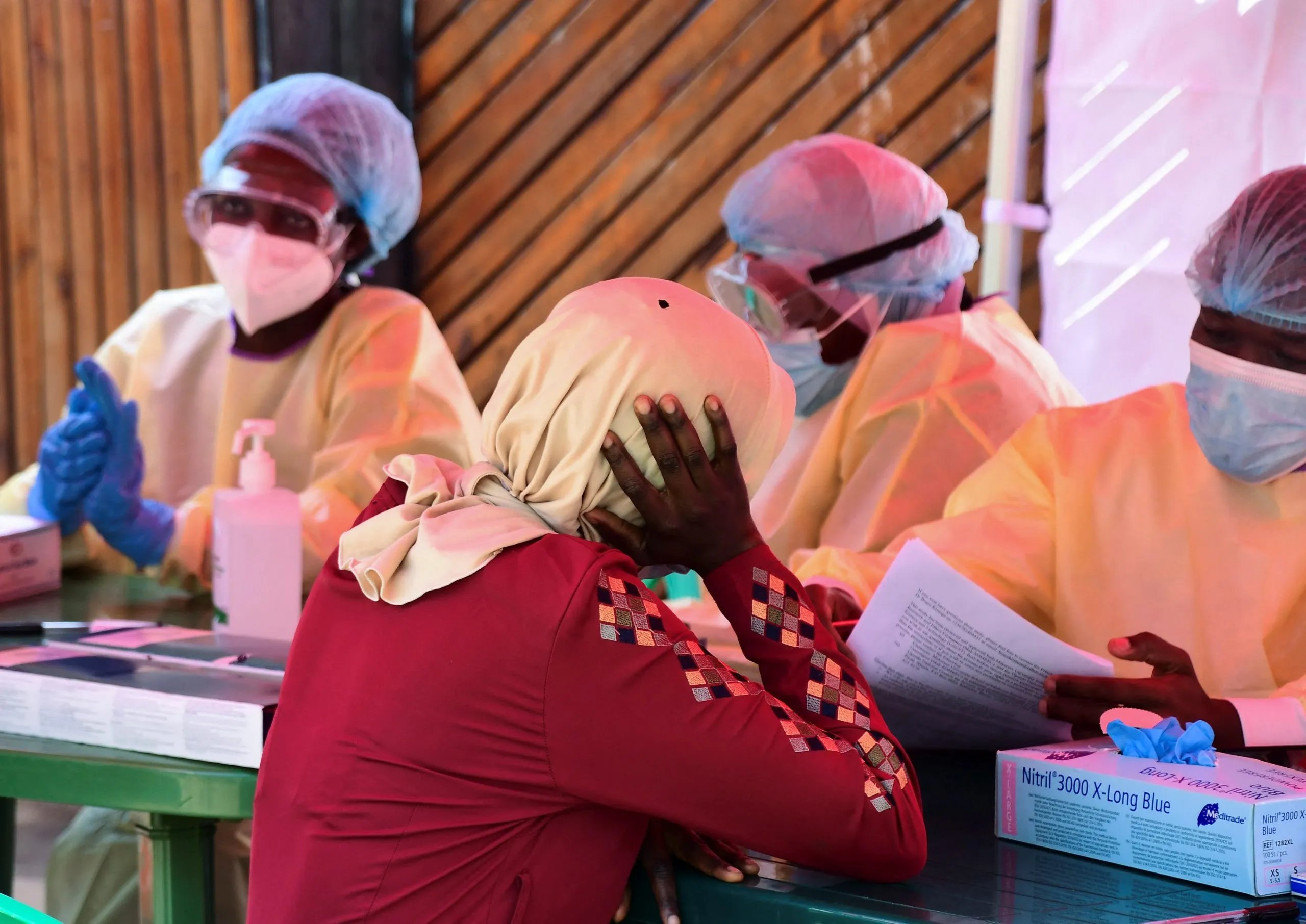
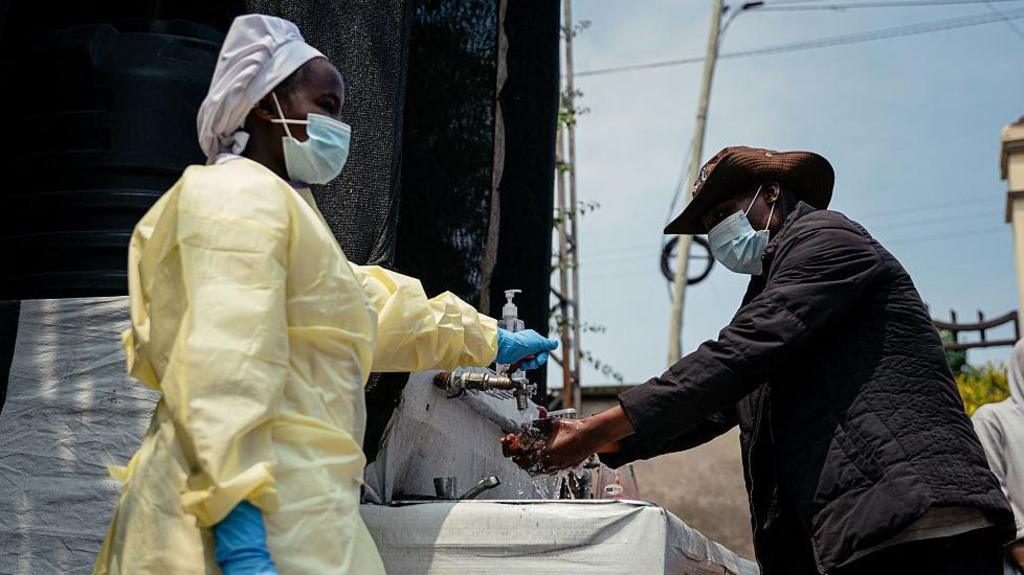
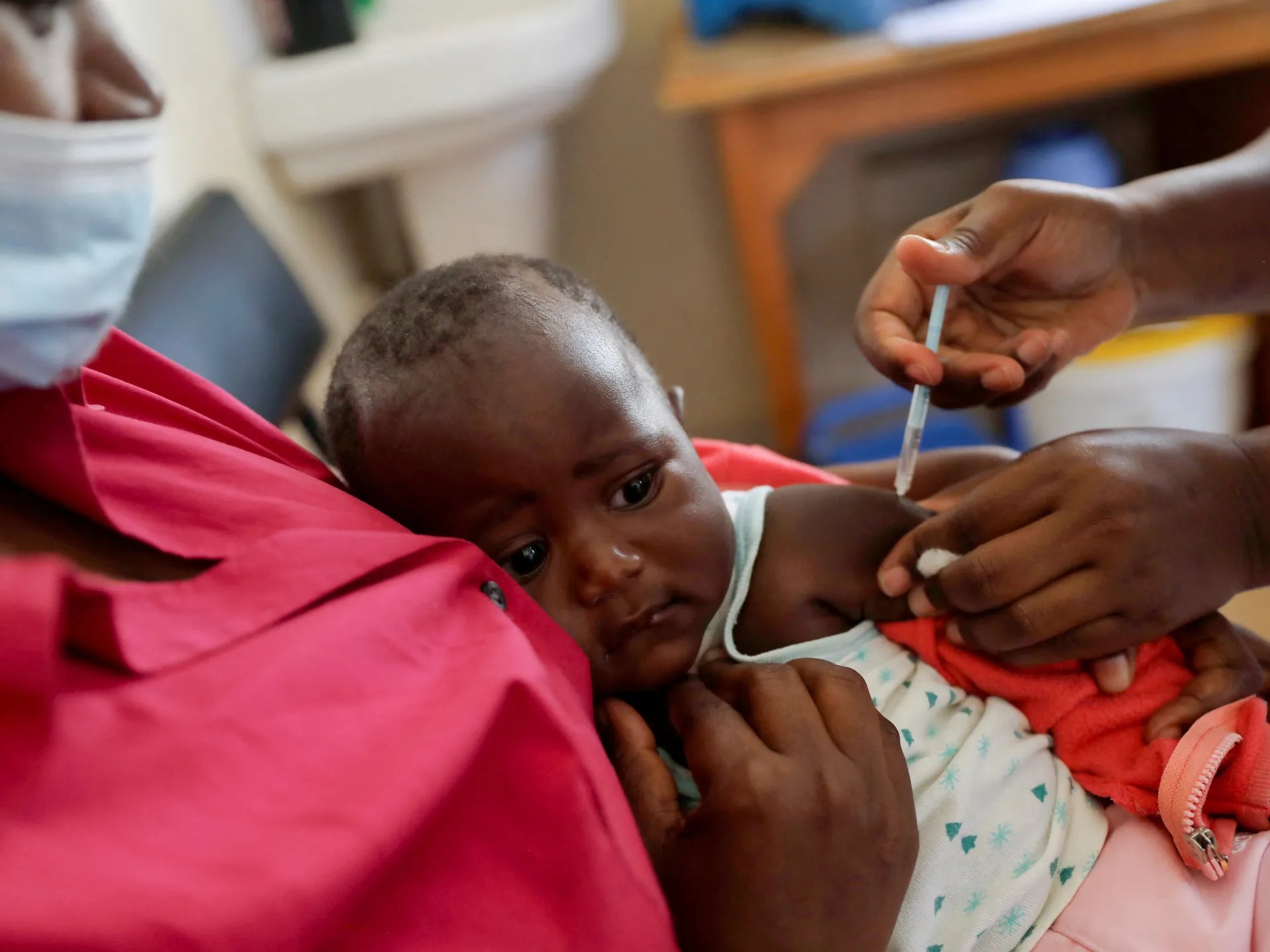
The World Health Organization's director-general, Tedros Adhanom Ghebreyesus, visited Bunia, the epicenter of a severe Ebola outbreak in eastern Democratic Republic of the Congo (DRC), on Saturday. Official figures indicate 1,077 suspected cases and 246 deaths, according to the Africa Centers for Disease Control and Prevention. The Bundibugyo virus, which is driving this outbreak, has no approved vaccine or treatment, raising alarms about the potential for a wider crisis.
Community Engagement Critical to Response
During his visit, Tedros emphasized the importance of involving local communities in the fight against the outbreak. "The communities understand the problems better, and they know the solution," he stated. He plans to meet with local authorities, health workers, and affected families to discuss the challenges faced in combating the virus. The number of confirmed cases in DRC reached 225 on Friday, nearly double the figure of 121 reported two days earlier, according to Congolese authorities. The WHO has declared the outbreak a global health emergency, its highest level of alert.
Funding Shortfalls Hamper Containment Efforts
International aid cuts have exacerbated the situation, with the Africa Centers for Disease Control and Prevention reporting a significant drop in global funding for Ebola response efforts, from $498 million to $219 million. The U.S. announced $80 million in additional aid, bringing its total commitment to more than $112 million. However, Brot für die Welt, a German aid organization, called the 500 protective suits pledged by Germany's development ministry insufficient, urging a major funding boost.
Health Workers Face Increased Risks
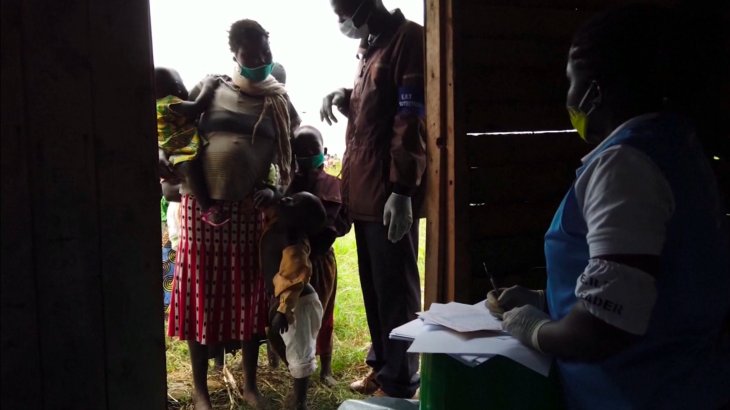
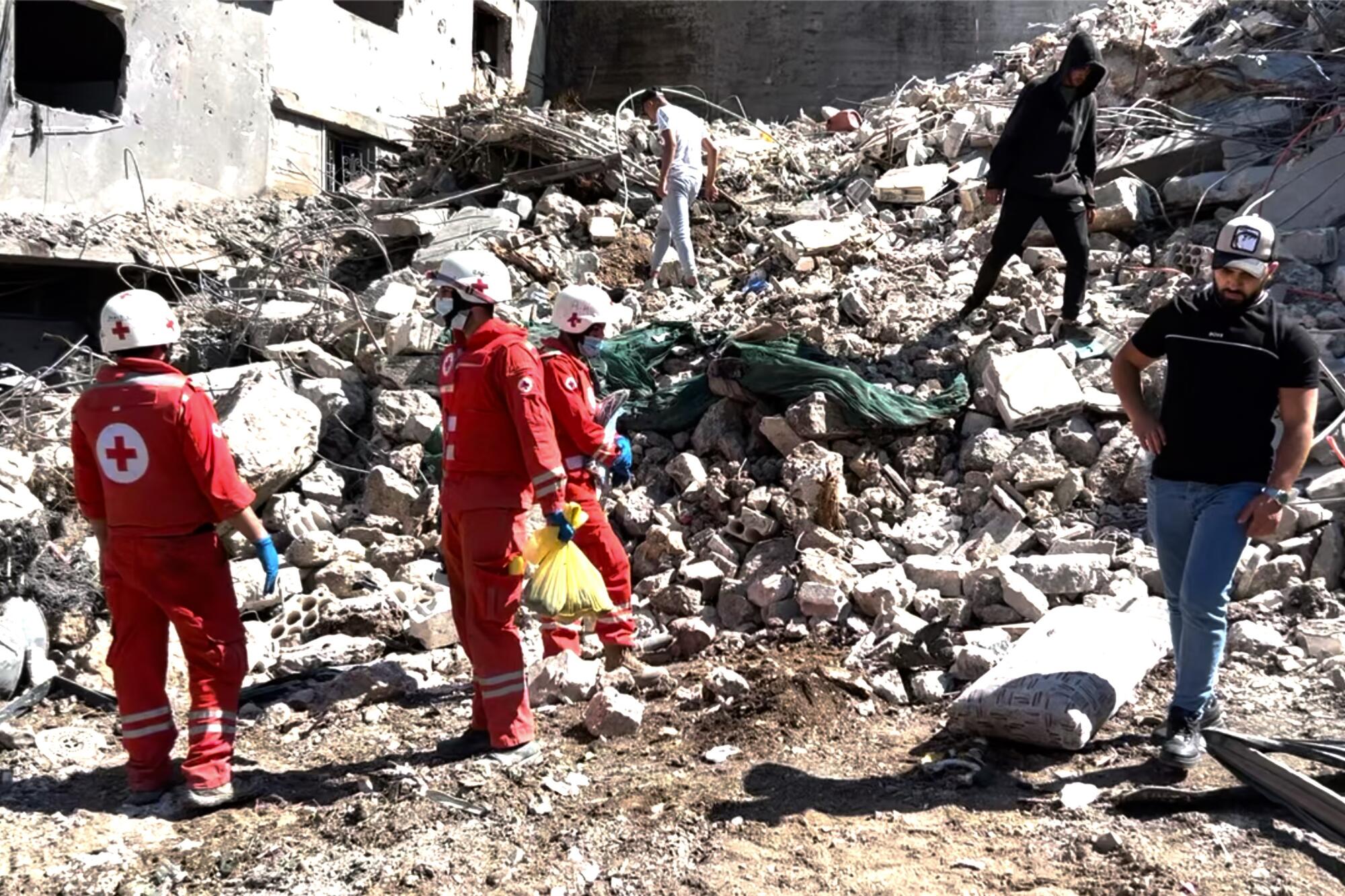
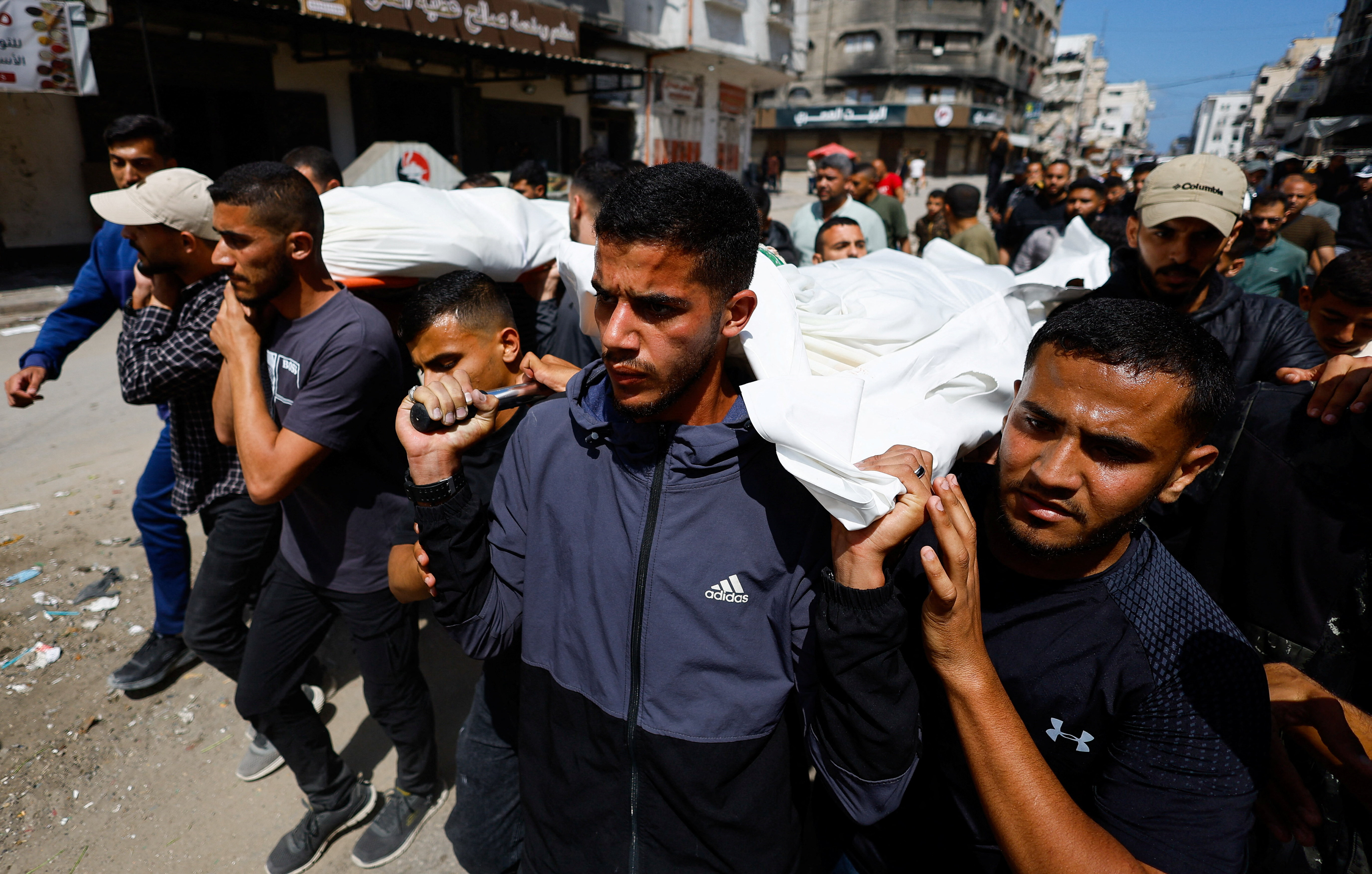
Health workers are encountering heightened dangers due to local anger over strict medical protocols that conflict with cultural burial practices. At least three attacks on health centers have been reported, further complicating response efforts. "Nobody knows the true scale and severity of this outbreak," said Dr. Alan Gonzalez from Doctors Without Borders, emphasizing the need for rapid testing and increased access to medical supplies.
Regional Impact and Travel Restrictions
The outbreak's reach extends beyond DRC, with Uganda confirming nine cases and one death, prompting neighboring countries to close their borders. However, Tedros criticized these measures as ineffective, arguing that they discourage transparency and hinder reporting. "Closing borders only discourages transparency," he noted, urging countries to reconsider such actions.
Ongoing Conflict Complicates Response
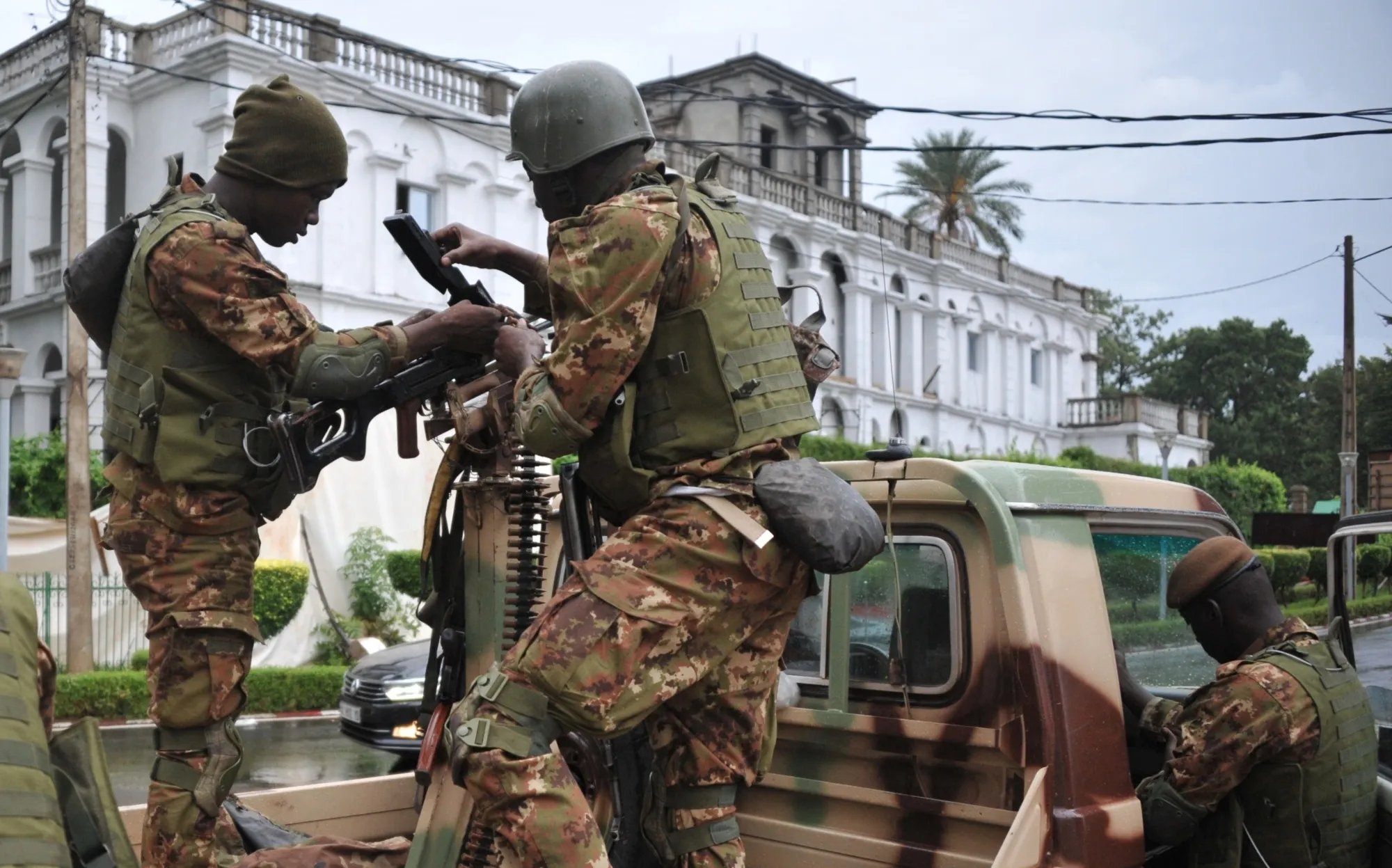
The ongoing conflict in eastern DRC, particularly in Ituri province, further complicates the response to the outbreak. Armed groups, including the Allied Democratic Forces, have hindered health efforts, and the presence of ethnic militias adds to the chaos. The WHO cautioned that the death rate could reach 30 to 50 percent, the range seen in previous Bundibugyo outbreaks, though the rate among confirmed cases so far has been lower.
A Call to Action for International Support
Tedros's visit underscores the urgent need for a coordinated international response to the outbreak. Without increased funding and community involvement, health officials warn that the situation could deteriorate rapidly. As the DRC grapples with this latest health crisis, the global community is being called upon to step up its support to prevent further loss of life and to restore stability in a region already plagued by conflict and disease.