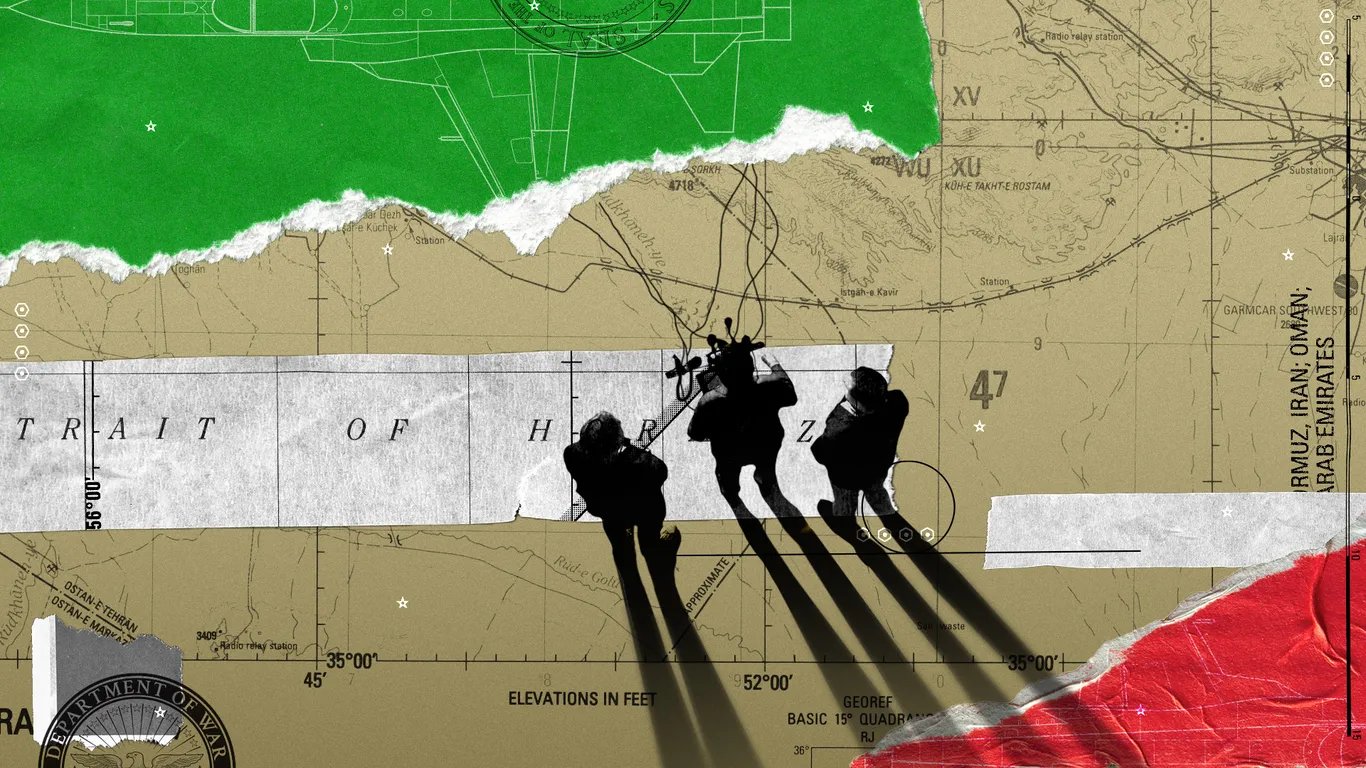





How the Strait of Hormuz Closure Triggered a Global Energy Crisis
The Iran war's first fifty days erased $50 billion worth of oil from global markets. The blockade of the Strait of Hormuz, a waterway through which roughly one-third of the world's seaborne oil passes, created immediate shortages that rippled across industries and continents. Airlines cut routes in response to rising jet fuel costs. U.S. buyers redirected imported fertilizer overseas as Iran war drove up global prices. Traders who had placed $760 million in bets on falling oil ahead of the Hormuz reopening saw their positions vindicated when oil prices plummeted.
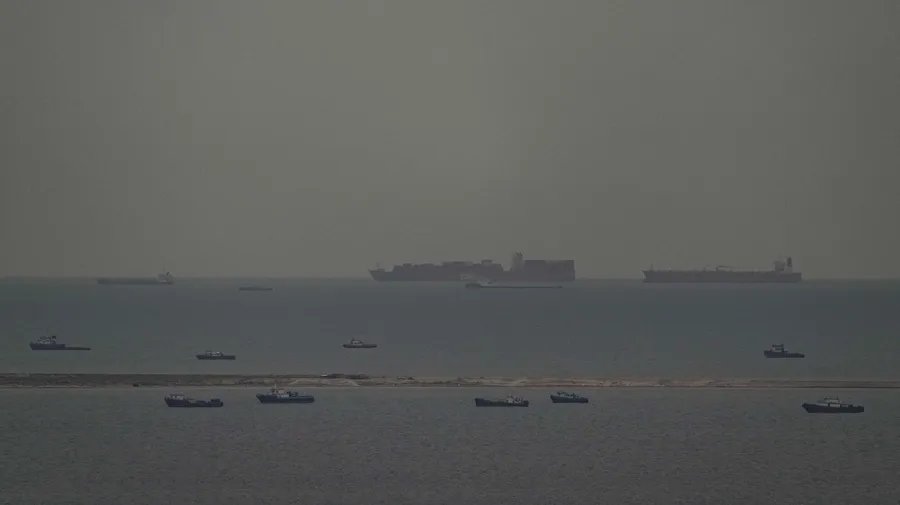
The closure of this critical shipping corridor became the war's most economically damaging consequence. When Iran's foreign minister declared the Strait of Hormuz open during a ceasefire on Friday, oil markets reacted instantly. Brent crude plummeted 12 percent while West Texas Intermediate fell 14 percent.
The Ceasefire's Immediate Market Impact
Oil tankers raced toward the Hormuz Strait once Iran announced its reopening. The declaration that passage of vessels via the waterway was open during the ceasefire sent shock waves through financial markets. Traders who had positioned themselves for a prolonged crisis suddenly faced losses. Those who had gambled on higher-yielding corporate bonds during the conflict's peak now saw their bets vindicated as markets rebounded.
Wall Street responded with enthusiasm. The rally extended across multiple sessions, powered by investors' optimism about the reopening and strong corporate earnings. The S&P 500's rise capped a striking three-week streak as energy costs began normalizing.
Negotiations Over a Nuclear Deal
The U.S. and Iran are negotiating over a three-page plan to end the war, with one element under discussion being that the U.S. would release $20 billion in frozen Iranian funds in return for Iran giving up its stockpile of enriched uranium, according to two U.S. officials and two additional sources briefed on the talks. President Trump said U.S. and Iranian negotiators would likely meet this weekend for a second round of talks to try to seal the deal.
The talks are expected to take place in Islamabad, likely on Sunday, with Pakistan mediating the negotiations and behind-the-scenes support from Egypt and Turkey. A top priority for the Trump administration is ensuring Iran cannot access the stockpile of nearly 2,000 kilograms of enriched uranium buried in underground nuclear facilities, in particular the 450 kilograms enriched to 60 percent purity.
The U.S. was ready in an earlier stage of negotiations to release $6 billion for Iran to purchase food, medicine and other humanitarian supplies. The Iranians demanded $27 billion. The latest number discussed is $20 billion, according to sources. Under a compromise proposal now under discussion, some of the highly enriched uranium would be shipped to a third country, not necessarily the U.S., and some of it would be down-blended in Iran under international monitoring.
The three-page memorandum of understanding also includes a voluntary moratorium on nuclear enrichment by Iran. The U.S. demanded that Iran agree to a 20-year moratorium. Iran countered with five years, and mediators are still trying to close the gap. Trump told reporters that Iran had agreed to commit to "a very, very powerful statement" that they will not have nuclear weapons and agreed to give the U.S. "the nuclear dust," referring to the enriched uranium stockpile. "We are very close to making a deal. If no deal, fire resumes," Trump said.
Asian Refiners Scramble for Alternative Supplies
Asian refiners have grown increasingly reliant on U.S. crude as oil-starved fuel makers scour the globe to replace Middle Eastern supply and stave off shortages that could ripple through the broader economy. Buyers in Japan led the charge to purchase May-loading cargoes from the U.S. early in the month, with South Korean, Singaporean and Thai processors also among customers. At least 60 million barrels of grades from the U.S. Gulf were bought for loading in the coming weeks.
Indian refiners have found alternative payment routes during the conflict. Indian refiners paid for Iran oil in yuan via ICICI Bank, according to sources familiar with the transactions, as sanctions and disruptions forced creative financial arrangements.
Congressional Pressure Over War Powers
House Democrats narrowly failed to advance a war powers resolution on Thursday morning, with the vote failing 213 to 214. Rep. Jared Golden of Maine sided with Republicans in voting against the measure, while Rep. Thomas Massie of Kentucky voted with Democrats to move it forward. Rep. Warren Davidson of Ohio, who supported the resolution last month, voted present, while Reps. Lauren Boebert of Colorado, Nancy Mace of South Carolina and Tom Kean Jr. of New Jersey did not vote.
A group of House Democrats is discussing plans to force a vote on an Iran war powers resolution every day until one finally passes or U.S. operations in the region end. The idea was raised at a Congressional Progressive Caucus lunch Thursday. Rep. Susie Lee of Nevada said she would welcome the tactic. Rep. Jared Moskowitz of Florida stated: "I've voted for it twice. I'll vote for it as many times as we need."
Sens. Susan Collins (R-Maine) and Thom Tillis (R-N.C.) signaled their views on war powers could shift if the conflict stretches past the 60-day mark. The ceasefire expires April 21, meaning the conflict could reach that threshold if negotiations fail to produce a lasting agreement.
Global Economic Uncertainty Remains
The International Monetary Fund and World Bank are navigating significant economic fallout from the war. With the world facing a potential new economic crisis, the mood at this week's IMF-World Bank meetings is decidedly dour. Goldman Sachs Asset Management warned of "permanent scarring" from the conflict, even as credit markets show signs of recovery.
The Federal Reserve's Christopher Waller said a swift war end could keep rate cut hopes alive. The reopening of the Strait of Hormuz and falling oil prices may recast the Fed's rate-cut options, potentially allowing policymakers to consider monetary easing if energy costs remain stable.
France and Britain said they would lead a multinational mission to ensure freedom of navigation in the Strait of Hormuz, with the force to be entirely defensive and deployed only once lasting peace in the region is agreed. Colombia's minister said the Iran war should accelerate transition to clean energy, with a summit later this month focusing on advancing discussions to reduce fossil fuel dependence.
The clock is running down on a two-week ceasefire. Negotiators are expected to meet again this weekend.