




Ceasefire Starts Amid Regional Cheers
A 10-day truce between Israel and Lebanon took effect at 5 p.m. EDT on Thursday, halting weeks of clashes between Israeli forces and Hezbollah militants. Residents in Beirut fired gunshots into the air to celebrate, while displaced families began moving toward southern Lebanon despite official warnings. This pause in fighting reduces immediate risks to global security, potentially lowering oil prices that have strained household budgets worldwide.
Stock Gains Follow Truce Announcement
The S&P 500 rose 1.1 percent and the Nasdaq composite climbed 1.4 percent by 10:30 a.m. EDT on Friday after news of the ceasefire. Iran announced on Tuesday that the Strait of Hormuz is "completely open," allowing normal shipping traffic through the key oil route. These developments ease pressures on energy supplies, helping consumers avoid higher fuel costs that have affected daily expenses.
Leaders Voice Support and Skepticism
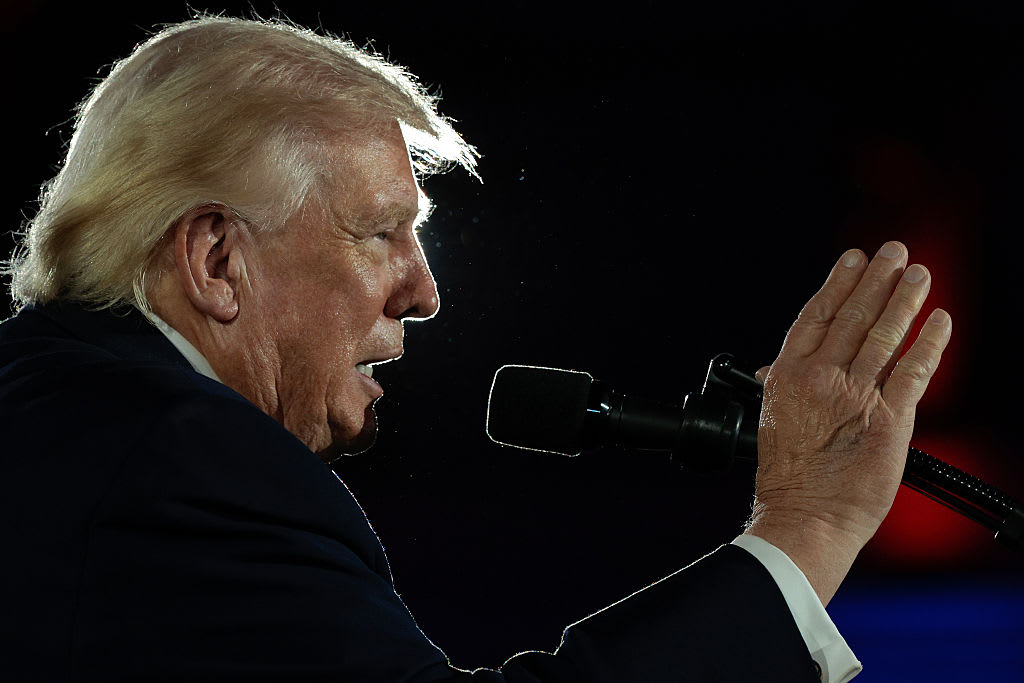
President Trump posted on Truth Social that he hopes Hezbollah "acts nicely and well" during the truce, calling it a potential "GREAT moment" for peace. Israeli Prime Minister Benjamin Netanyahu described the ceasefire as an "opportunity to make a historic peace agreement" but rejected Hezbollah's demands for Israeli withdrawal.
Violations and Displacement in Lebanon
The Lebanese army posted on social media that there had been "a number of violations of the agreement, with several Israeli attacks recorded, in addition to intermittent shelling targeting a number of villages." More than 1 million Lebanese residents have fled their homes due to the fighting, with Israeli troops remaining in southern Lebanon as confirmed by Israel Defense Forces spokesperson Avichay Adraee. French President Emmanuel Macron expressed concern that the ceasefire "may already be undermined," highlighting risks to civilians trying to return.
Global Energy and Economic Stakes
The head of the International Energy Agency said in an interview with The Associated Press that Europe has "maybe 6 weeks or so of jet fuel left" if disruptions persist, pointing to potential flight cancellations. China's Foreign Minister Wang Yi urged Iran to restore normal navigation in the Strait of Hormuz in a phone call with Iran's Abbas Araghchi, noting its importance for international trade. This truce could prevent further spikes in oil prices, as U.S. forces enforce a blockade of Iranian ports with more than 10,000 service members involved.
Path Forward Hinges on Talks
Israeli officials confirmed that troops will only respond to "imminent threats from Hezbollah" during the truce, as discussed in Washington meetings led by Secretary of State Marco Rubio. President Trump announced plans to invite Netanyahu and Lebanese President Joseph Aoun to the White House for further discussions, potentially advancing lasting peace. Families in Lebanon now face the human-scale challenge of rebuilding homes destroyed in the conflict, with more than 2,000 people killed in Israel's attacks on Lebanon since March 2, according to the Lebanese health ministry, which does not distinguish between combatants and civilians.