





The demand and its justification
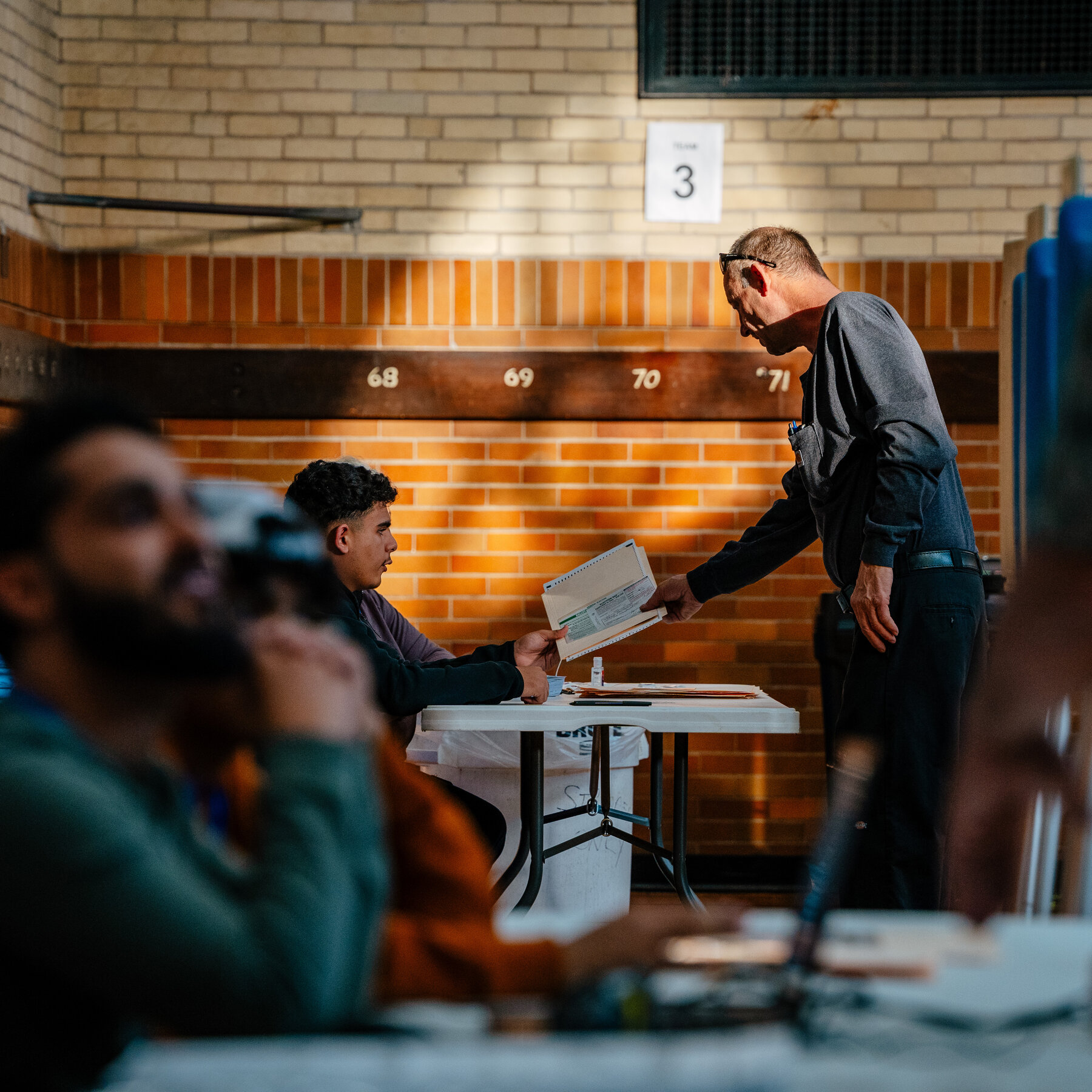
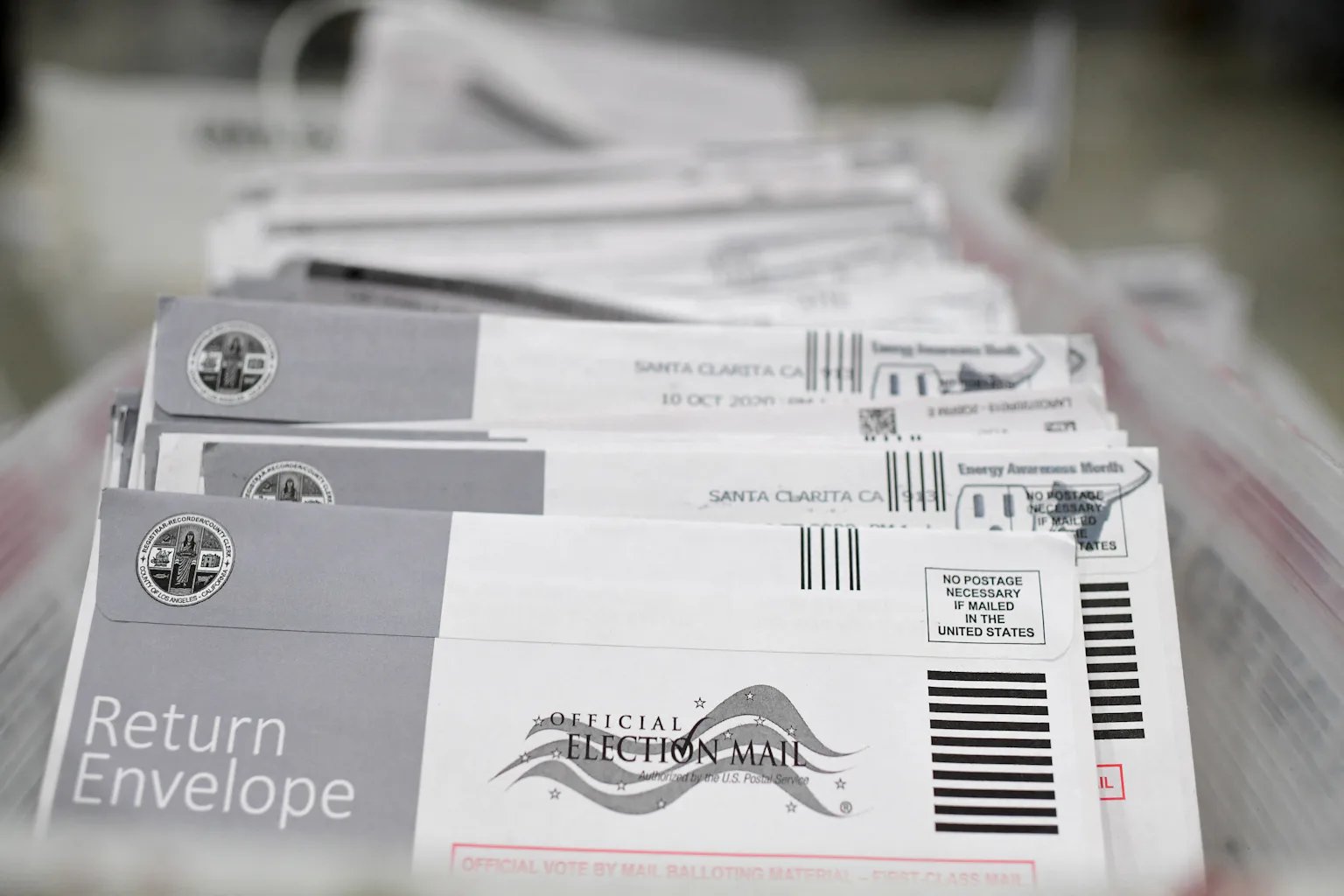
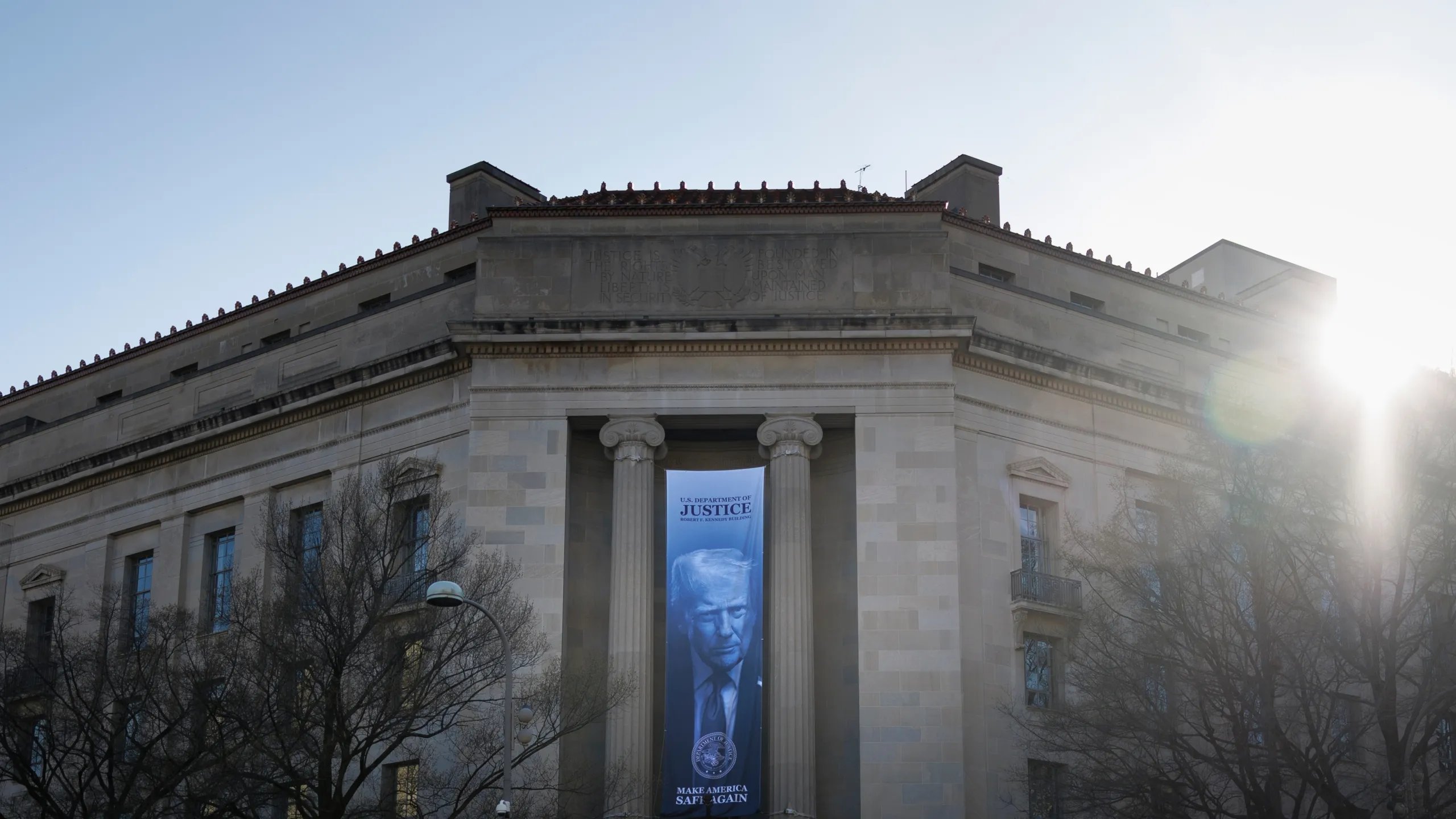
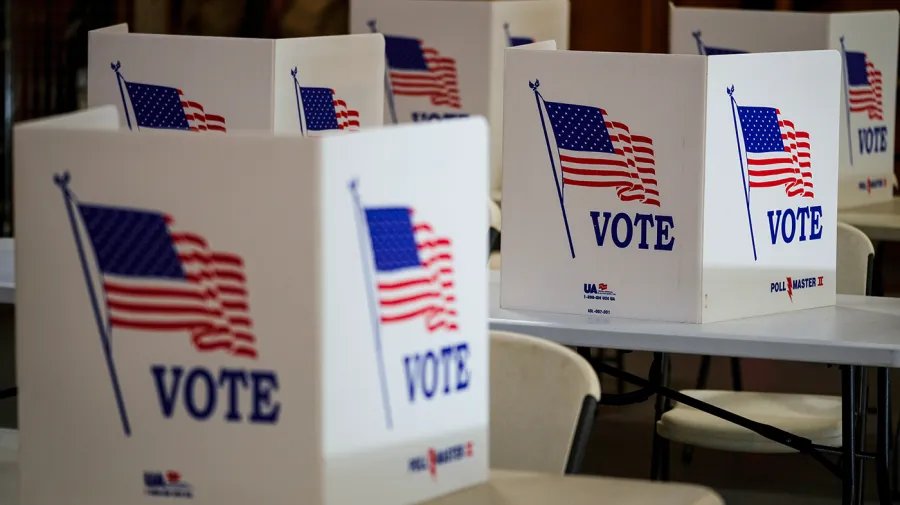
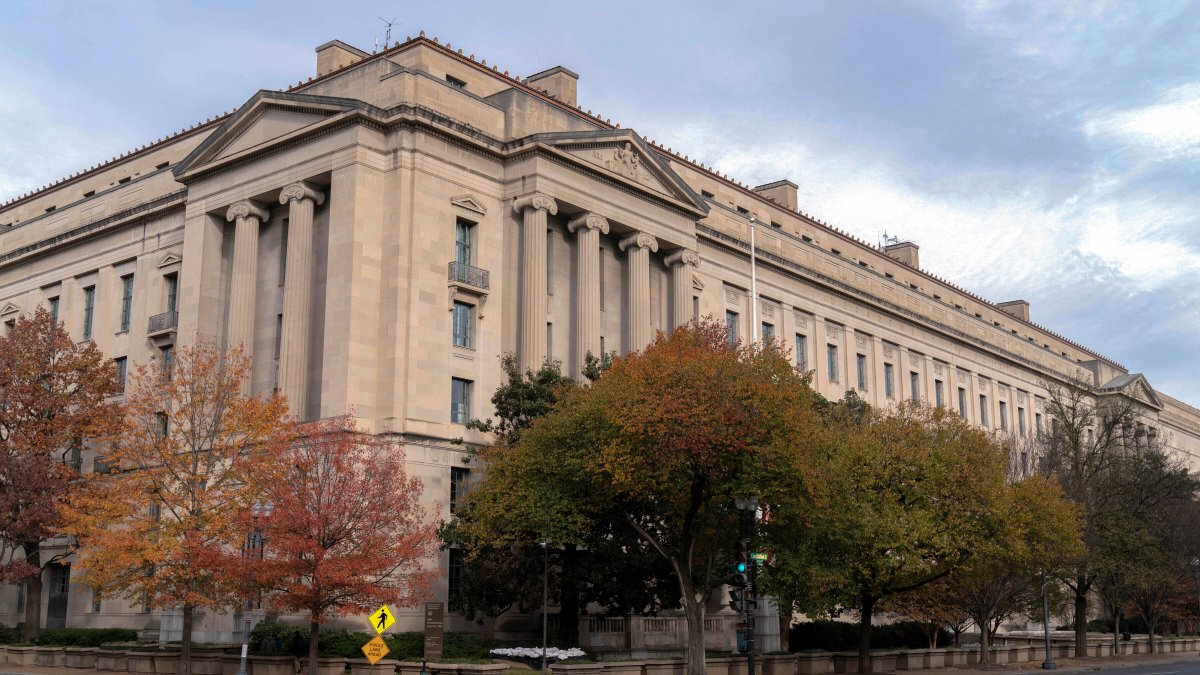
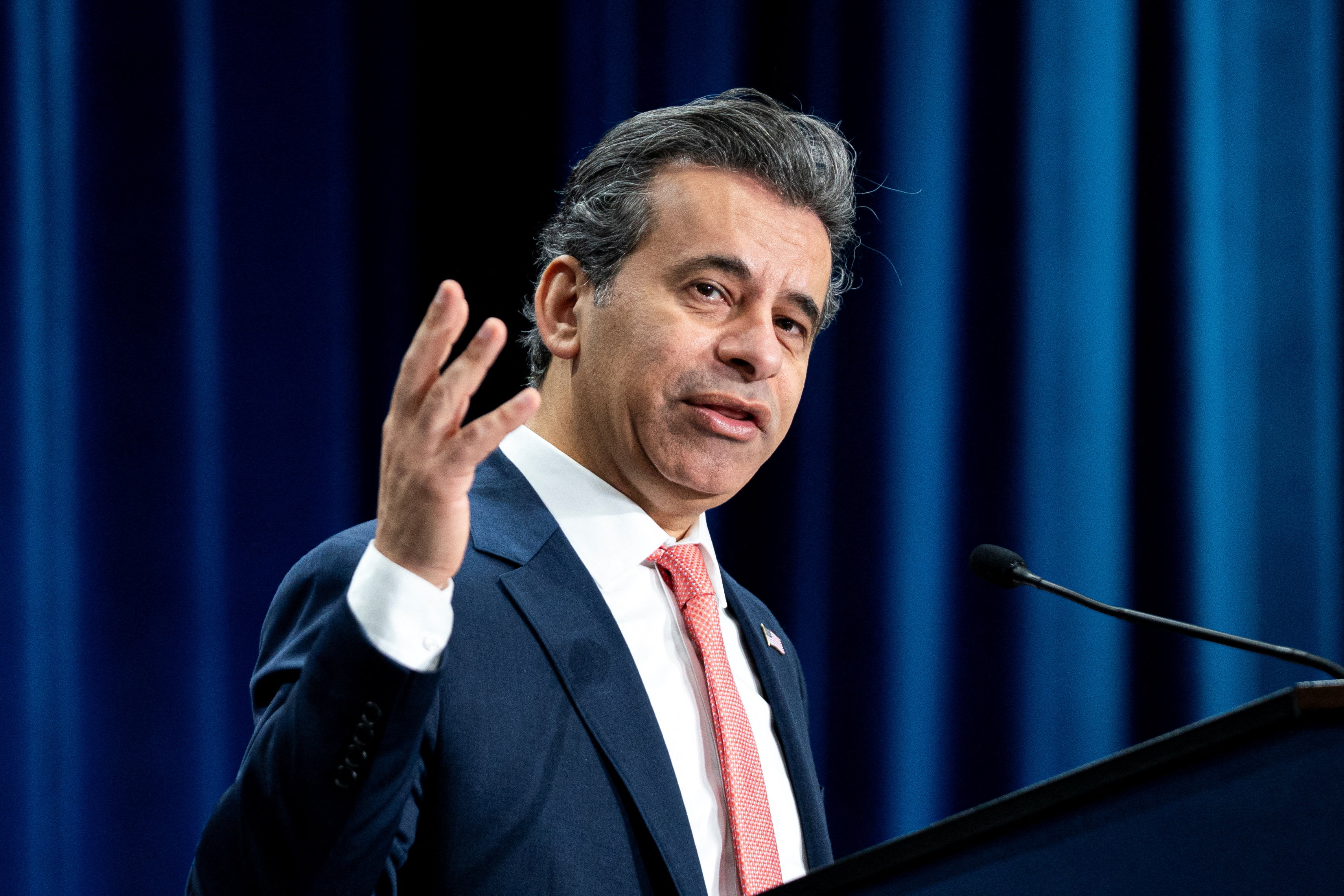
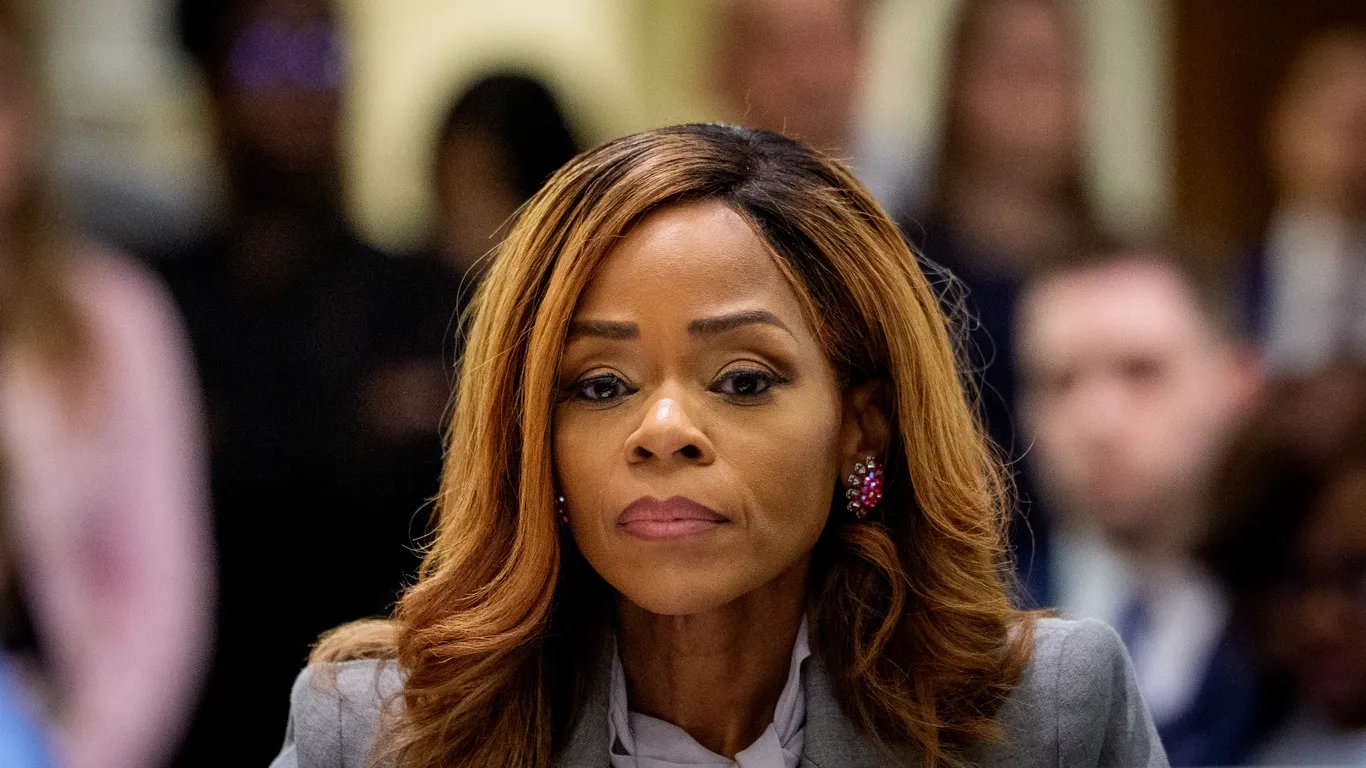
The Justice Department has demanded that Wayne County, Michigan, turn over all ballots from the November 2024 election, giving the county 14 days to comply. Assistant Attorney General Harmeet Dhillon issued the letter on April 14, requesting ballots, ballot receipts, and ballot envelopes. Dhillon cited three convictions for election fraud and five lawsuits against the county that alleged election fraud as justification for the demand.
The request represents another escalation in the Trump administration's voting inquiries. The administration has so far requested voting records from 29 states and Washington, D.C. The FBI subpoenaed election records in Maricopa County, Arizona, last month related to the 2020 election.
Michigan's response and objections
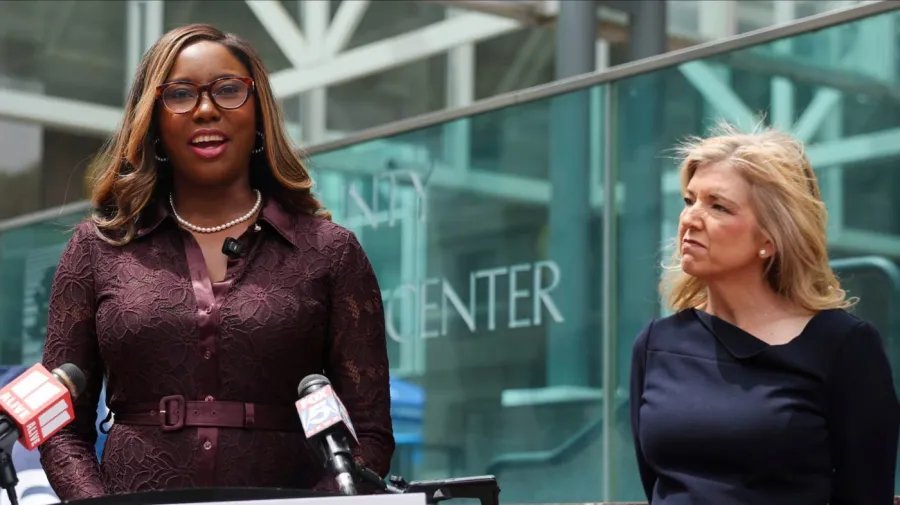
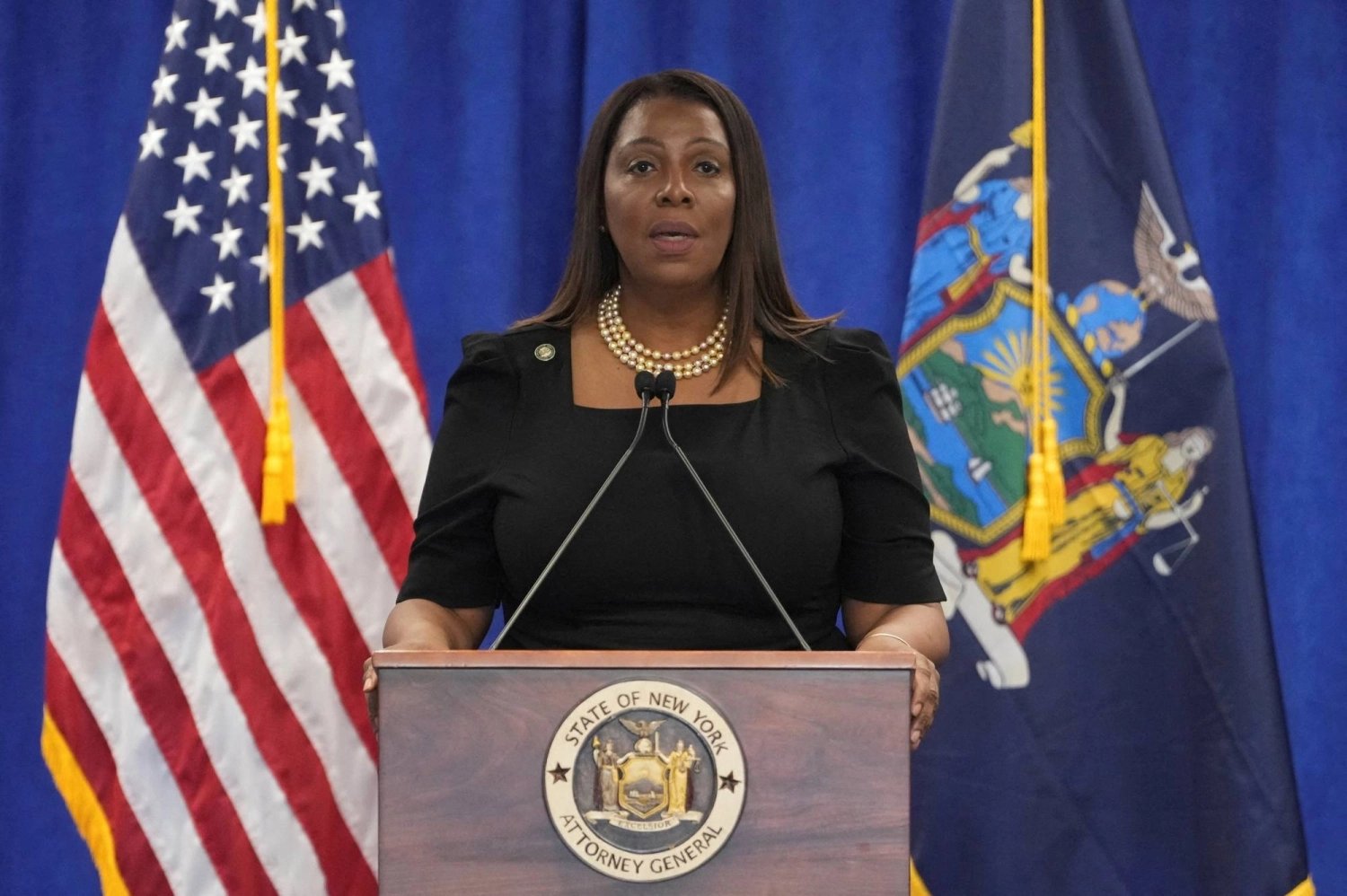
Michigan Attorney General Dana Nessel, a Democrat, called the request "absurd" and "baseless" in a statement. She argued that the convictions Dhillon cited actually proved that Michigan's election safeguards were effective, noting that "the instances of voter fraud are rare and addressed." Nessel stated her office is prepared to protect the people's right to vote if the administration pursues the matter.
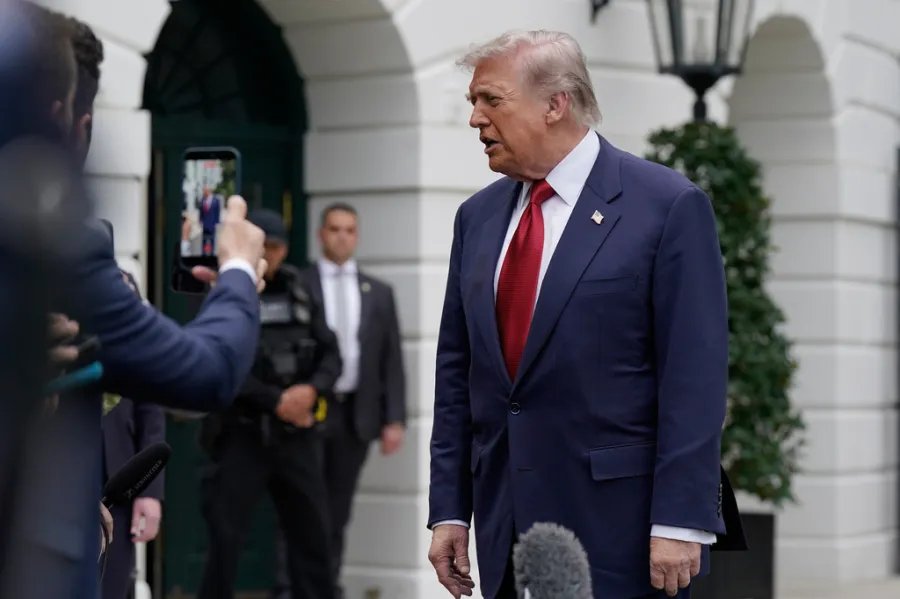
Nessel accused the administration of weaponizing the Justice Department. She wrote that "using these prosecutions and recycling debunked 2020 election conspiracy theories as justification to demand copies of the ballots of Michigan residents is a clear attempt to bully clerks and spread fear, even after Donald Trump won Michigan in 2024." Trump carried Michigan in the presidential election, though he lost Wayne County, which is home to Detroit, by nearly 250,000 votes.
Broader federal election efforts
The ballot demand follows other administration actions aimed at federal control over elections. Trump signed an executive order last month seeking to create federal lists of citizens as a way to tighten mail-voting rules, drawing lawsuits from Democrats and voting rights advocates. Earlier this year, Trump sparked alarm among election officials when he said Republicans should "take over the voting" in at least 15 unspecified places. Article 1 of the Constitution delegates power over how elections are run to the states.
Staffing strain at Justice Department
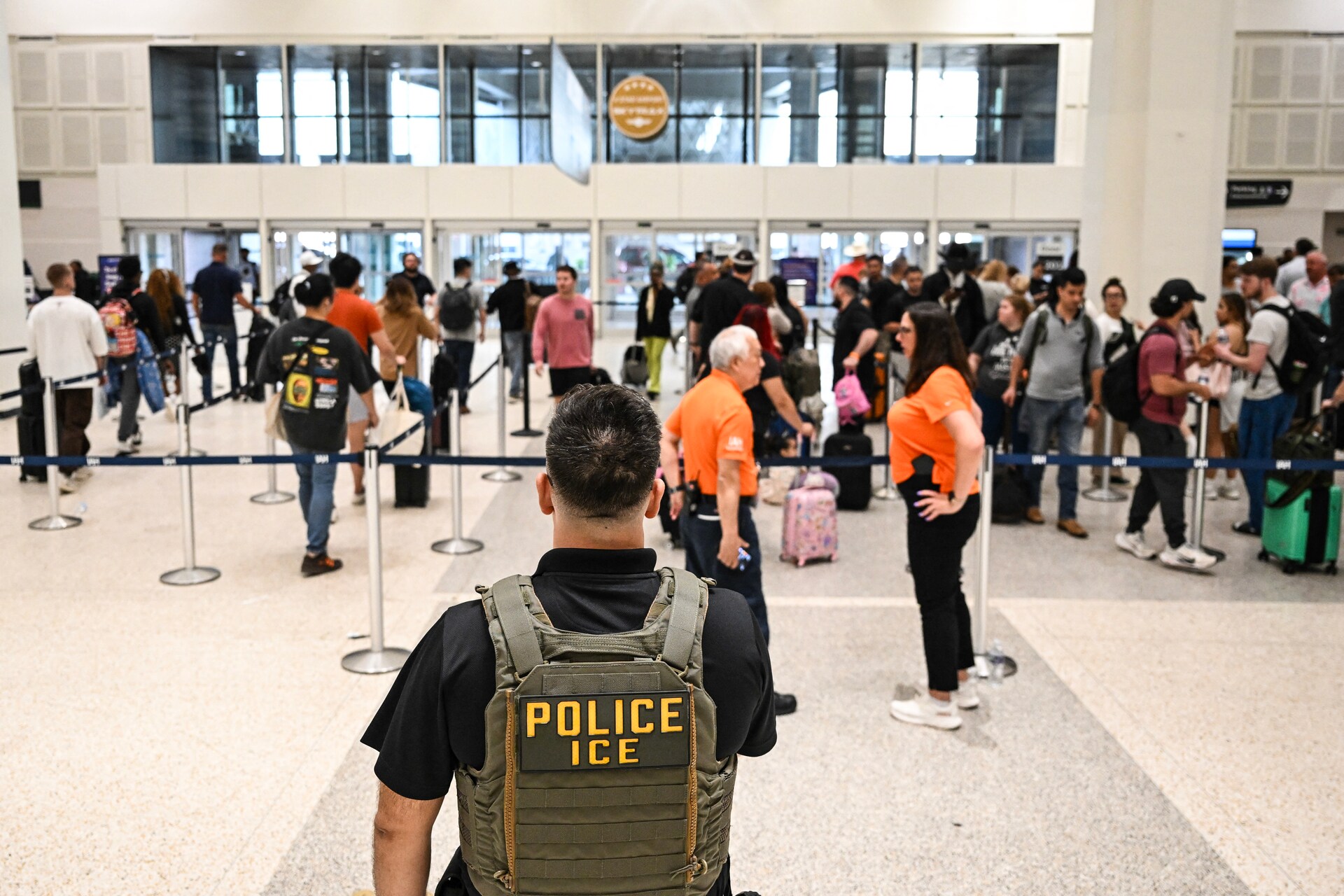
The FBI and Justice Department are scrambling to rebuild a depleted workforce after a wave of departures over the past year. FBI Director Kash Patel announced last fall that transfers from other federal agencies would be able to complete a nine-week training academy instead of the traditional academy spanning more than four months. The FBI has also waived requirements of a written assessment and an interview with a three-member panel for support staff employees seeking to become agents.
The Justice Department suspended a policy that U.S. attorneys offices only hire prosecutors with at least one year of experience practicing law. The department has lost nearly 1,000 assistant U.S. attorneys, with some sections experiencing severe staffing losses. The National Security Division section that works espionage cases has reported a 40% drop in prosecutors.
Greg Brower, a former U.S. attorney in Nevada who left the FBI in 2018 as its chief congressional liaison, said the changes reflect "the difficulty the department is having right now in keeping and recruiting people." Critics of the changes say they amount to a reduction in standards for a law enforcement institution responsible for preventing terrorist attacks and building complex public corruption prosecutions. The FBI defended the changes as a necessary modernization, saying it is streamlining rather than lowering standards and removing "bureaucratic" steps in the application process.




































































































































































































































































































For example, the FBI has also relaxed hiring requirements for support staff seeking to become agents by waiving the written assessment and interview with a three-member panel.