




Tariff Details and Economic Impact
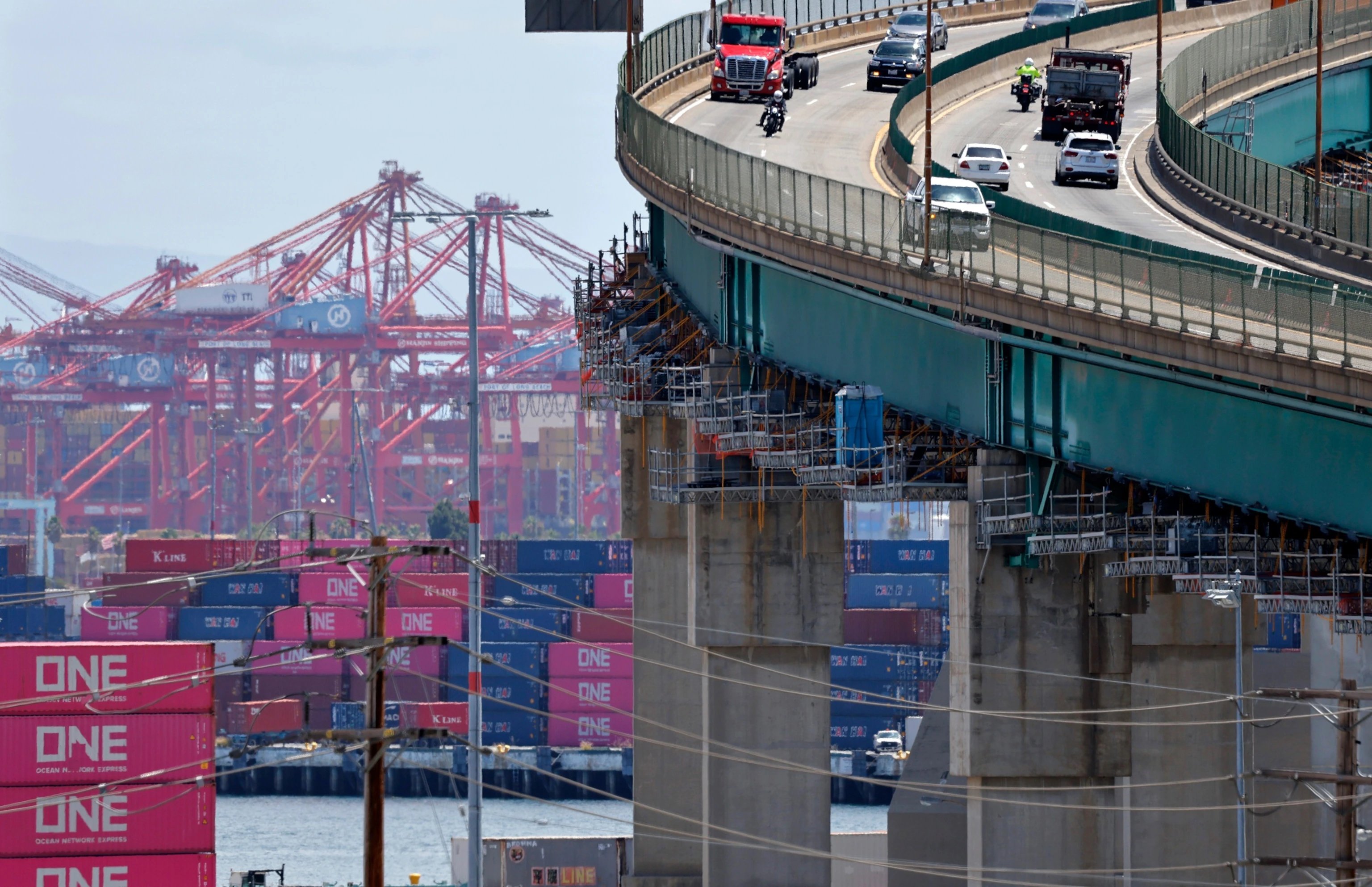
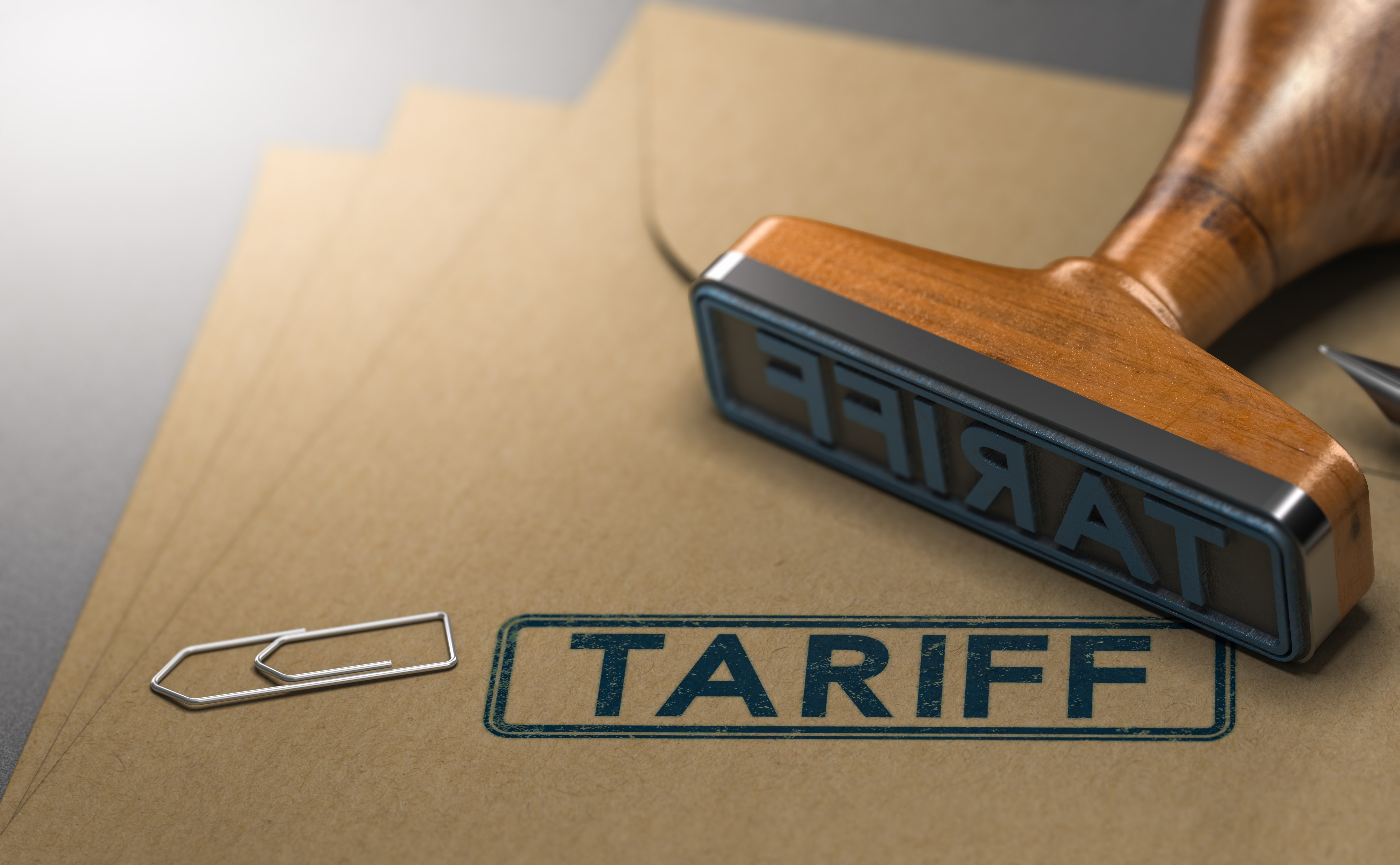
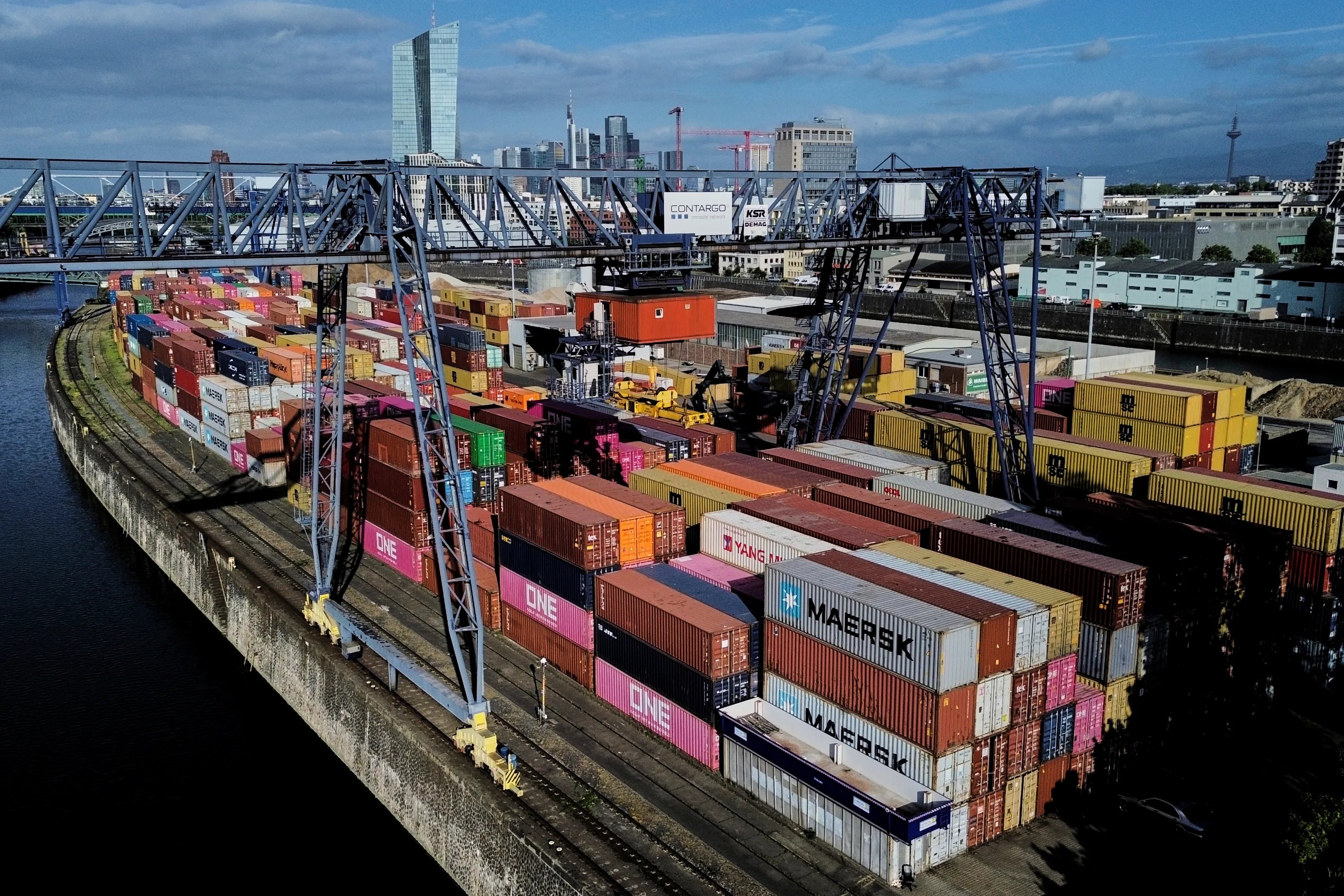
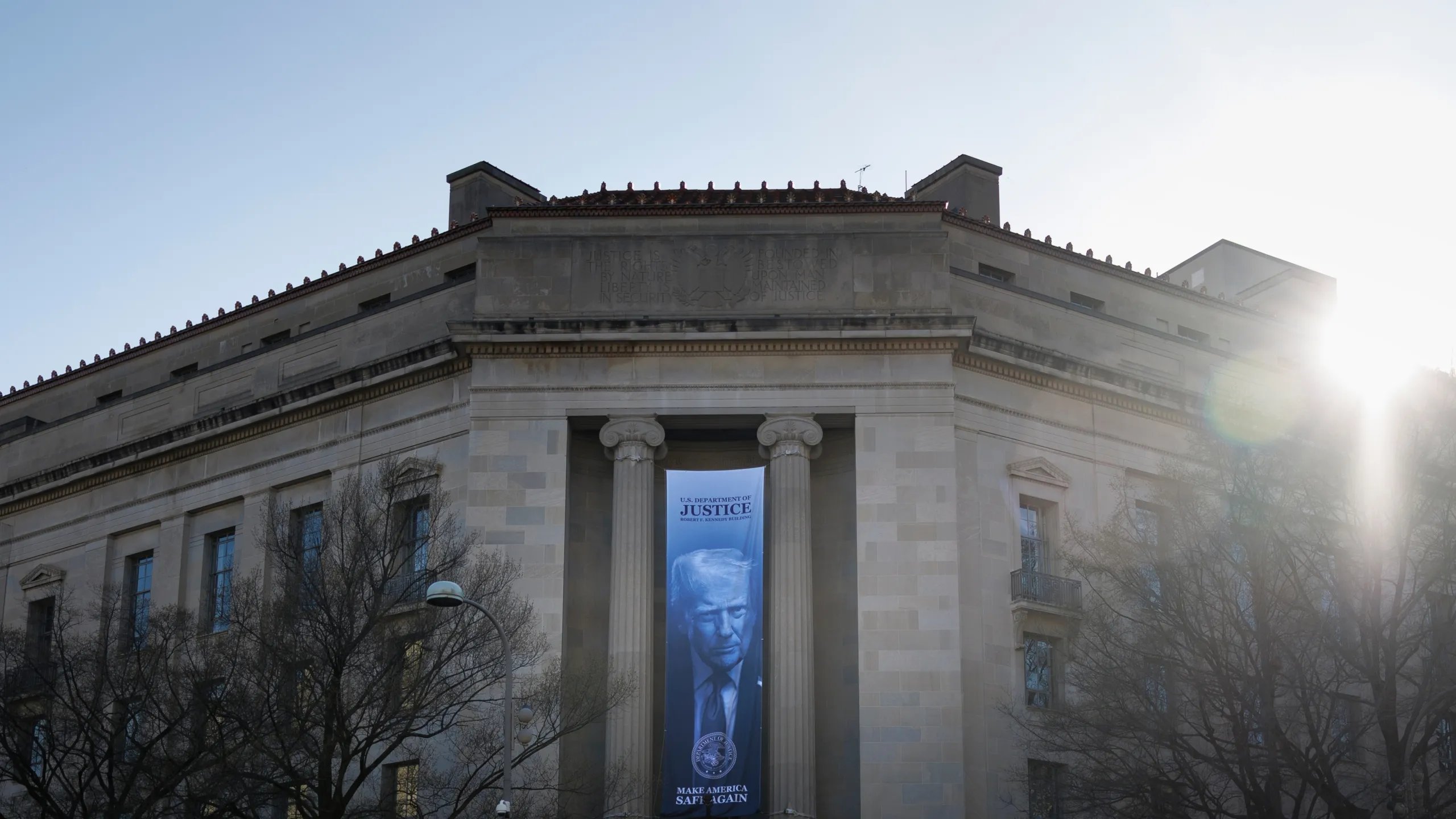
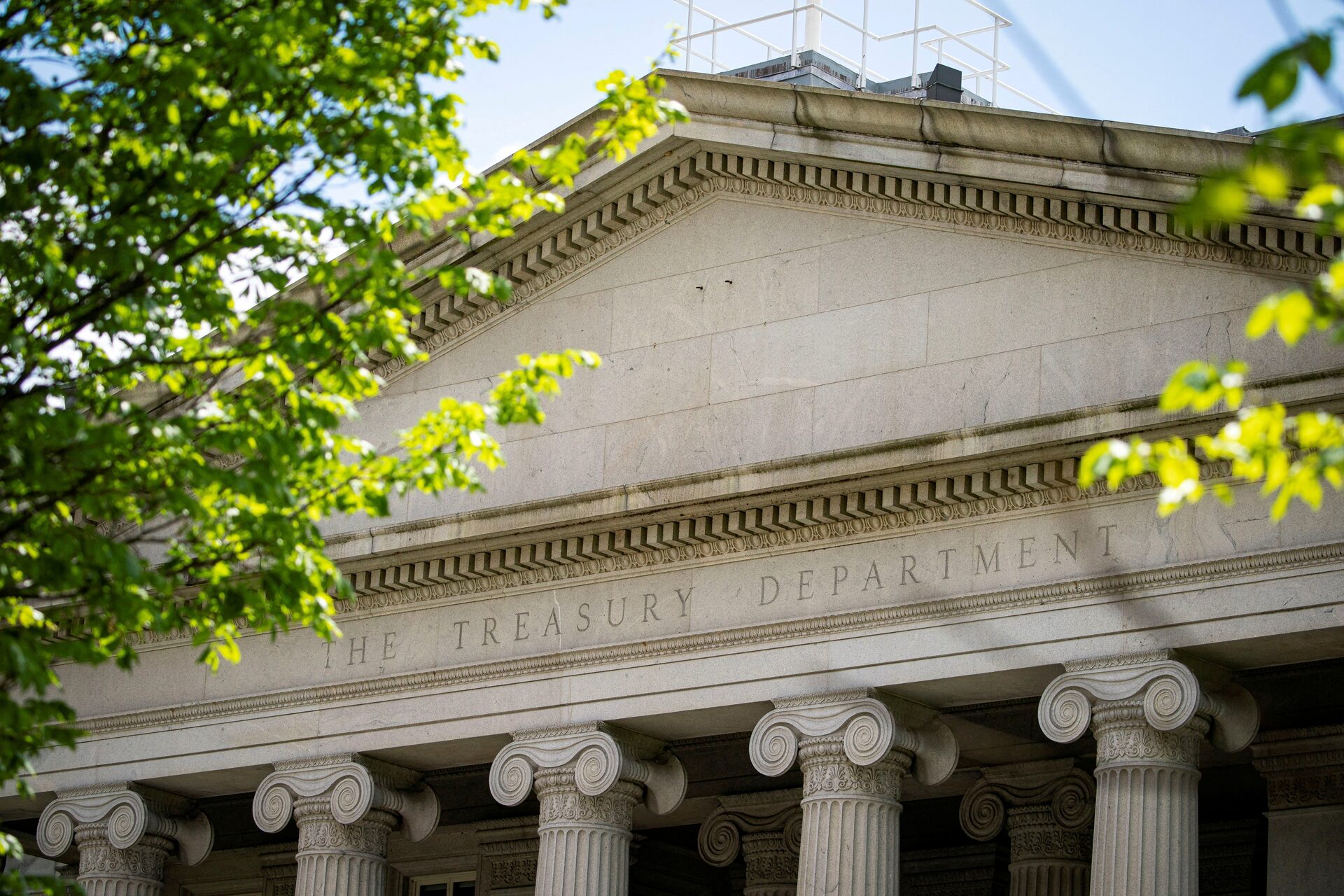
The U.S. government has proposed new tariffs of 10% to 12.5% on imports from 60 countries due to concerns over forced labor practices. These tariffs affect almost all U.S. imports and follow a U.S. Trade Representative (USTR) investigation that found many of these countries had failed to enforce prohibitions against the importation of goods produced with forced labor. USTR Ambassador Jamieson Greer stated that this creates an "unlevel playing field" for American workers, who are forced to compete against goods produced under such conditions.
The proposed tariffs will hit countries like Canada, the United Kingdom, and EU nations with a 10% duty, while the remaining 45 countries, including China and India, will face a higher tariff of 12.5%. The USTR's report concluded that 54 countries had failed to impose a legal prohibition on forced labour imports and to effectively enforce such a prohibition, while six others had failed to effectively enforce such a prohibition.
International Reactions
Responses from affected countries have been swift and varied. The UK government has stated its commitment to tackling forced labor in global supply chains, asserting that it is not complicit in such practices. China has denied allegations of forced labor, with foreign ministry spokesperson Mao Ning calling the U.S. claims "political manipulation." However, several international human rights groups have said forced labour does exist in China, particularly among Muslim ethnic minorities in Xinjiang. The European Commission expressed that the tariffs were unjustified and reiterated its commitment to the trade deal established with the U.S. last year.
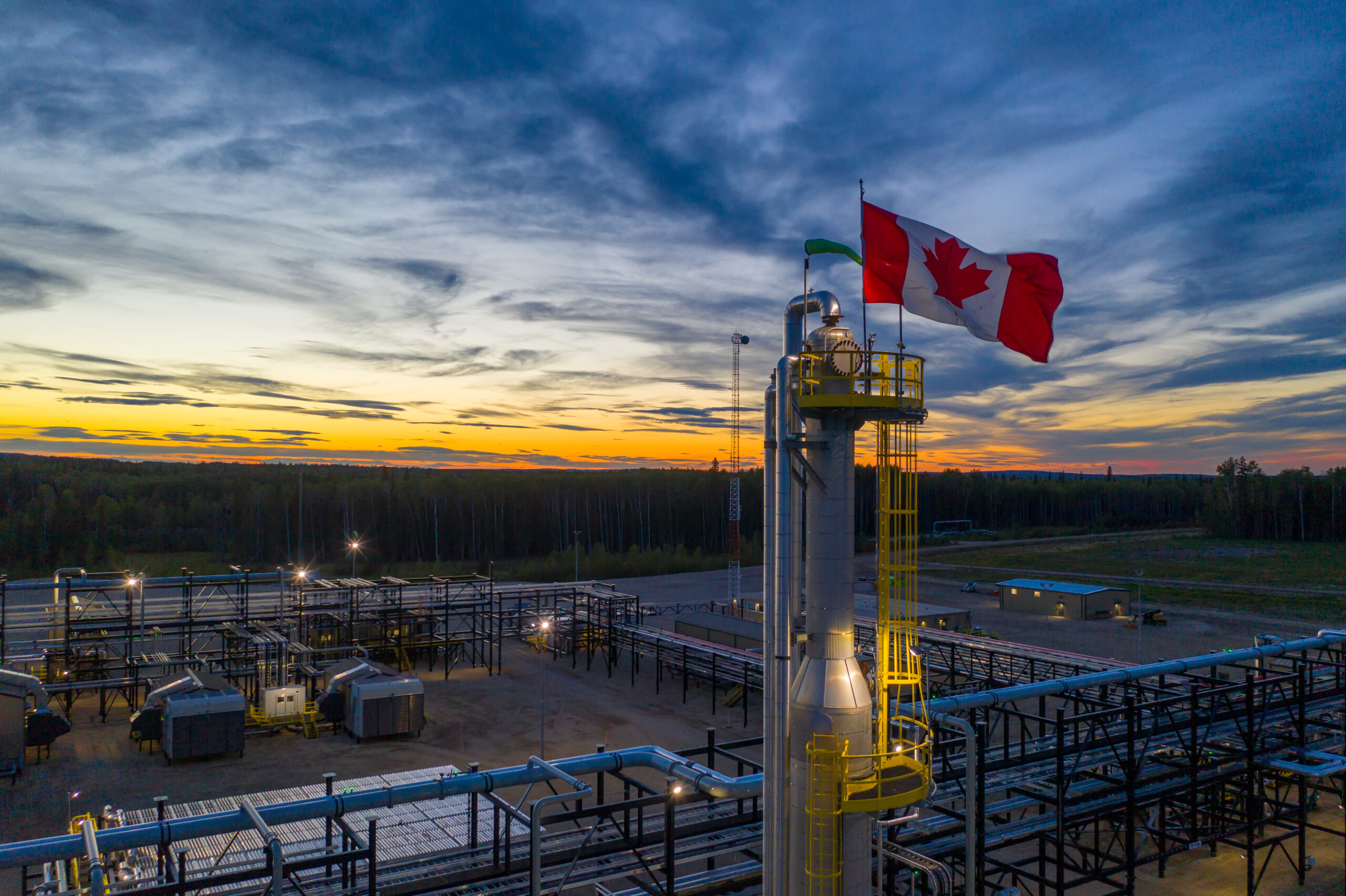
Canadian Prime Minister Mark Carney indicated that the tariffs would not surprise Canada and would not impact the majority of its exports to the U.S. Meanwhile, Indian analysts have suggested that the country should challenge the legal basis of the proposed tariffs, which they argue stretch the scope of U.S. trade law.
Legal Context and Future Proceedings
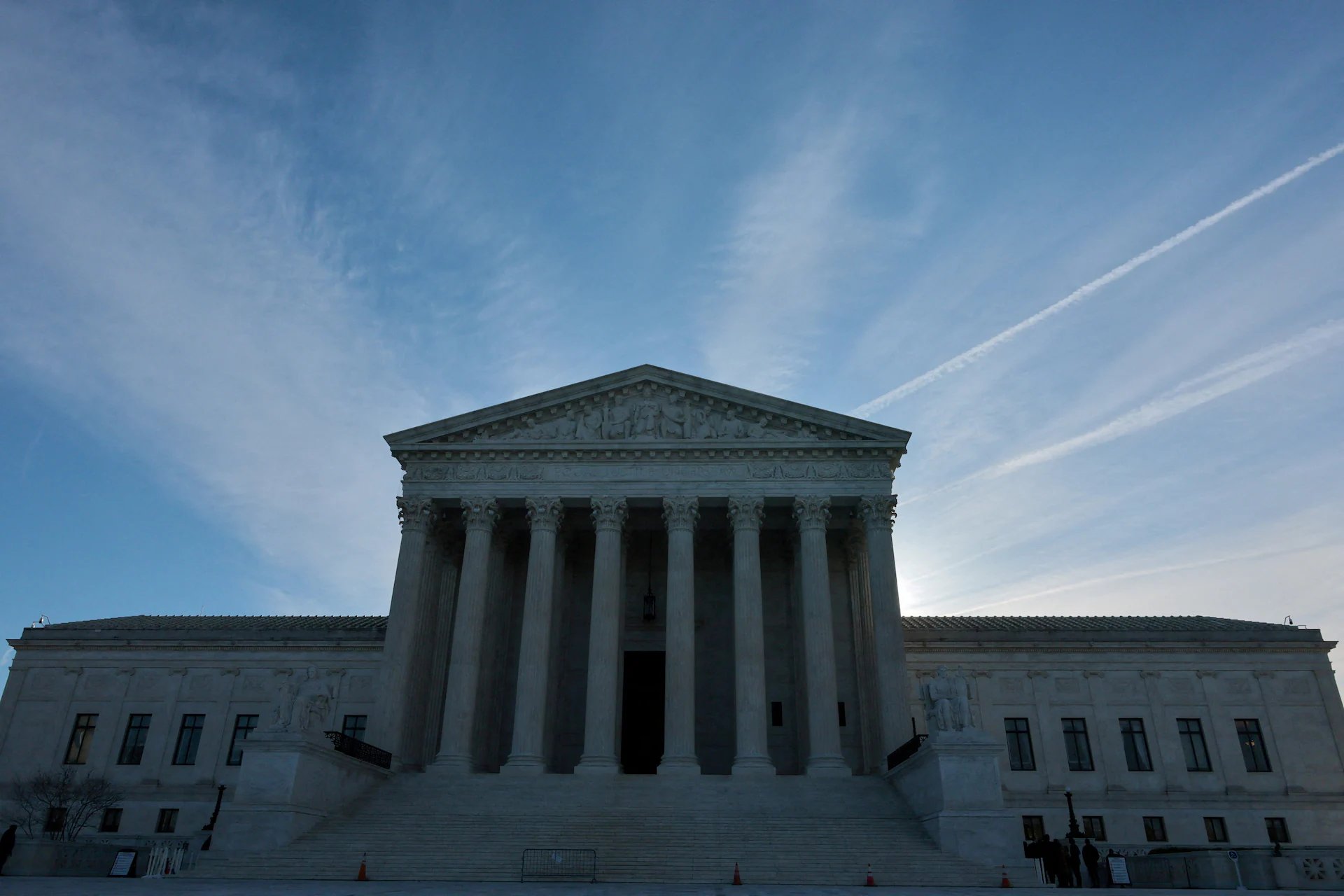
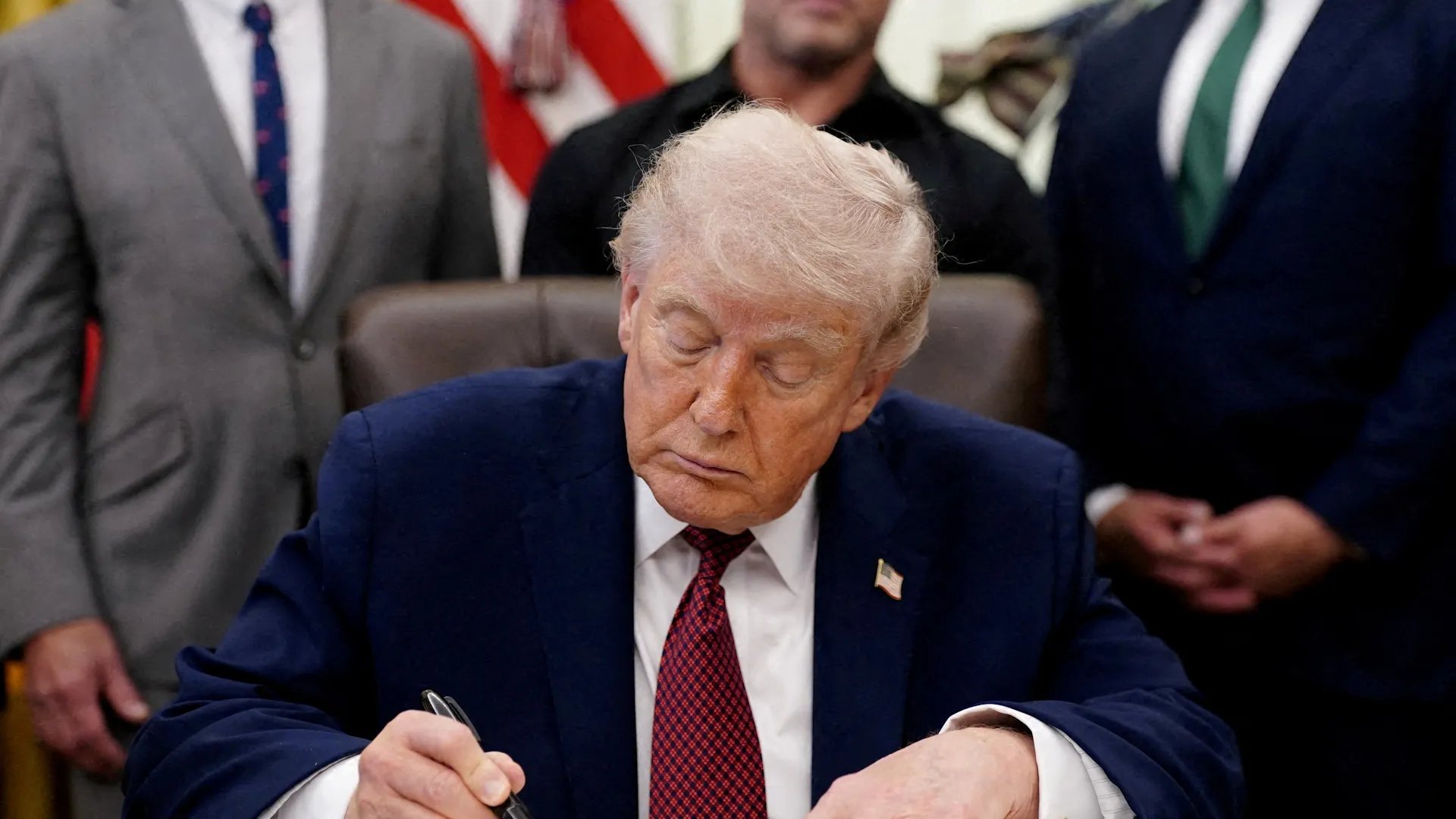
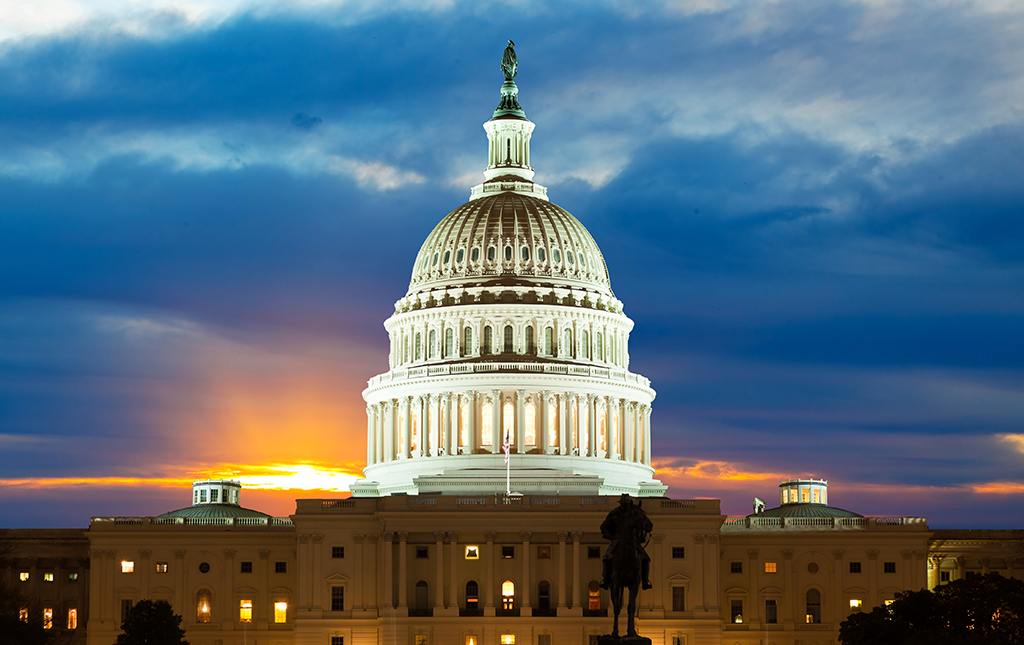
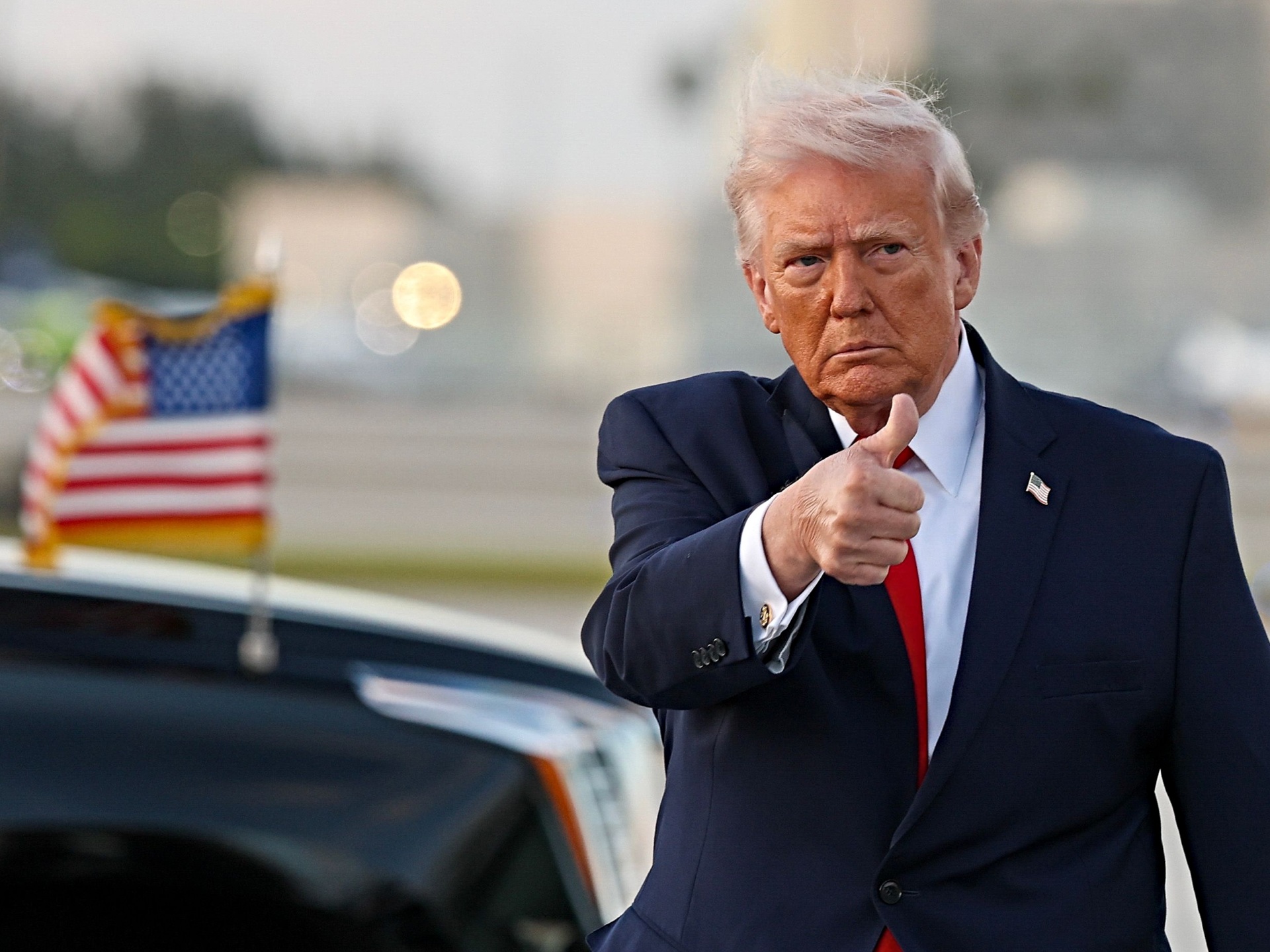
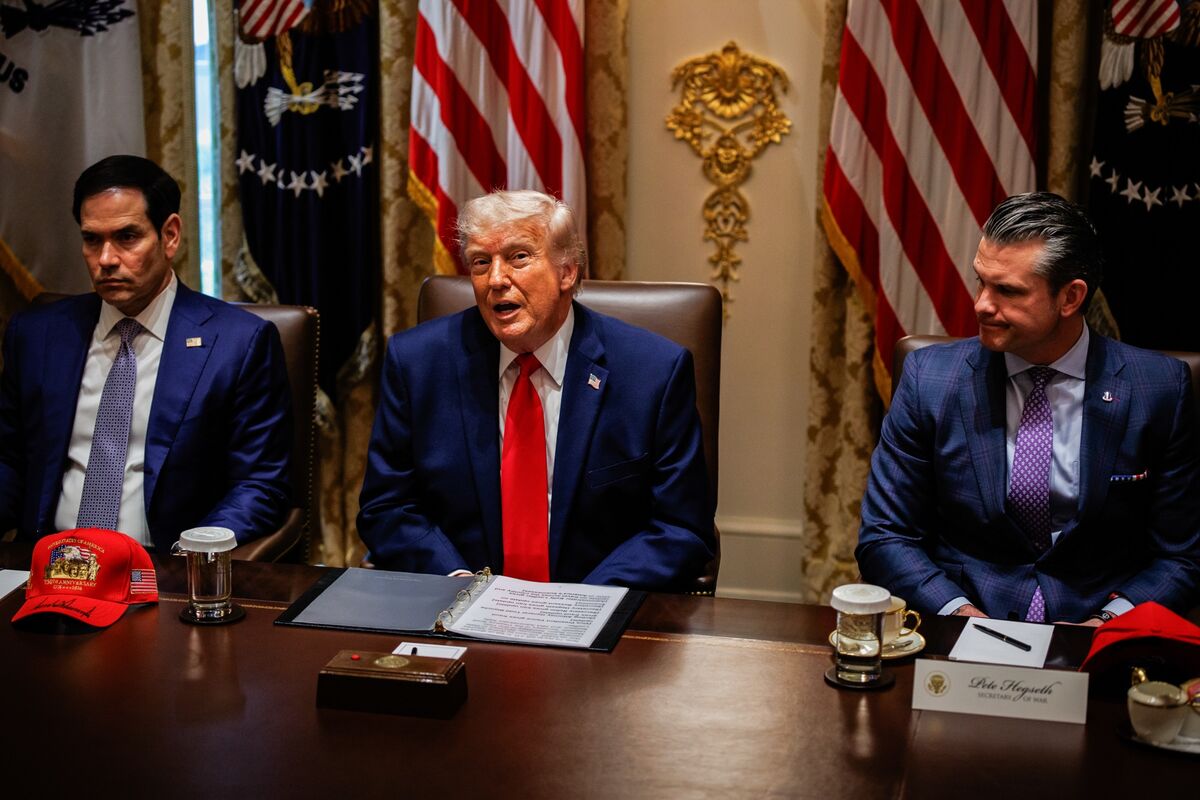
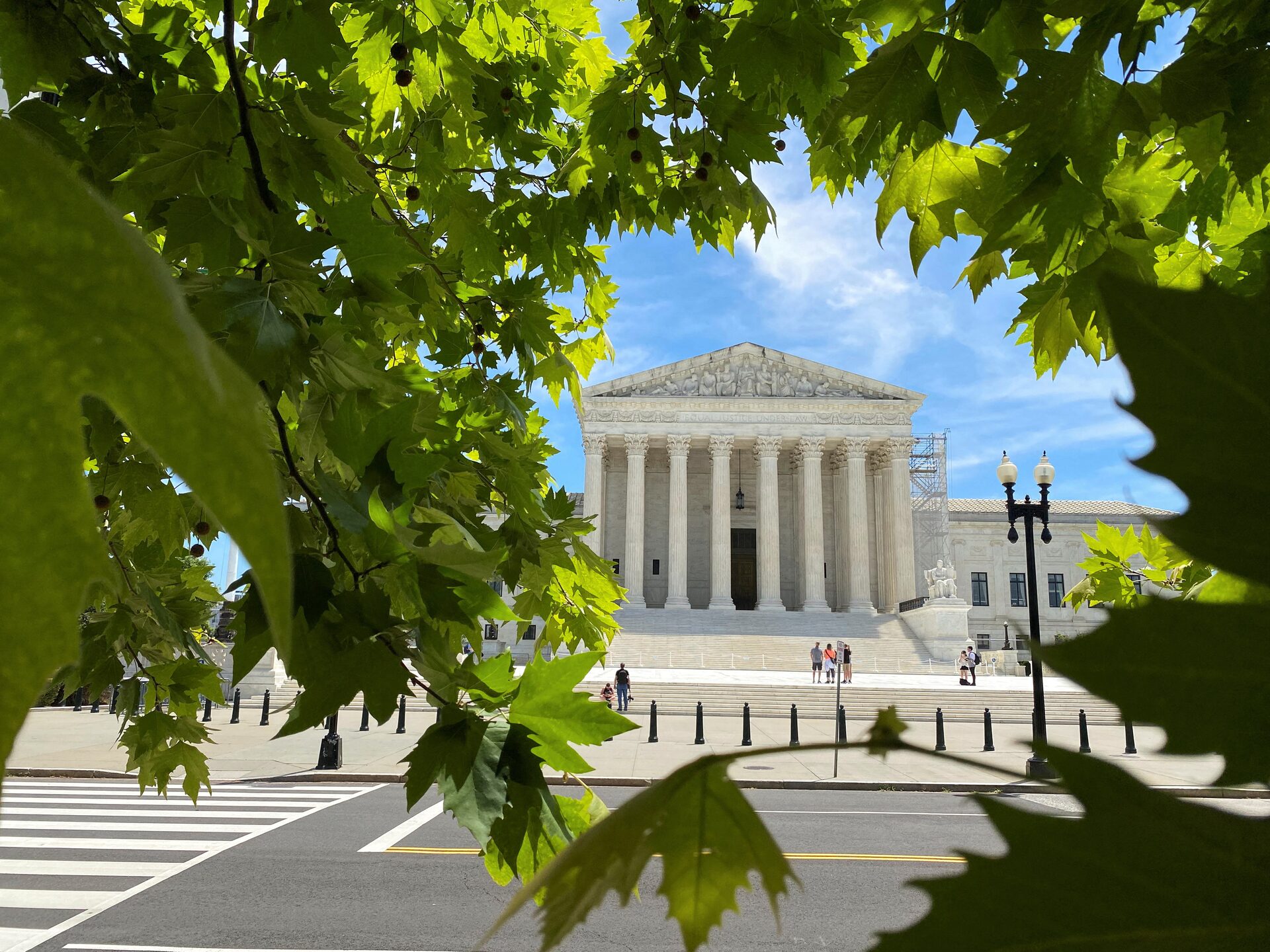
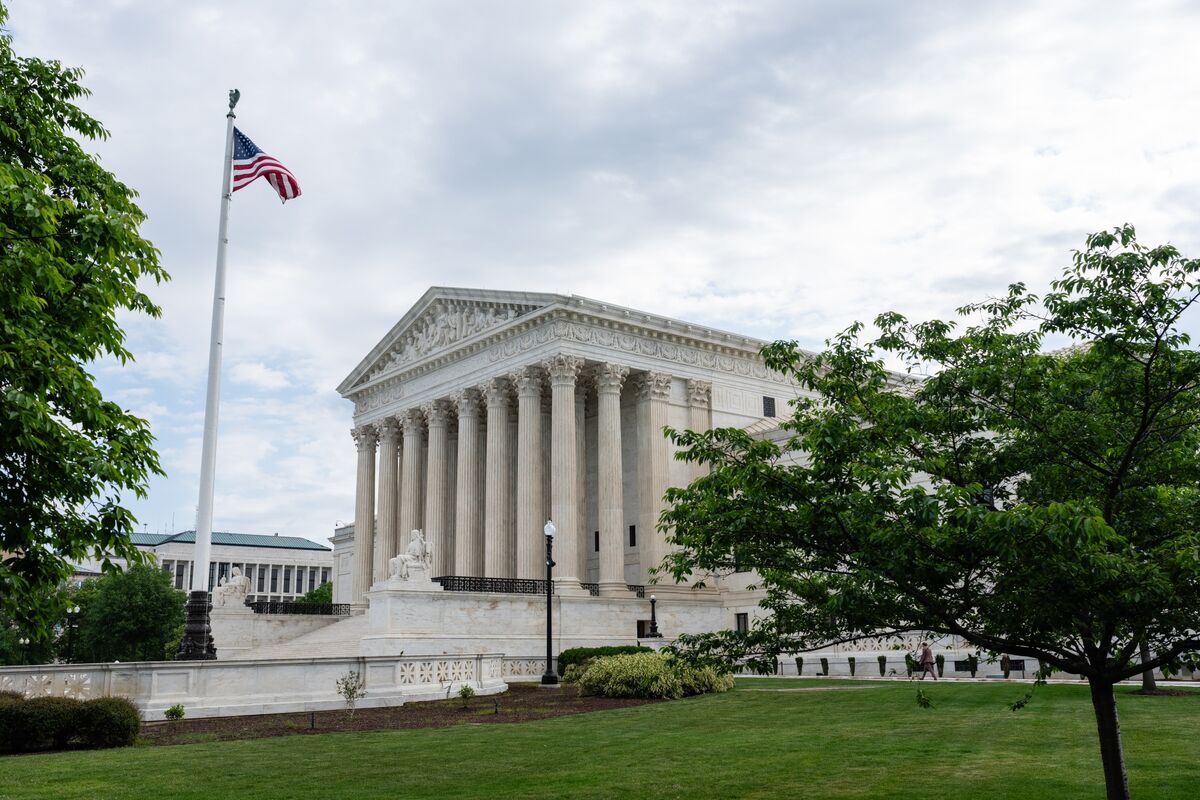
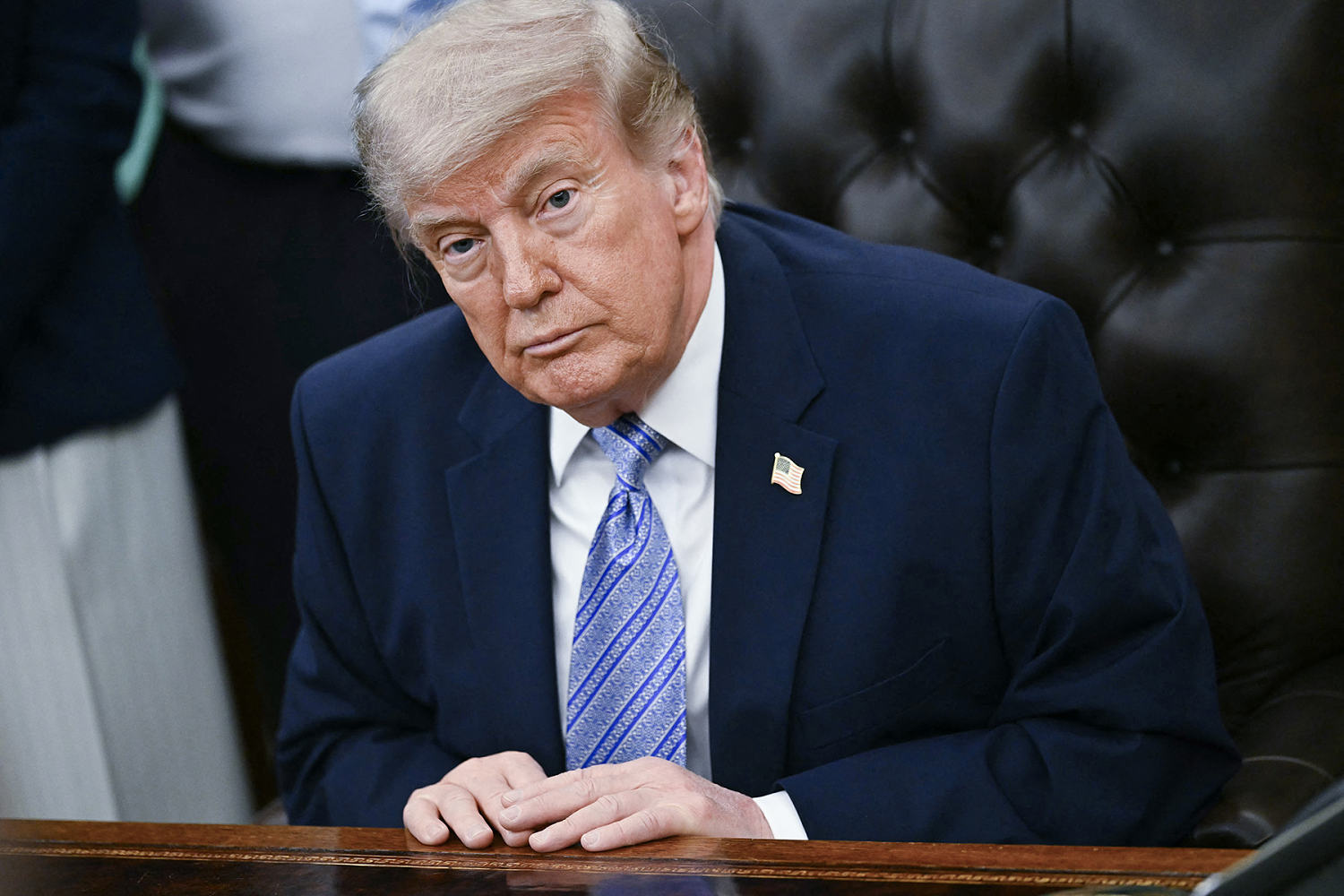
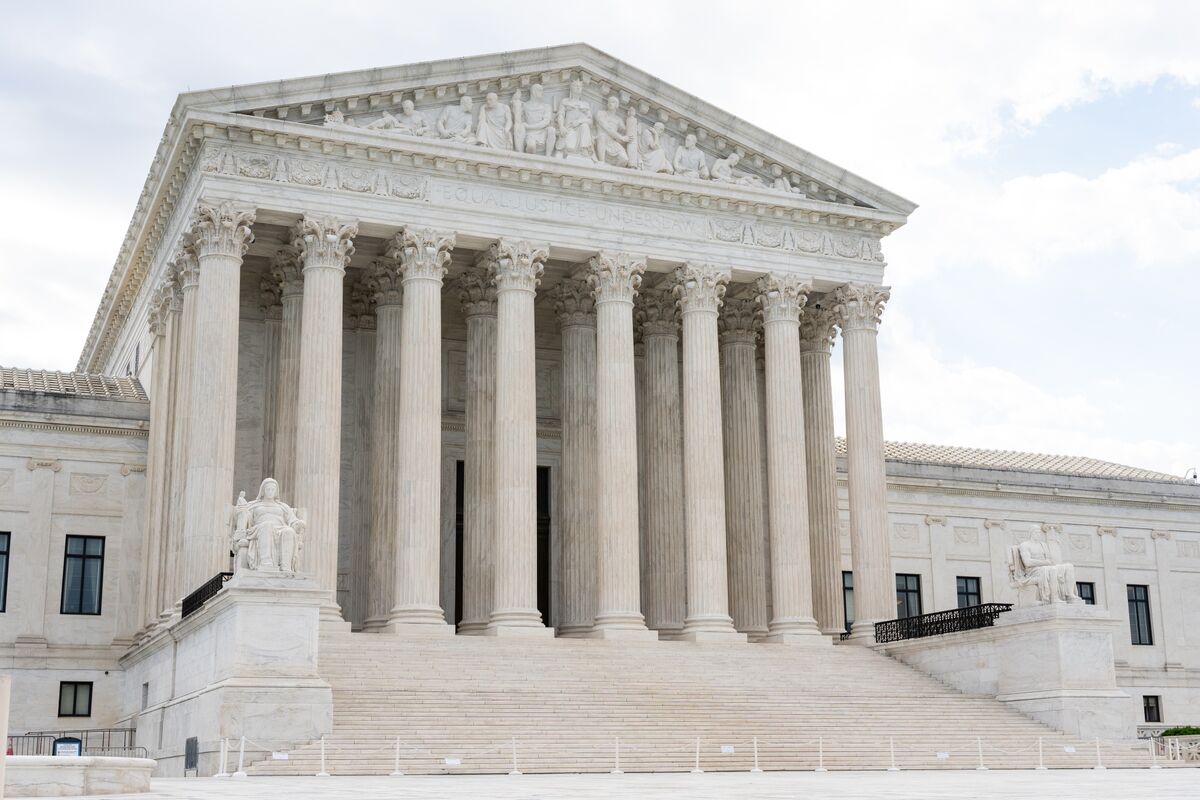
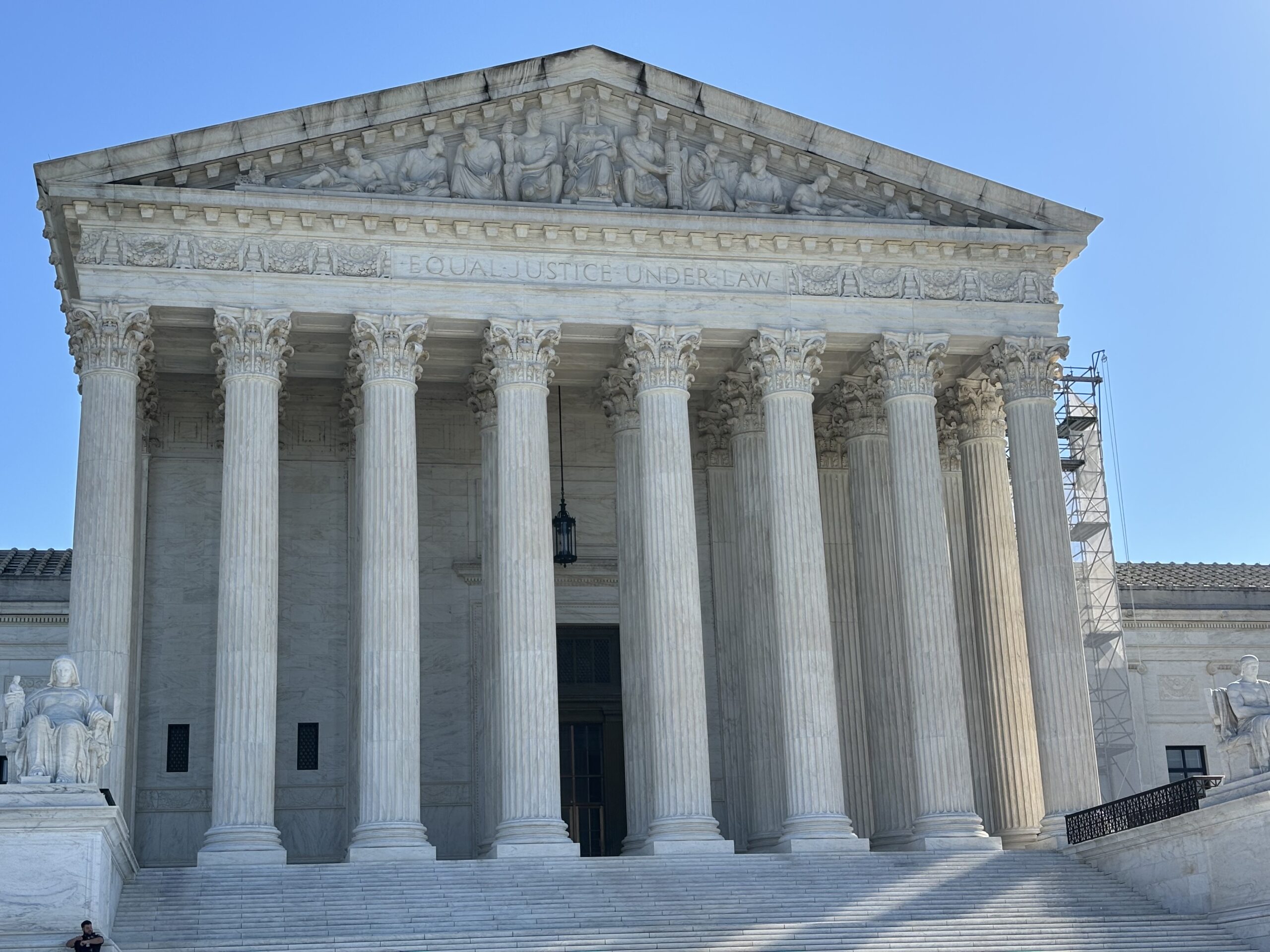
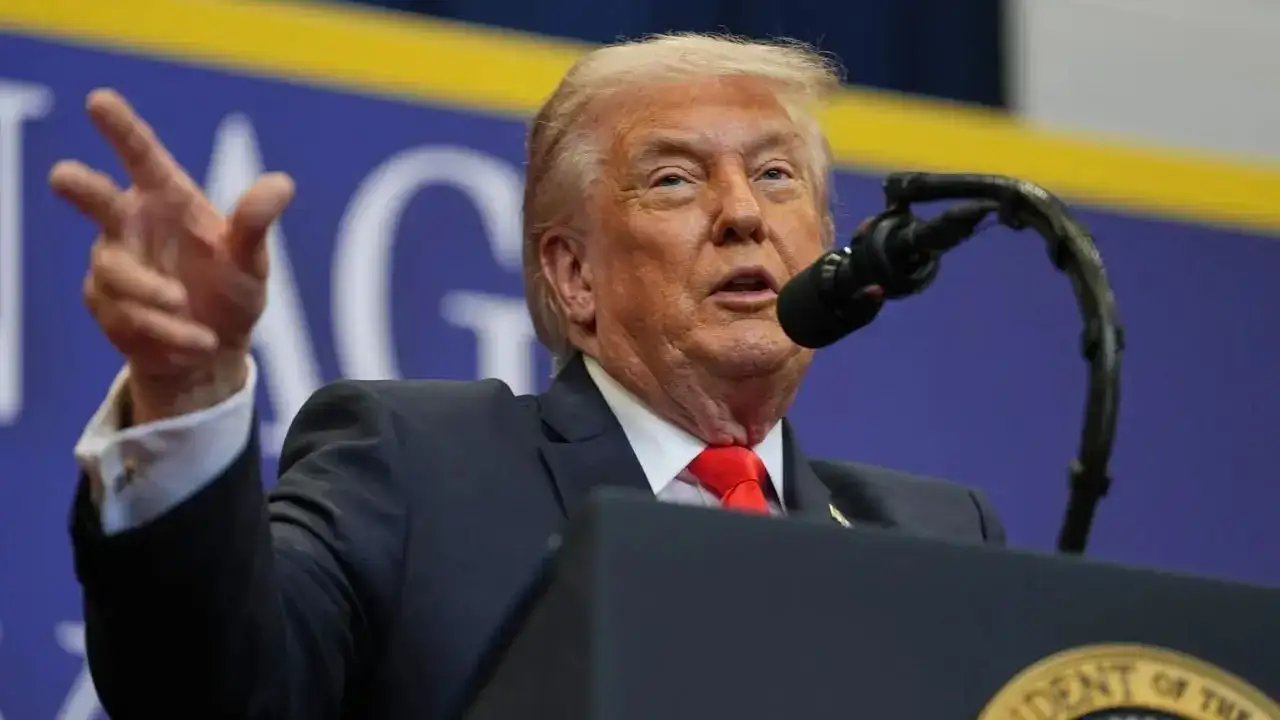
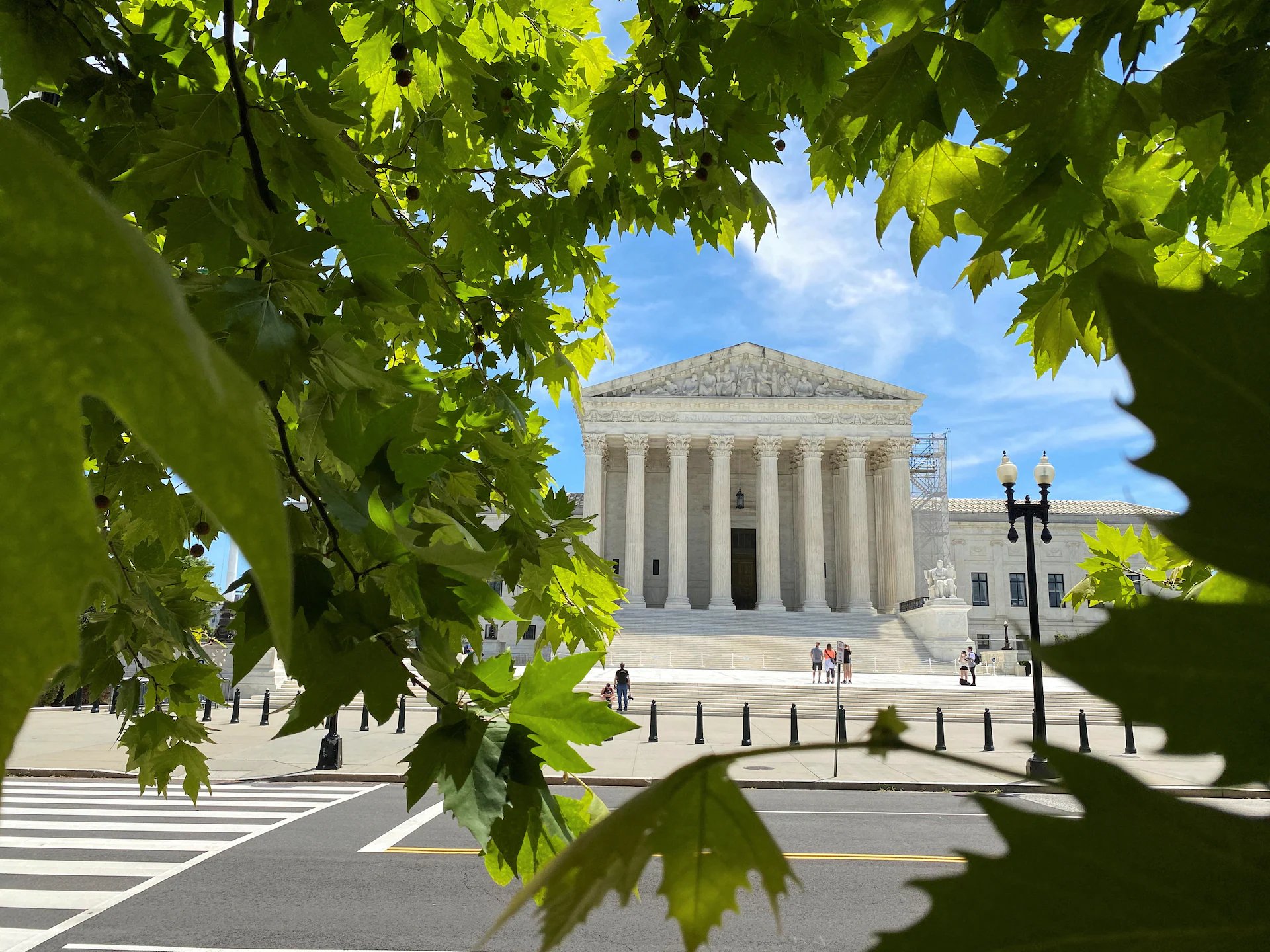
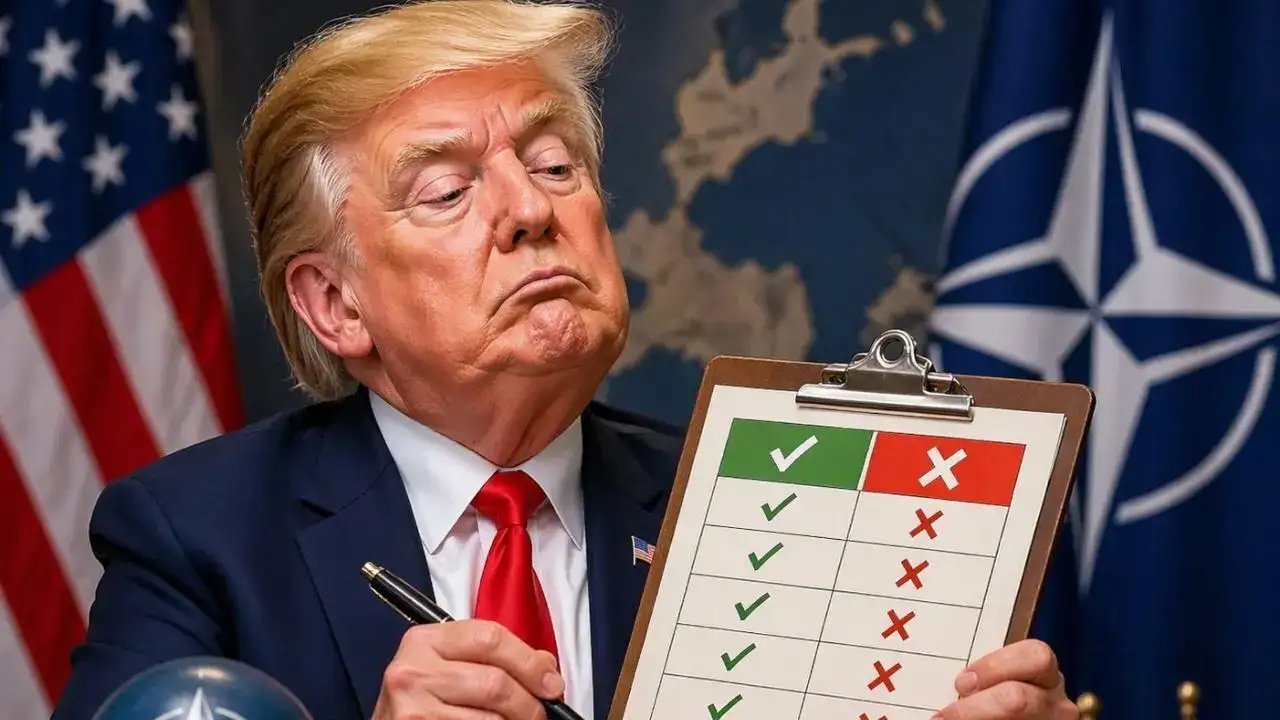
The announcement comes after the U.S. Supreme Court struck down many of President Donald Trump's previous tariffs in February, ruling that they exceeded his authority. The new tariffs are seen as an effort to rebuild the U.S. tariff framework while navigating the legal challenges posed by the Supreme Court ruling. The USTR plans to hold public hearings on the proposed tariffs on July 7, and public comments will be accepted until July 6.
The timing of this announcement aligns with the impending expiration of a 10% temporary tariff imposed in February, which is set to expire on July 24 unless extended by Congress. Business leaders said the US move created confusion for companies navigating the new tariff requirements.
Implications for Global Trade
These tariffs could significantly impact U.S. trade relations, particularly with nations that have been negotiating lower tariffs for over a year. The proposed tariffs may disrupt ongoing discussions, including those between the U.S. and India, where a trade deal is reportedly close to finalization. Analysts warn that the new tariffs could complicate diplomatic efforts and economic agreements, potentially leading to retaliatory measures from affected countries.
The USTR has stated that the measures are intended to hold trading partners accountable for their roles in forced labor practices. However, human rights advocates caution that tariffs may not be a comprehensive solution to the problem. Amnesty International's Peter Frankental emphasized that while trade measures can address forced labor risks, they cannot replace effective enforcement and corporate accountability.
Next Steps for Businesses and Consumers
As the proposed tariffs move through the public comment and review process, businesses will need to prepare for potential changes in import costs and supply chain management. The USTR has indicated that certain products, including energy and pharmaceuticals, may be exempt from the tariffs, suggesting a nuanced approach to enforcement.
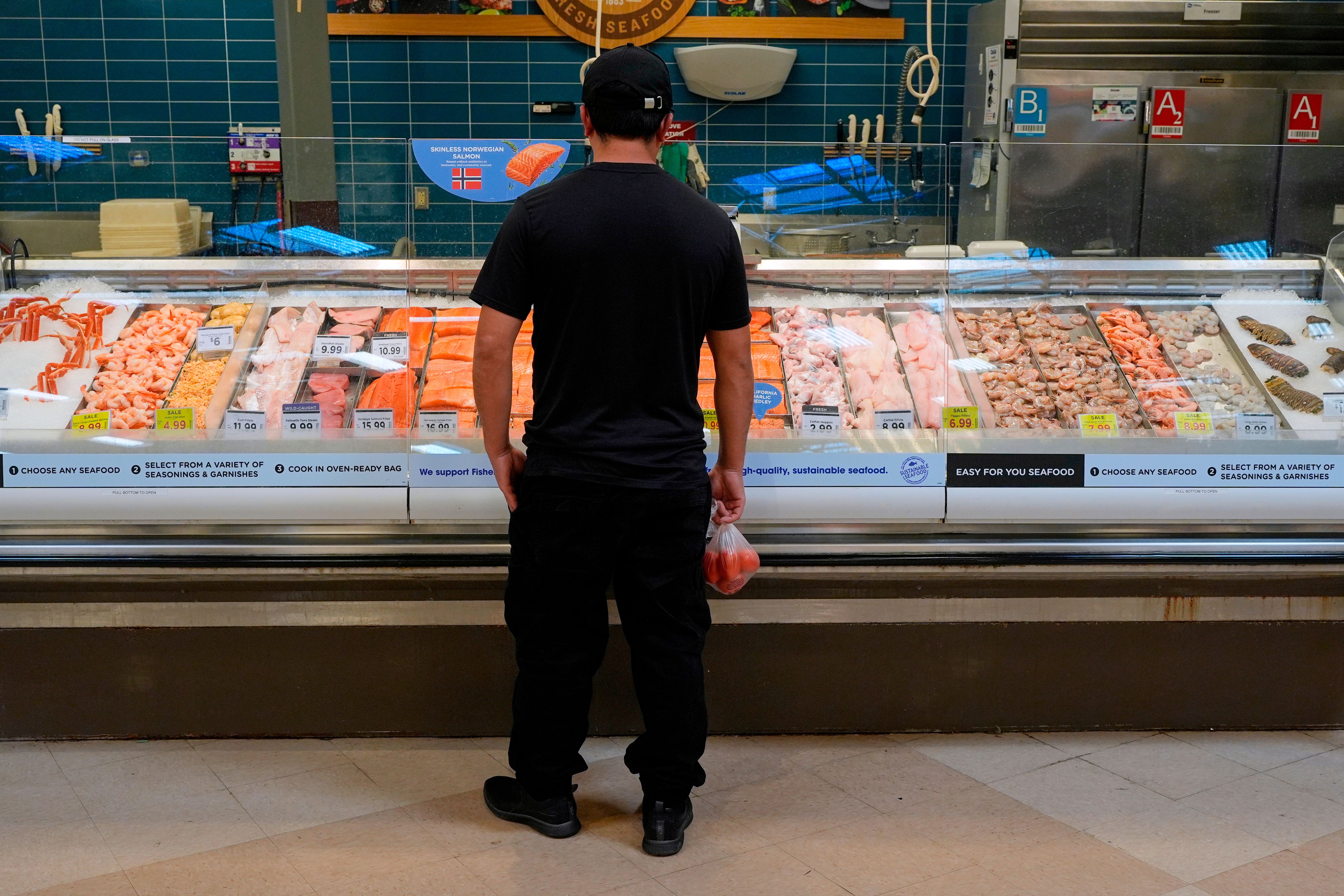
Consumers could face increased prices on goods impacted by the new tariffs, particularly if companies pass on the costs of compliance and tariffs. The situation remains fluid, and stakeholders across the globe will be closely monitoring developments as the U.S. government seeks to implement its trade policies effectively.