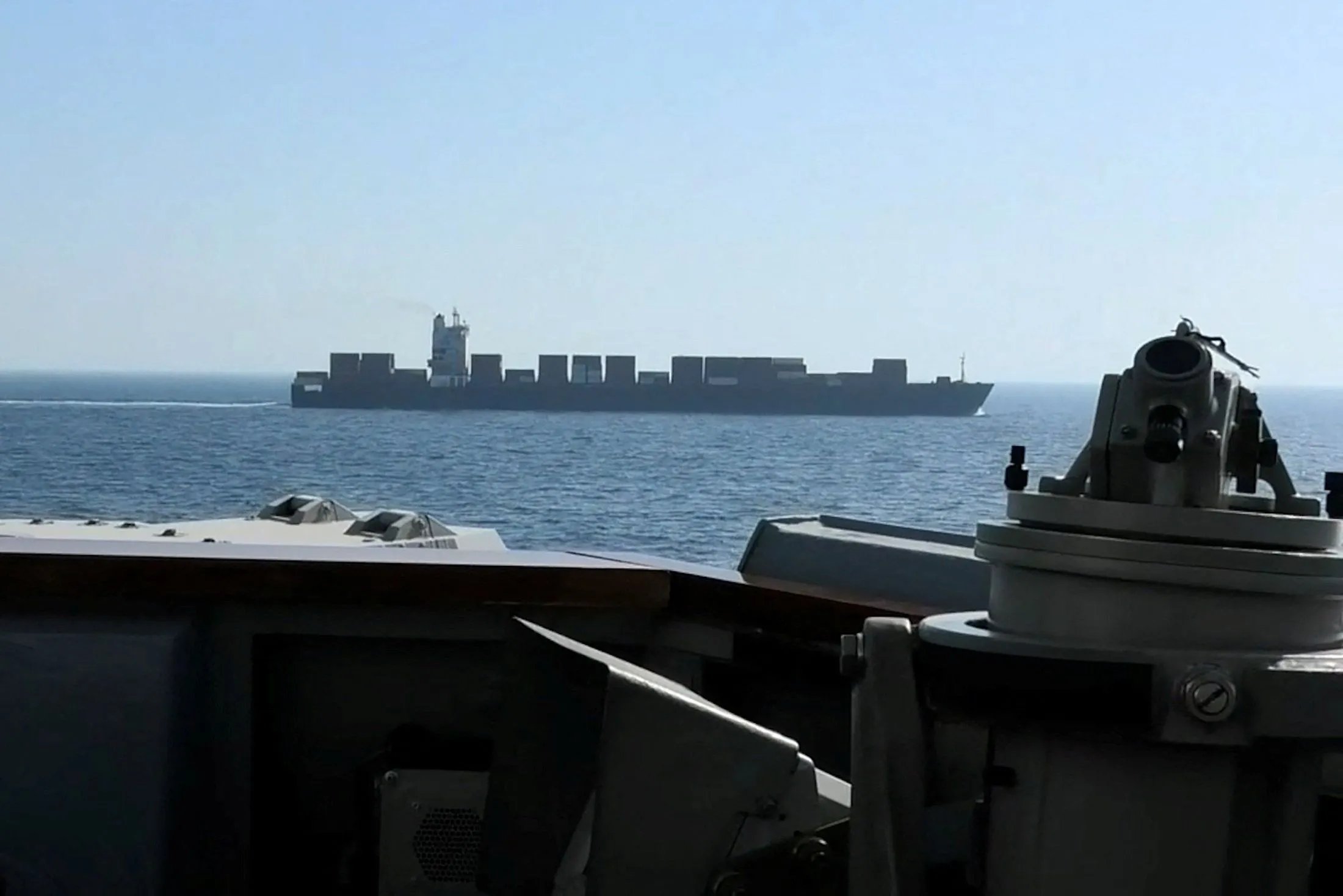
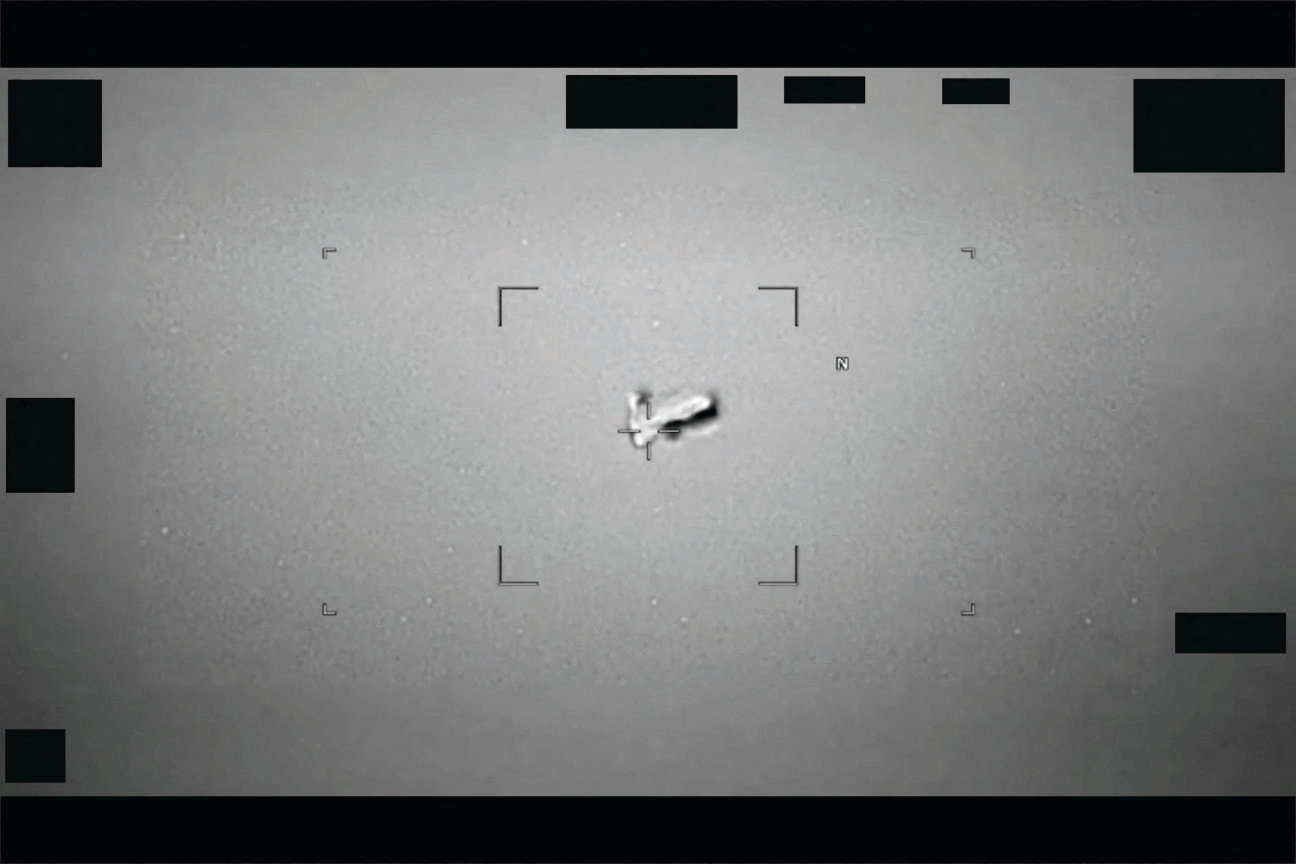
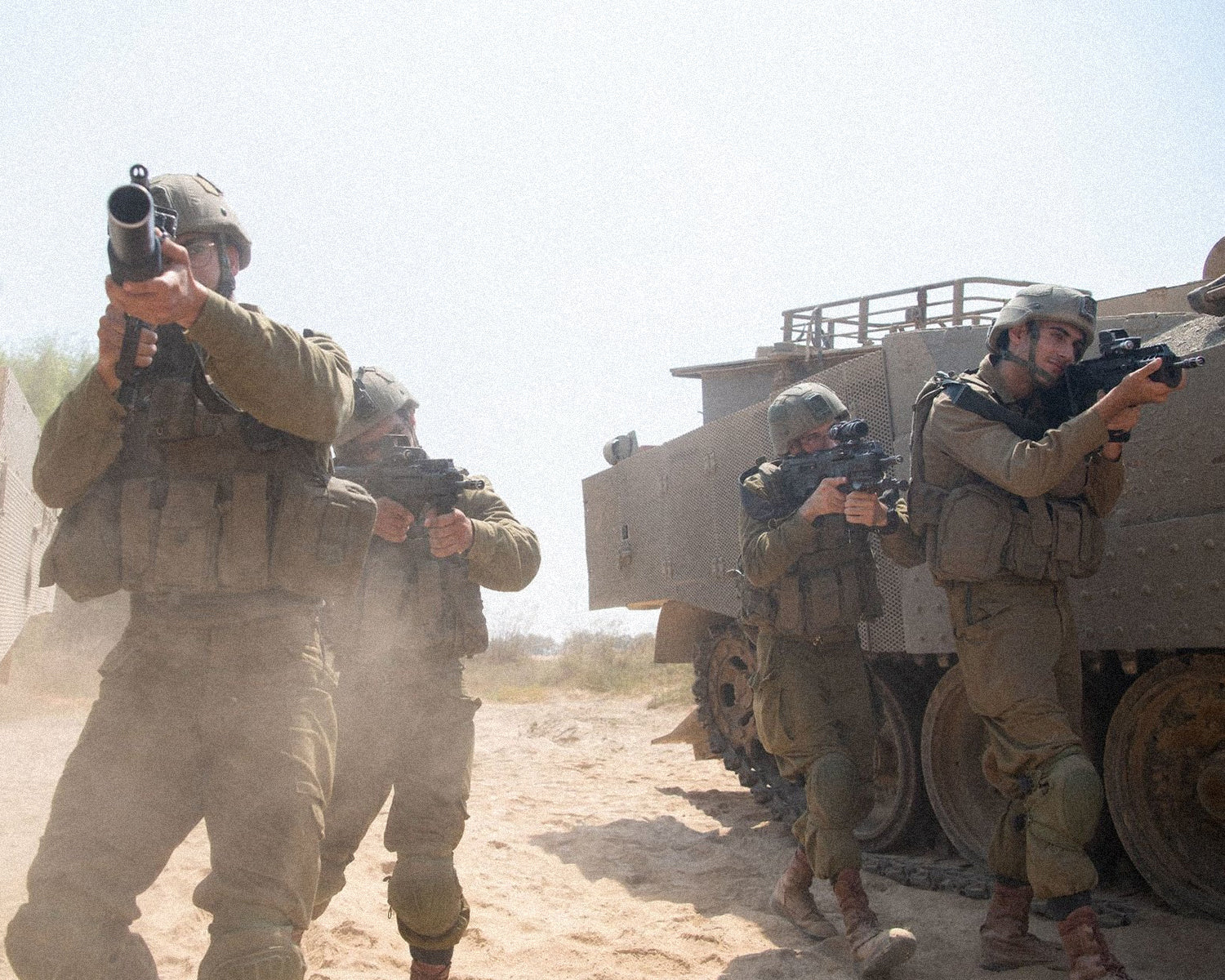
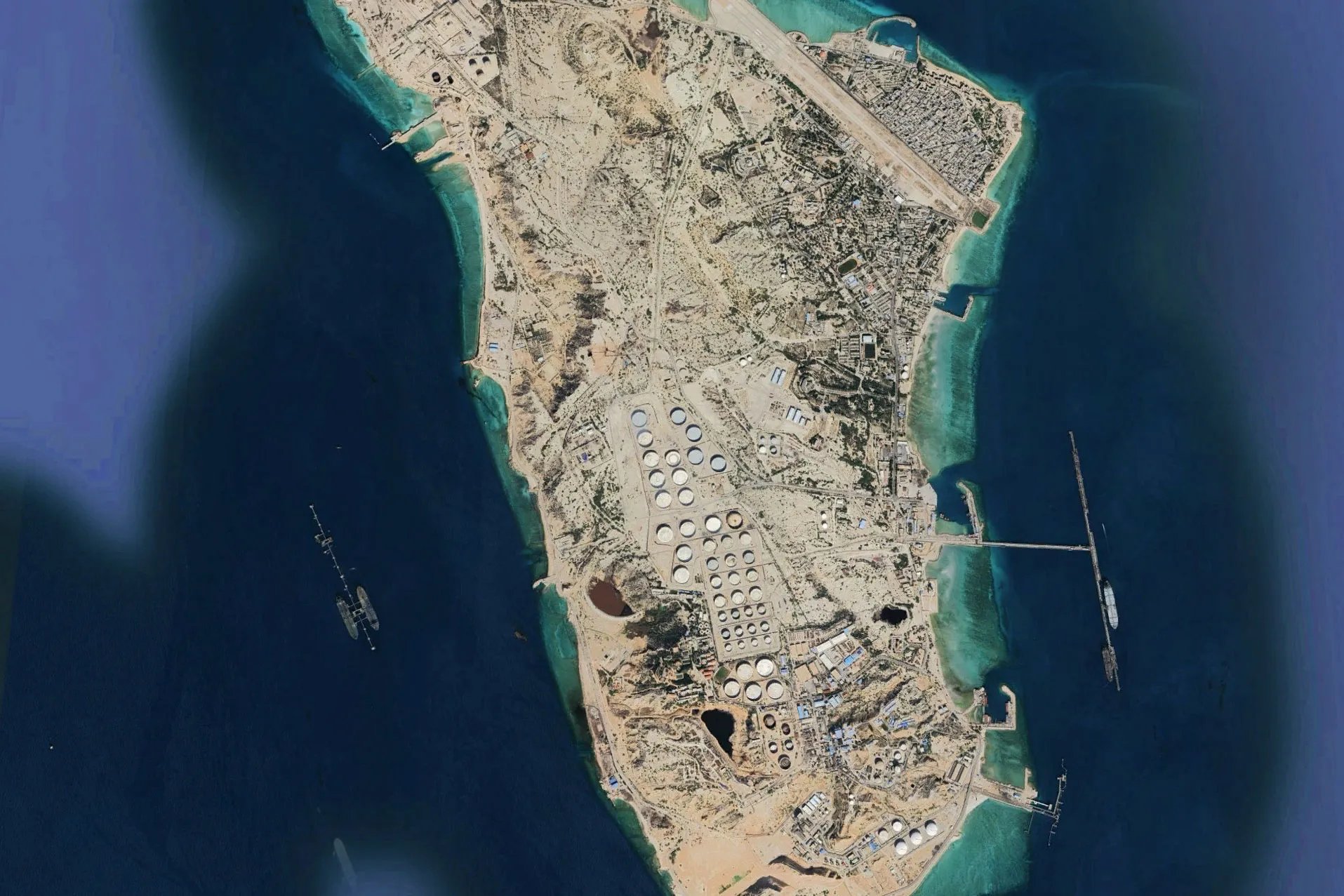
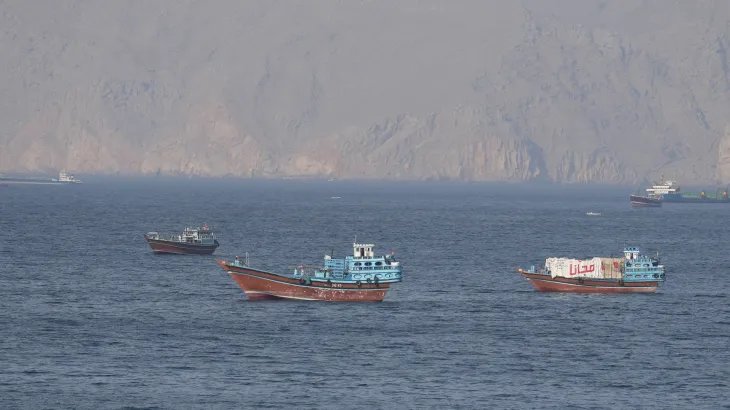
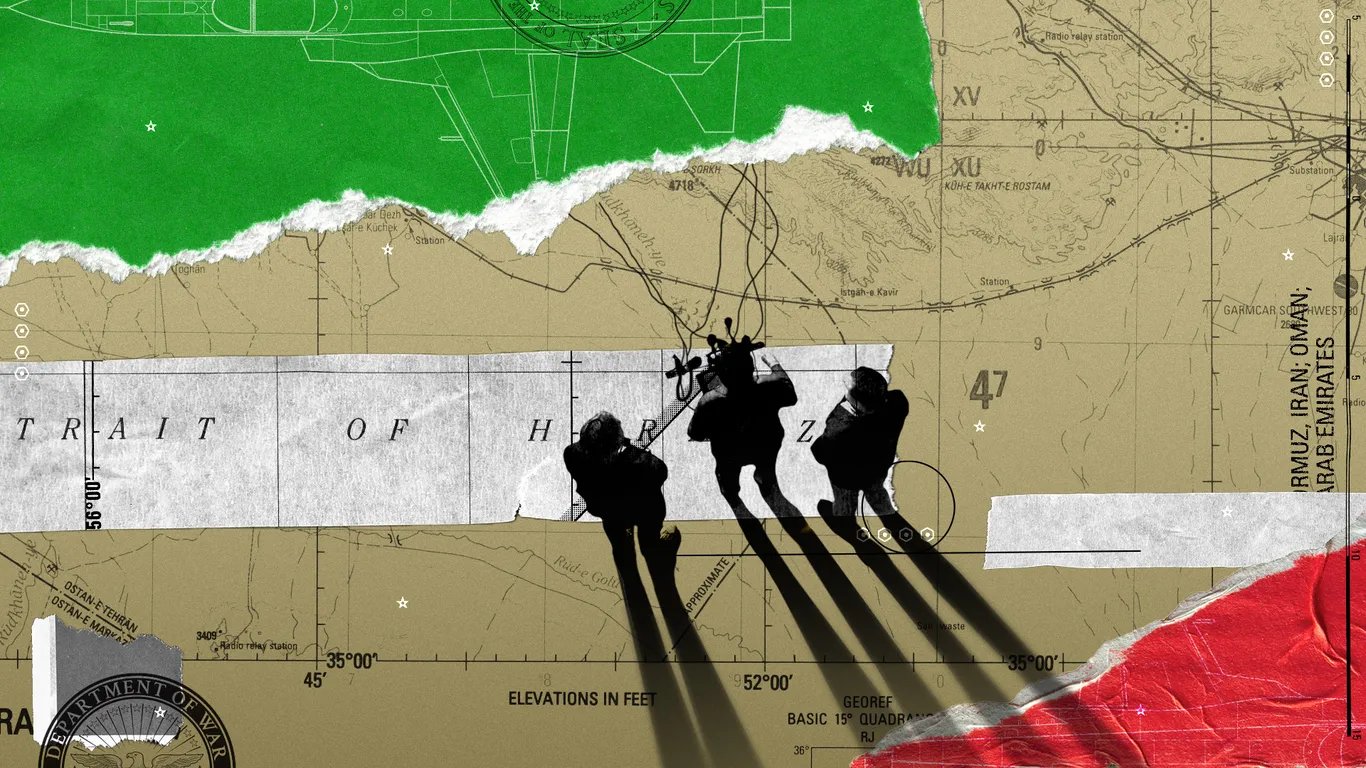
The operation included shooting down four Iranian drones that posed a threat near the Strait of Hormuz, a vital oil shipping route. The official described these actions as defensive, aimed at maintaining a fragile ceasefire between the two nations.
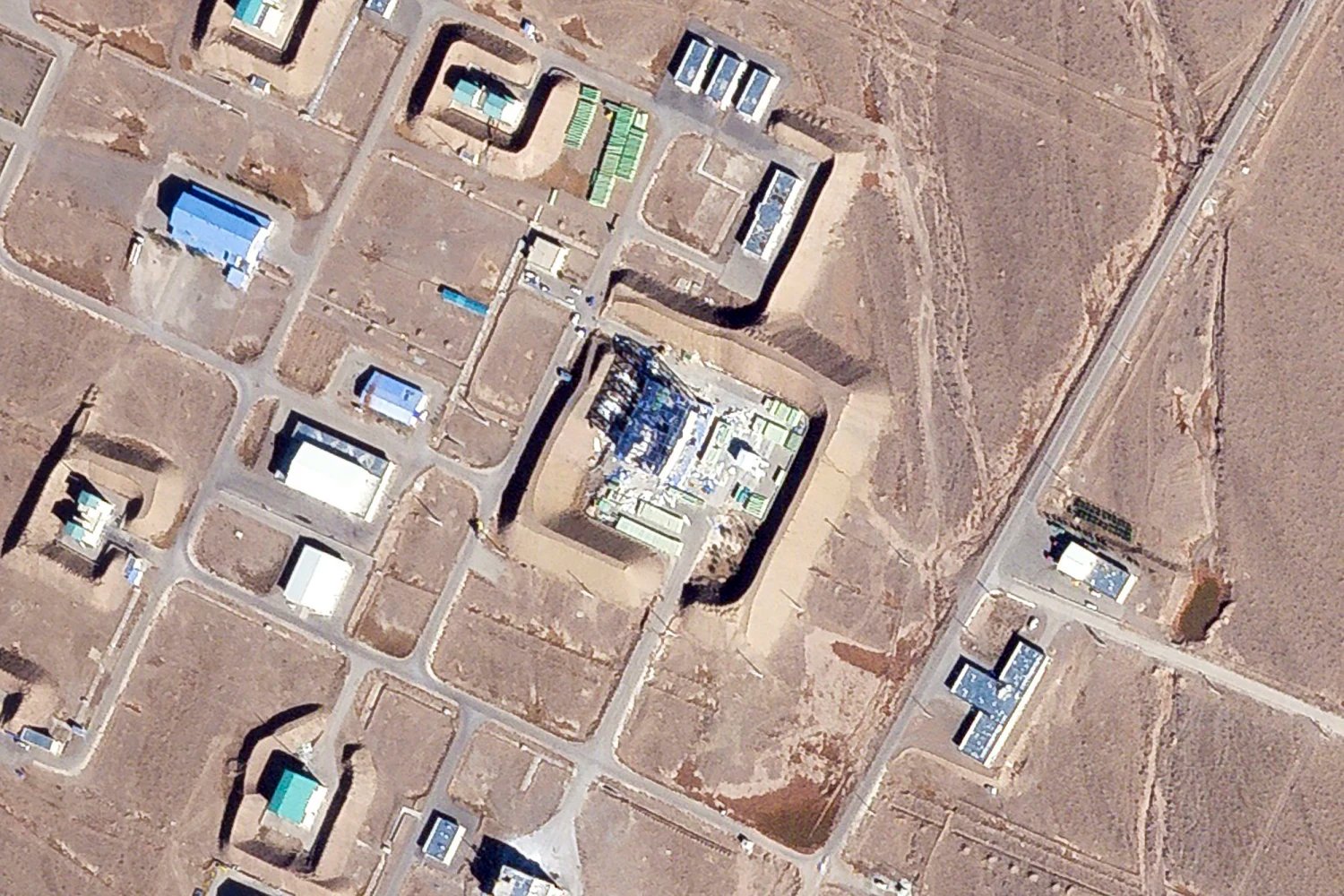
The strikes targeted a control station that was preparing to launch a fifth drone, which the U.S. assessed as a direct threat to both U.S. forces and commercial shipping in the area. This marked the second round of strikes within three days, following earlier actions against Iranian missile launch sites and boats allegedly laying mines.
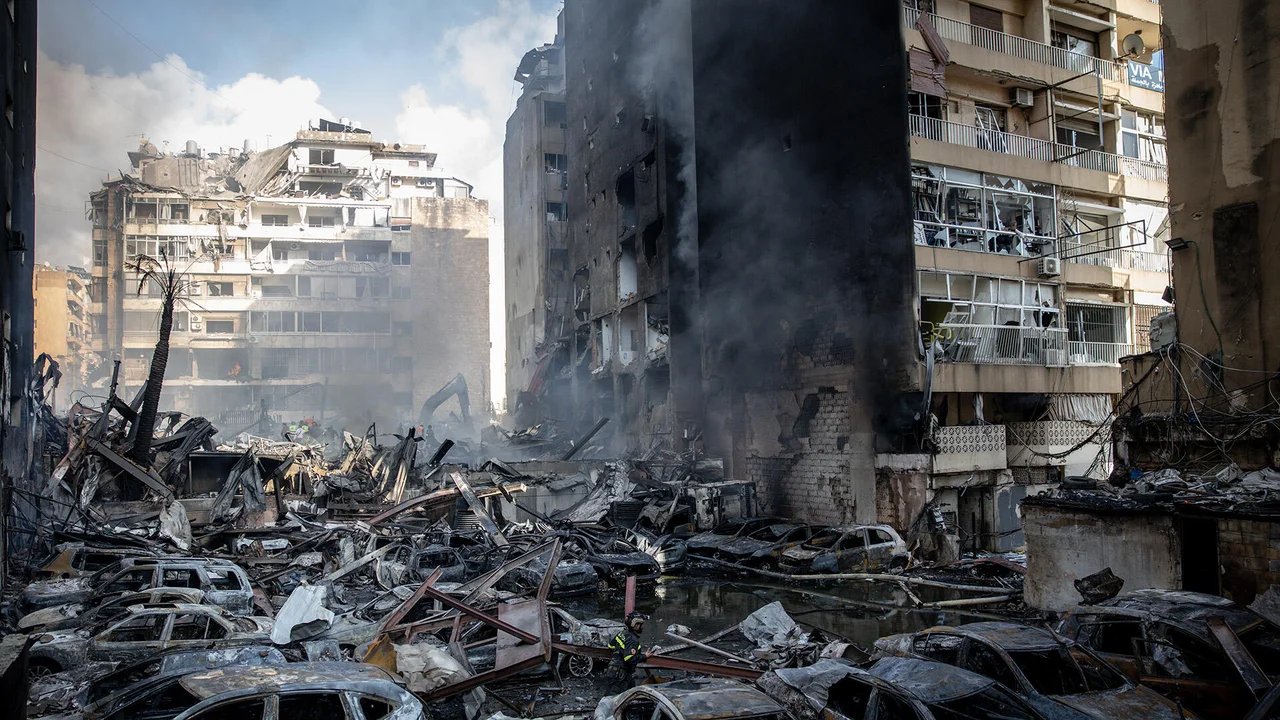
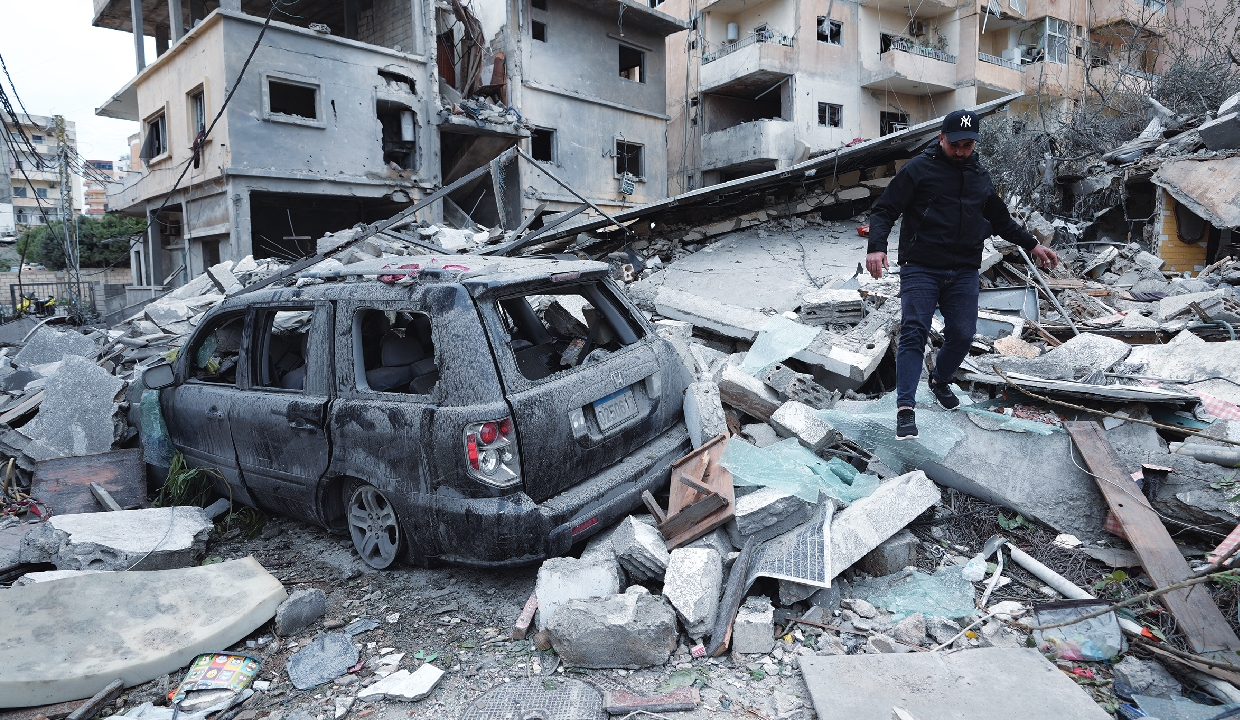
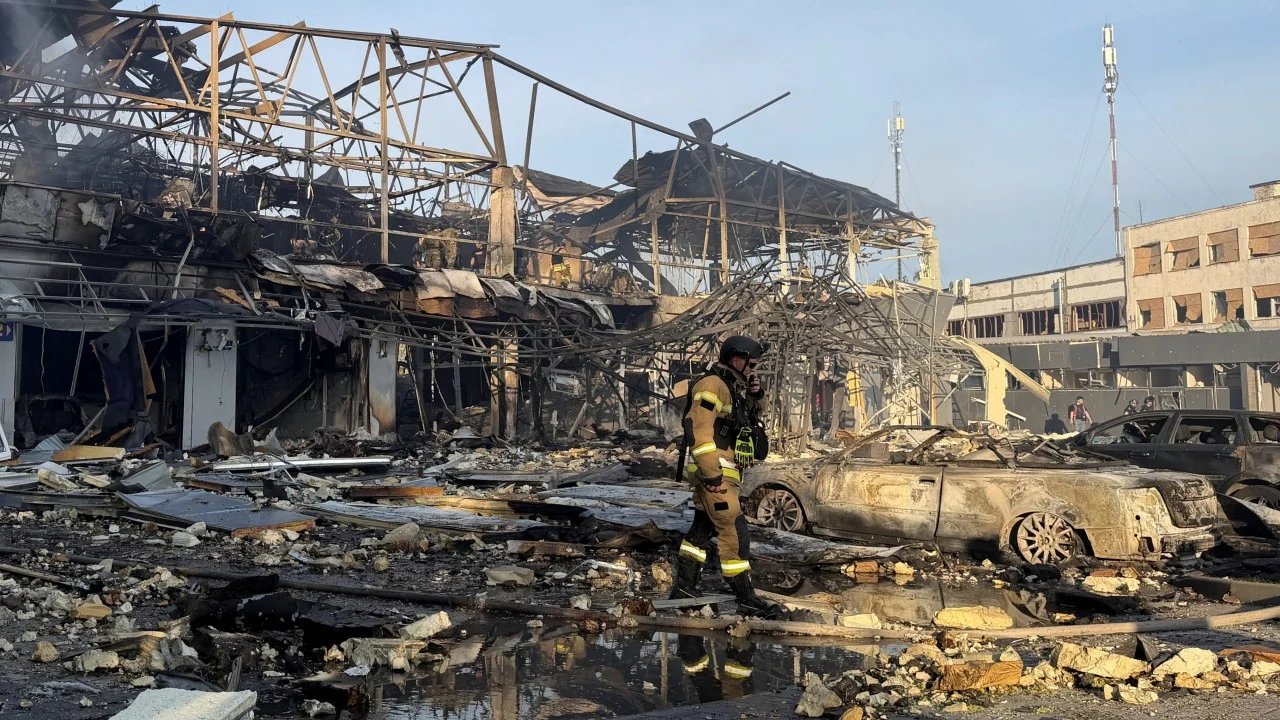
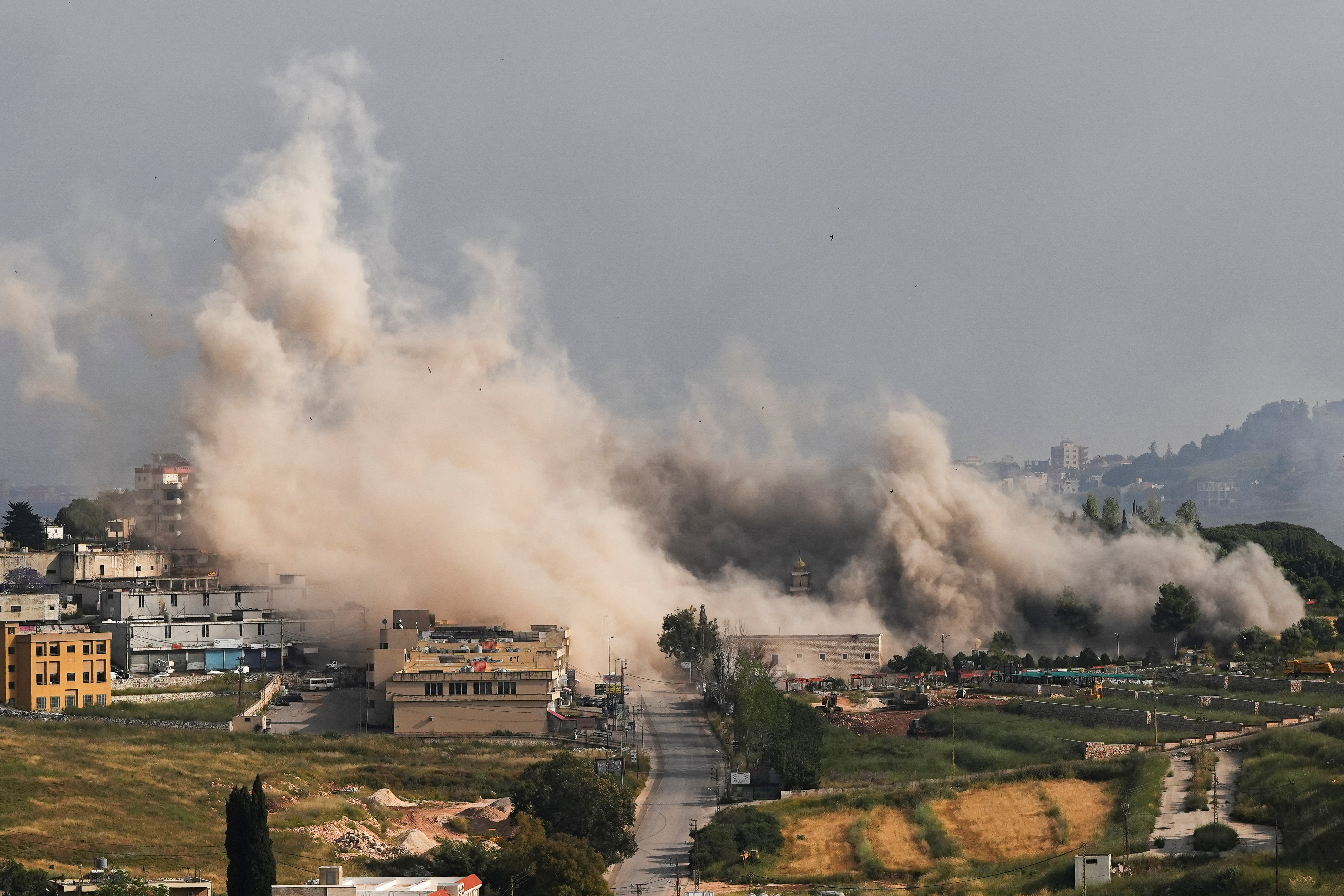
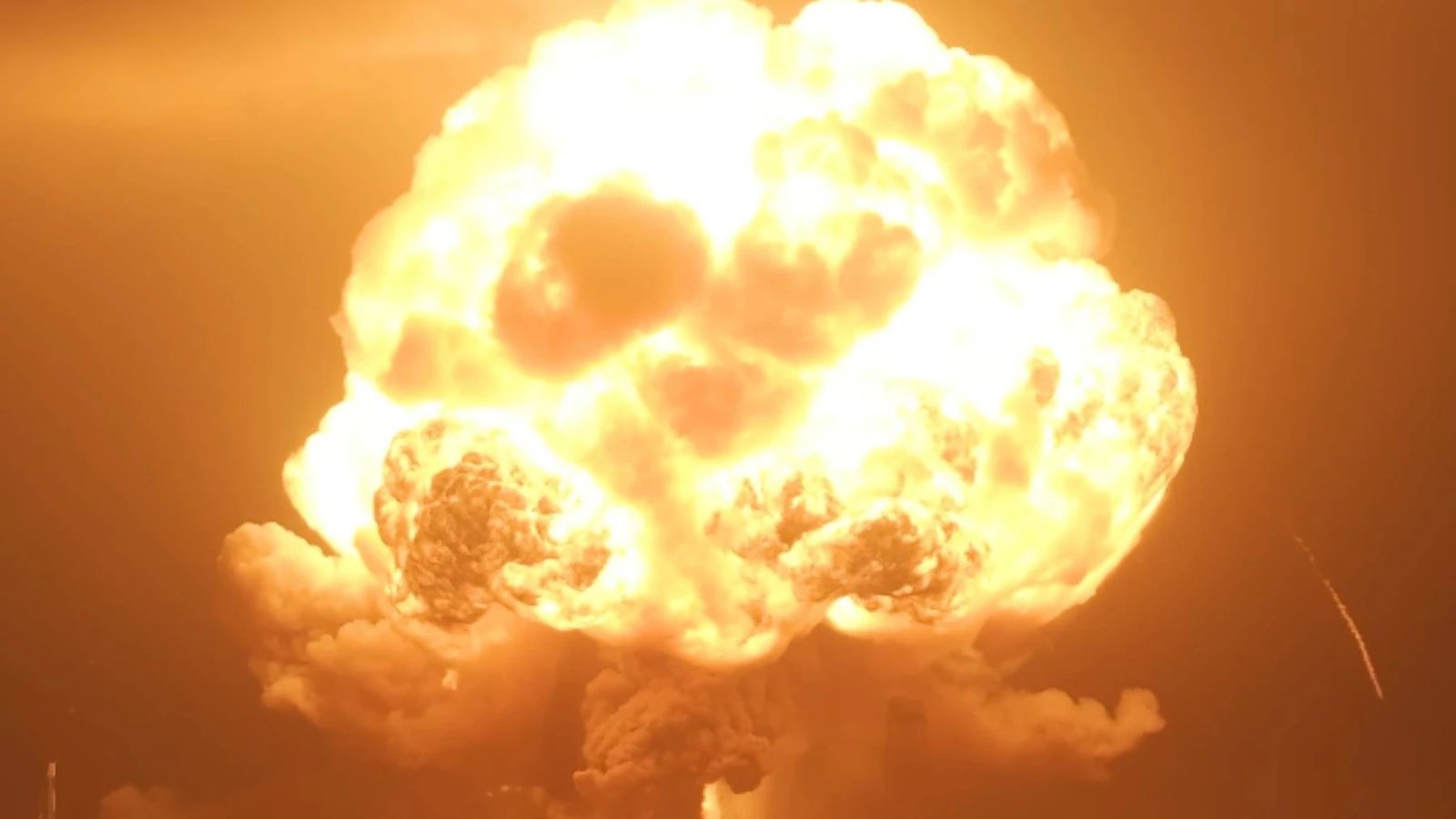
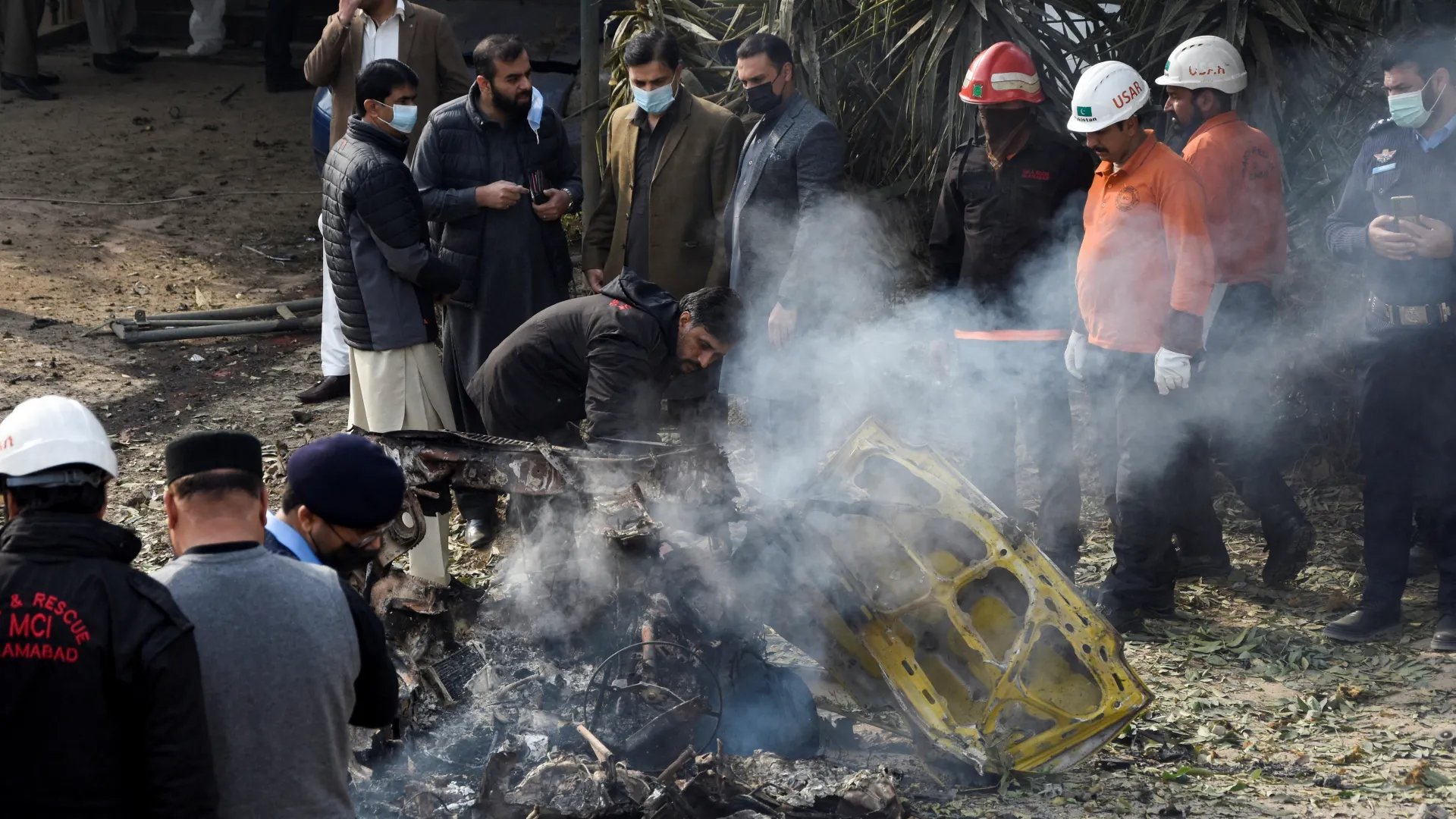
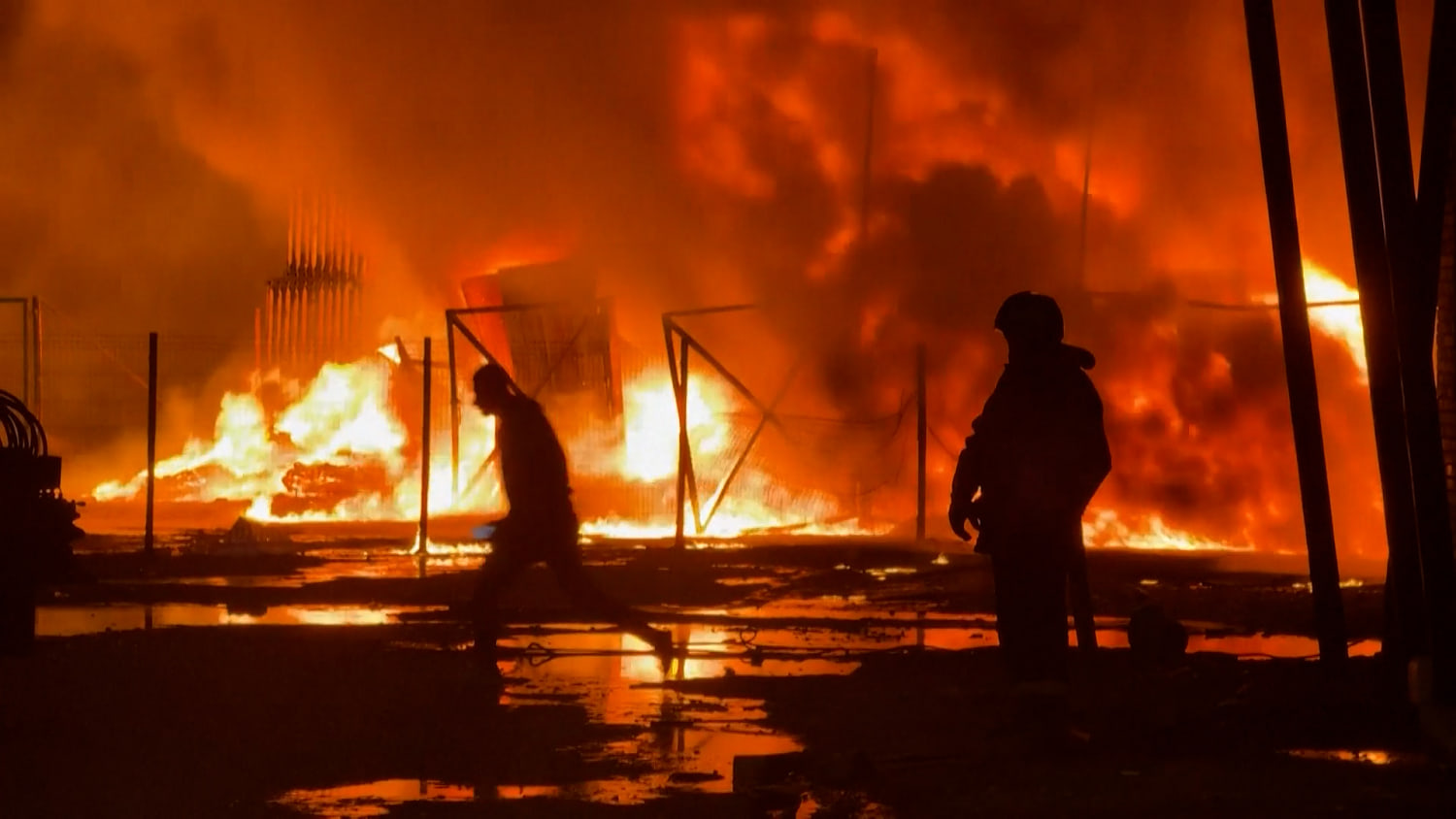
Iran retaliated by claiming it targeted a U.S. air base in response to the U.S. strikes. The Islamic Revolutionary Guard Corps (IRGC) stated the attack occurred at 4:50 a.m. local time on Thursday, according to NBC News. Iranian state media reported explosions near Bandar Abbas, which triggered air defenses in the city. The IRGC warned that any further U.S. attacks would elicit a "more decisive" response, holding Washington accountable for the consequences of these military actions.
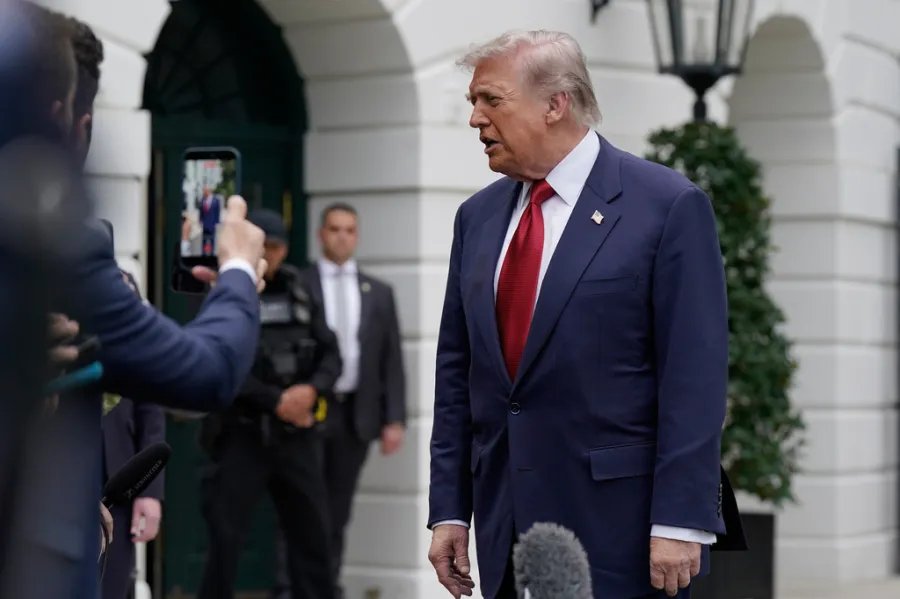
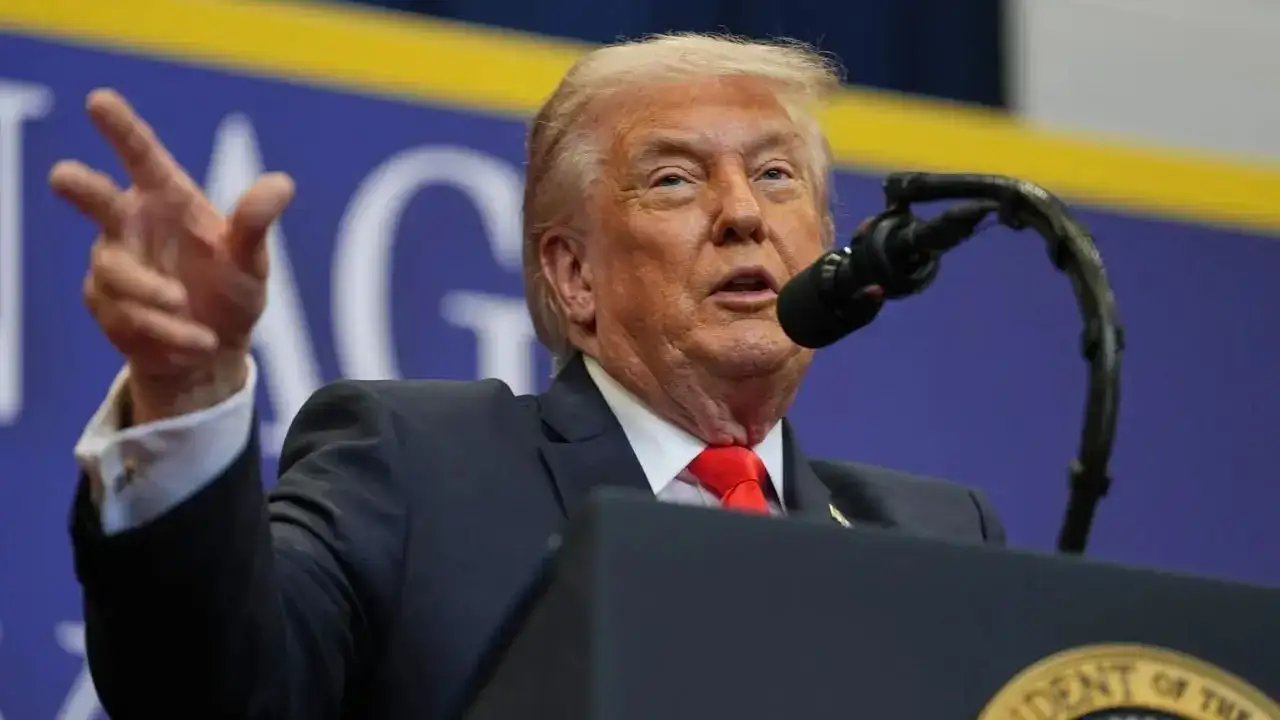
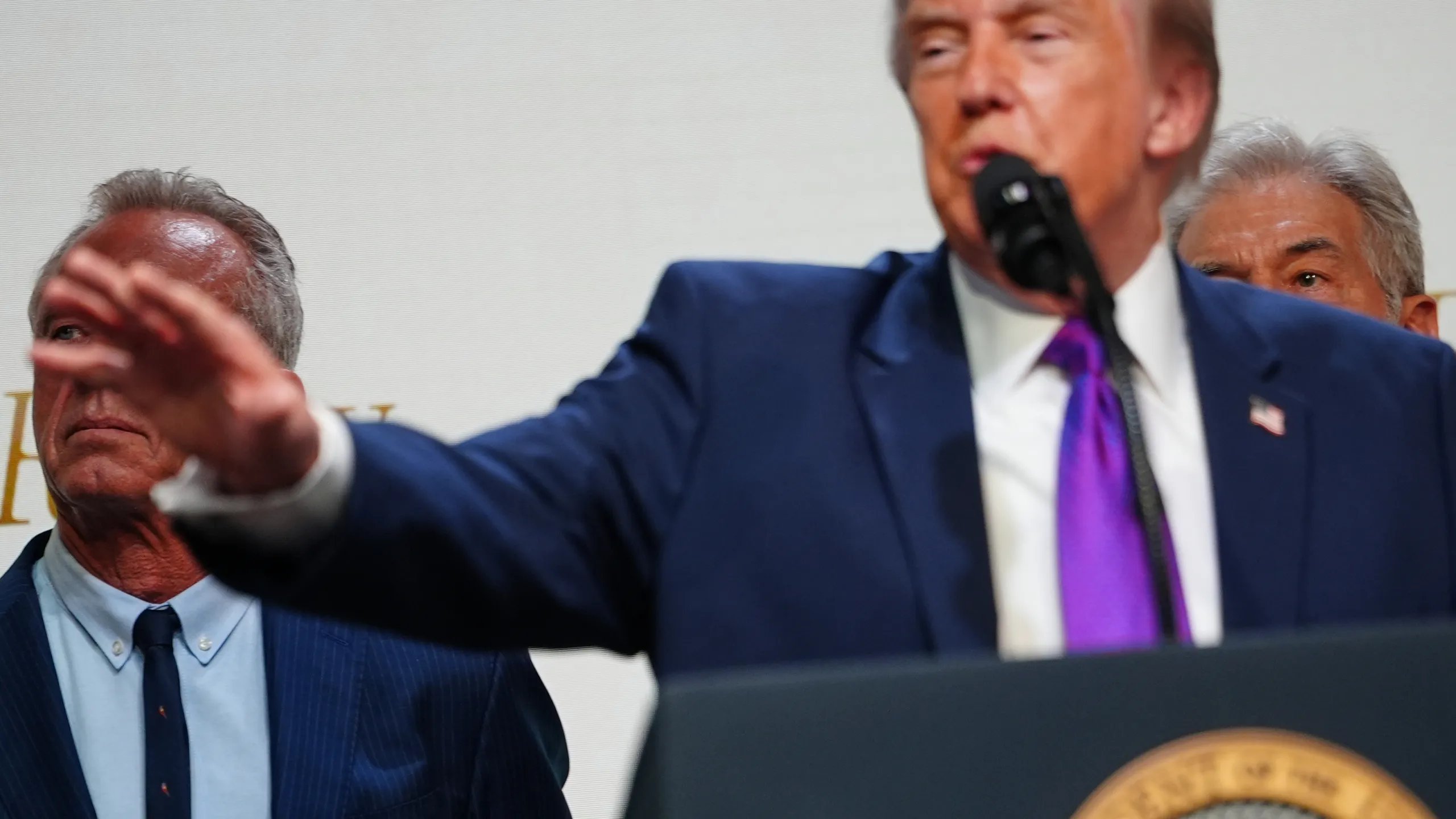
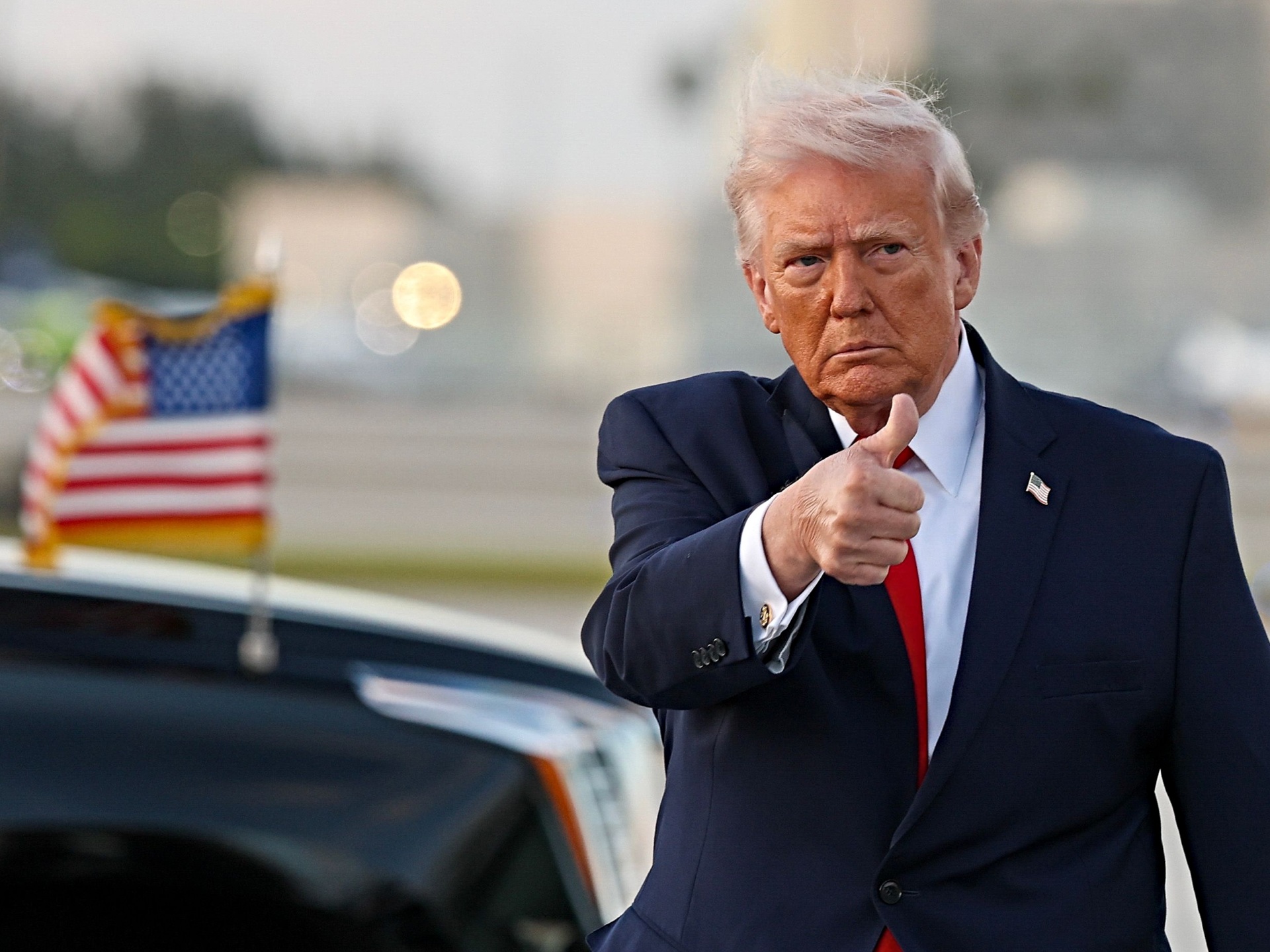
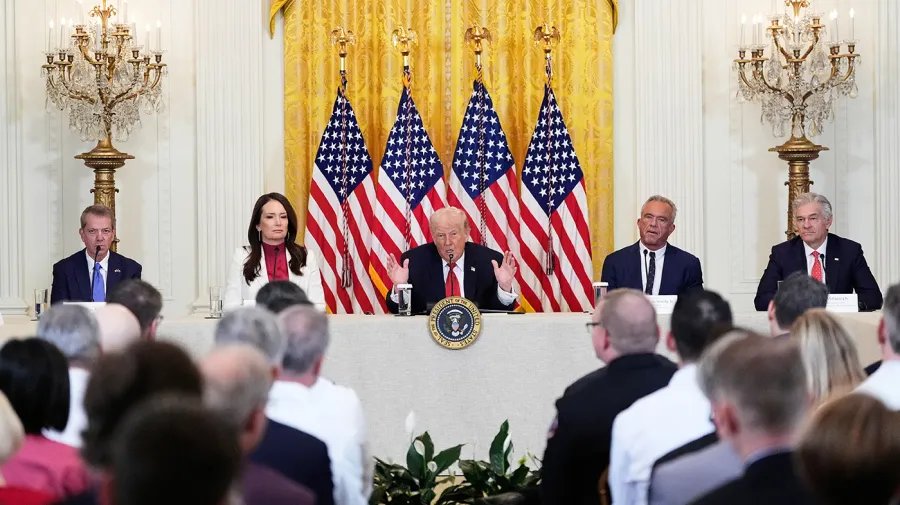
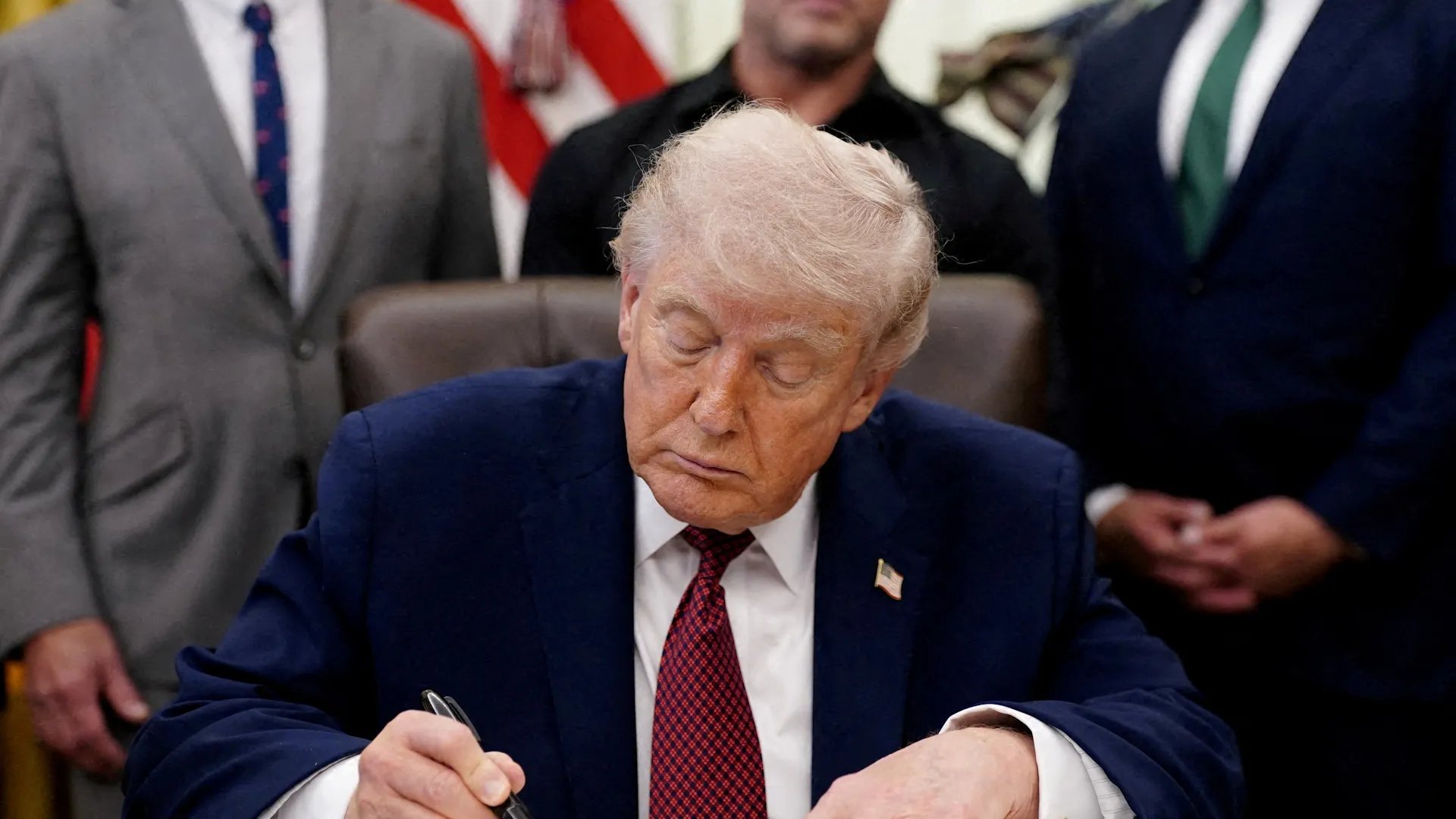
The strikes come amid ongoing negotiations for a peace deal between the U.S. and Iran. President Donald Trump expressed mixed sentiments about the progress of talks, stating that while a preliminary agreement had been reached, he remained unsatisfied with the terms.
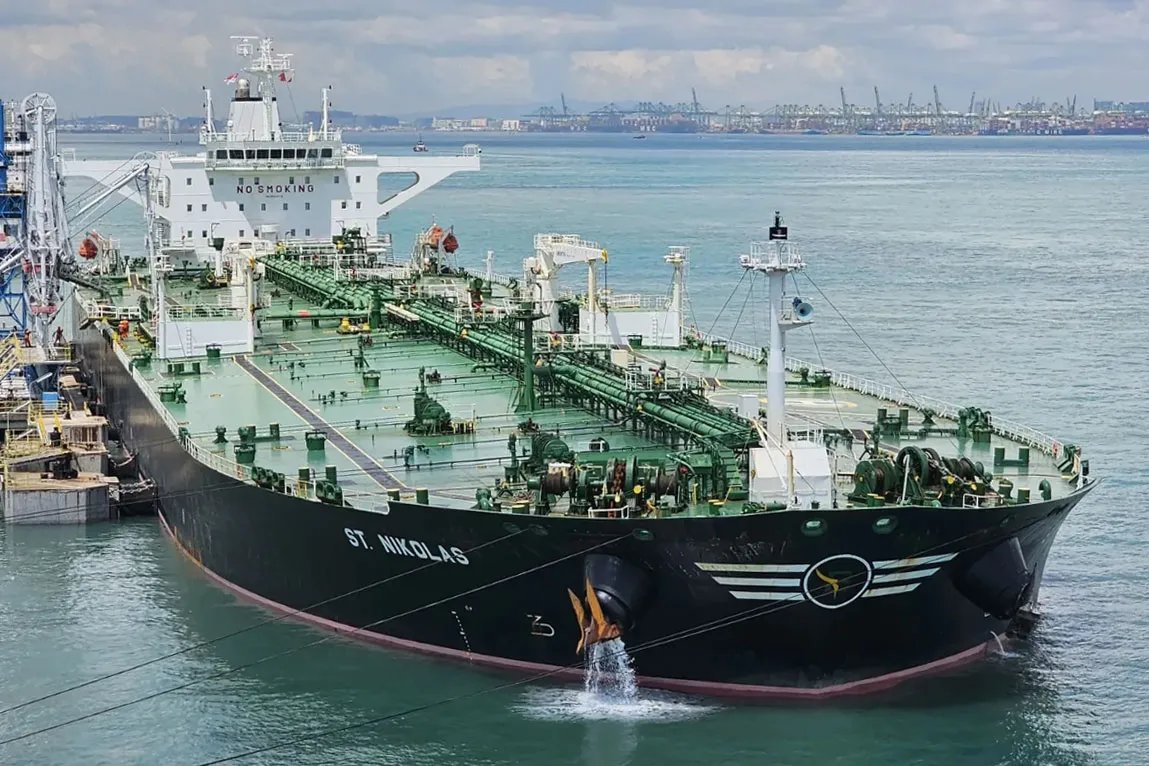
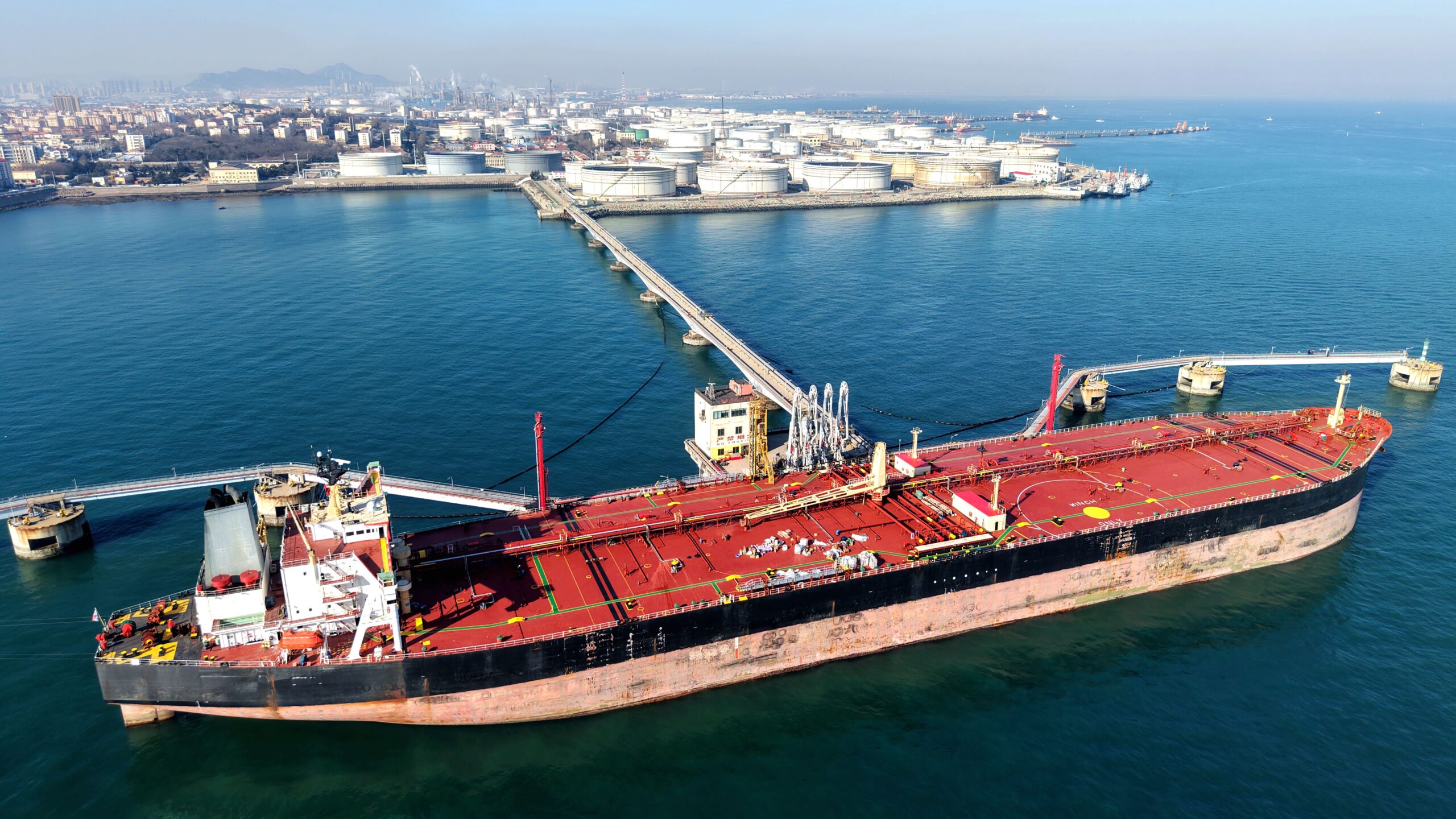
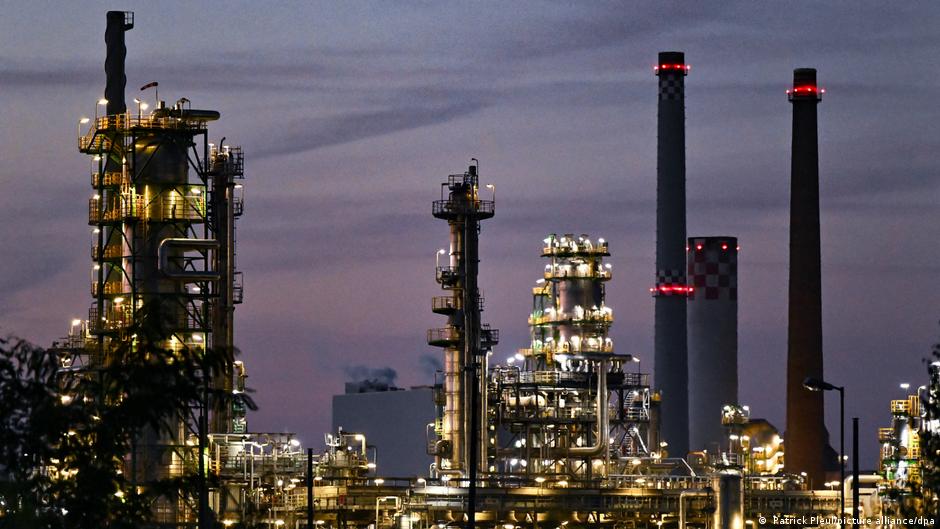
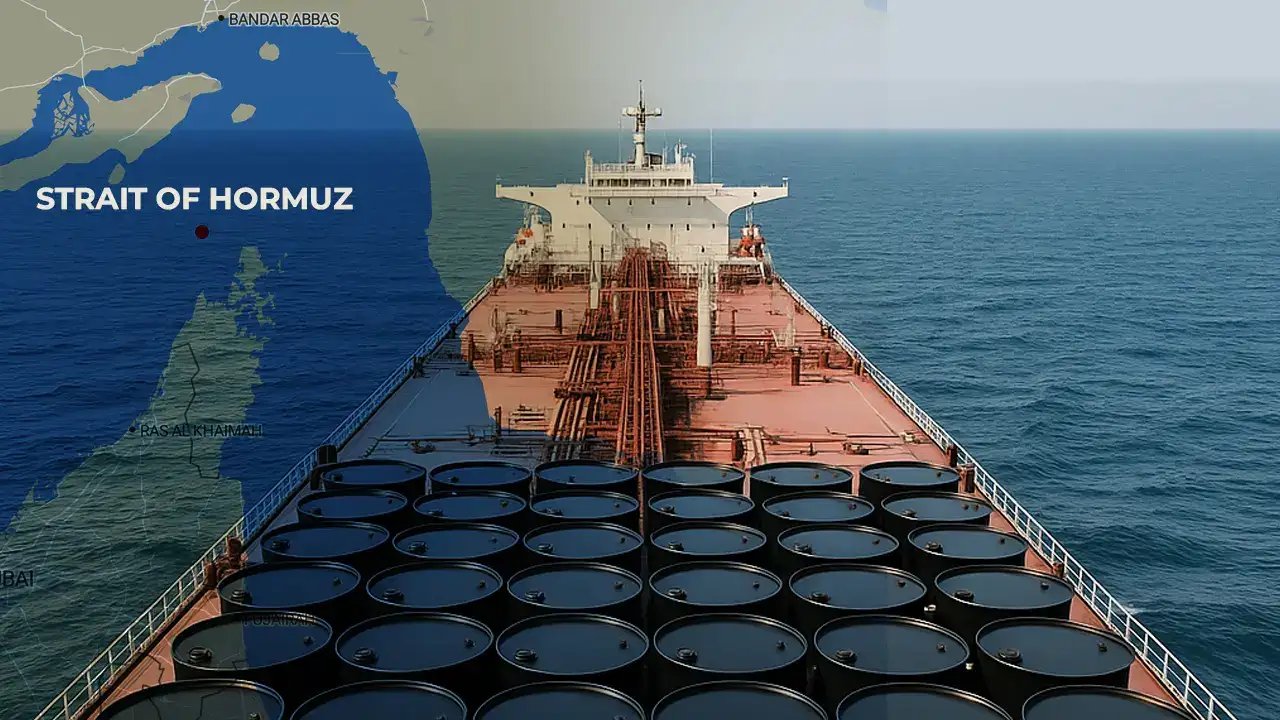
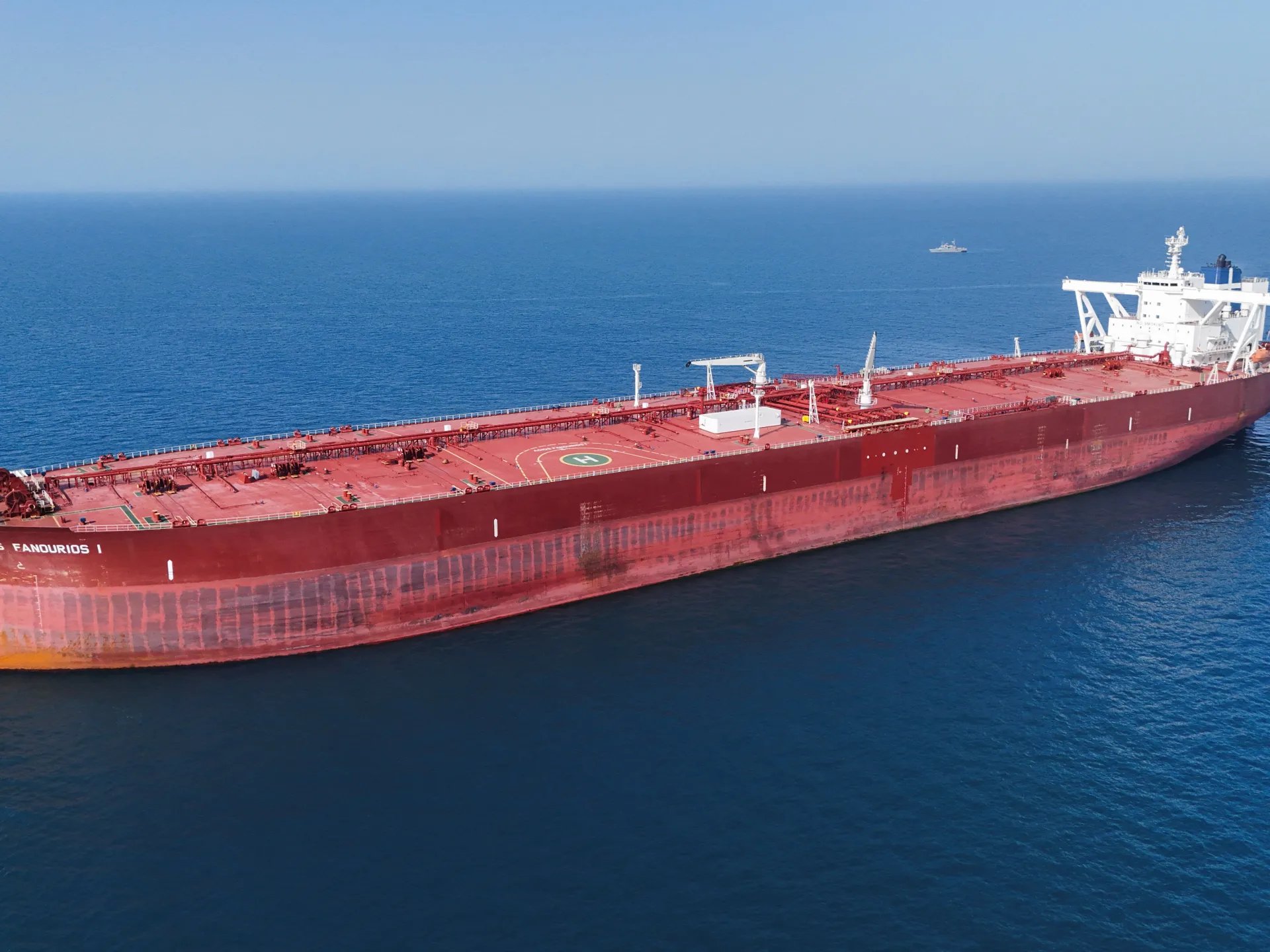
This volatility reflects the global market's sensitivity to developments in the region, where approximately 20% of the world's oil supply transits through the Strait of Hormuz. The U.S. Treasury Department announced sanctions on Iran's newly established Persian Gulf Strait Authority, which aims to charge tolls for ships passing through the strait, further complicating the economic landscape.
Despite the military actions, the U.S. official asserted that the ceasefire is still considered to be holding. However, the recent strikes and Iran's strong rhetoric indicate that tensions remain high, complicating the prospects for a lasting peace agreement. As both nations navigate this precarious situation, the potential for further military engagements looms large, with significant implications for regional stability and global economic conditions.
The U.S. military conducted strikes on an Iranian ground control station in Bandar Abbas, confirmed a U.S. official on Wednesday. The operation included shooting down four Iranian drones that posed a threat near the Strait of Hormuz, a vital oil shipping route. The official described these actions as defensive, aimed at maintaining a fragile ceasefire between the two nations.
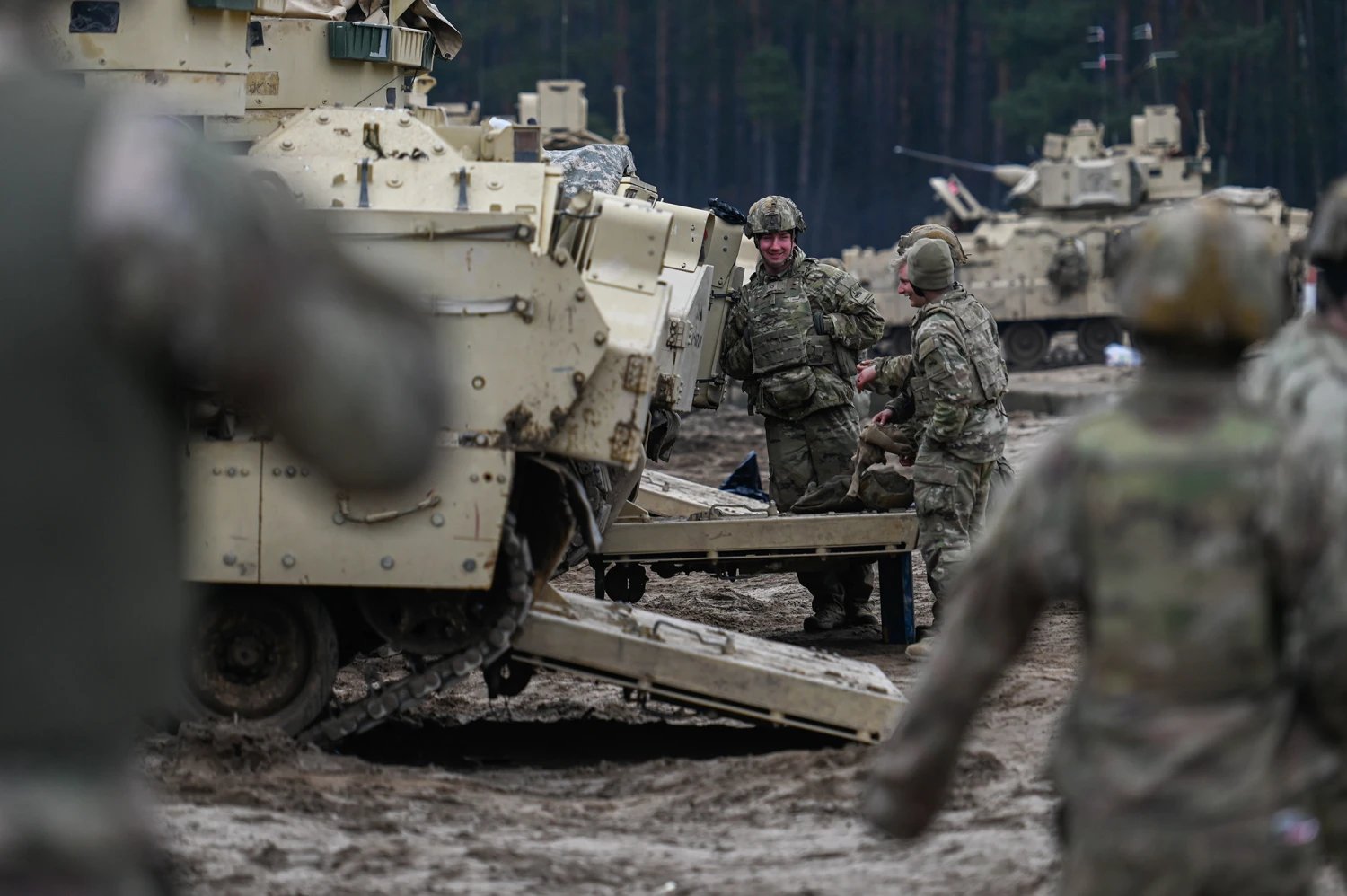
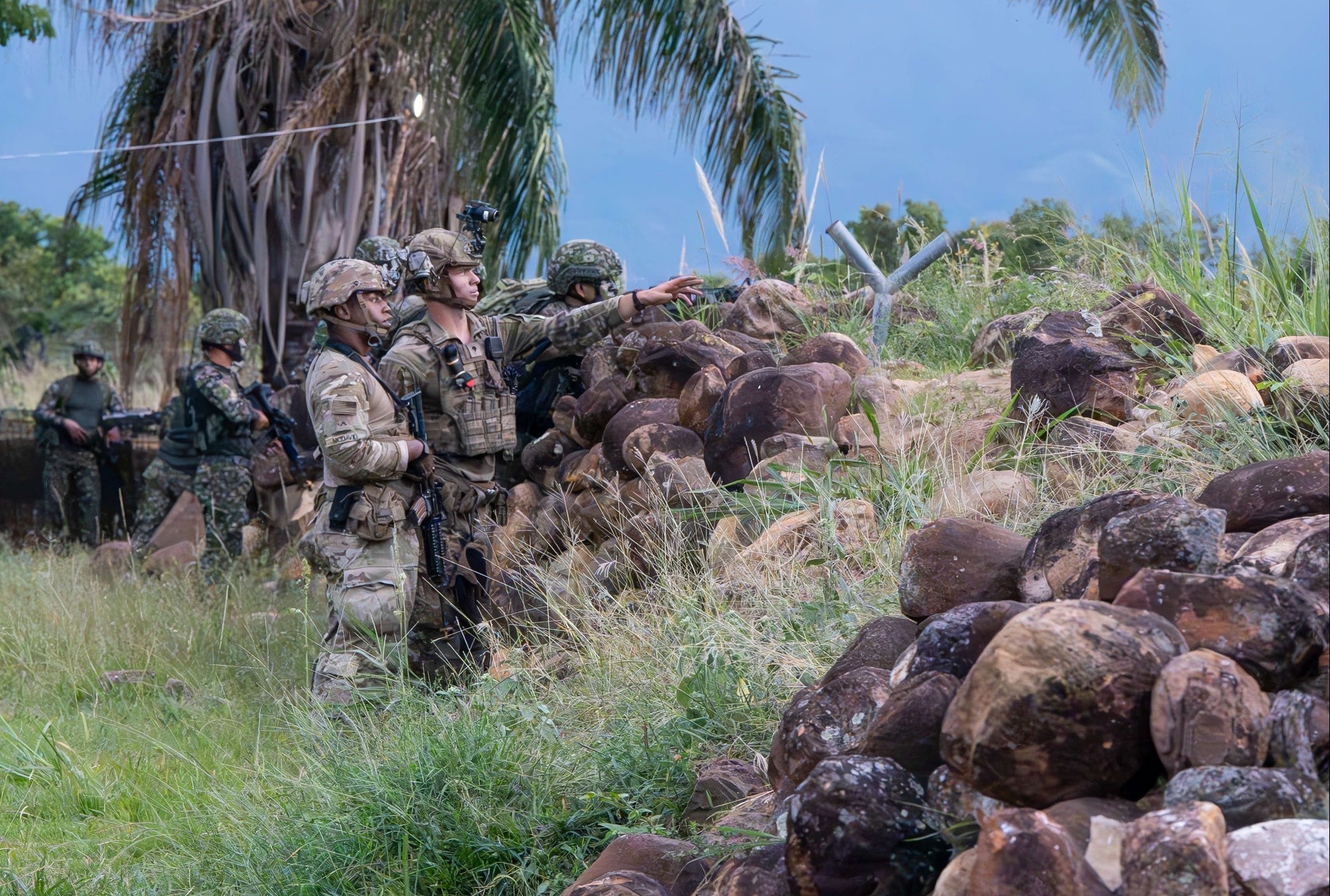
The strikes targeted a control station that was preparing to launch a fifth drone, which the U.S. assessed as a direct threat to both U.S. forces and commercial shipping in the area. This marked the second round of strikes within three days, following earlier actions against Iranian missile launch sites and boats allegedly laying mines. U.S. Central Command spokesperson Captain Tim Hawkins emphasized that these operations were necessary to protect American troops from escalating threats posed by Iranian forces.
Iran retaliated by claiming it targeted a U.S. air base in response to the U.S. strikes. The Islamic Revolutionary Guard Corps (IRGC) stated that the attack occurred at 4:50 a.m. local time on Thursday, although the exact location of the U.S. base was not disclosed. Iranian state media reported explosions near Bandar Abbas, which triggered air defenses in the city. The IRGC warned that any further U.S. attacks would elicit a "more decisive" response, holding Washington accountable for the consequences of these military actions.
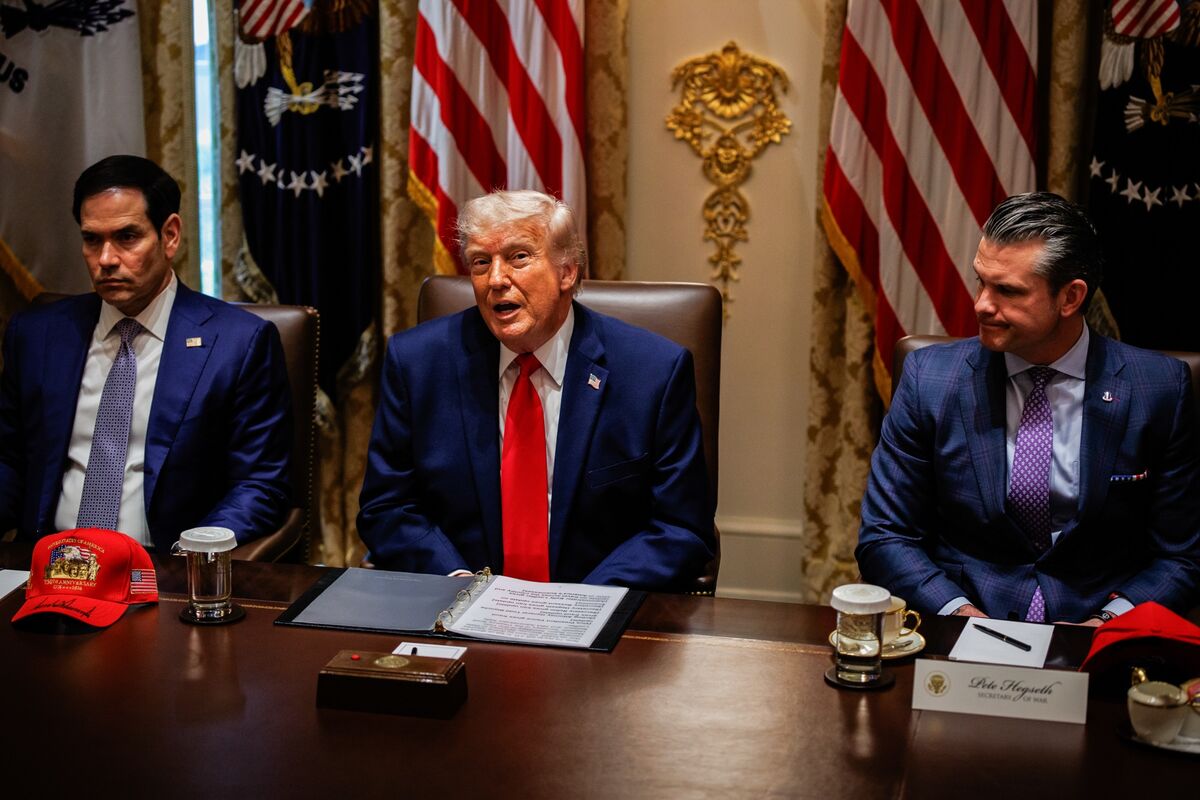
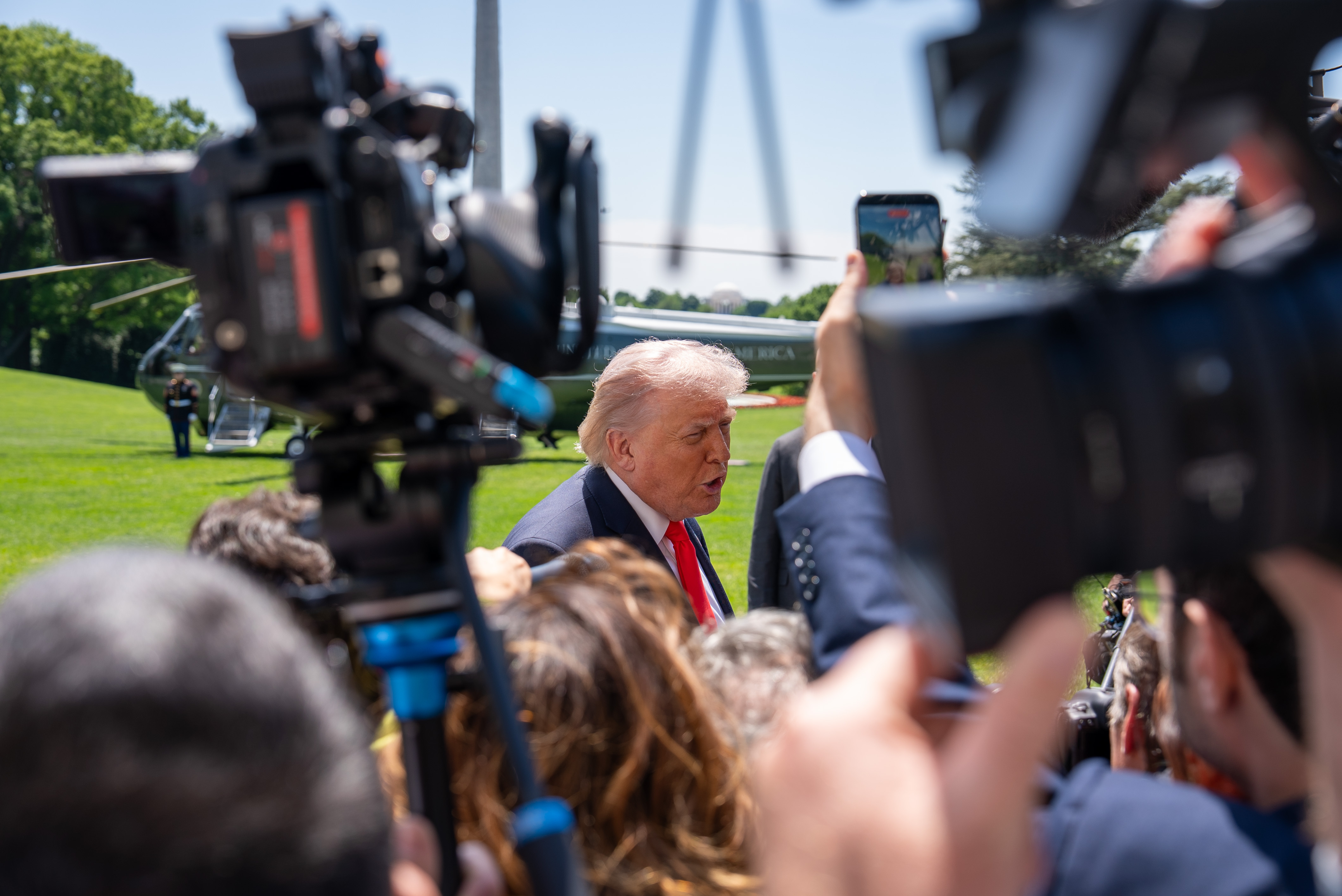
The strikes come amid ongoing negotiations for a peace deal between the U.S. and Iran. President Donald Trump expressed mixed sentiments about the progress of talks, stating that while a preliminary agreement had been reached, he remained unsatisfied with the terms. Trump indicated that Iran had agreed in principle to a framework for a deal, which includes allowing safe passage through the Strait of Hormuz in exchange for lifting U.S. blockades on Iranian ports.
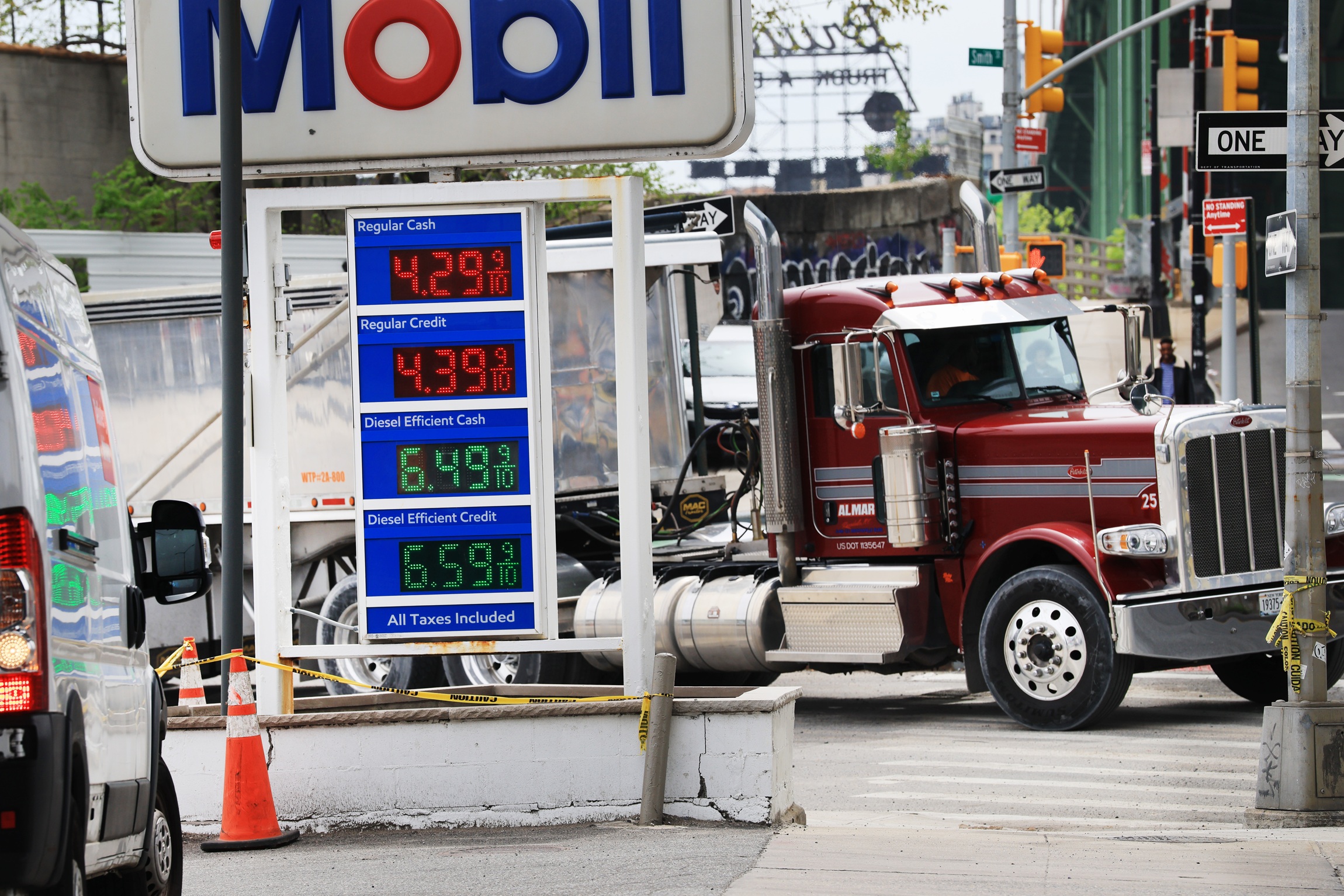
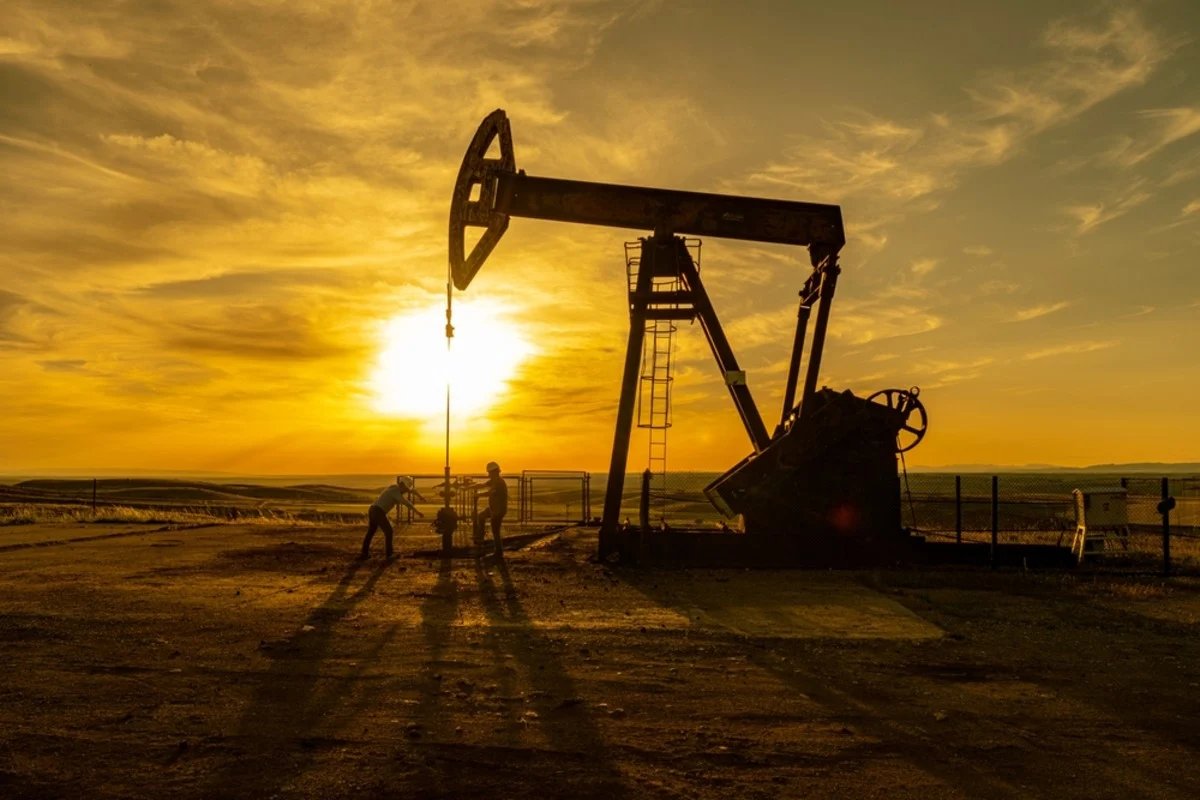
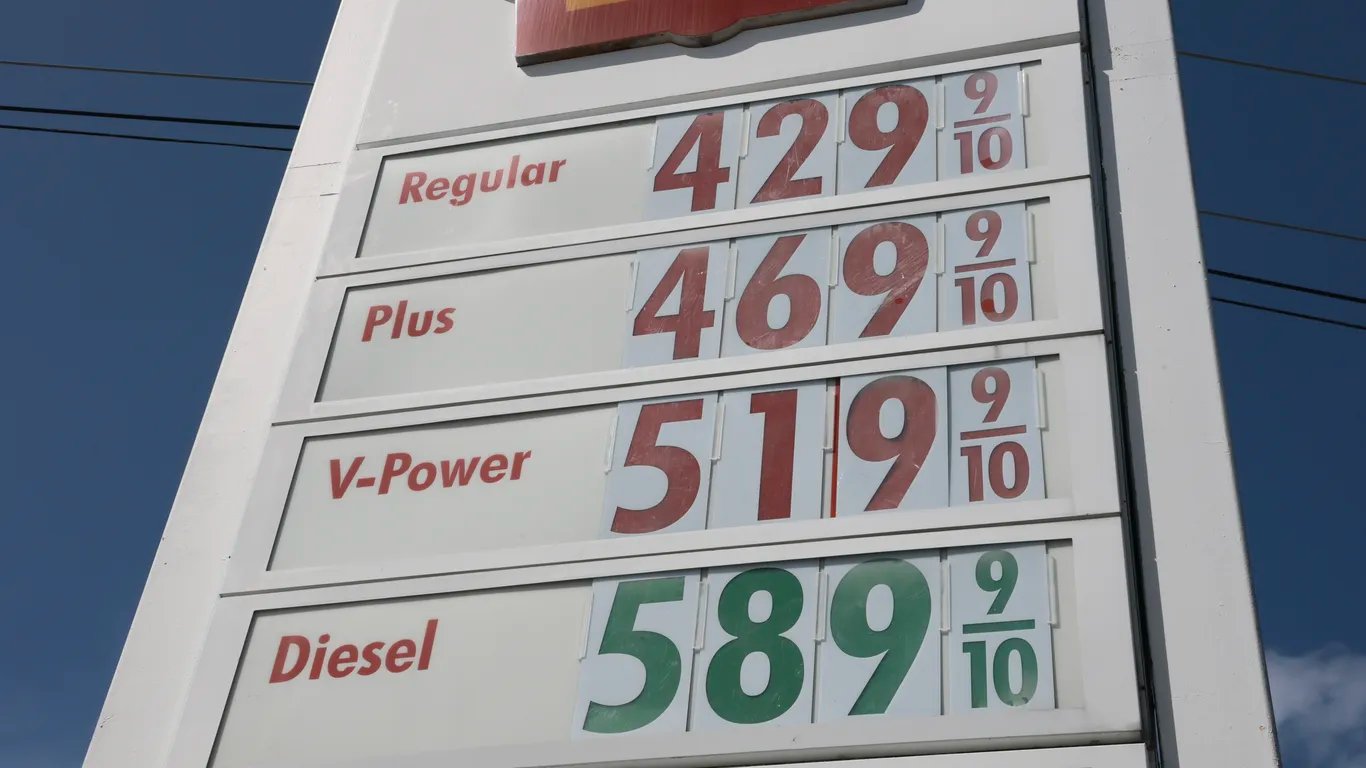
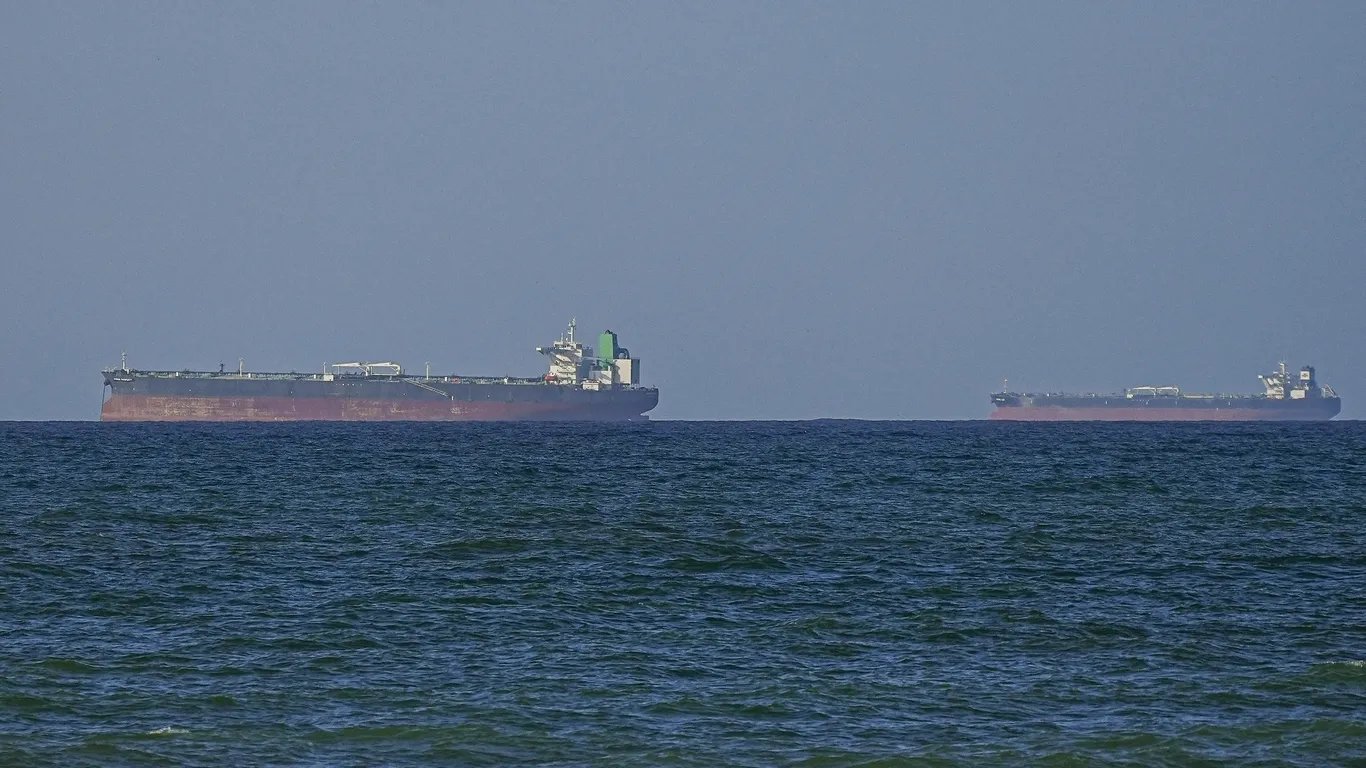
Oil prices surged following reports of the recent military escalations after previously declining on hopes for a peace agreement. This volatility reflects the global market's sensitivity to developments in the region, where approximately 20% of the world’s oil supply transits through the Strait of Hormuz. The U.S. Treasury Department announced sanctions on Iran's newly established Persian Gulf Strait Authority, which aims to charge tolls for ships passing through the strait, further complicating the economic landscape.
Despite the military actions, the U.S. official asserted that the ceasefire is still considered to be holding. However, the recent strikes and Iran's strong rhetoric indicate that tensions remain high, complicating the prospects for a lasting peace agreement. As both nations navigate this precarious situation, the potential for further military engagements looms large, with significant implications for regional stability and global economic conditions.
Highlighted text was flagged by the council. Tap to see feedback.

































































































































































































































































For example, the Islamic Revolutionary Guard Corps (IRGC) claimed the attack on the U.S. air base occurred at 4:50 a.m. local time, as reported by Iranian state media.