
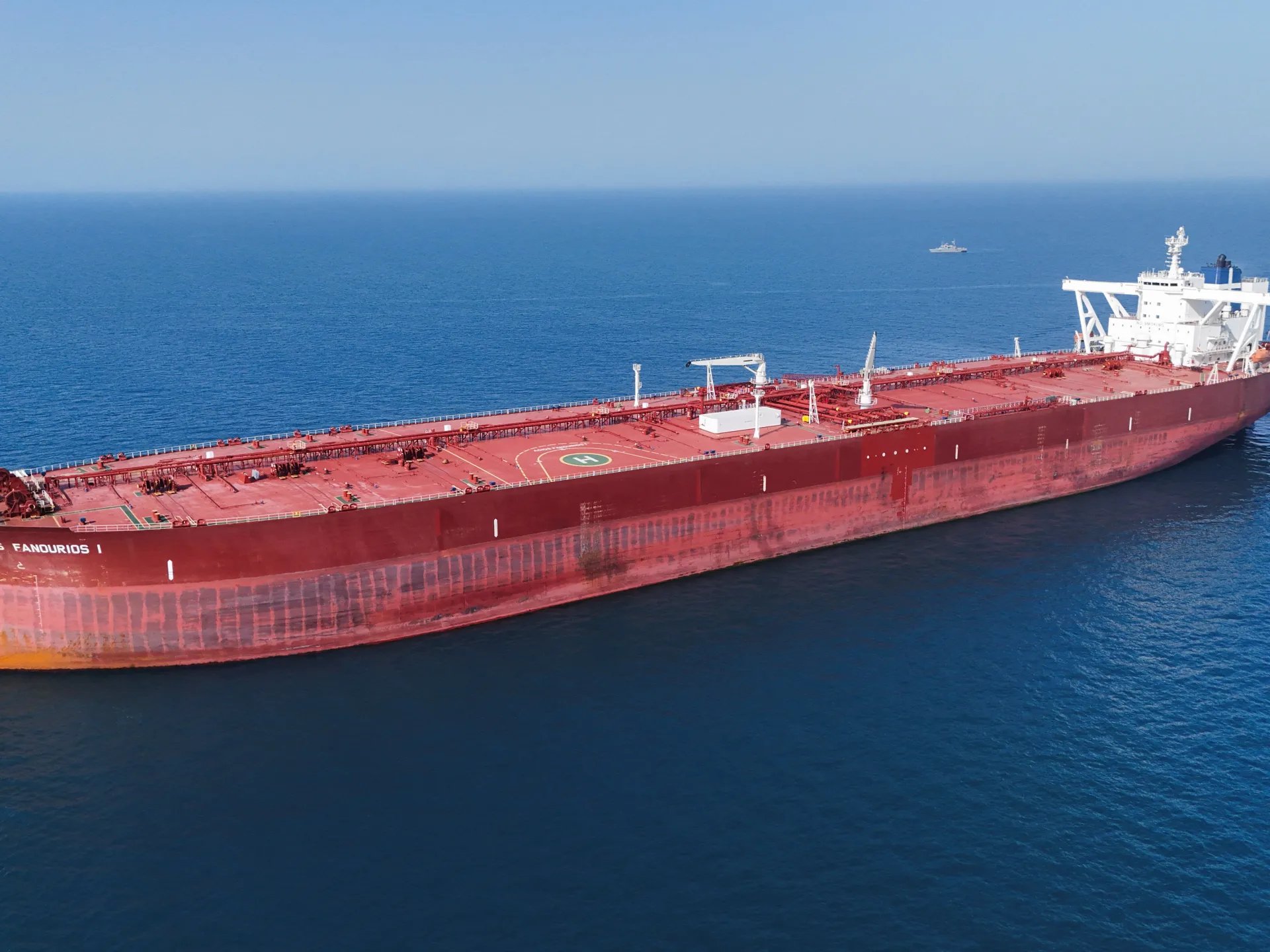





Iran's announcement triggers market relief
Brent crude fell more than 9 percent to $90.38 a barrel on Friday after Iranian Foreign Minister Abbas Araghchi declared the Strait of Hormuz "completely open" for commercial vessels during the ceasefire between Israel and Lebanon. The price had climbed above $98 earlier that day. Araghchi stated: "The passage for all commercial vessels through Strait of Hormuz is declared completely open for the remaining period of ceasefire."
The announcement sent global markets surging. The S&P 500 index of the biggest US-listed firms closed up 1.2%. The Cac index in Paris and Dax in Frankfurt both ended the day around 2 percent up, while London's FTSE 100 closed 0.7 percent higher.
Why the Strait matters to your wallet
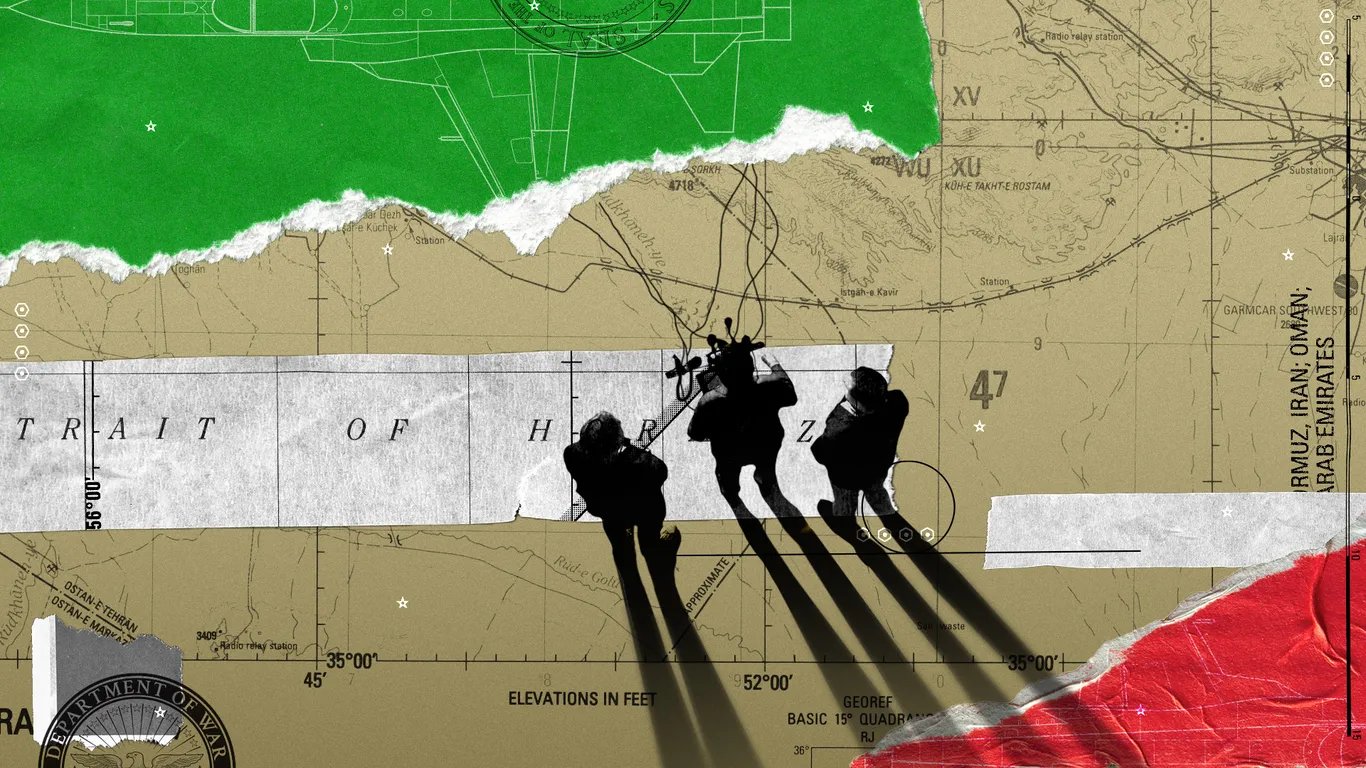
One-fifth of the world's oil and liquified natural gas typically flows through the Strait of Hormuz, a narrow waterway south of Iran. Since the US and Israel launched military strikes in late February, Iran had effectively shut the passage, slowing tanker traffic to a trickle and causing oil prices to spike. Before the conflict, Brent crude traded under $70 per barrel. It rose above $100 before hitting a peak of more than $119 a barrel in March.
The closure pushed up petrol and diesel prices for drivers and raised concerns over jet fuel supply, threatening airline operations. A third of the world's key fertiliser chemicals pass through the Strait, and prices have risen steeply since the war began. However, the RAC reported that petrol and diesel prices had fallen slightly in the UK for the first time since the conflict started, though filling a tank remains far more expensive than it was in February.
Shipping companies remain cautious despite the opening
Maritime groups expressed skepticism about Iran's commitment. Jakob Larsen, BIMCO's chief safety and security officer, said: "The status of mine threats in the traffic separation scheme is unclear and BIMCO believes shipping companies should consider avoiding the area." The International Maritime Organization's secretary general Arsenio Dominguez announced the organization was "currently verifying the recent announcement related to the reopening of the Strait of Hormuz."
One oil and gas shipping operator told the BBC the reopening "doesn't change anything immediately," adding the company would not be "the first to go through the Strait." Stena Bulk, which operates oil tankers in the region, said it would not transit "until we are satisfied it is safe to do so."
Iran reverses course within 24 hours
On Saturday, Iran rowed back on its decision to reopen the waterway, warning it would continue blocking transit as long as the US blockade of Iranian ports remained in effect. This came after President Donald Trump said the blockade "will remain in full force" until Tehran reached a deal with the US, including on its nuclear programme.
Kieran Tompkins, senior climate and commodities economist at Capital Economics, noted the ceasefire was "due to end in nine days," offering "only a narrow window of opportunity for oil tankers to navigate the Strait, load up, and exit." Ship tracking data showed a significant uptick in vessels crossing the strait on Saturday, with analyst Michelle Wiese Bockmann describing it as "the busiest I've seen it since the Strait of Hormuz was effectively closed."
US extends Russian oil waiver amid price concerns
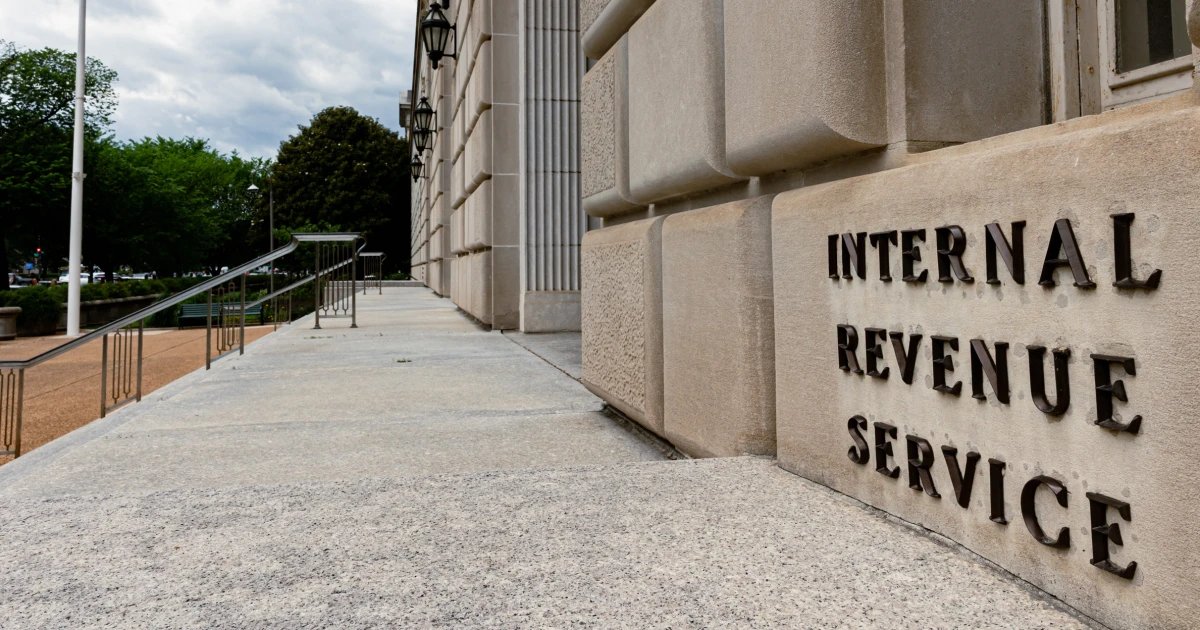
The Treasury Department issued a license late Friday permitting the delivery and sale of Russian crude oil and petroleum products already at sea until May 16, part of the White House's push to boost global oil supplies. Trump had first removed the sanction in March as global prices soared due to the Iran conflict. The move drew criticism from European and Canadian leaders, who warned it would help Putin's regime.








The sources also report that on Saturday, ship tracking data showed a significant uptick in vessels crossing the strait, with analyst Michelle Wiese Bockmann calling it "the busiest I've seen it since the Strait of Hormuz was effectively closed."