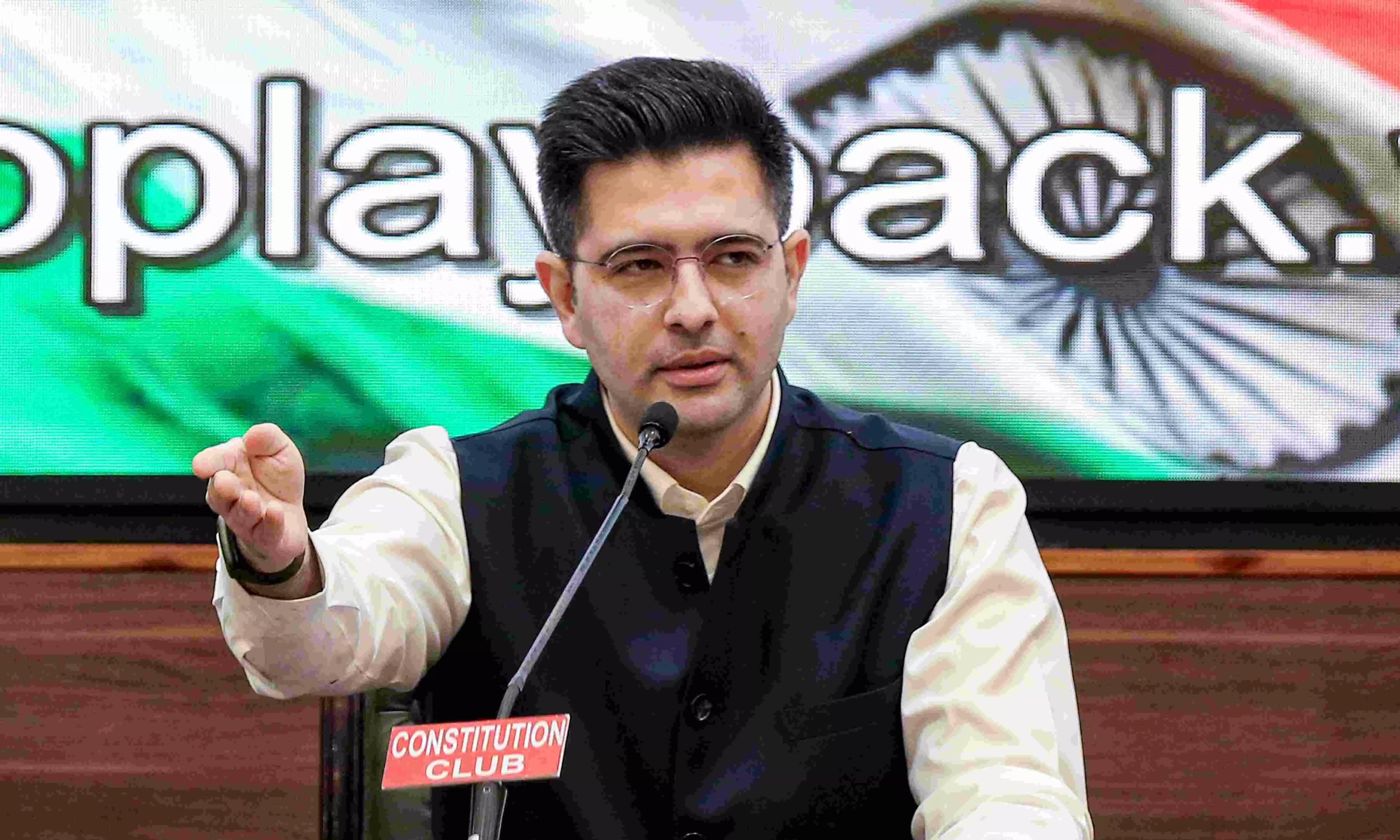
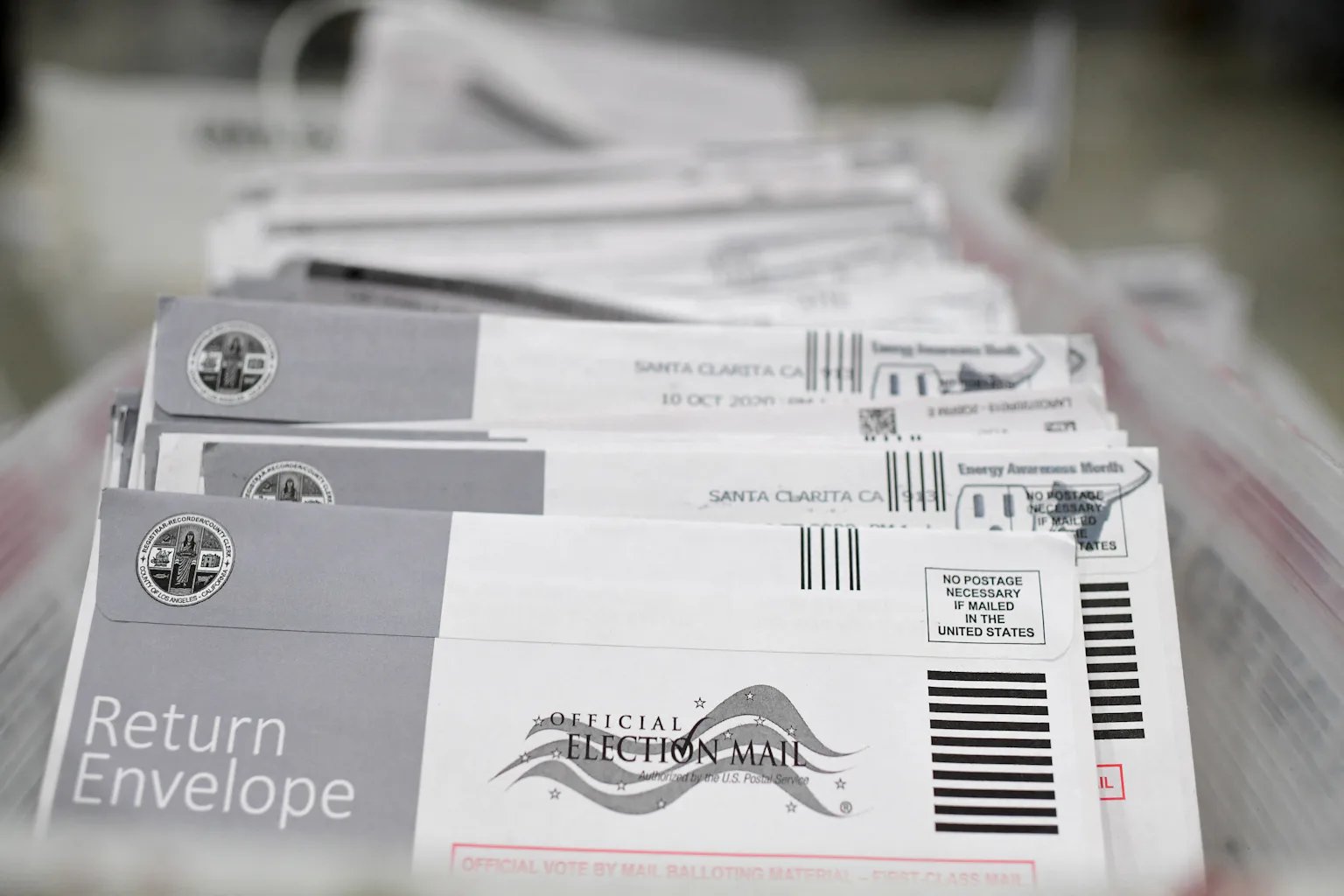
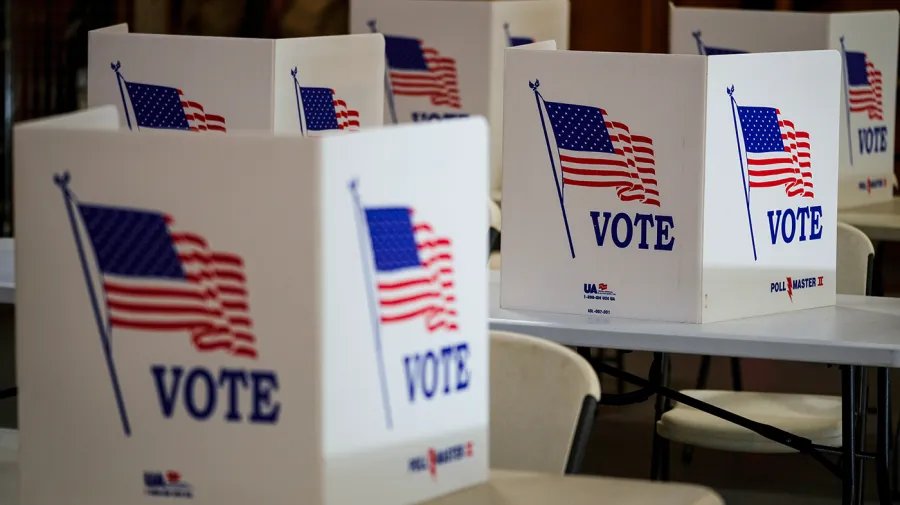
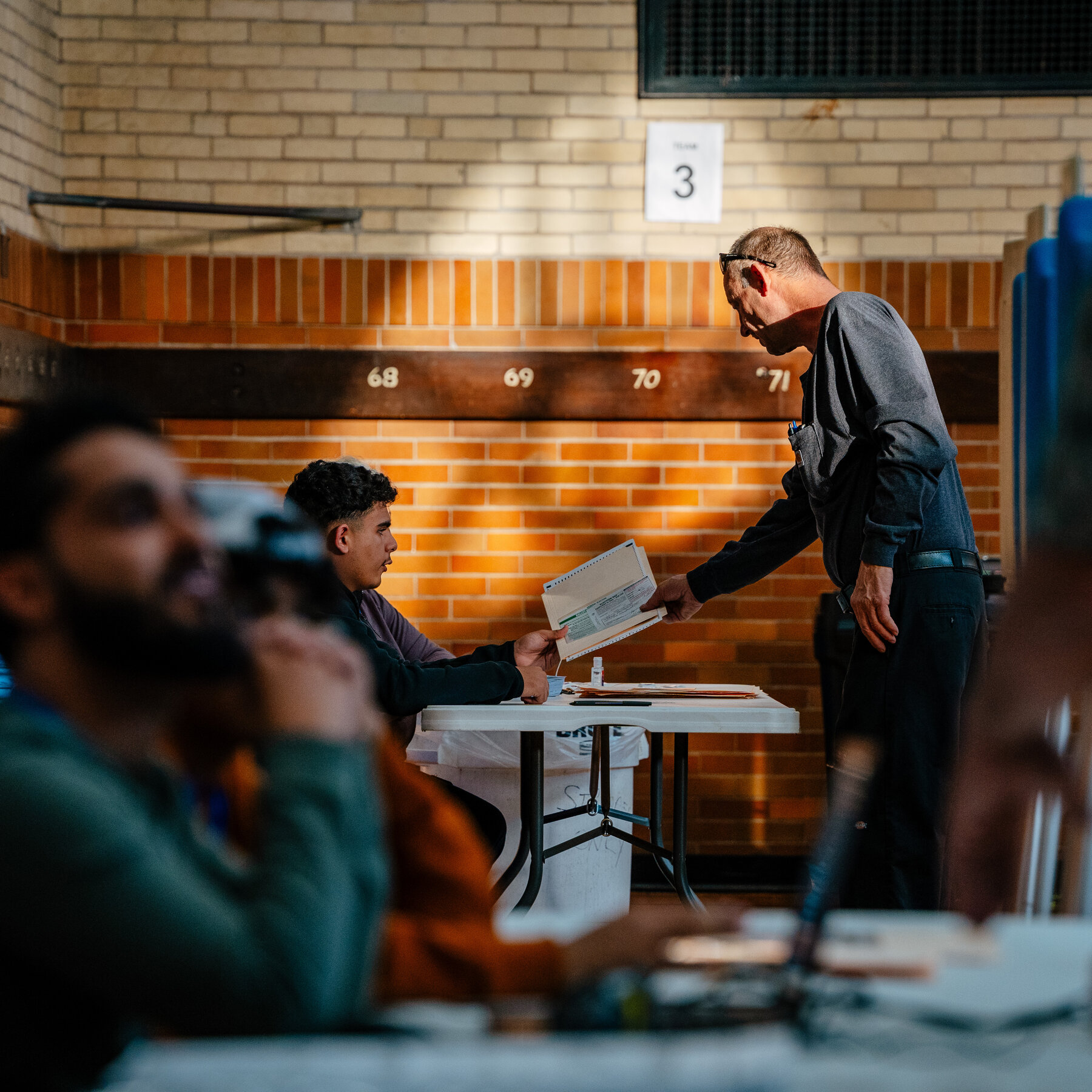
Voters in Bulgaria cast their ballots on Sunday in what marks the country's eighth general election in five years. Former President Rumen Radev, leading the new center-left Progressive Bulgaria party, is projected to secure approximately 38%-39% of the vote. His closest rival, the pro-European GERB party, has been estimated to garner around 15%, reflecting a significant shift in the political landscape following years of instability.
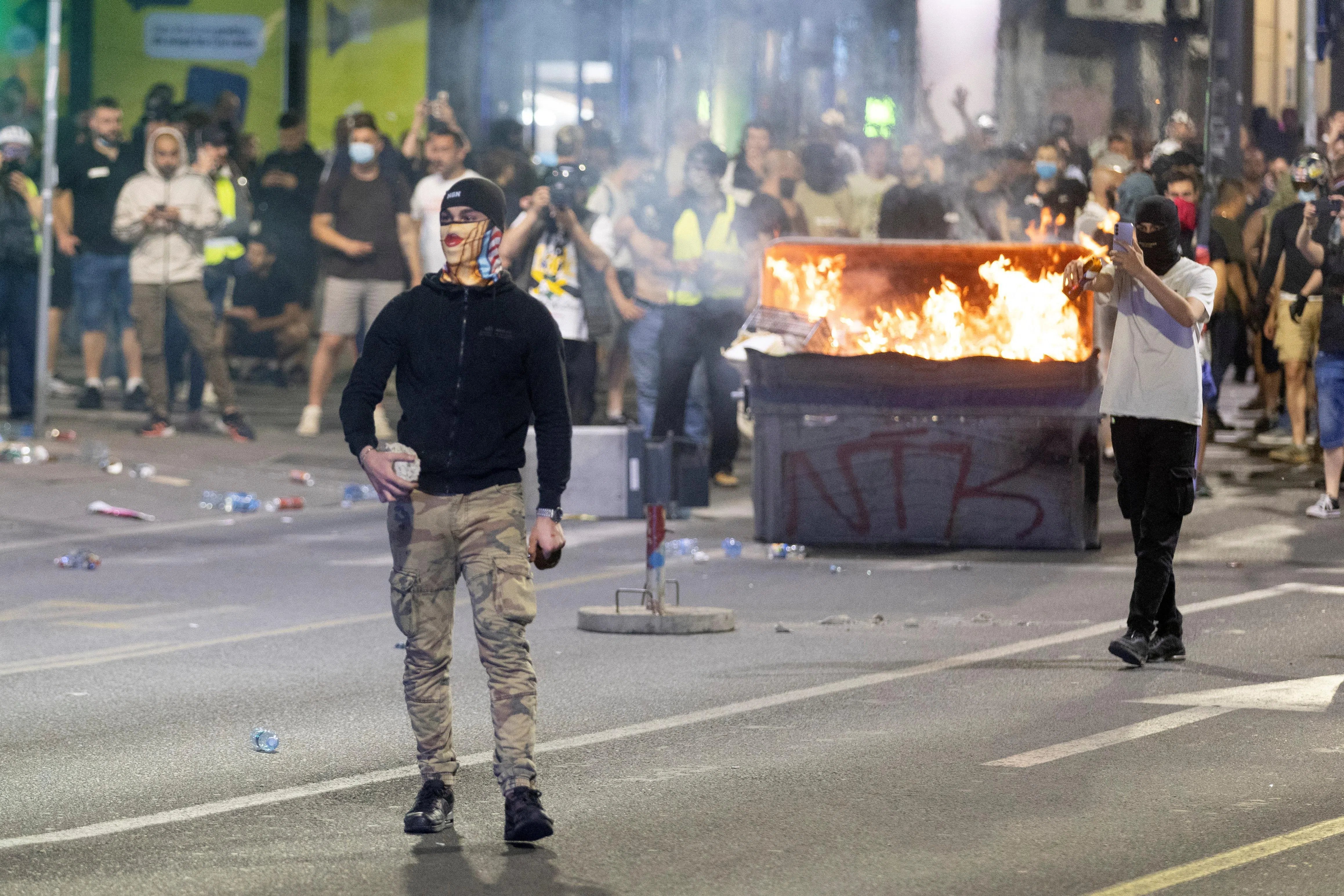
The election comes on the heels of widespread anti-corruption protests that led to the resignation of Boyko Borissov, who served as prime minister for three terms. His conservative-led government was dismantled in 2021 after a series of protests that highlighted rampant corruption. Radev's emergence as a prominent figure in this election signifies a potential pivot for Bulgaria, as he aims to dismantle what he calls the "oligarchic governance model."
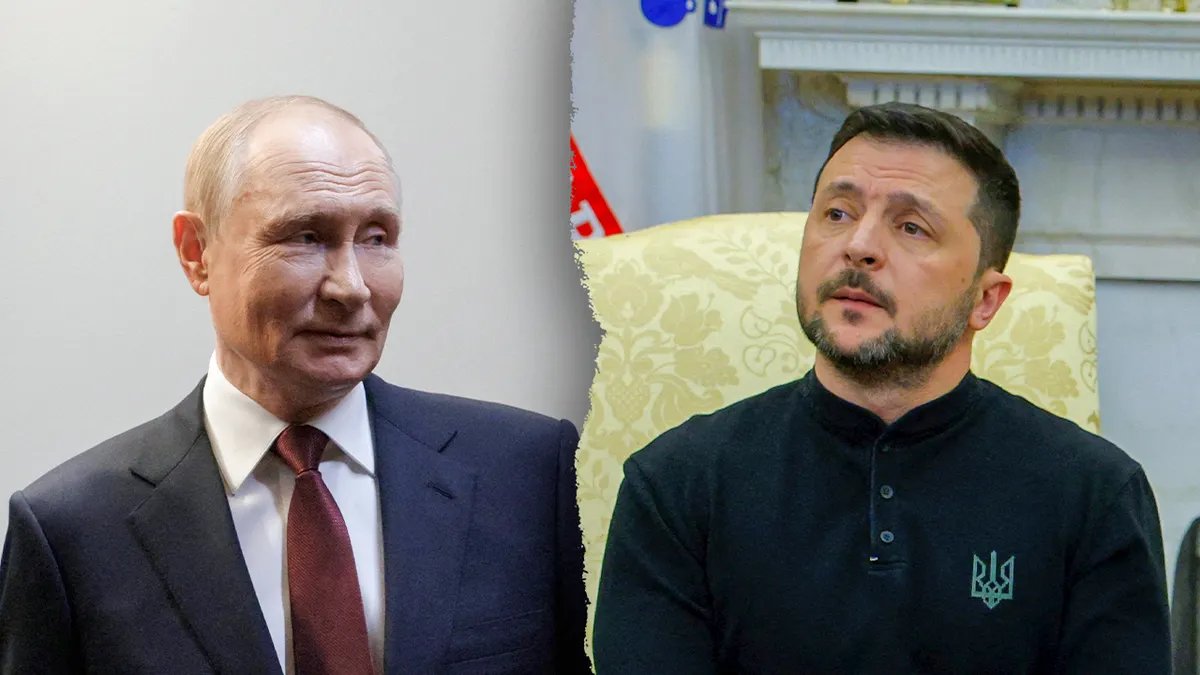
Radev, a 62-year-old former fighter pilot, has pledged to combat corruption and renew Bulgaria's ties with Russia. He has publicly opposed military aid to Ukraine, although he has denounced Russia's invasion and stated he would support EU aid to Kyiv if elected. During his voting, Radev emphasized the importance of mass participation, urging citizens to drown out vote-buying with their ballots.
Many voters expressed a desire for change, with one voter, Decho Kostadinov, stating he was voting for change and that corrupt politicians should "take whatever they've stolen and get out of Bulgaria." This sentiment reflects a broader public frustration with the political status quo.
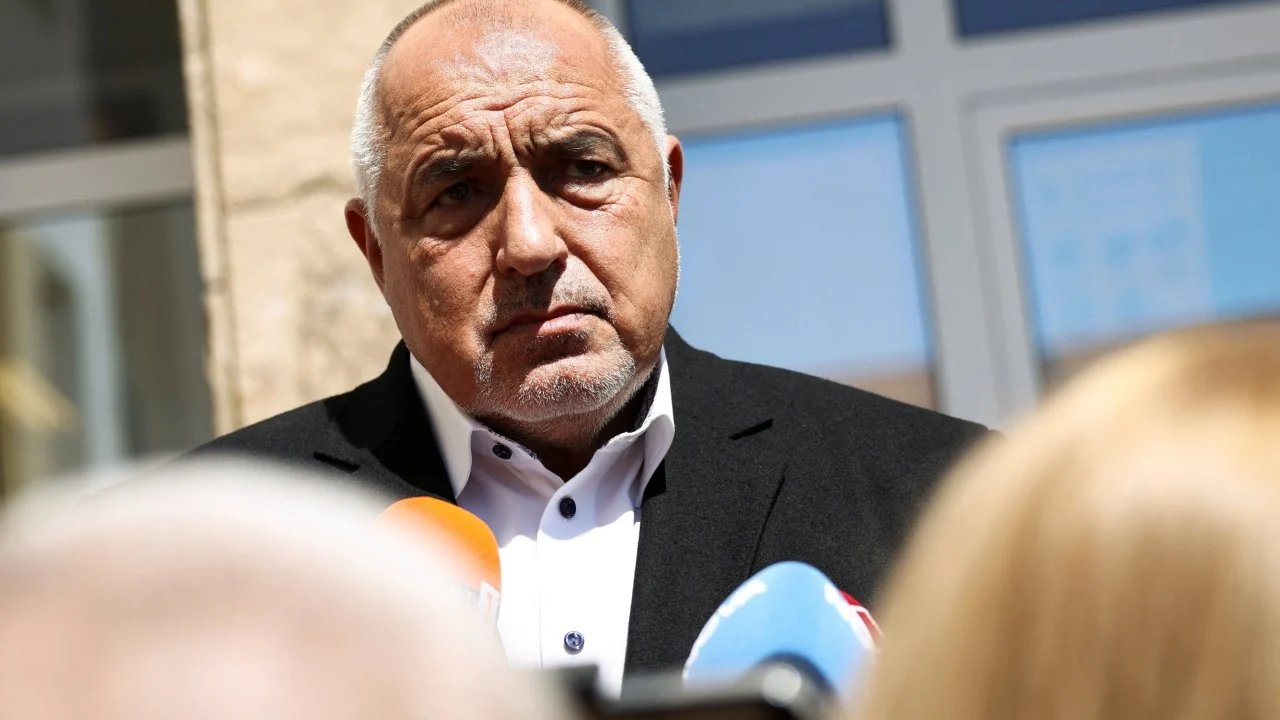
Borissov's GERB party, which led the last government, is expected to finish second in the election. Borissov stated, "I don't see who we can enter a coalition with," indicating his party will act as a constructive opposition. He cited the party's achievements, including the goal of Bulgaria joining the eurozone this year, as evidence of GERB's past governance.
Preliminary results from the election are anticipated on Monday, with the outcomes likely to influence Bulgaria's political direction significantly.
As Bulgaria heads toward a potential change in leadership, the stakes are high for the nation's future. The election is not just about governance; it represents a critical juncture for a country grappling with its identity and international relationships. The outcome will shape Bulgaria's approach to corruption, foreign policy, and its role within the European Union. Voters are keenly aware that their choices today will resonate for years to come.
Voters in Bulgaria cast their ballots on Sunday in what marks the country's eighth general election in five years. Former President Rumen Radev, leading the new center-left Progressive Bulgaria party, is projected to secure approximately 38%-39% of the vote. His closest rival, the pro-European GERB party, has been estimated to garner around 15%, reflecting a significant shift in the political landscape following years of instability.
The election comes on the heels of widespread anti-corruption protests that led to the resignation of Boyko Borissov, who served as prime minister for three terms. His conservative-led government was dismantled in 2021 after a series of protests that highlighted rampant corruption. Radev’s emergence as a prominent figure in this election signifies a potential pivot for Bulgaria, as he aims to dismantle what he calls the "oligarchic governance model."
Radev, a 62-year-old former fighter pilot, has pledged to combat corruption and renew Bulgaria's ties with Russia. He has publicly opposed military aid to Ukraine, although he has denounced Russia's invasion and stated he would support EU aid to Kyiv if elected. During his voting, Radev emphasized the importance of mass participation, urging citizens to drown out vote-buying with their ballots.
As of 4 p.m. local time, voter turnout had reached nearly 35%, a significant increase from the 39% participation in the previous election. Many voters expressed a desire for change, with one voter, Decho Kostadinov, stating he was voting for change and that corrupt politicians should "take whatever they’ve stolen and get out of Bulgaria." This sentiment reflects a broader public frustration with the political status quo.
Borissov's GERB party, which led the last government, is expected to finish second in the election. Borissov has indicated his party will not seek to form coalitions, instead opting to act as a constructive opposition. He cited the party's achievements, including Bulgaria's recent entry into the eurozone, as evidence of GERB's past governance.
Preliminary results from the election are anticipated on Monday, with the outcomes likely to influence Bulgaria's political direction significantly. Analysts suggest that Radev's potential victory could end the political stalemate that has plagued the country since the anti-corruption movement gained traction in 2021. The implications of this election extend beyond domestic politics, as Bulgaria's alignment with EU and NATO policies will be closely monitored in the coming months.
As Bulgaria heads toward a potential change in leadership, the stakes are high for the nation's future. The election is not just about governance; it represents a critical juncture for a country grappling with its identity and international relationships. The outcome will shape Bulgaria's approach to corruption, foreign policy, and its role within the European Union. Voters are keenly aware that their choices today will resonate for years to come.
Highlighted text was flagged by the council. Tap to see feedback.









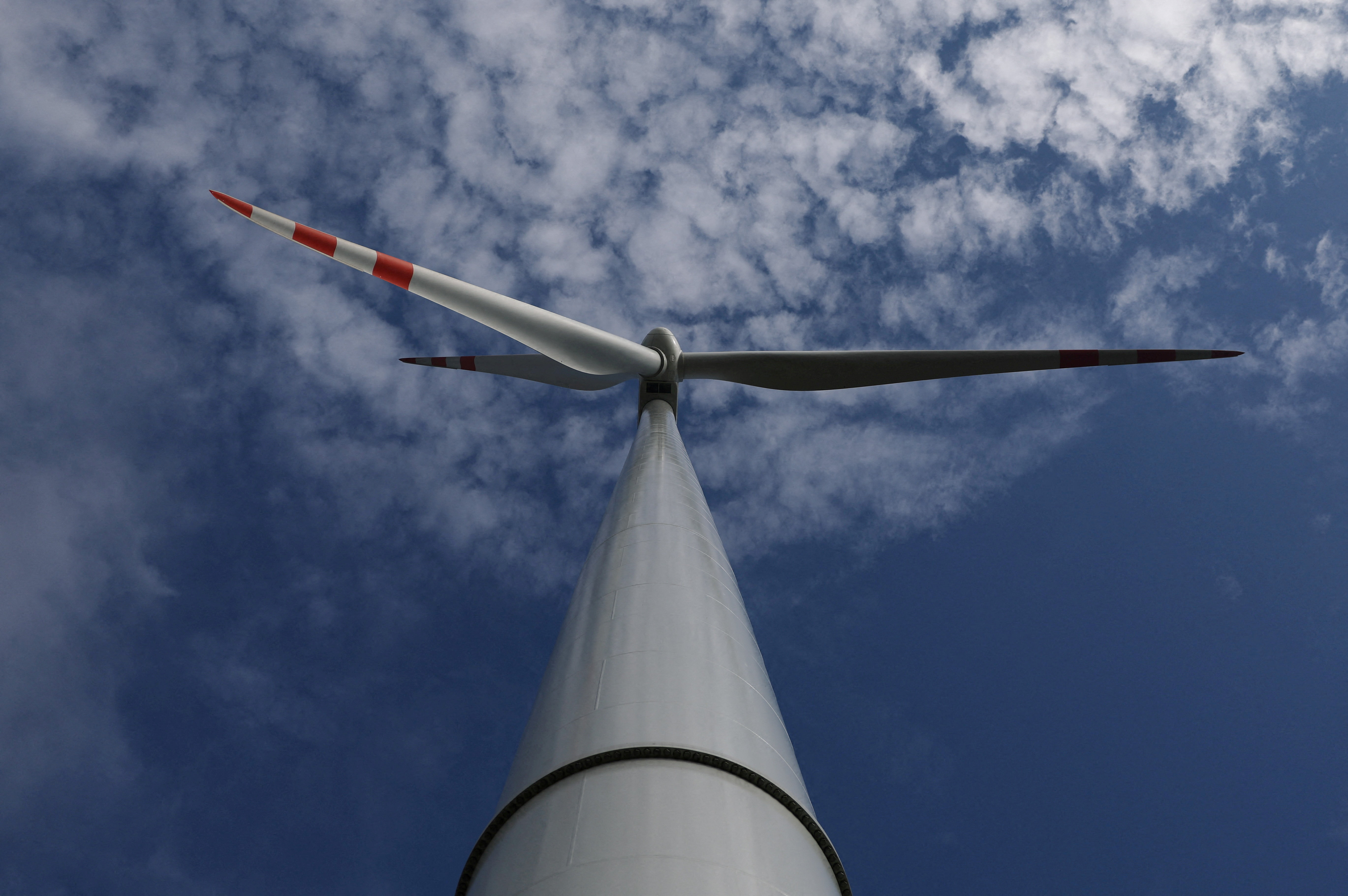






































































































































The sources also report that Radev, the former president leading Progressive Bulgaria, opposes the EU's green energy policy, calling it naive.