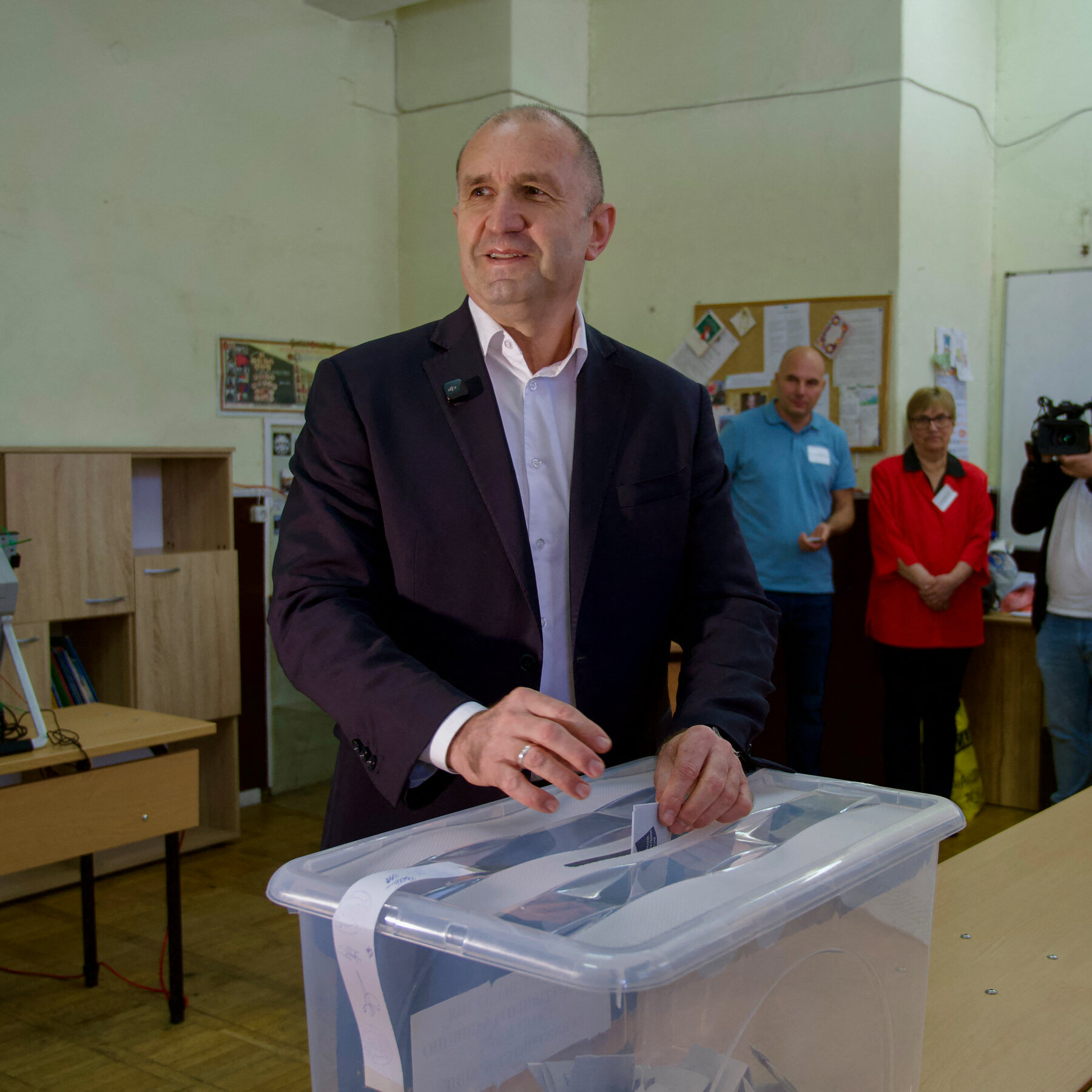
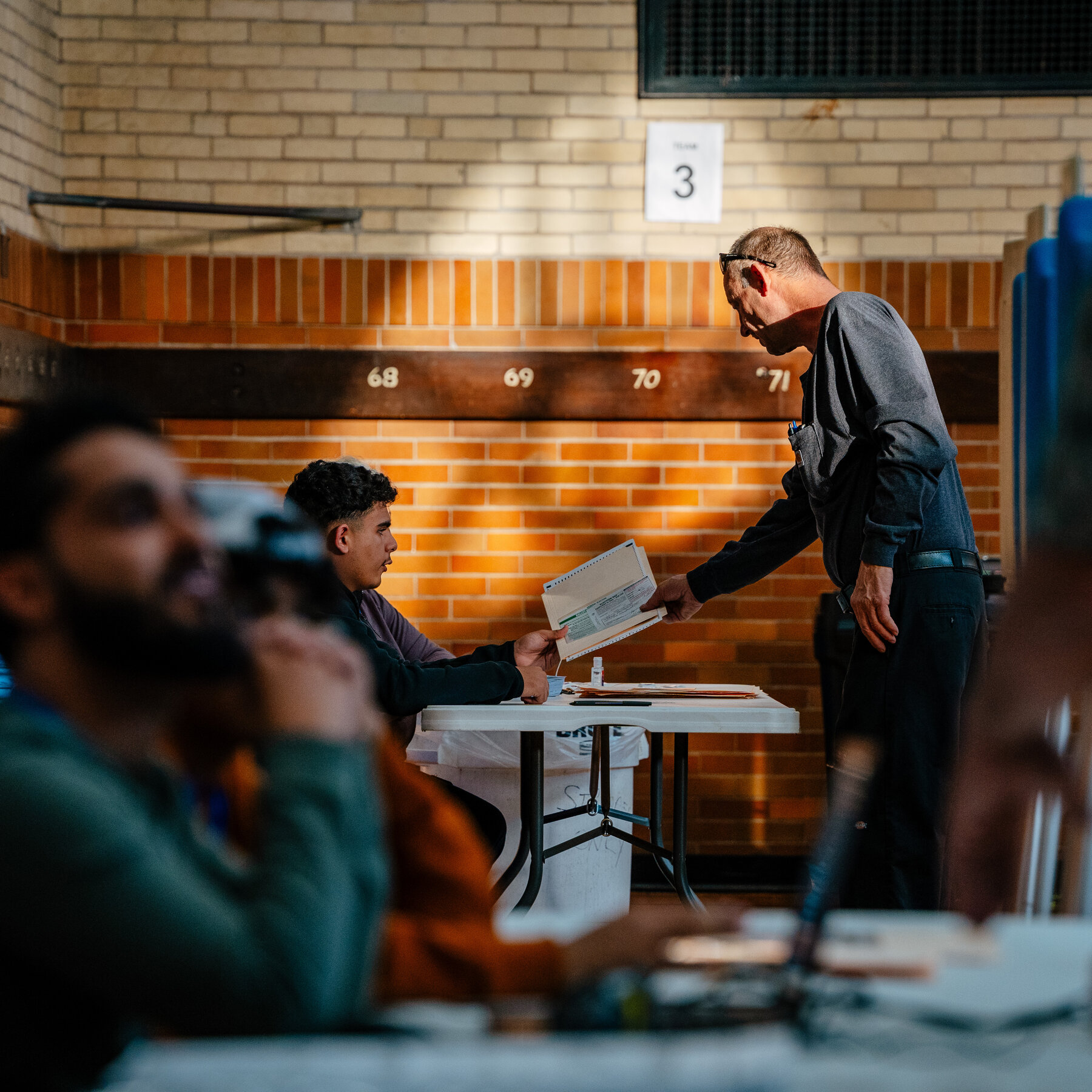
Bulgarian voters have decisively backed a new political coalition led by former President Rumen Radev, marking a significant shift in the nation's political landscape. This election, the eighth in five years, reflects the electorate's frustration with ongoing political gridlock and corruption.
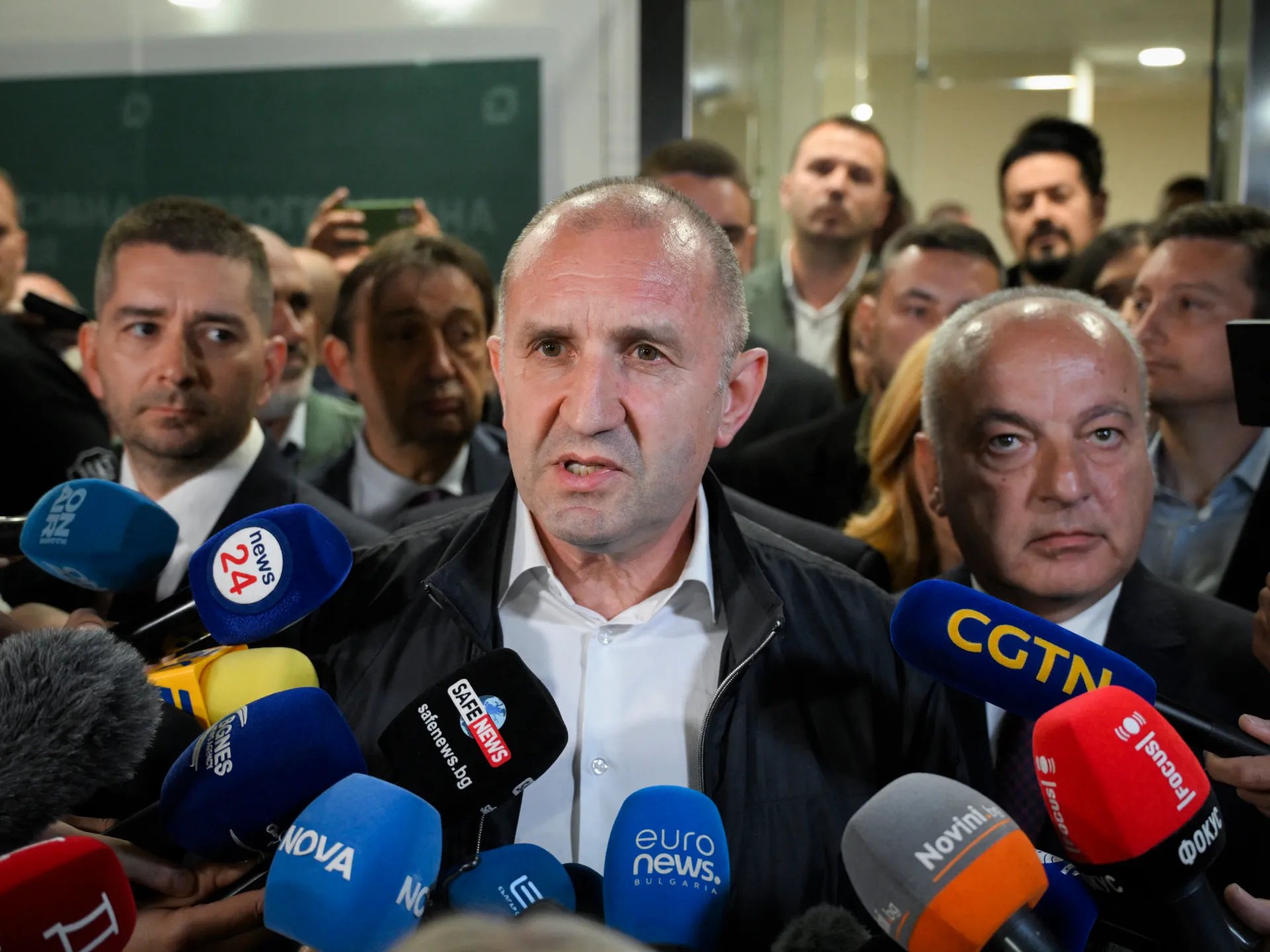
Radev campaigned on a platform opposing sanctions against Russia and military aid for Ukraine. His victory, characterized by a substantial margin, allows him to potentially reshape Bulgaria's foreign policy and economic strategy. In his victory speech, Radev pledged to turn the page on years of political turmoil, emphasizing the need for unity and progress.
Bulgaria's citizens yearn for the prosperity enjoyed by other European nations. This sentiment played a crucial role in the election outcome, as citizens seek leaders who can address economic challenges and improve living conditions. Radev's coalition promises to prioritize economic reforms aimed at enhancing citizens' quality of life.
Radev's stance on foreign relations may lead to a reevaluation of Bulgaria's ties with the European Union and NATO. His opposition to military aid for Ukraine and sanctions against Russia could create tensions with Western allies.
With a clear mandate from the electorate, Radev's coalition faces the challenge of fulfilling its promises while navigating the complexities of Bulgarian politics.
As Radev prepares to form a government, citizens will be watching closely to see how quickly he can implement his proposed changes.
Bulgarian voters have decisively backed a new political coalition led by former President Rumen Radev, marking a significant shift in the nation’s political landscape. This election, the eighth in five years, reflects the electorate's frustration with ongoing political gridlock and corruption. Voter turnout reached approximately 60%, underscoring the public's desire for change and stability in governance.
Radev campaigned on a platform opposing sanctions against Russia and military aid for Ukraine. His victory, characterized by a substantial margin, allows him to potentially reshape Bulgaria's foreign policy and economic strategy. In his victory speech, Radev pledged to turn the page on years of political turmoil, emphasizing the need for unity and progress.
Bulgarians are increasingly yearning for the prosperity enjoyed by other European nations. This sentiment played a crucial role in the election outcome, as citizens seek leaders who can address economic challenges and improve living conditions. Radev's coalition promises to prioritize economic reforms aimed at enhancing citizens' quality of life.
Radev's stance on foreign relations may lead to a reevaluation of Bulgaria's ties with the European Union and NATO. His opposition to military aid for Ukraine and sanctions against Russia could create tensions with Western allies. Analysts suggest that this shift could alter Bulgaria's position in regional geopolitics, impacting trade and diplomatic relations.
With a clear mandate from the electorate, Radev's coalition faces the challenge of fulfilling its promises while navigating the complexities of Bulgarian politics. Political analysts will be closely monitoring how Radev balances his foreign policy approach with domestic expectations for economic growth and anti-corruption measures.
As Radev prepares to form a government, citizens will be watching closely to see how quickly he can implement his proposed changes. The success of his coalition will depend on its ability to address pressing issues like inflation and unemployment, ensuring that the electorate's trust translates into tangible improvements in their daily lives.
Highlighted text was flagged by the council. Tap to see feedback.