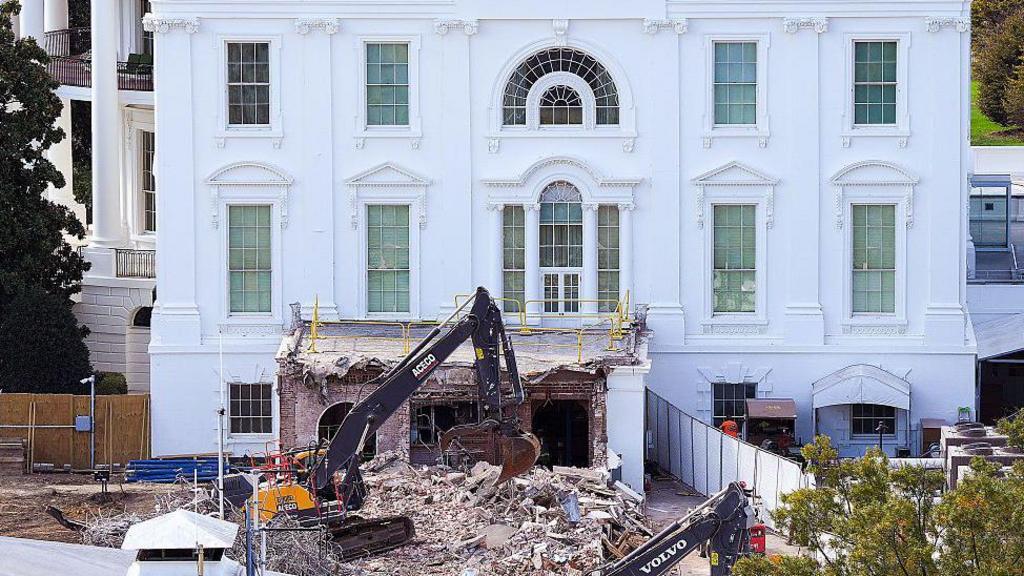
A three-judge panel from the U.S. Court of Appeals for the D.C. Circuit issued an administrative stay late Friday, permitting the Trump administration to continue work on the White House ballroom project. This decision comes after a previous ruling by U.S. District Judge Richard Leon, who had blocked above-ground construction due to concerns over the need for congressional approval. The appeals court's ruling allows construction to proceed until at least June 5, when oral arguments are scheduled.
The National Trust for Historic Preservation filed a lawsuit in December, arguing that the administration did not follow required procedures before demolishing the East Wing, which began in October. The organization claims the project, estimated to cost $400 million, bypassed necessary reviews and public comment. Judge Leon initially sided with the preservation group, stating that the construction required congressional authorization. However, he later permitted limited security-related work to continue underground.
The Trump administration contends that the ballroom is essential for national security, asserting that halting the project could create "grave national-security harms." President Trump emphasized on Truth Social that the ballroom, which is designed to accommodate 1,350 guests, serves as a vital meeting space for future presidents and world leaders. He stated that the underground facility would include bomb shelters and medical facilities, framing the project as necessary for the safety of the executive branch.
The ballroom project is reportedly funded entirely by private donations from major corporations, including Meta, Apple, Amazon, Lockheed Martin, Microsoft, Palantir, Google, and Comcast. This initiative is part of a broader effort by the Trump administration to leave a lasting architectural impact on Washington, D.C. Additional projects include plans for a 250-foot arch and a multi-year renovation of the Kennedy Center.
Judge Leon remarked that reclassifying the ballroom plans as essential for national security appeared to be an attempt to bypass legal requirements.
As public interest in the project grows, the implications for historical preservation and executive authority remain at the forefront of this contentious legal battle.
A three-judge panel from the U.S. Court of Appeals for the D.C. Circuit issued an administrative stay late Friday, permitting the Trump administration to continue work on the White House ballroom project. This decision comes after a previous ruling by U.S. District Judge Richard Leon, who had blocked above-ground construction due to concerns over the need for congressional approval. The appeals court's ruling allows construction to proceed until at least June 5, when oral arguments are scheduled.
The National Trust for Historic Preservation filed a lawsuit in December, arguing that the administration did not follow required procedures before demolishing the East Wing, which began in October. The organization claims the project, estimated to cost $400 million, bypassed necessary reviews and public comment. Judge Leon initially sided with the preservation group, stating that the construction required congressional authorization. However, he later permitted limited security-related work to continue underground.
The Trump administration contends that the ballroom is essential for national security, asserting that halting the project could create "grave national-security harms." President Trump emphasized on Truth Social that the ballroom, which is designed to accommodate 1,350 guests, serves as a vital meeting space for future presidents and world leaders. He stated that the underground facility would include bomb shelters and medical facilities, framing the project as necessary for the safety of the executive branch.
The ballroom project is reportedly funded entirely by private donations from major corporations, including Meta, Apple, Amazon, Lockheed Martin, Microsoft, Palantir, Google, and Comcast. This initiative is part of a broader effort by the Trump administration to leave a lasting architectural impact on Washington, D.C. Additional projects include plans for a 250-foot arch and a multi-year renovation of the Kennedy Center.
Critics of the project, including the National Trust for Historic Preservation, argue that the administration's claims of national security do not justify circumventing established legal processes. Judge Leon remarked that reclassifying the ballroom plans as essential for national security appeared to be an attempt to bypass legal requirements. The appeals court's stay does not constitute a final ruling on the merits of the case, leaving the future of the ballroom project uncertain as legal debates continue.
With the appeals court's administrative stay in place, construction can continue while the judges deliberate on the administration's emergency motion. The outcome of the scheduled hearing on June 5 may significantly affect the future of the ballroom and the administration's ability to proceed without congressional oversight. As public interest in the project grows, the implications for historical preservation and executive authority remain at the forefront of this contentious legal battle.
Highlighted text was flagged by the council. Tap to see feedback.


















The sources also report that the ballroom project is expected to cost $400 million and is funded entirely by private donors.