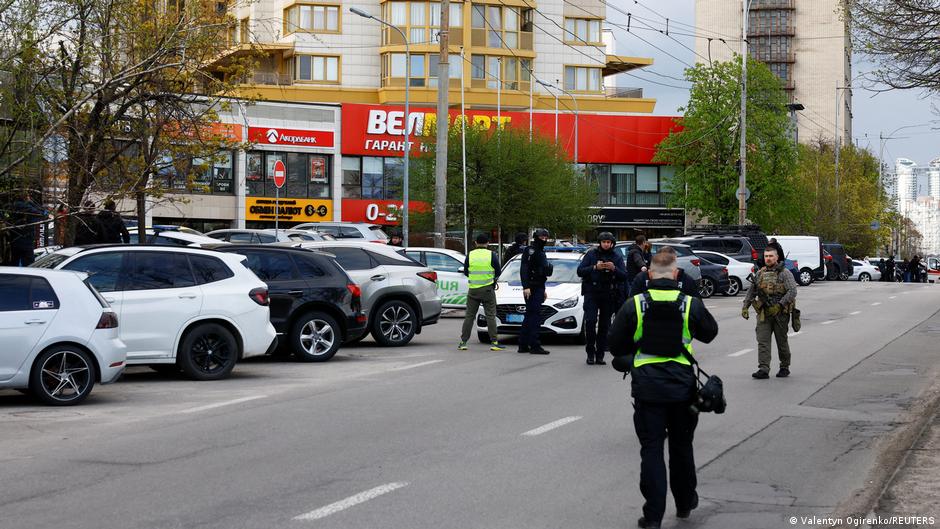
A French soldier died in southern Lebanon when a UN patrol came under fire while clearing explosive ordnance in the village of Ghanduriyah. Staff Sergeant Florian Montorio from the 17th Parachute Engineer Regiment was killed in the attack. The incident left three other peacekeepers wounded, two of them seriously, as Unifil confirmed in its statement.
Unifil, the United Nations Interim Force in Lebanon, reported that the patrol was targeted by non-state actors, marking a deliberate violation of international norms.
Emmanuel Macron stated that Hezbollah was responsible for the attack, describing it as a direct threat to French forces. He demanded that Lebanese authorities arrest the perpetrators and work with Unifil to ensure accountability. France's Armed Forces Minister Catherine Vautrin added that the soldier was ambushed at close range during a routine mission.
Hezbollah issued a statement denying any connection to the incident, calling the accusations baseless and rushed. The group urged caution and called for coordination with Unifil and the Lebanese army during sensitive times. Lebanon's President Joseph Aoun condemned the attack and assured Macron that those responsible would face justice.
Unifil's deputy spokesperson Tilak Pokharel detailed that the patrol was reconnecting isolated positions when attacked, leading to the death of one peacekeeper. The force condemned the assault as a grave violation of international humanitarian law, which obliges all actors to protect UN personnel. Lebanon's Prime Minister Nawaf Salam ordered an investigation into the event.
Unifil noted that more than 330 peacekeepers have died since its establishment in 1978.
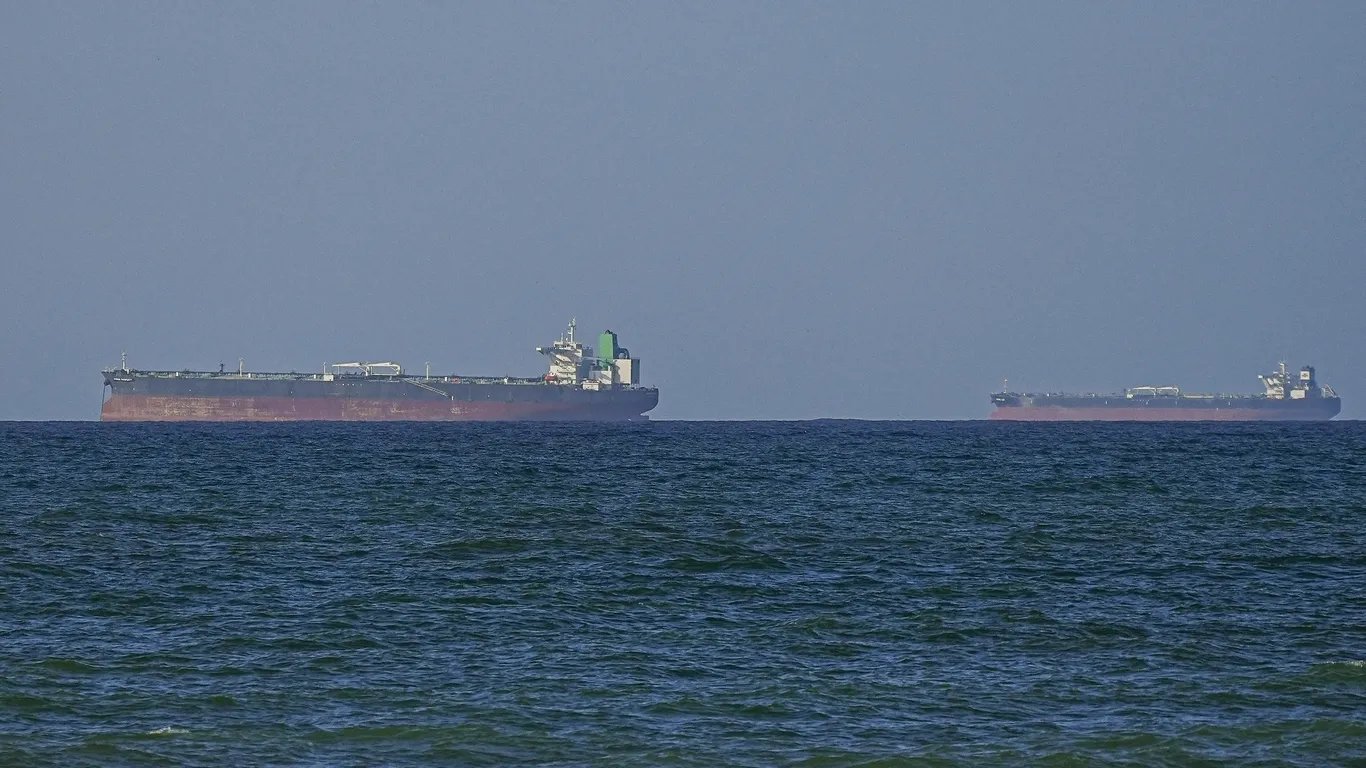
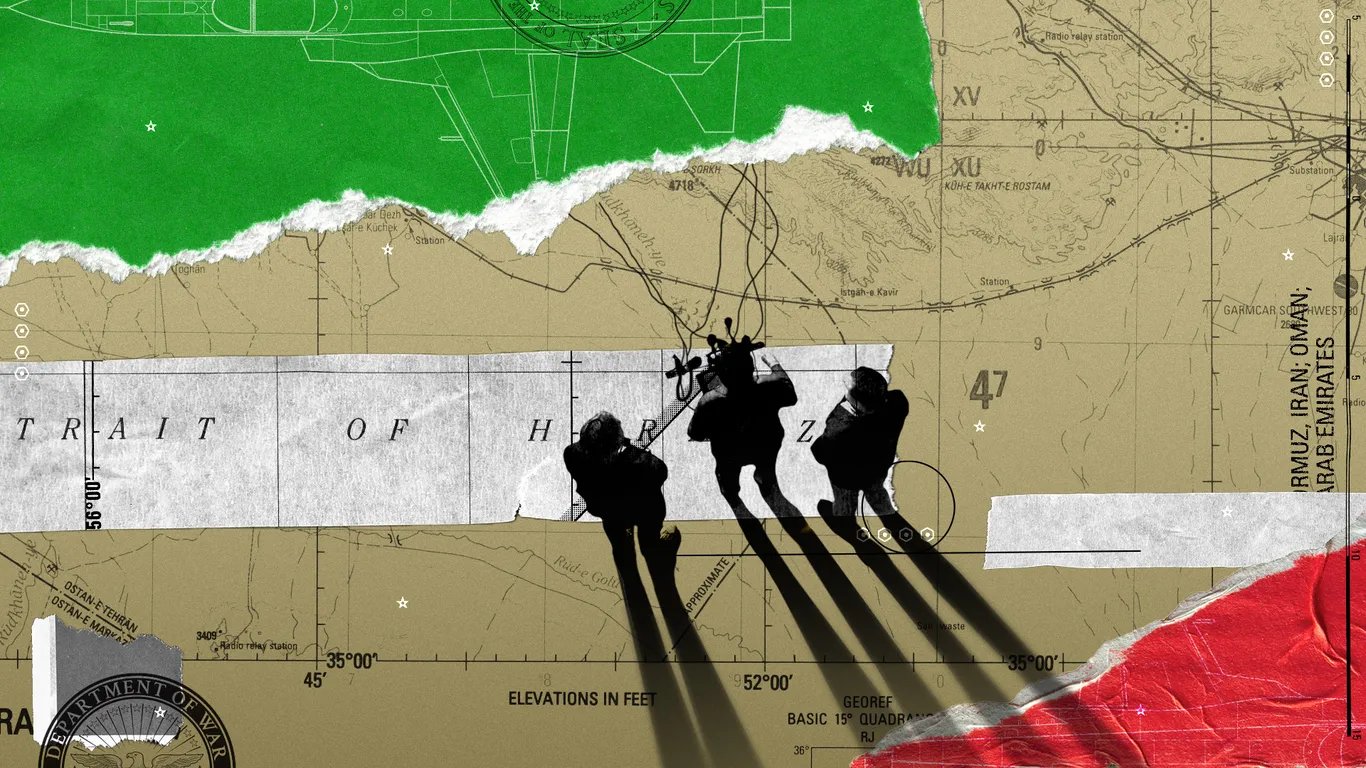
The attack occurred just days after the 10-day ceasefire began, amid heightened tensions from exchanges between Hezbollah and Israel. Unifil reported growing risks for peacekeepers since fighting resumed on 2 March, as documented in their updates. A US defense official claimed Iran's Islamic Revolutionary Guard Corps conducted attacks on commercial ships in the Strait of Hormuz, according to Axios.
A French soldier died in southern Lebanon when a UN patrol came under fire while clearing explosive ordnance in the village of Ghanduriyah. Staff Sergeant Florian Montorio from the 17th Parachute Engineer Regiment suffered a direct shot from a small-arms weapon, according to French President Emmanuel Macron. The incident left three other peacekeepers wounded, two of them seriously, as Unifil confirmed in its statement.
This attack highlights the risks peacekeepers face in conflict zones, directly affecting global security efforts by endangering personnel who maintain stability. Unifil, the United Nations Interim Force in Lebanon, reported that the patrol was targeted by non-state actors, marking a deliberate violation of international norms.
Emmanuel Macron stated that Hezbollah was responsible for the attack, describing it as a direct threat to French forces. He demanded that Lebanese authorities arrest the perpetrators and work with Unifil to ensure accountability. France's Armed Forces Minister Catherine Vautrin added that the soldier was ambushed at close range during a routine mission.
These claims underscore ongoing regional instability, which could influence international military deployments and heighten risks for citizens in allied countries. The accusations came shortly after a 10-day ceasefire between Israel and Lebanon took effect on 16 April, as reported by Al Jazeera.
Hezbollah issued a statement denying any connection to the incident, calling the accusations baseless and rushed. The group urged caution and called for coordination with Unifil and the Lebanese army during sensitive times. Lebanon's President Joseph Aoun condemned the attack and assured Macron that those responsible would face justice.
This denial presents a contrasting view in the investigation, emphasizing the need for verified evidence before assigning blame. It reflects the complexities of attributing attacks in areas with multiple armed groups, potentially affecting diplomatic relations in the region.
Unifil's deputy spokesperson Tilak Pokharel detailed that the patrol was reconnecting isolated positions when attacked, leading to the death of one peacekeeper. The force condemned the assault as a grave violation of international humanitarian law, which obliges all actors to protect UN personnel. Lebanon's Prime Minister Nawaf Salam ordered an investigation into the event.
Such incidents erode trust in peacekeeping operations, impacting the safety of thousands of UN staff worldwide. Unifil noted that more than 330 peacekeepers have died since its establishment in 1978, adding urgency to current efforts.
The attack occurred just days after the 10-day ceasefire began, amid heightened tensions from exchanges between Hezbollah and Israel. Unifil reported growing risks for peacekeepers since fighting resumed on 2 March, as documented in their updates. A US official claimed Iran's Islamic Revolutionary Guard Corps conducted attacks on commercial ships in the Strait of Hormuz, linking to broader regional conflicts.
These events show how fragile ceasefires can affect international trade and security, potentially raising costs for global supply chains. Over a dozen countries offered to participate in a Hormuz mission, as UK Prime Minister Keir Starmer mentioned, indicating wider efforts to stabilize the area.
Peacekeepers' deaths like Montorio's reveal the human cost of unresolved conflicts, prompting nations to reassess their roles in UN missions for better protection.
Highlighted text was flagged by the council. Tap to see feedback.