




Election Results Show Strong Support for Radev's Party
Former President Rumen Radev's Progressive Bulgaria party is projected to secure a decisive victory in Bulgaria's parliamentary election, according to early exit polls. The party is anticipated to receive approximately 38.1% of the vote, significantly ahead of the center-right GERB party, which is expected to garner around 15.9%. The reformist coalition We Continue the Change-Democratic Bulgaria (PP-DB) is projected to finish third with about 14.1% support. This election marks Bulgaria's eighth in five years, following a history of political instability and protests.
Radev's Vision for Governance
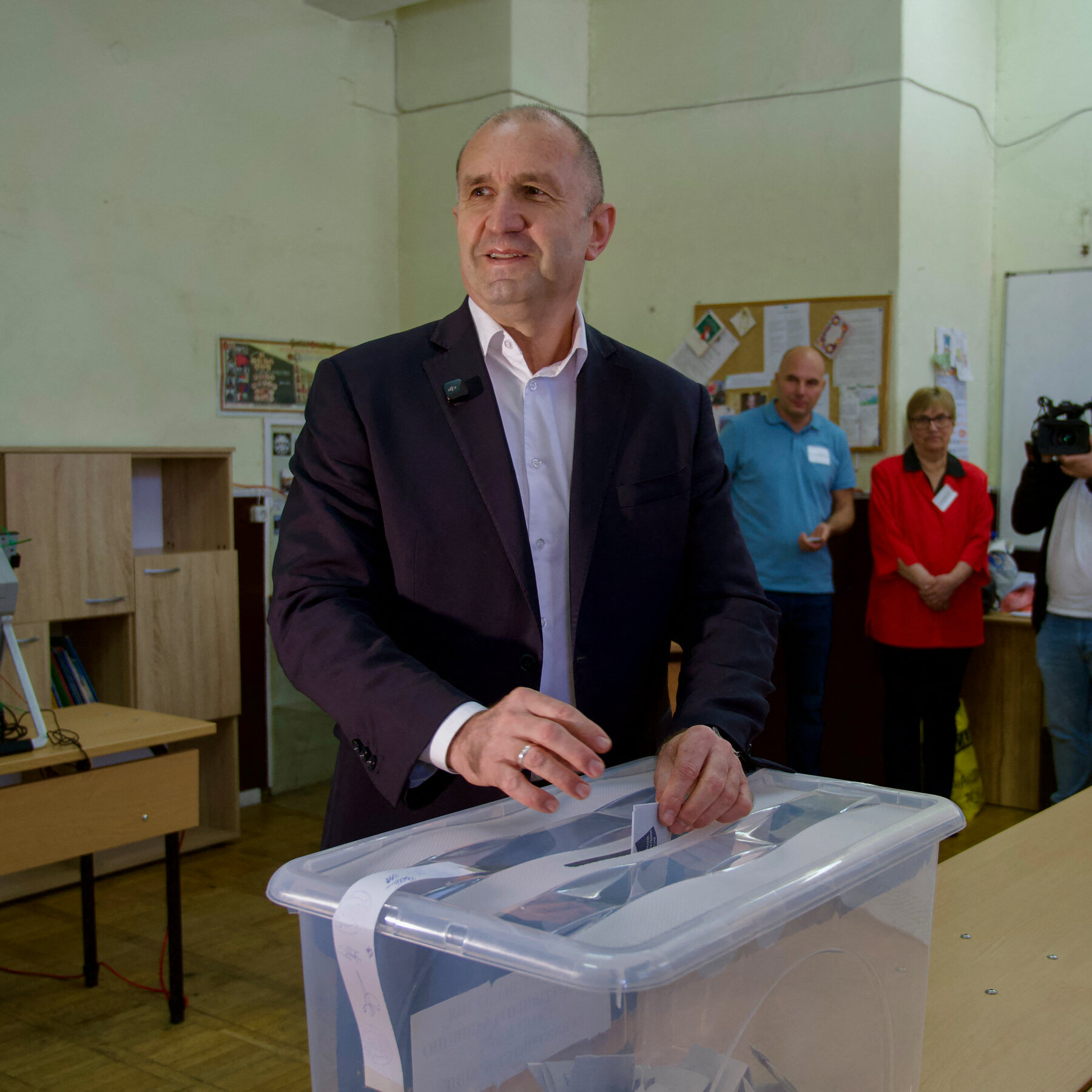
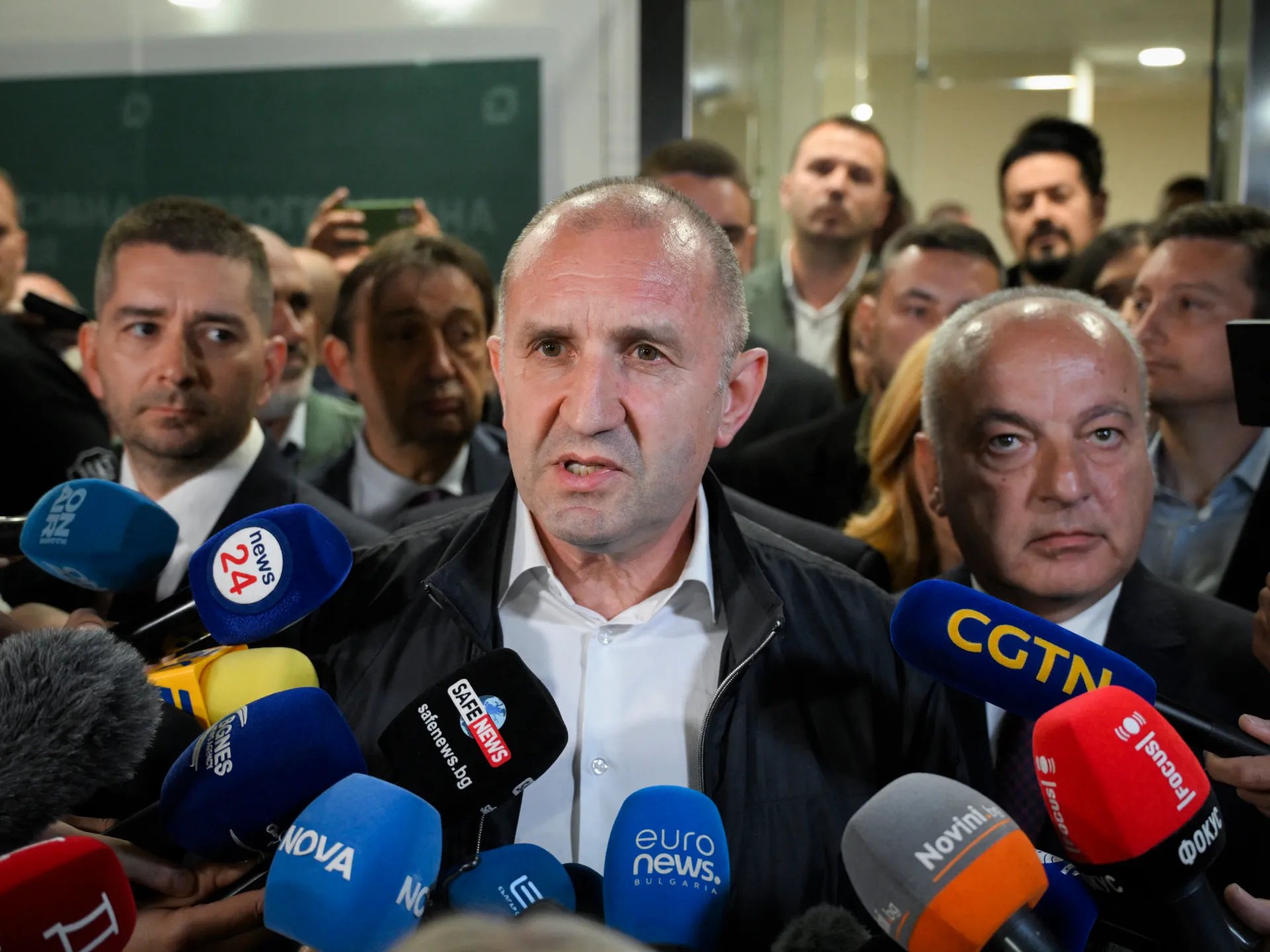
After casting his ballot, Radev expressed a commitment to ending the political deadlock that has plagued Bulgaria. He stated, "We will do everything possible not to allow us to go [to elections] again. It is ruinous for Bulgaria." Radev is open to various governance options, including working with the PP-DB coalition to form a majority or potentially leading a minority government. His party's platform includes a pledge to combat what he describes as the "oligarchic governance model" in Bulgaria.
Political Context and Recent History
The election comes on the heels of a conservative-led government that was ousted amid widespread anti-corruption protests in December. Radev, who served as president for nine years before resigning in January to run for prime minister, has positioned himself as a candidate for change. His party's strong showing reflects a desire among voters for stability after years of fragmented parliaments and ineffective coalitions.
Radev's Foreign Policy Stance
Radev's political platform has drawn attention for its pro-Russian sentiments. He has called for renewed ties with Moscow and has been critical of Bulgaria's military support for Ukraine amidst the ongoing conflict. Radev officially denounced Russia's invasion but has faced accusations of being too sympathetic to Russian interests. He also opposes the European Union's green energy policies, which he considers unrealistic.
GERB's Response to Election Results
Former Prime Minister Boyko Borissov, leader of the GERB party, acknowledged the challenges his party faces, stating, "I don't see who we can enter a coalition with." Despite trailing in the polls, Borissov emphasized that while elections determine who comes first, negotiations will ultimately decide who governs. His party's lower-than-expected support reflects a shift in voter sentiment amid ongoing economic concerns.
Implications for Bulgaria and the EU
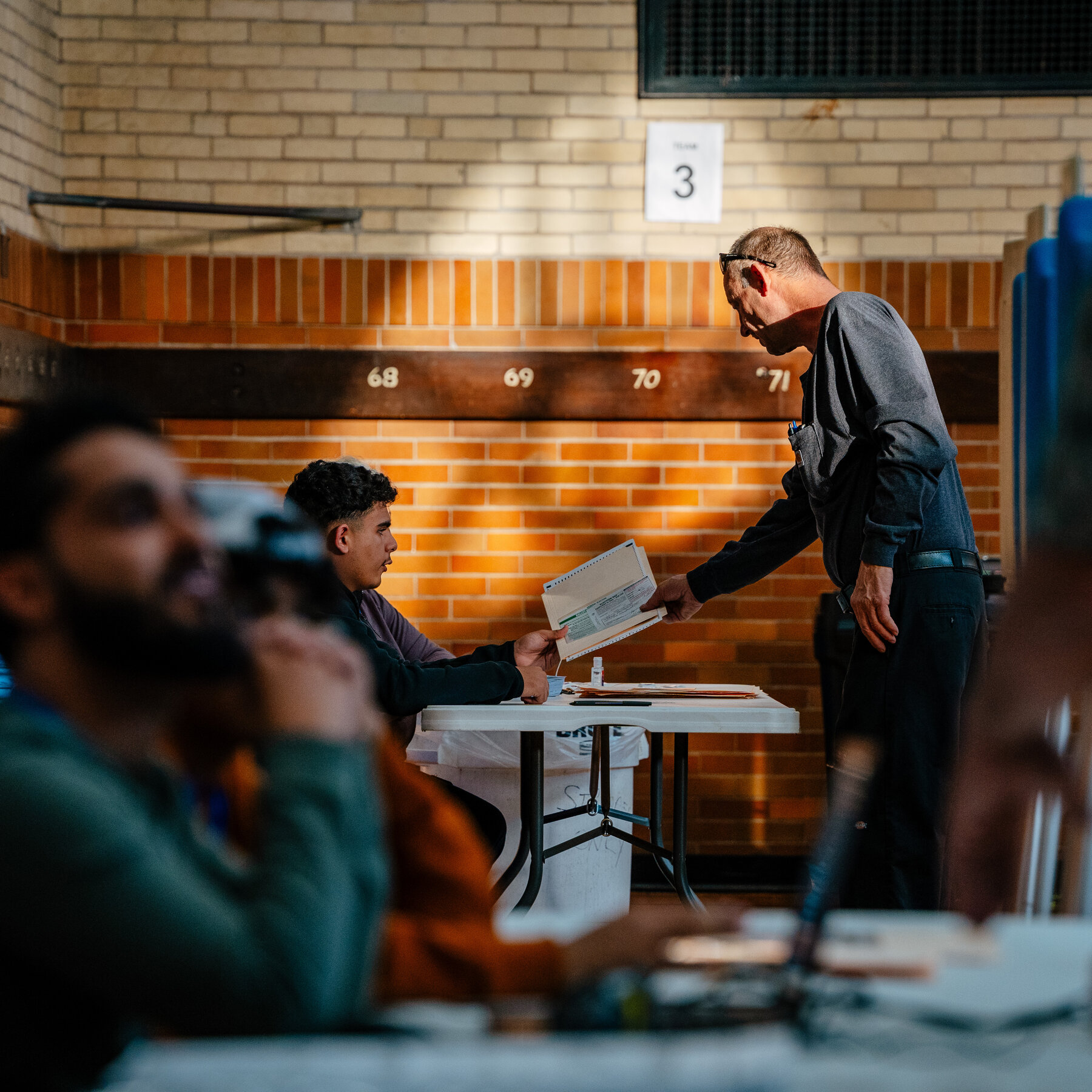
The results of this election could have significant implications for Bulgaria's relationship with the European Union and NATO. As the country navigates its position between Western alliances and historical ties to Russia, Radev's victory may shift Bulgaria's foreign policy priorities. Voter turnout for the election was approximately 35% by 4 p.m. local time, indicating heightened engagement compared to previous elections.
Looking Ahead: A Potential Path to Stability
As preliminary results are expected on Monday, the political landscape in Bulgaria appears poised for change. Radev's Progressive Bulgaria party aims to establish a stable government that can effectively address the country's pressing issues, including corruption and economic challenges. The outcome of this election may ultimately determine Bulgaria's trajectory within the EU and its alignment in the broader geopolitical context.