





The Meeting That Could Stop the Bombs
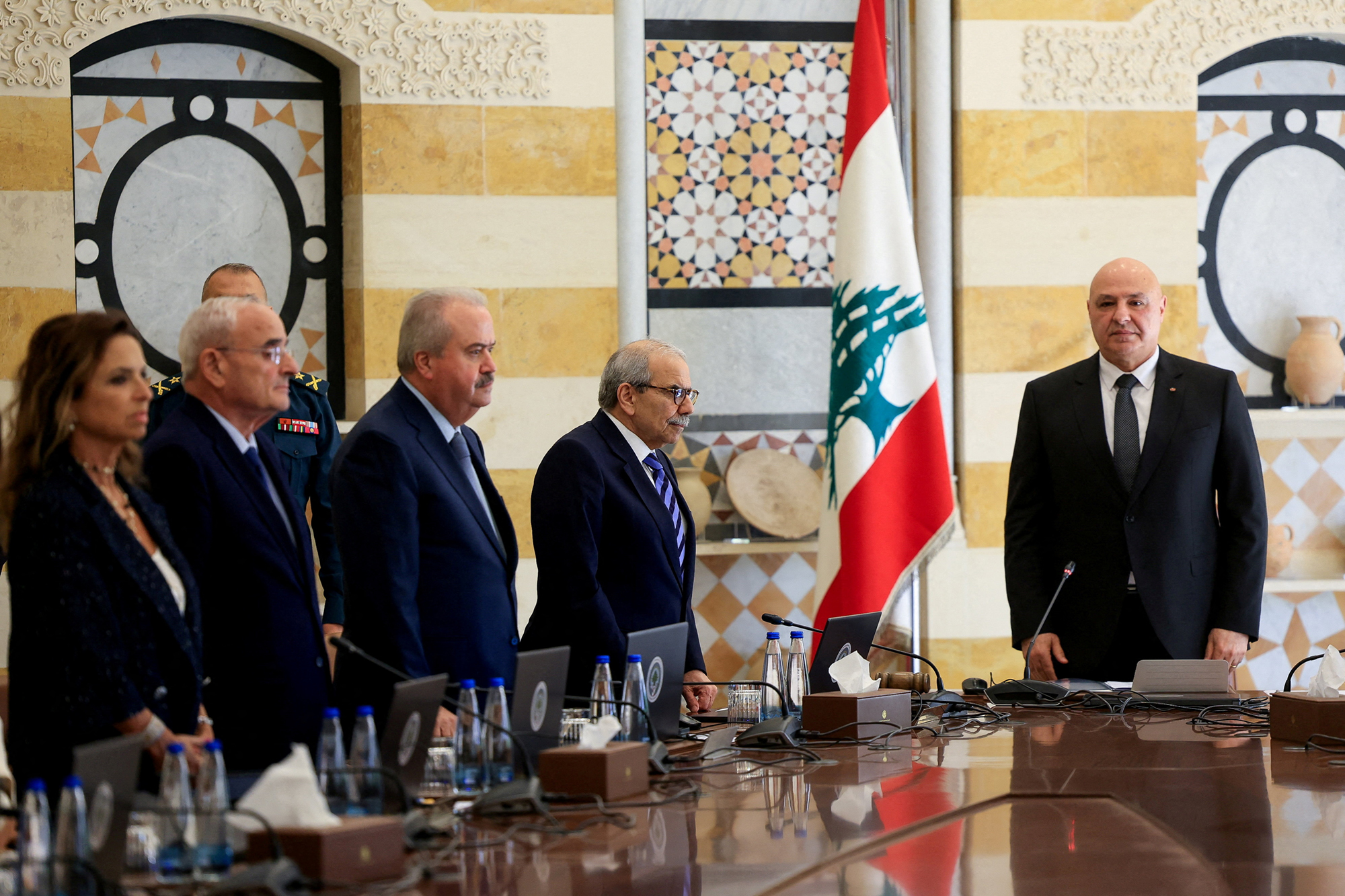
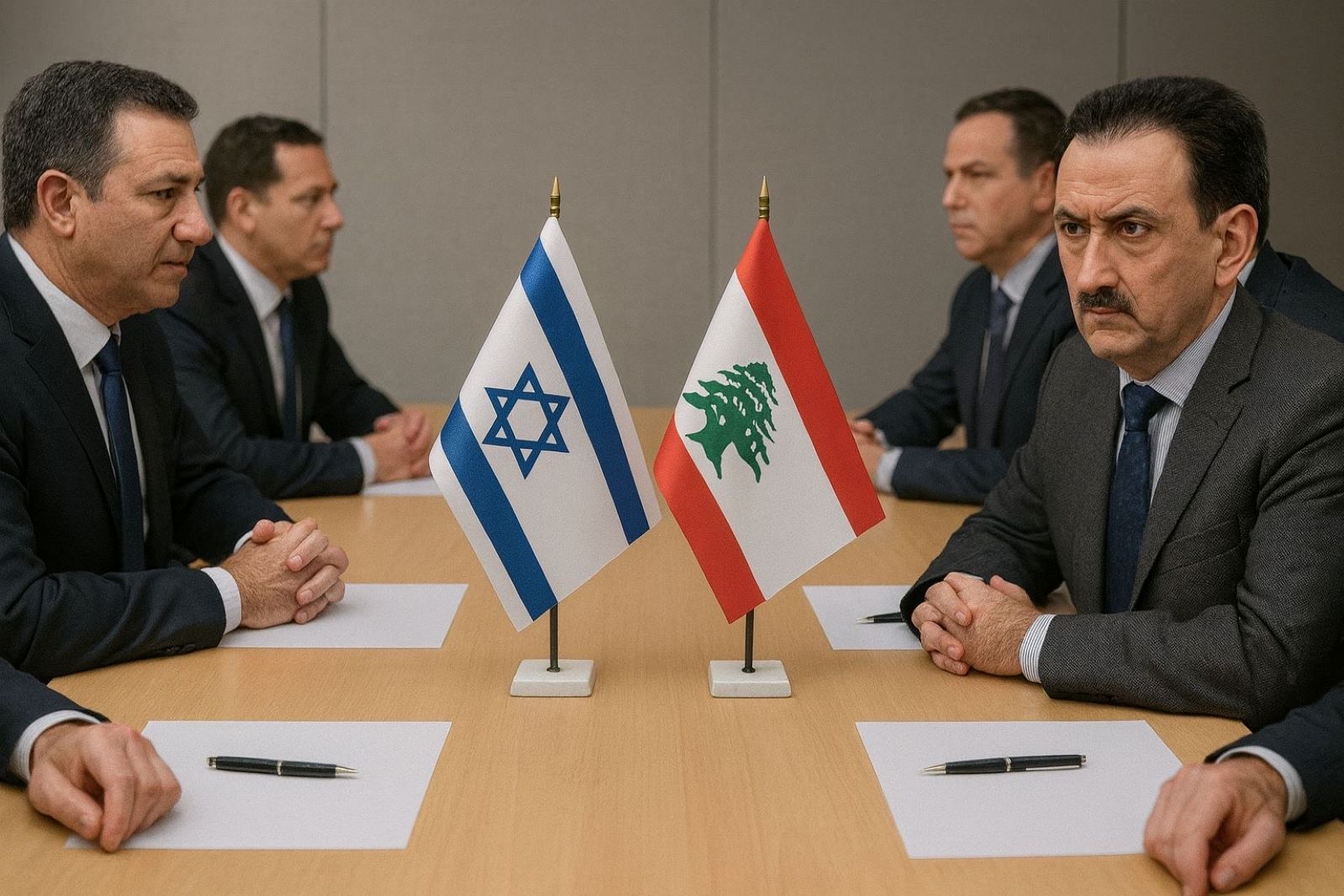
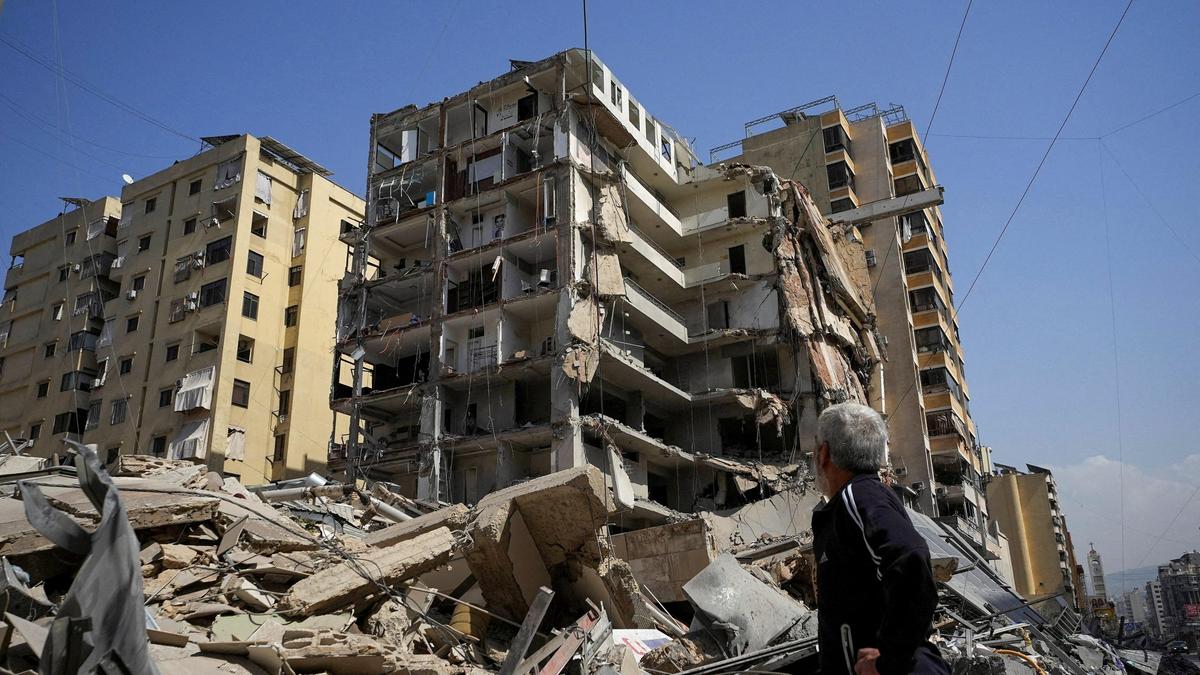
Israeli and Lebanese ambassadors to Washington will sit down together at the U.S. State Department on Tuesday to hammer out ceasefire terms, marking the first direct talks between the two nations in decades. The meeting comes after Israeli air strikes killed 357 people across Lebanon on Wednesday, with the death toll still climbing as rescue teams pull bodies from collapsed buildings. A senior Lebanese presidency official told the BBC that Lebanon agreed to talks after Israel's "repeated requests" for negotiations, though Israeli air strikes on Lebanon are continuing.
The Death Toll Keeps Rising
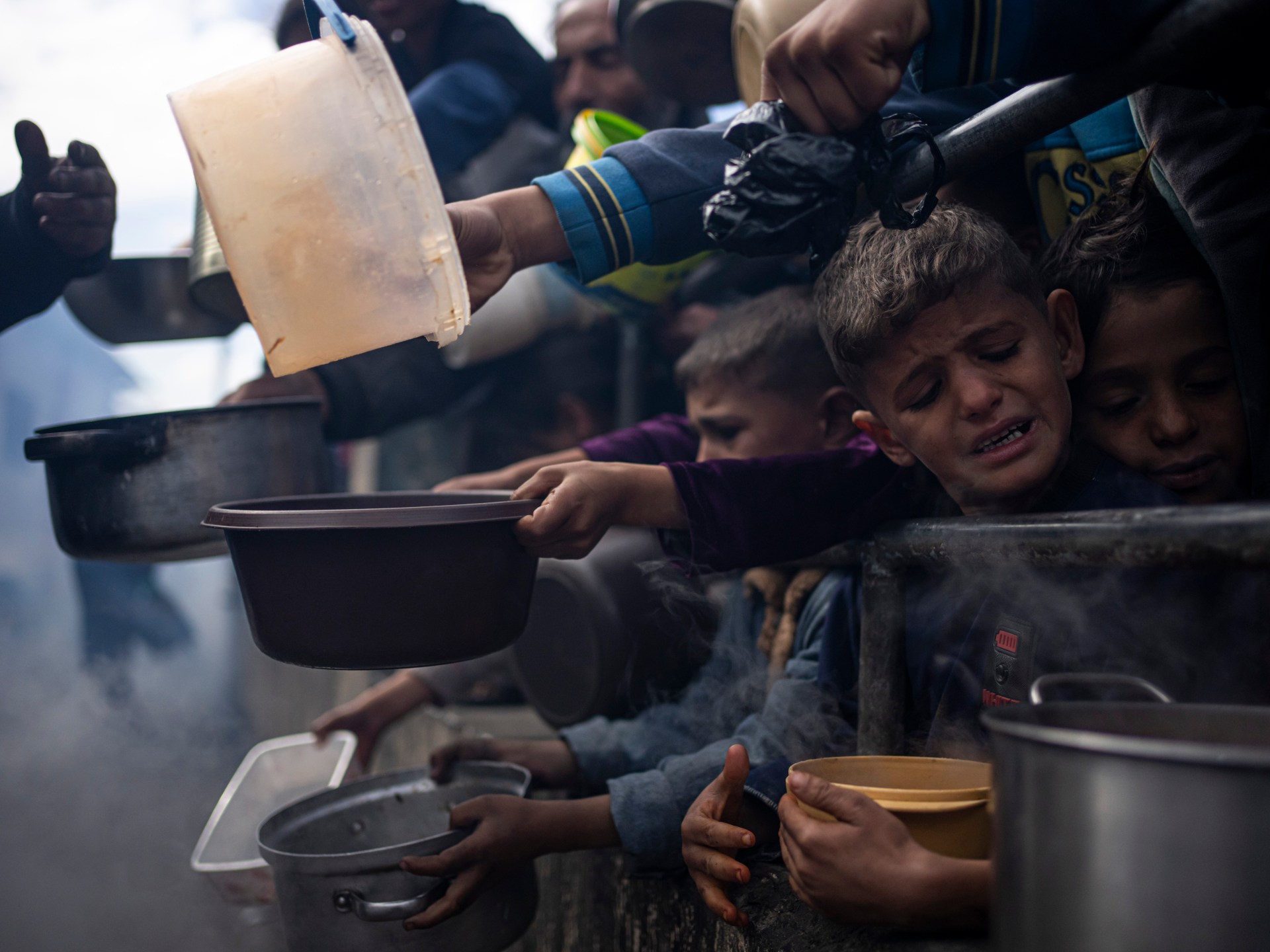
Lebanon's health ministry reported that Wednesday's bombardment injured 1,223 people, with many victims still buried under rubble requiring DNA identification. The strikes hit civilian targets including a medical center in Burj Qalaway that killed two people, while seven members of one family died in Abbassieh and 11 people perished in Zrarieh. President Joseph Aoun condemned the killing of 13 state security personnel in Nabatieh, as the World Food Programme warns over one million people have been displaced and food convoys now take 15 hours to travel short distances in southern Lebanon.
The Ceasefire Confusion That Started It All
Whether Lebanon was included in the U.S.-Iran ceasefire announced Tuesday remains hotly disputed, with Pakistan and Iran insisting it was covered while the U.S. and Israel maintain it was not. Iran's Deputy Foreign Minister Saeed Khatibzadeh told the BBC that Israeli strikes on Lebanon constitute a "grave violation" of the truce, but Vice President JD Vance stated in Budapest that "the Iranians thought that the ceasefire included Lebanon, and it just didn't." Prime Minister Benjamin Netanyahu made it explicit to northern Israel residents Thursday night: "There is no ceasefire in Lebanon."
The Rockets Still Flying Both Ways
Hezbollah fired a rocket at Ashdod, the furthest it has targeted in the current fighting, though the missile was intercepted. The group also launched rockets at Kiryat Shmona near the border and Misgav Am in northern Israel at 10:00 Friday morning, claiming it was retaliating for Israel's "violation" of the ceasefire agreement. The Israeli military reported striking about 10 rocket launchers Thursday night that had fired on northern Israel, while continuing to locate and destroy additional launchers.
What Tuesday's Talks Must Solve
The delegations meeting Tuesday must first agree on ceasefire conditions before any direct negotiations can proceed, according to a senior Lebanese presidency official. The talks represent a diplomatic breakthrough after months of U.S. envoys mediating indirect discussions since a November 2024 ceasefire agreement. For Mohammad Hamoud, whose family's Beirut pharmacy was destroyed while he worked across town, the negotiations offer little immediate comfort: "You cannot manage what happened, the number of bombs. In a very, very short period, complete damage everywhere."










The sources also report that the Israeli military claimed the attacks killed at least 180 Hezbollah terrorists from the Lebanese armed group.