




March Inflation Numbers
U.S. consumer prices surged in March, driven by a record increase in gasoline prices, according to a report by the U.S. Bureau of Labor Statistics. The consumer price index rose 0.9 percent in March, compared with 0.3 percent in February, marking the largest monthly increase since May 2022. Overall, consumer prices rose 3.3% in March from a year earlier, up sharply from 2.4% in February and the biggest yearly increase since May 2024.
Impact of the Iran War
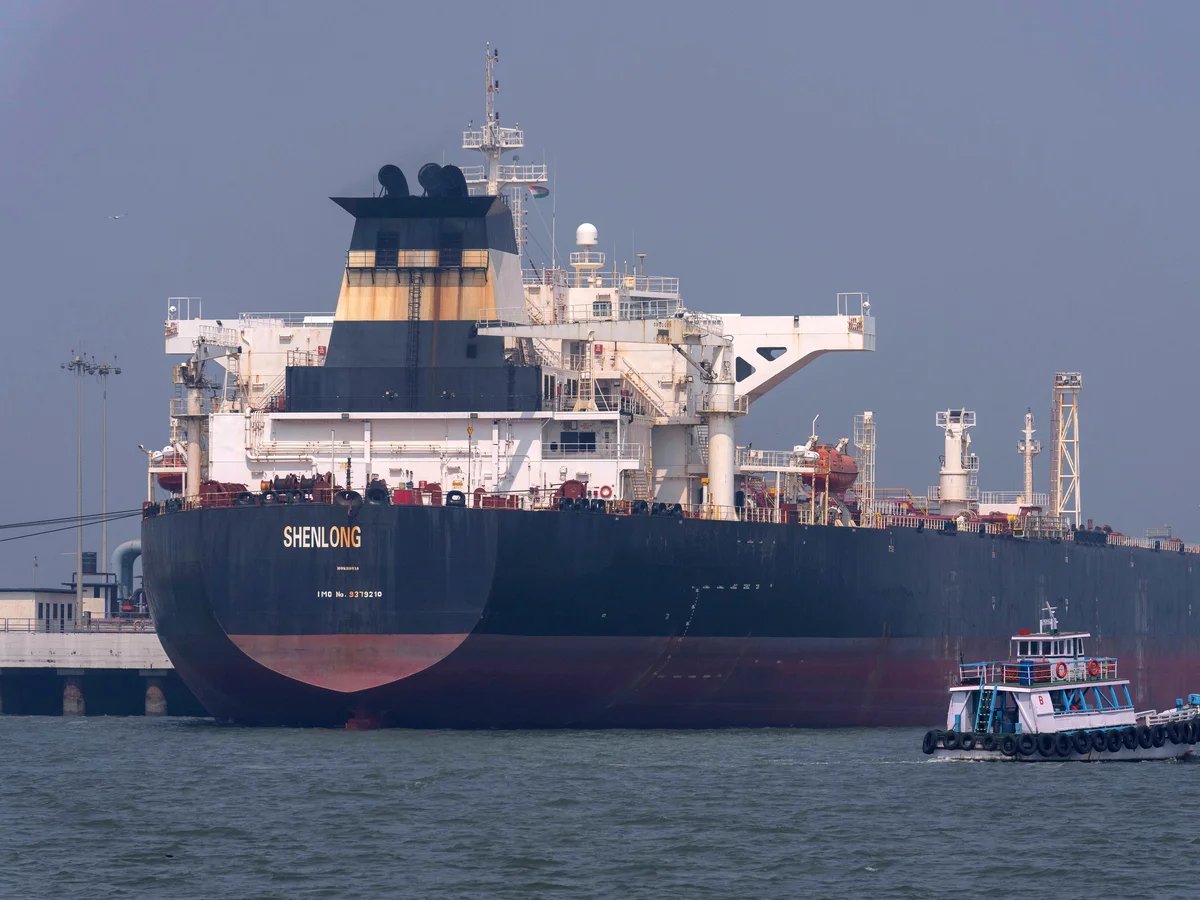
The rise in inflation is largely attributed to the war in Iran, which disrupted energy markets. The conflict began after the U.S. and Israel launched a joint military campaign against Iran on February 28, according to Al Jazeera. This blockade sent oil and gas prices soaring across the world, with the price of a barrel of oil reaching $120, up from about $70 before the war.
Pain at the Pump
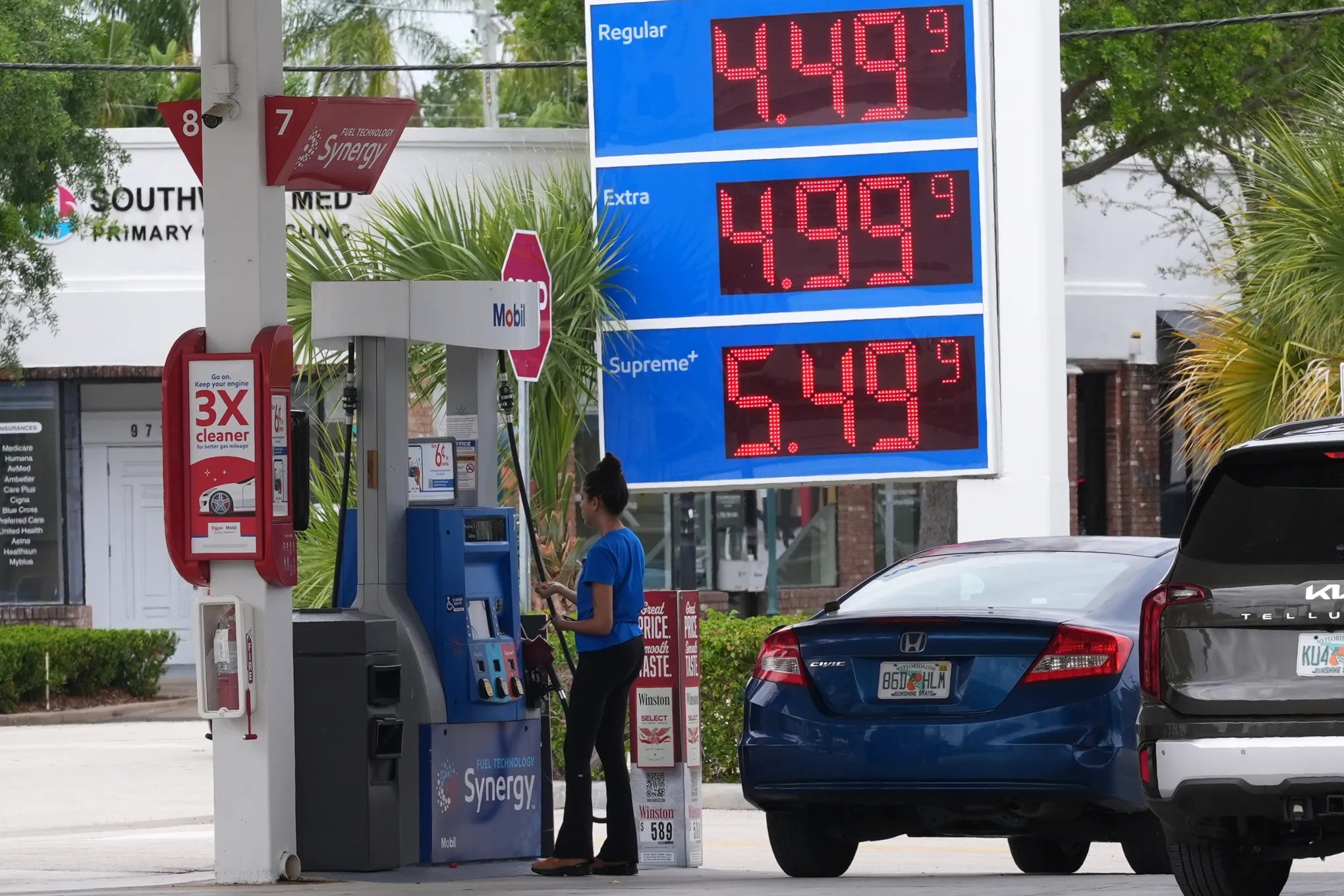
Petrol prices went up by 21.2 percent in March, while fuel oil increased by more than 30 percent. The average price of gasoline reached $4.15 a gallon nationwide on Friday, up from $2.98 on the day before the war began, according to motor club AAA, as reported by PBS NewsHour. The price of one gallon exceeded $4.1, up from less than $3 before the fighting began.
Consumer Sentiment Plummets
Rising gas prices and the uncertainty surrounding the conflict have taken a toll on consumer sentiment. The University of Michigan's Surveys of Consumers reported that its Consumer Sentiment Index tumbled to an all-time low of 47.6 this month, from 53.3 in March, according to Al Jazeera. Joanne Hsu, the director of the Surveys of Consumers, noted that "open-ended comments show that many consumers blame the Iran conflict for unfavourable changes to the economy." The survey's measure of consumer expectations for inflation over the next year jumped to 4.8 percent this month from 3.8 percent in March.
Federal Reserve Response
The surge in inflation has complicated the Federal Reserve's plans for the year. The central bank will almost certainly postpone any cut in interest rates for months, and many Fed officials have said a rate hike may be needed if inflation doesn't cool. Most officials are almost certain to support keeping the Fed's key interest rate unchanged in the coming months, at about 3.6%, as they evaluate how the economy evolves. Investors now don't expect the Fed to cut rates until late 2027.
Political Ramifications
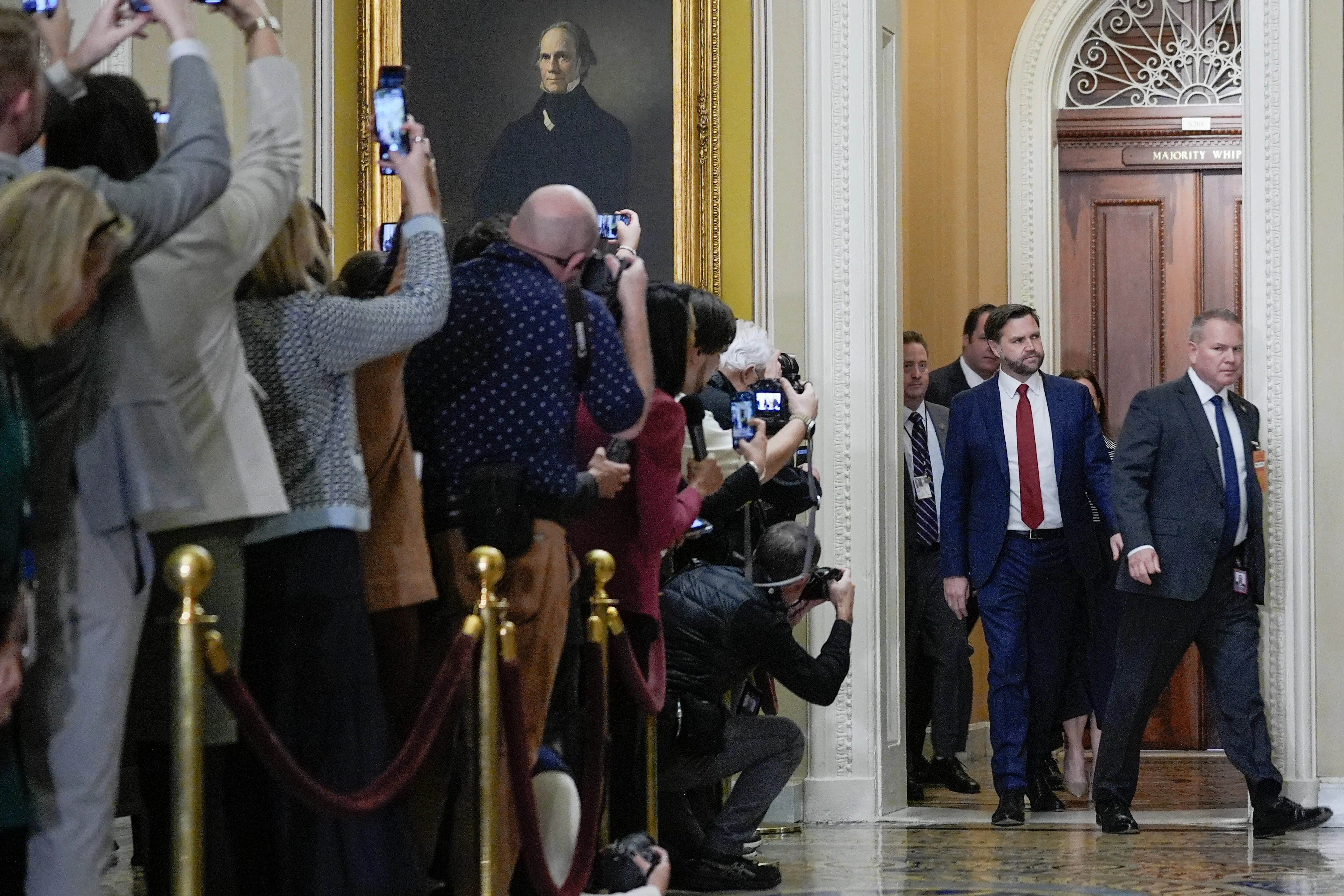
The rising cost of living has become a major focus for politicians, particularly with the November midterm elections approaching. Democrats have criticized President Trump for launching the war without congressional approval, highlighting the increased economic costs for Americans. A US delegation, led by Vice President JD Vance, is en route to Pakistan to meet with Iranian officials for talks to finalise a long-term ceasefire deal.
Broader Economic Impact
Economists are concerned about whether the surge in oil and gas prices will create a sustained, broader inflation shock. Higher gas prices sap consumers' ability to spend on other goods and services and as a result could also slow economic growth. More expensive oil and gas will also likely lift grocery prices, creating more pain for consumers who have already absorbed a roughly 25% jump in food costs since the pandemic. Al Jazeera reports that with marine traffic in the Strait of Hormuz remaining at a fraction of its pre-war levels, experts say it will be many months before prices stabilise.