
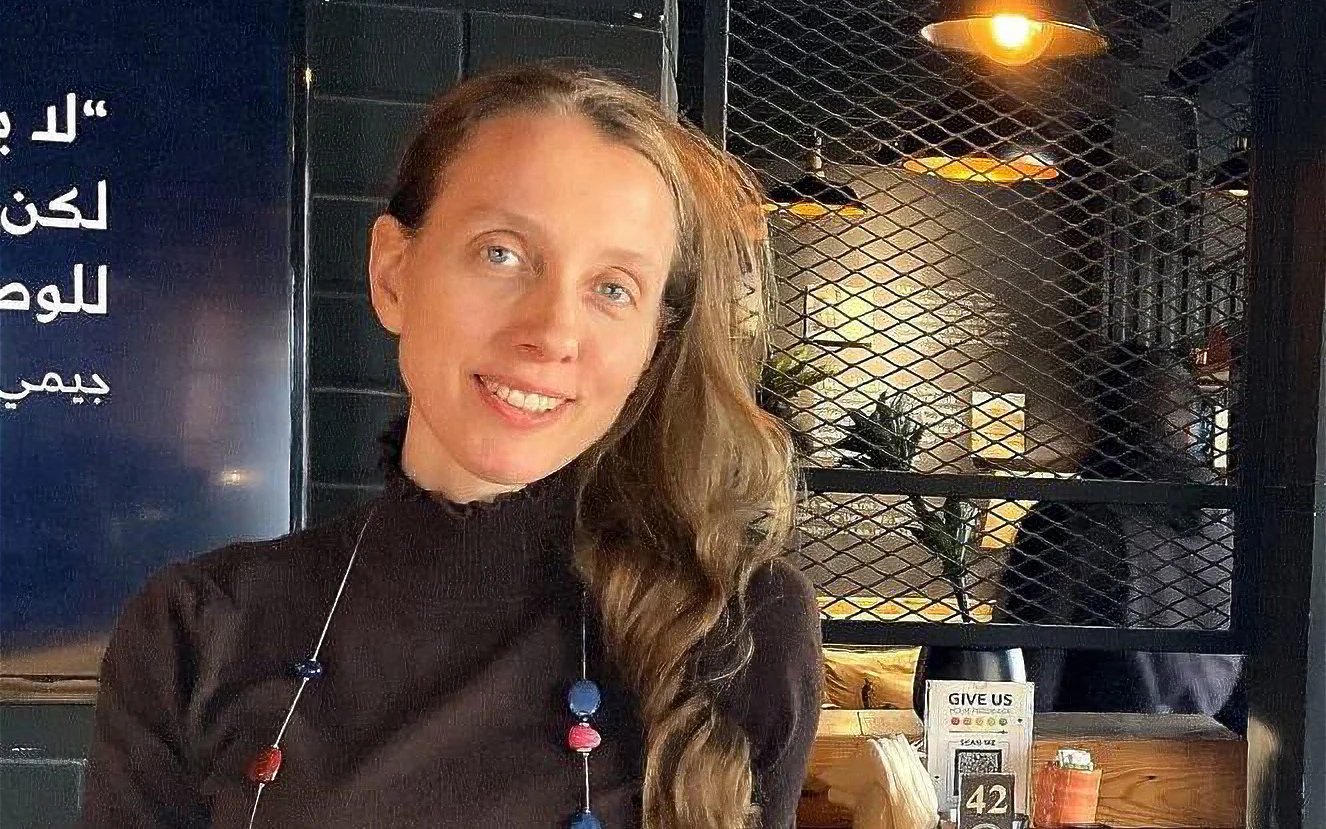





The Release
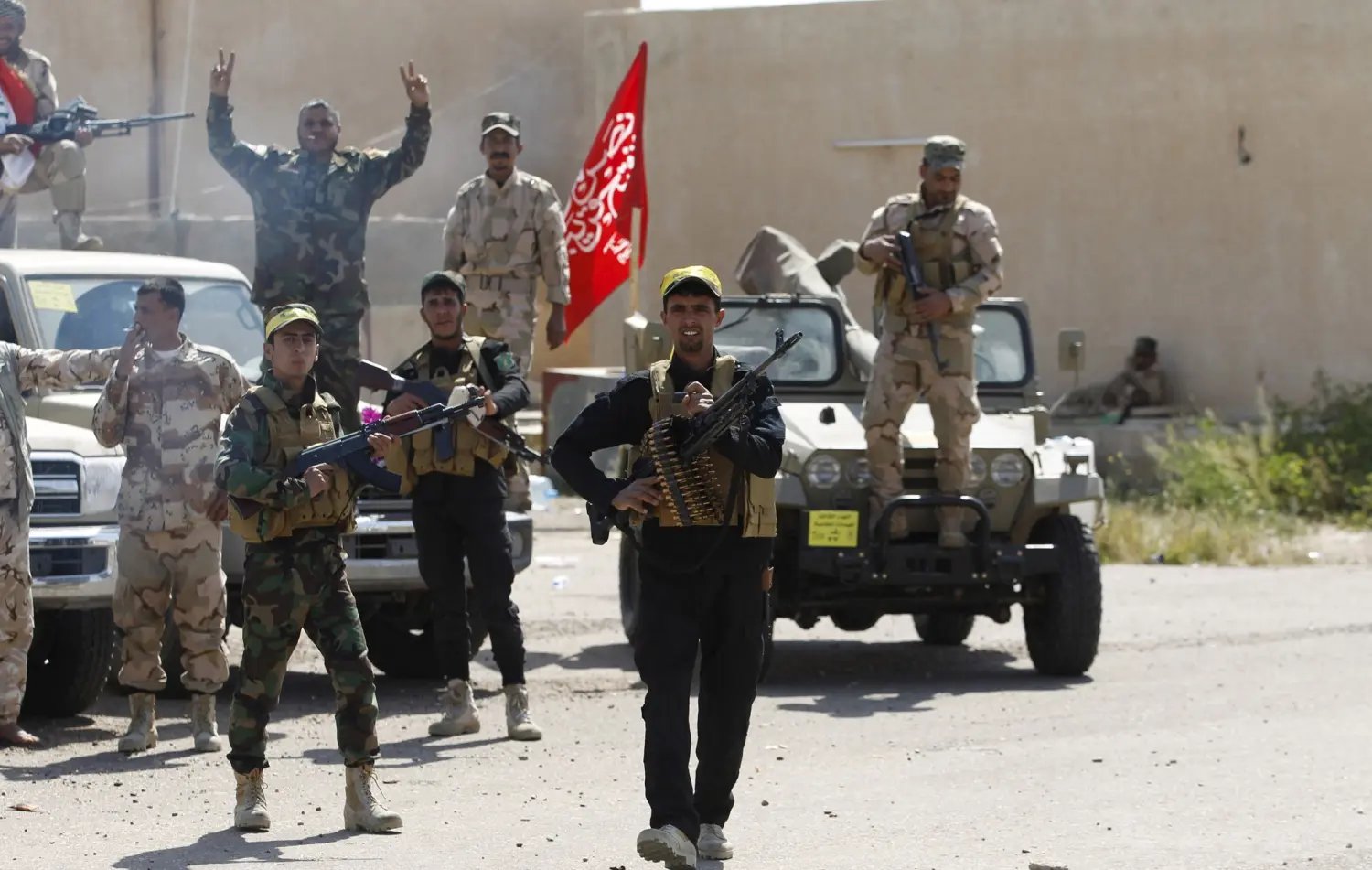
Secretary of State Marco Rubio announced late Tuesday that American journalist Shelly Kittleson had been released after being held hostage by Kataib Hezbollah, an Iran-backed militia group in Iraq, for a little more than a week. The 49-year-old freelancer was taken on March 31 in Baghdad.
At the time of the militia group's announcement, CNN national security analyst Alex Plitsas, Kittleson's friend and emergency contact, said he had seen the statement but added that there was "no official confirmation from the United States government that this is true."
The militia group had announced earlier on Tuesday that it would free Kittleson on the condition that she leave Iraq immediately. US officials are now "working to support her safe departure from Iraq," according to Rubio, who also thanked Iraqi officials for their role in securing her release.
The Abduction and Response
At the time of Kittleson's kidnapping, Iraqi security forces pursued the suspects in an operation that resulted in one of the kidnappers' cars overturning and the arrest of one person, according to the Iraqi government. Prime Minister Mohammed Shiaa al-Sudani had ordered security forces to pursue those responsible for abducting foreigners.
Before her abduction, US officials had contacted Kittleson multiple times to warn her of threats against her safety. She had been told her name appeared on a list held by Kataib Hezbollah, which was plotting to kidnap or kill female journalists, according to CNN national security analyst Alex Plitsas, who is Kittleson's friend and emergency contact.
Kittleson's Background and Prior Warnings
Kittleson, based in Rome, has covered conflicts in Afghanistan, Iraq and Syria and has worked for numerous publications. Plitsas previously told CBS that Kittleson had been warned by the US government about a specific threat from Iran-backed paramilitaries.
Kataib Hezbollah said it would release a recording showing Kittleson's "role and activities in Iraq," though the group provided no further details about the material. The abduction occurred amid ongoing attacks by Iran and its allied Iraqi Shia militias on US-associated targets across Iraq and the region.








For example, Alex Plitsas stated that Kittleson was warned about a specific threat from Iran-backed paramilitaries, indicating she was on a list of individuals targeted for kidnapping or assassination.