Wall Street experienced a significant rally on Tuesday, with the S&P 500 jumping 3.2%, marking its largest one-day gain since the onset of hostilities between the U.S. and Iran. This sharp increase came in response to the announcement of a two-week ceasefire between the U.S. and Iran, leading to optimism among investors regarding global stability and economic recovery.
The ceasefire also triggered a dramatic drop in oil prices, with Brent crude futures falling about 13% to approximately $95 per barrel. West Texas Intermediate (WTI) crude fell by around 14% to about $96 a barrel. Analysts noted that the temporary reopening of the Strait of Hormuz, a crucial route for global oil trade, contributed to the plunge, easing concerns about supply disruptions.
In the wake of the ceasefire, the Canadian dollar reached a 13-day high against the U.S. dollar, reflecting a broader trend of currency appreciation linked to reduced geopolitical tensions. The British pound also saw its largest gain in three weeks, as traders reacted positively to the news of the truce. The Indian rupee extended its rally, with forward premiums dropping as oil prices decreased, indicating a shift in market sentiment.
International leaders welcomed the ceasefire, with French President Emmanuel Macron calling it "very good news" and urging for the inclusion of Lebanon in future talks. Pope Leo XIV expressed satisfaction with the ceasefire, viewing it as a "sign of deep hope." The European Union also welcomed the agreement, urging efforts toward a lasting resolution to the conflict.
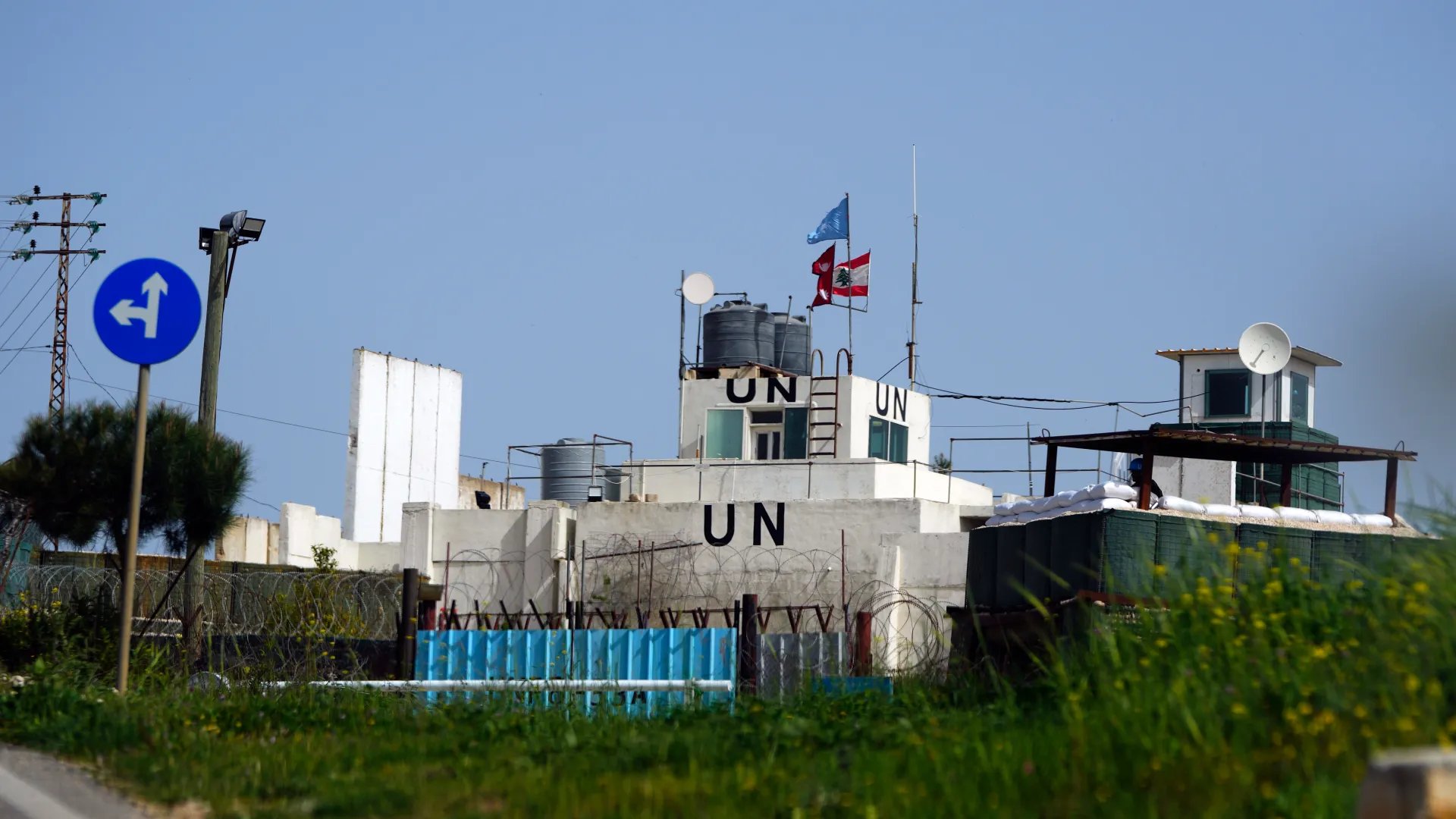
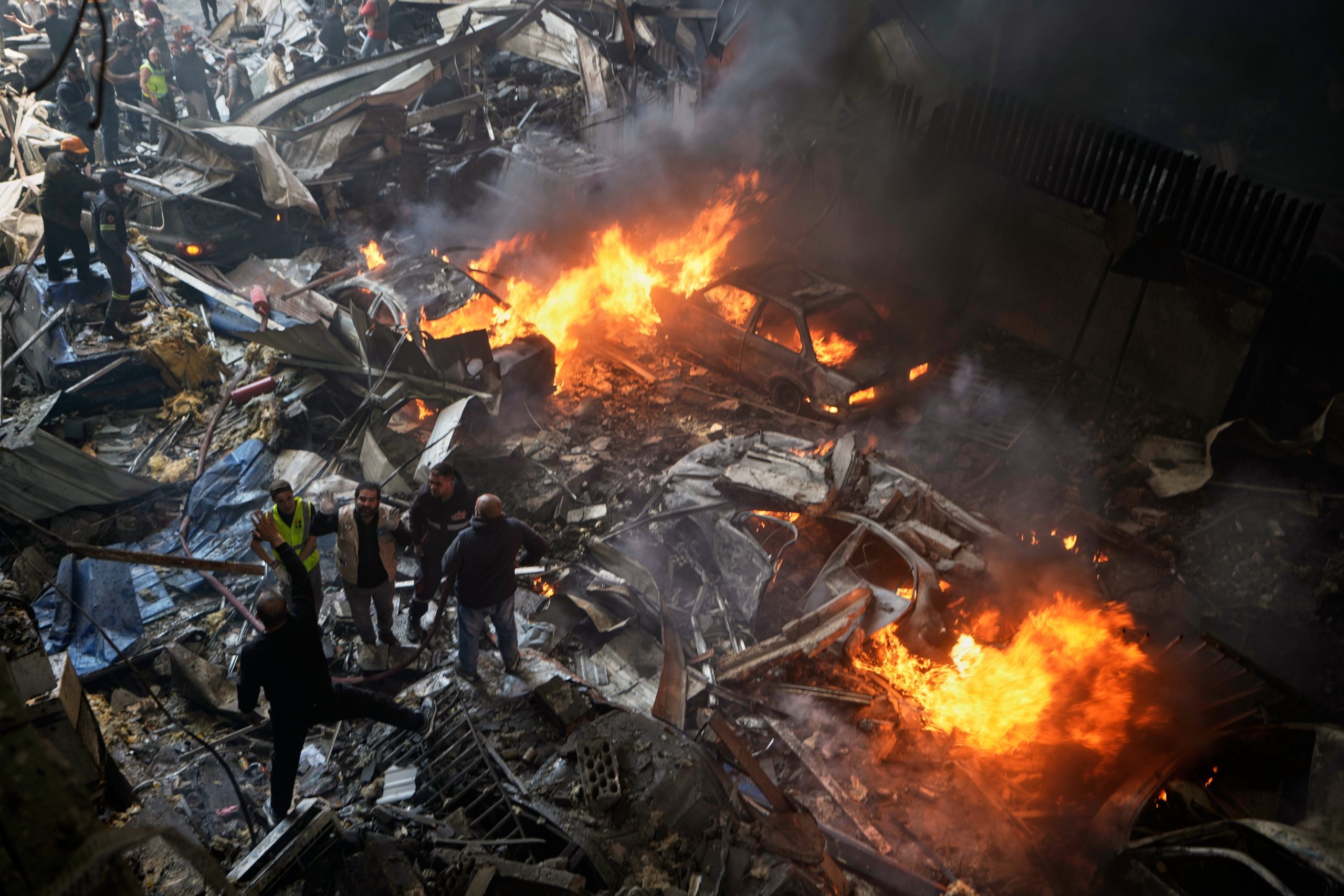
Despite the positive market response, tensions remain high. Israel launched airstrikes in Lebanon shortly after the ceasefire was announced, raising concerns about the stability of the agreement. Israeli opposition leader Yair Lapid criticized the ceasefire as a "political disaster," arguing that Israel was not included in the negotiations that affect its national security. Iran has also threatened to reconsider the ceasefire if its ally Hezbollah is excluded from discussions.
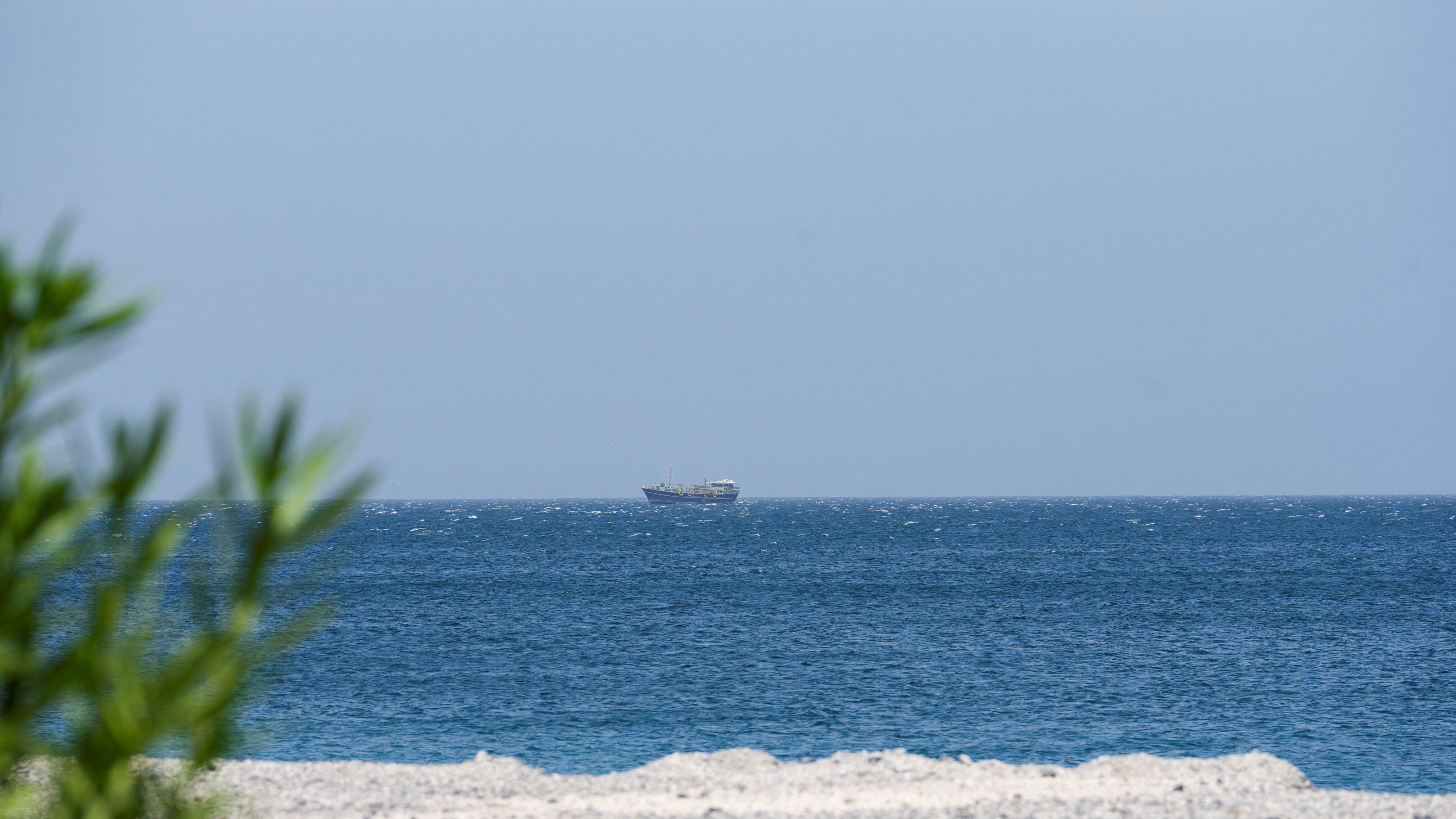
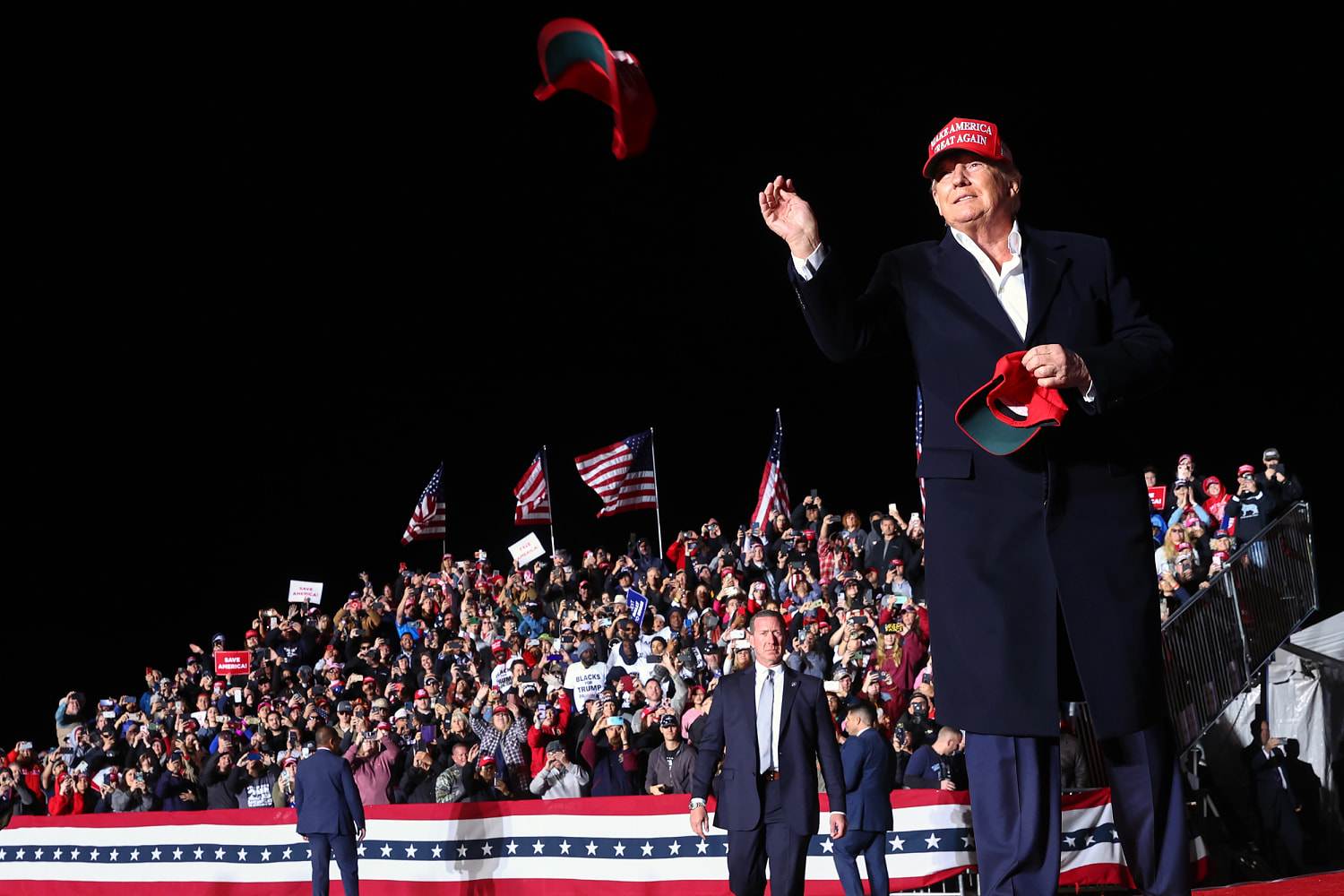
The success of the ceasefire hinges on the reopening of the Strait of Hormuz, a vital waterway for global oil shipments. U.S. President Donald Trump stated that the deal is contingent on Iran allowing "complete" access to the strait. Analysts warn that shippers' confidence in the safety of the route will be crucial for resuming normal operations. The next steps involve both sides negotiating terms that could lead to a more comprehensive peace agreement.
The situation remains fluid, and the coming days will reveal whether this ceasefire will hold and lead to a more lasting peace in the region.
Wall Street experienced a significant rally on Tuesday, with the S&P 500 jumping 3.2%, marking its largest one-day gain since the onset of hostilities between the U.S. and Iran. The Dow Jones Industrial Average surged by 1,200 points, and the Nasdaq Composite rose by 3.5%. This sharp increase came in response to the announcement of a two-week ceasefire between the U.S. and Iran, leading to optimism among investors regarding global stability and economic recovery.
The ceasefire also triggered a dramatic drop in oil prices, with Brent crude futures falling about 13% to approximately $95 per barrel. This decline represents the biggest single-day drop in oil prices since the Gulf War in 1991. West Texas Intermediate (WTI) crude fell by around 14% to about $96 a barrel. Analysts noted that the temporary reopening of the Strait of Hormuz, a crucial route for global oil trade, contributed to the plunge, easing concerns about supply disruptions.
In the wake of the ceasefire, the Canadian dollar reached a 13-day high against the U.S. dollar, reflecting a broader trend of currency appreciation linked to reduced geopolitical tensions. The British pound also saw its largest gain in three weeks, as traders reacted positively to the news of the truce. The Indian rupee extended its rally, with forward premiums dropping as oil prices decreased, indicating a shift in market sentiment.
International leaders welcomed the ceasefire, with French President Emmanuel Macron calling it "very good news" and urging for the inclusion of Lebanon in future talks. Pope Leo XIV expressed satisfaction with the ceasefire, viewing it as a "sign of deep hope." The European Union also endorsed the agreement, emphasizing the need for efforts toward a lasting resolution to the conflict.
Despite the positive market response, tensions remain high. Israel launched airstrikes in Lebanon shortly after the ceasefire was announced, raising concerns about the stability of the agreement. Israeli opposition leader Yair Lapid criticized the ceasefire as a "political disaster," arguing that Israel was not included in the negotiations that affect its national security. Iran has also threatened to reconsider the ceasefire if its ally Hezbollah is excluded from discussions.
The success of the ceasefire hinges on the reopening of the Strait of Hormuz, a vital waterway for global oil shipments. U.S. President Donald Trump stated that the deal is contingent on Iran allowing "complete" access to the strait. Analysts warn that shippers' confidence in the safety of the route will be crucial for resuming normal operations. The next steps involve both sides negotiating terms that could lead to a more comprehensive peace agreement.
As Wall Street rebounds and oil prices stabilize, consumers could see relief at the pump and in their investment portfolios. The ceasefire may provide a temporary respite from rising gas prices, which have surged in recent months due to the conflict. With markets responding positively, individuals with retirement accounts and investments may benefit from the increased economic stability brought about by the ceasefire.
The situation remains fluid, and the coming days will reveal whether this ceasefire will hold and lead to a more lasting peace in the region.
Highlighted text was flagged by the council. Tap to see feedback.